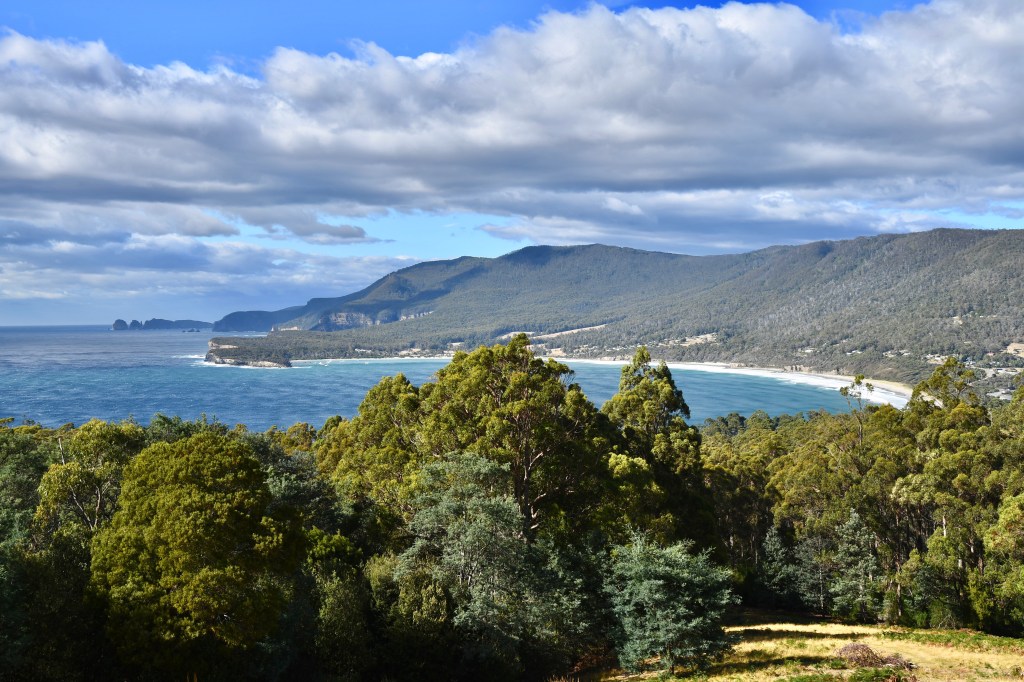
My sister and I both liked Tasmania. We liked that it is very rural, and found it even more easygoing and laid back than mainland Australia (the little island to the north according to one local Tasmanian).
We enjoyed driving the small roads and stopping in little towns. There seemed to be far fewer tourists here too, mostly older Australians and younger people looking for adventure and the great outdoors.
There are 19 national parks on Tasmania, with 40% of the island national parks, reserves and UNESCO World Heritage areas. With numerous hiking trails and campgrounds, there is almost no end to the possibilities.
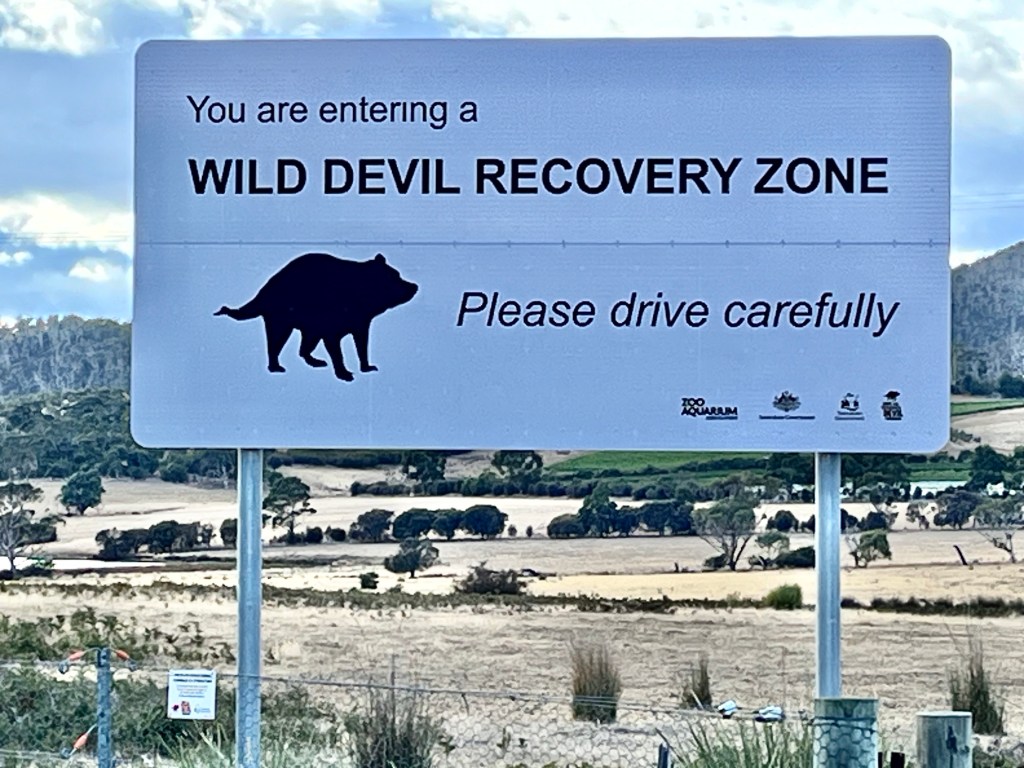
Before our Bay of Fires walk, we drove out to the Tasman Peninsula, and toured the historically important UNESCO World Heritage Site Port Arthur. It tells the story of the forced migration of convicts by the British Empire. You can walk all the grounds and ruins of the prison, take a boat ride around Mason Cove and Isle of the Dead, and view the instruments of punishment (cat o’ nine tails) and even try on the shackles, but the individual prisoner stories were the most interesting part of the exhibit for me.
Port Arthur.org.au


The prisoners had it very rough, many held for minor offenses. The Commandant and soldiers and their families however, had a much better life. There were gardens and fountains on site.

Leaving Port Arthur, we cruised through the small town of Richmond. Just outside of town we found Pooley Wines.


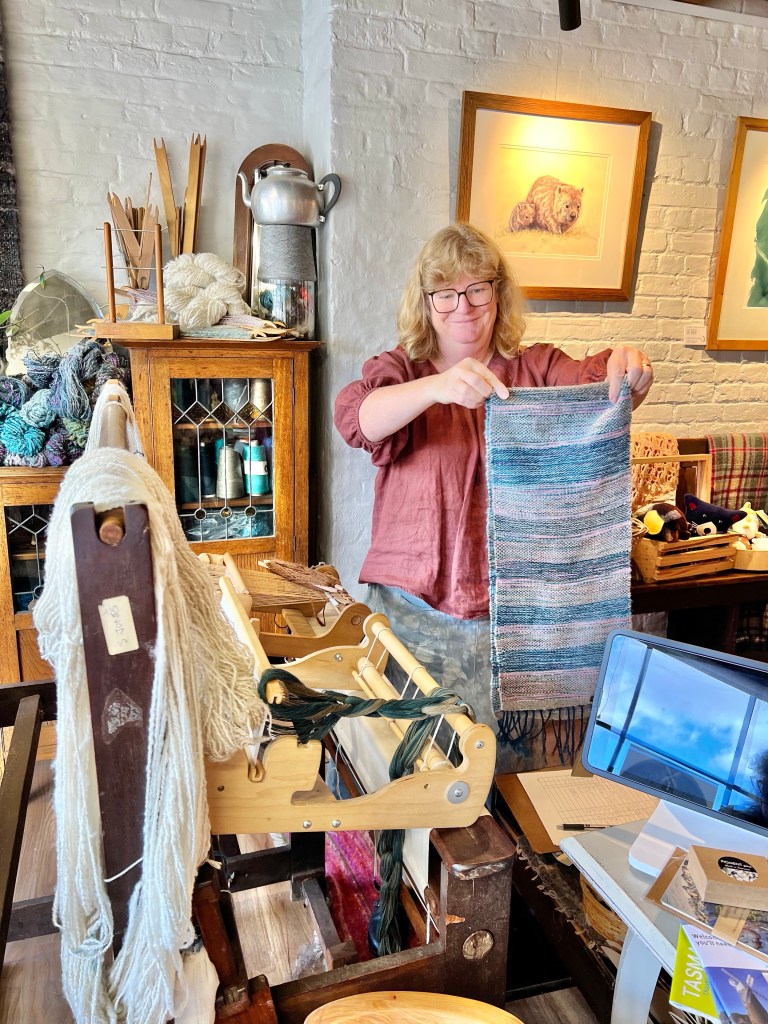
From Hobart we drove northbound on Highway 1 – the inland route – making its way through dry valleys and fields of sheep towards Launceston, passing through small towns, two of which are Oatlands and Ross. We stopped in Oatlands for coffee and walked up and down the one Main Street (no traffic lights). Stopping in at the Weaver’s Cottages Studio, we met Oscar, the owners adorable dog, and walked through the mill.
http://www.facebook.com/theweaverscottagesstudiooatlandstas

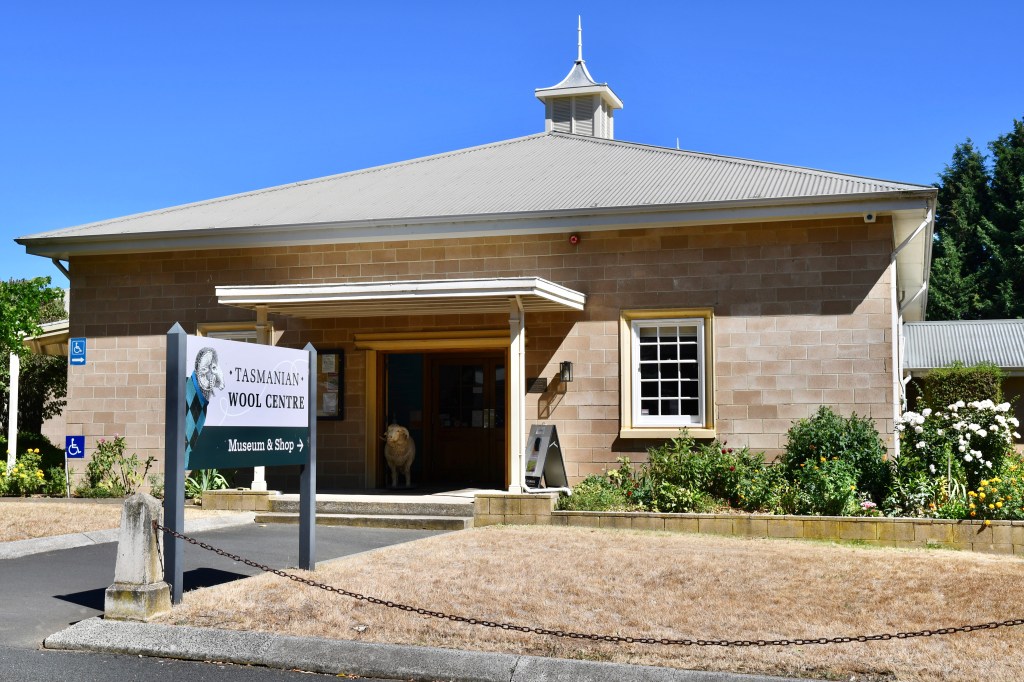
In Ross we stopped to take a look at the site of the women’s prison, and also found the Tasmanian Wool Centre.


We continued our drive northward and stayed the night at the Quamby Estate outside of Launceston and not far from Hadsby, where the Tasmanian Walking Co is based and we met to start the walk.


After completing the Bay of Fires walk, we spent the following day checking out the area north of Launceston, known as the Tamar Valley.
Tamarvalley.com.au
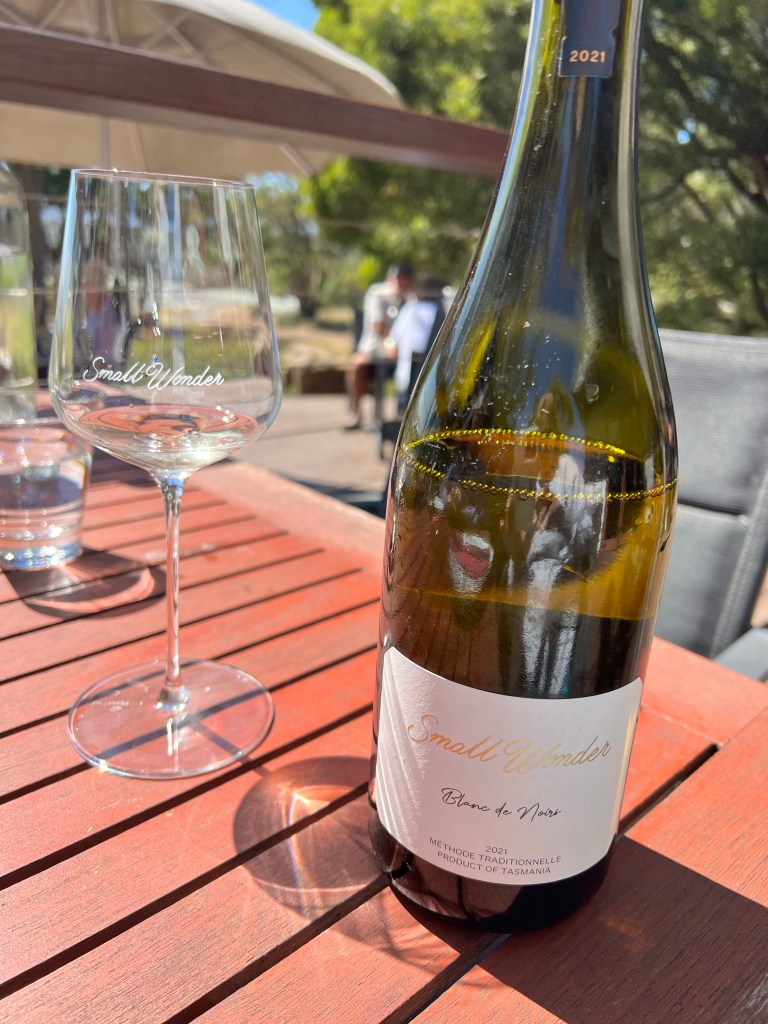
They have some lovely rural areas and small settlements. We stopped into Small Wonders Vineyard for a wine tasting and enjoyed the beautiful but very windy view. Most of the time here has been windy, with only a few early mornings with calm winds.



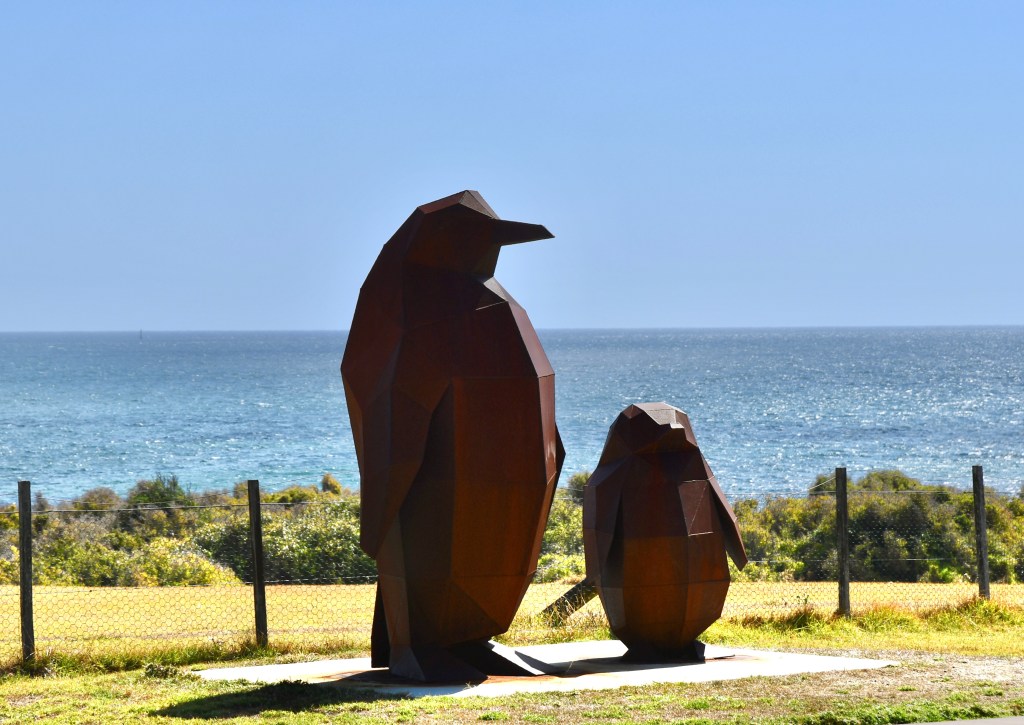
Just past George Town we walked around a historic lighthouse and passed a sign for Fairy Penguin tours. Here is another spot where you can go out at sunset and watch the smallest penguins in the world come into shore to visit their burrows. I think this would be a good spot as there would be far fewer people to deal with here than at Phillip Island where we saw them. It was great and we were happy we did it, but to see them here with a handful of people would be really nice.

We found it refreshing that at nearly every opportunity, whether it be a corporation or government entity, whoever was making an announcement began with something such as “…we want to acknowledge the indigenous people who were stewards of this land for thousands of years and did not relinquish sovereignty.” This happened on tours, on signs at museums, and in the public address on Quantas Airlines.
At the Port Arthur UNESCO World Heritage Site:
The Port Arthur Historic Site Management Authority acknowledges and wishes to pay respect to the Tasmanian Aboriginal Community, in particular, the Pydarerme people of the Paredarerme language group, as the traditional, original and continuing custodians of the land on which the Port Arthur Historic Site stands today. Cultural sites representing many tens of thousands of years of occupation still remain in the area, though many were destroyed or pillaged as a result of British settlement of the region.
Australian Government. Tasmania Government.
 A Traveler's Photo Journal