
It is great to have a rental car, you can get to remote areas and set your own schedule. But it is always a good feeling to drop it off and be free of the stress of driving and navigating unfamiliar roads.
Our end goal today was dropping the rental car at the Marco Polo Airport in Venice, Italy. We discovered that not far off our route was The Lipica Stud Farm, the oldest and original stud farm of the celebrated Lipizzan horse.
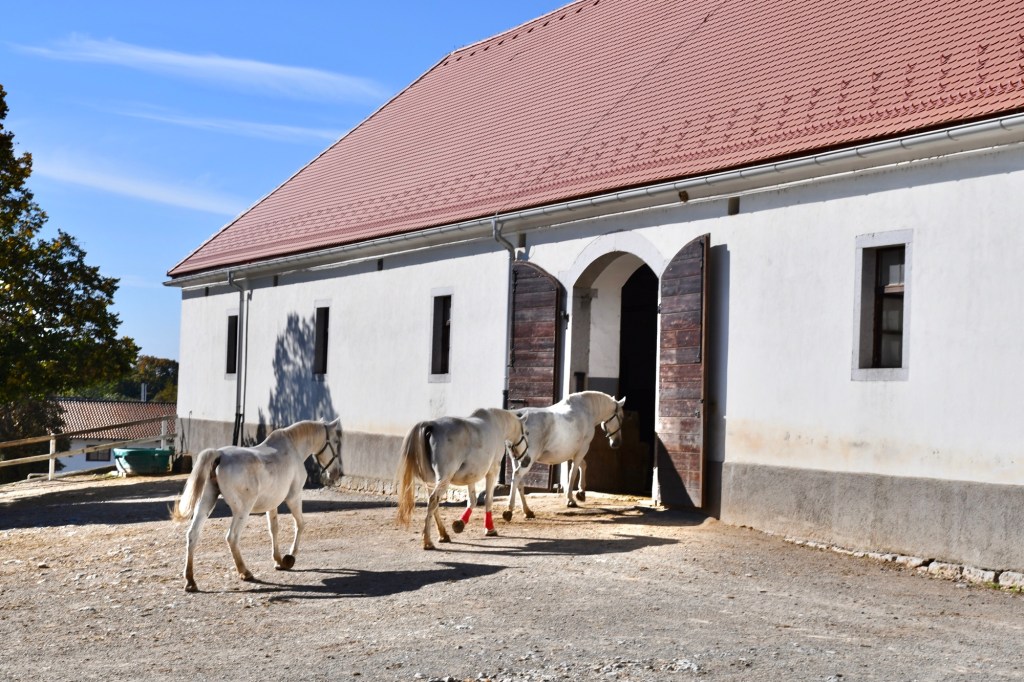
We arrived just after the gates opened, and it was nearly empty of tourists. They have shows every Friday and Sunday, but Monday is a rest day. We wandered the estate, walking into barns, peering into stalls, and watching the trainers at work until the noon guided tour.
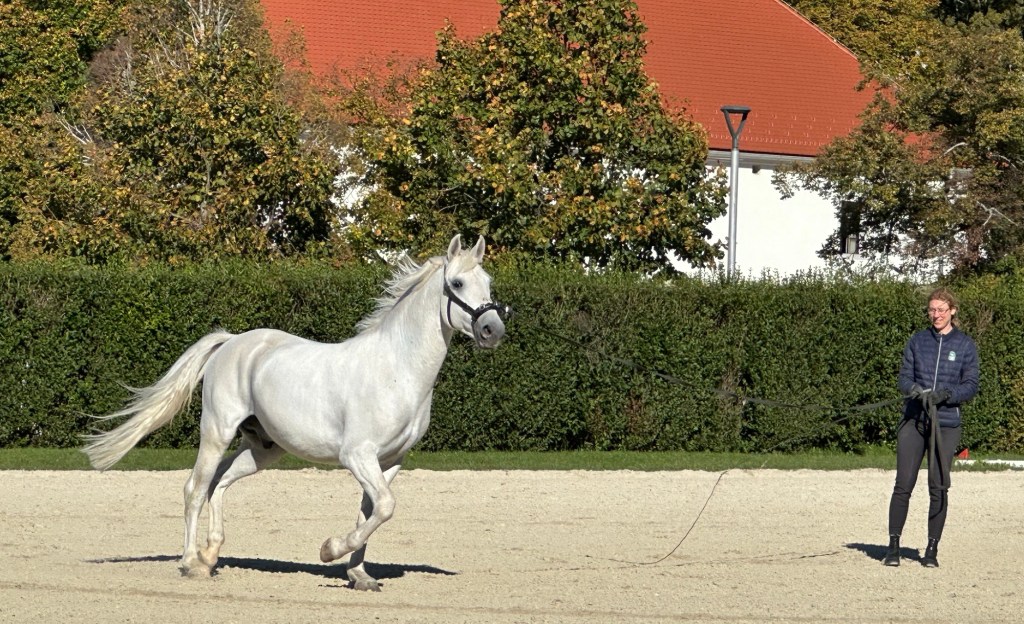

There was plenty of activity, mostly exercisers and grooms, some stable hands, working horses and cleaning stalls. They have over 300 horses on the estate. Each trainer/exerciser is responsible for about ten horses. The estate sprawls over 750 acres, and is celebrating its 445th.
From the Lipica.org website:
1580. Archduke Charles II, third son of Habsburg Emperor Ferdinand I, signed the contract on the acquisition of the Lipica estate on 19 May 1580. Franc Jurko became the first manager of the Stud Farm
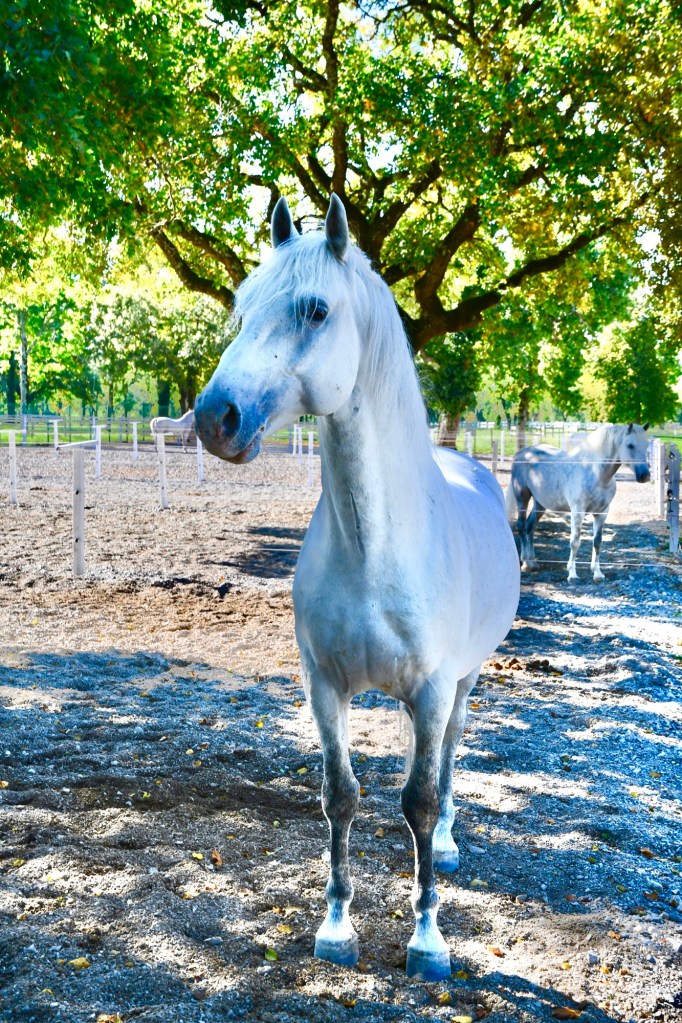
They bred the local Karst area mares with imported Spanish and Italian studs. They are proud of their heritage, and hold the original studbook for the Lipizzan horse. Our guide, Inez, listed the many awards won by the horses and riders from the estate.

The gestation is just over 11 months, and the foals are black when born. They are kept with their mothers for 8 months, nursing as much as 20 liters of milk per day for the first few months. They keep the mothers and babies together in a herd group for socialization and a natural environment. As they age they turn white. 1% of the Lipizzan breed keeps its color, either black or brown or grey, and the rest are white.

They welcome about 30 new foals per year. This year their first foal was born on March 2nd and their last in June. We walked through the museum on the grounds and read this interesting story:
The Incredible Story of the Lipizzan horses brings a moving narrative about the rescue of these horses during World War II. In 1943, the Germans transported all 179 horses from Lipica Stud Farm. However, in April 1945, American General Patton executed a daring operation named “Cowboy”, which saved the horses from an uncertain fate. Together with the German veterinarian Rudolf Lessing, the Americans relocated the horses to a safe area.


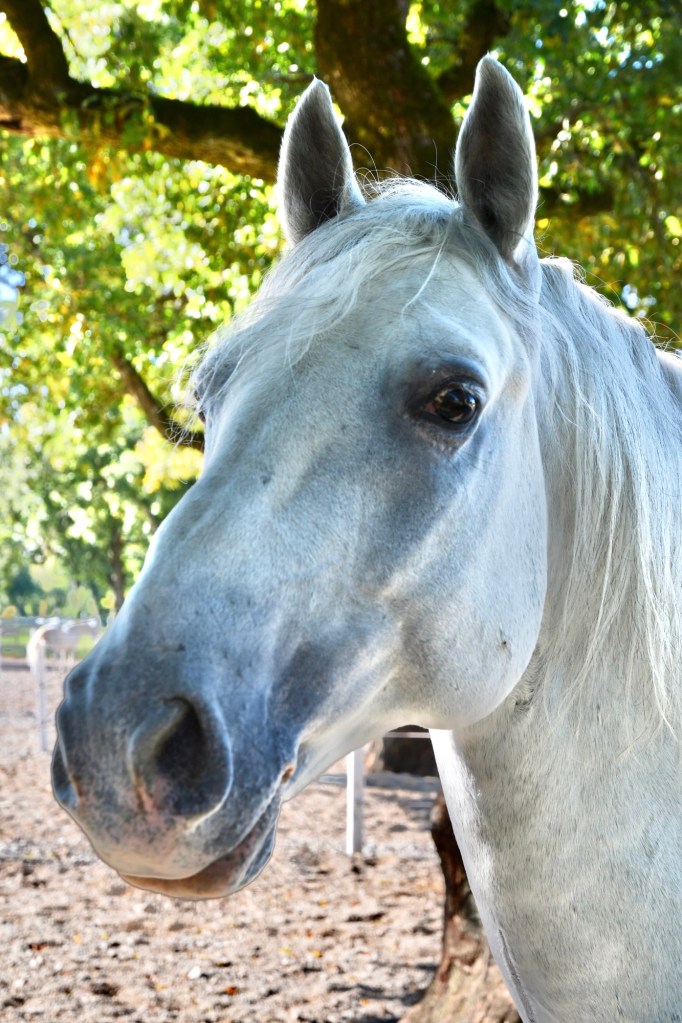
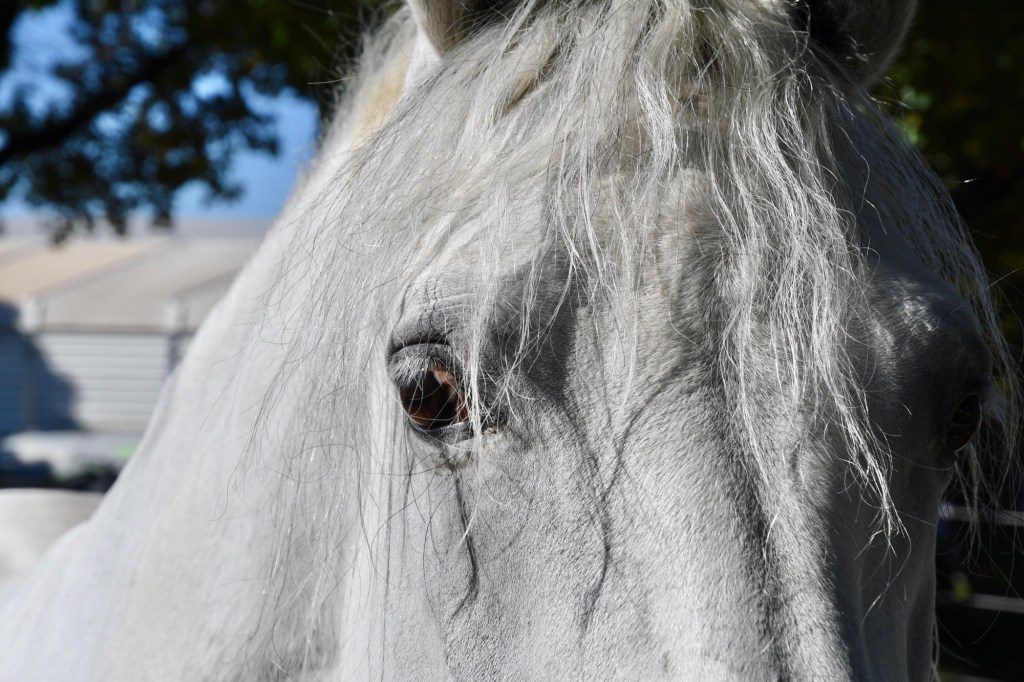


It was a pleasant day to be walking around the estate. We ended up having lunch there and then continued on our way. We made it safely to Venice and thankfully rid ourselves of the rental car without incident.
 A Traveler's Photo Journal
Amazing photos of beautiful horses. And what a fabulous history, to include being rescued by Patton! Hard work rewarded, obviously! Happy, healthy, loved horses!
Fascinating story.