So far on this trip we have visited 6 UNESCO World Heritage Sites.
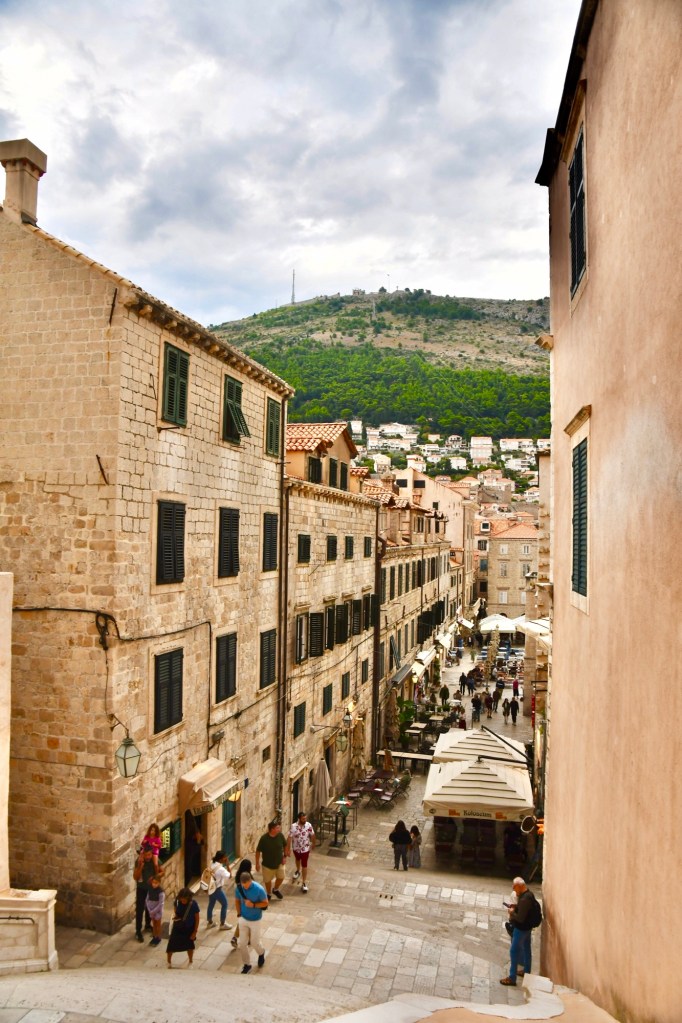
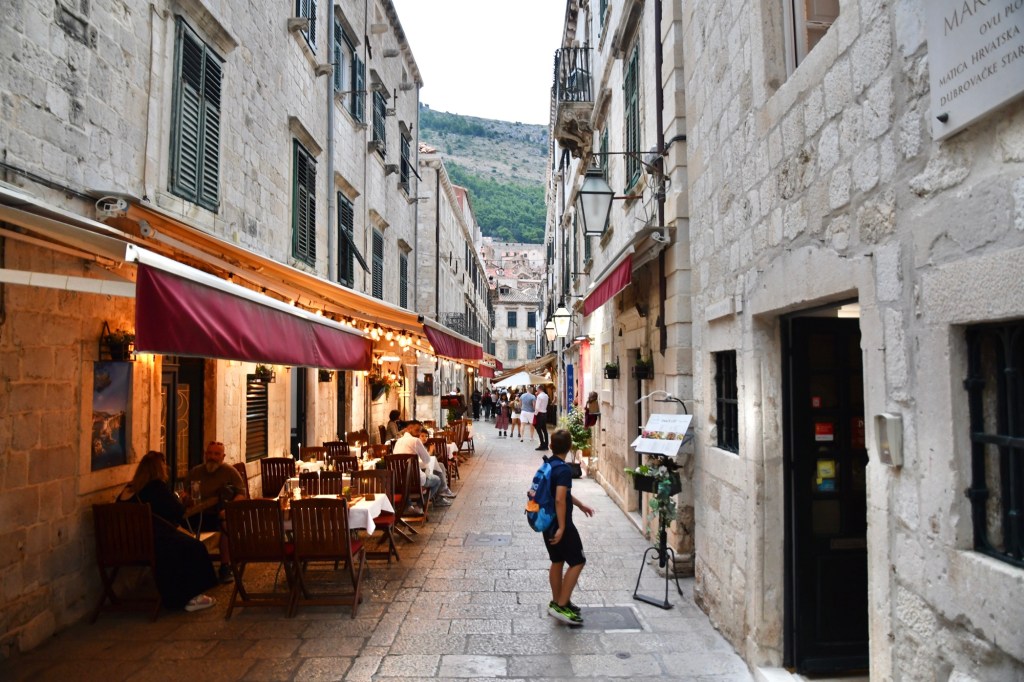
- Dubrovnik. Old City of Dubrovnik. Criteria – Cultural. 1979.
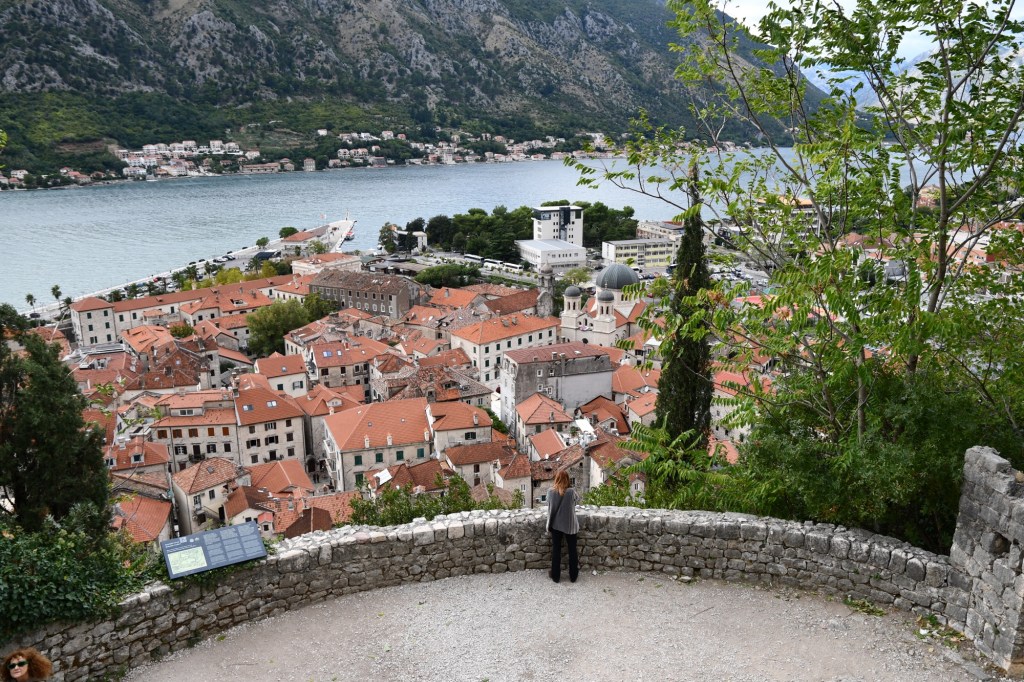
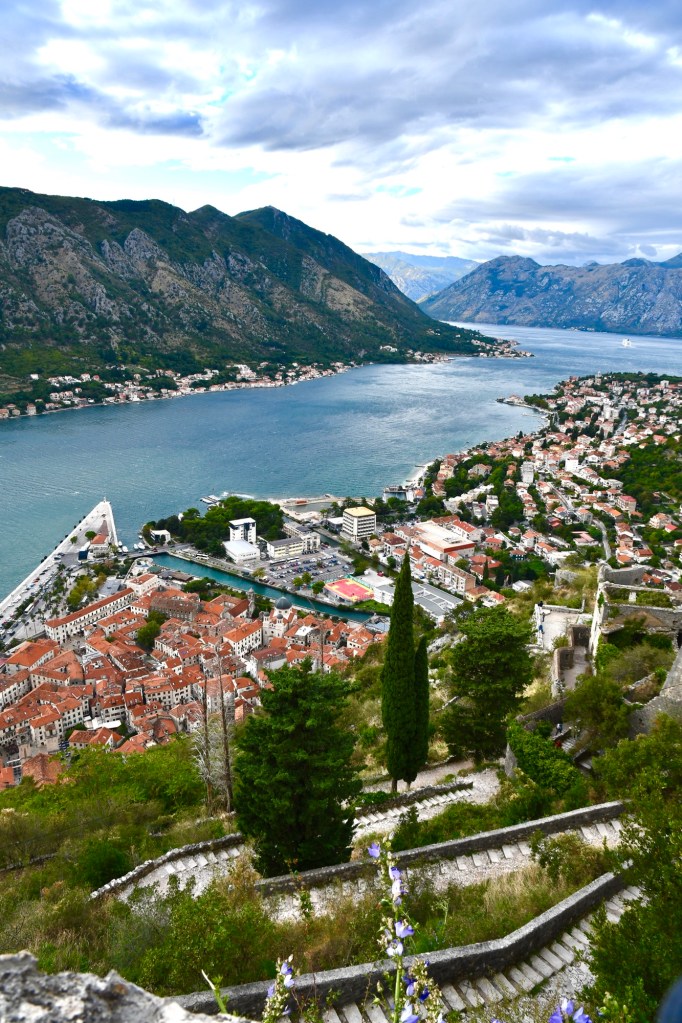
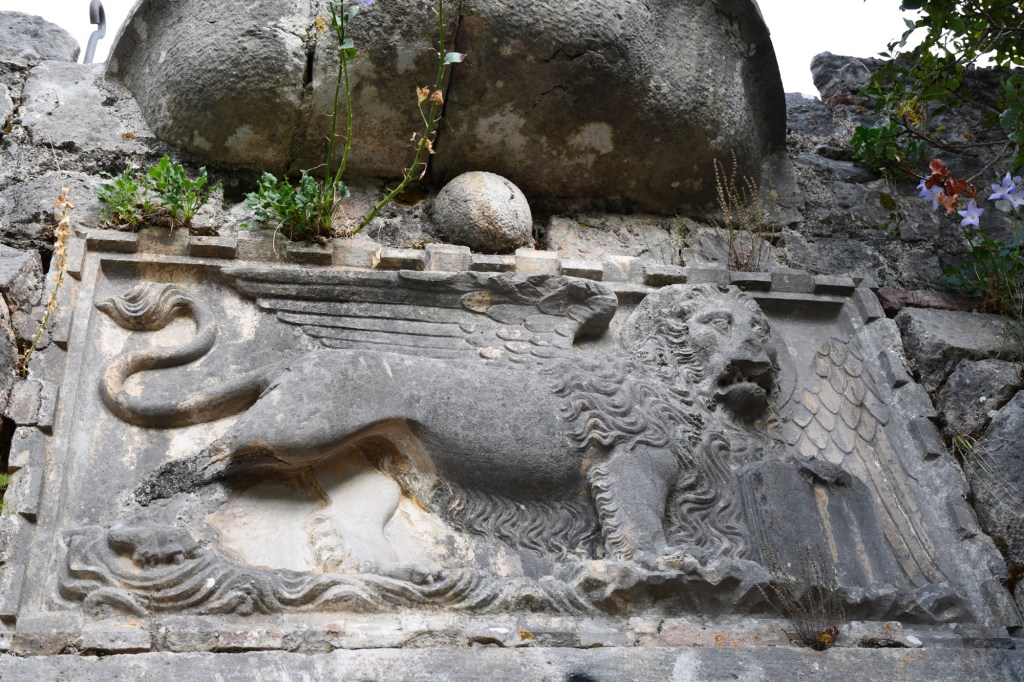
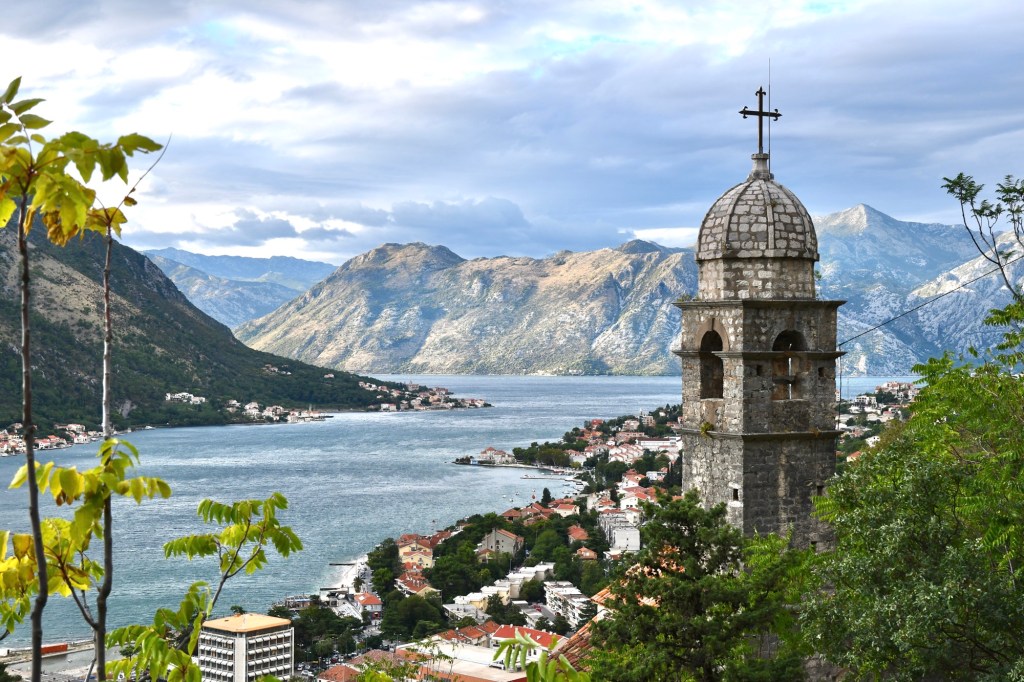
- Kotor. Historical Region of Kotor. Criteria – Natural and Cultural (i, ii, iii, iv). 1979.
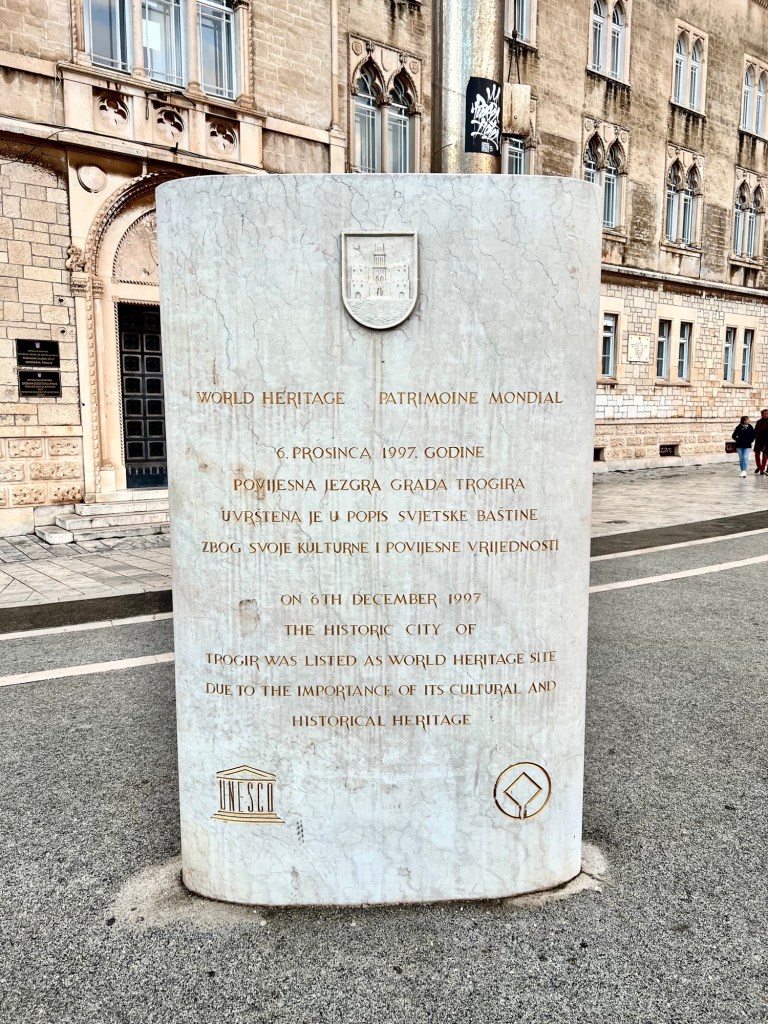
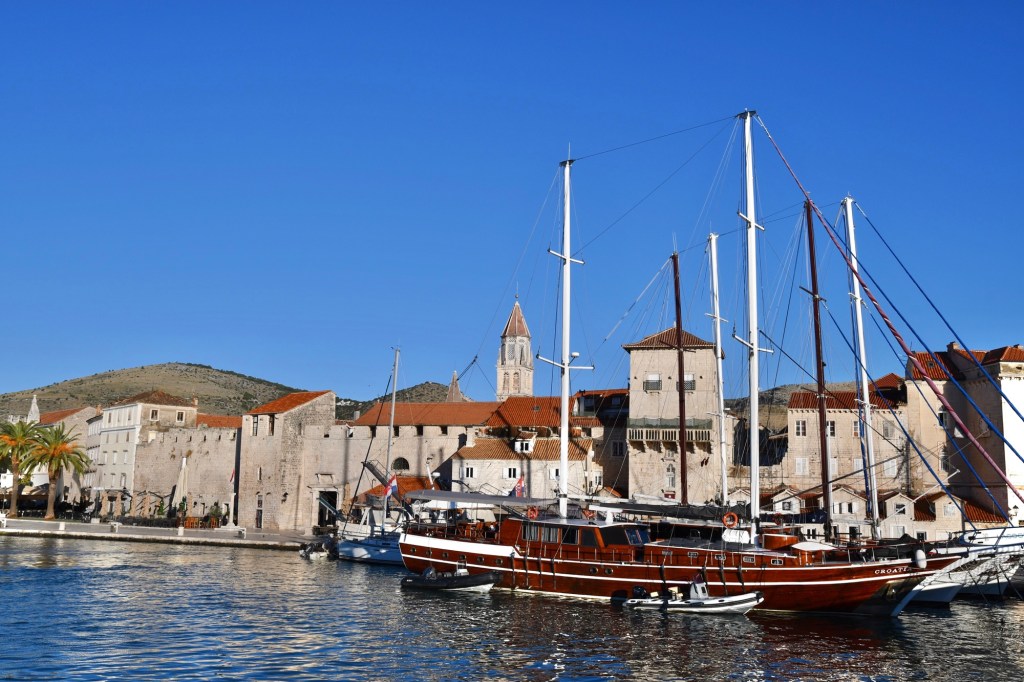
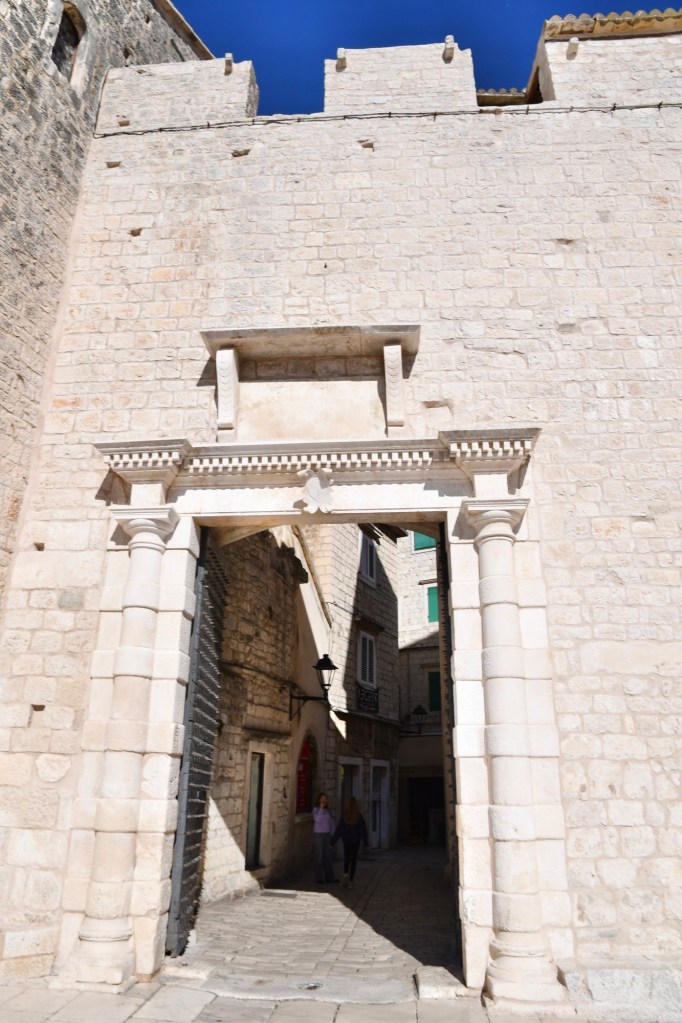
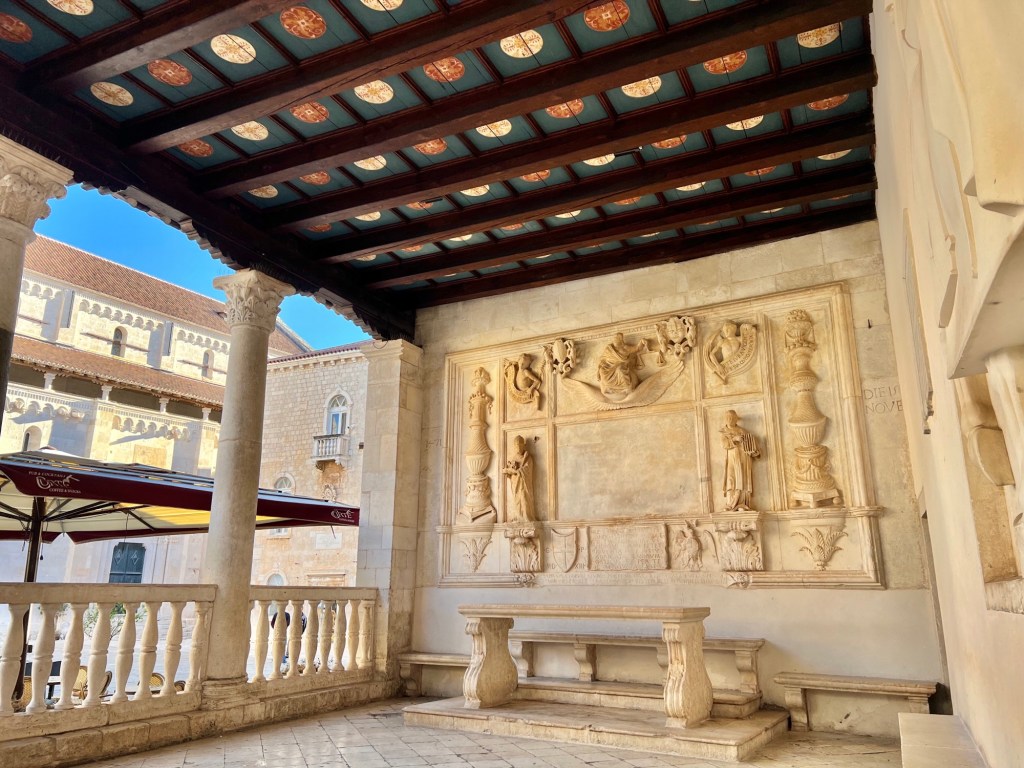
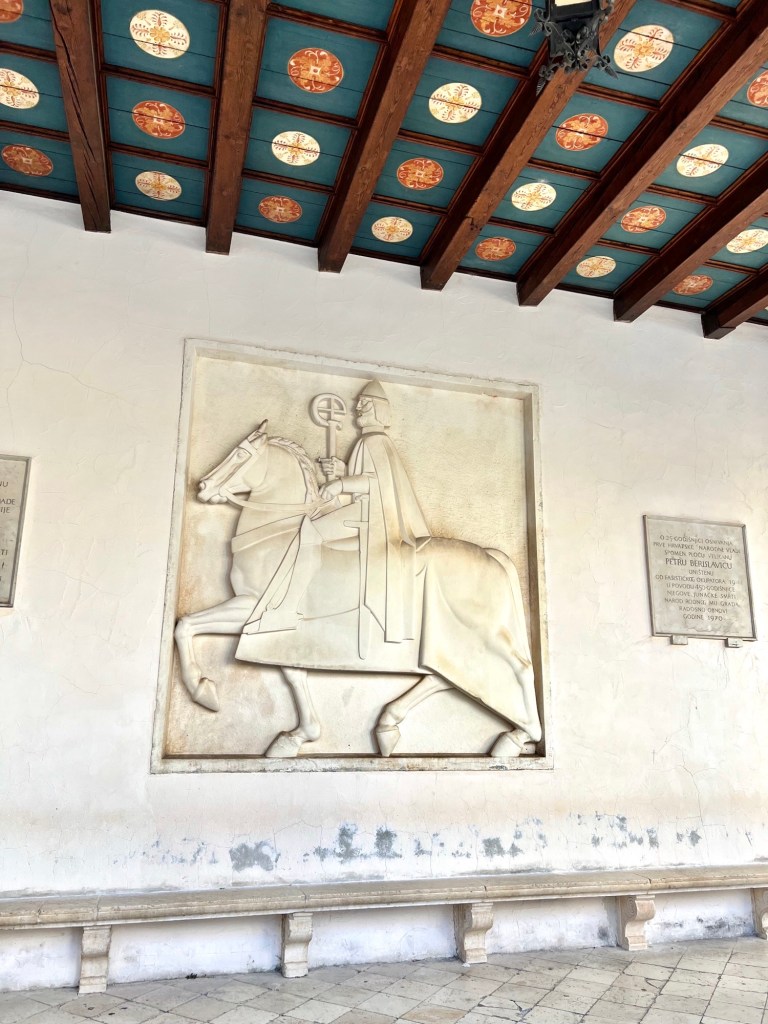
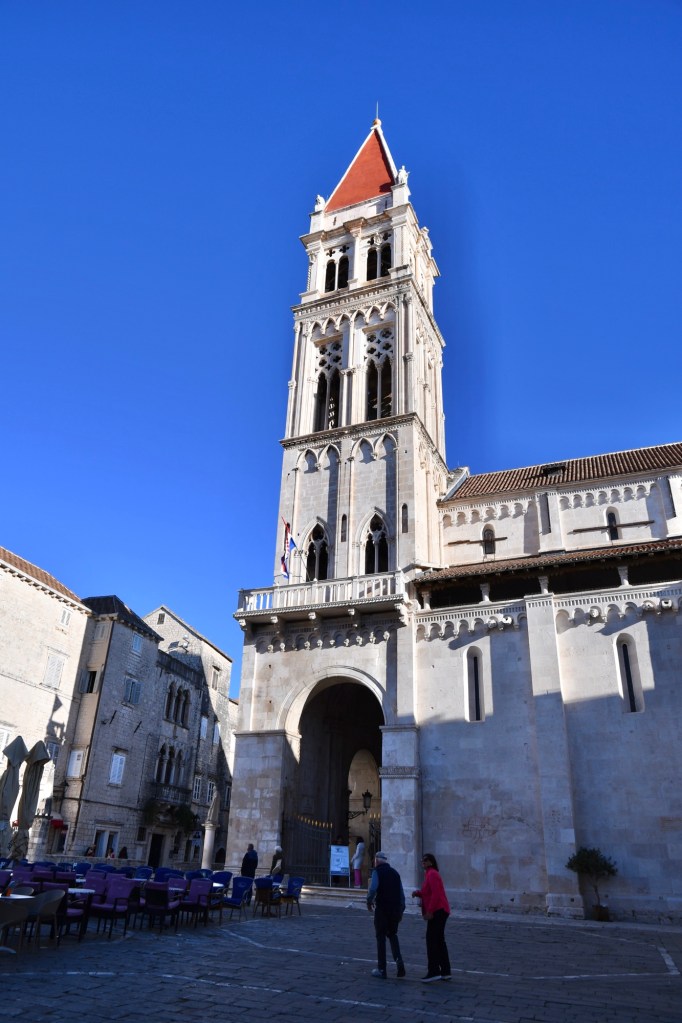
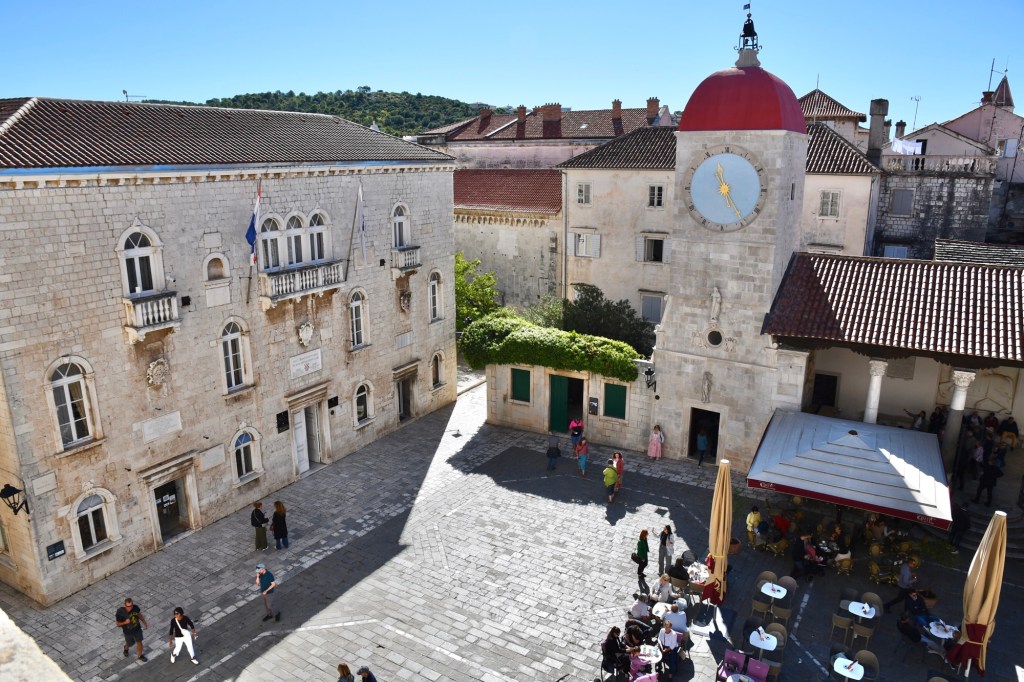
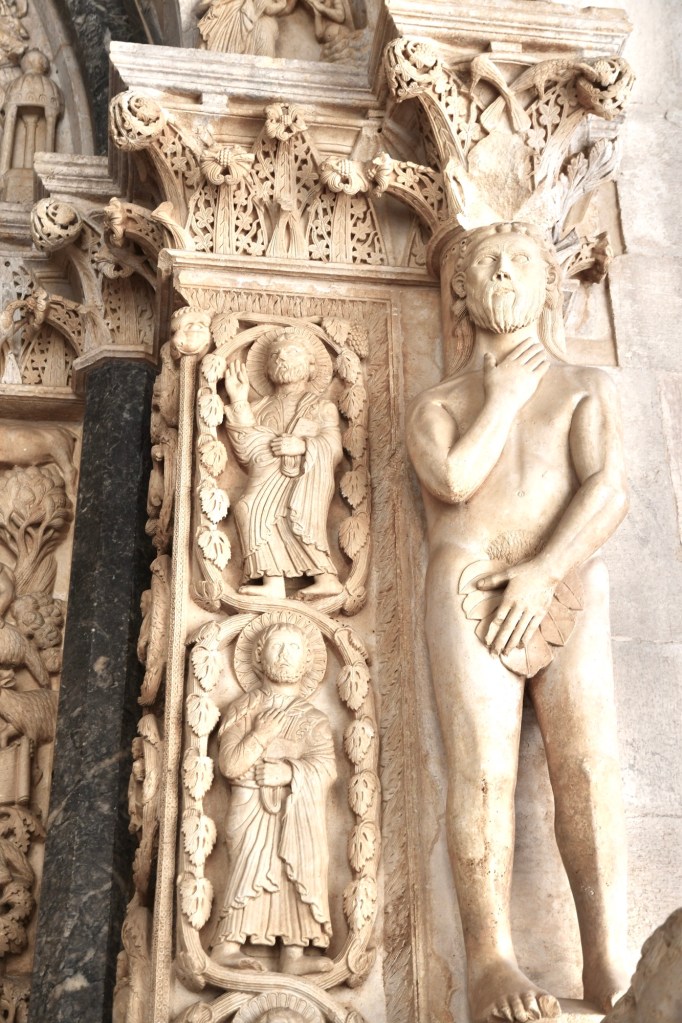
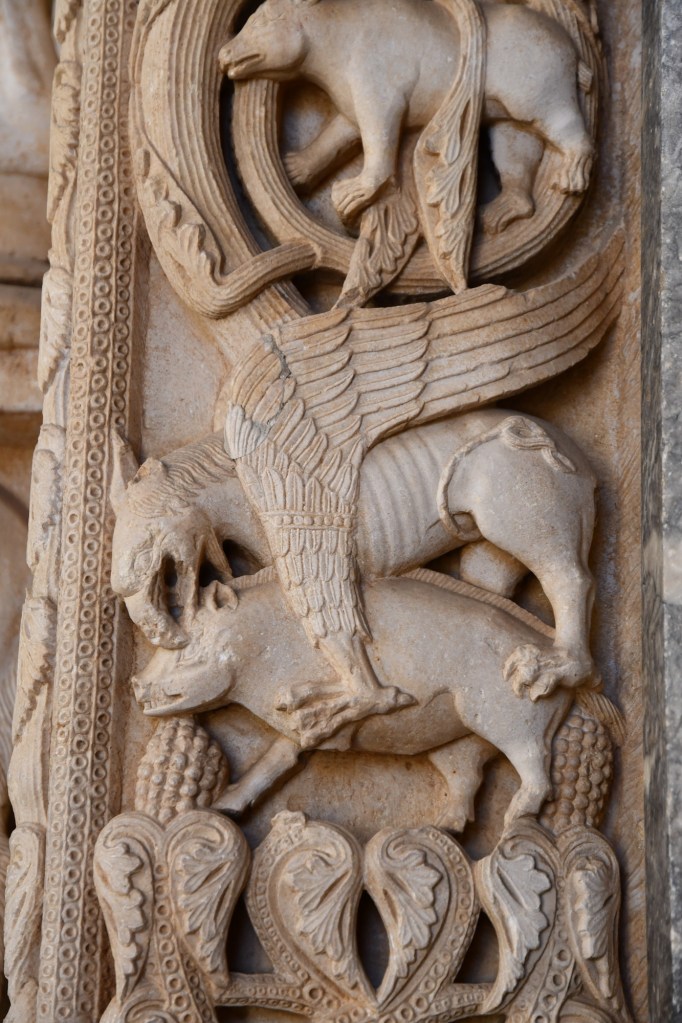
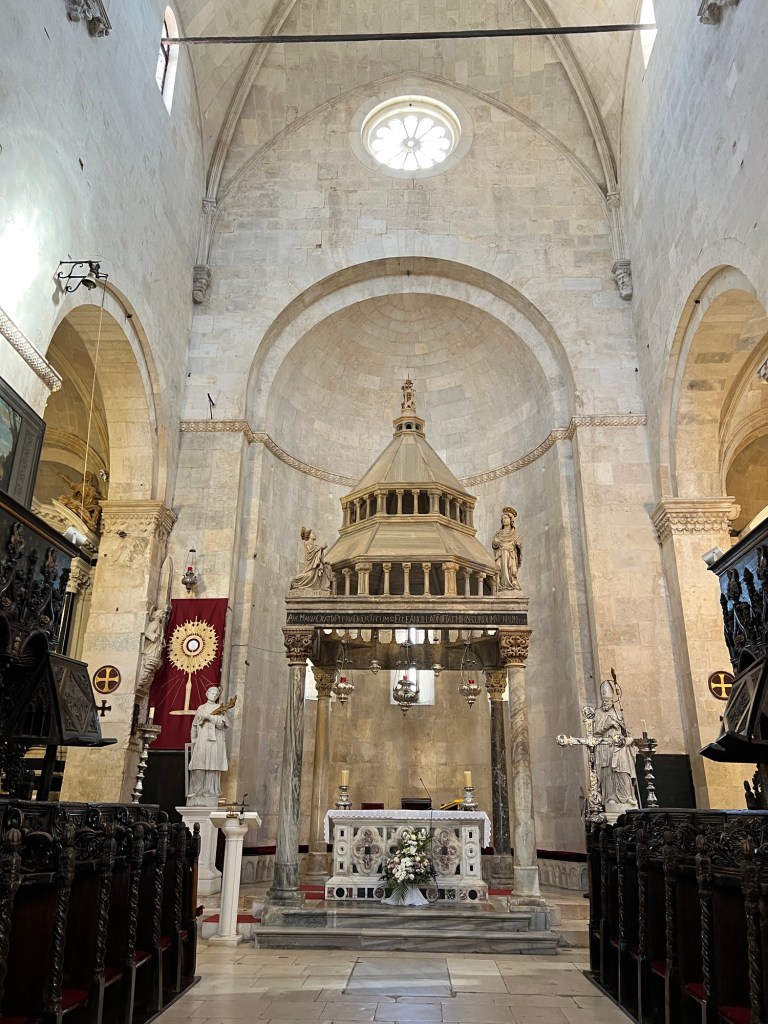
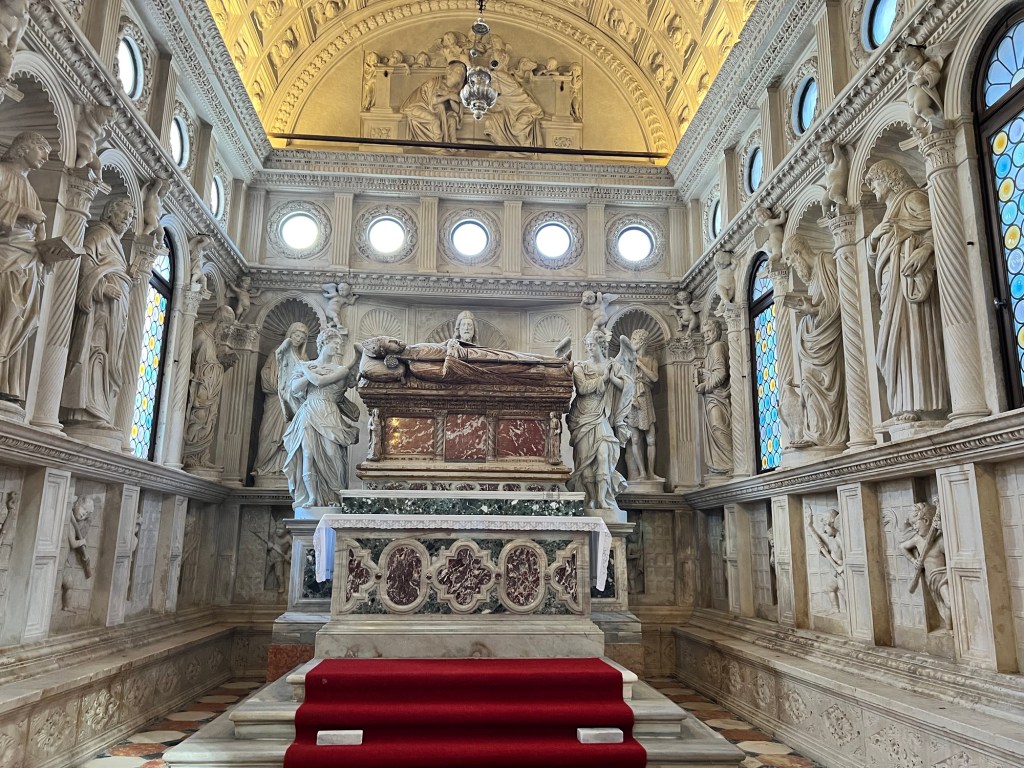
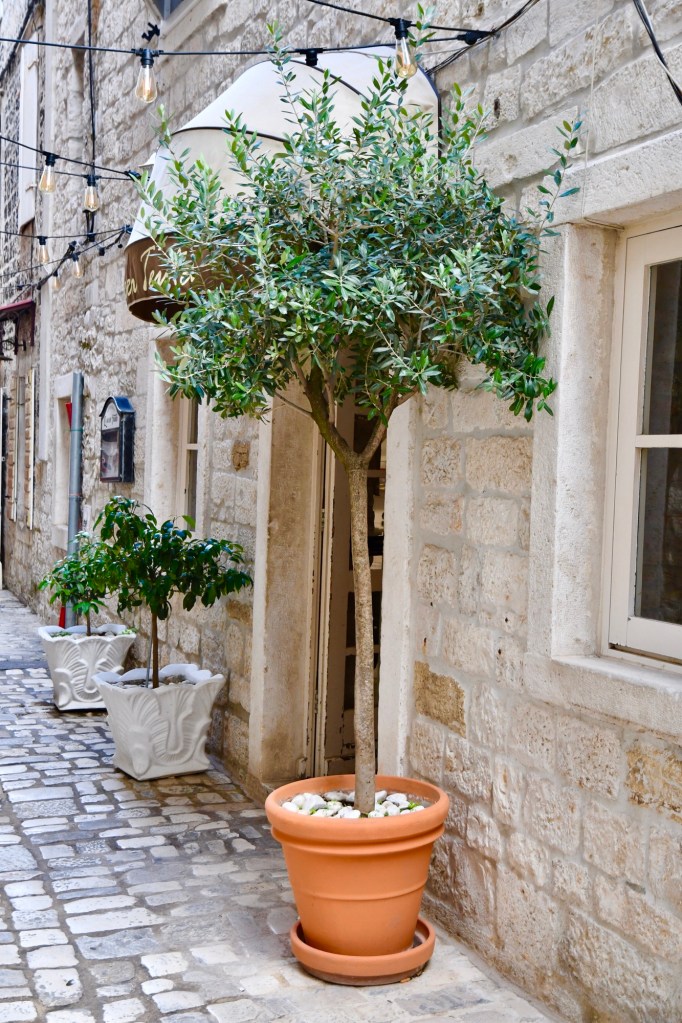
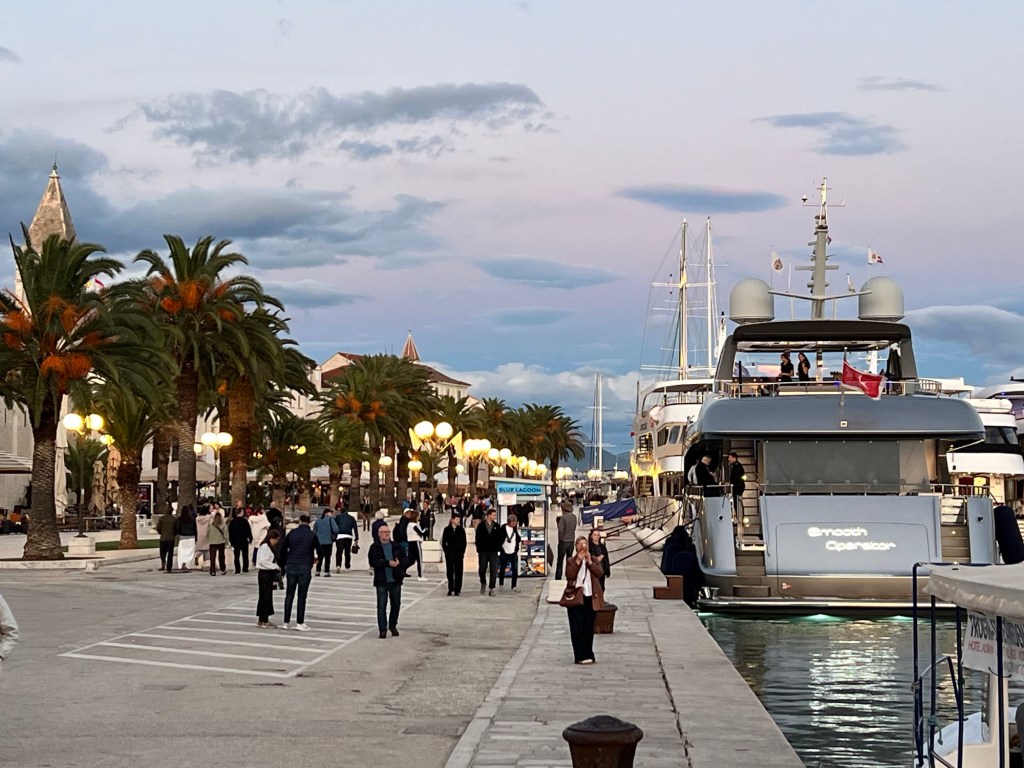
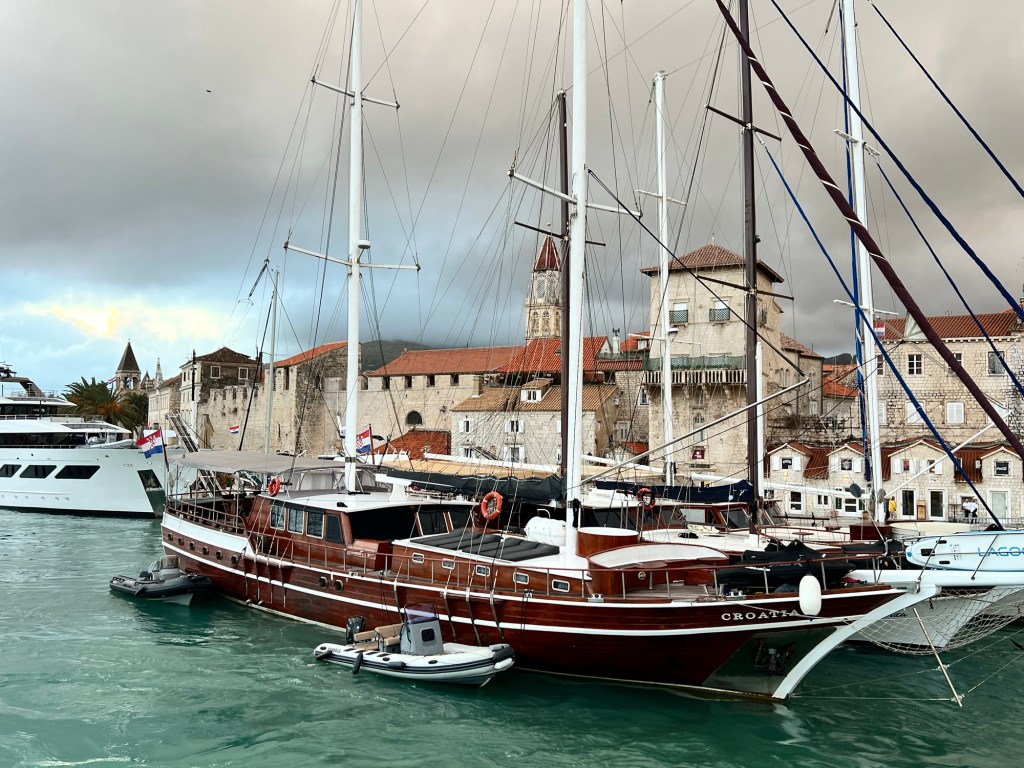
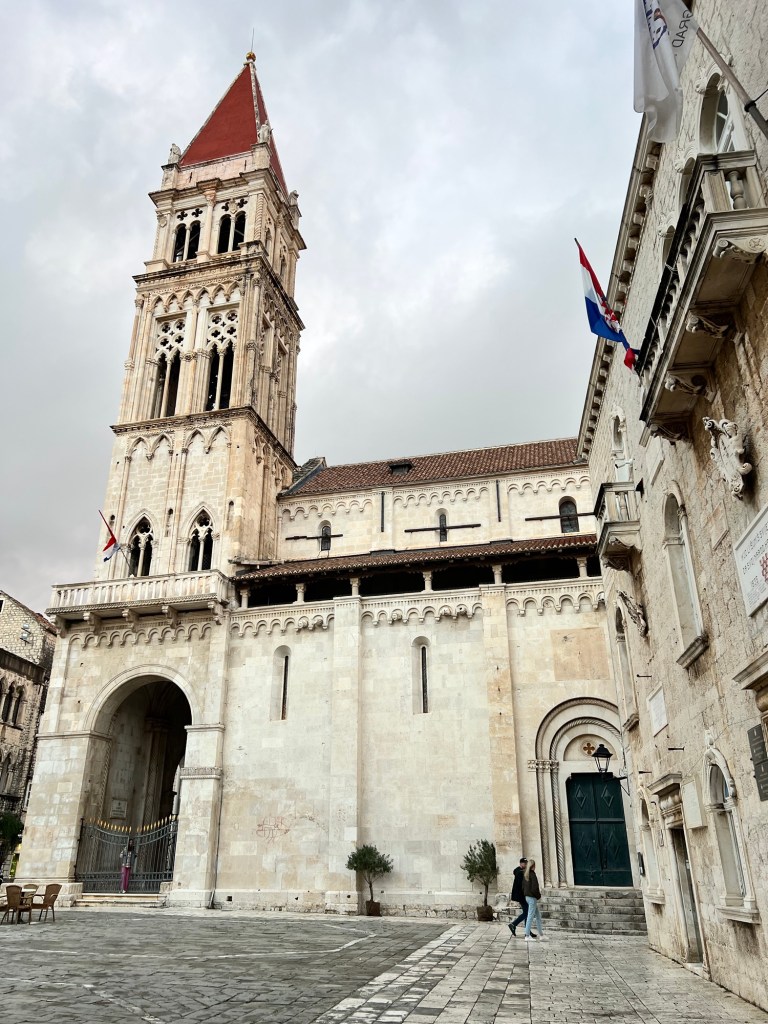
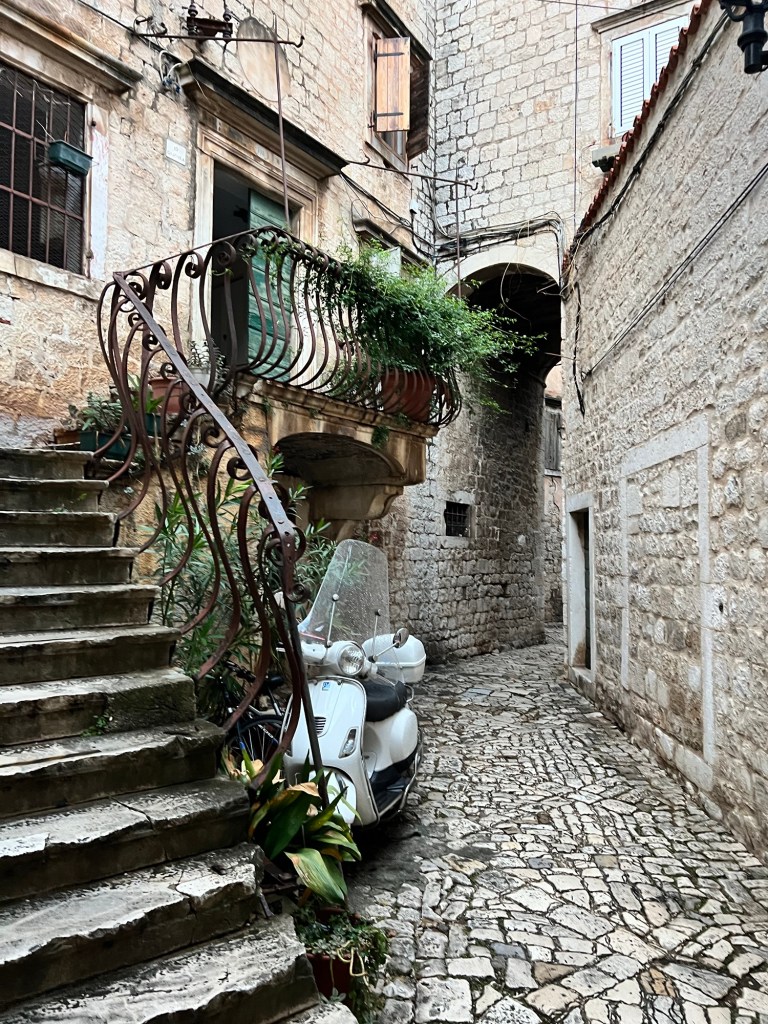
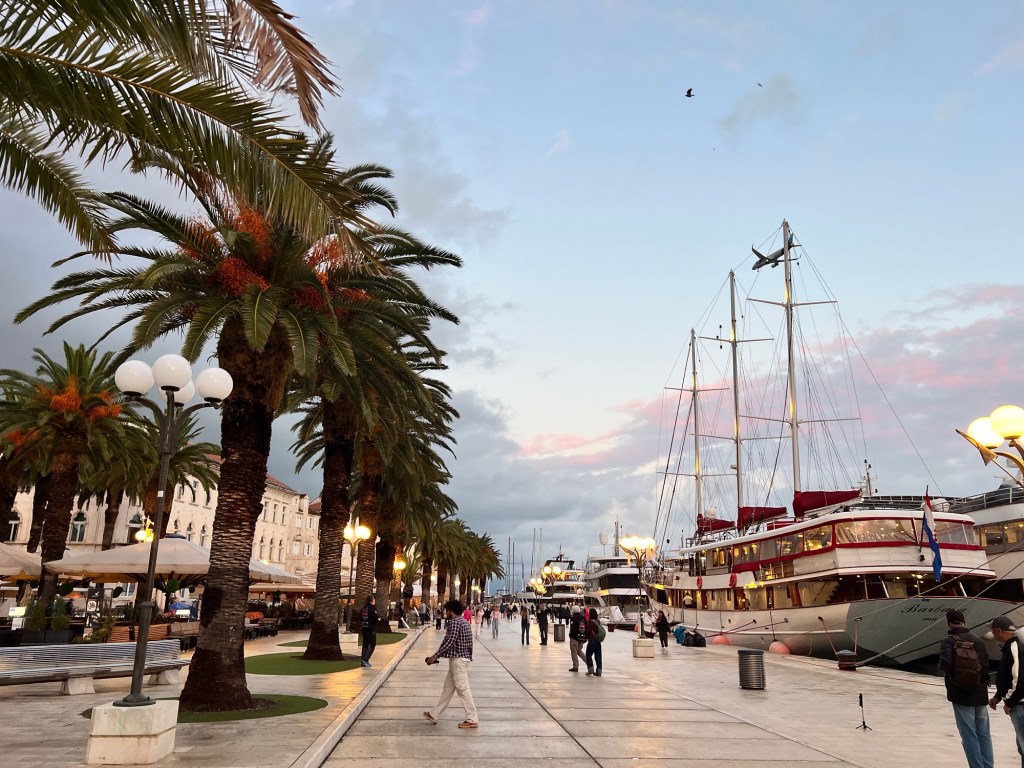
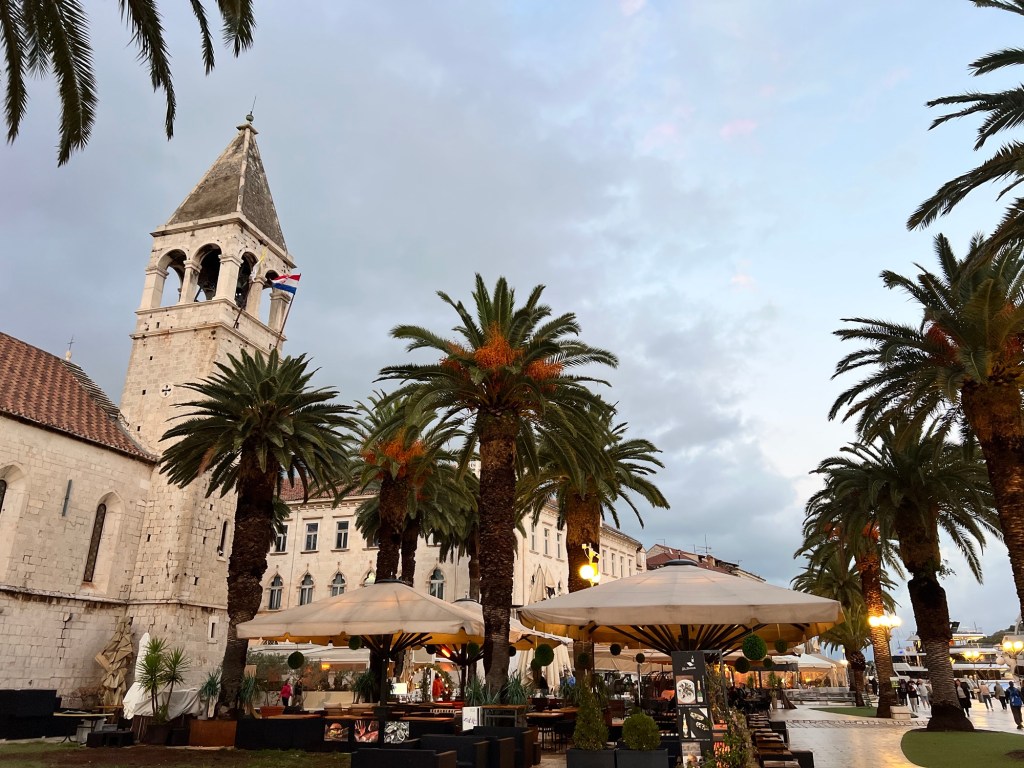
- Trogir. Historic City of Trogir. Criteria – Cultural. 1997.
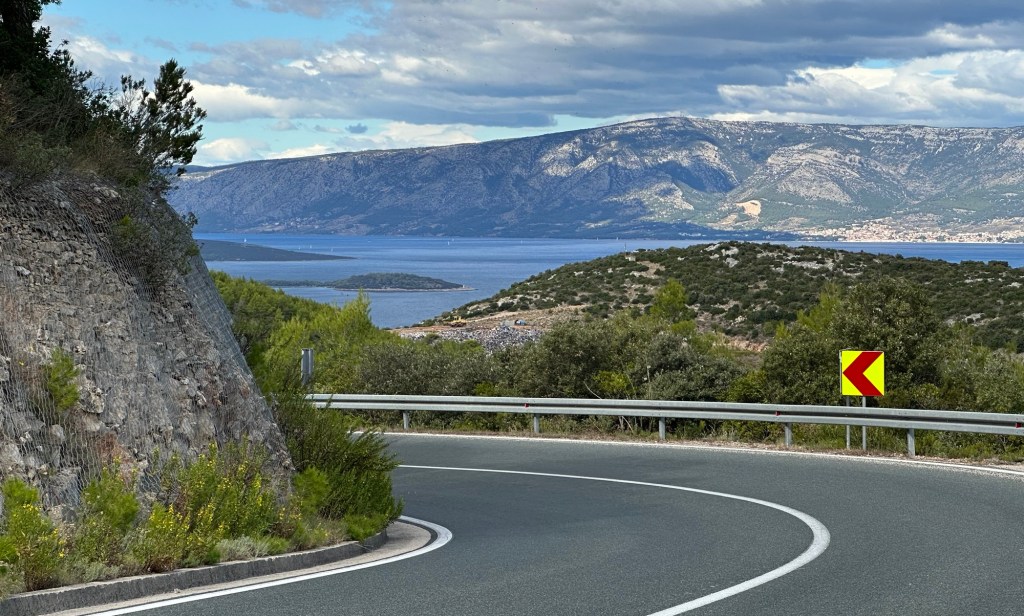
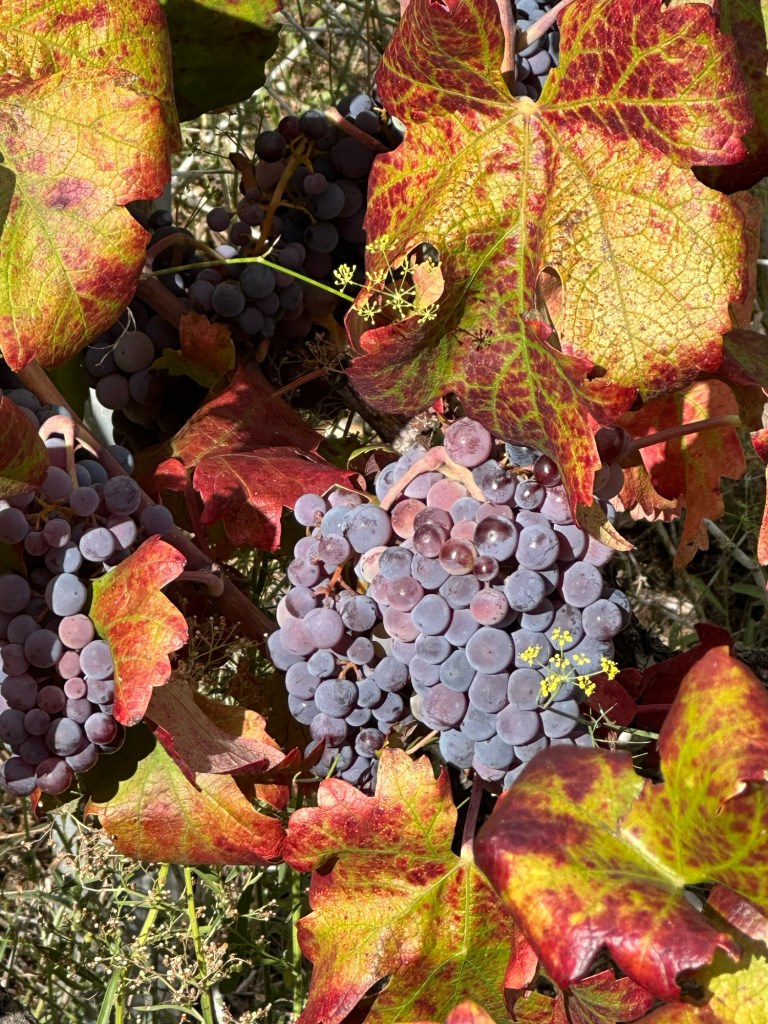
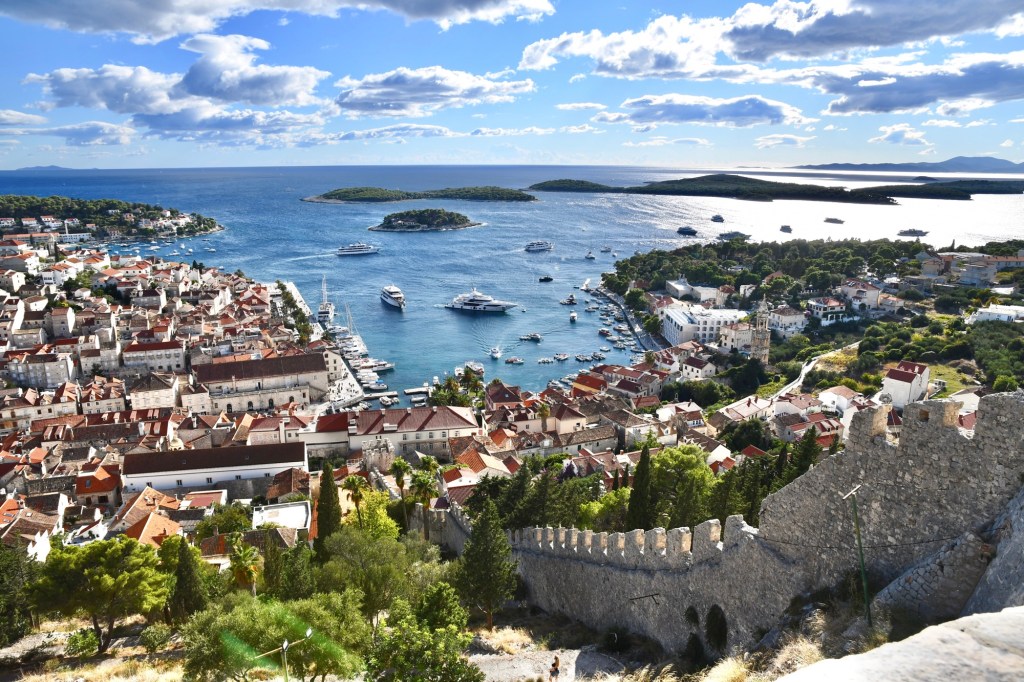
- Stari Grad Plain, Hvar. Starogradsko Polje. Criteria – Cultural (ii, iii, v). 2008.
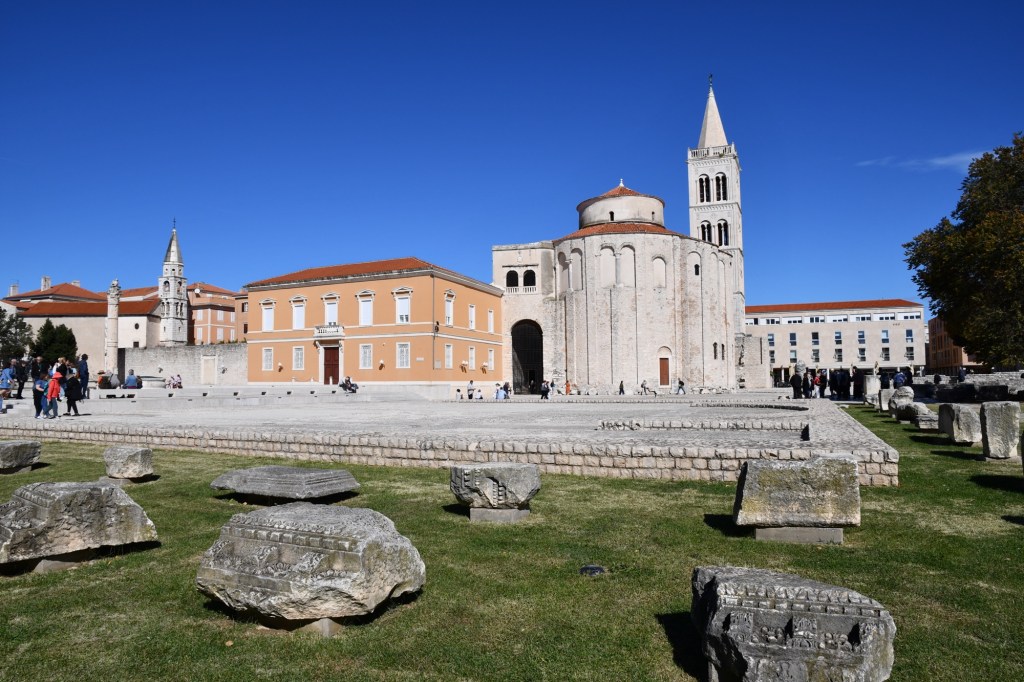
- Zadar; Venetian Works of Defence between the 16th and 17th Centuries: Stato da Terra – Western Stato da Mar. Criteria – Cultural. 2017.
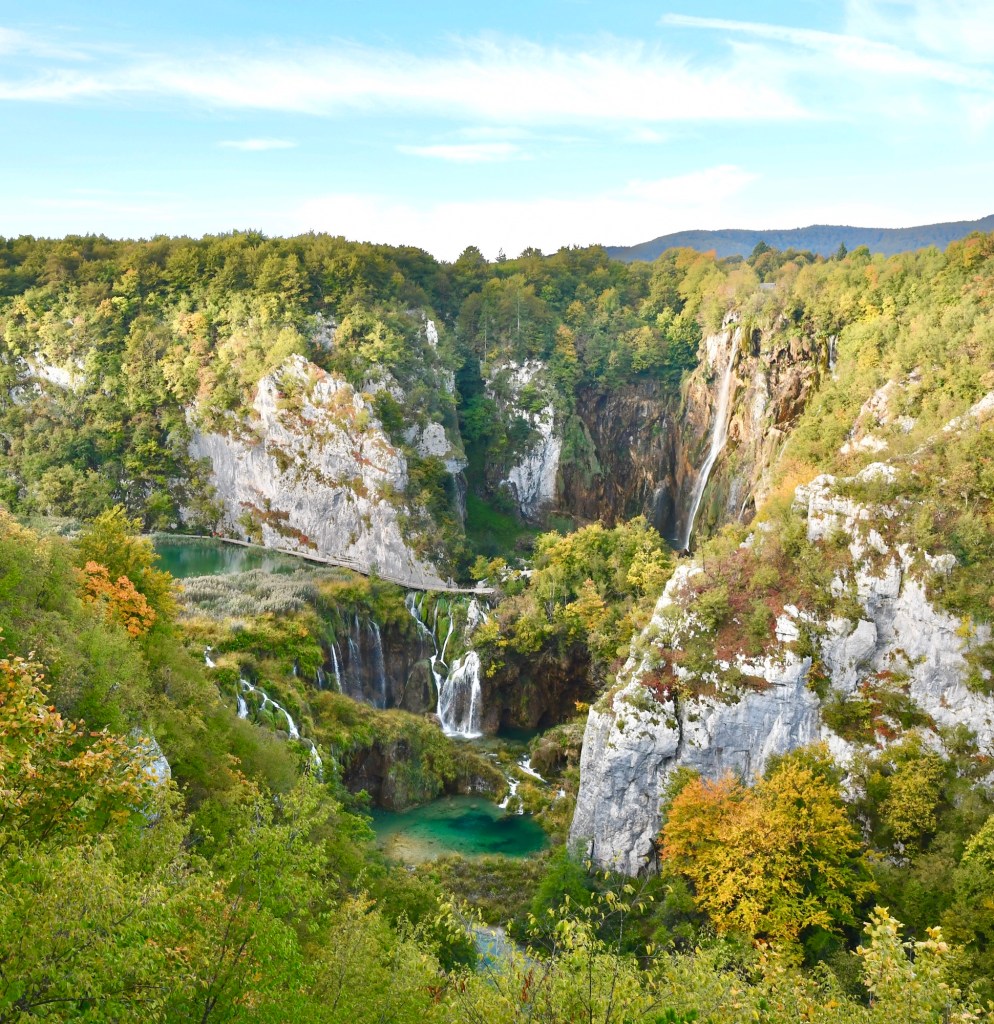
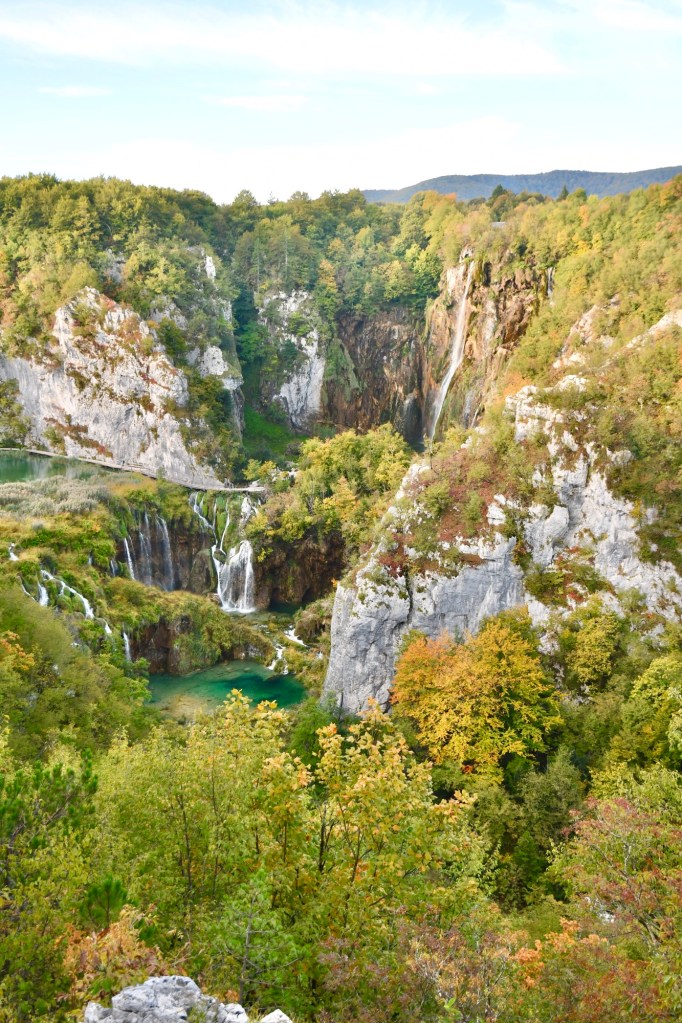
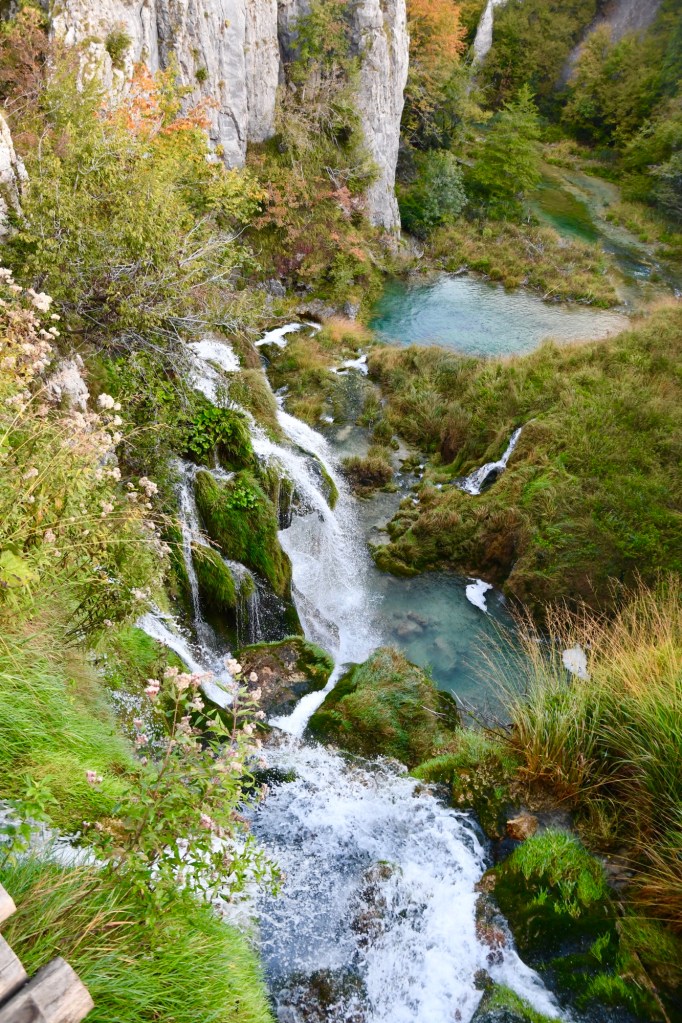
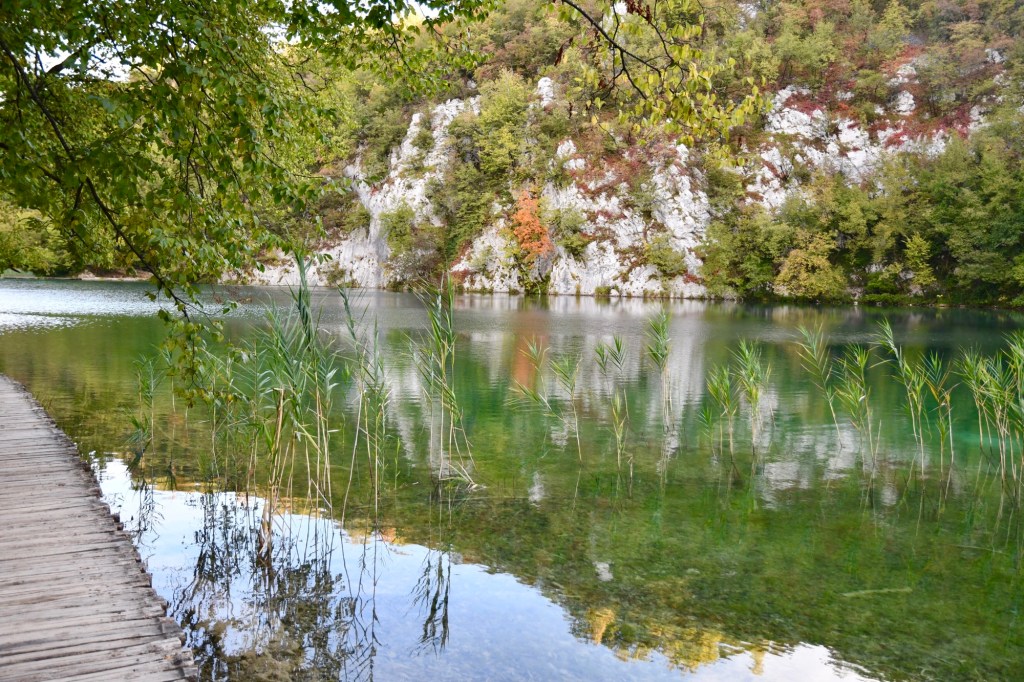
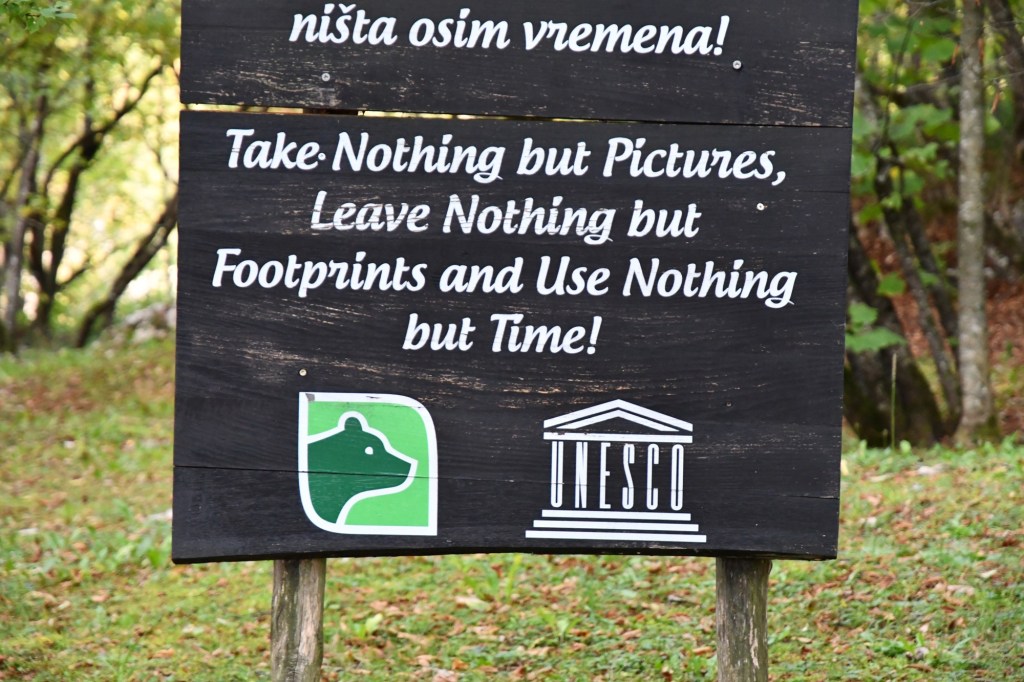
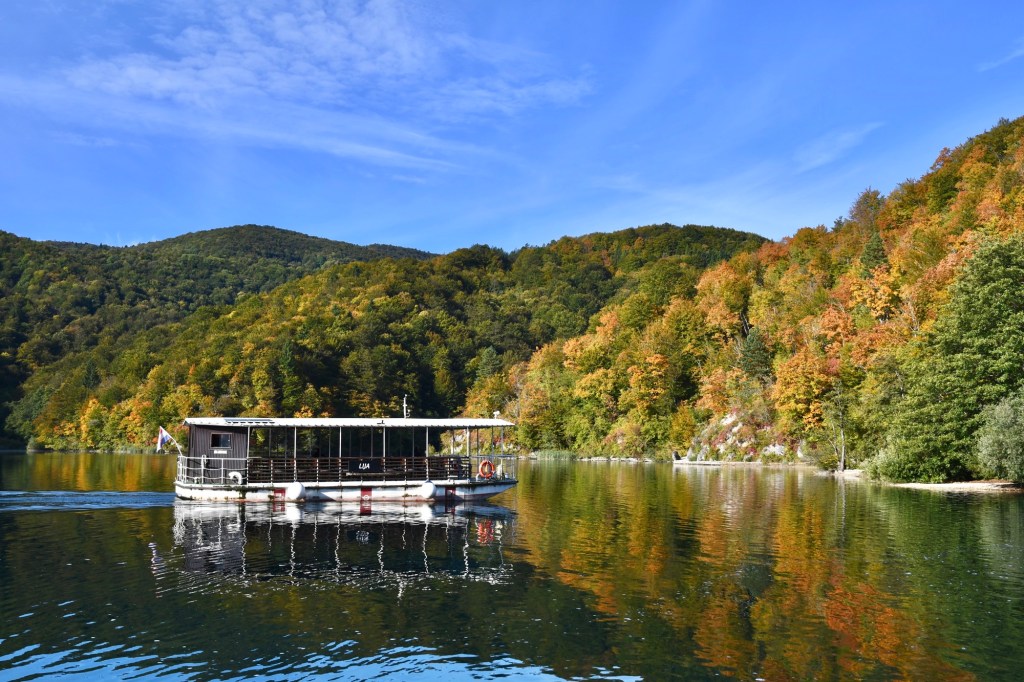
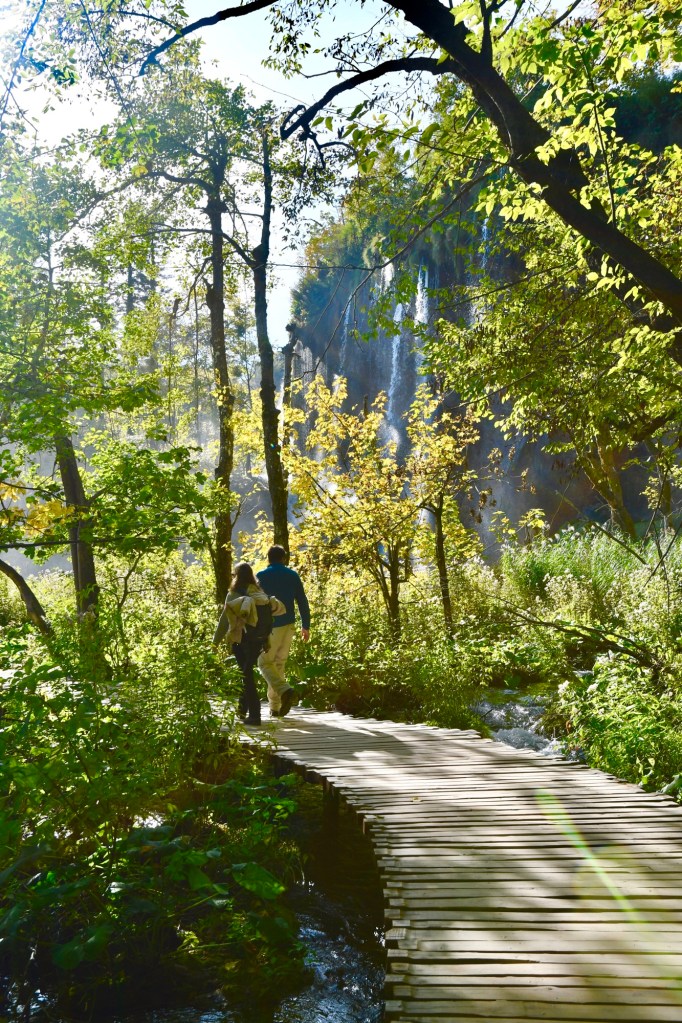
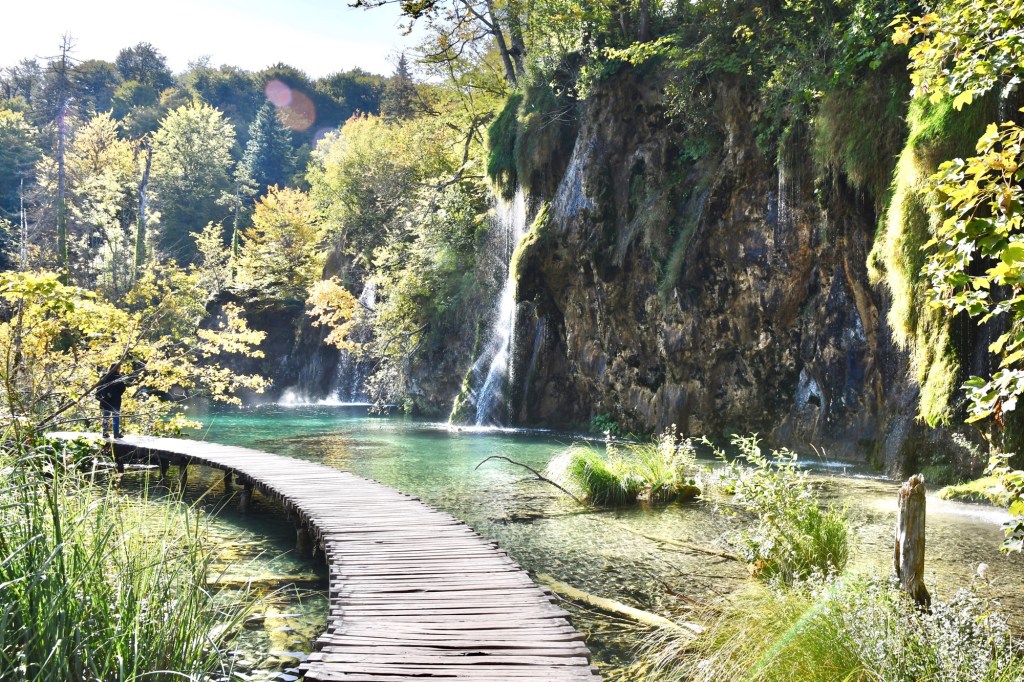
- Plitvice Lakes National Park. Criteria – Natural. 1979.


I was curious as to how a place becomes a Heritage Site. This is what the World Heritage Convention says about it (whc.unesco.org):
The Criteria for Selection
To be included on the World Heritage List, sites must be of outstanding universal value and meet at least one out of ten selection criteria.
These criteria are explained in the Operational Guidelines for the Implementation of the World Heritage Convention which, besides the text of the Convention, is the main working tool on World Heritage. The criteria are regularly revised by the Committee to reflect the evolution of the World Heritage concept itself.
Until the end of 2004, World Heritage sites were selected on the basis of six cultural and four natural criteria. With the adoption of the revised Operational Guidelines for the Implementation of the World Heritage Convention, only one set of ten criteria exists.
Selection criteria
(i)
to represent a masterpiece of human creative genius;
(ii)
to exhibit an important interchange of human values, over a span of time or within a cultural area of the world, on developments in architecture or technology, monumental arts, town-planning or landscape design;
(iii)
to bear a unique or at least exceptional testimony to a cultural tradition or to a civilization which is living or which has disappeared;
(iv)
to be an outstanding example of a type of building, architectural or technological ensemble or landscape which illustrates (a) significant stage(s) in human history;
(v)
to be an outstanding example of a traditional human settlement, land-use, or sea-use which is representative of a culture (or cultures), or human interaction with the environment especially when it has become vulnerable under the impact of irreversible change;
(vi)
to be directly or tangibly associated with events or living traditions, with ideas, or with beliefs, with artistic and literary works of outstanding universal significance. (The Committee considers that this criterion should preferably be used in conjunction with other criteria);
(vii)
to contain superlative natural phenomena or areas of exceptional natural beauty and aesthetic importance;
(viii)
to be outstanding examples representing major stages of earth’s history, including the record of life, significant on-going geological processes in the development of landforms, or significant geomorphic or physiographic features;
(ix)
to be outstanding examples representing significant on-going ecological and biological processes in the evolution and development of terrestrial, fresh water, coastal and marine ecosystems and communities of plants and animals;
(x)
to contain the most important and significant natural habitats for in-situ conservation of biological diversity, including those containing threatened species of outstanding universal value from the point of view of science or conservation.
We have one more site on our list, Porec, known for its Euphrasian Basilica built between 539 and 553.











































































































 A Traveler's Photo Journal