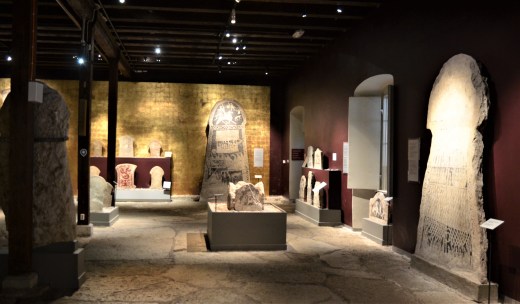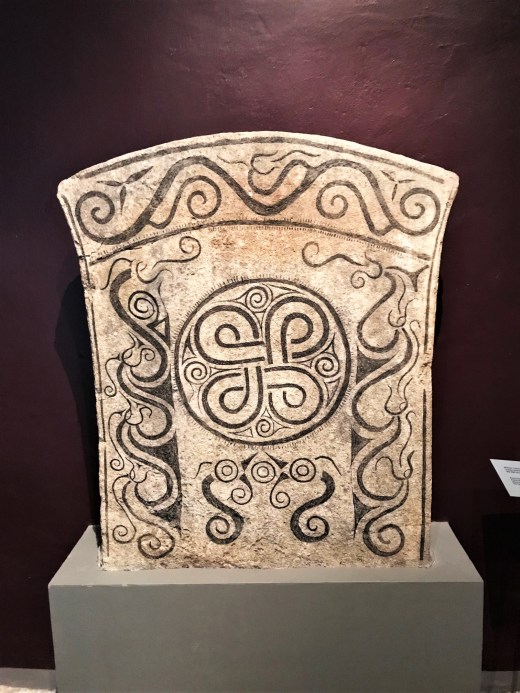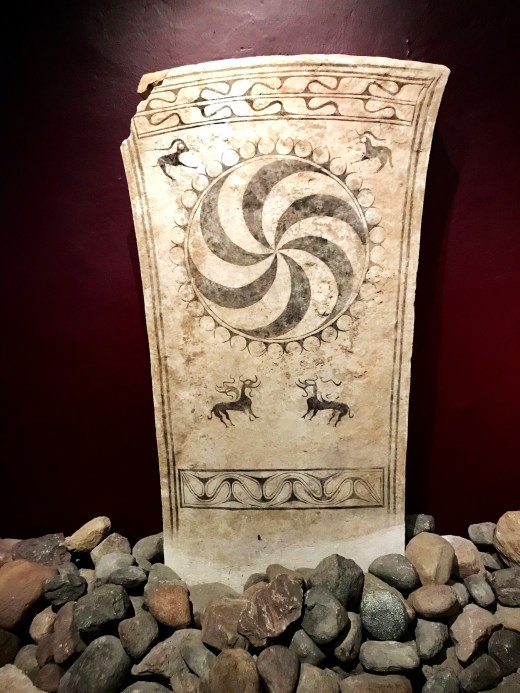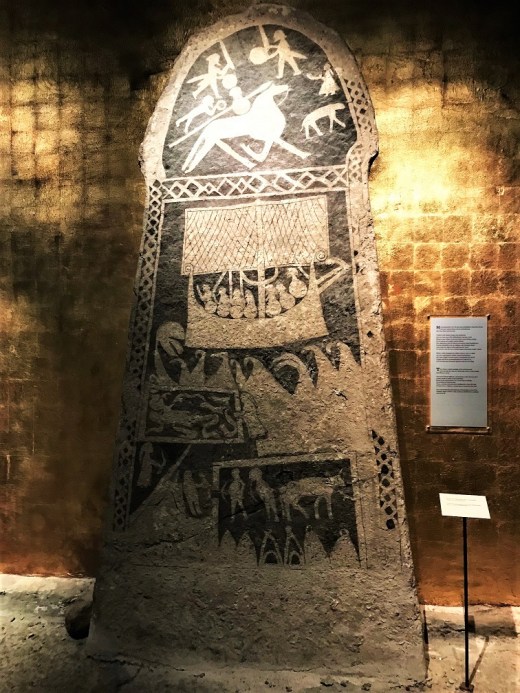
Part 4: Gotland Stones

DSC_7977

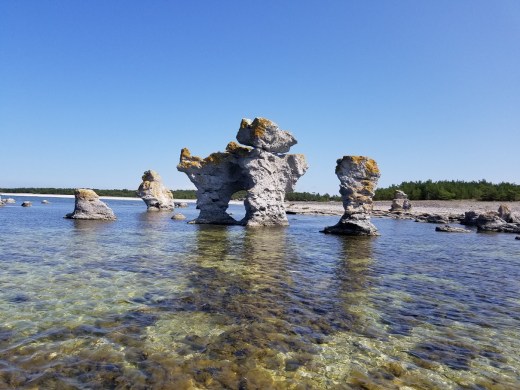
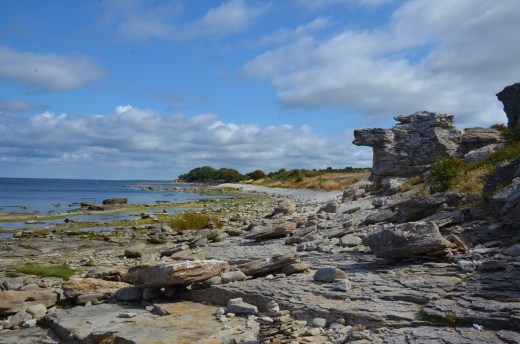
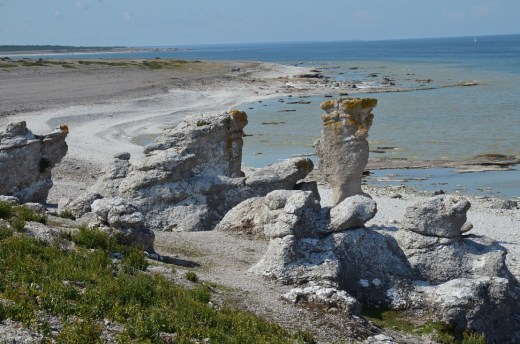
The sea stack known as the “coffee pot” or the “dog” in the nature preserve Gamle Hamn on Fårö.

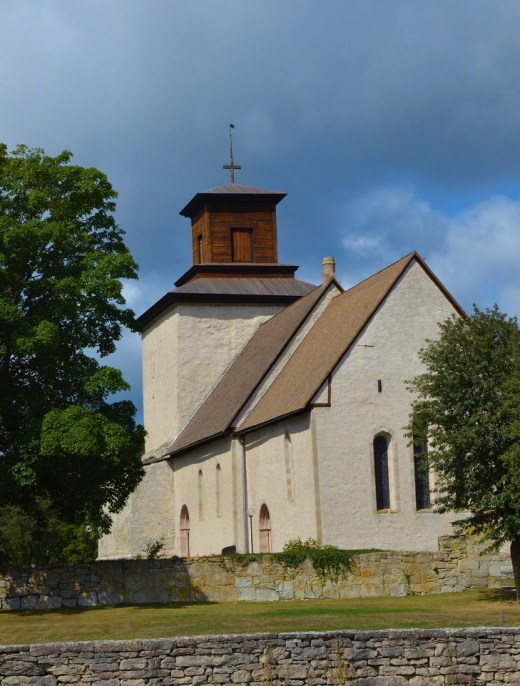
Natural rock formations, stone Viking ship graves, picture stones, city walls made of stone and stone houses.  Gotland has them all.

One day we took the drive north to Farosund, crossed the ferry and toured the island of Fårö.  It was about a 2 1/2 hour drive from the southernmost part of Gotland to Fårö.
DSC_7937

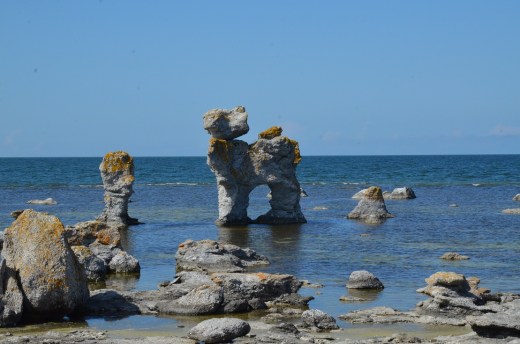
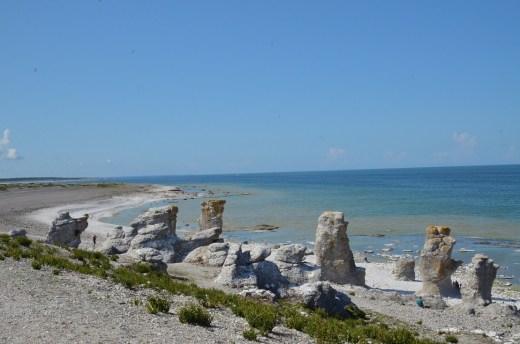
The sea stacks at Langhammars.

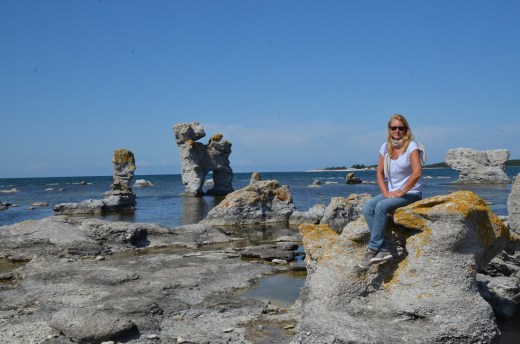
Fårö is known for its sea stacks, natural limestone rock formations, known as rauks.  There are many places on Gotland to see rauks, but the most well known are on Fårö.
sea stacks people free

20190809_131639

The “coffee pot” or the “dog” from the water side.
DSC_7989

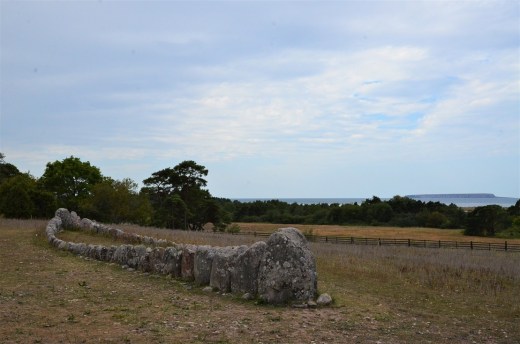
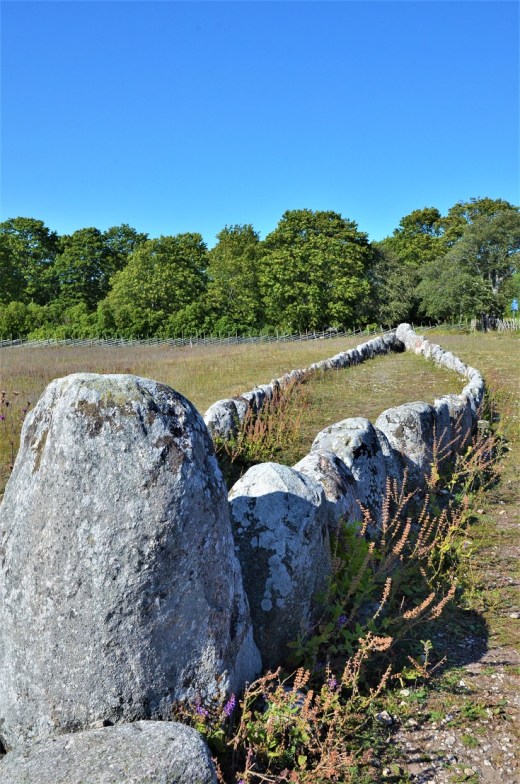
There are 350 stone viking ships on Gotland, the best one being the Ganarve stone ship near Fröjel on the west coast.
DSC_8739

DSC_7820

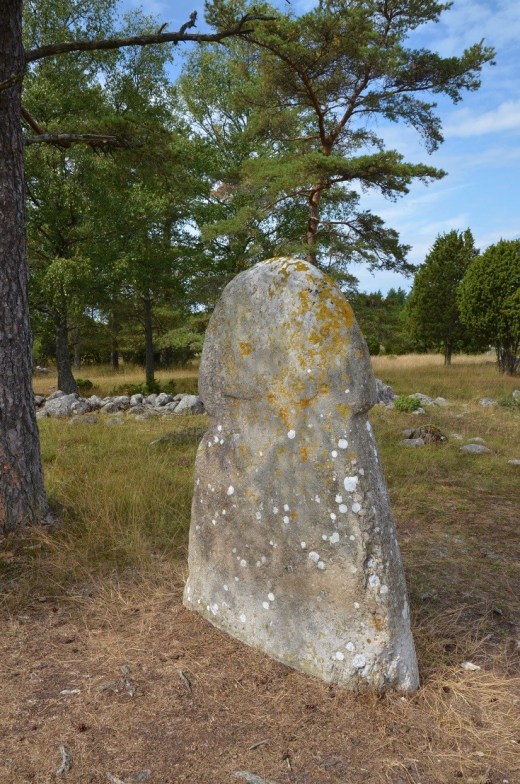
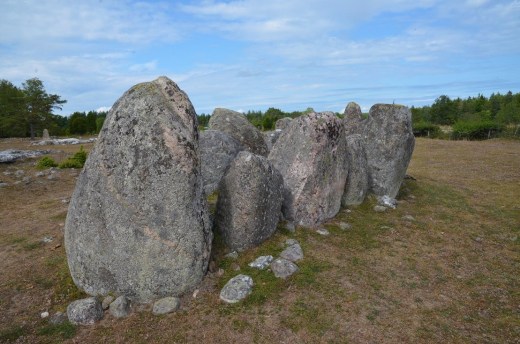
We also walked through Gålrum, which has 100 viking grave sites, seven are boat shaped.   The sign near the site dated it from 1500 BC to the birth of Christ.  There was also a picture stone dated from the 8th century AD, which had been moved there.  It  has eroded and the pictures are gone.
DSC_7556

DSC_7555


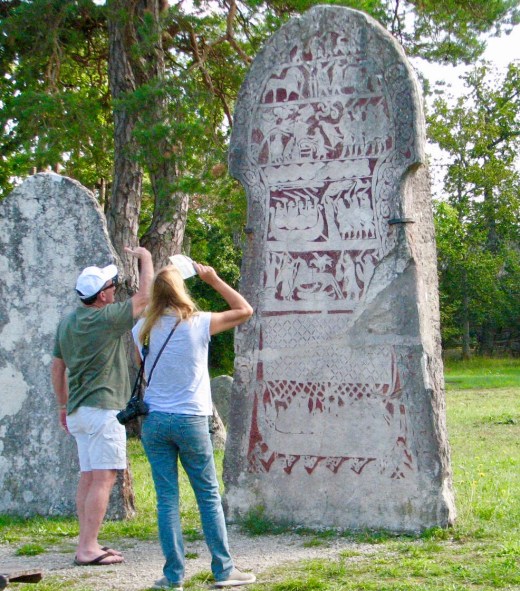
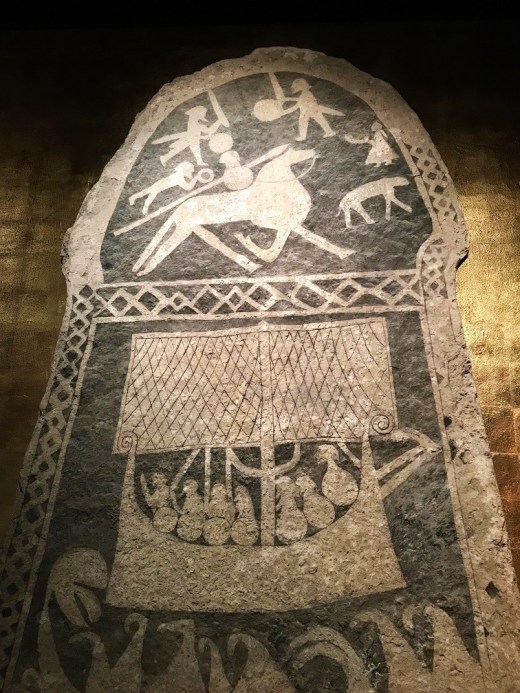
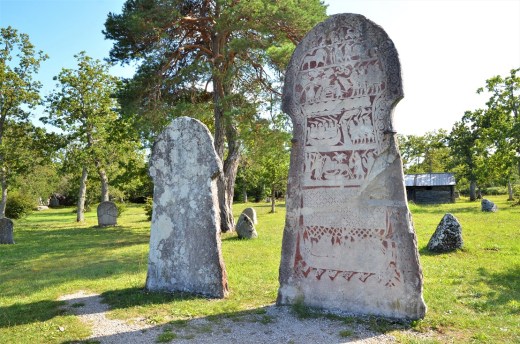
The largest picture stone we saw is in the Bunge Museet open air museum just south of Farosund.
DSC_8007

IMG_2609

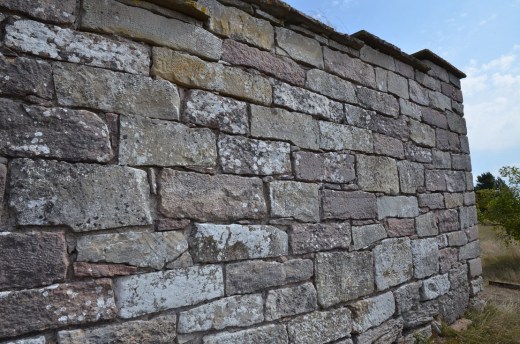
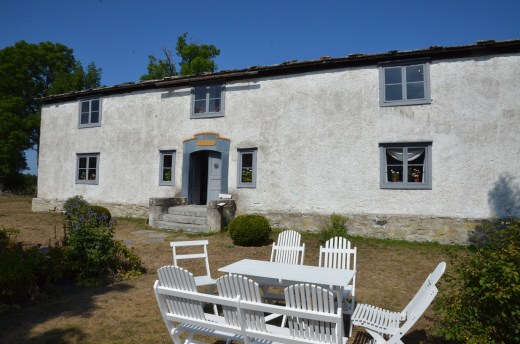
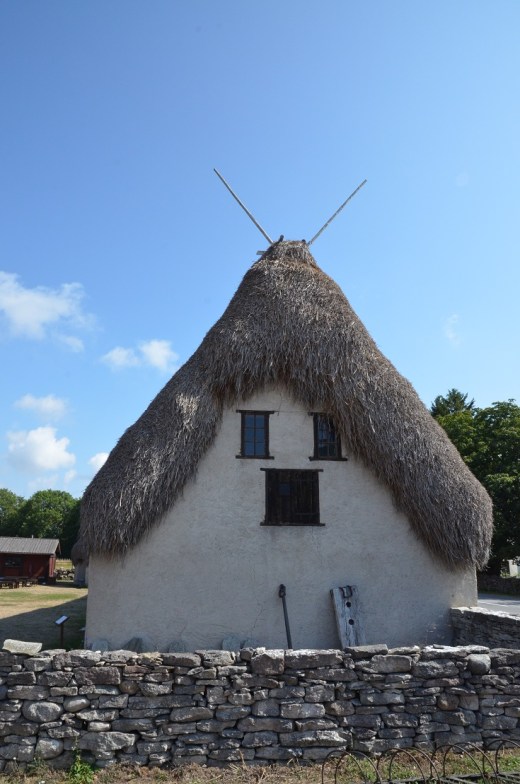
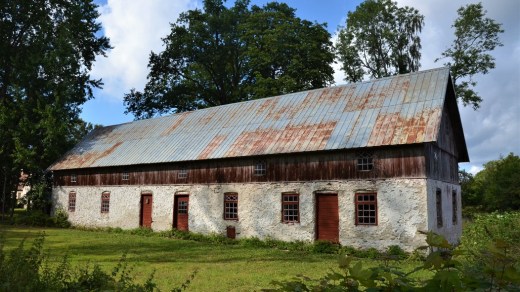
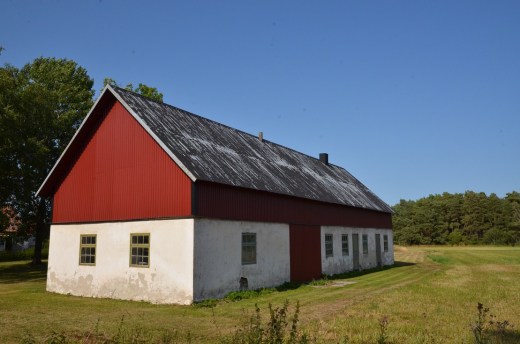
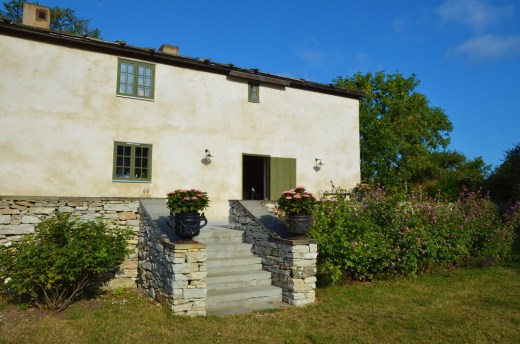
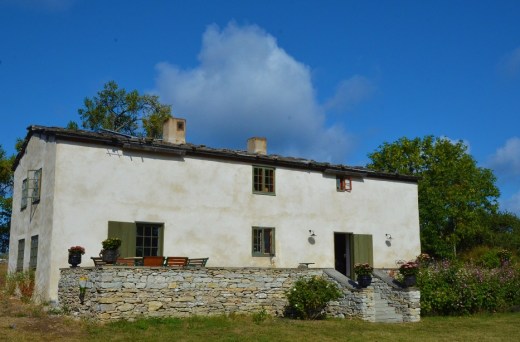
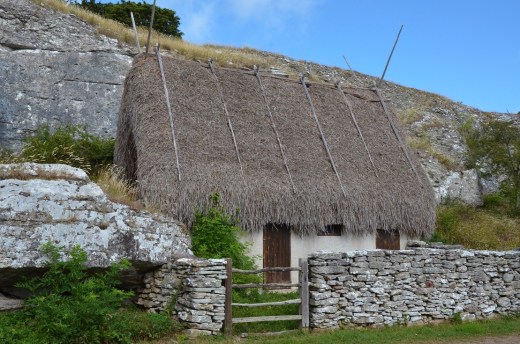
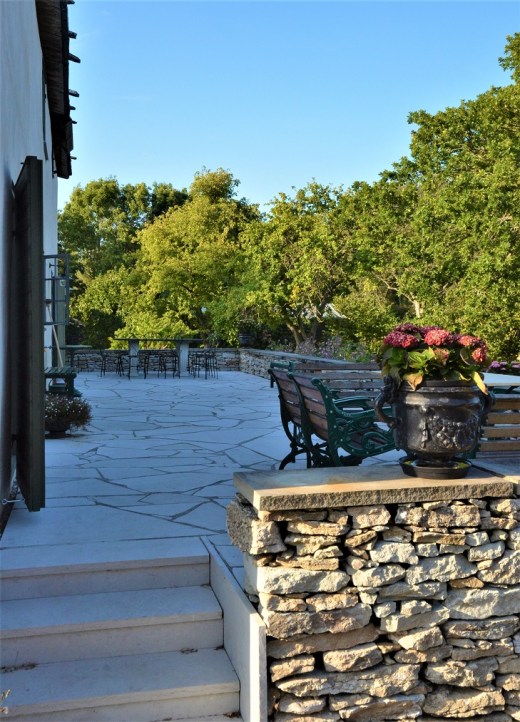
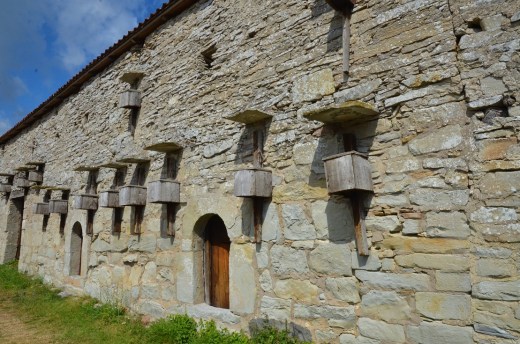
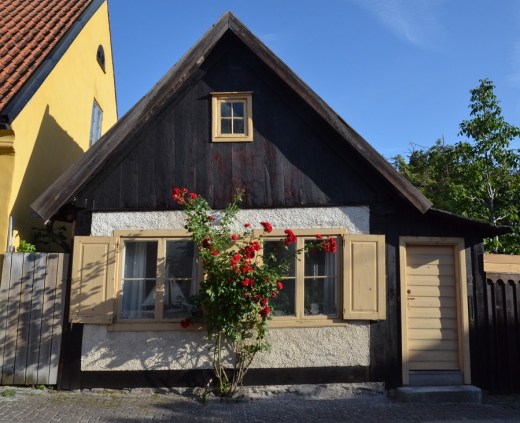
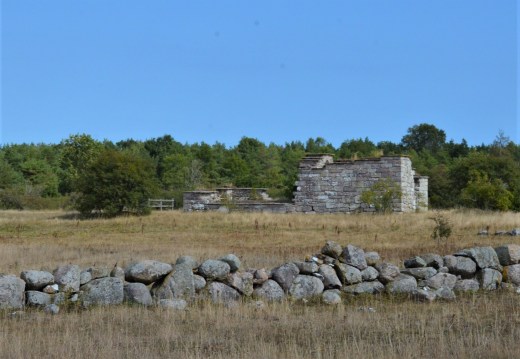
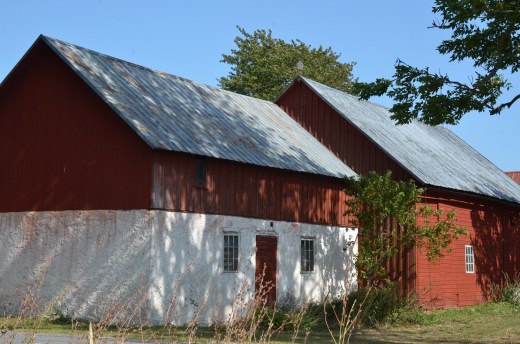
Many of the homes are made of stone.  You can tell approximately which century they were built by the shape of the stones.  The oldest homes are built from shaped stones, in large blocks.  The “newer” homes from the 18th century and on were stones covered with mortar.
DSC_8823

DSC_8833

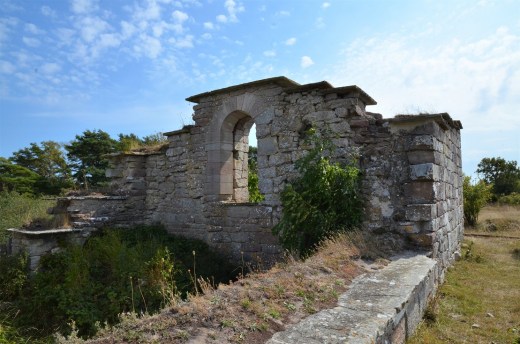
This ruin is the medieval farm called Fredarve.  It was abandoned in the 18th century.
DSC_8828

From the sign post at the Fredarve medieval farm site:

The Gotland farmer was often both farmer and trader.  in the Viking Age and Medieval Period, huge fortunes were amassed on many farms through trade with foreign lands.  Skilled craftsmen were employed to build churches and houses of stone, chiefly storehouses for the merchandise.  About 200 of these houses still survive in the Gotland countryside.

The general economic decline on Gotland after 1350 put a stop to the building of churches and stone houses.  Wooden post-and-plank houses with roofs of boards or stone slabs became common.  The outbuildings were often thatched with sedge.

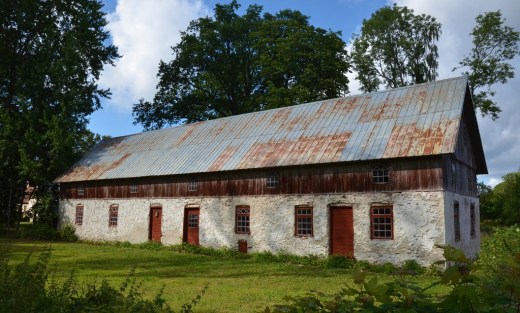
When wood became scarce in the eighteenth century, the state granted twenty years tax relief to those who built houses of stone.  In the stone houses that were subsequently built, the walls were no longer of finely hewn stone but of dry-walled stone, plastered both inside and outside.

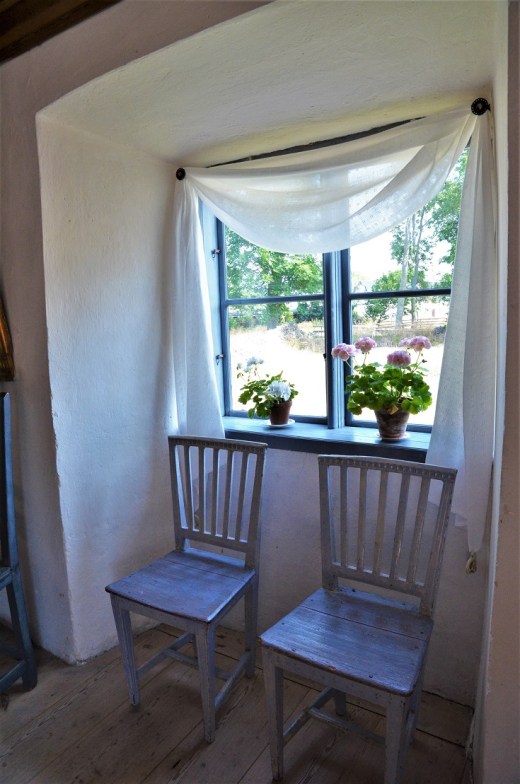
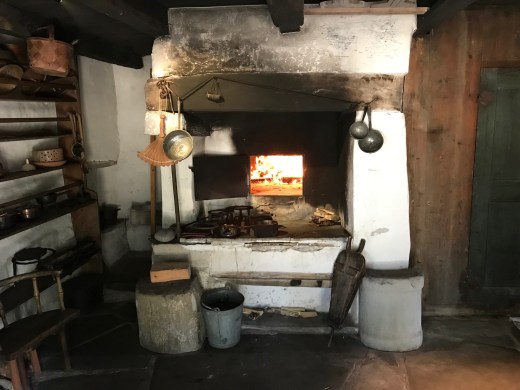
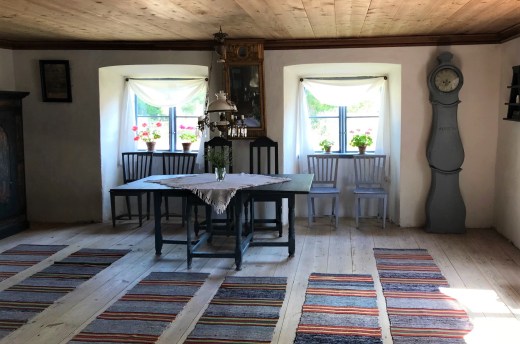
The two farm museums we toured had the latter style stone construction, as well as the house we rented.

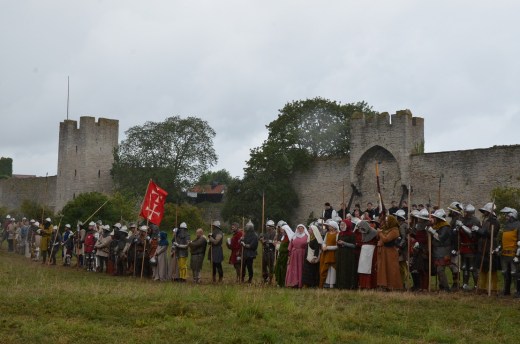
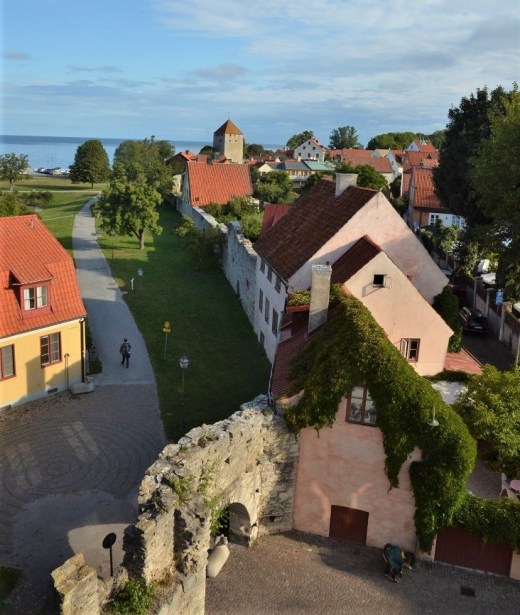
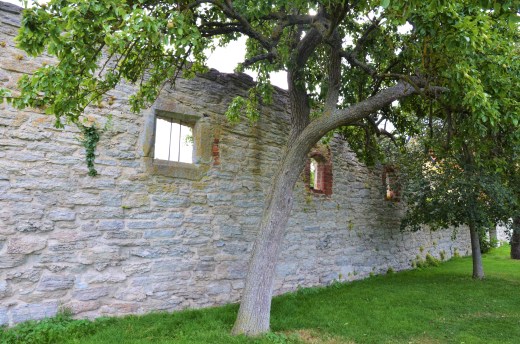
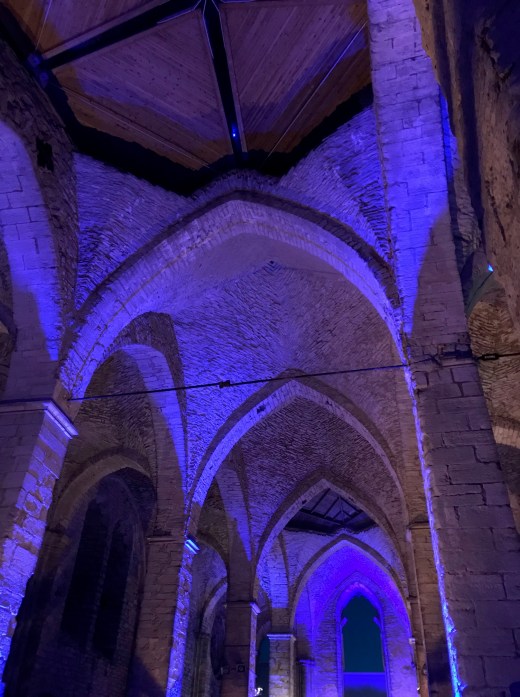
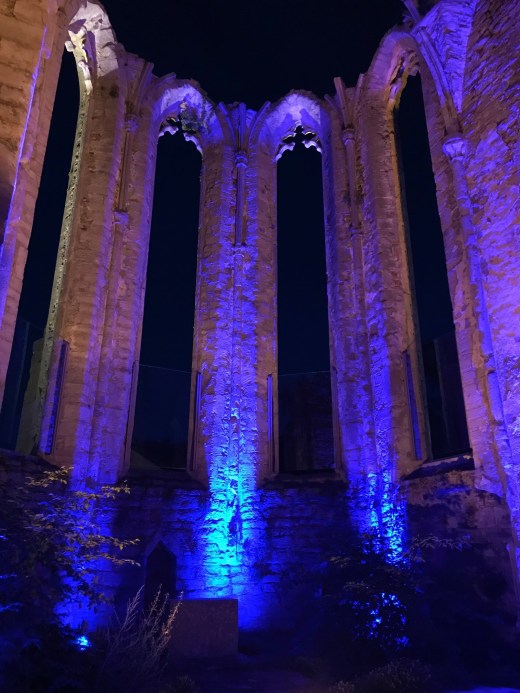
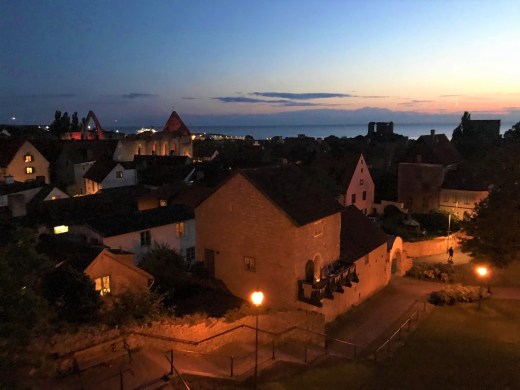
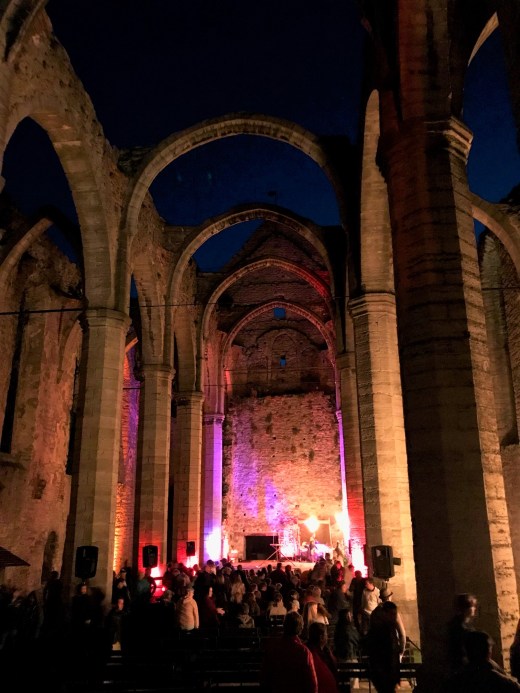
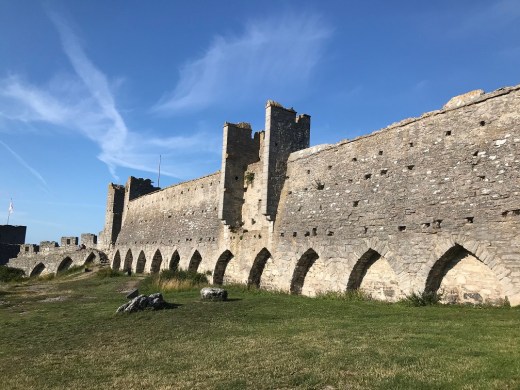
The wall around Visby, the UNESCO World Heritage Site, was started in the 12th century.
visby wall


Posted in Sweden | Leave a comment

Gotland Part 3: Farms old and new

DSC_7650

DSC_7657

Just up the main road 142 from our temporary home in Sundre, is Bottarve Museigård, in the Vamlingbo parish.  It is a very lovely 19th century farm.

DSC_7693

The morning we toured the farm a woman in period dress was getting the fire in the kitchen ready for baking bread.

IMG_7970 (1)

The house was faithfully restored in 1920, tools and equipment collected for the museum.  It had been passed down from one generation to the next, until 1917.   It was sold in 1918 and purchased by Hoburgs hembygdsforening, a foundation created to preserve it as a typical Gotlandic farm.  The lovely gray-blue color in various shades, usually called Gotland blue, has become Bottarve’s mark.  It is made from linseed oil and Kimrök (carbon black) and zink white (oxide).  The sandstone slab roof weighs thirty tons.

IMG_7963 (1)

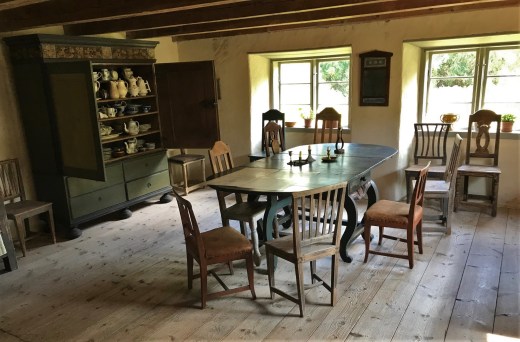
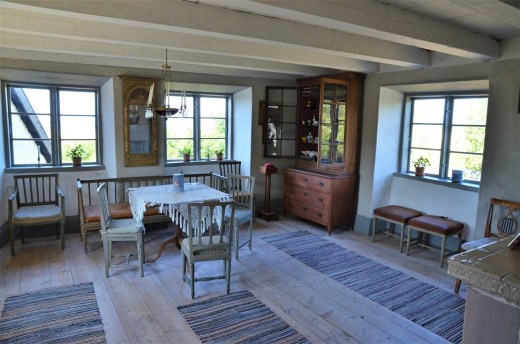
To the right of the main entrance is the parlour.  All the furniture is original to the farm except the settee and the chest, from 1702.

IMG_7962 (1)

IMG_7964 (1)

The parlour was heated with this white tile stove.

DSC_7665

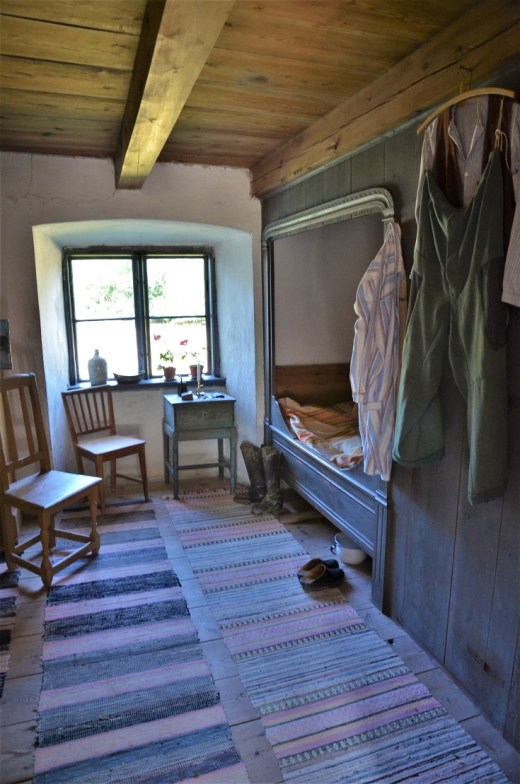
The living room, next to the kitchen, is where the family ate, slept and carried out work during the winter.  The furniture is original to the farm.  The cabinet beds are the only two left on Gotland still situated on the original places.

DSC_7668

The old folk’s room, downstairs on the main floor.  It has a green tile stove.

IMG_7975 (1)

IMG_7978 (1)

DSC_7677

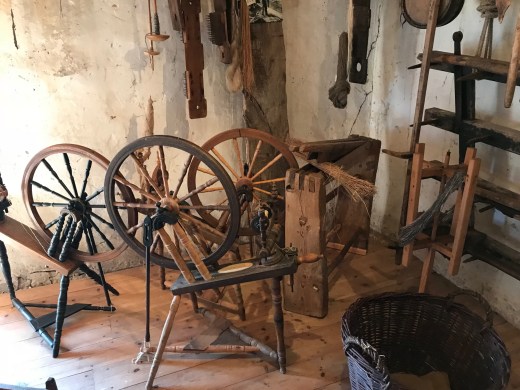
In the upstairs rooms is a collection of household and farm equipment, including these bells from a horse harness.

http://www.bottarve.se

It is as nice as anything you’d see at Skansen.

DSC_7695

The barn is now a handmade craft shop.  The description below is how the roof is made.

DSC_7686

We very much enjoyed touring the old farmhouse, and purchased two hand made rugs from the gift shop.  Continuing north on 142, we took the turnoff for 140.  Just a few kilometers up the road a sign points to Petes Farm Museum.  At first we thought it was Pete’s, but there is no apostrophe and does not sound the same.

From the Gotlands Museum website:

Petes

Under the wide sky and the long horizon in the Hablingo parish on southern Gotland lies the beach of Petes. The farm is from the 19th century and was bought by the pharmacist Ada Block in 1947. She donated the entire farm to Gotlands Museum in 1965.

Mårten Peders, or Petes was first mentioned in the late 16th century.  Records of the farm and its different generations of owners can then be traced all the way down the centuries.
DSC_7754

DSC_7751

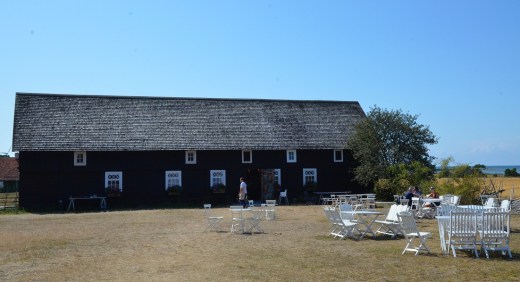
Another beautifully restored farm house from 1820, they had converted the barn just last year into a cafe.  We toured the house and had a wonderful lunch outside with a view of the water.

IMG_7981

The downstairs room.

IMG_7987

IMG_7982 (1)

The wall cupboard is part of the original farm.

DSC_7714

IMG_7993

The West Room on the second floor, and Ada Block’s bedroom.

DSC_7727

DSC_7732

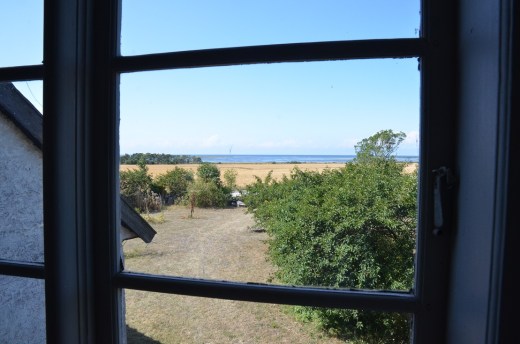
The view from Ada’s window.

IMG_8001

The East Room.  The tile stove was made on Gotland.

DSC_7742

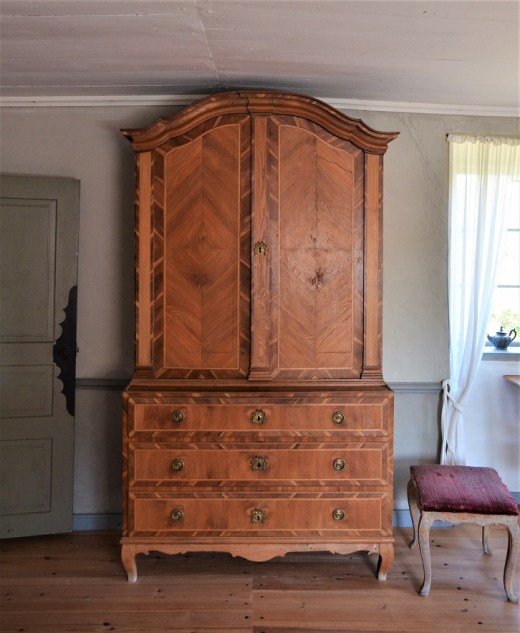
This cupboard was made by the Gotlandic cabinet maker Olof Blomberg in 1790.

DSC_7739

The grandfather clock was made by Peter Norsell, a clockmaker from Visby, in 1778.

DSC_7725

The house was beautiful and the location wonderful.  The barn was converted to a cafe just last year.   We had a very good soup and sandwich.

DSC_7761

DSC_7768

DSC_7769

https://www.petesgarden.se/

We toured both of the farm museums in one day.  It was quite delightful.  On another day, we toured the Bunge Museet, an open air folk museum.  It is on the north side of the island near Fårösund and has several examples of old houses.   What I like about the two in the south is that they are in their original locations.  The stories of the farm owners are in the museum pamphlets, and it seemed more personal.

http://www.bungemuseet.se

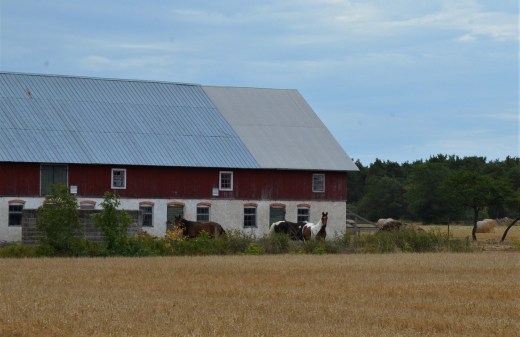
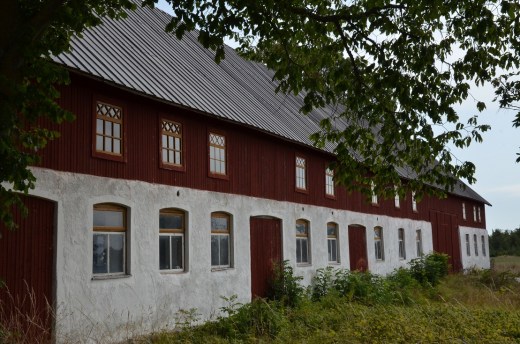
As we drove around Gotland, I took pictures of the every day working farms, of which there are many.  They are not museums, but still lovely in their own way.

DSC_7551

DSC_7409

DSC_7267

DSC_7327

DSC_7515

DSC_8574

DSC_8608

DSC_8611

DSC_8626

DSC_8641

DSC_8761

DSC_8772

DSC_8819

DSC_8853

DSC_8898

This one is near Faludden and we believe has been converted into living spaces and is no longer a barn.

DSC_8883

This is one of the few barns we saw that was falling down.  It is on the far eastern point of Gotland.

DSC_7583

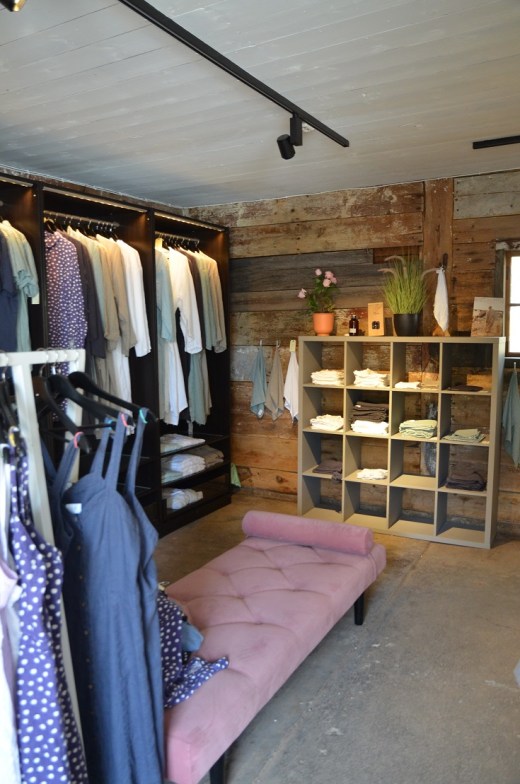
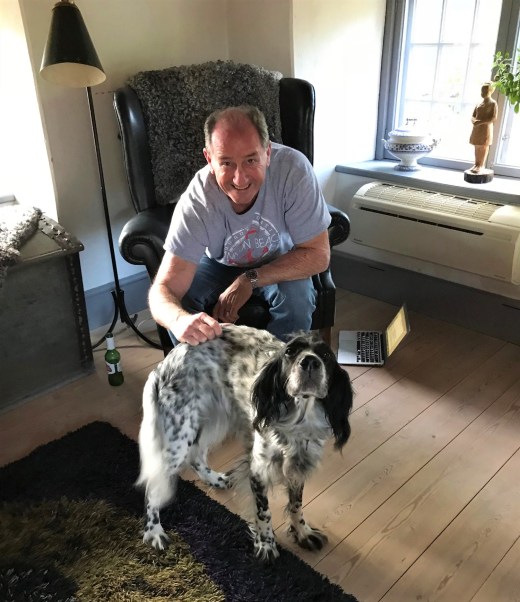
This used to be a barn and was converted into shops.  The shop on the left, Lin Living, sells only sustainably made linen goods.  The man holding the dog, Bella, is one of the creators/owners, along with his girlfriend.   The shop is in Ljugarn.  https://linliving.se/

DSC_7576

DSC_7577

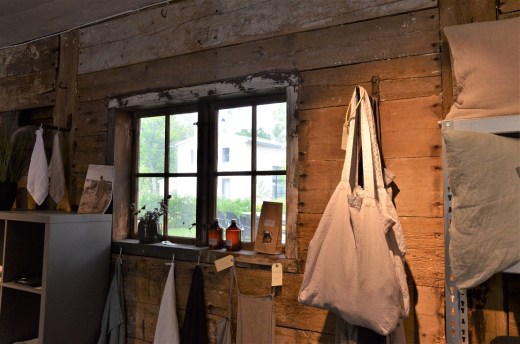
On the inside of Lin Living, you can tell it was a barn.

DSC_8778


Posted in Sweden | 1 Comment

Gotland Part 2: Beaches, horseback riding, and wild ponies

DSC_7469

Very near to where we are staying, we found a very nice beach.   The water wasn’t warm enough to swim, for me, but it was warmer than the Pacific Ocean on the Oregon Coast.  We did see some people in the water, enjoying a sunny day by the sea.

DSC_7490

DSC_7494

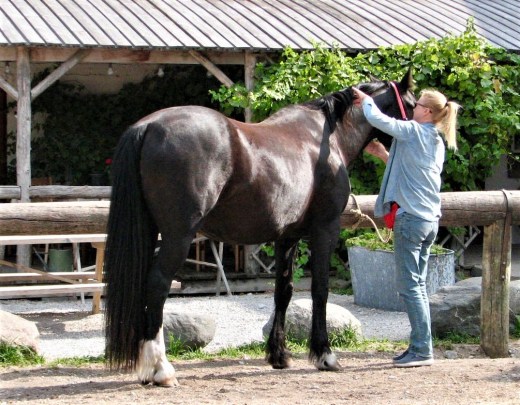
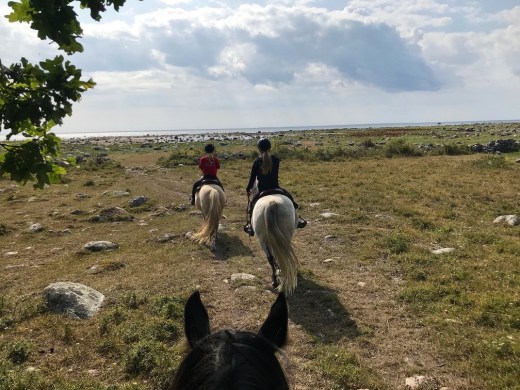
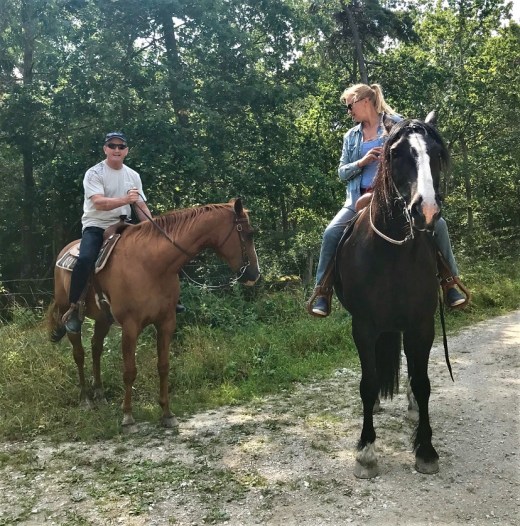
Further up the coast, we took a two hour guided horseback ride at Änggårde B&B near Ronehamn.  The B&B offers rooms and horseback riding.

IMG_7936

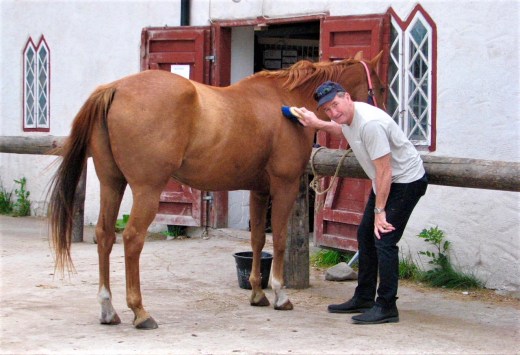
Brushing Pinjo before the ride.

IMG_7943

Prepping Whatson.

IMG_7939

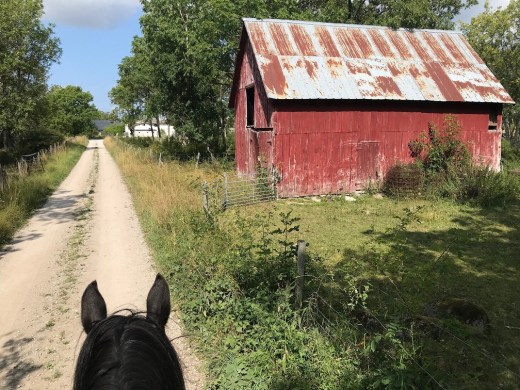
It was quite pleasant.  I chose Pinjo as my ride for the day.  We rode through fields and a forest out to the Baltic.

IMG_7895 (1)

IMG_7899 (1)

IMG_7902 (1)

IMG_7906

IMG_7908 (1)

IMG_7913 (1)

IMG_7915 (1)

IMG_7916 (1)

IMG_7932 (1)

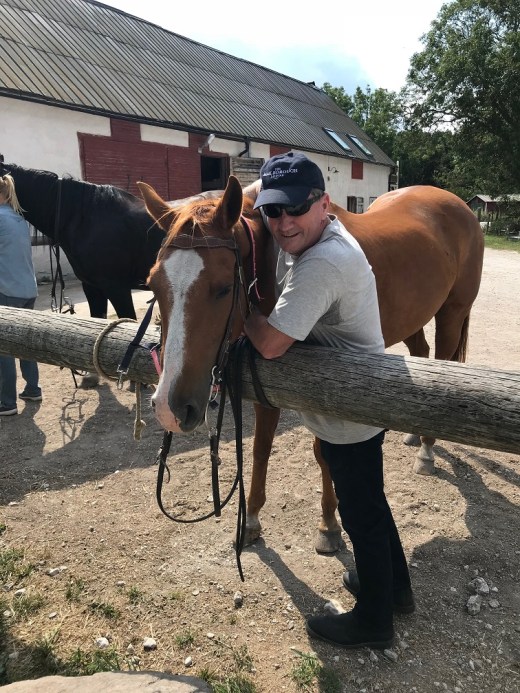
Post ride hug, thanks Whatson.

IMG_7930 (1)

Clean up after the ride.

Hem

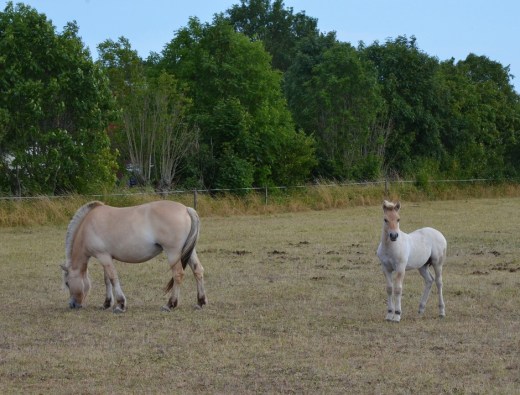
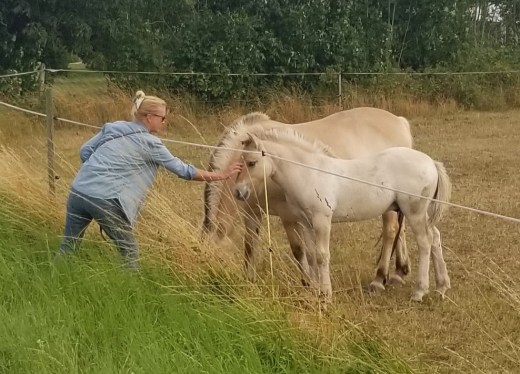
We have seen many farms with horses, but it was a highlight for me to pass a field with Fjordling ponies.  I have seen these horses all over Norway, but they are not common in other areas.  These were mares and their babies.

DSC_7585

DSC_7595

DSC_7599

IMG_7951

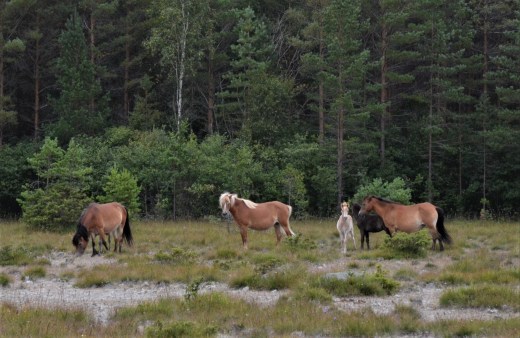
When I first heard of the wild Gotland ponies, I thought they were all over the island.  It turns out that the wild ponies are in a protected area called Russpark.  Russ is the name of the specific Gotland pony breed.

DSC_8689

From the website lojstahedrussen.se

The Gotland Pony is the only domestic living Swedish pony remaining and it has been classified as an endangered breed by the European Union. The breed is noted for its diligence and well rounded capacity. It’s used in several disciplines, both for riding and driving sports, especially in pony trotting, where it has become recognized for its natural talent. A grand total of approximately 6000 ponies exists world wide.

On Lojsta hed, Gotland, a Swedish island located in the Baltic Sea, a herd of wild Gotland Ponies lives, like their ancestors have done for centuries. The herd consists of approximately 50 mares, and when the foals are born in the spring, the population increases to approximately 80. During the breeding season only one stallion is used in the herd to control the breeding lines. The selected stallion is brought to the herd in May/June and removed in the fall.
The ponies in the herd are jointly owned by approximately 15 Gotland families and Gotlands hushallningssallskap (Gotland Agricultural Society). The aim and objective for the non profit organization is to demonstrate and maintain the breed in its natural habitat.
Historically these ponies were not domesticated and roamed free in the forest regions, which meant they had to find their food wherever they could. Findings/remnants, dating back to the Iron Age, have been discovered at Vallhagar, just a few kilometers from Lojsta, which confirms the early presence and tradition of the horse on the island. Prosperity of the wild ponies was present in the Gotland forests up until the middle of the 1800’s. After that the population was almost reduced to extinction in the beginning of the 1900’s. A group of local Gotland farmers took the initiative to preserve the lasting part of this ancient horse breed. In the beginning of the 1900th century they dedicated a specific area for them at Lojsta. The remaining wild pony population fragments were moved to Lojsta hed which now consists of 650 hectares of fenced-in land divided into three sectors. The ponies’ natural wild diet is supplemented with hay during the winter months, but it is sufficient during the rest of the year. Five times a year the ponies are rounded up using the old methods of searching lines, where people herd them up by foot. These are public events and are carried out at the following times during the year:
– In May/April and December for hoof care and management
– In May/June when the stallion of the season is released in the herd
– In July for the Studbook inspection and registration of the foals and mares
– In November when the foals are separated from the herd and sold. At this time the foals are chip marked and branded with numbers on their neck to verify that they are born at Lojsta hed. Selling the foals preserves the wealth of the remaining mares in the forest.

Our first attempt at finding the ponies was unsuccessful.  But we tried again, earlier in the morning.   We arrived at Russpark at 0920 am, and were the only car in the car park.

DSC_8694

DSC_8704

We walked into the reserve and spotted 6 ponies in an open area.  As we watched them, they headed into the more densely wooded area.  We followed, but it wasn’t easy.   We got a bit closer and could hear them better than see them.  We were happy just to have seen them at all.

DSC_8712

DSC_8713

One of the foals.

DSC_8721

One of the mares.

Another website with Gotland pony information:

http://norsehorsepark.com/gotland.html


Posted in Sweden | 4 Comments

The Battle Of Visby 1361 (658 years later)

DSC_8169

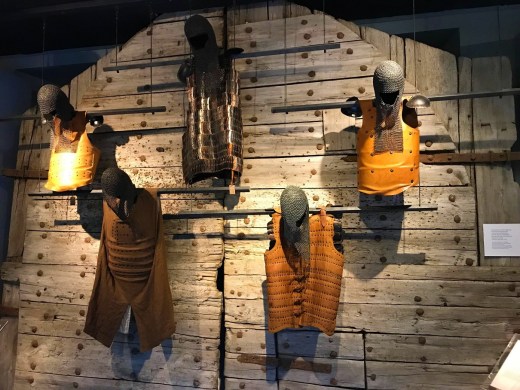
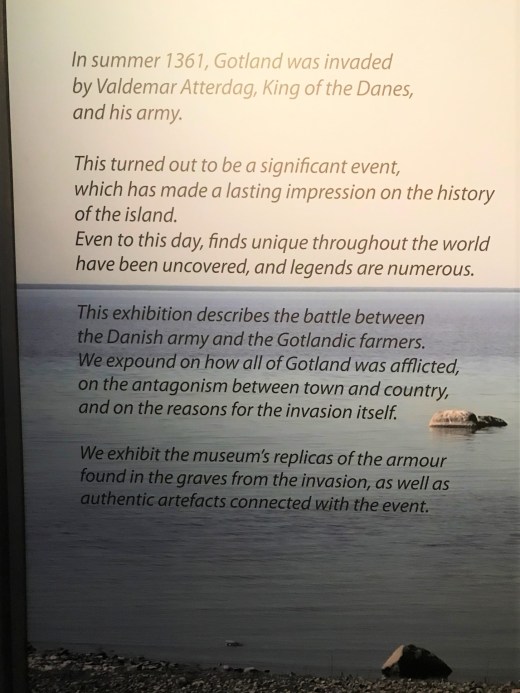
Walking through Gotland’s  Historical Museum (Fornsalen), besides experiencing the very dramatic room of picture stones, you learn about the people’s lives, the history of the Danish invasion of 1361 and see the remains of  medieval armour and some skeletons from that battle.  It is a large part of the history of the island and a large part of the museum.

From the website ancient-origins.net:

The Battle of Visby was a violent Medieval battle near the town of Visby on the Swedish island of Gotland, fought between the inhabitants of Gotland and the Danes, with the latter emerging victorious. The battle left a lasting archaeological legacy; masses of slaughtered soldiers and citizens lay scattered across what was once a blood battle field. Slashed and broken bones, skeletons still in their chain mail and armor, and smashed skulls, some still with spears and knives protruding out of them.

In the summer of 1361, a Danish army set sail for Gotland. The inhabitants of Visby had been warned about the invading Danish force, and prepared themselves for the battle. In late July 1361, Valdermar’s army landed on the west coast of Gotland. The Danish army numbered between 2000 and 2500 men, and consisted mainly of experienced Danish and German mercenaries. The defending Gotlanders, on the other hand, numbered around 2000, and were militiamen with little or no experience of battle.

The Battle of Visby was fought before the walls of the town. Although the militiamen were fighting for their lives, and fought as best as they could, they were simply no match for the professional Danish army. As a result, the majority of the defenders were killed, and the town surrendered to Valdemar.

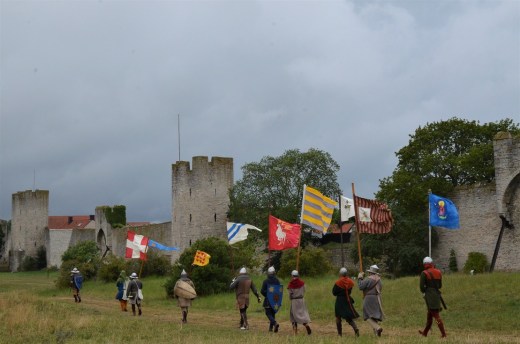
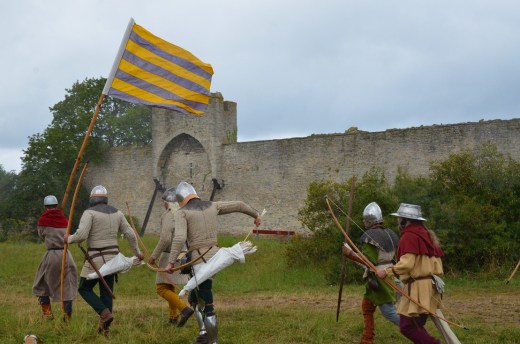
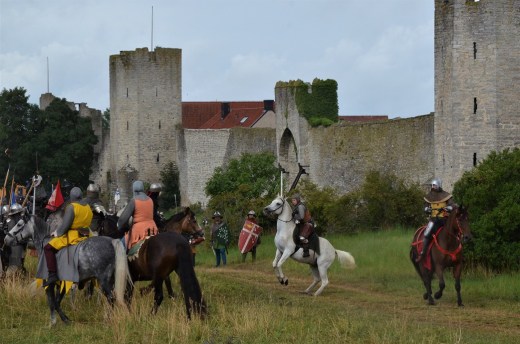
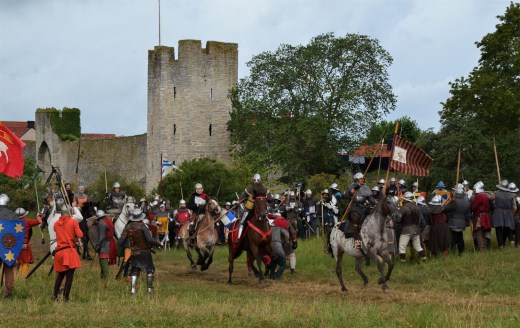
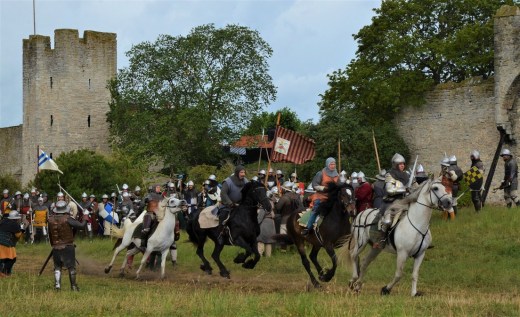
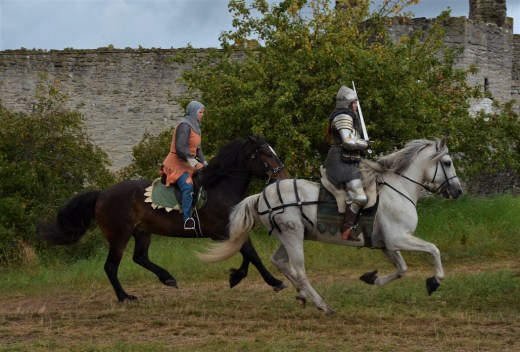
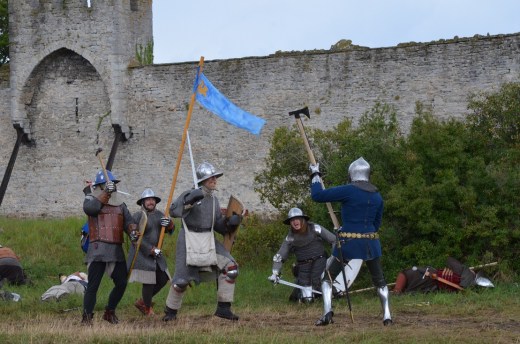
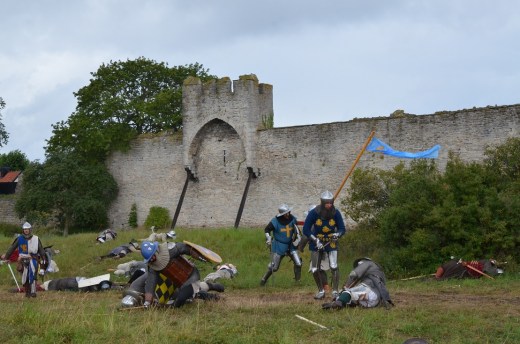
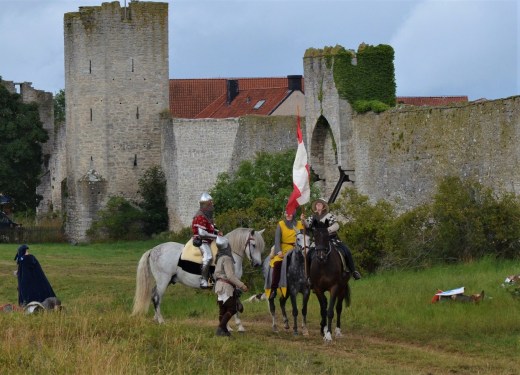
We toured the museum last week and read about the invasion.  This Saturday, we got to watch the battle live.  On the last day of Visby’s Medieval Week festival, participants reenacted the battle in front of the Visby Wall.  We paid our 150 SEK each and lined up behind the safety rope.

This was the first day we had a sprinkling of rain, and it made the entire production seem very realistic, with wet straw and mud on the ground, bedraggled looking dogs, and people huddled under long wool capes.

DSC_8081

The flags are introduced.

DSC_8120

Women, children, and dogs flee as the Danes approach.

The “battle” began just outside the Visby wall, which made a fantastic backdrop to the activity.  The narrator, a Swedish historian, spoke for about thirty minutes prior to the introduction of the flags.  A woman from Stockholm standing next to me kindly translated much of what he said during the introductions.  But when the battle got going, there was a lot of activity.  Many of the local Gotland spectators got emotional.  We thought we saw some tears.

DSC_8138

Gotland archers behind their blue and yellow striped flag move into position.

DSC_8143

Gotland arrows fly in support of the ground troops.

Without knowing who belonged to what flag, it was hard to tell who was a Dane and who was a Gotlander.  There were swordsmen, archers and horsemen as well and flag bearers with flags representing specific households.  There was one man playing the part of the Danish prince, and one playing the Danish king.  They mostly got heckled and booed by the audience.

DSC_8159

Danish horsemen flank and surround the Gotland archers.

The horses were the best part in my opinion, but they were Danes.  There were about a dozen horses, my favorite being the big black horse.  We think at least half the horsemen were women, and one was riding without a saddle.  It seemed to me it would be hard enough to ride carrying a sword, so I gave the horsemen and women lots of credit.

DSC_8181

DSC_8195

DSC_8201

DSC_8222

Gotland archers regroup and continue the fight.

The Danish horsemen break through the Gotland defenses.

DSC_8282

DSC_8288

DSC_8289

DSC_8292

DSC_8295

DSC_8300

At one point the battle got very close to where we were standing, and the rope divider was knocked down as many participants fell to the sword (but no spectators).

DSC_8338

DSC_8350

DSC_8384

At the end of the battle scene, one Gotlander challenged the prince and was taken down by another Dane from behind, and finished off with a hammer by the Prince.

DSC_8419

DSC_8423

DSC_8429

DSC_8440

DSC_8444

The King of Denmark makes his entrance.

DSC_8456

After the battle, townspeople attended to the dead and dying.   A processional of youths made their way out singing a cappella, and were quite good.  Then a priest made his way from body to body and carts were hauled out to remove the dead.  It was a devastating loss of life for the local people.  We read in the museum that half the men of the Gotland countryside were killed and it altered the future of the island and its people, creating a huge hardship.  Some farms were unable to continue working and producing.

DSC_8469

DSC_8479

DSC_8495

DSC_8508

After the “battle” all the participants lined up and were applauded by the crowd of  approximately 3,000 spectators.  They were introduced in groups of countrymen, some from as far away as Australia.  (No group stepped forward to represent the US, but we saw a group of Norwegians, Swedes and Finns).

DSC_8526

DSC_8538

Posted in Sweden | 2 Comments

Gotland Part 1: Churches, windmills, barns, rocks and sheep

DSC_7243

At first I thought that I had made a mistake by renting a house in Sundre, the southern most part of Gotland, far from anywhere.   Then I realized it was perfect.

DSC_7245

We are on the southern tip of Gotland, about 1 1/2 to 2 hours drive south of Visby.  I found the house on Airbnb.  It is over 200 years old.  I was looking for peace and quiet, and we found it.

We have the house for ten days, with no big agenda.  I have a tendency to over schedule my vacation time, so this was a concerted effort to avoid that problem.

DSC_7288

DSC_7278

The church at Vamlingbo

So far, we have seen many churches, lots of cool looking barns, rocks for all uses, four types of windmills, and sheep. But don’t call them sheep.  One resident said “We don’t have sheep, we have lambs and lamb kids.”

We stopped at the local CO-OP and bought groceries, then followed the directions to our home for the next ten days.

Maria, the home owner, met us and gave us the tour, and strict recycling directions.  We have also temporarily adopted her dog Kia, and two cats.

IMG_7806

IMG_7793

Our aim is to casually explore the area, eat well, and relax.

There are 92 or 95 churches on the island of Gotland, depending upon your source.  Our small parish has a church, the Sundre Church, and we think that churches and parishes define each other.

We have also seen quite a few thatch roofed houses.

DSC_7251

DSC_7530

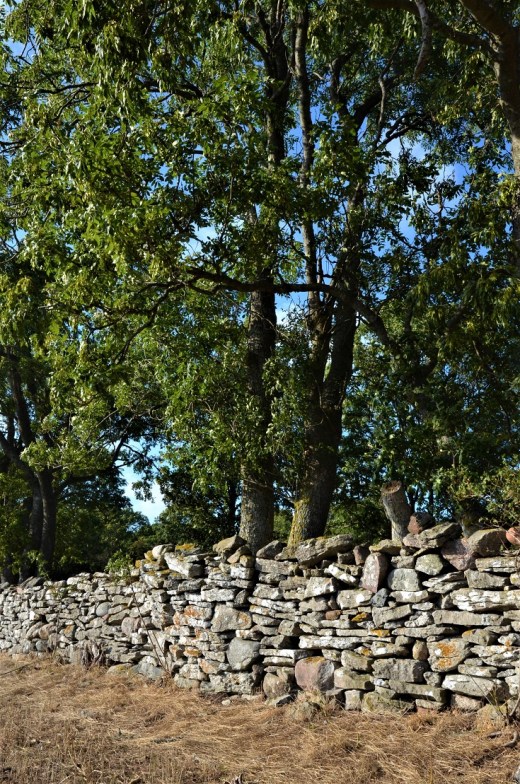
Rocks are a common theme on Gotland.  They are at the beach, many of the houses are made of stone, and the fences too.

DSC_7262

DSC_7263

DSC_7448

DSC_7333

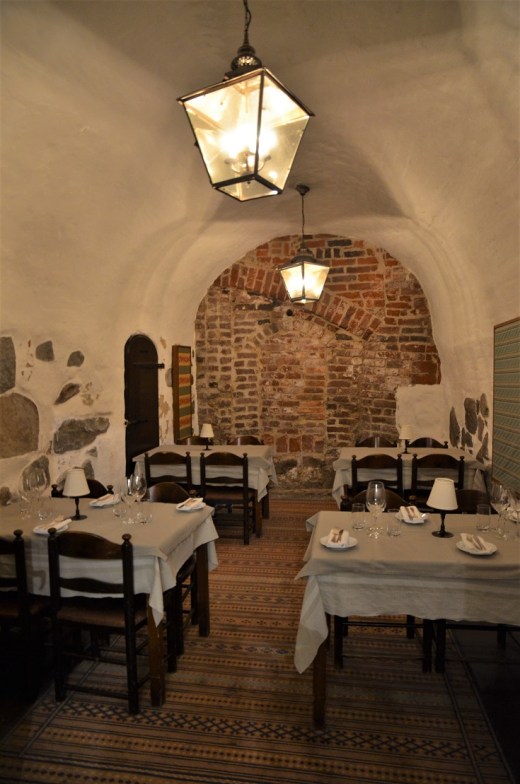
This photo shows the interior construction of a restaurant where we stopped for lunch, Grå Gåsen.

DSC_7444

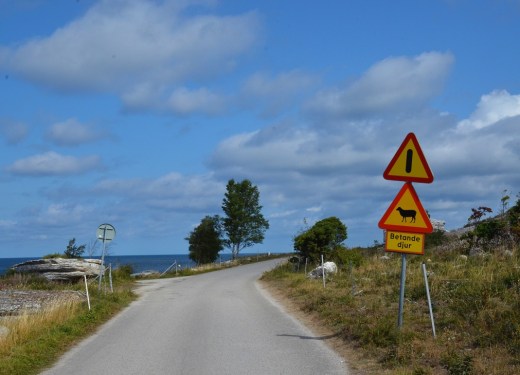
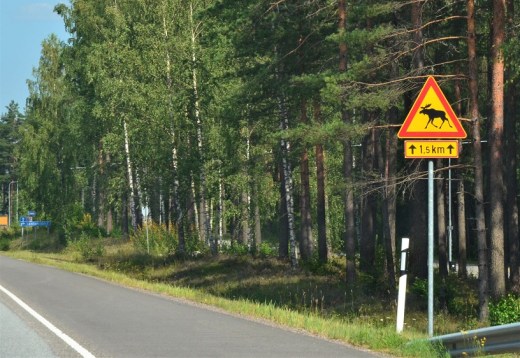
Sheep are mostly in the fields, but some areas are open grazing, and signs warn of animals in the road.

DSC_7265

DSC_7437

DSC_7440

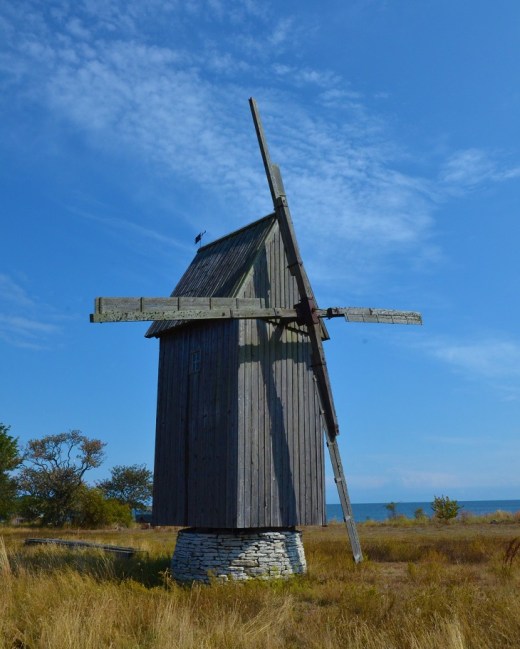
Windmills are everywhere.   There are four types, but most of the ones we’ve seen are old and unused.  We did see a few newer ones, and there are quite a few large energy producing windmills along the coast.

DSC_7295

DSC_7522

DSC_8023

This eight-sided cornerjointed windmill was built in 1794 and is on display at the Bungemuseet.

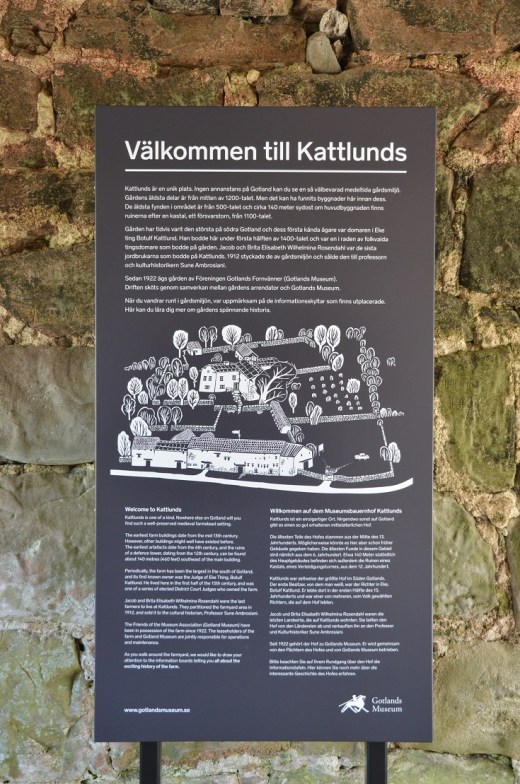
The area is very rural, with many working farms and old barns.  We visited the oldest farm on the island, Kattlunds.

DSC_7350

DSC_7343

DSC_7346

DSC_7385

DSC_7381

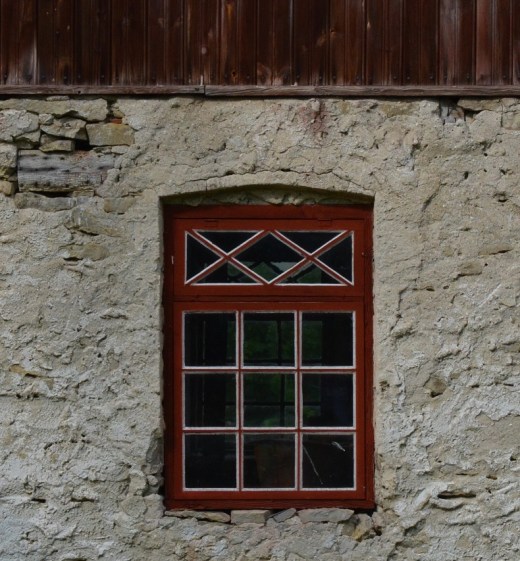
There are many good looking barns with very nice windows.

DSC_7409

DSC_7406

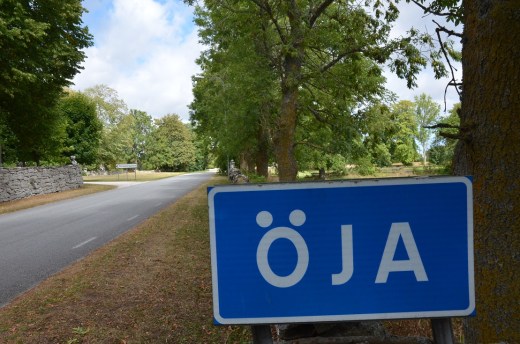
The Oja Church.

DSC_7308

DSC_7307

DSC_7323

IMG_7818

We like having a house with a kitchen so we can make our own meals.

DSC_7457

IMG_7851

IMG_7850

DSC_8025

This is the view from our back yard.  The church spire is the Sundre Church.  We heard the bells ringing one evening.  At first I thought it was just the 8 pm bells, but they did not stop ringing.   We saw a smoke plume and realized the church bells must be a call to parish volunteers that help was needed.  It made me think that not much has really changed here.  The parish church was a way to communicate to the surrounding population.  No wonder there are so many churches.  There needed to be a church in bell ringing range to all the people.

Posted in Sweden | Leave a comment

Visby, Gotland

DSC_6967

From Stockholm, we took the short bus ride to Nynäshamn and the ferry to Visby, Gotland.  It is about a three hour ferry ride.

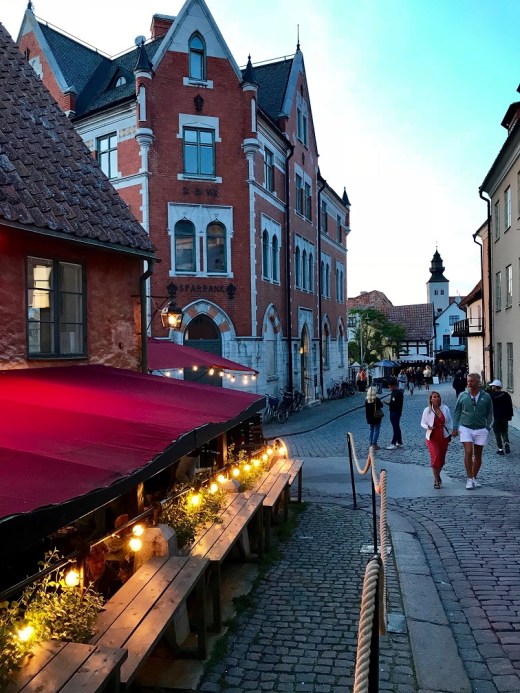
Visby is a UNESCO World Heritage Site and one of the most picturesque little towns I’ve ever seen.

DSC_6993

DSC_6992


IMG_7746

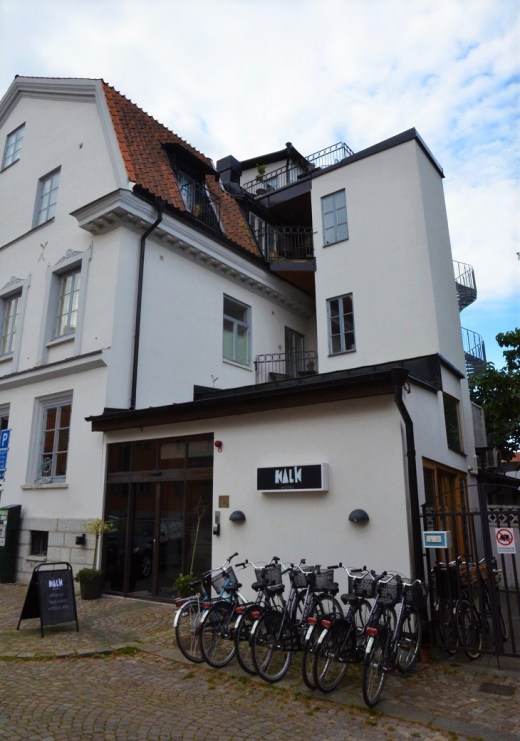
We stayed at the Kalk Hotel, very nice, and built right on the wall.

DSC_7037

DSC_6930

DSC_7027

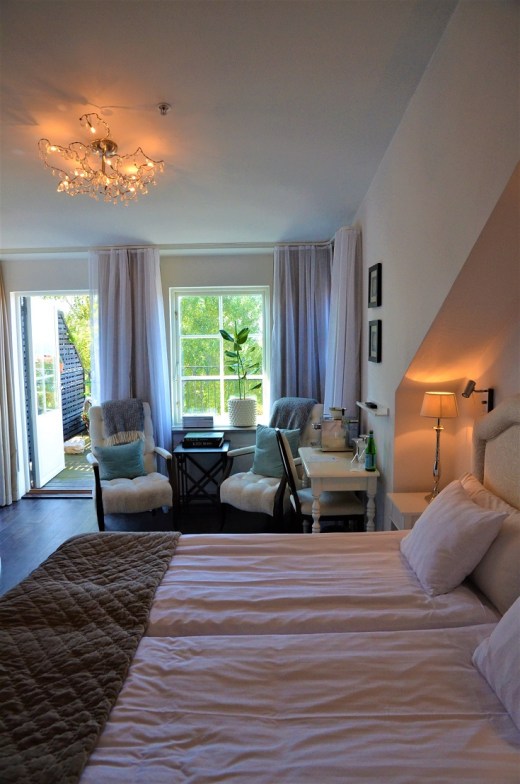
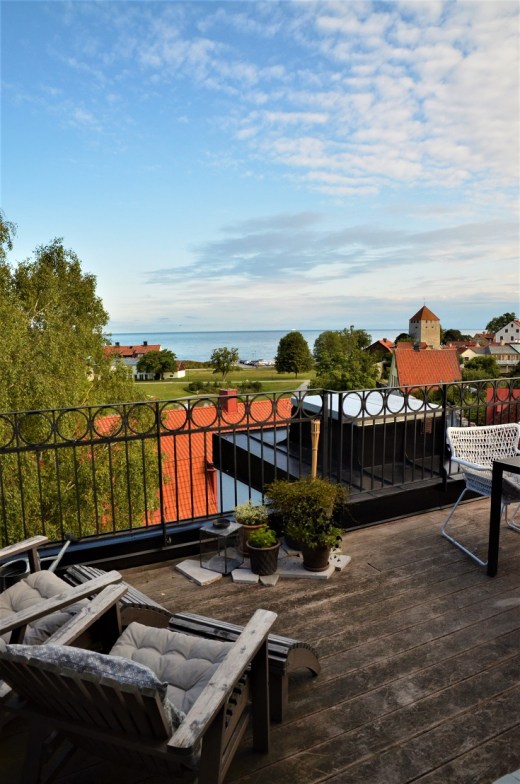
The view from our third floor room at The Kalk Hotel

DSC_7028

The Lilla Strandporten (small beach gate) was visible from our room’s patio.  When the old harbour was here, this gate was the way into the square and market place.

Visby is a walled city with a lot of history.  A walk through the Visby Gotland museum will enlighten you to the many struggles the people of Gotland had to survive.

DSC_7039

DSC_6983

DSC_7059

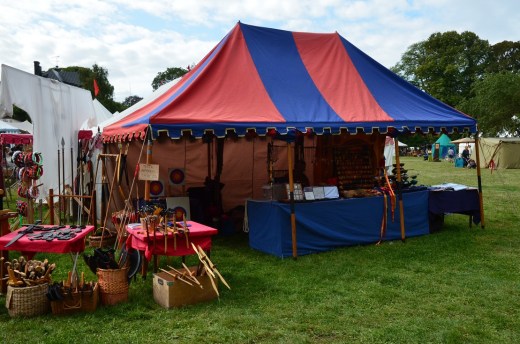
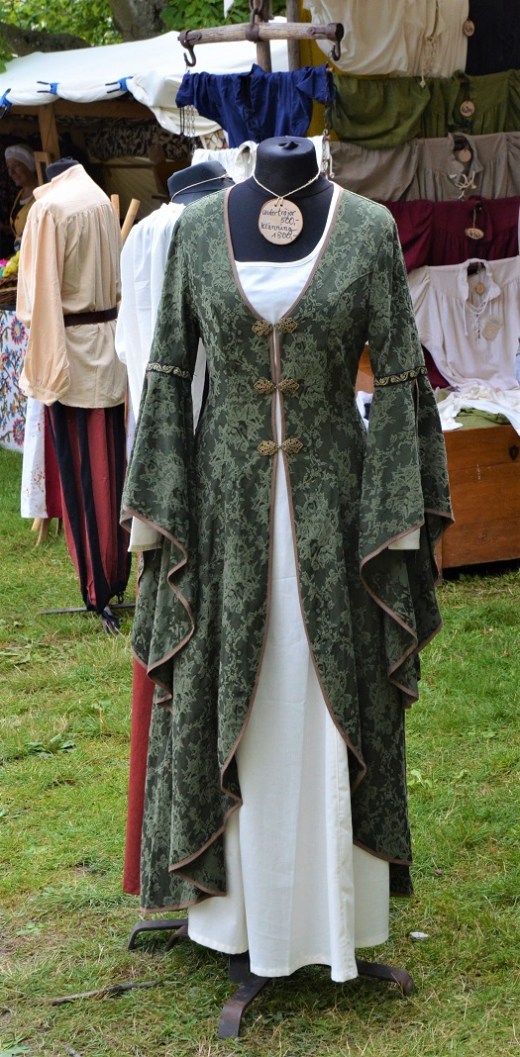
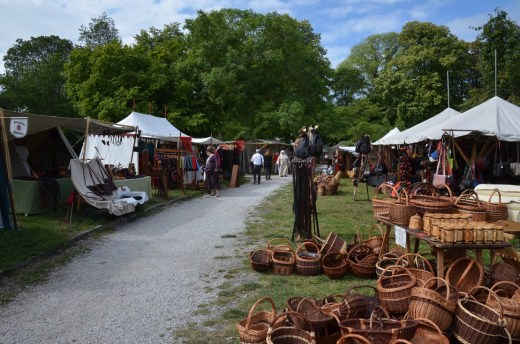
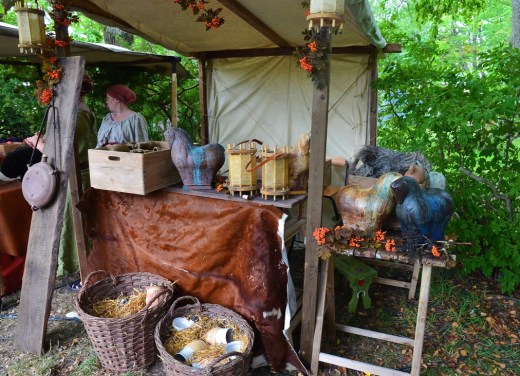
Our visit to Visby happened to coincide with their annual Medieval Festival.  Where previously I had walked through a park area, we now walked through a Medieval Market.  It was fun, the stall owners dressed in period costume, but thankfully taking modern day credit cards.

DSC_7134

DSC_7145

DSC_7143

IMG_1821

IMG_7738

DSC_7125

DSC_7131

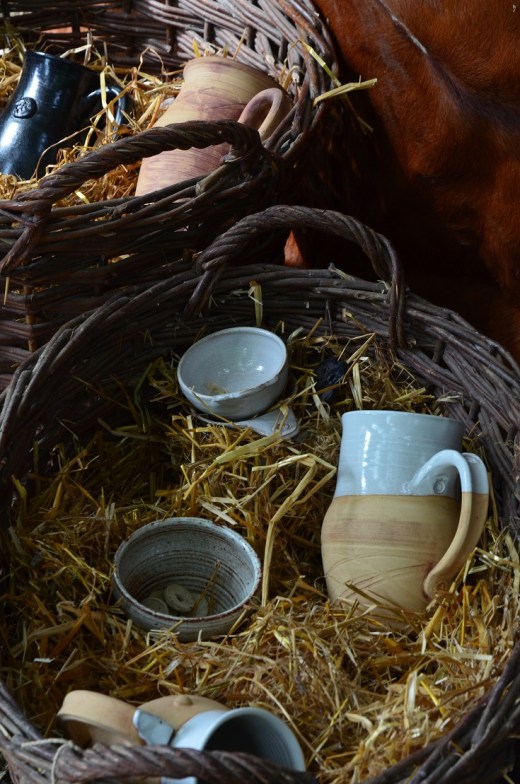
I purchased some of the hand made pottery from this woman.  Her mother was the craftsman.

IMG_7741 (1)

IMG_7742

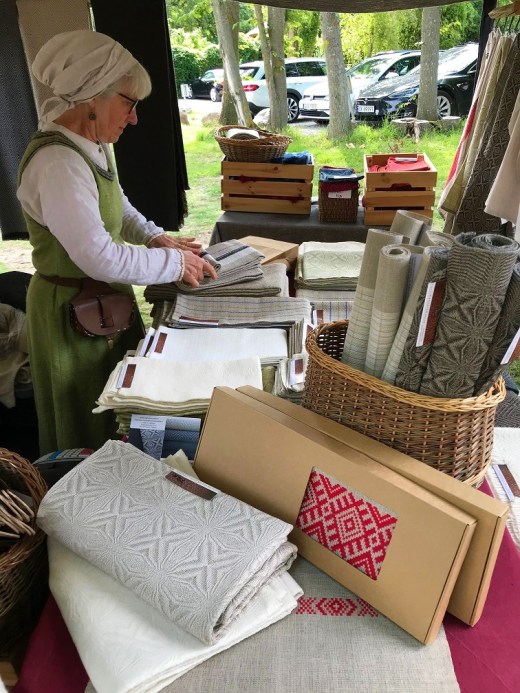
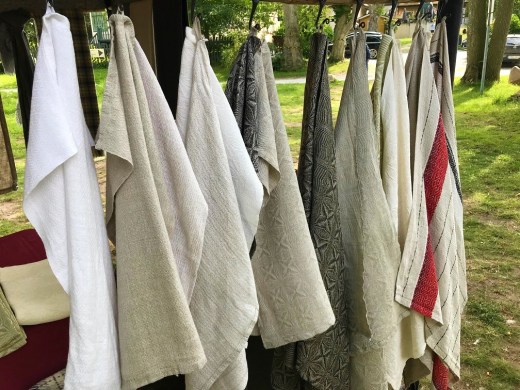
Finnish linens.  I bought two sauna towels.

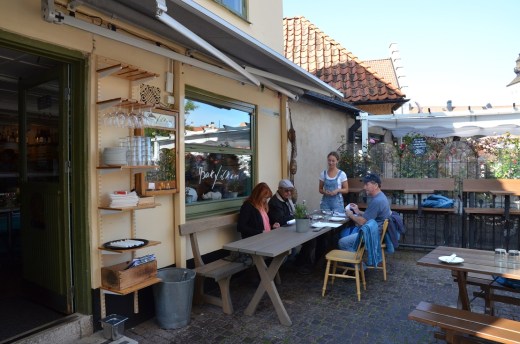
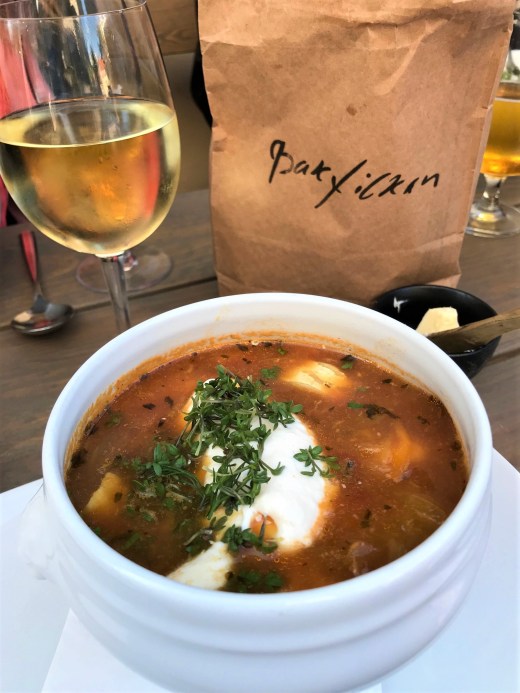
On the trail of a great fish soup, I tracked down a restaurant I’d eaten at a few years back.  It was still there, and the soup was unchanged.

DSC_6954

IMG_7665

DSC_6940

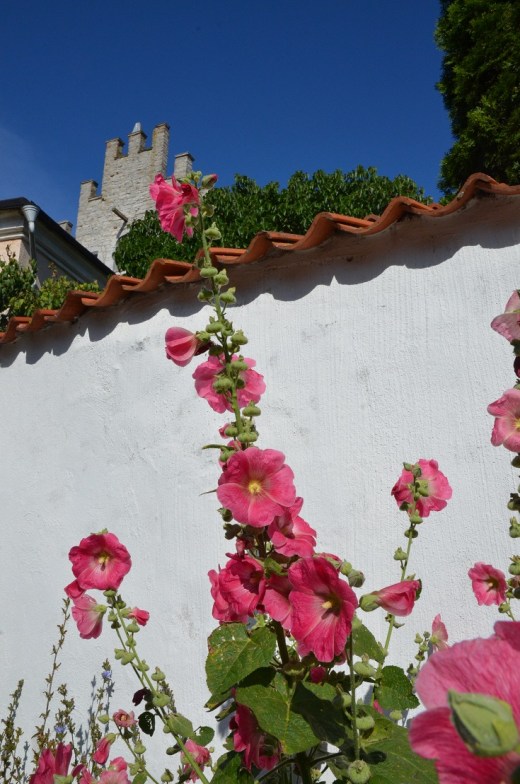
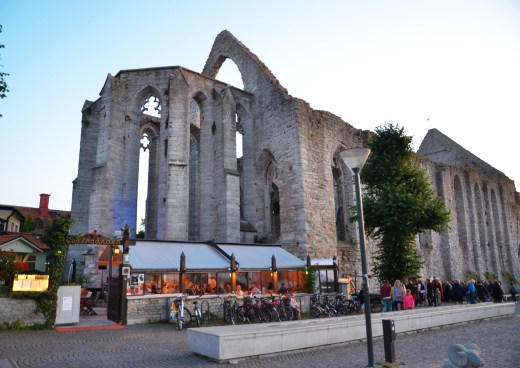
Visby can be summed up in one picture, flowers and ruins.

DSC_7095

IMG_7677

IMG_7679

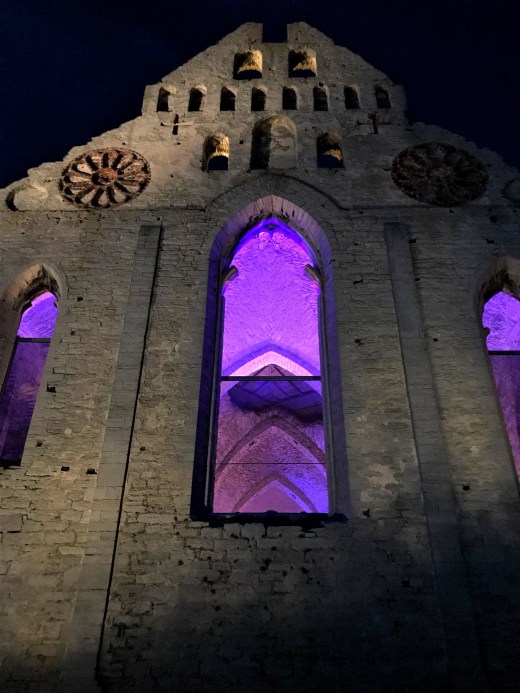
We walked around the town after dark, as the lights of the ruins came on.

DSC_7001

IMG_7694

IMG_7698

IMG_7696

IMG_7687

IMG_7705

IMG_7703

Before heading out of town to our rental home in the south, we toured the very informative Gotland Museum.

DSC_7192

IMG_7748

IMG_7753

IMG_7768

IMG_7769

IMG_7763

IMG_7761

Posted in Sweden | Leave a comment

Stockholm

The view from the seventh floor of the First Reisin Hotel in Gamla Stan:

DSC_6378

Stockholm is one of my favorite places.  My travel companions, however, had not been there before.  So the big question was, what do you show someone with only two days in Stockholm?

DSC_6409

DSC_6402

The Storkyrkan:

IMG_7501

My best answer for where to start was Skansen, the world’s oldest open-air museum.

From Skansen’s website:

At Skansen, you can discover Sweden’s history and find out how Swedes once lived according to the changing seasons, through the customs and traditions, work, celebrations and everyday life of times gone by.

IMG_7458

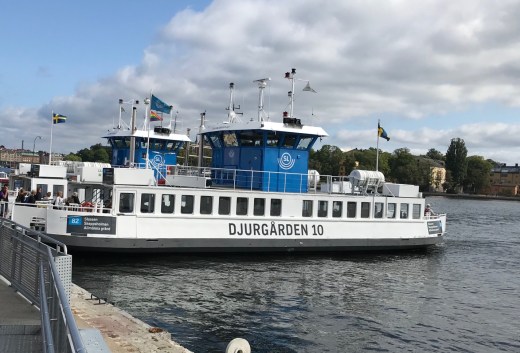
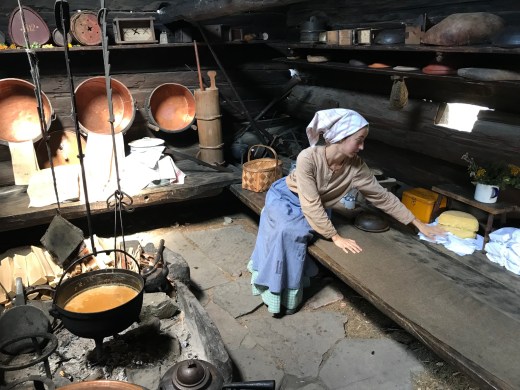
We took the short ferry ride from Gamla Stan to Djurgården, where Skansen is located, and spent the morning walking around viewing the historic homes, Nordic animals and costumed staff.  Many of the historic homes have been moved to Skansen, a few were built there originally.  Period costumed staff members portray life in Sweden in years past, making cheese, tending stock and showing visitors how daily chores were performed.

DSC_6456

DSC_6477

IMG_7478

DSC_6489

IMG_7472

IMG_7469

DSC_6525

Skansen – ENG START

The Nordic animal display features moose, reindeer, bears, wolves, lynx and wolverines.

DSC_6504

DSC_6515

It would be easy to spend the entire day at Skansen, but we had plans for the evening.

DSC_6563

Our friends Jan and Dawne, winter St. Petersburg residents, and Rich (full time St. Petersburg resident) had invited us to dinner at their home just north of Stockholm.

Jan picked us up in Gamla Stan and took us on a scenic tour of neighborhoods I had not seen before.  Our private guided tour was delightful.  We drove past Björn Kristian Ulvaeus’ home, one of the original ABBA members, and through the beautiful Djursholm neighborhood.

DSC_6577

IMG_7490

IMG_7486

DSC_6589

Rich showed off his culinary skills with a delicious quiche.

IMG_7488

Dinner was a wonderful smorgasbord of food and conversation.

Jan had us try the herring and potatoes first, on a separate plate, and also made us drink Norwegian schnapps, and sing Swedish drinking songs.   Jan knows the words, but we just add the sound effects.

IMG_7491

IMG_7496

A good time was had by all!

img_0089

So my travel companions got a great first day impression of Stockholm.

For Day Two, a ferry trip to Vaxholm was a must see.  Much of Stockholm and the surrounding area is on the water.  A good choice for a first timer in the Stockholm  archipelago is a ferry ride to Vaxholm.  There are 30,000 islands in the Stockholm archipelago, and on the ferry we passed many of the small islands and pretty homes along the water.

DSC_6624

DSC_6627

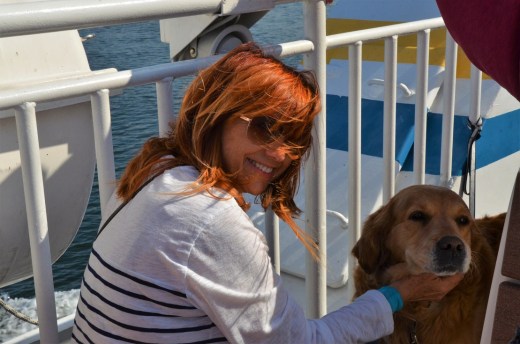
Dogs are always welcome on the ferries.

DSC_6616

DSC_6632

DSC_6746

We took the fast ferry out, walked the quaint streets and neighborhoods, did a little shopping and had a wonderful fika experience.

DSC_6643

DSC_6640

DSC_6650

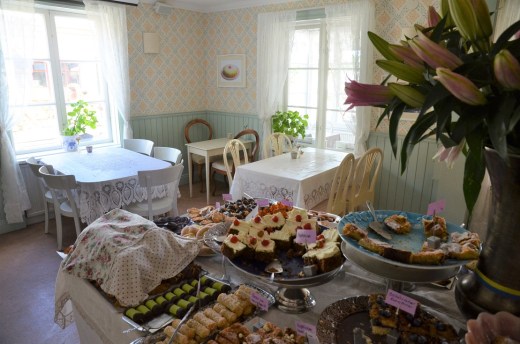
I had been to Vaxholm before, but not to this place.  Hembygdsgårds Café is a short walk from town, along the water, and a true fika heaven.   They sell sandwiches and a large selection of desserts.

DSC_6666

IMG_7510

DSC_6688

IMG_7507

Fika from heaven:

IMG_7503

DSC_6681

Attached to the cafe is a small museum, an example of a fisherman’s home from the 1800s, and displays of fishing equipment.

DSC_6699

IMG_7514

A farm stand near the Vaxholm hotel:

DSC_6734

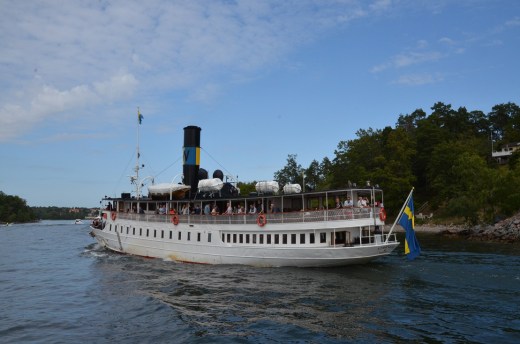
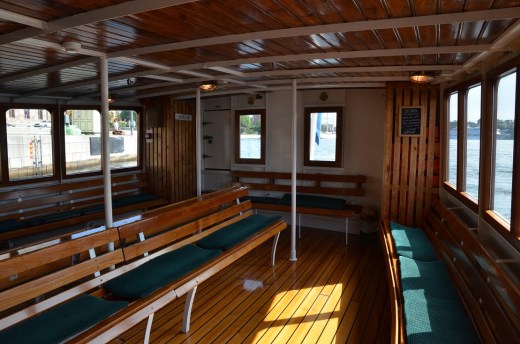
Returning to Gamla Stan we opted for the old steam powered ferry, a slower ride but a beautiful boat.

DSC_6754

DSC_6765

DSC_6813

DSC_6815

We had a few hours to tour Gamla Stan before our dinner plans.

DSC_6846

DSC_6593

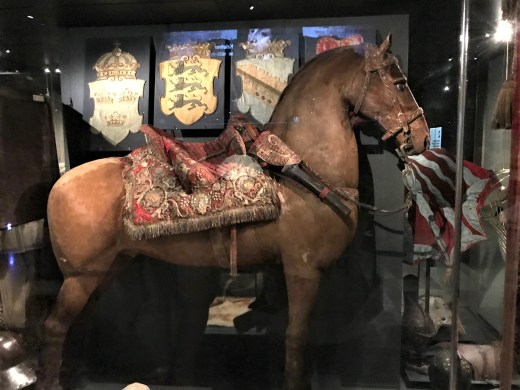
We chose to tour The Royal Palace (Kungliga Slottet) and the royal armory (Livrustkammaren) with our remaining time.  The armory exhibit is in the lower levels of the palace, and is free.  It houses the royal weaponry, clothing and carriages, and even Streiff, Gustav II’s stallion from the battle of Lutzen in 1632.

IMG_7533

IMG_7545

IMG_7546

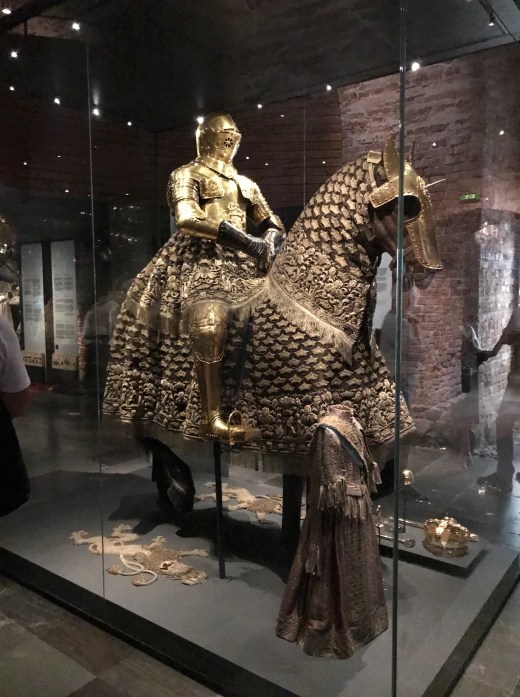
In the funeral procession for King Karl X Gustav, in 1660, a “rider clad in gilded armour symbolised the dead king and the eternal kingdom.”  The small gold ceremonial dress, below the horse in the picture, was worn by the dead king’s 4 year old son Karl XI.

IMG_7554

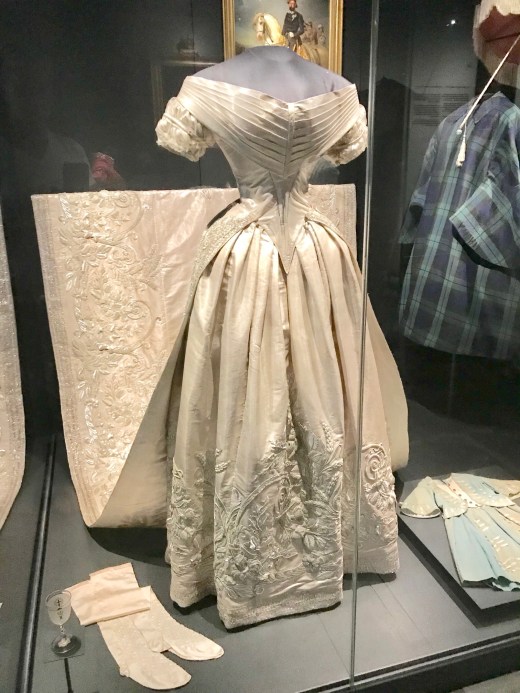
Silk wedding dresses:

IMG_7560

IMG_7563

IMG_7567

After touring the armory, we walked through the palace, Kungliga Slottet.  The king and queen have offices in the palace, but spend most of their time at Drottningholm.

IMG_7569

The Council Chamber, where cabinet meetings are held:

IMG_7584

IMG_7597

IMG_7598

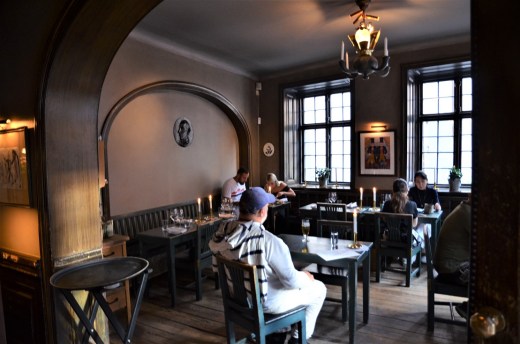
We had 6:15 dinner reservations at one of my favorite restaurants, Den Gyldene Freden (in English, The Golden Peace).  Owned by the Swedish Academy, who select the Nobel Prize for literature, it has been in business since 1722.  It is mostly unchanged since its opening and is a wonderful example of an 18th century tavern, and a favorite gathering place for Swedish writers, painters and composers.  Anders Zorn bought it in 1919 and saved it from destruction.

IMG_7644

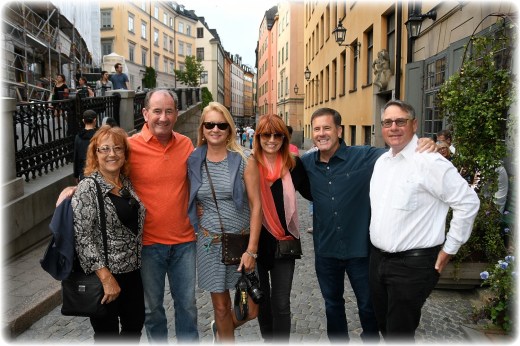
The group photo is by Jan Lagergren.

DSC_6900

DSC_6904

IMG_7611

IMG_7613

IMG_7623

IMG_7628

DSC_6907


Posted in Sweden | Leave a comment

Helsinki, Finland

DSC_6136

We had just two days to explore Helsinki, which we did using the public transport systems.  The train from the airport got us to the main station downtown, and the rest we did by trolley and foot.  A one day trolley pass was approximately $8.

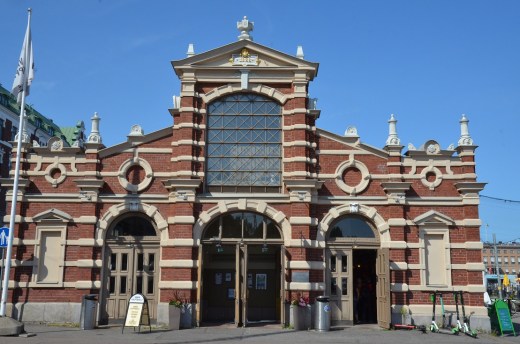
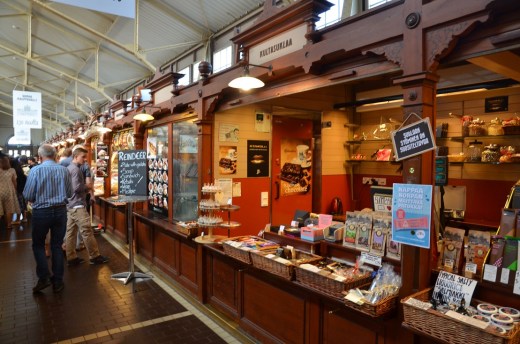
A farmer’s market near our hotel and next to the trolley stop:

DSC_6078

DSC_6075

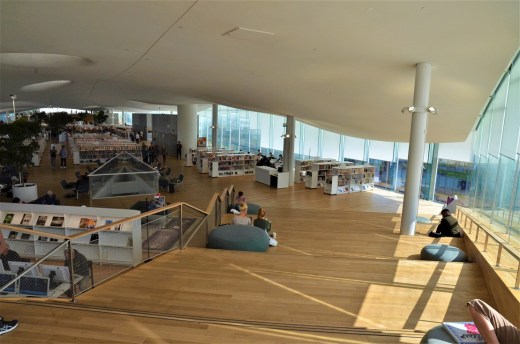
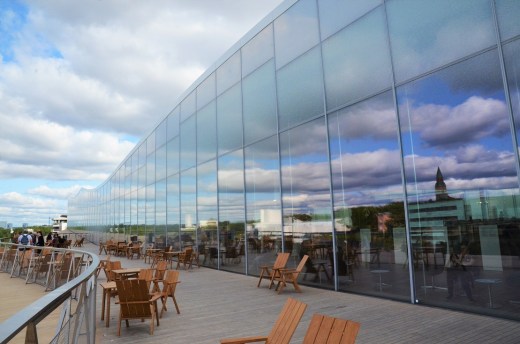
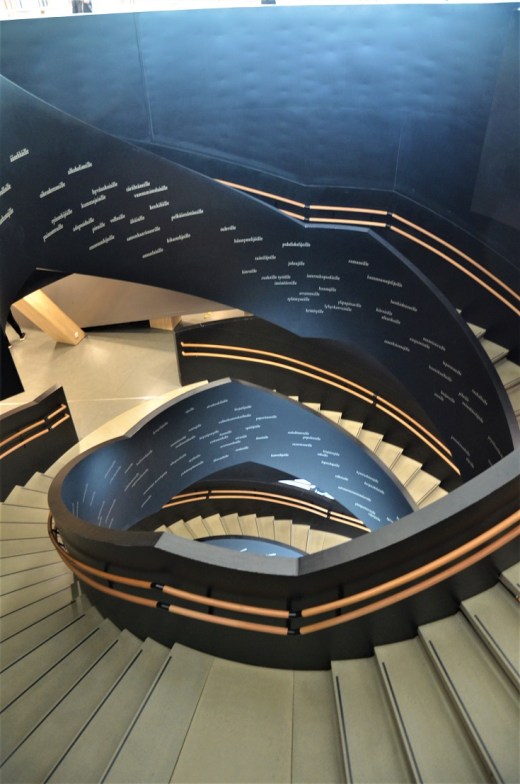
Good friend Jani suggested we check out the new library.  It was great advice and I think one of the highlights of our sightseeing agenda.  It opened in December of last year and is truly beautiful and functional, something the Scandinavians are quite good at.

DSC_6142

DSC_6100

DSC_6097

DSC_6099

Teresa finds a book she likes:

DSC_6103

DSC_6111

DSC_6085

DSC_6126

DSC_6124

https://www.oodihelsinki.fi/en/

Starting at our hotel we took the trolley to the main station from where you can see the library.  You could easily spend many hours here, with it’s multiple levels, coffee shops and cafe.  It was a hub of local activity, where we saw families with small children, students, tourists, and every other category you can think of.  After touring the library we walked to the Church of the Rock, a very popular tourist sight.

DSC_6148

Along the way, standing on the sidewalk viewing our map and street signs, we had two separate people stop to ask if we needed help.  This was a consistent theme throughout our stay in Finland.   You don’t even need to ask for help.  People will stop and offer it because they are genuinely nice, friendly people.

DSC_6151

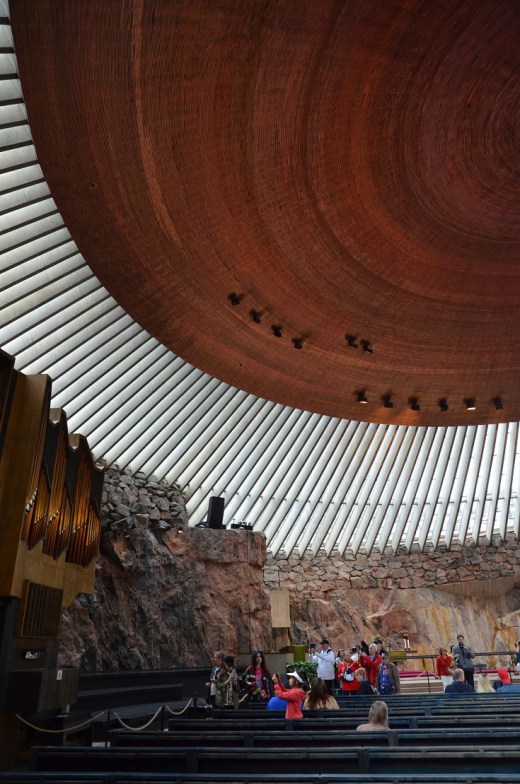
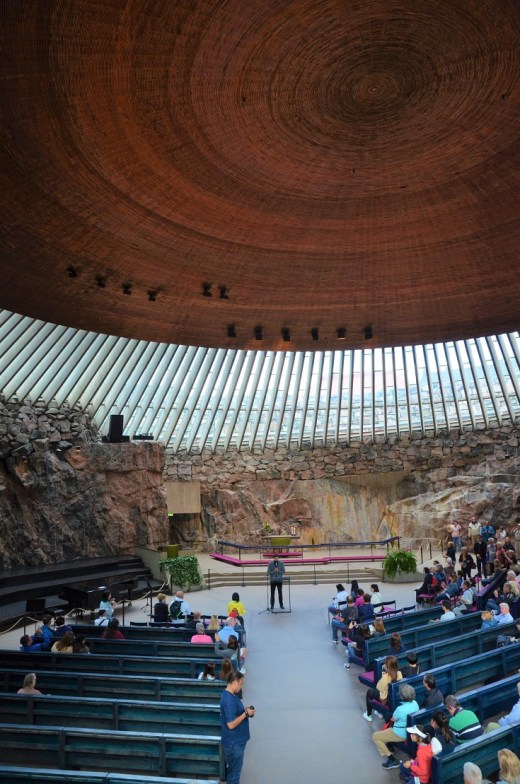
The Church of the Rock is the Temppeliaukio Church, a Lutheran church designed by Timo and Tumo Suomalainen and built right into the rock.  It opened in 1969.  I thought it was beautiful, but as we walked in, I heard another tourist describe it as “hideous.”  I suppose it is all in the eye of the beholder.  We happened to be there at noon, when the pastor gives a sermon in English.  His sermon started with “Today we take a breath and walk, not run.”  That was apropos for this trip, as we are taking our time, relaxing, and not running.

DSC_6158

DSC_6173

DSC_6175

DSC_6177 After viewing the church, another trolley ride and we were in Sibelius park.  Again, the trolley passengers saw our maps and asked where we were going.  Three local passengers debated our best trolley stop for Sibelius Park.  One woman, although carrying bags of groceries, had us follow her off the trolley and took us a few blocks to make sure we were going in the correct direction.

DSC_6196

DSC_6201

Back nearer to downtown and the waterfront, we enjoyed a great lunch at a restaurant on the park just off the Market Square, kauppatori.

Our lunch spot, Kappeli:

DSC_6224

The salmon soup:

DSC_6228

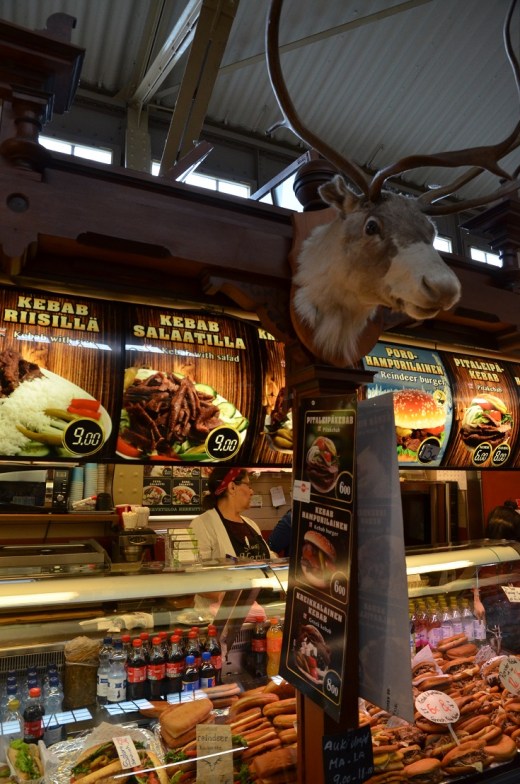
There was no end to the good places to eat.  The Market Hall was filled with small food kiosks, reminding me of markets we have seen in Spain.

DSC_6369

DSC_6370

DSC_6221

DSC_6217

DSC_6372

Our last stop for our first full day was The Design Museum, which looks at the roots of Finnish design.  It ended up being a bit different than expected, but interesting.  I learned that Princess Leia’s jewelry was designed by a Finnish man, Björn Weckström.  Who knew?

http://www.bjornweckstrom.com

DSC_6262

DSC_6245

DSC_6242

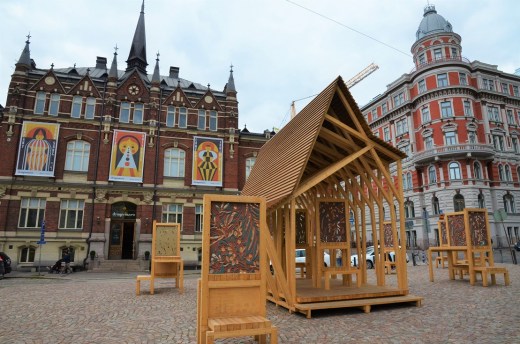
Our second day was spent walking around Katajanokka, a neighborhood known for its Art Nouveau architecture, the waterfront area, and again had lunch near the park.  We were lucky with warm sunny days.  The public transportation system is cheap, clean and easy.

DSC_6283

DSC_6305

DSC_6313

DSC_6314

DSC_6319

DSC_6332

DSC_6341

DSC_6356

We needed more time, but this was a good start.  I would like to see more of the Finnish countryside and lakes.

DSC_6271


Posted in Finland | 4 Comments

Tallinn, Estonia

DSC_5869

Tallinn is an easy day trip from Helsinki, but be prepared for quite a lot of walking if you want to take it all in.   From Helsinki it is just a two hour ferry ride and then a short walk from the dock into the Old Town of Tallinn, a UNESCO World Heritage Site.

The name Tallinn came from the Danes (Taani Linnus, “Danish stronghold”) but the city has been ruled by many, including Russians and Germans.

DSC_5865

We kept our touring to the walled Old Town with cobblestone streets, entering on the northern side.

I immediately thought of Game Of Thrones as we passed the walls and towers.  This feeling was intensified when a street band starting playing the theme song.

DSC_5866

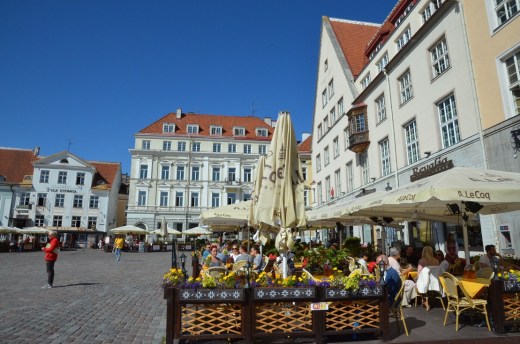
The Town Hall Square:

DSC_5890

The Pikk Jalg Gate Tower:

DSC_5881

An alley:

DSC_5873

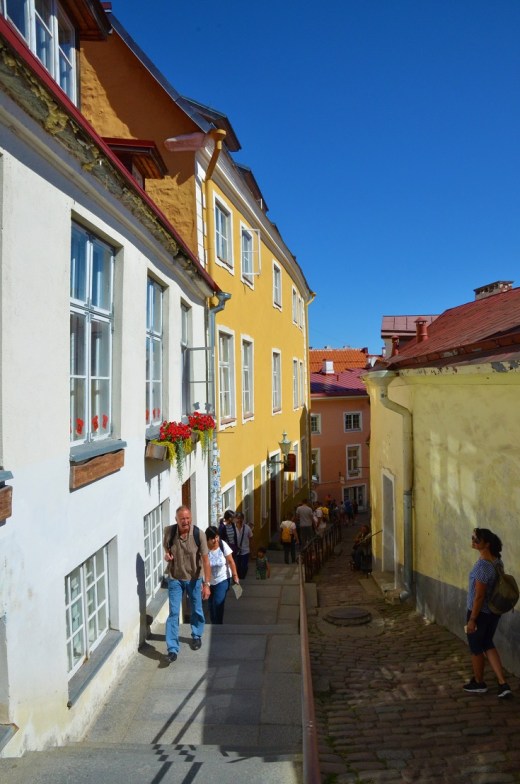
This small street, Luhike, leads up to Toompea Hill from the lower part of Old Town:

DSC_5907

DSC_5904

DSC_5930

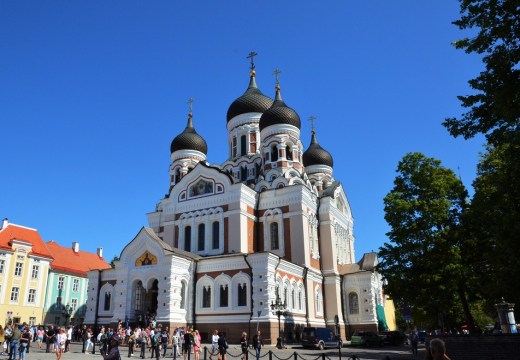
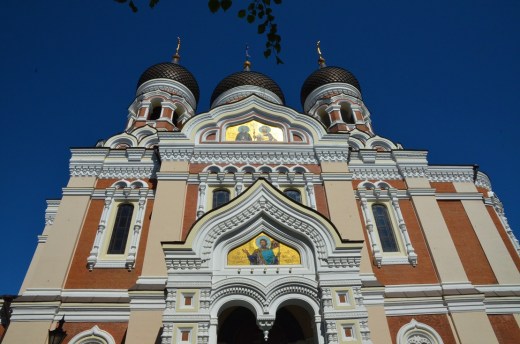
Alexander Nevsky Cathedral on Toompea Hill:

DSC_5926

DSC_5915

We went into the Toompea Castle for a tour, but it is only open Wednesdays and Fridays for tours, so no luck there.

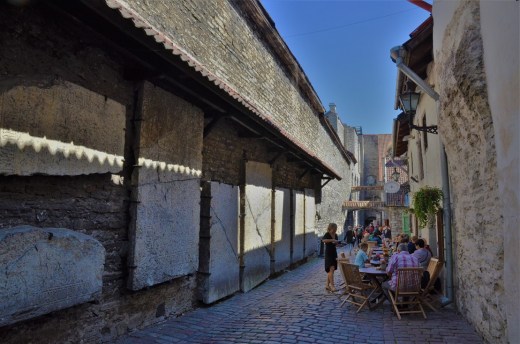
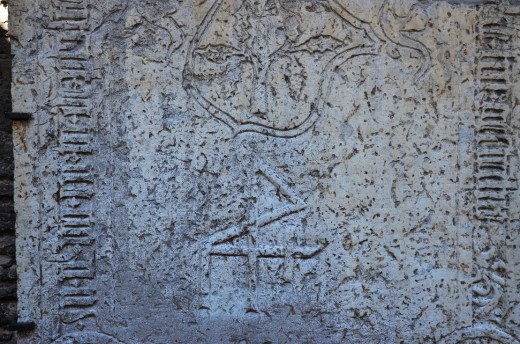
Back down in Old Town, the street named Katarina Kiak has a wall lined with tomb stones on one side, and the other side lined with shops and restaurants.  The tomb stones are from the Church of St. Catherine of Alexandria.

DSC_5941

DSC_5936

DSC_5951

DSC_5944

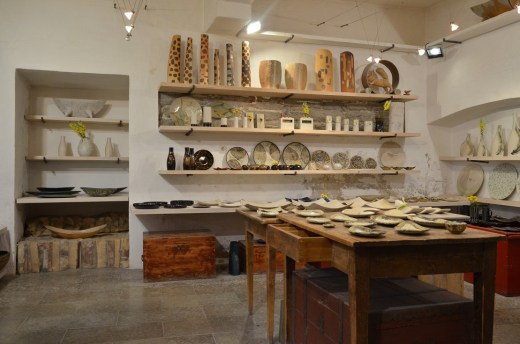
Opposite the wall of tomb stones I found this delightful artists’ gild with locally made ceramics.

DSC_5950

DSC_5948

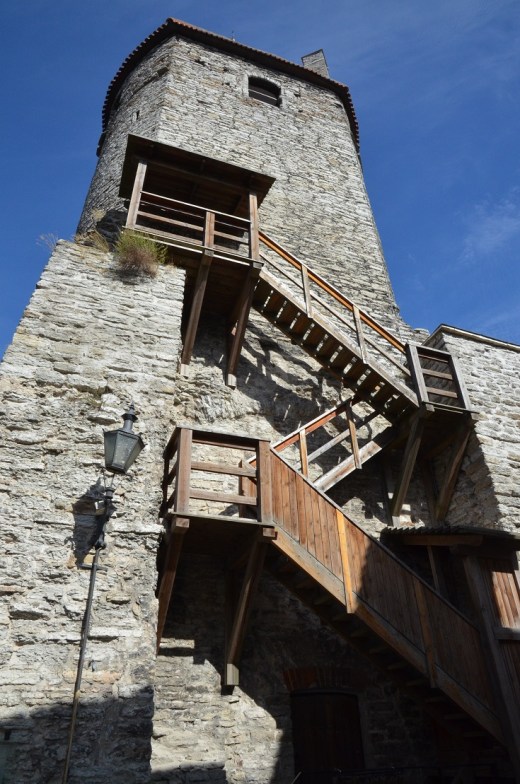
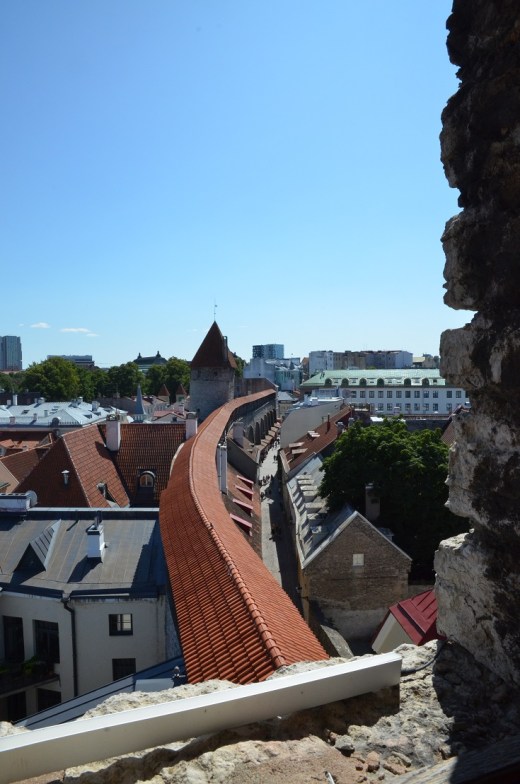
At the far end of Katarina Kaik we hit the wall, and climbed the Helleman’s Tower to take in the view.

DSC_5979

DSC_5980

DSC_5967

The cat walk along the wall:

DSC_5959

The next photograph is looking south along the eastern wall.  The top of part of Viru Gate is visible.

DSC_5974

DSC_5972

DSC_6061

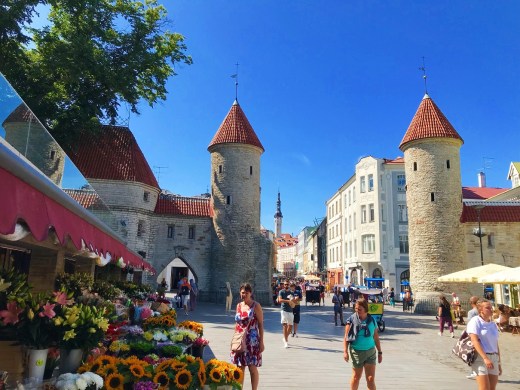
Following the wall south, we found one of the main gates to the Old Town, the Viru Gate.

IMG_7308

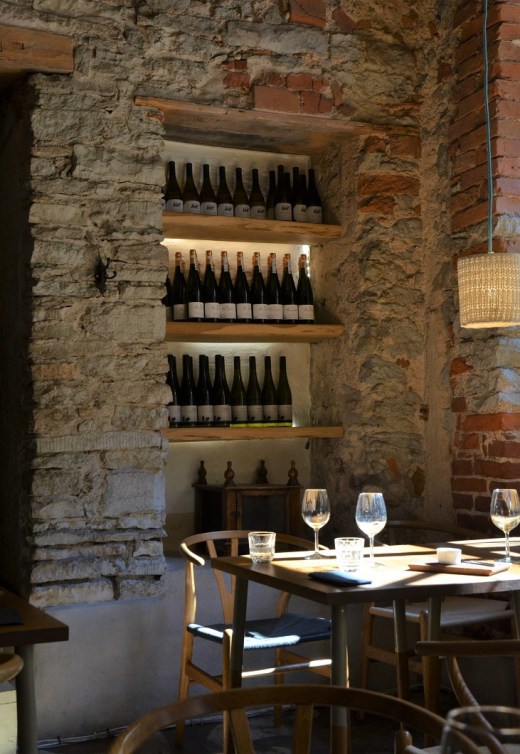
We had walked for hours by this point so we headed to a late lunch.  With a list of possible restaurants in hand, we settled on Rataskaevu 16.  It was a great choice and we could not have been happier.

DSC_6017

http://rataskaevu16.ee/en/

DSC_6045

DSC_6047

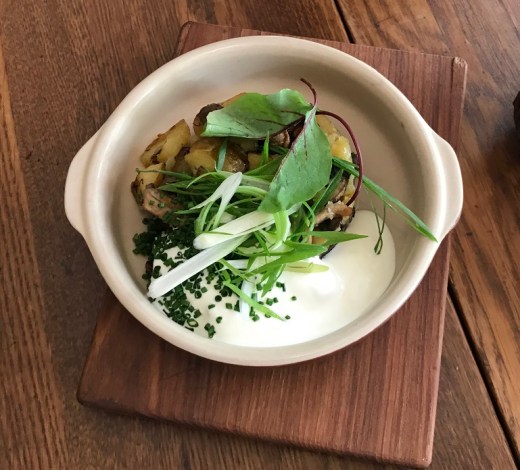
The fried mushrooms with herbed potatoes and sour cream:

IMG_7322

The oven baked goat cheese with warm vegetables and berry sauce:

IMG_7325

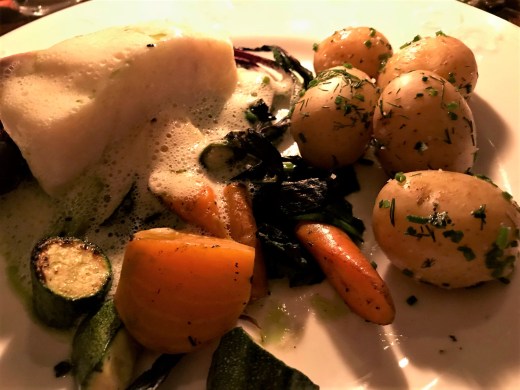
I had the chef’s white fish special which was cod with lentils:

IMG_7327

It was all quite delicious and fresh.  I cannot recommend this restaurant highly enough.  We were celebrating my friend Teresa’s birthday, and they brought out a dessert with a candle.

IMG_7329

We made our way slowly back to the ferry docks and the two hour ride back to Helsinki.  It was a great day, but long, with quite a bit of walking.  We took the 0730 ferry out in the morning, and the 630 pm ferry back.

DSC_6068

Posted in Estonia | 2 Comments

Welcome to Finland

DSC_5696

DSC_5521

34% of my DNA comes from Finland, so you wouldn’t think it would take over fifty years to get here, but it did.  Luckily, I am here now.

IMG_7208

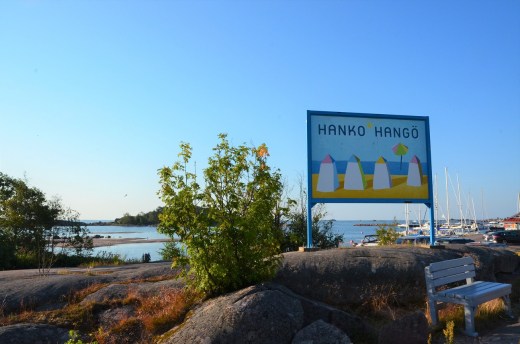
We landed in Helsinki, got in our rental car, and headed to Hanko, a small harbor town in southern Finland, less than two hours drive.  We couldn’t have picked a better place to be introduced to the country.

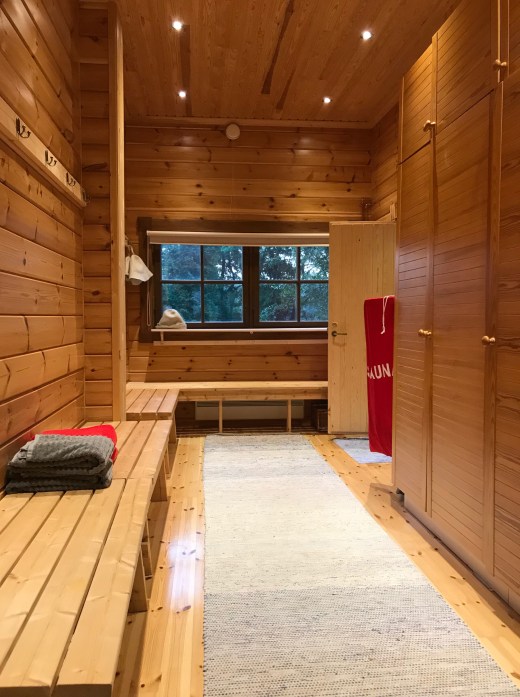
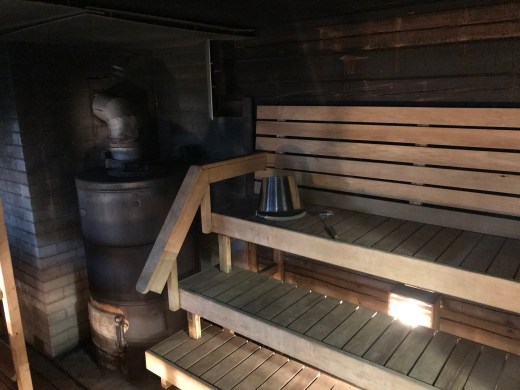
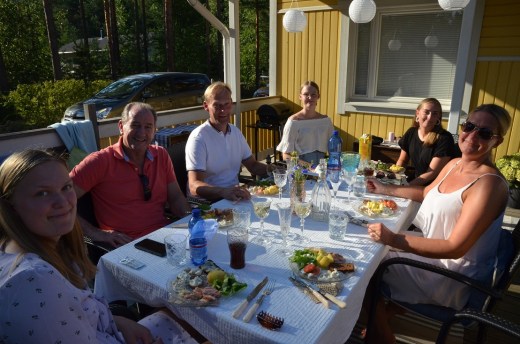
As guests of friends Pamela and Jani, we stayed in a cabin right on the Baltic, just outside of town.  It was beautiful, quiet and peaceful, and included a true Finnish sauna.

DSC_5516

IMG_7224

IMG_7228

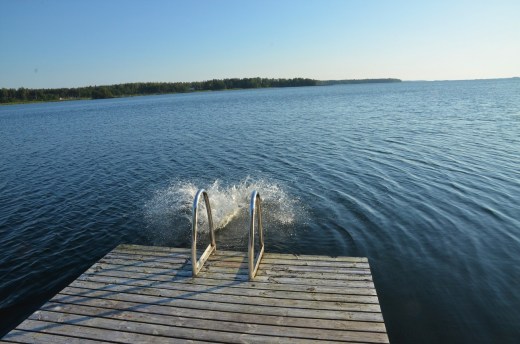
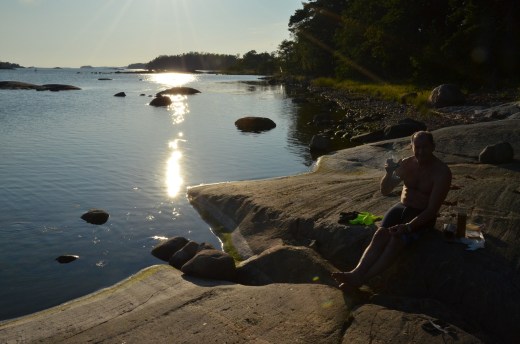
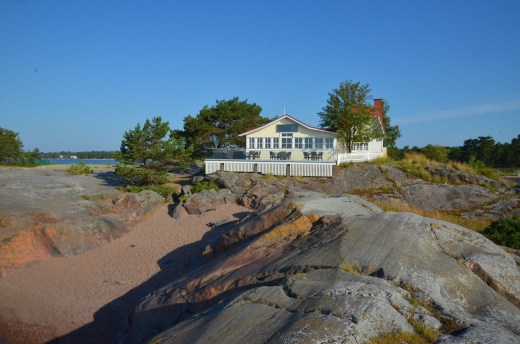
First things first;  a dive into the Baltic and a picnic on the rocks.

DSC_5539

DSC_5541

DSC_5556

DSC_5529

DSC_5551

The best strawberries ever:

IMG_7277

IMG_7266

Hanko was a Russian spa town in the late 19th century.  At the end of the Winter War, (March 1940) Finland ceded Hanko to Russia for forty years.  But just 1 1/2 years later, in December 1941, Finland got Hanko back, and they have held on to it and cherished it ever since.

DSC_5651

DSC_5649

DSC_5654

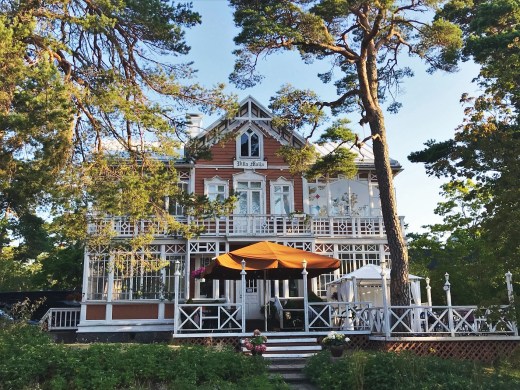
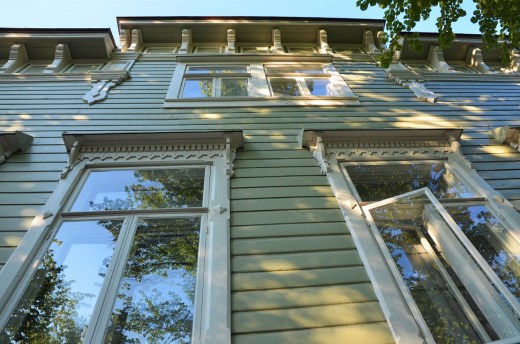
It is a beautiful little town with wonderful beaches, a lively harbor and the most incredible street of Victorian waterfront homes you’ve ever seen.

The houses and beach along Applelgrenintie/Appelgrensvagen and Mannerheimvagen:

IMG_7229

DSC_5740

DSC_5664

DSC_5667

DSC_5660

DSC_5635

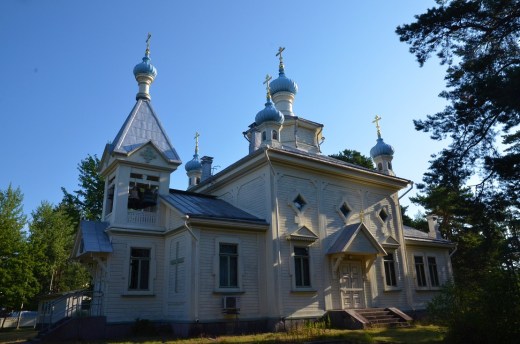
The Orthodox Church:

DSC_5690

Luckily for us, we had local guides in Pamela and Jani.  They took us around the town and then to their home for dinner.  I consider them long lost cousins, lost no longer.  Between 1881 and 1931 (the time frame of my great grandparents departure) 250,000 Finns left their homeland for other lands from this very port.

The House of Four Winds, a fun destination during the Finnish Prohibition, is now a cafe.

DSC_5679

DSC_5710

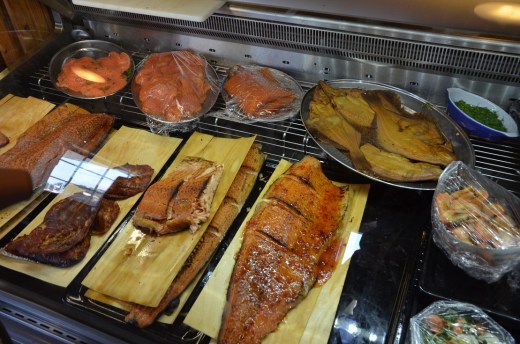
A local spot for fresh fish:

DSC_5752

DSC_5754

The gracious Ojala family:

DSC_5765

DSC_5771

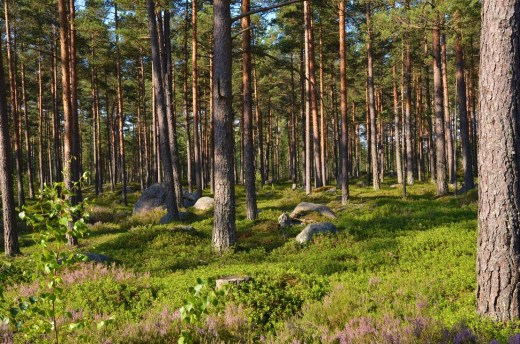
The woods here, as in Sweden, have very little undergrowth.

DSC_5692

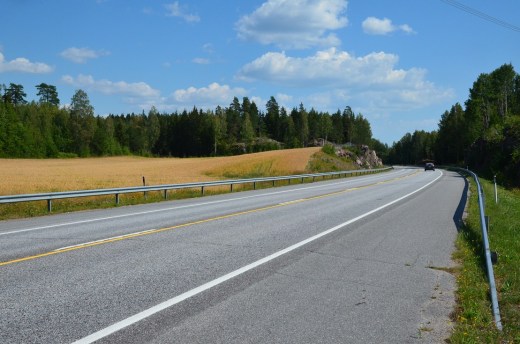
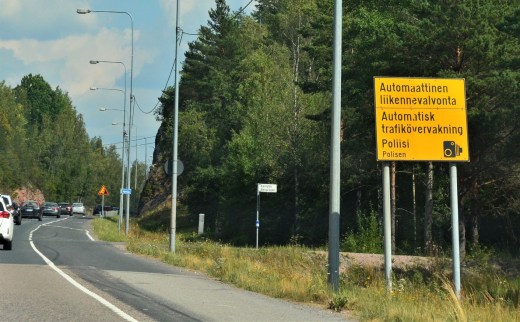
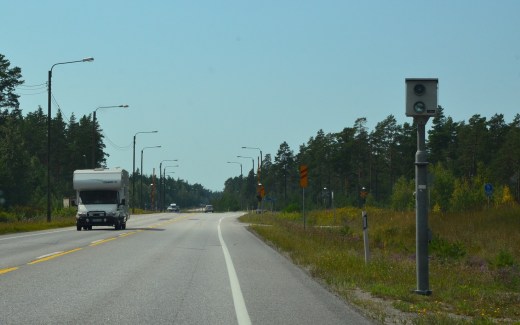
Our drive back to Helsinki had us watching our speed due to the numerous cameras.  We were told that after your third ticket in a year, you may have your car taken from you for a period of time.  They take speeding and driving under the influence very seriously.
DSC_5839

DSC_5842

DSC_5819

DSC_5830

Relieved of the rental car, the train to the Helsinki main station was quick, clean and easy.
DSC_5843

Posted in Finland | 2 Comments