A Day in Salta

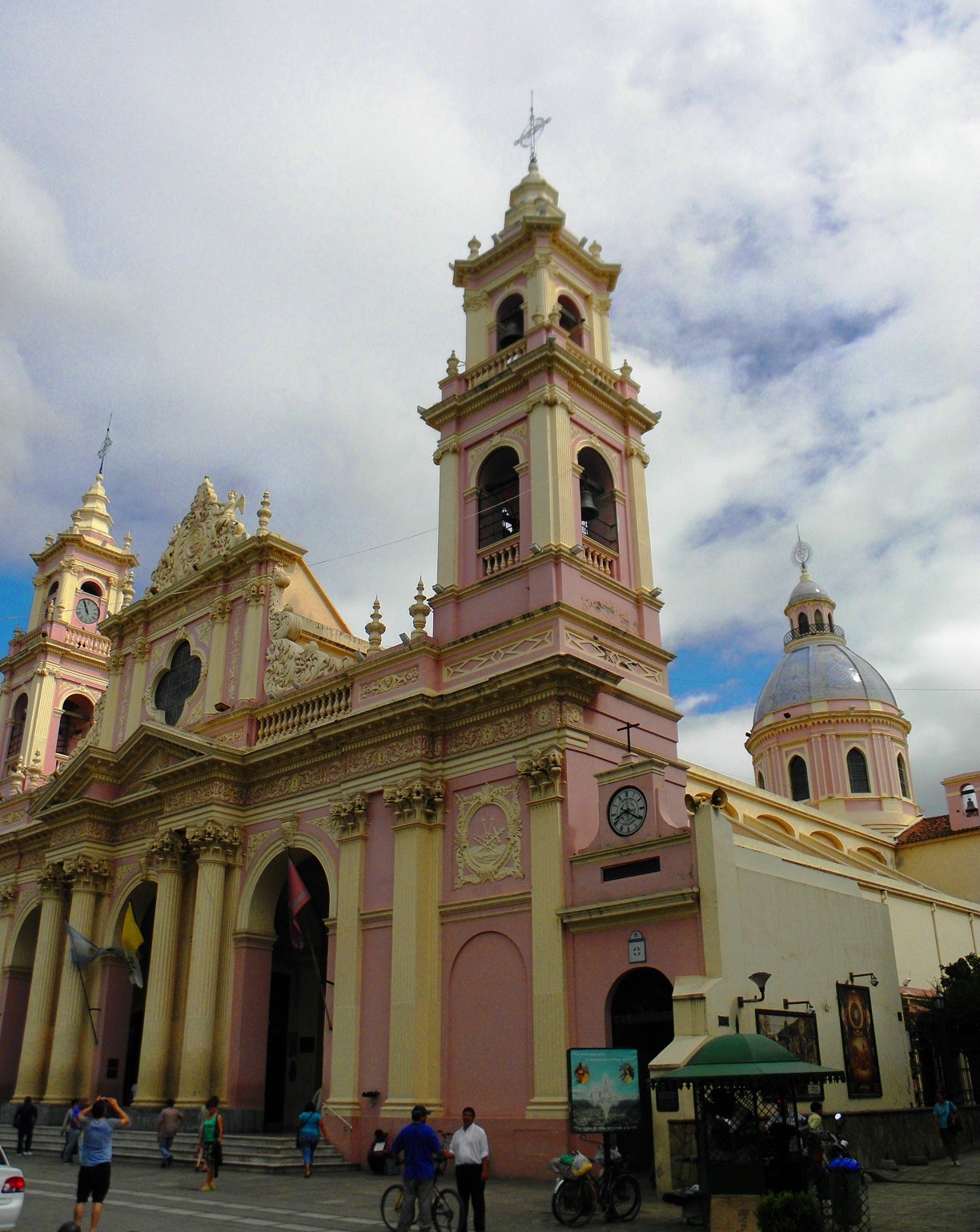
Iglesia Catedral, Salta

Iglesia Catedral, Salta

Salta is off the beaten path; way off compared to Buenos Aires.  But that can be a good thing.  Relatively new to the tourist route, Salta is well worth a day spent walking and discovering all it has to offer.  Just 15 years ago, according to the estancia’s manager, “Salta was a white space on the map.”  Most of the tourists in Salta come from Argentina.

The building that houses the MAAM
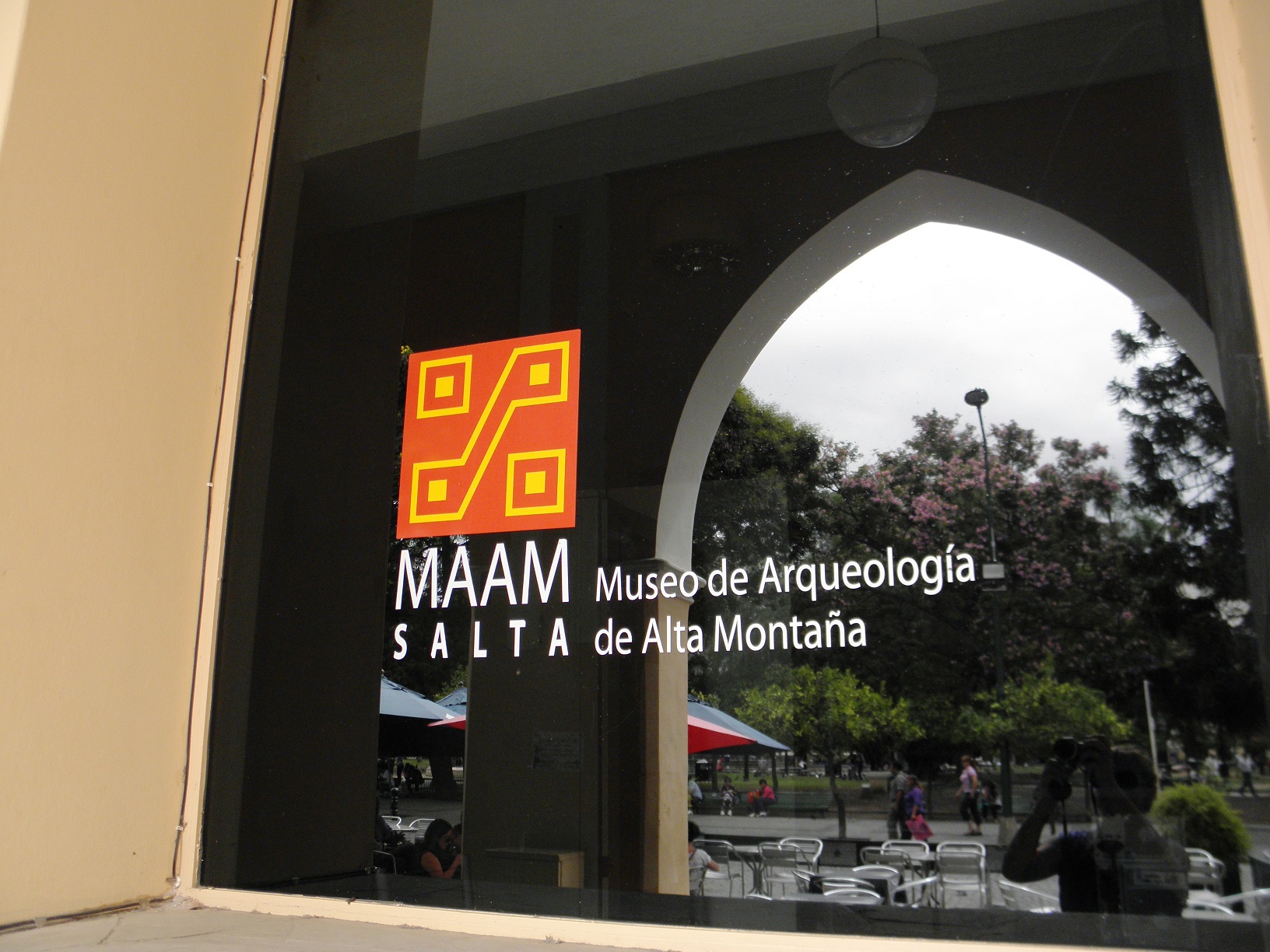
The building that houses the MAAM

Museum of High Altitude Archaeology, MAAM

Museum of High Altitude Archaeology, MAAM

A big part of the reason it is now on the tourist map, is the Inca children found on top the volcano Llullaillaco and the museum built for keeping, preserving and exhibiting that important find (March 1999).  National Geographic partially sponsored the excavation (a joint effort between the US and Peruvian and Argentinean mountaineers and archaeologists), the results of which are now housed in the MAAM, Museo Archeological de Alta Montana.  The exhibit includes films of the discovery, funerary objects and accoutrements, and the three mummified children. All three children are not displayed at once, rather they are rotated.   The day we visited, El Nino, (the boy) was on display.  So life-like are the mummies, so real and recent looking, that it was a far more emotional experience than I was expecting.  The 6 year old girl, 7 year old boy, and 15 year old maiden were dressed in their finest, given corn alcohol to drink and coca leaves to chew, and then buried on the mountain top. 
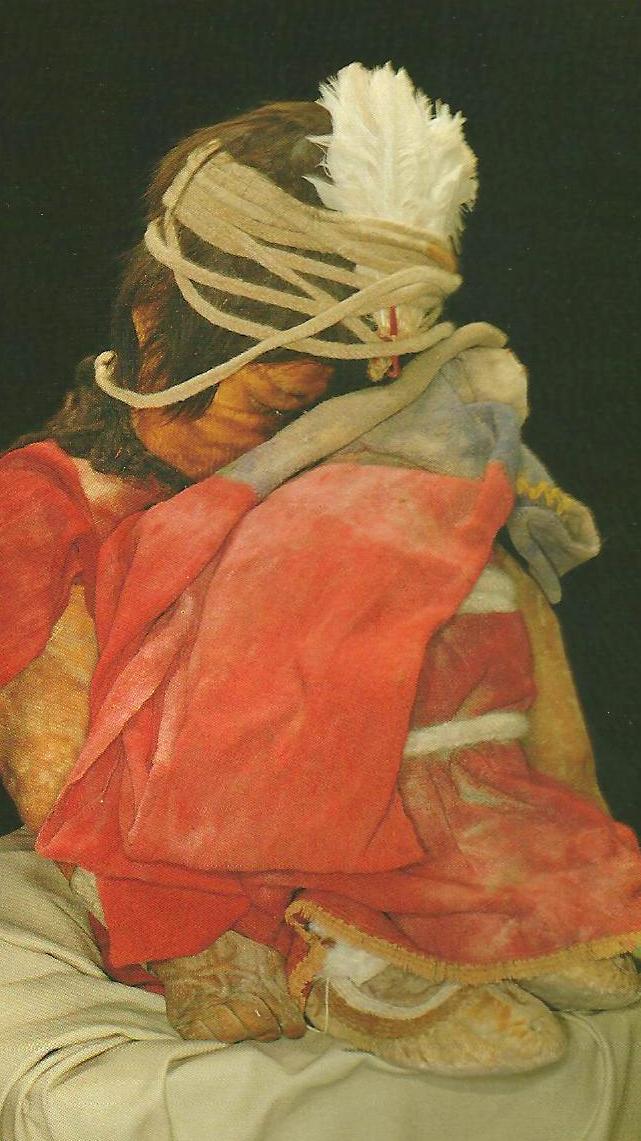
El Nino.  He was about seven years old when he died. The Boy was found seated on a grey tunic with his head facing the rising sun.  As every man of the Inca elite, he wore short hair and a white feather ornament held by a woolen string tied around his head.  Among the varied items that accompanied him was a miniature llama caravan led by finely dressed men.  (From the MAAM brochure)

El Nino. He was about seven years old when he died. The Boy was found seated on a grey tunic with his head facing the rising sun. As every man of the Inca elite, he wore short hair and a white feather ornament held by a woolen string tied around his head. Among the varied items that accompanied him was a miniature llama caravan led by finely dressed men. (From the MAAM brochure)

The exhibit discussed the ceremonial aspect, but it was hard to get around that when the children looked so real, almost alive.  The atmospheric conditions at 6,739 meters (22,109 feet) freeze-dried the bodies and mummified them naturally.  This museum alone was worth the visit to Salta, but we saw so much more.

???????????????????????????????

We walked from the bus station into the main square, Plaza 9 de Julio, passing many historic buildings along the way, some of them Beaux Arts style.  For the most part, the buildings were not restored, save for a few around the main plaza, now museums.

???????????????????????????????

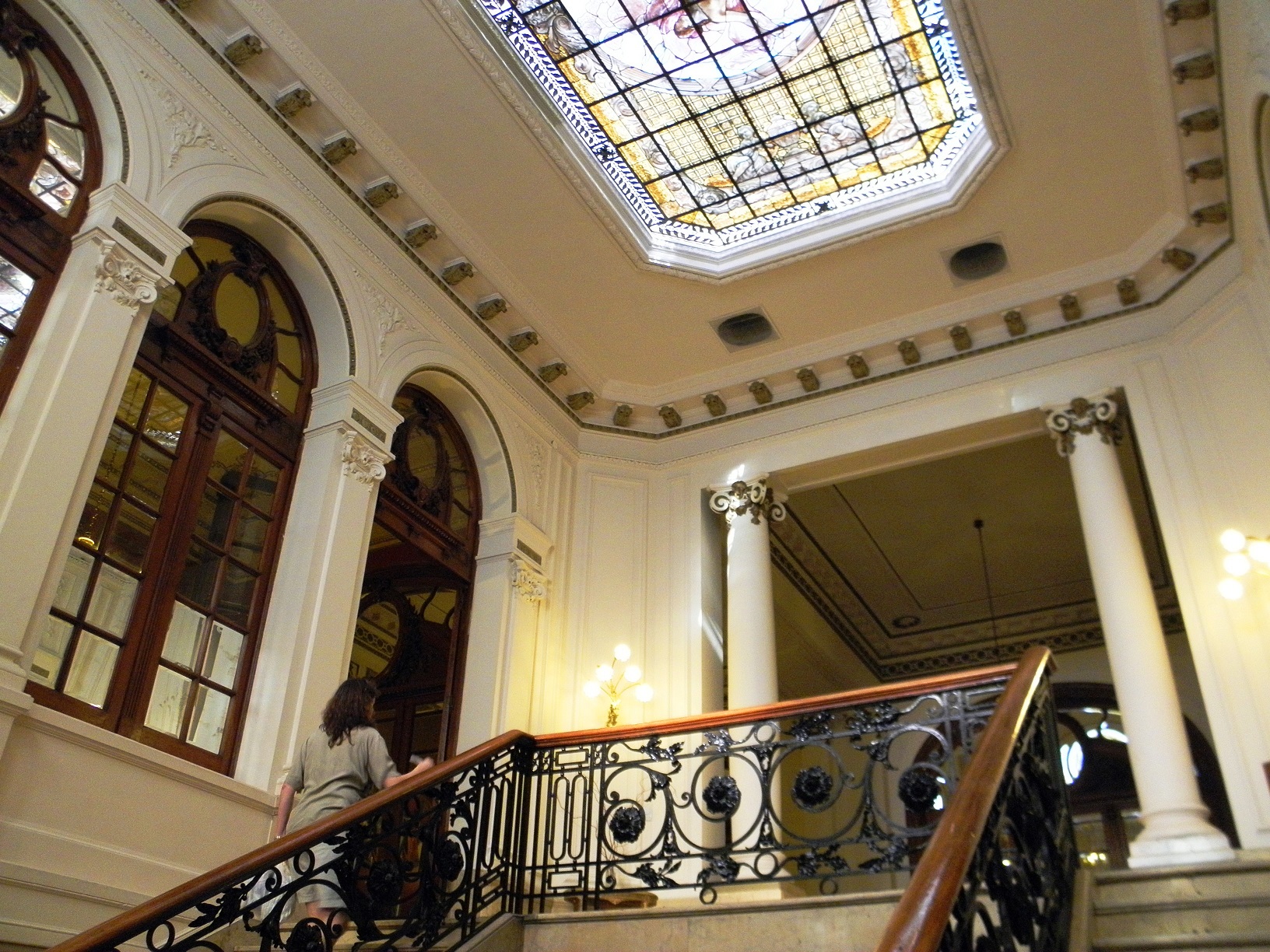
We visited two such museums, the Museo Historico Del Norte, and the Casa de Gobierno, from 1913, in the Art Nouveau style.  The MAAM was my favorite, but they were all worthwhile.  The Historical Museum of the North is considered the best preserved and most complete “Cabildo” in all of Argentina.  It dates to as far back as 1626, but is most representative of buildings from 1789 to 1807.

Exterior of the Museo Historico del Norte
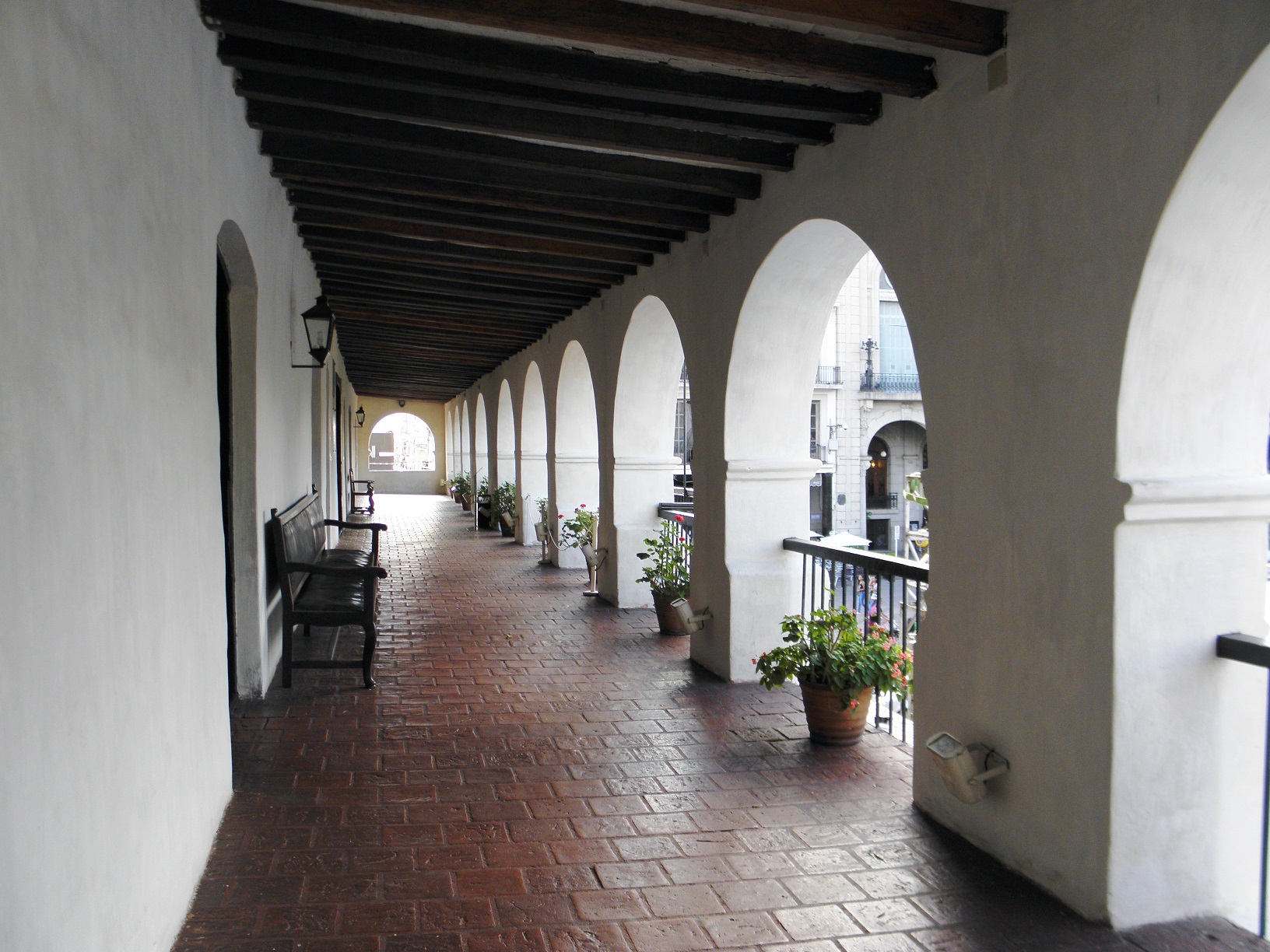
Exterior of the Museo Historico del Norte

The exterior portico of the Museo del Norte
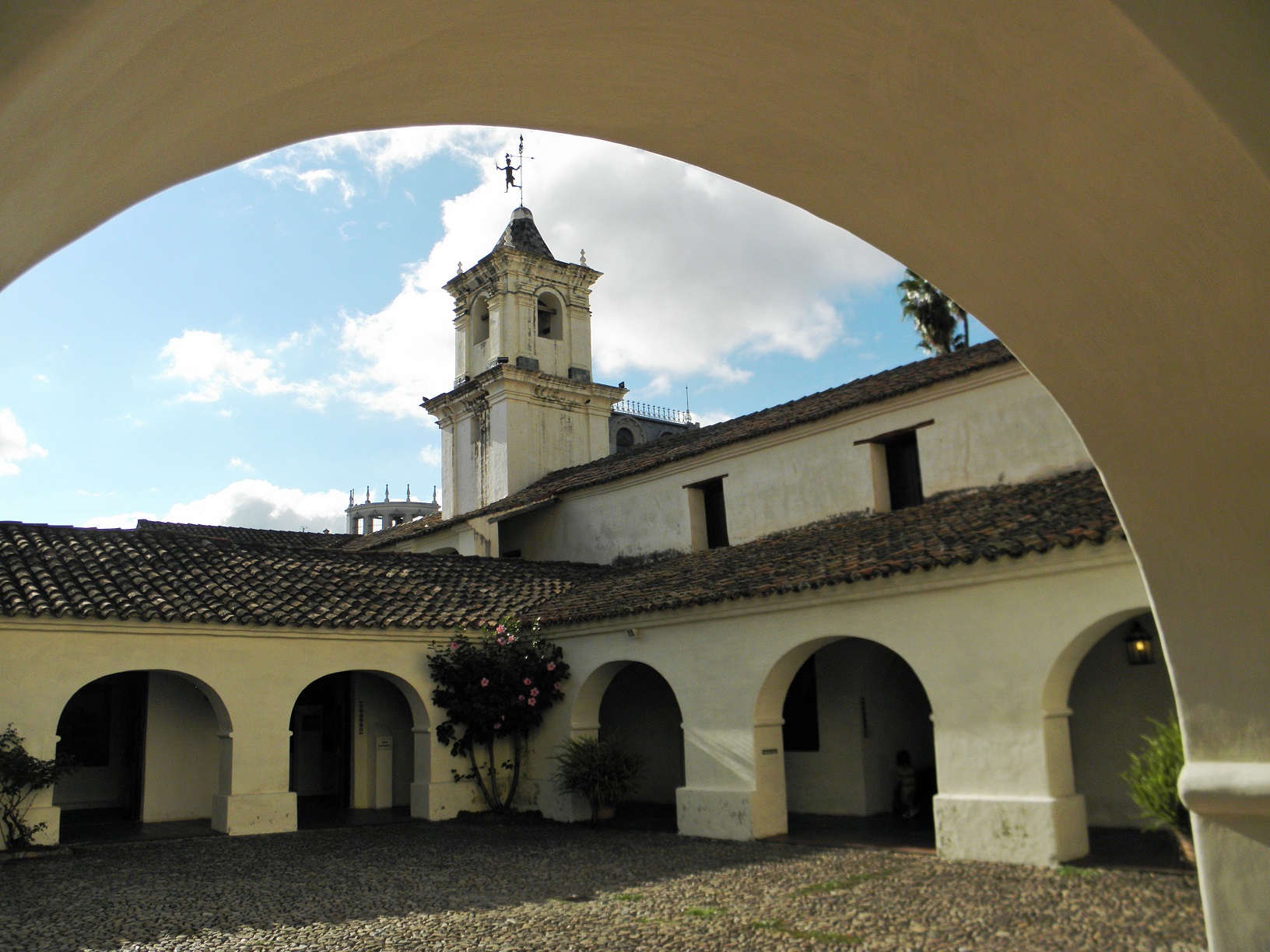
The exterior portico of the Museo del Norte

???????????????????????????????

???????????????????????????????

We took a short break for lemonadas, browsed through the stalls of a market, then had a nice lunch on the main square.

Enjoying a lemonade break on the main square

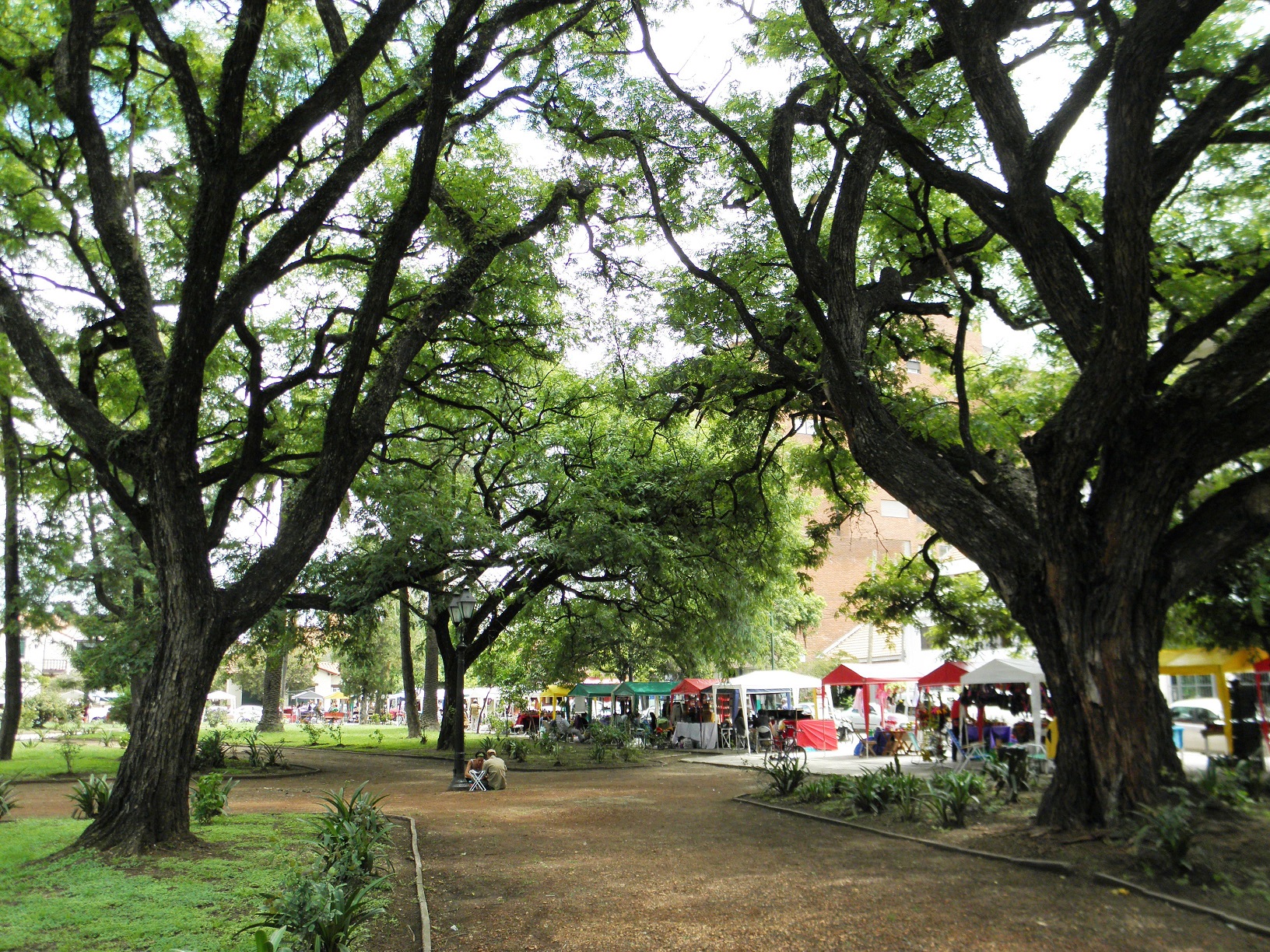
Enjoying a lemonade break on the main square

???????????????????????????????

???????????????????????????????

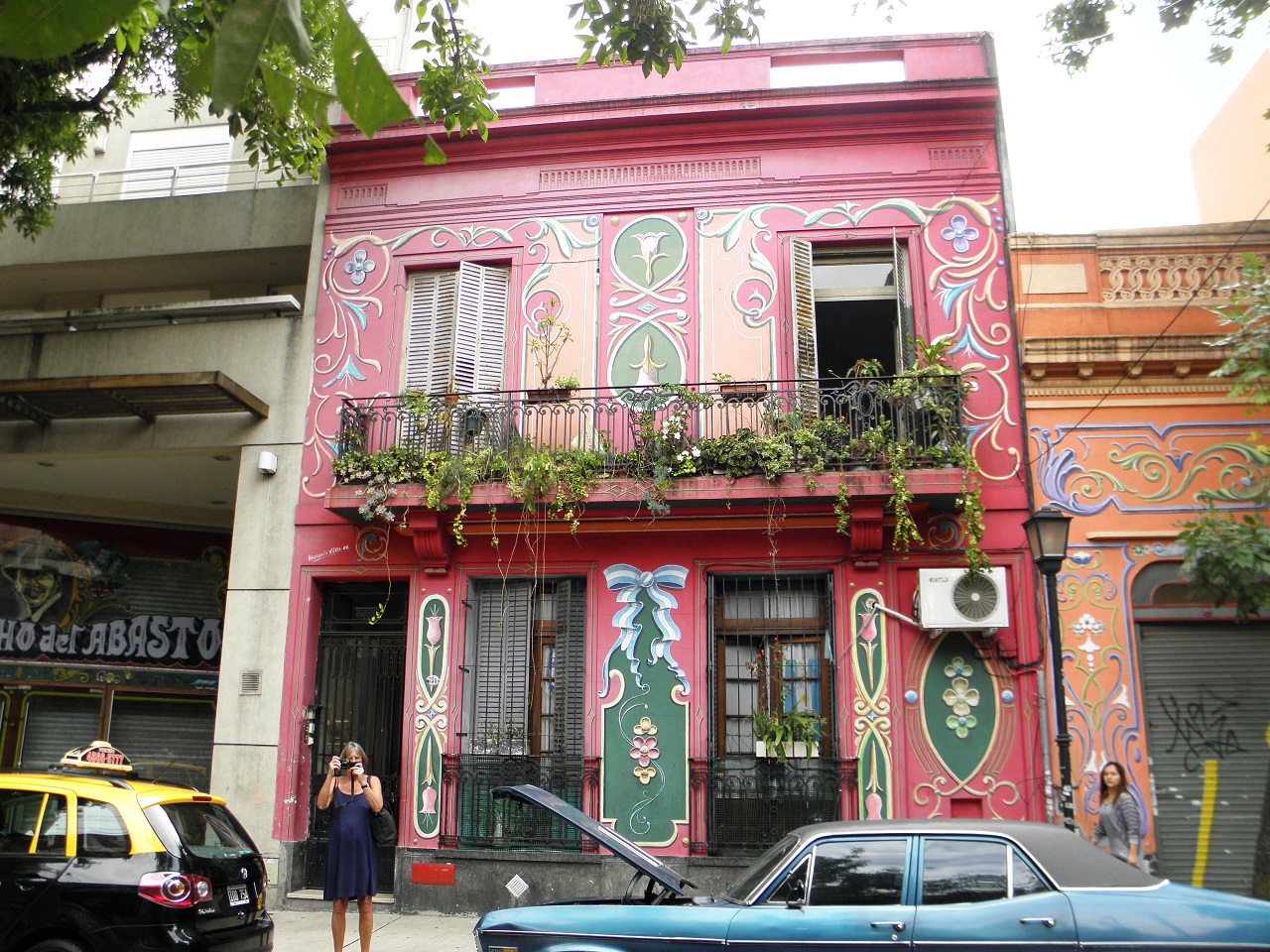
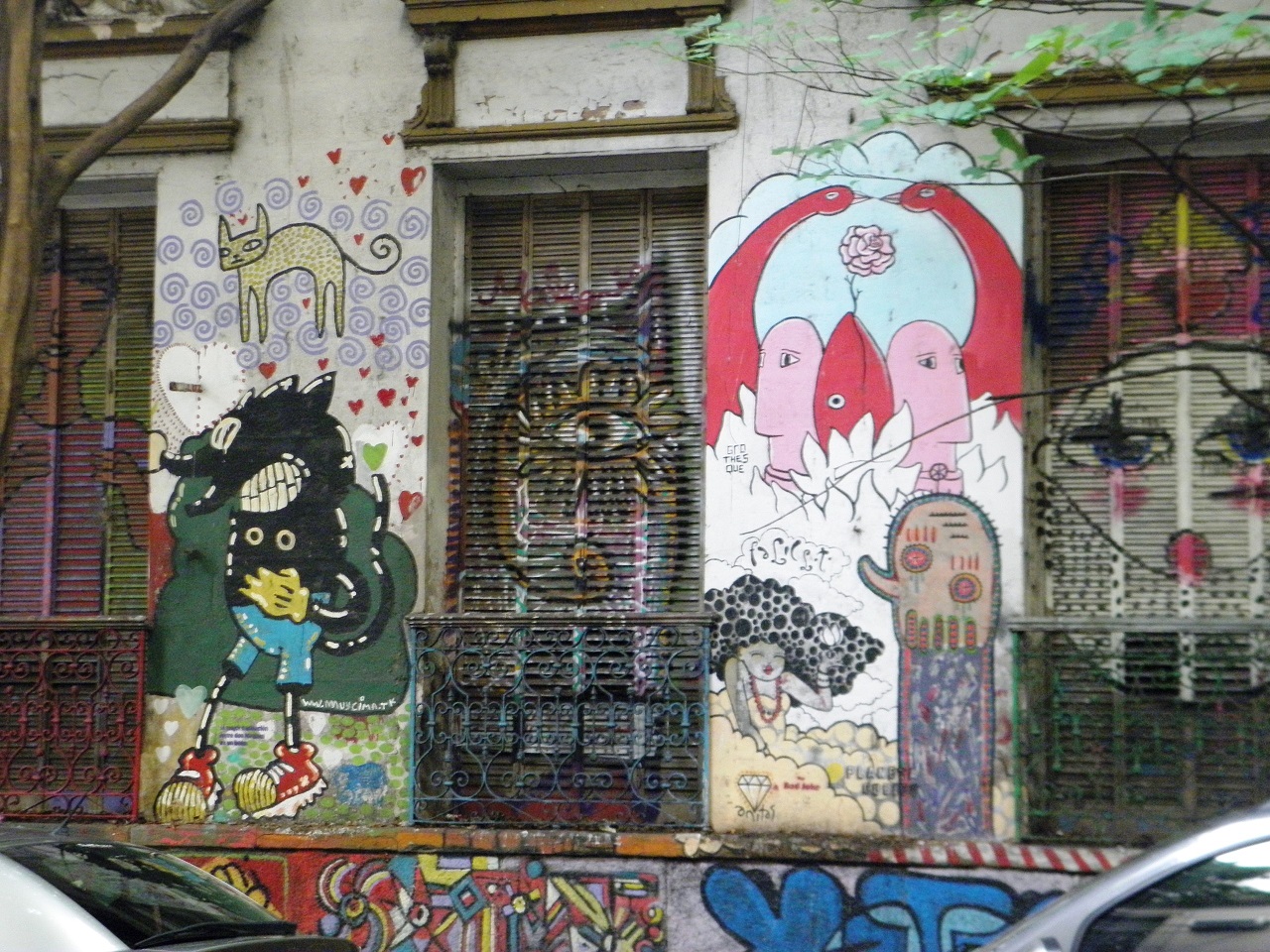
There was less graffiti here in Salta than Buenos Aires, and I actually liked this painting on a building.

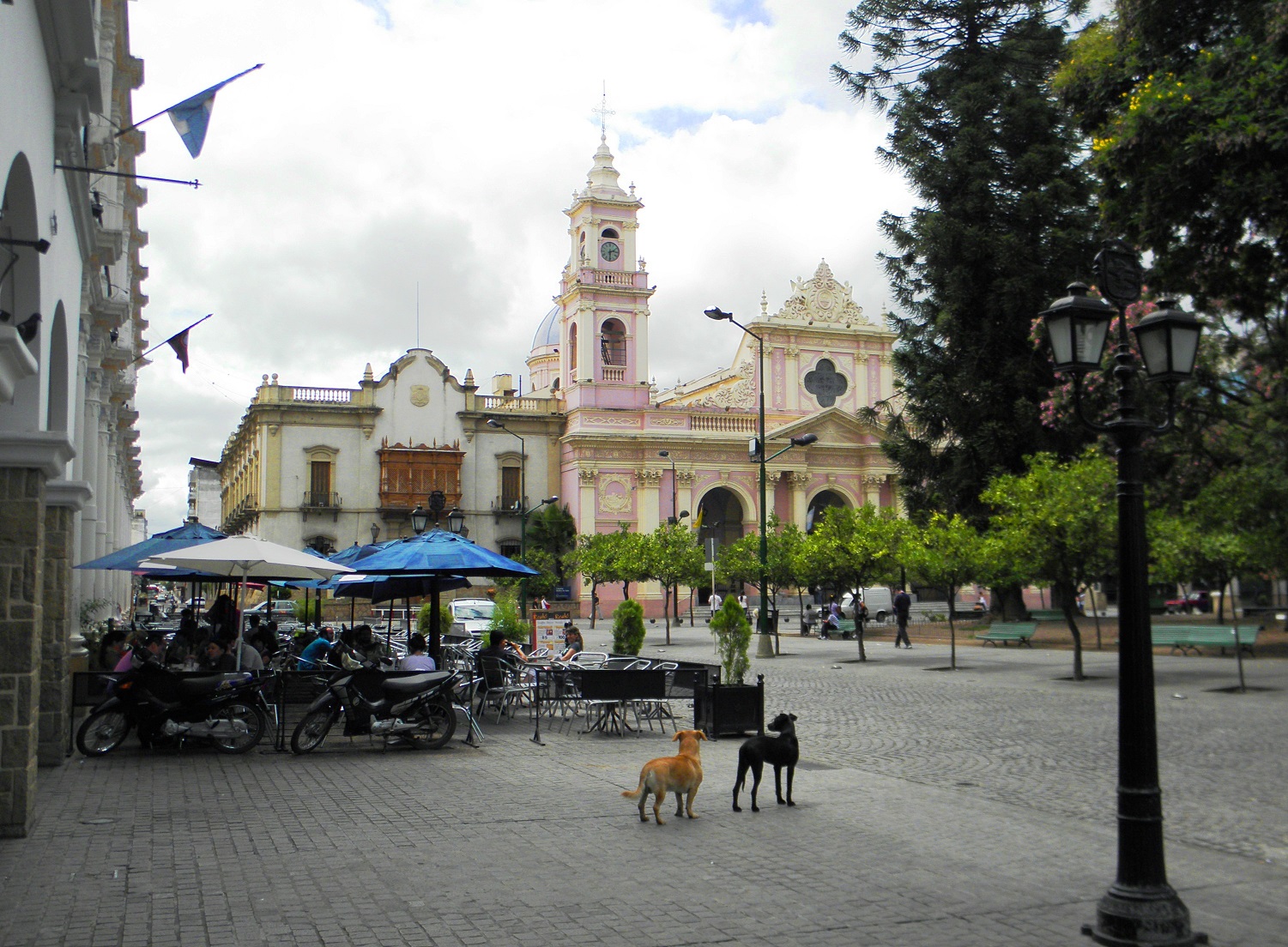
???????????????????????????????

Lunch spot on the Plaza 9 de Julio.  We saw many street dogs, all of them friendly

Lunch spot on the Plaza 9 de Julio. We saw many street dogs, all of them friendly

A little more shopping and walking around while waiting for the church to reopen for afternoon visits.  We learned that the black and red colors of the ponchos worn by the gauchos during the war symbolized red for blood and black for death.

???????????????????????????????

???????????????????????????????

???????????????????????????????

???????????????????????????????

At 5 pm the Iglesia y Convento San Francisco church opened its door for visitors.  It is being restored on the exterior, and is fashionably covered in a faux exterior.  That was a nice change from the usual ugly construction scaffolding.
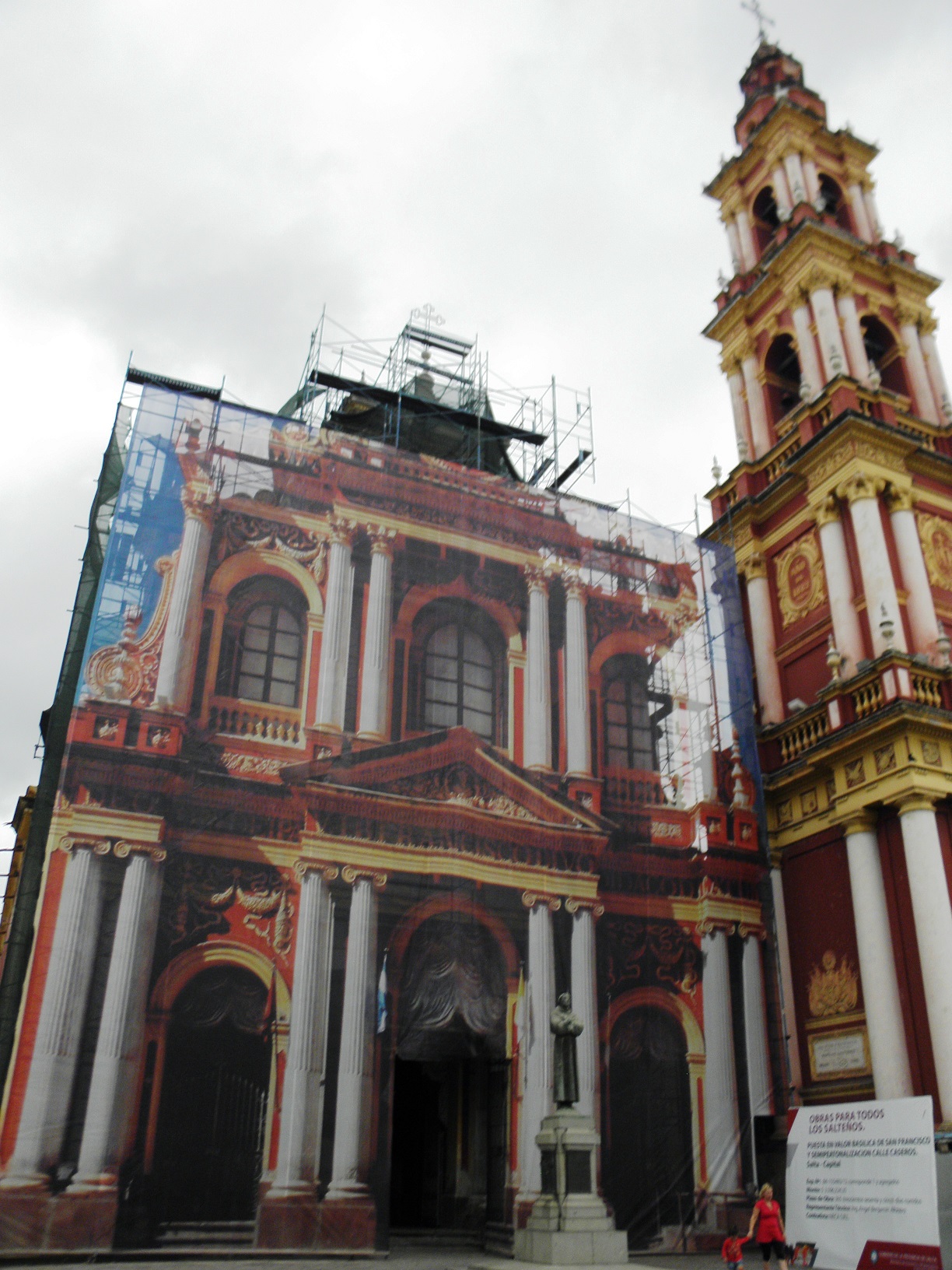
The exterior, under construction, of Iglesia y Convento San Francisco

The exterior, under construction, of Iglesia y Convento San Francisco

???????????????????????????????

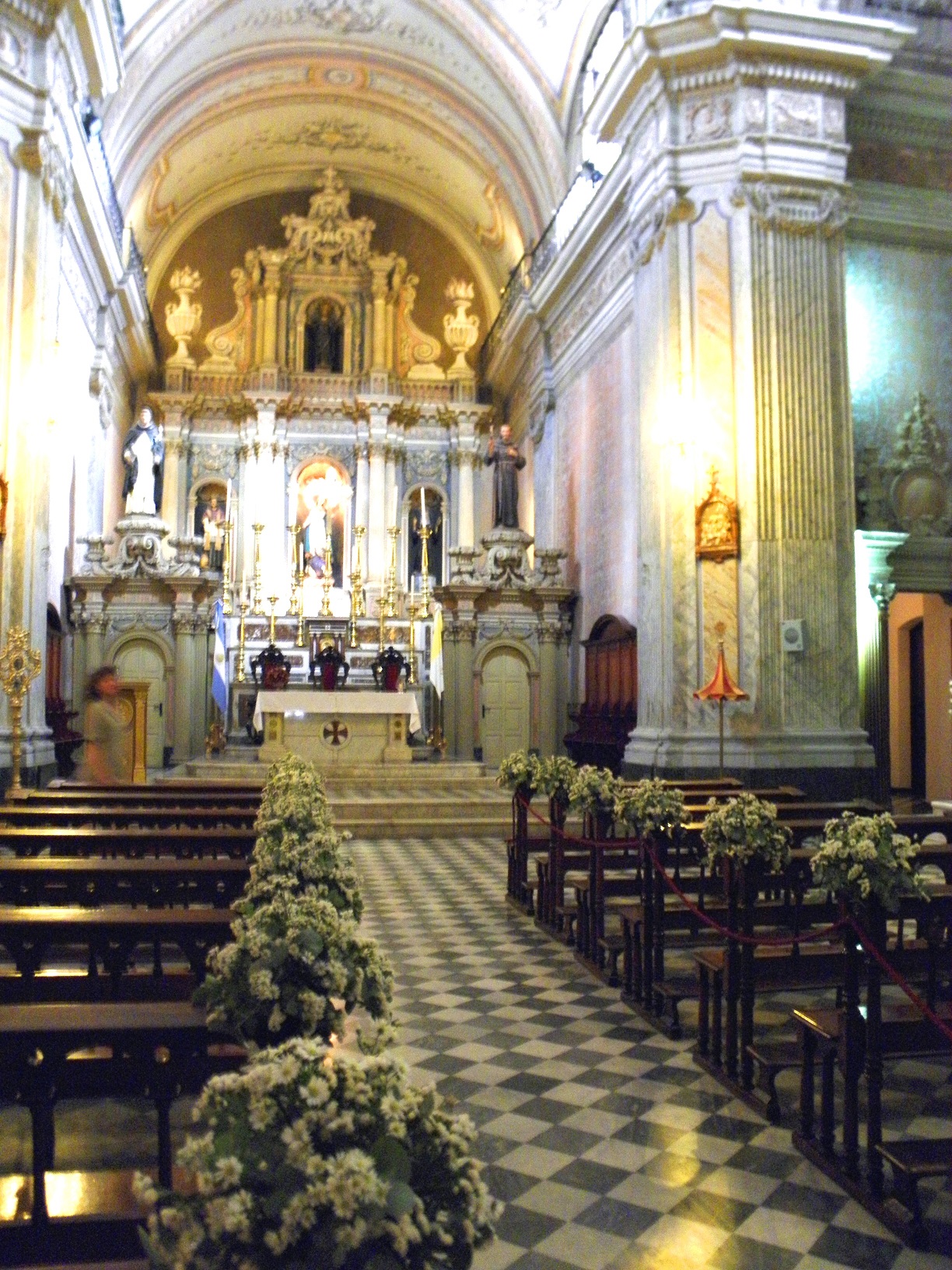
Interior of Iglesia y Convento San Francisco

Interior of Iglesia y Convento San Francisco

The taxis were cheap and numerous, costing only $2 – $3 for rides to the market and the bus station from Plaza 9 de Julio.  The 1 hour and 15 minute bus out and back from the estancia was only $2 each way.
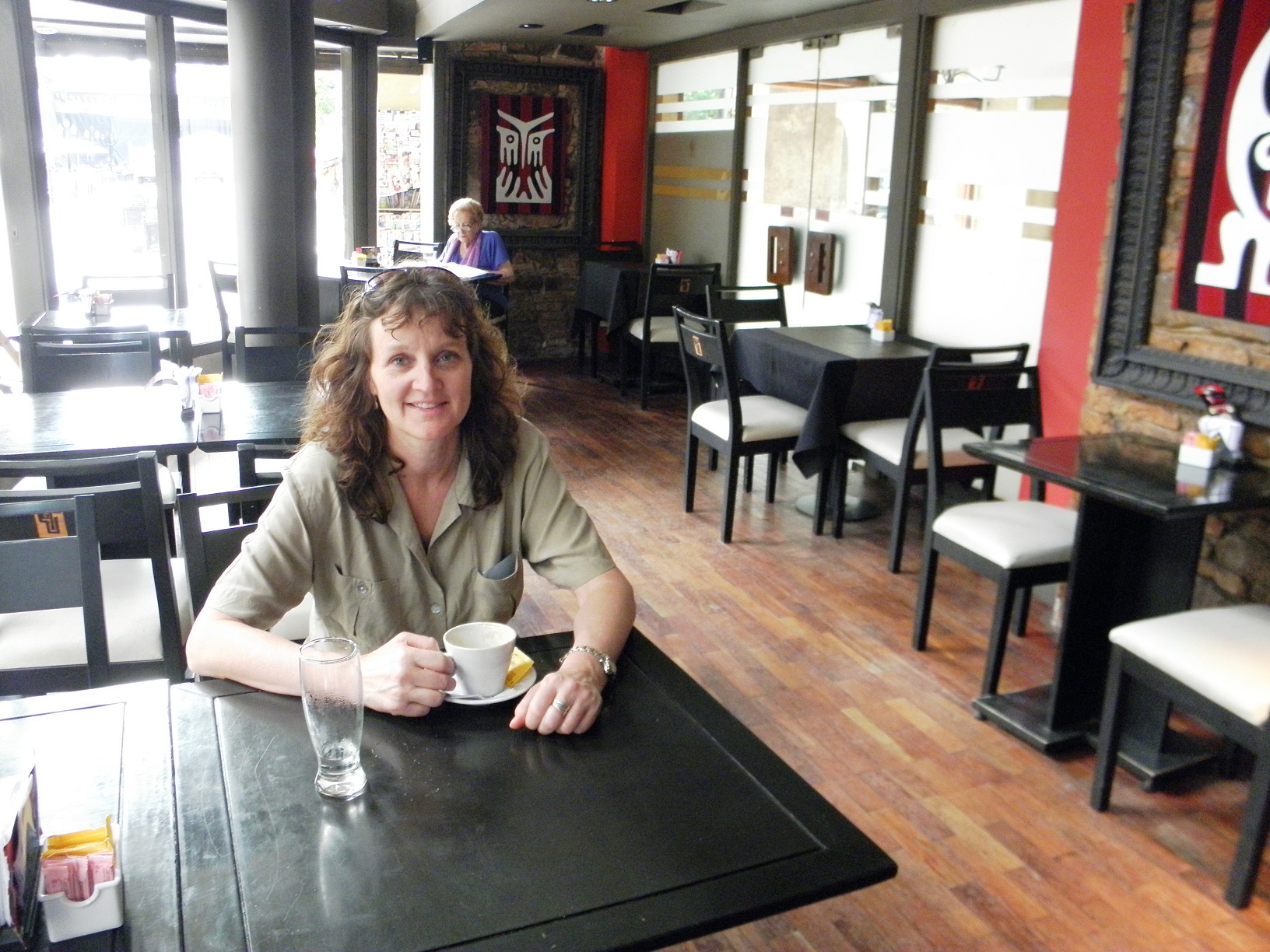
A well deserved coffee break
A well deserved coffee break

Casa de Gobierno

Casa de Gobierno
???????????????????????????????

Casa de Gobierno

Casa de Gobierno

Posted in Argentina | Leave a comment

Images of Estancia El Bordo de las Lanzas

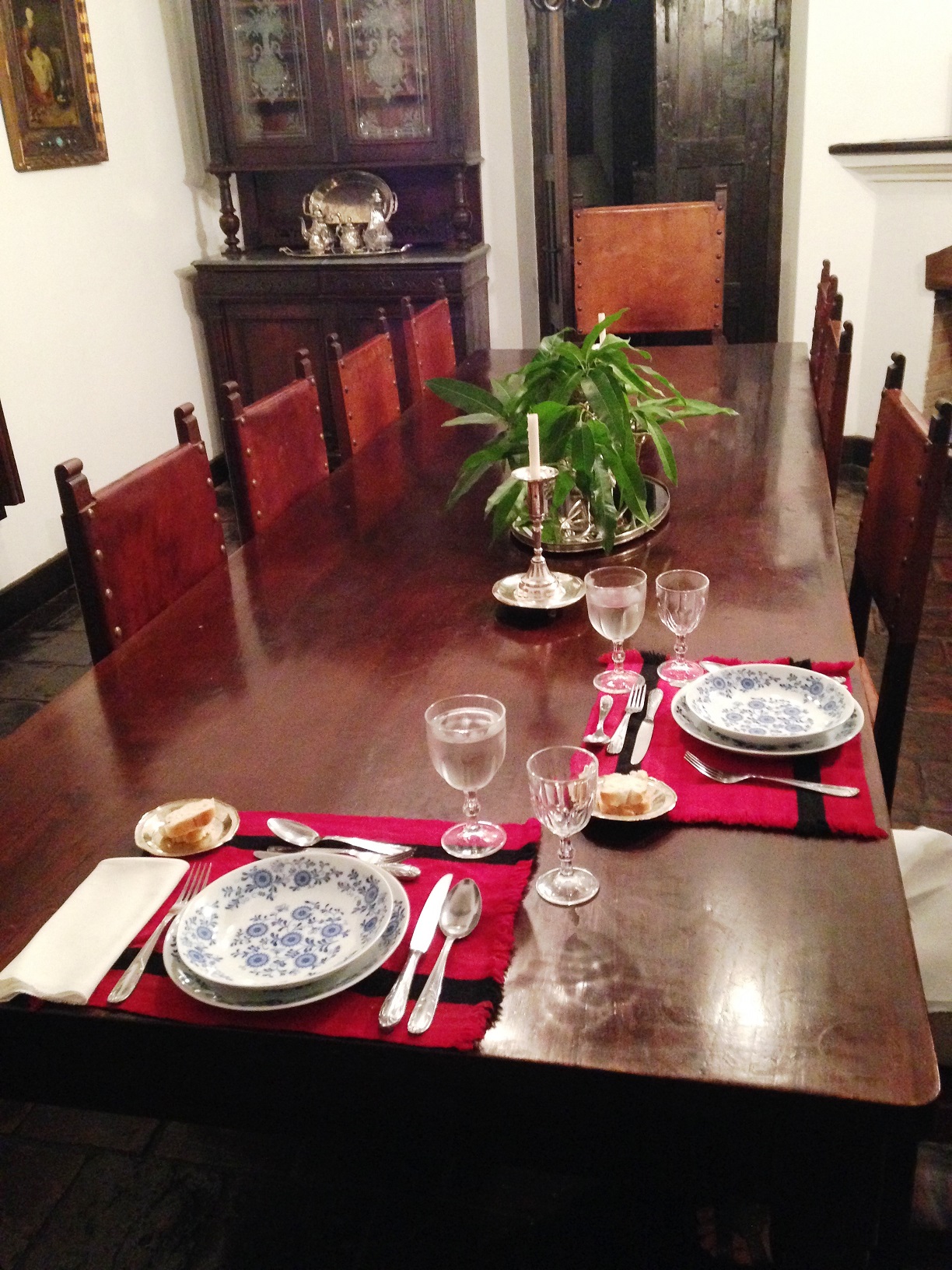
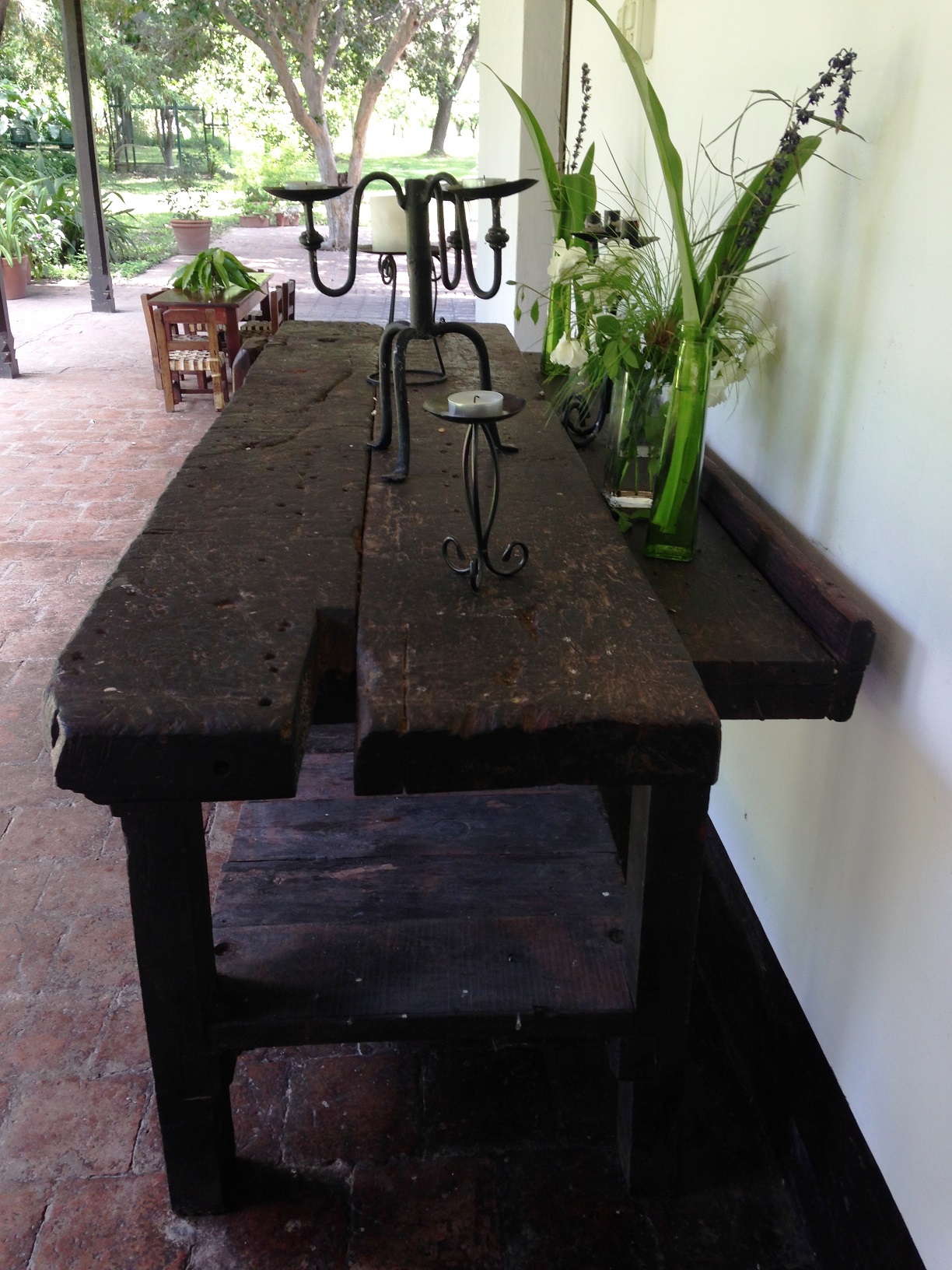
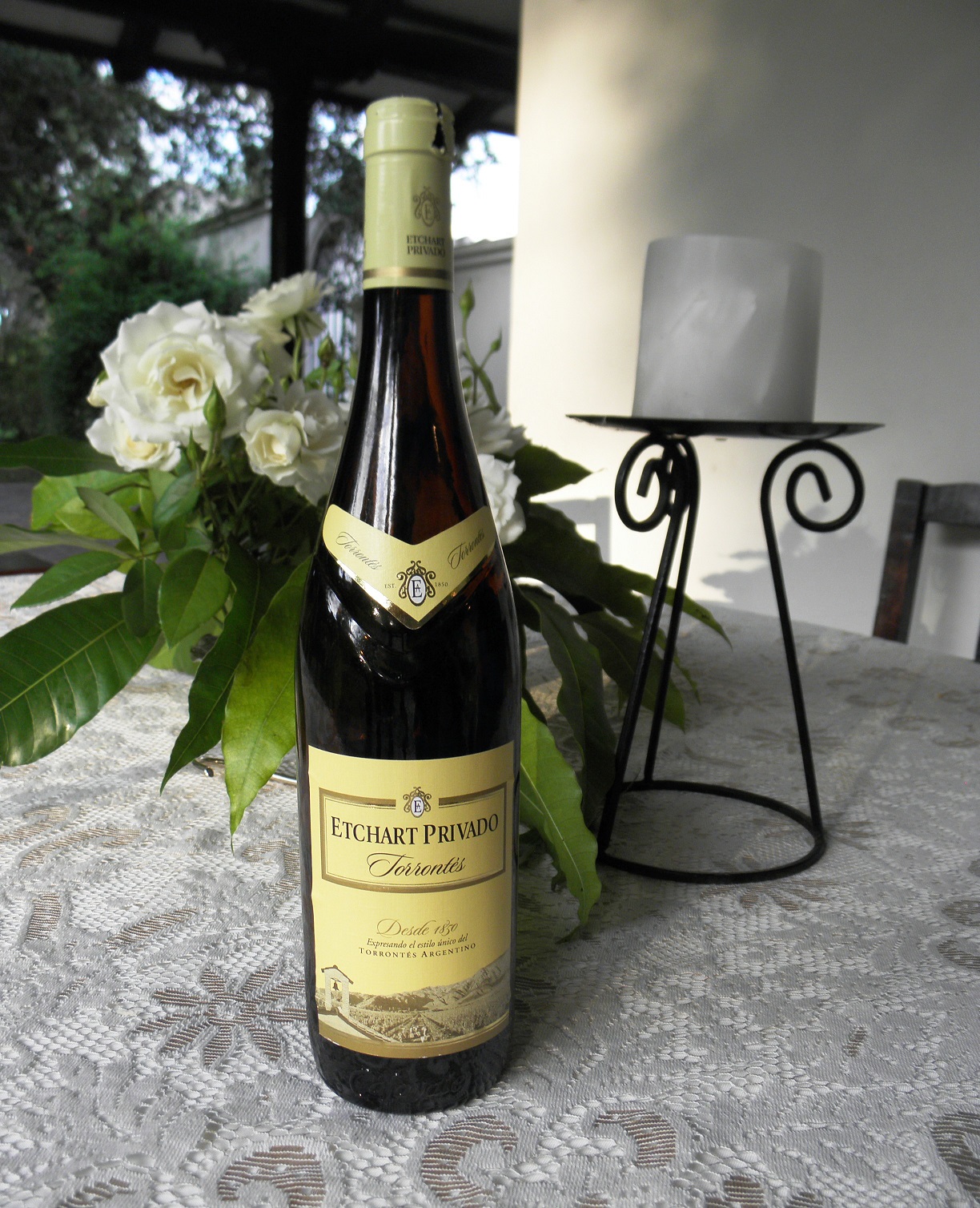
iPhone 1081???????????????????????????????iPhone 1098??????????????????????????????????????????????????????????????dining room tab le??????????????????????????????????????????????????????????????IMG_2302???????????????????????????????iPhone 1119???????????????????????????????iPhone 1099??????????????????????????????????????????????????????????????iPhone 1144iPhone 1167???????????????????????????????iPhone 1128??????????????????????????????????????????????????????????????El Bordo saddlejesus

Posted in Argentina | 1 Comment

Estancia El Bordo de las Lanzas

Estancia El Bordo de las Lanzas

Estancia El Bordo de las Lanzas

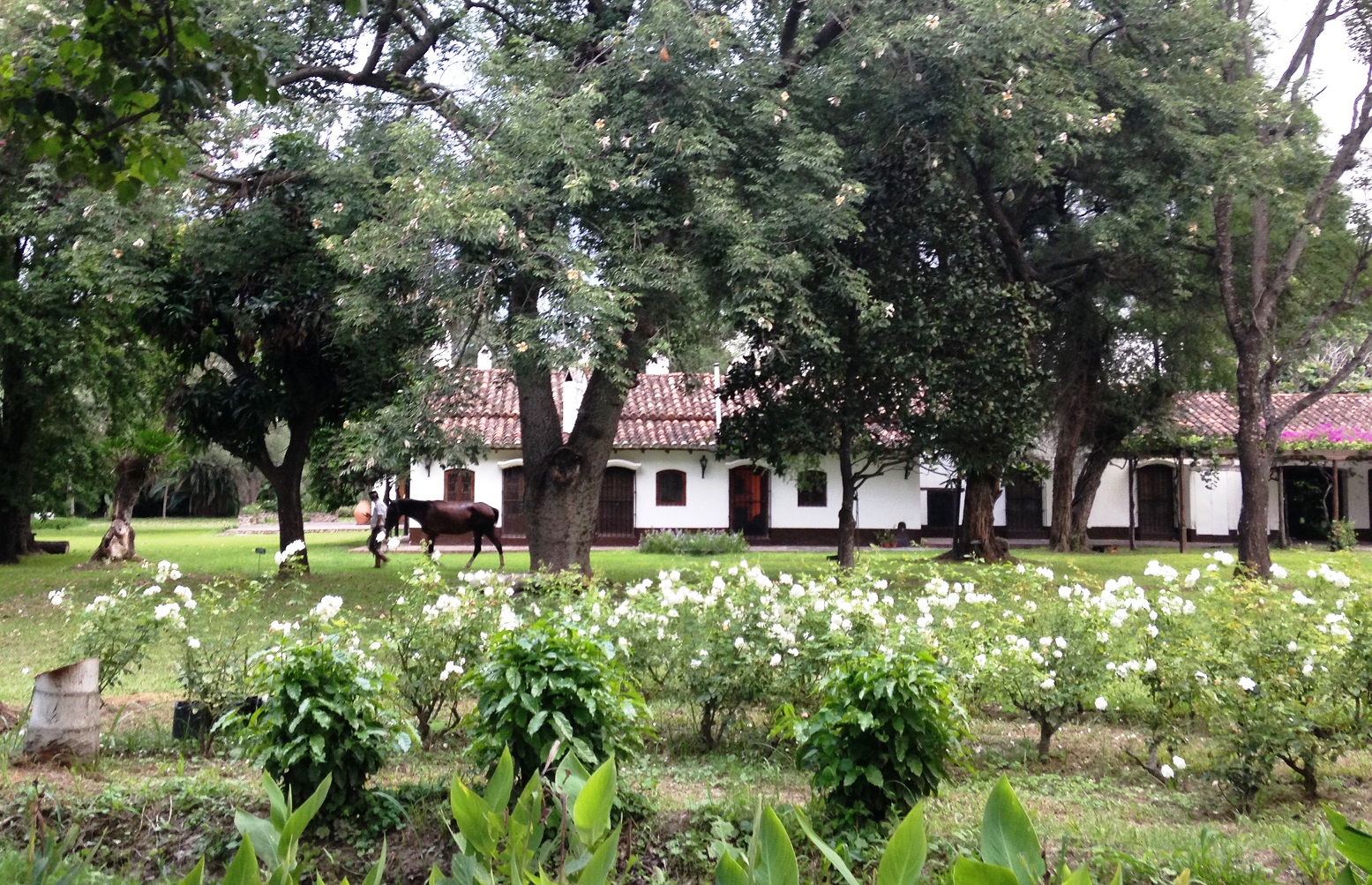
A short taxi ride, two hours on a jet, another short taxi ride, a 1:20 minute bus ride, then a 5 minute walk on dusty roads had us at the Estancia El Bordo de las Lanzas.  The Estancia is a 400 year old estate built by General Guemes’ mother.  We discovered that General Guemes was the most famous and important of all gauchos in the area, and rallied all the other gauchos to fight the Spanish for Argentina’s independence.  There is a town named for him, and a statue here in El Bordo in his honor.  El Bordo is north of Salta, near Jujuy, in the NW part of Argentina.

carriage

???????????????????????????????

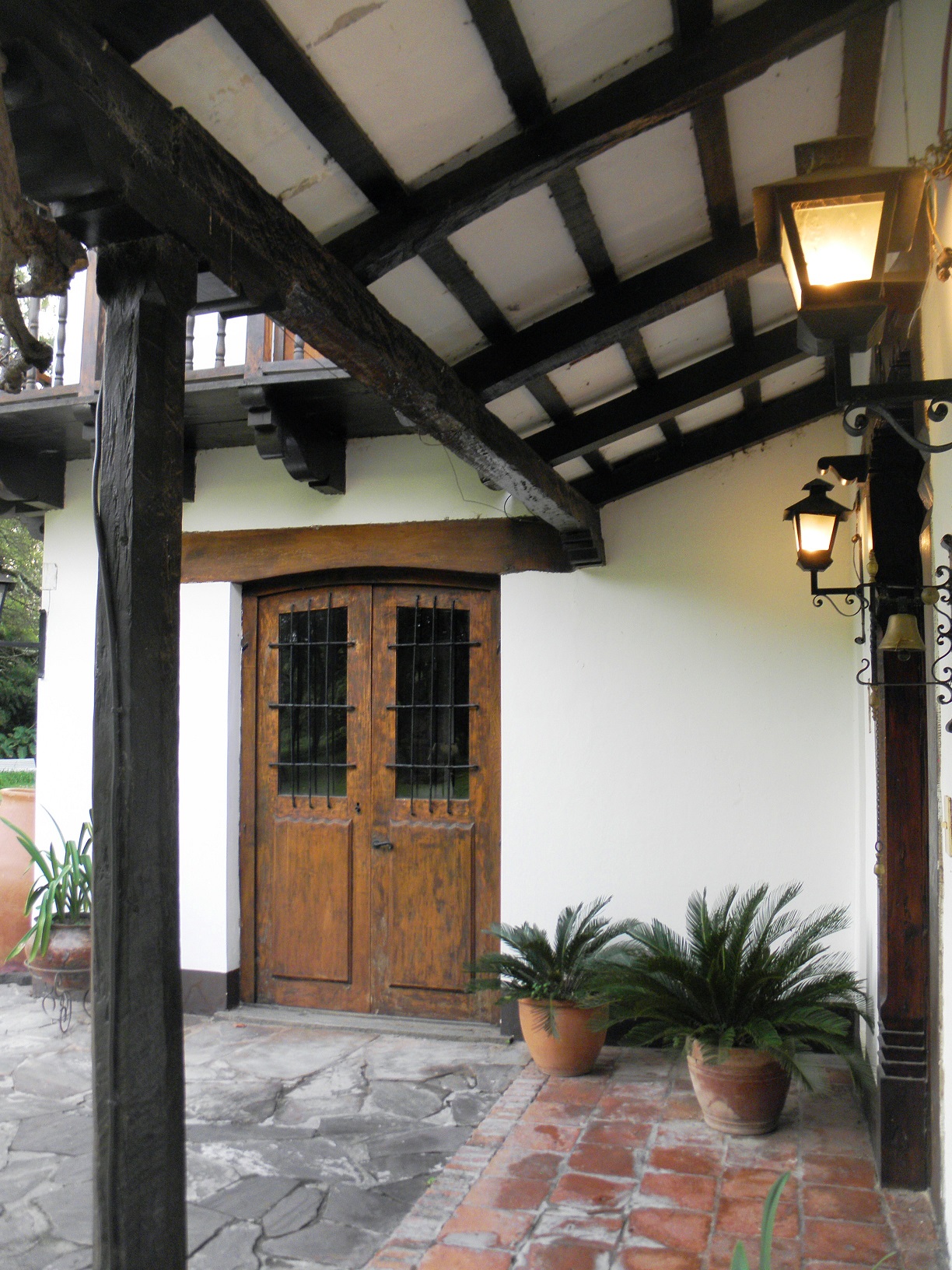
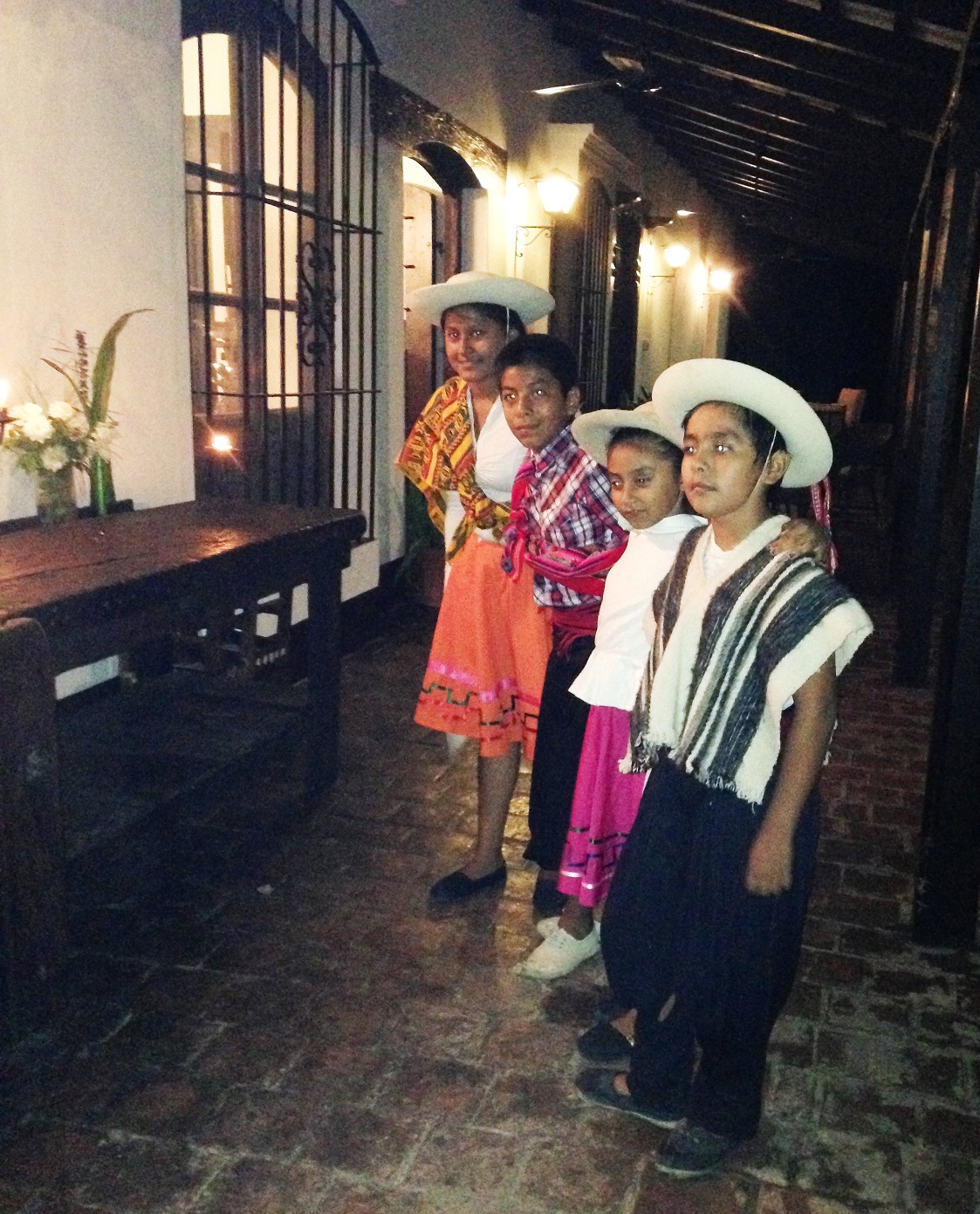
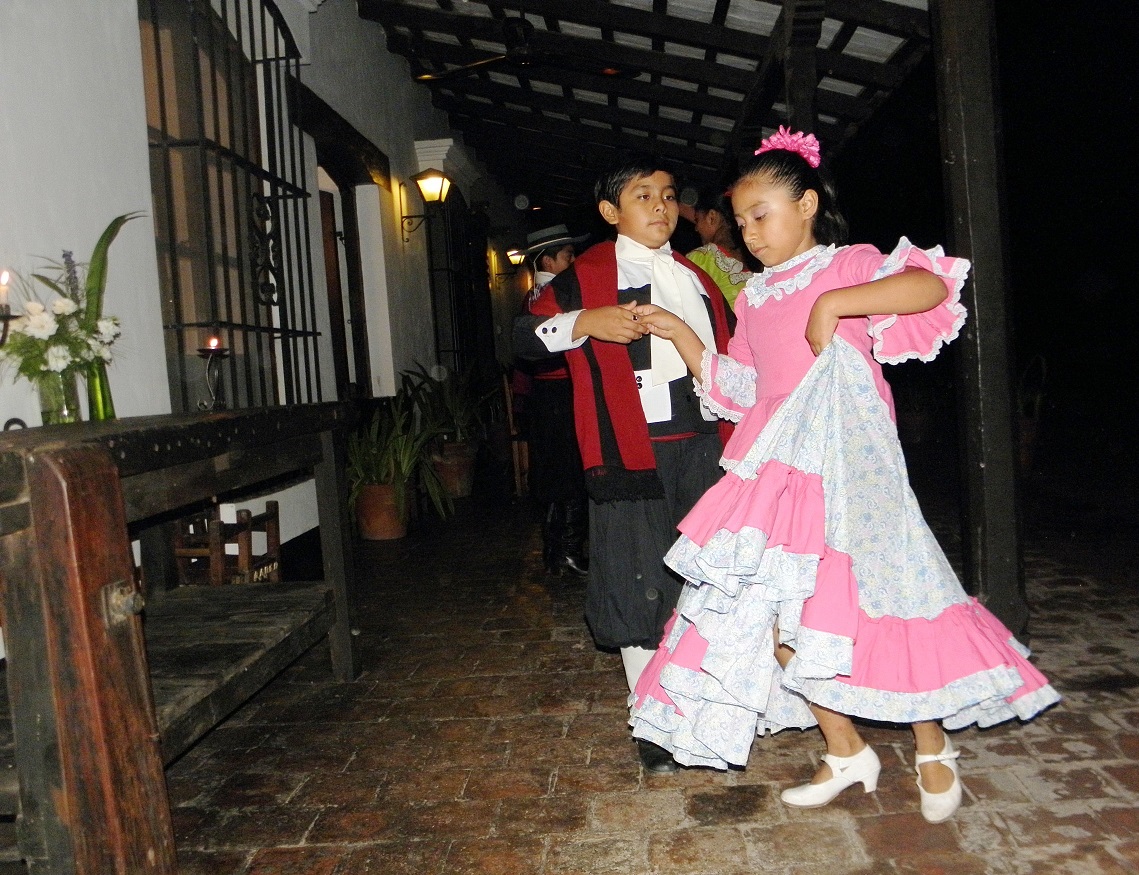
The house is beautiful, with the tile roof, whitewashed walls, inner courtyard and covered verandahs that make these old houses so pleasant.  We arrived around 7 pm, just enough time to check out the casa and get settled in before dinner.  Dinner was a barbecue, with  four other guests.  After dinner four children from the village gave an exhibition of Argentine native dances, including the chacarerra.

???????????????????????????????

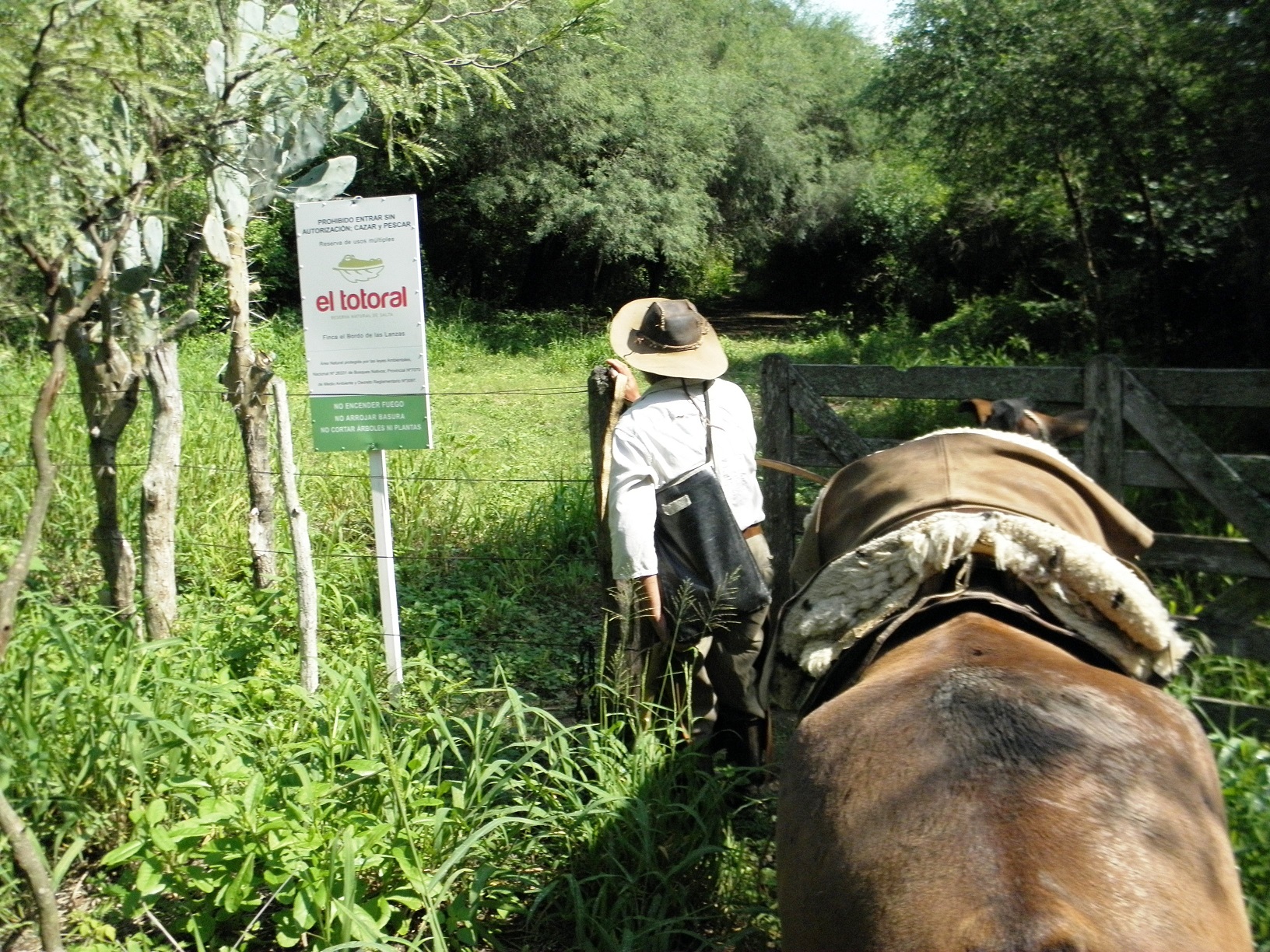
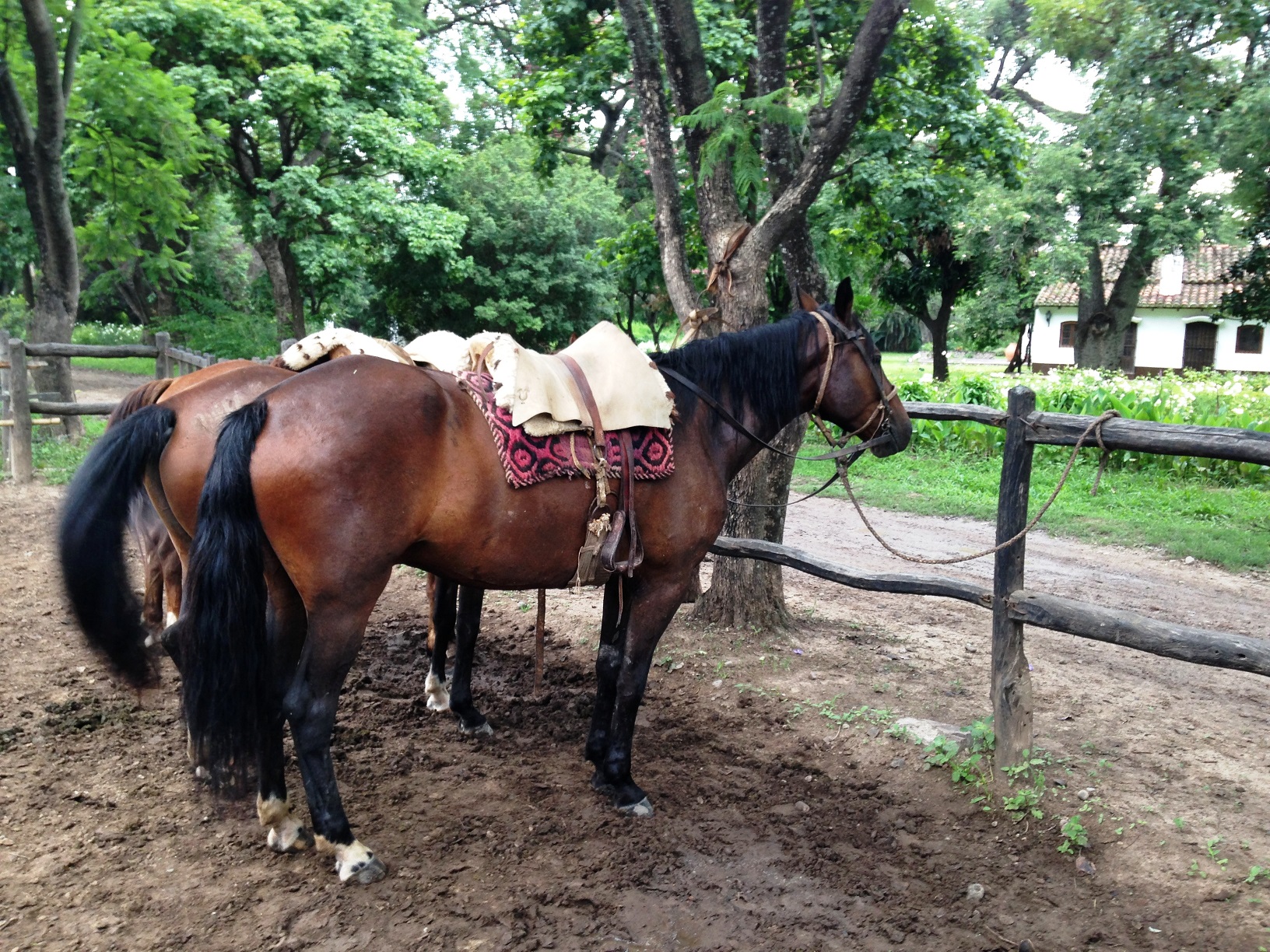
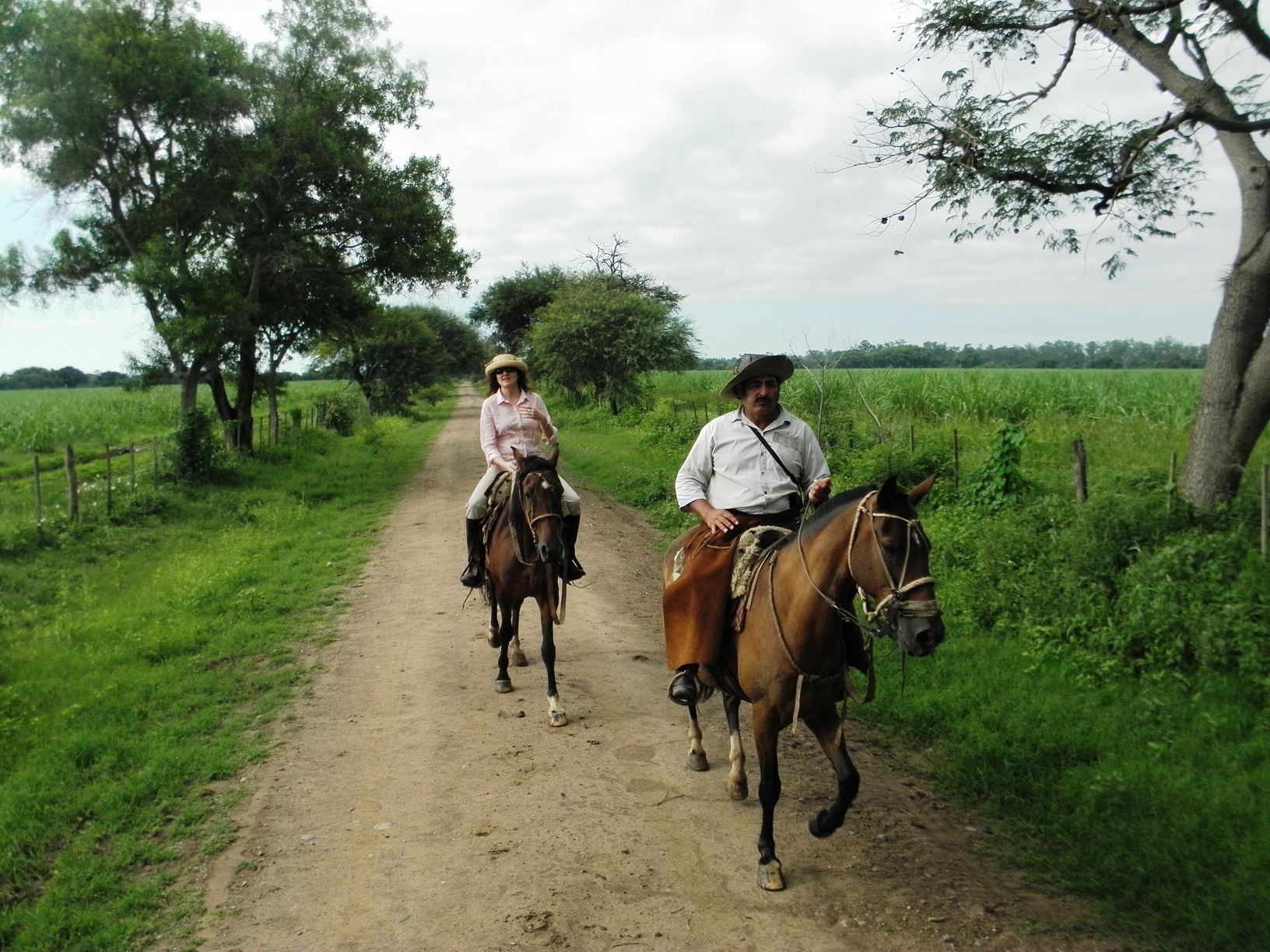
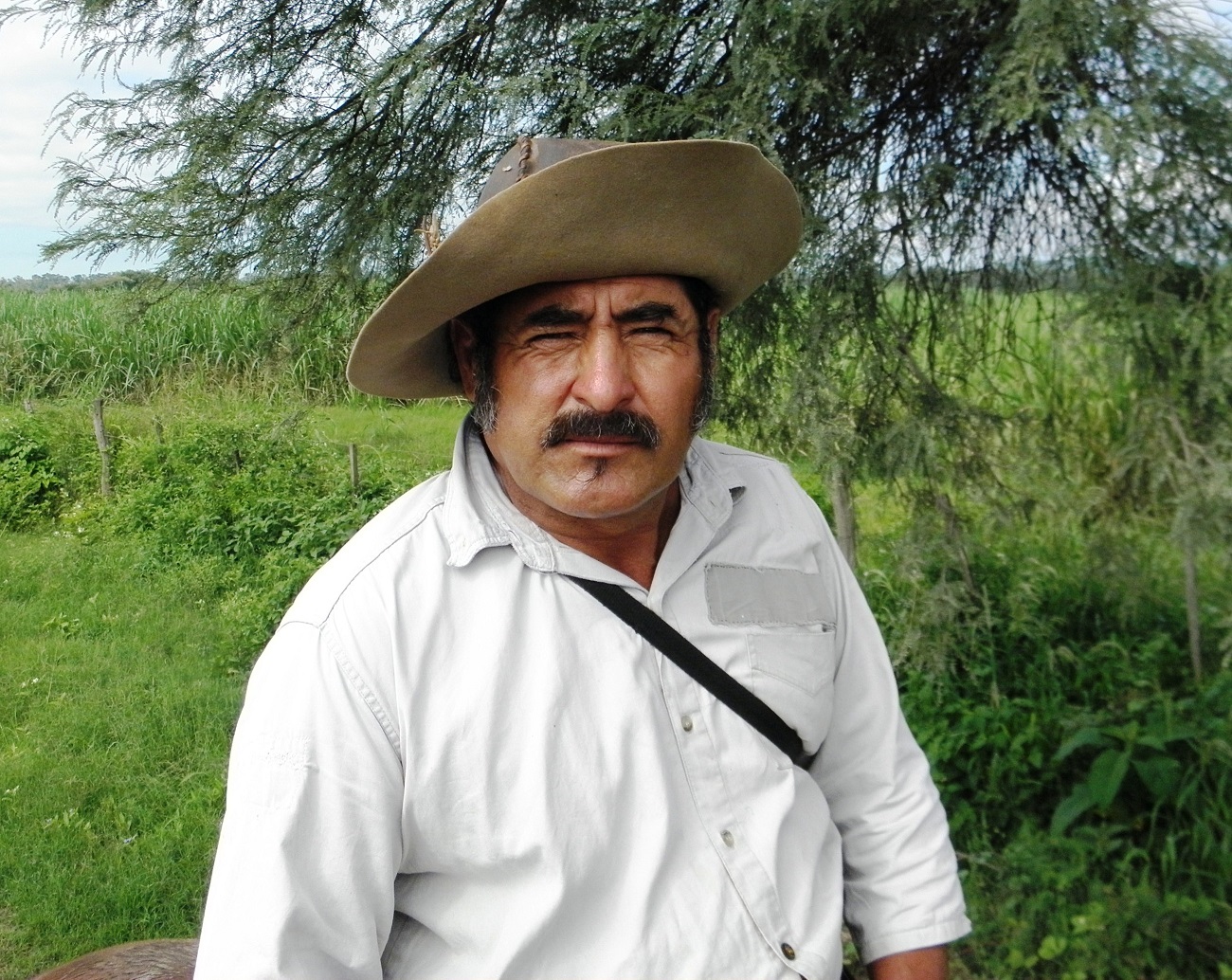
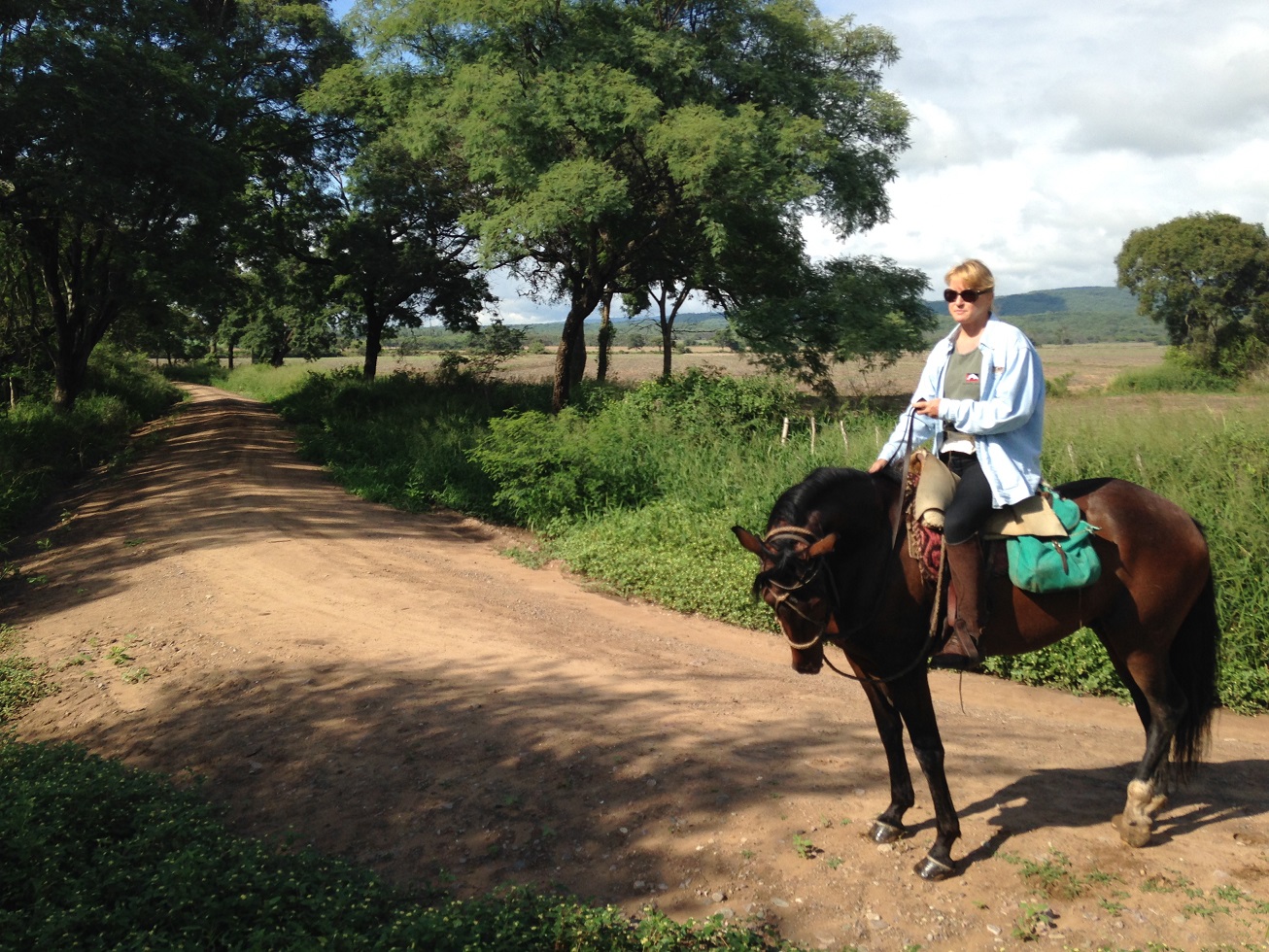
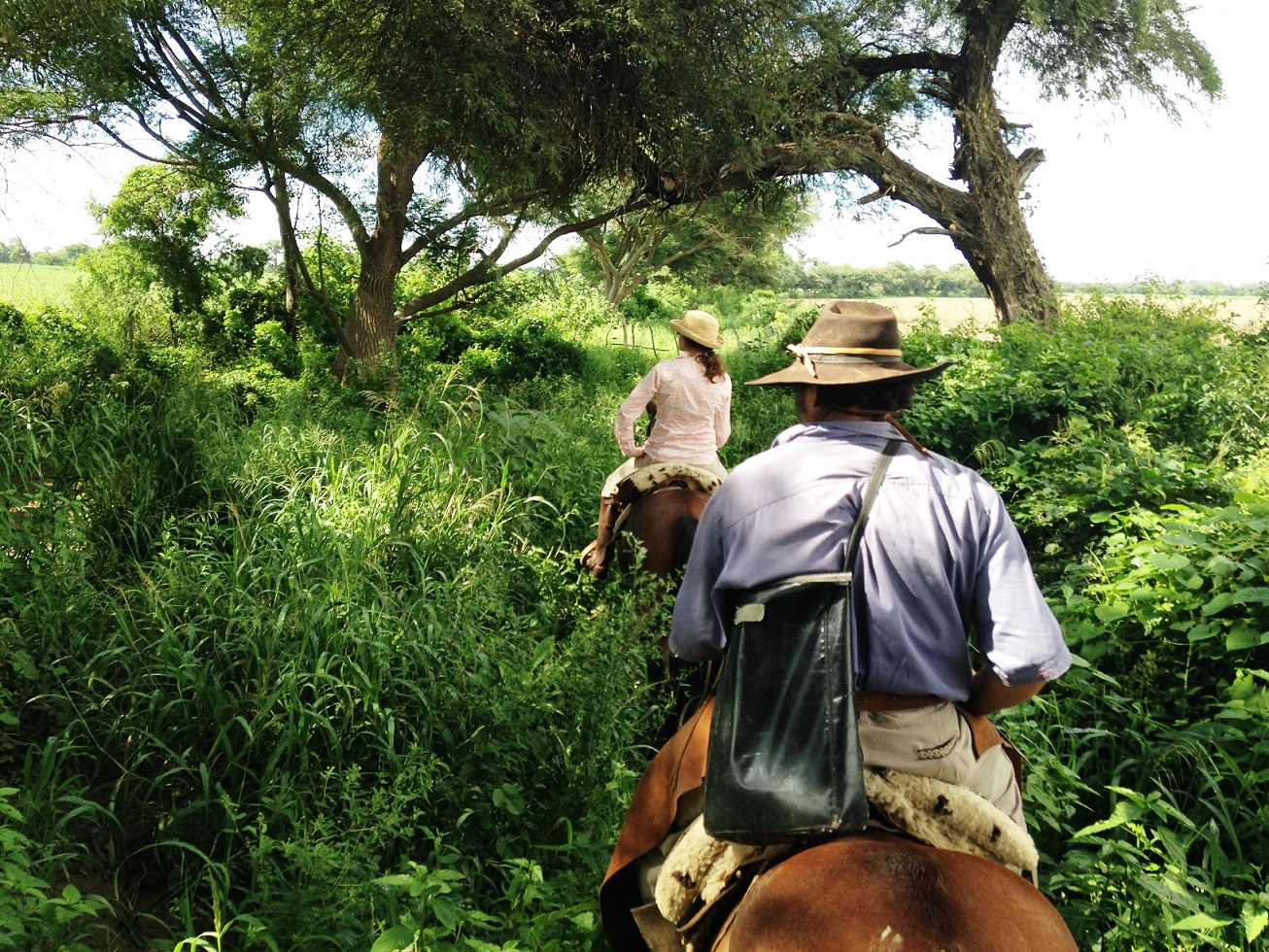
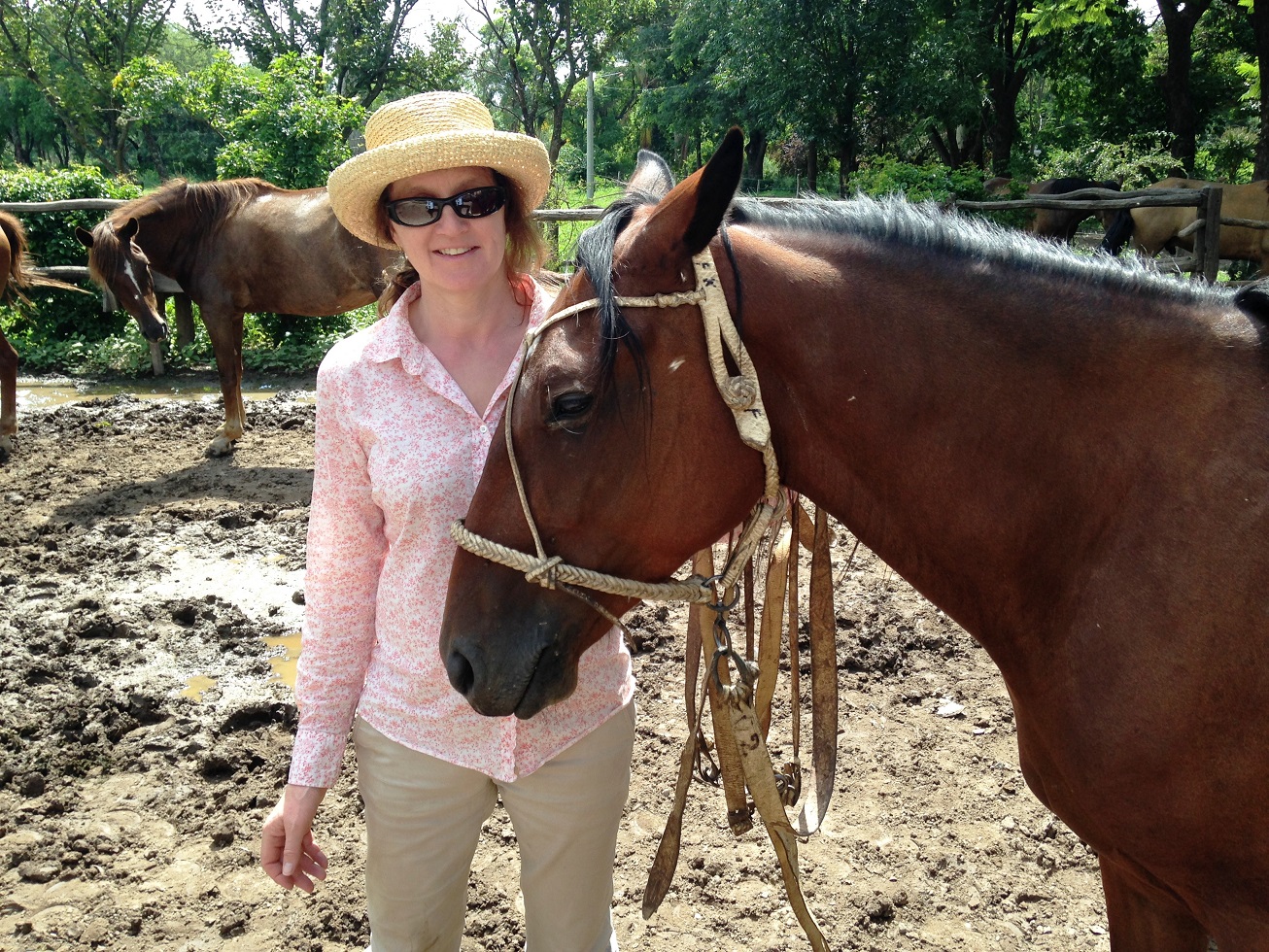
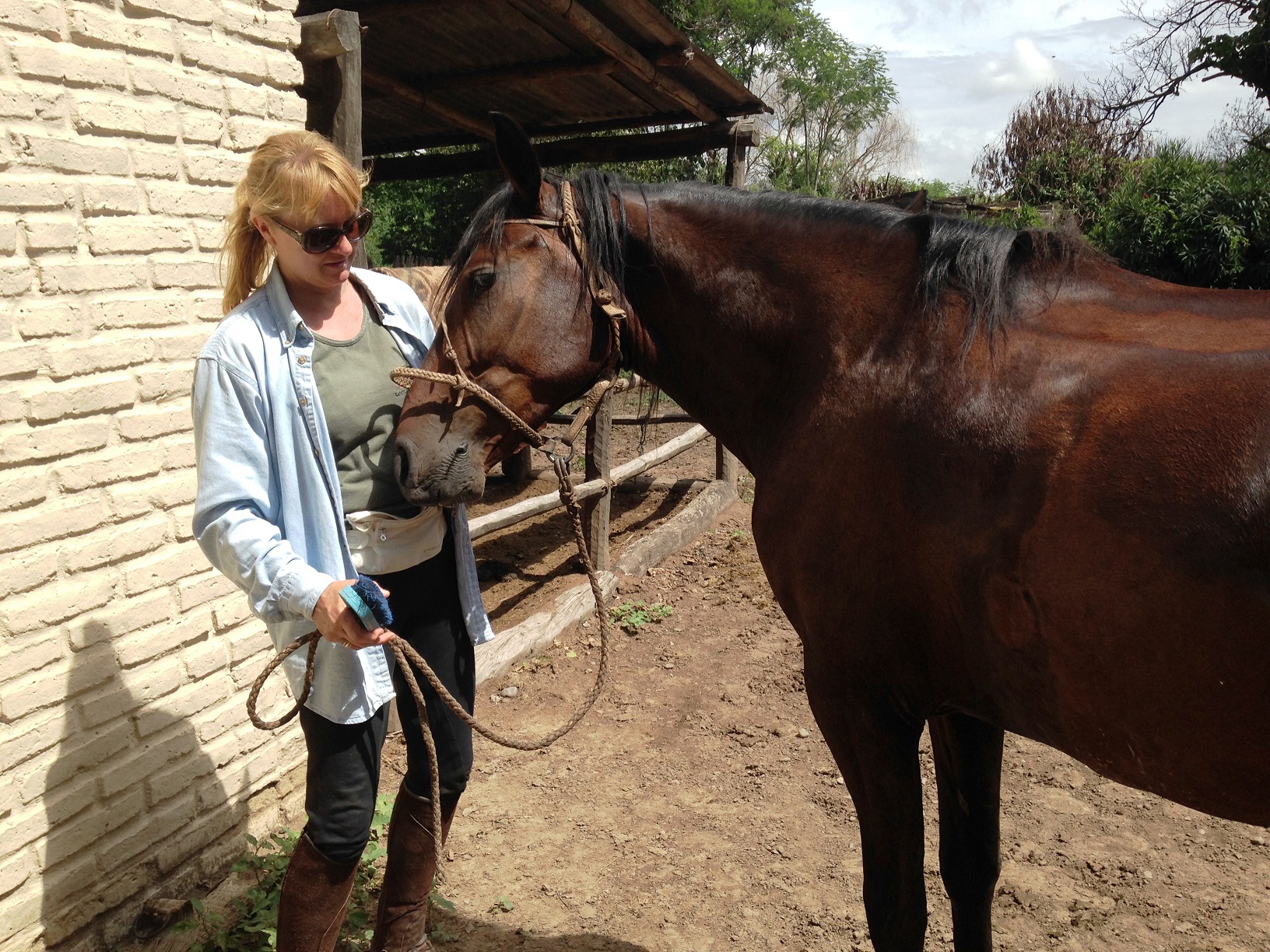
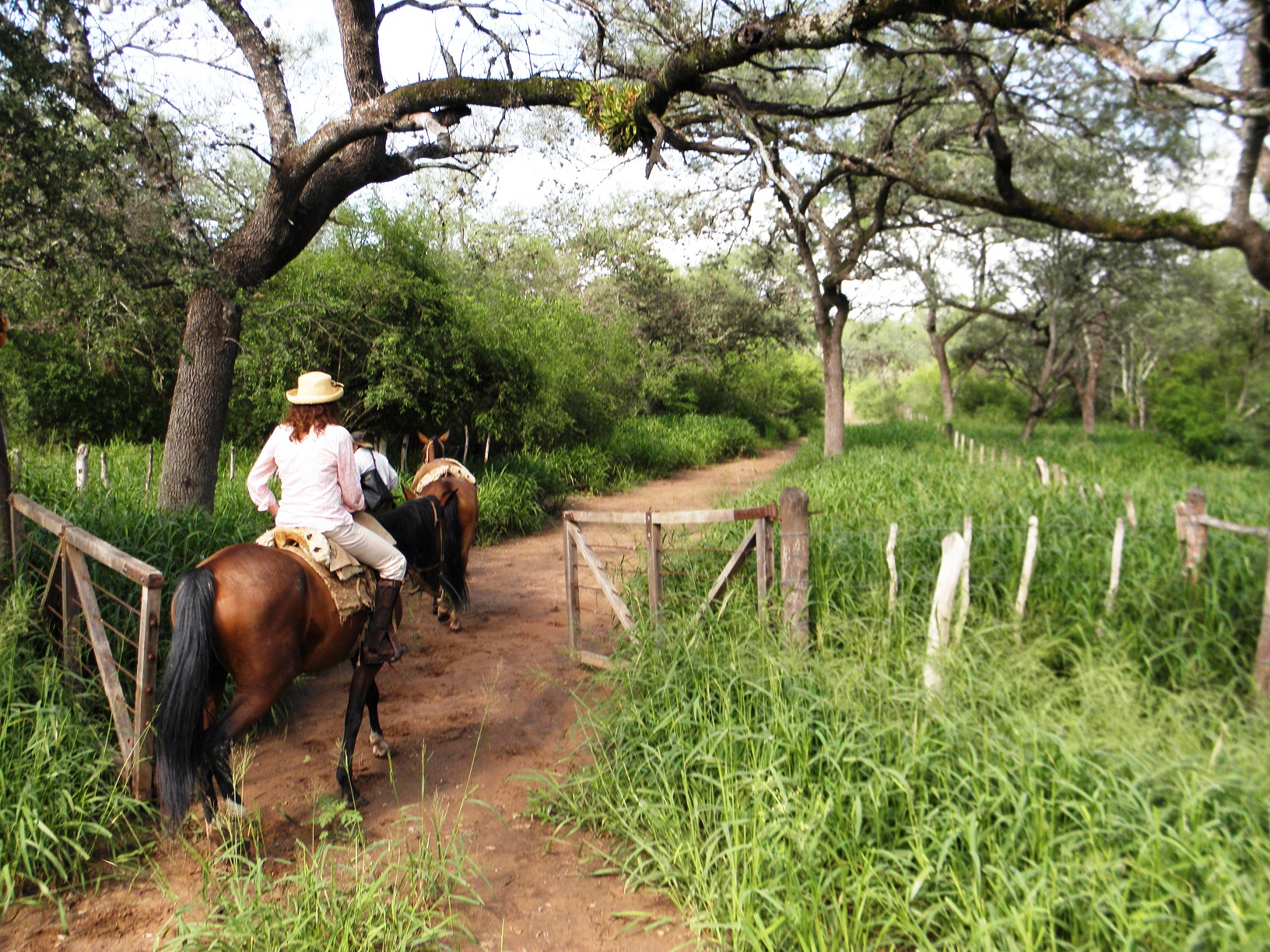
We came here for the horseback riding, which we did at 9:30 the next morning.  The estancia’s head gaucho, Gallardo, took us for a four hour ride through the property and into a nature preserve where we saw caymans.  I rode Lipan and my sister rode Hornero.

horses

???????????????????????????????

Gallardo

Gallardo

Me on Lipon

Me on Lipon

trail ride

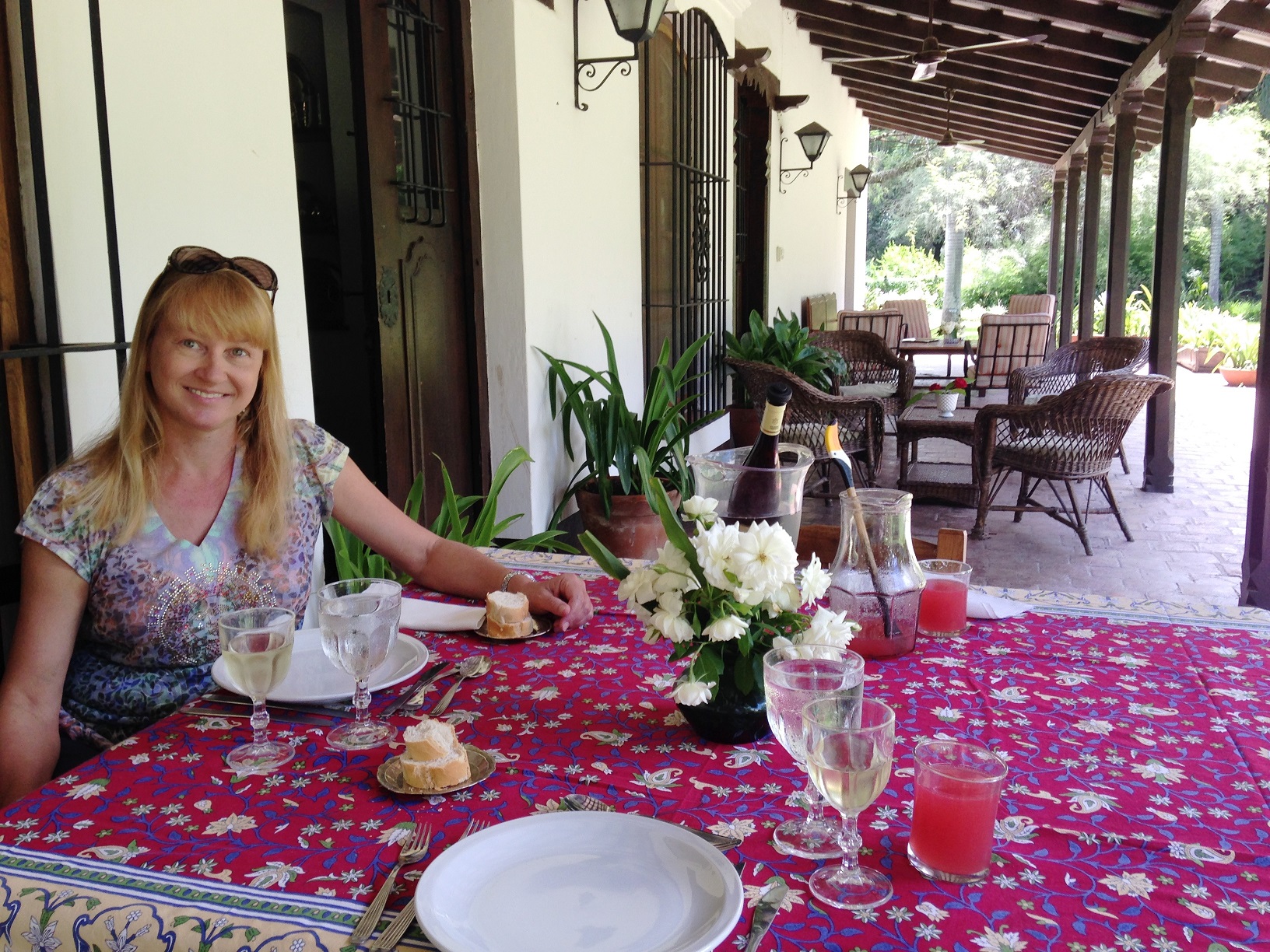
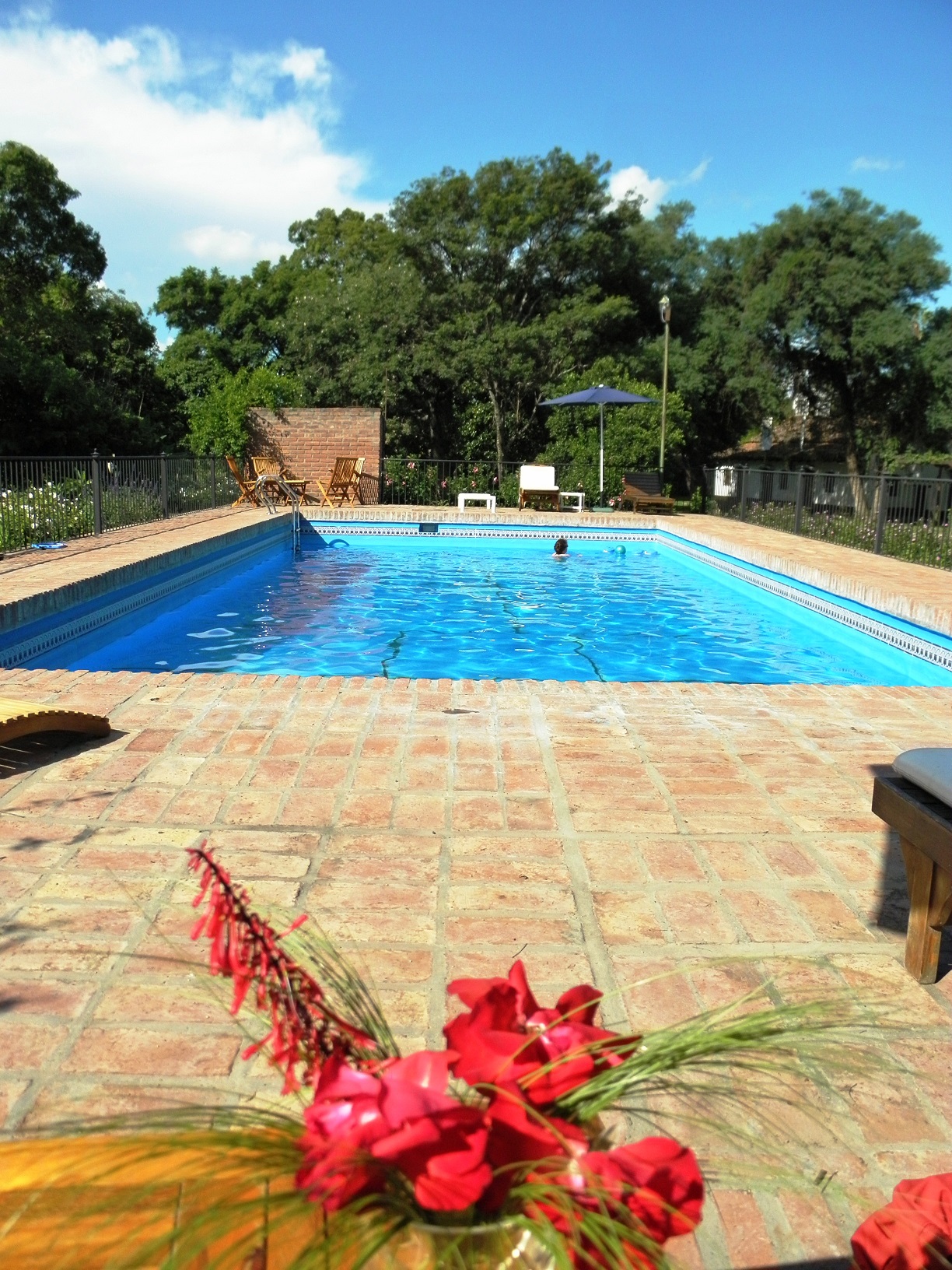
Afternoons are for relaxation and siesta.  We took full advantage of the laidback atmosphere.  The other guests left so we had the place to ourselves.  Sophia made us a wonderful dinner enjoyed in the main dining room.  The soups she made for both lunch and dinner were wonderful.

veranda

???????????????????????????????

???????????????????????????????

Sophia serves up her wonderful soup

Sophia serves up her wonderful soup

OLYMPUS DIGITAL CAMERA

Our ride the next day, with Gallardo, started at 8 am.  We rode the same two horses on a different route, and it was lovely.  Our 3 ½ hour ride was followed by another tasty lunch and more relaxation, of course.  This is what El Bordo is all about;  horseback riding the gaucho way, farming the land, good food, and relaxation.

???????????????????????????????

???????????????????????????????

???????????????????????????????

B + Hornero

L with Lipon

???????????????????????????????

OLYMPUS DIGITAL CAMERA


Posted in Argentina | 1 Comment

Más Buenos Aires

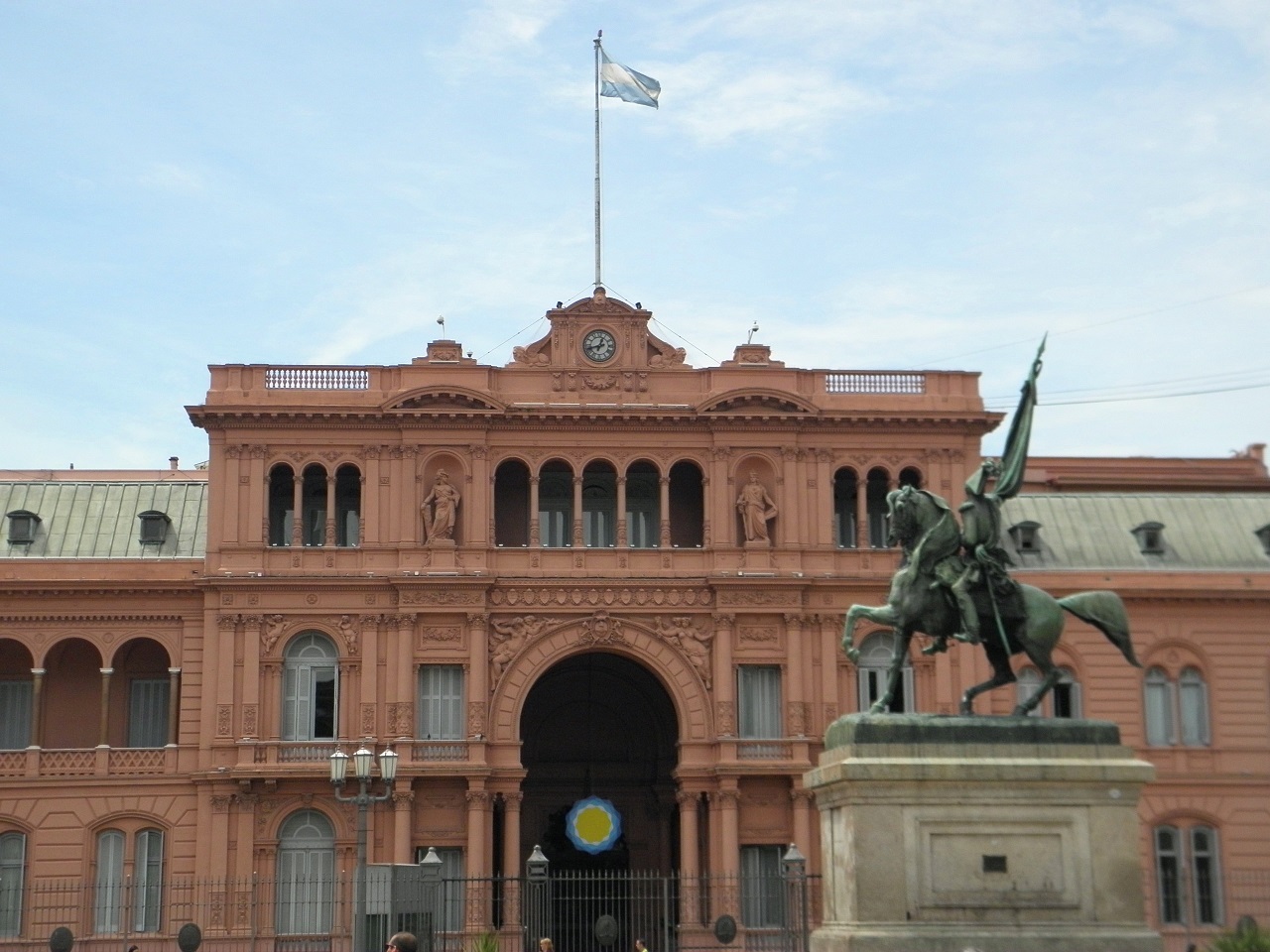
Casa Rosada

Casa Rosada

After spending the previous evening mourning the loss of my camera, today I thought it best just to carry on.  We spent the day retracing some of our steps, and me getting used to a new camera.  We went straight back to Plaza de Mayo and the downtown area (carrying the backpack in front, not behind me) and back to the Casa Rosada.

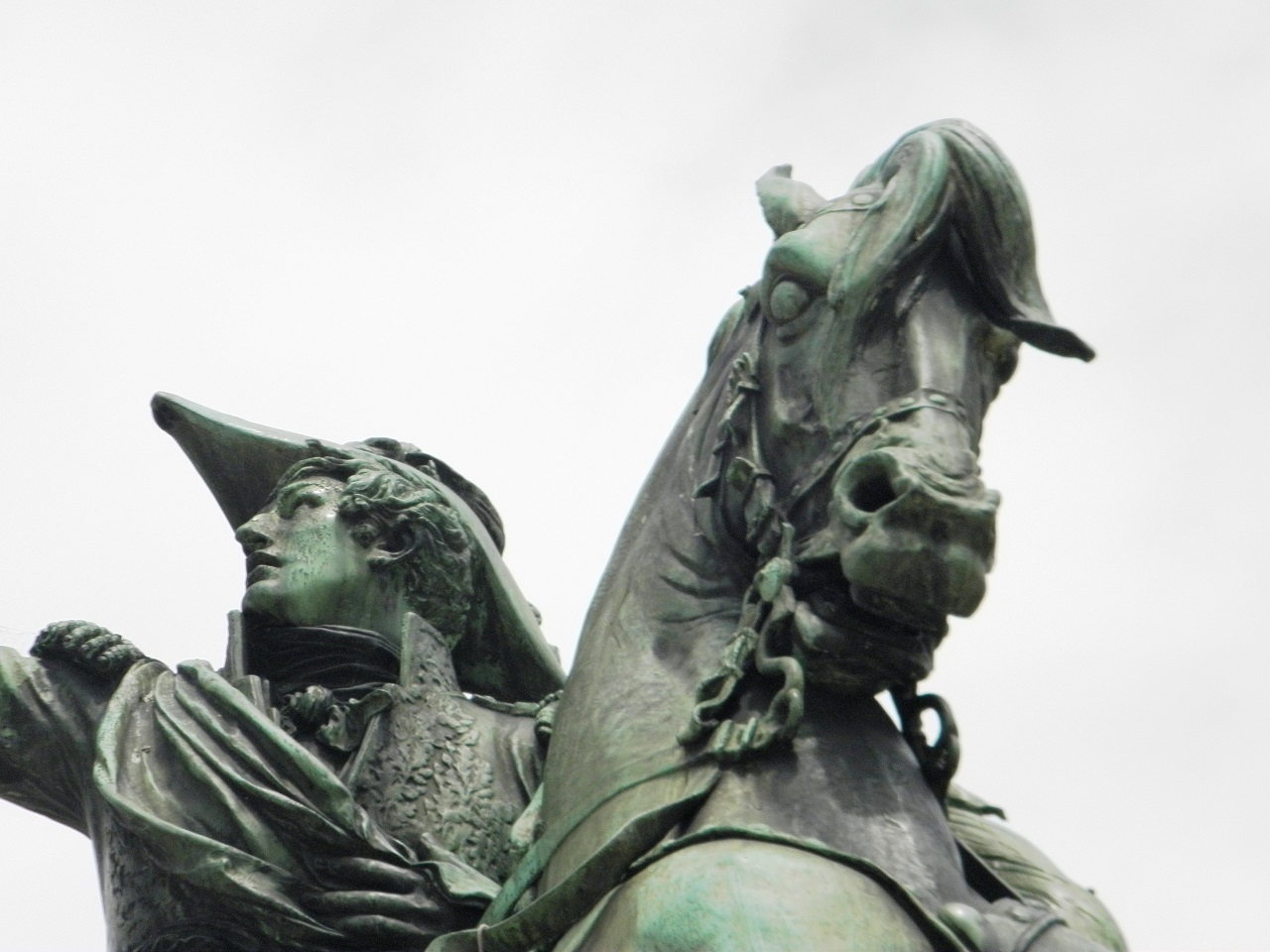
Statue in the Plaza de Mayo

Statue in the Plaza de Mayo

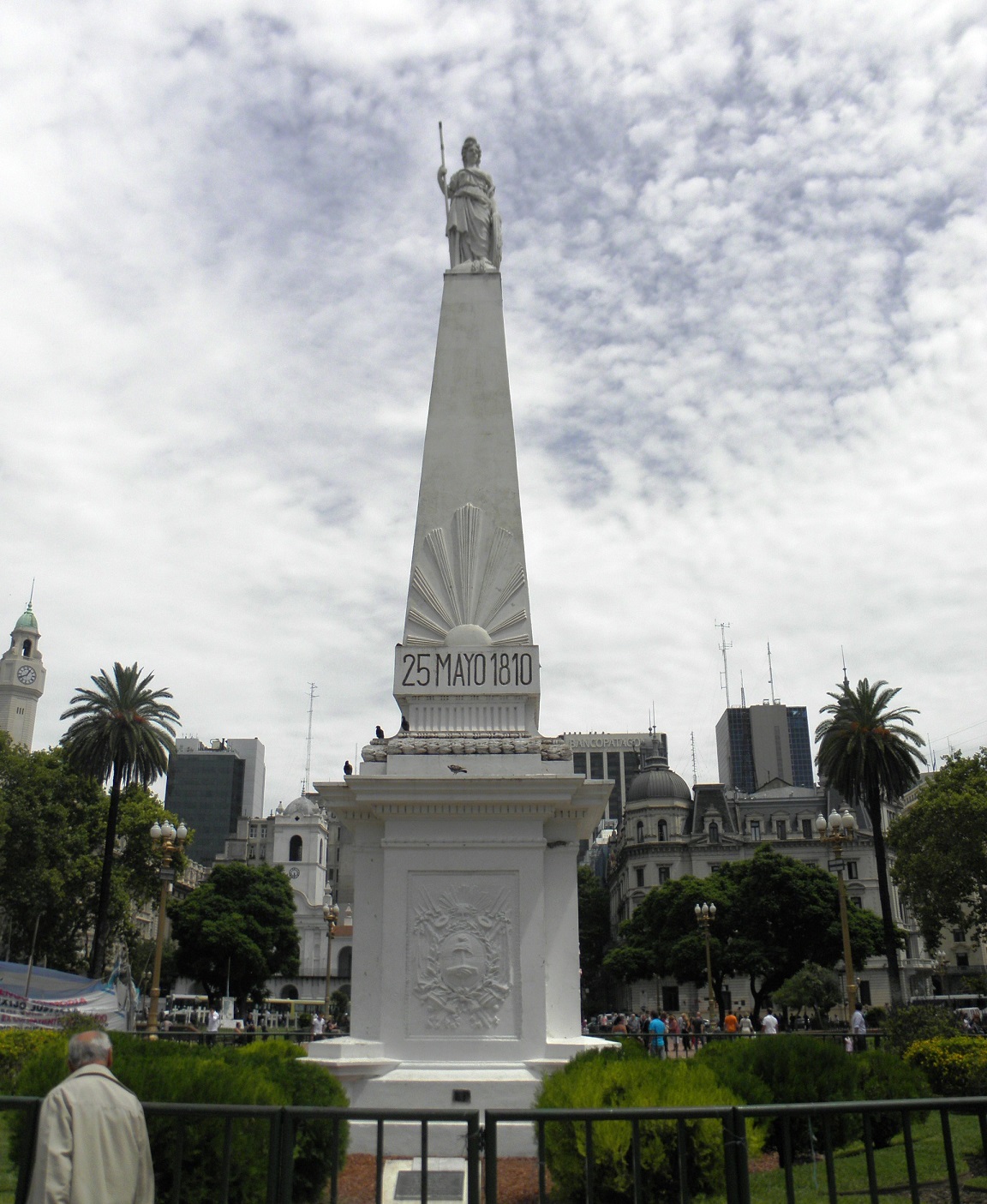
Monument to the May Revolution 1810

Monument to the May Revolution 1810

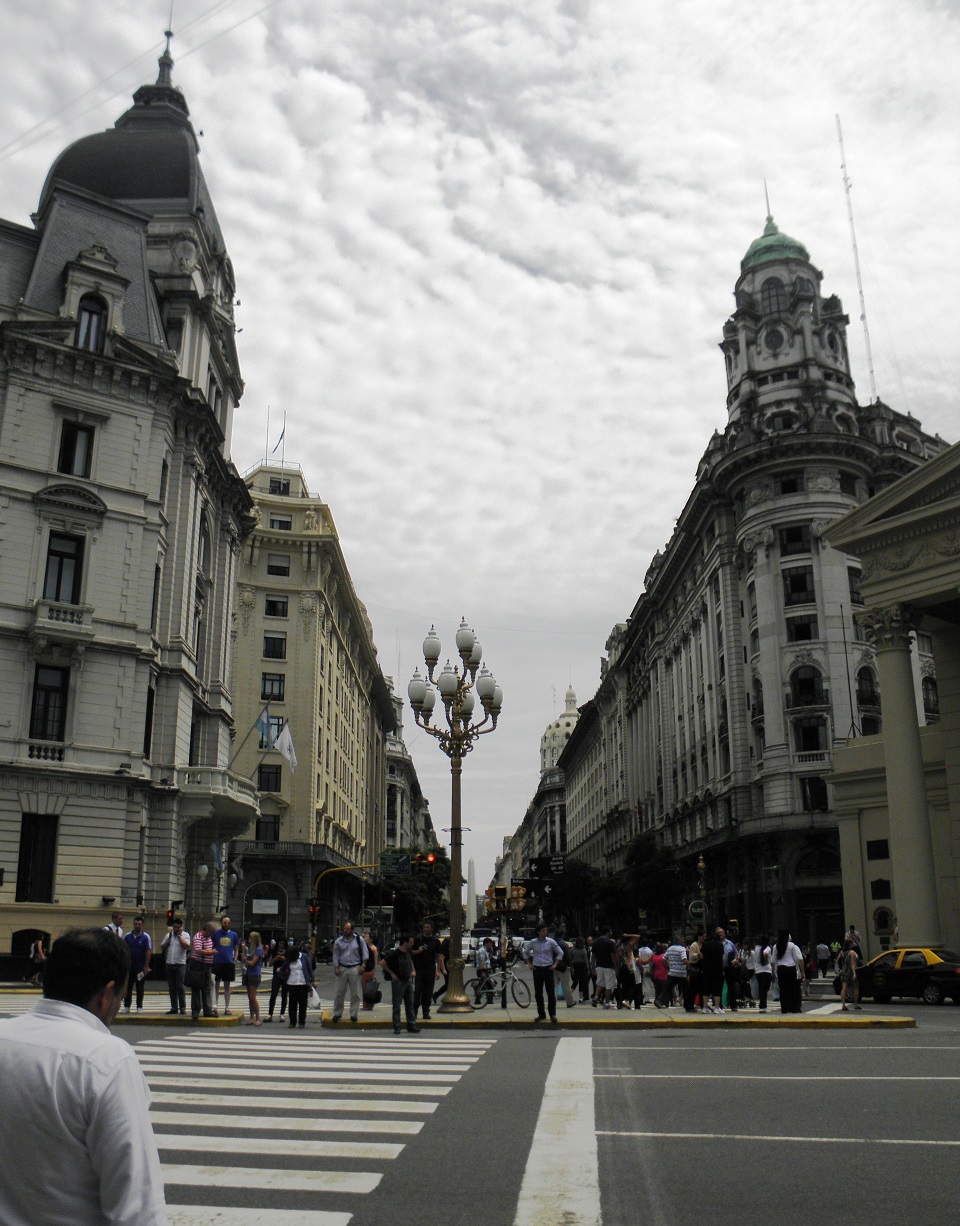
Downtown street

Downtown street

Tango runs this city.  It is the money maker and the motivator.  It is used to sell anything and everything.  And if tango is the heart and soul of Buenos Aires, then Carlos Gardel is the voice and face of tango.  After the Plaza de Mayo we walked into the neighborhood where Carlos Gardel grew up and where his old home, now a museum, is located.  It is not a touristy part of the city, which now makes me feel more comfortable than the busy tourist streets.

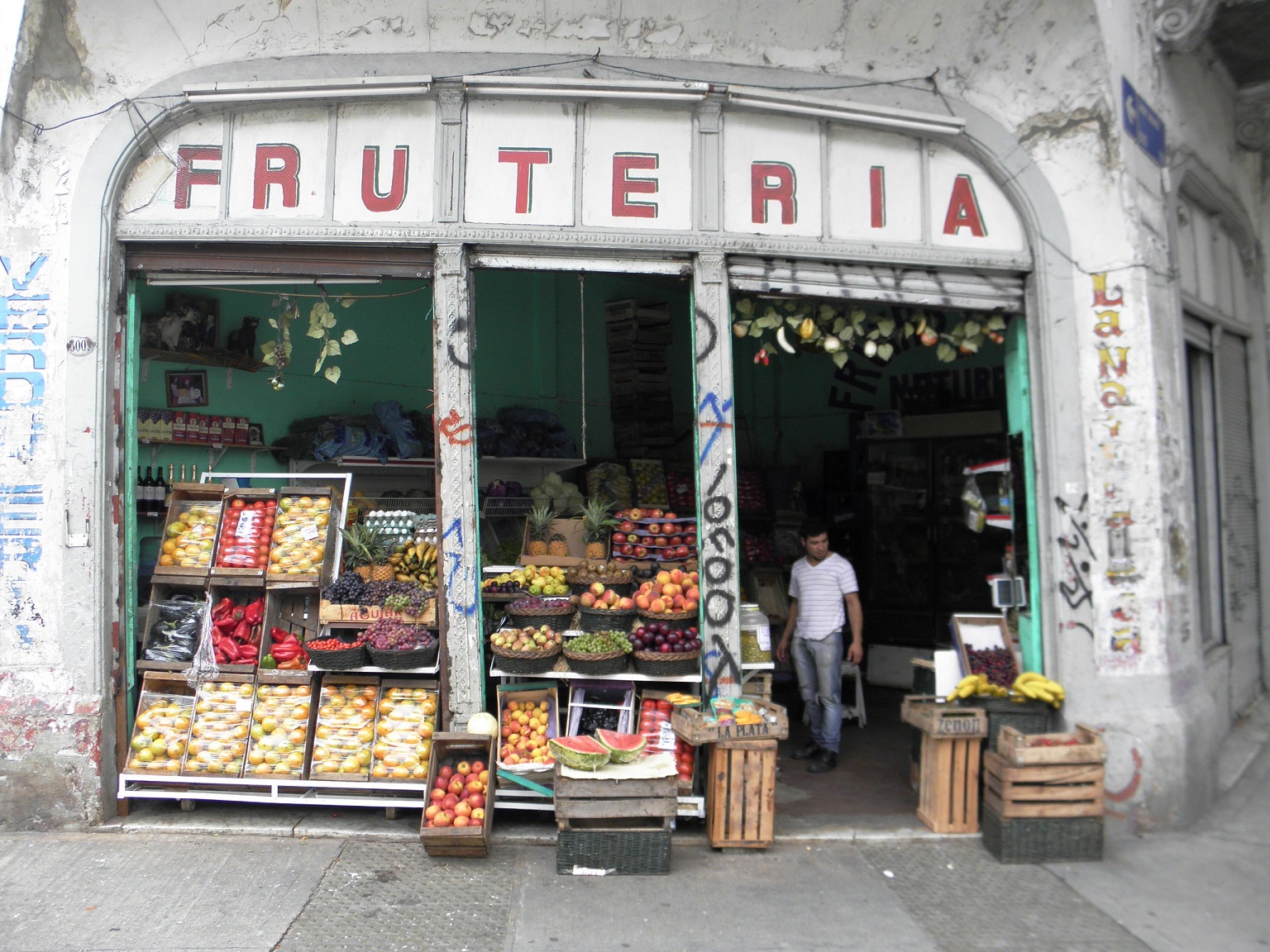
Fruit stand in Carlos Gardel's neighborhood

Fruit stand in Carlos Gardel’s neighborhood

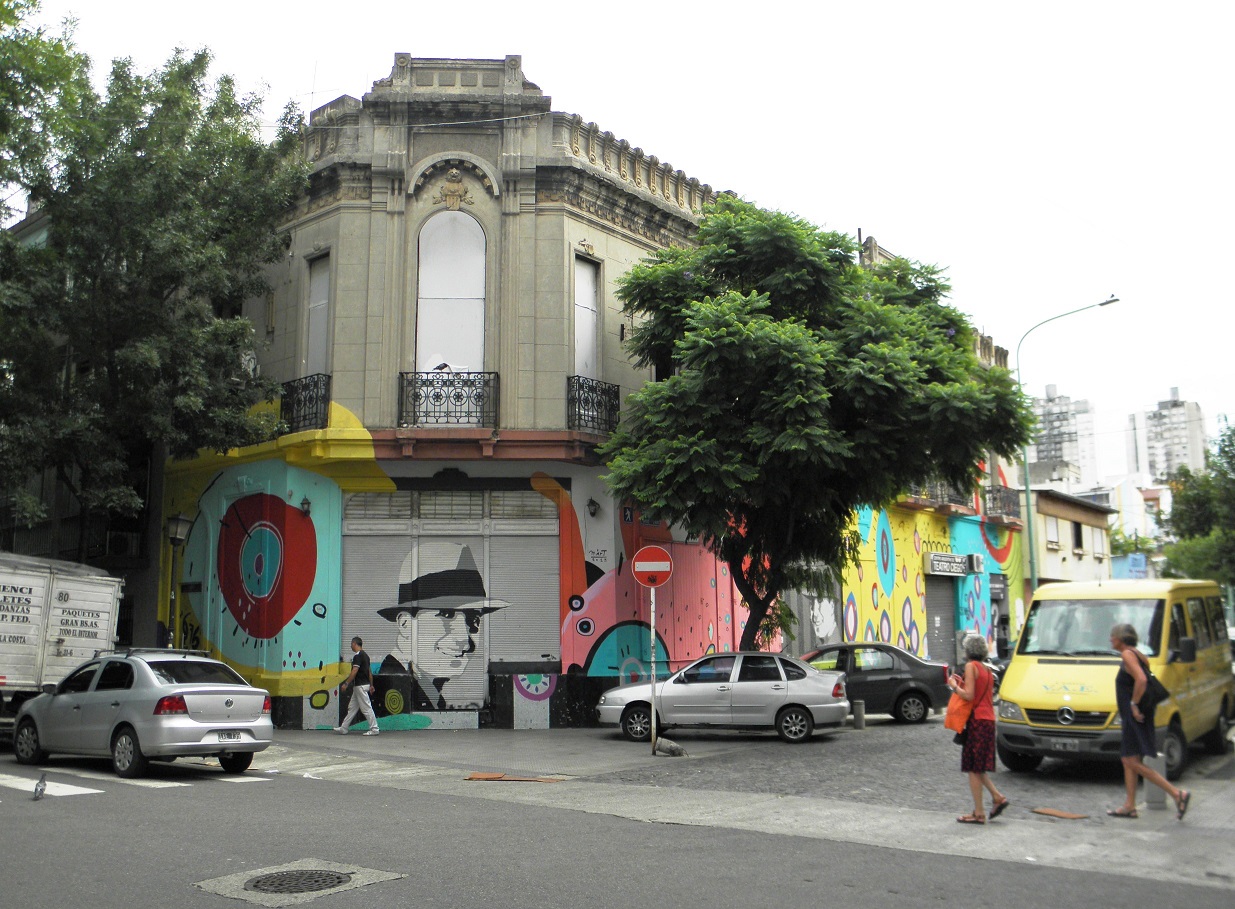
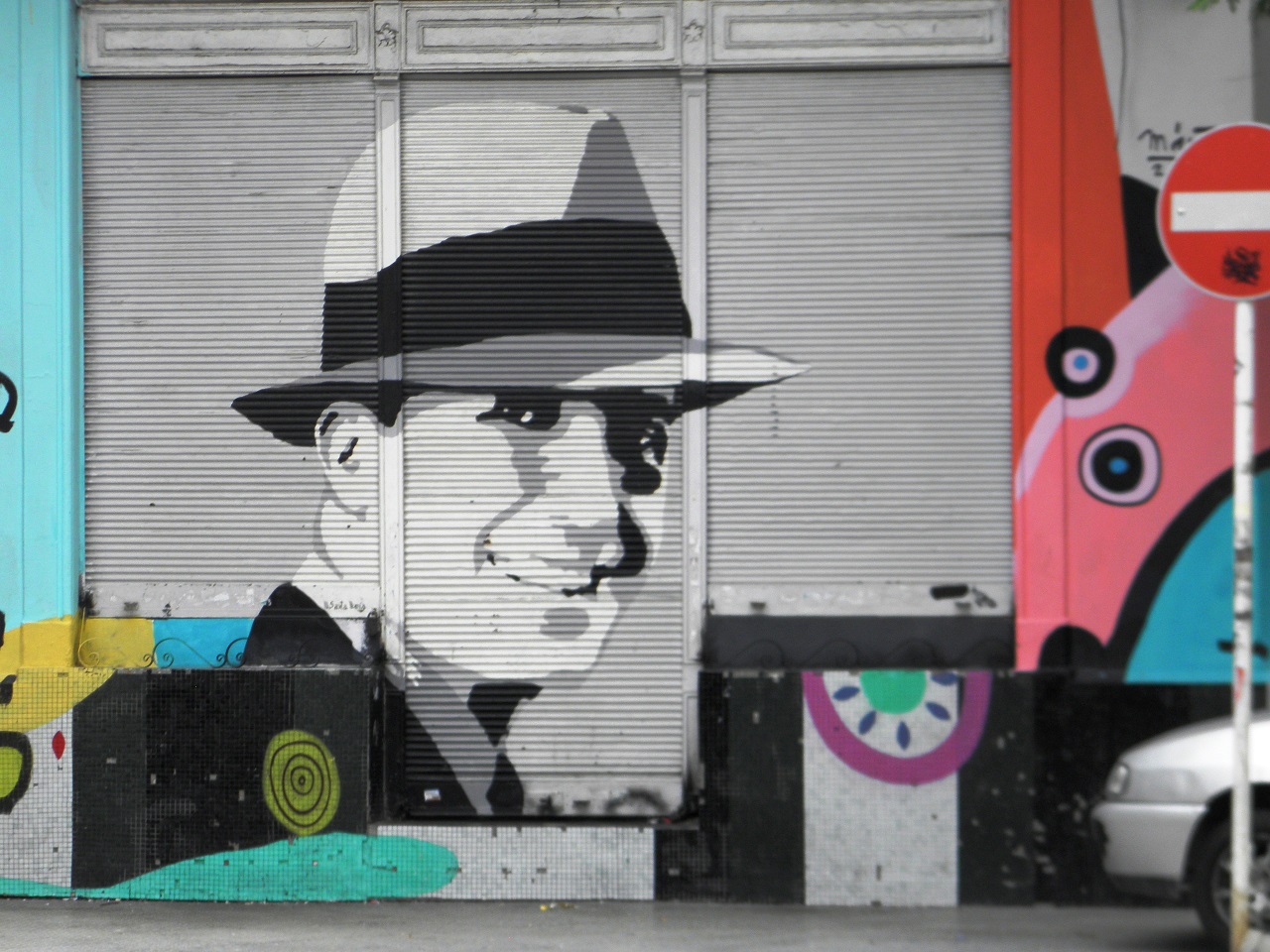
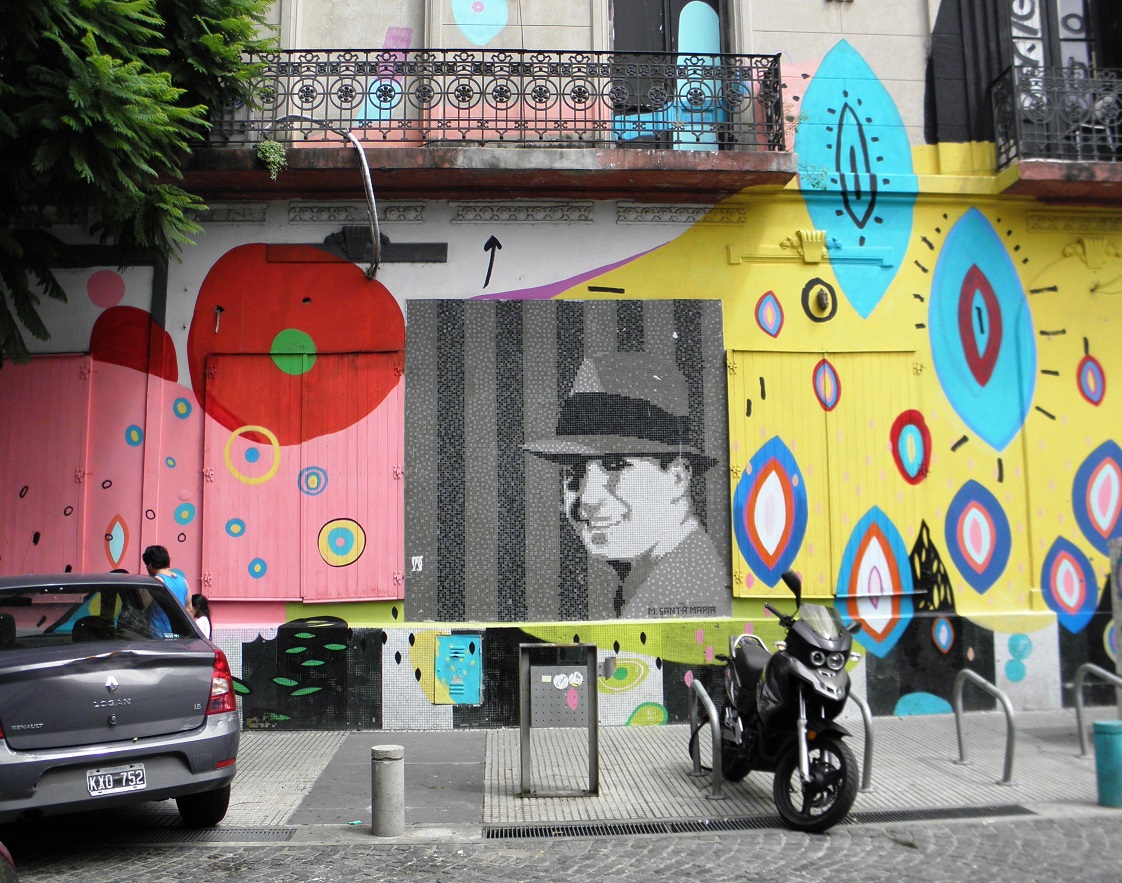
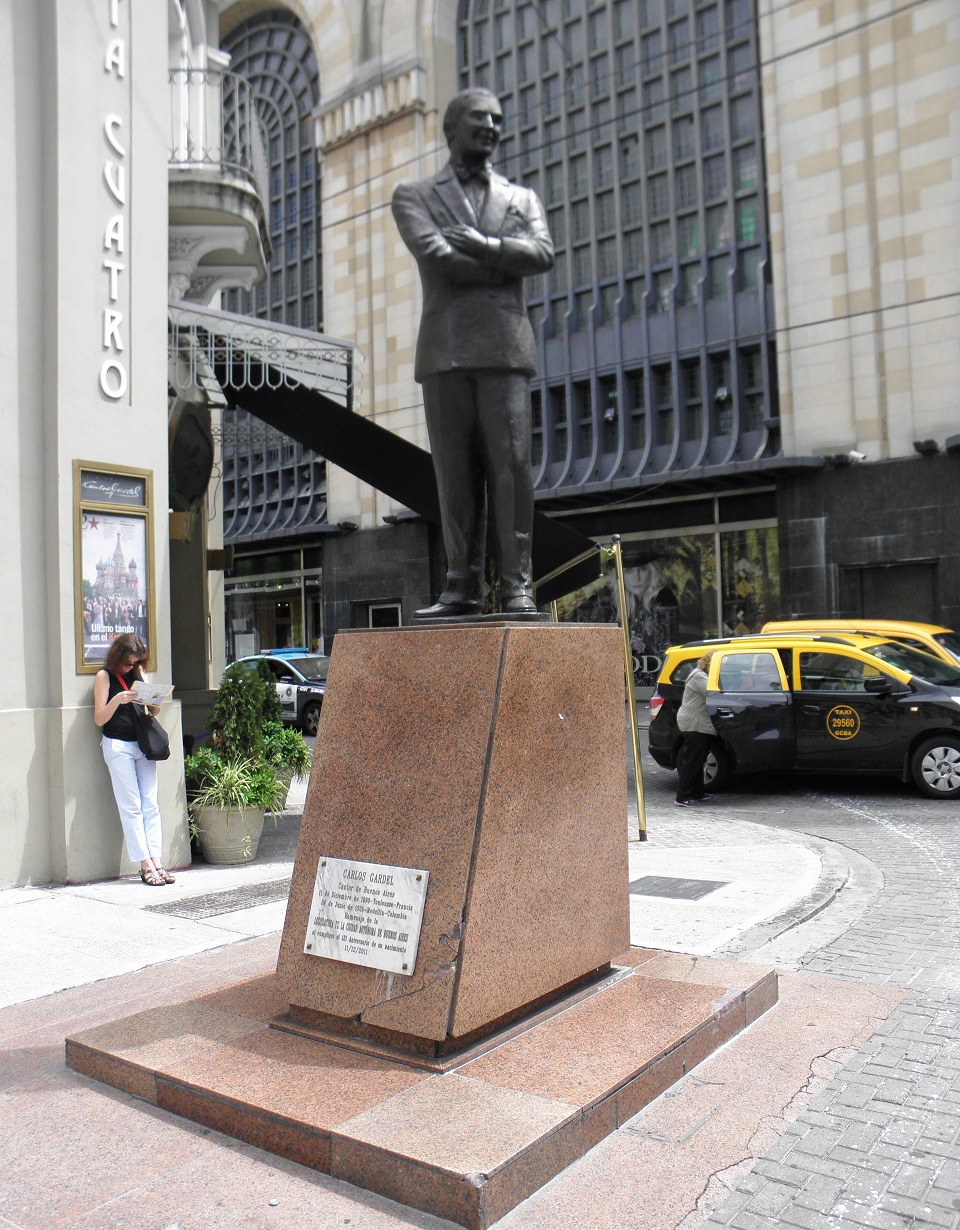
Gardel’s museum was closed but the area surrounding it is practically a shrine to him.  We passed many buildings with his likeness painted on the side and a statue in his honor.  The streets around his home are very colorful, some buildings painted with his likeness and music notes.

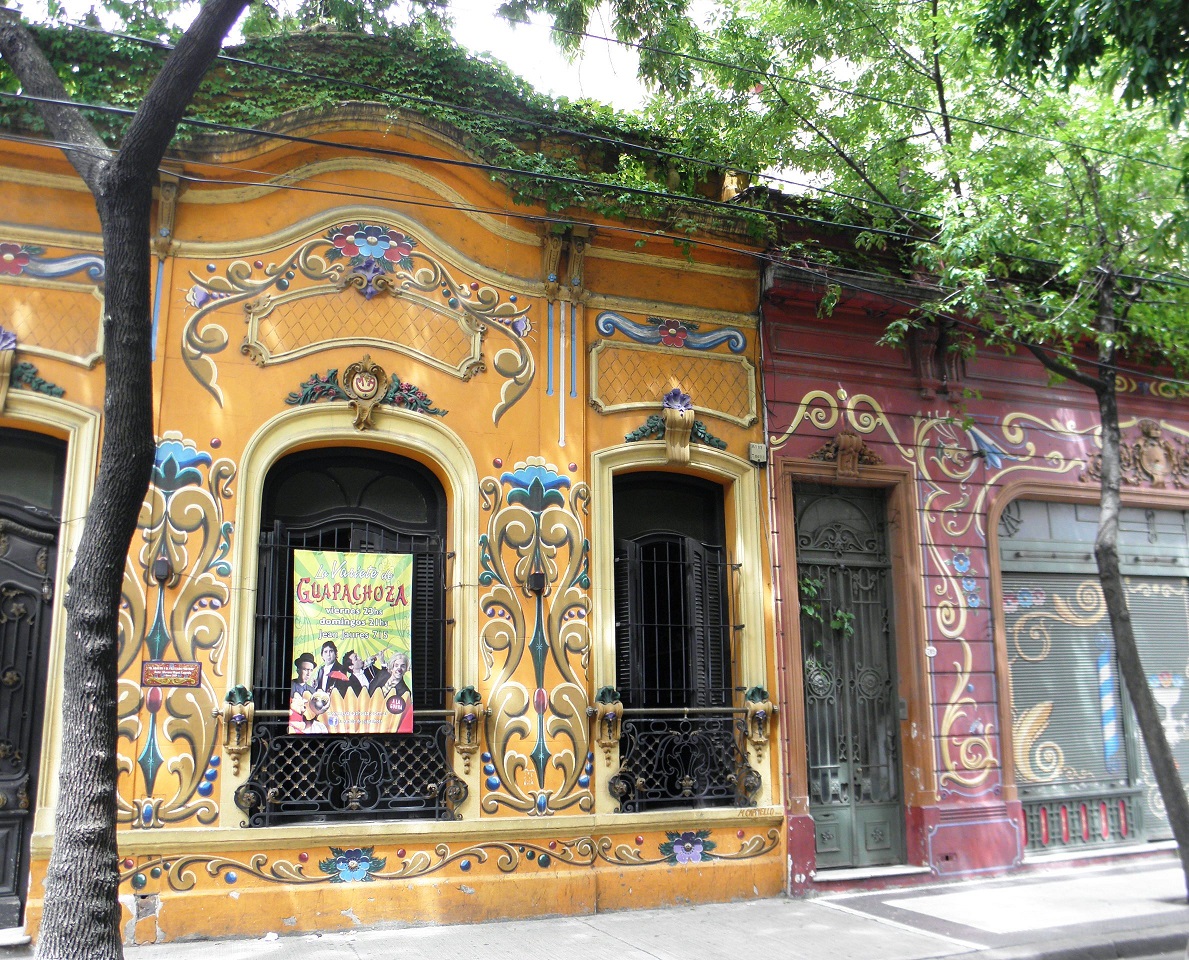
Next door to Carlos Gardel's home and museum

Next door to Carlos Gardel’s home and museum

Across the street

Across the street

A street corner on Gardel's street

A street corner on Gardel’s street

Carlos Gardel art

Carlos Gardel art

Carlos Gardel in tile

Carlos Gardel in tile

My sister stopped to purchase some tango clothes, while I found some of the shop windows very entertaining.

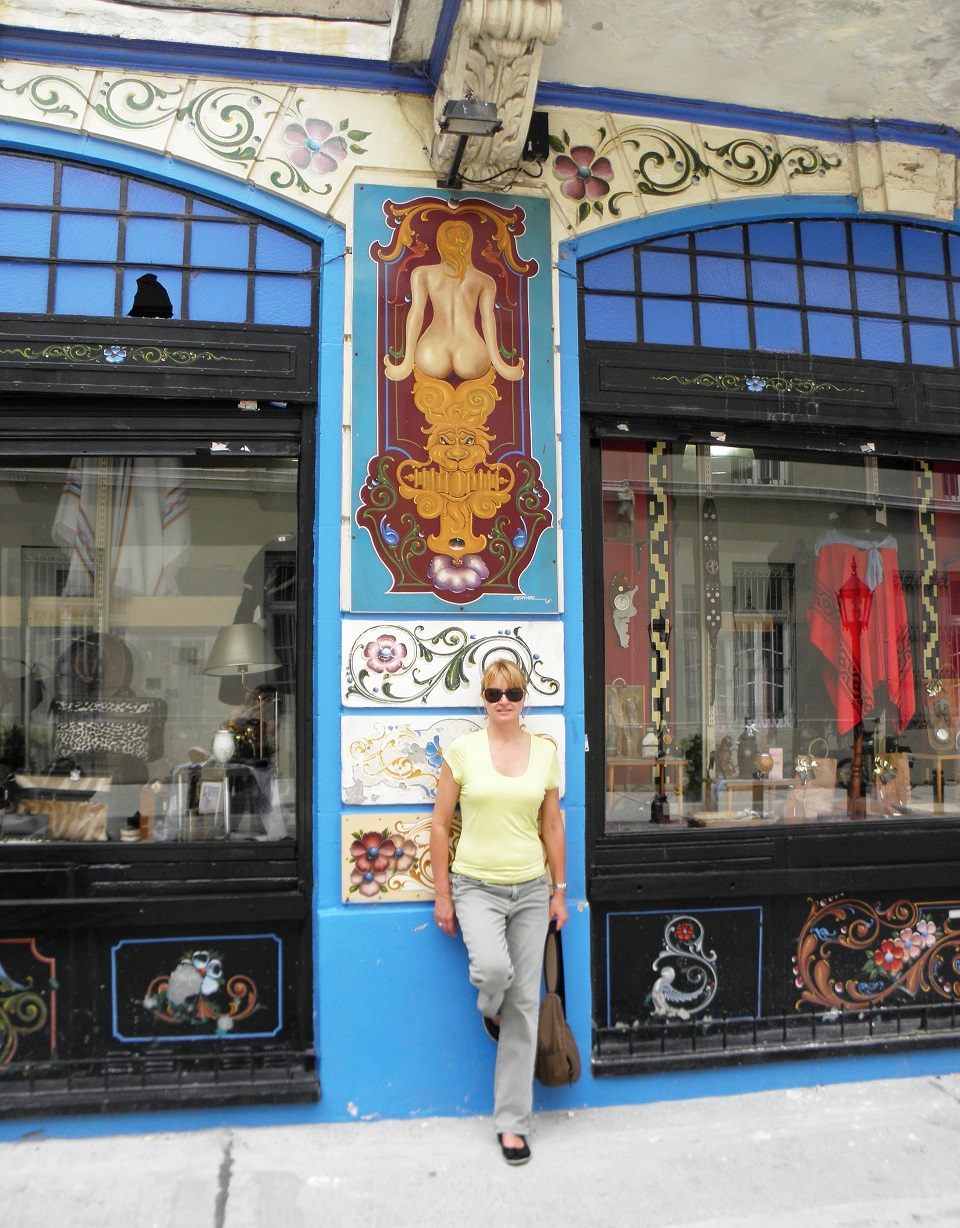
Me against a colorful building

Me against a colorful building

???????????????????????????????

Carlos Gardel statue

Carlos Gardel statue

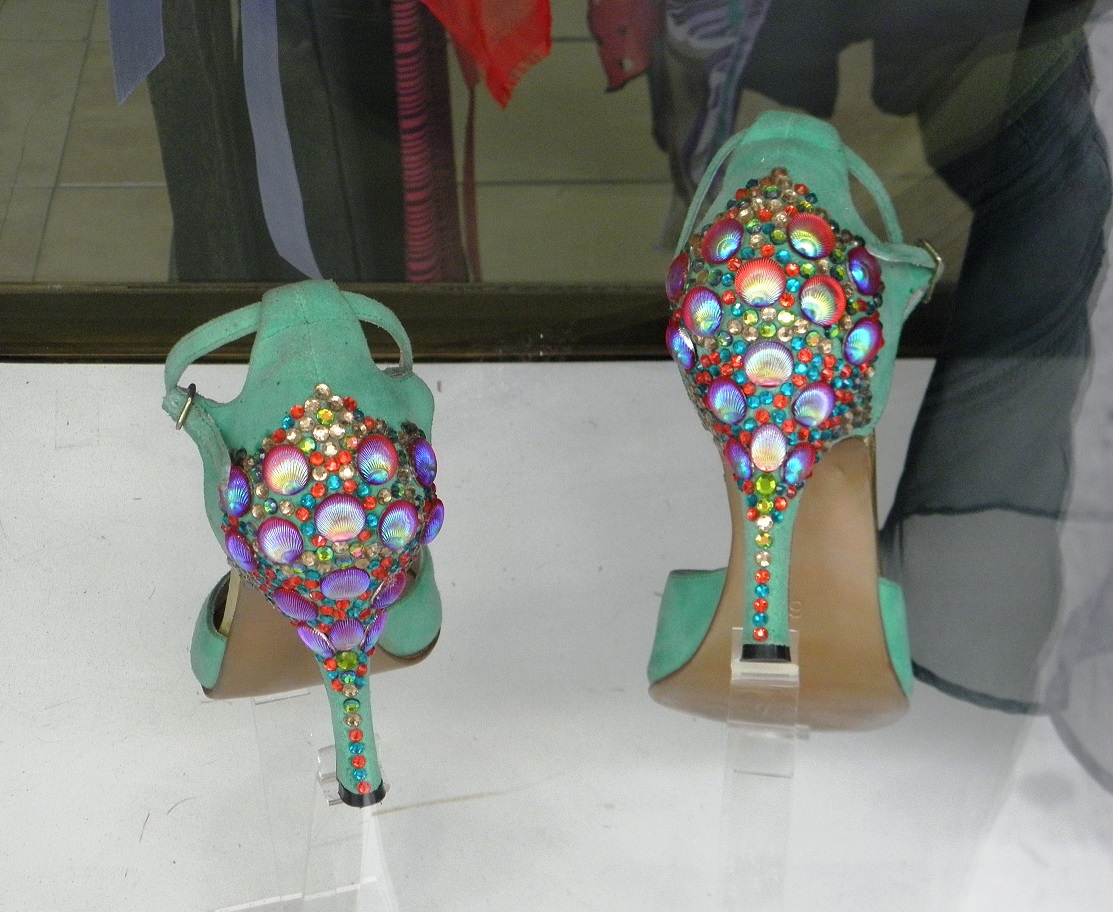
Beautiful shoes, 1700 Argentine Pesos

Beautiful shoes, 1700 Argentine Pesos

Shop window

Shop window

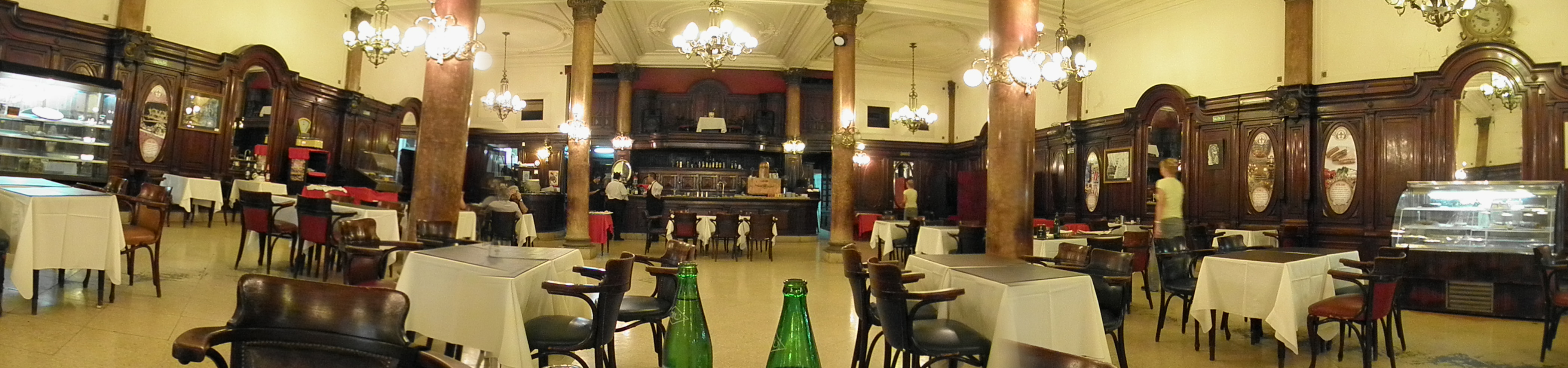
More tango for this afternoon as we headed to the Confiteria Ideal, where they have a dance at three.  Unfortunately it is every day but tues, so we had to be content with lunch and no dancing.  Two more repeats, the Café Tortoni and the National Tango Museum and Academy.  Alas, the photos are not the same, but we had a good day.
Confiteria Ideal

Confiteria Ideal

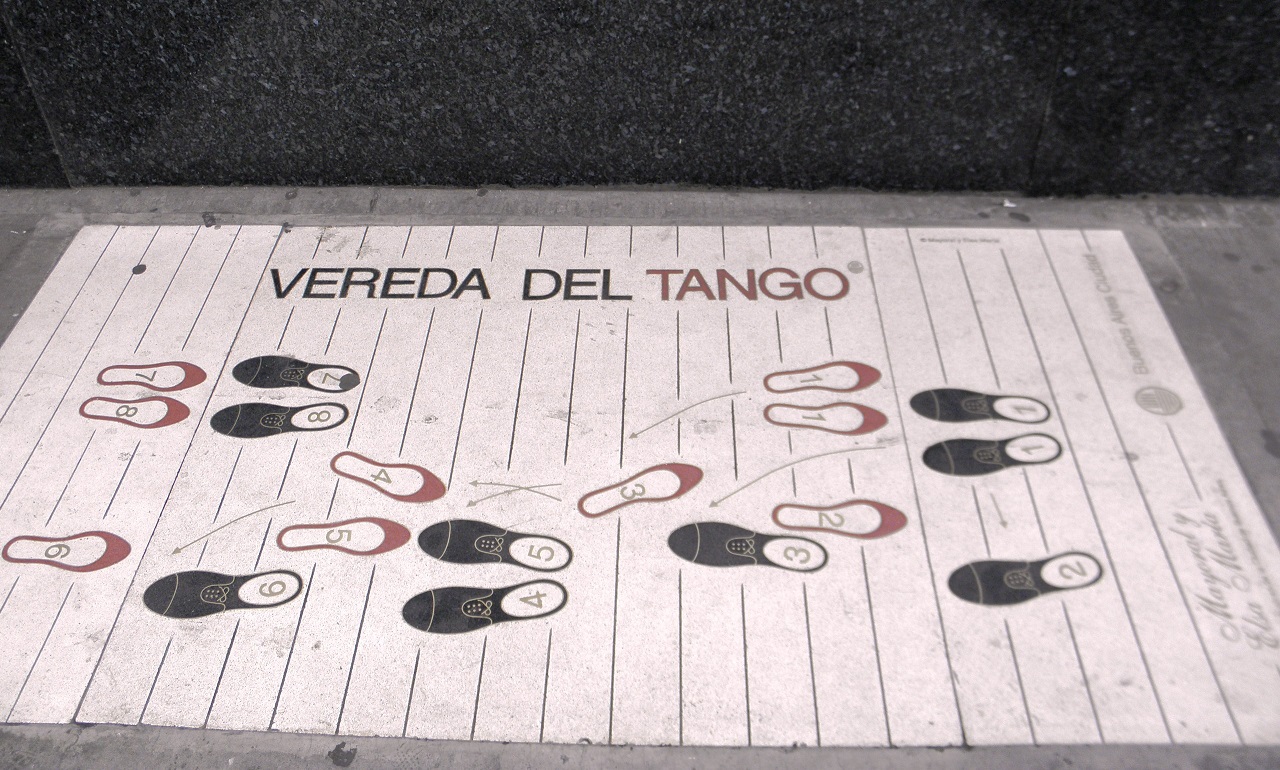
Tango steps in the sidewalk outside the Confiteria Ideal

Tango steps in the sidewalk outside the Confiteria Ideal

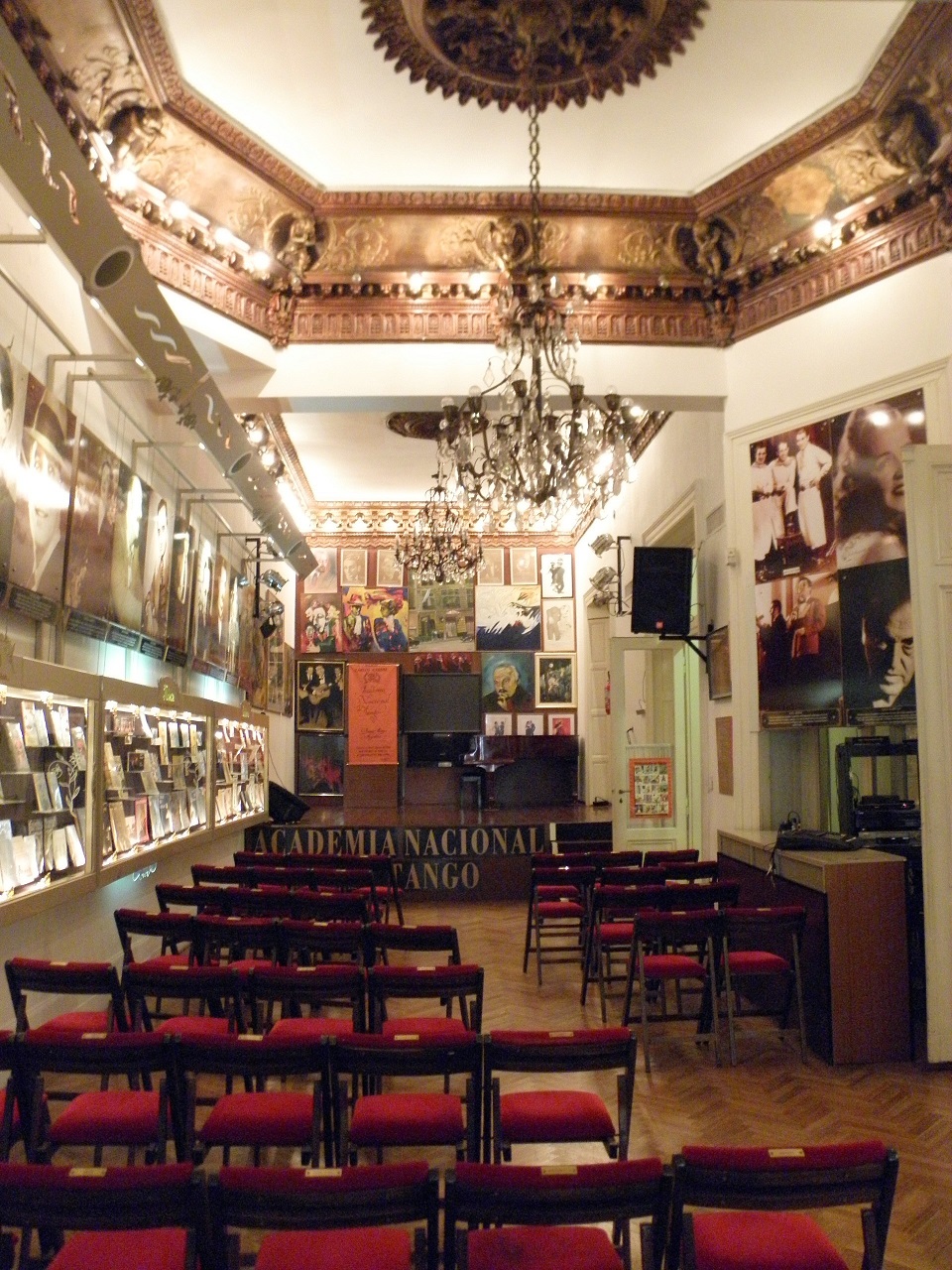
Tango Academy

Tango Academy

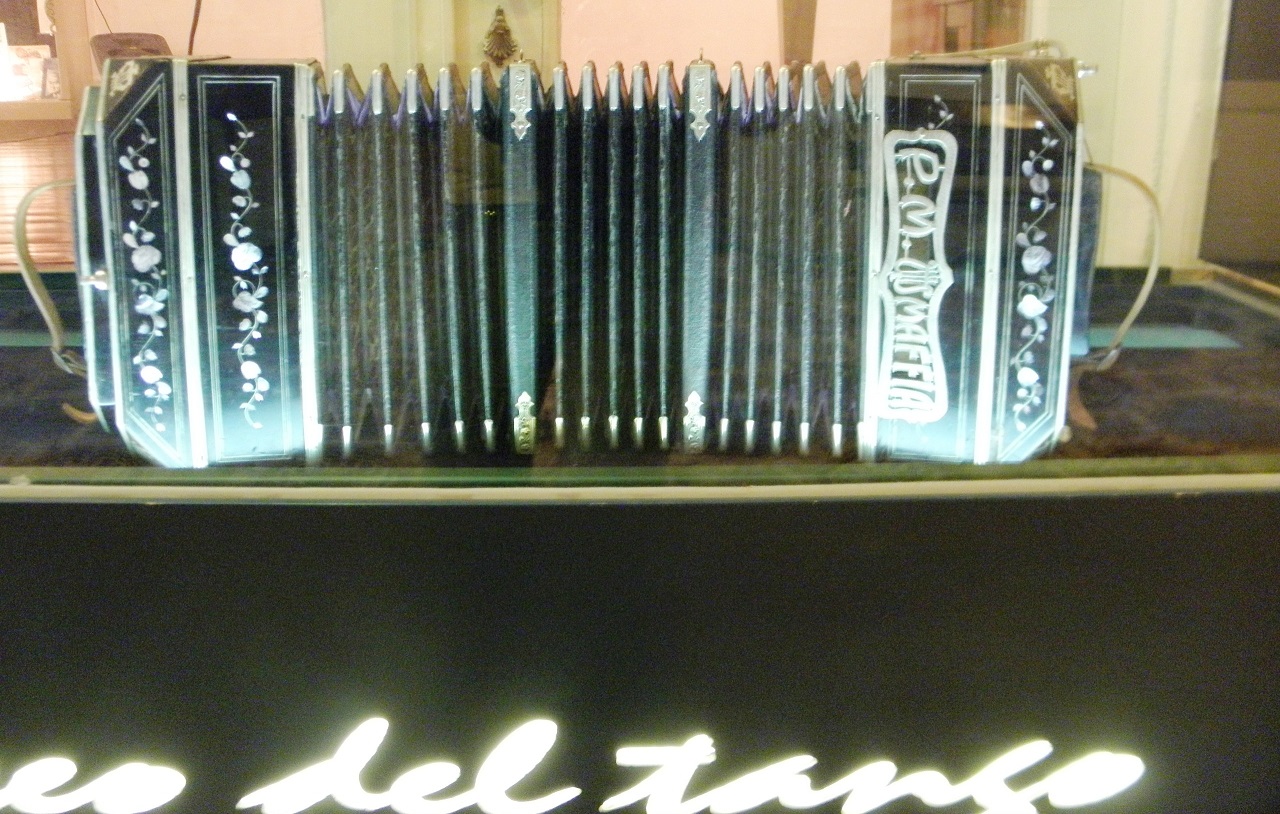
Bandoneon in the Tango Museum

Bandoneon in the Tango Museum

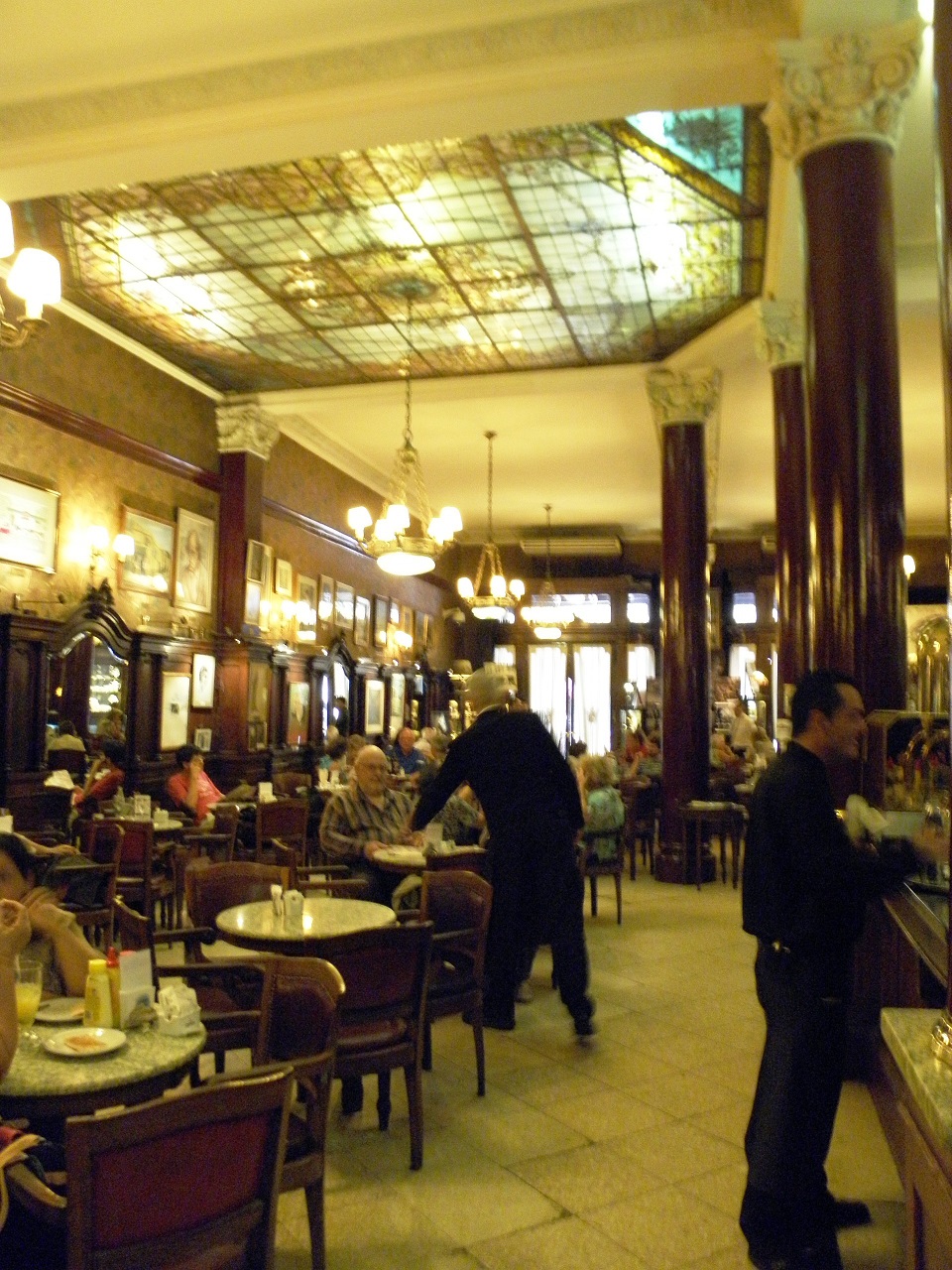
The interior of Café Tortoni

The interior of Café Tortoni

???????????????????????????????

Back to the hotel to rest until the evening activities, dinner and a show/dance at 11 pm.

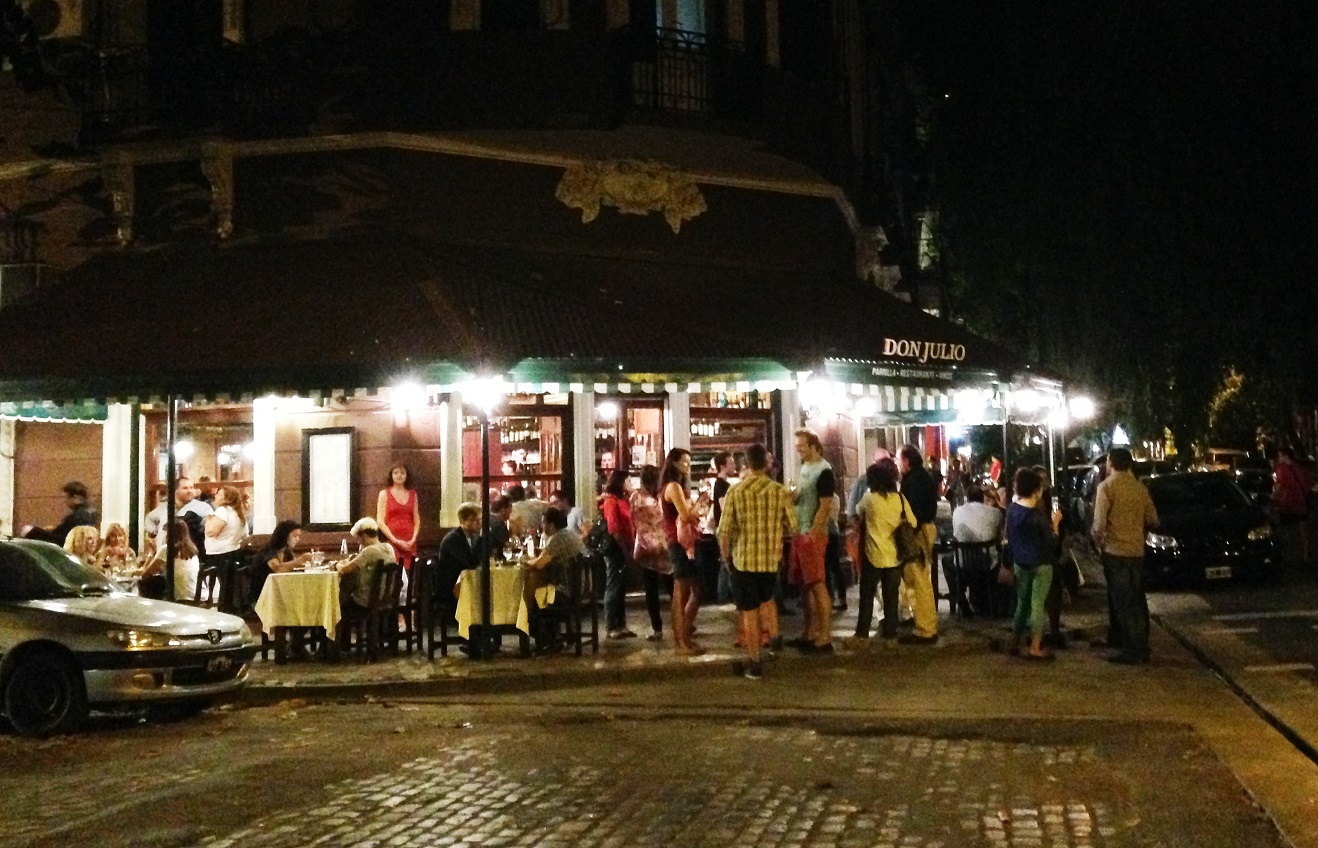
Our last evening in Buenos Aires began with dinner at Don Julio’s, just two blocks from our hotel.  Don Julio’s is listed in just about every guide book as one of the best restaurants in Buenos Aires, especially known for steaks, but they had good vegetarian options as well.  The wine list was extensive, with very good reasonably priced wines by the glass.  We had an excellent glass of Malbec for 35 Argentine Pesos, around $3.50.  The service was speedy and professional (not always the case in Argentina), and the atmosphere was friendly.  We sat down to dinner at 10 pm.

Dpn Julio's

Dpn Julio’s

After dinner at Don Julio’s we walked to one of the top rated Buenos Aires milongas, Salon Canning.  My sister had danced here the night before and reserved a table for us for tonight because one of her favorite tango bands, Color Tango, was scheduled to play.  The cover charge for the night was $6 each.  This was only my second milonga experience, the first being the Sunday night milonga in San Telmo’s Plaza Dorrego.

I’m learning quite a bit about tango on this trip, despite not being a dancer.  It is my sister’s passion, so I’m along for the ride in this respect.  The dance is fun to watch, and since a lot of the action is in the feet, it is a good excuse to watch for beautiful shoes.  According to my sister, tango in Argentina is all about the embrace, while in North America, it’s all about the steps.

The dance started at 11 pm.  You can see how tango fuels the economy here.  It brings in tourists and locals alike to the tango classes, dances and shows, and supports the shoe, clothing and trinket industry.  We saw many groups of tourists from all over the globe.  The place was packed on a Tuesday night, always a popular night.  The band didn’t start until 2 pm, but they really were wonderful, and so much better than the recorded music.  I thought Lonely Planet put it best when they wrote, “…as the beat up sound system plays tango classics.”

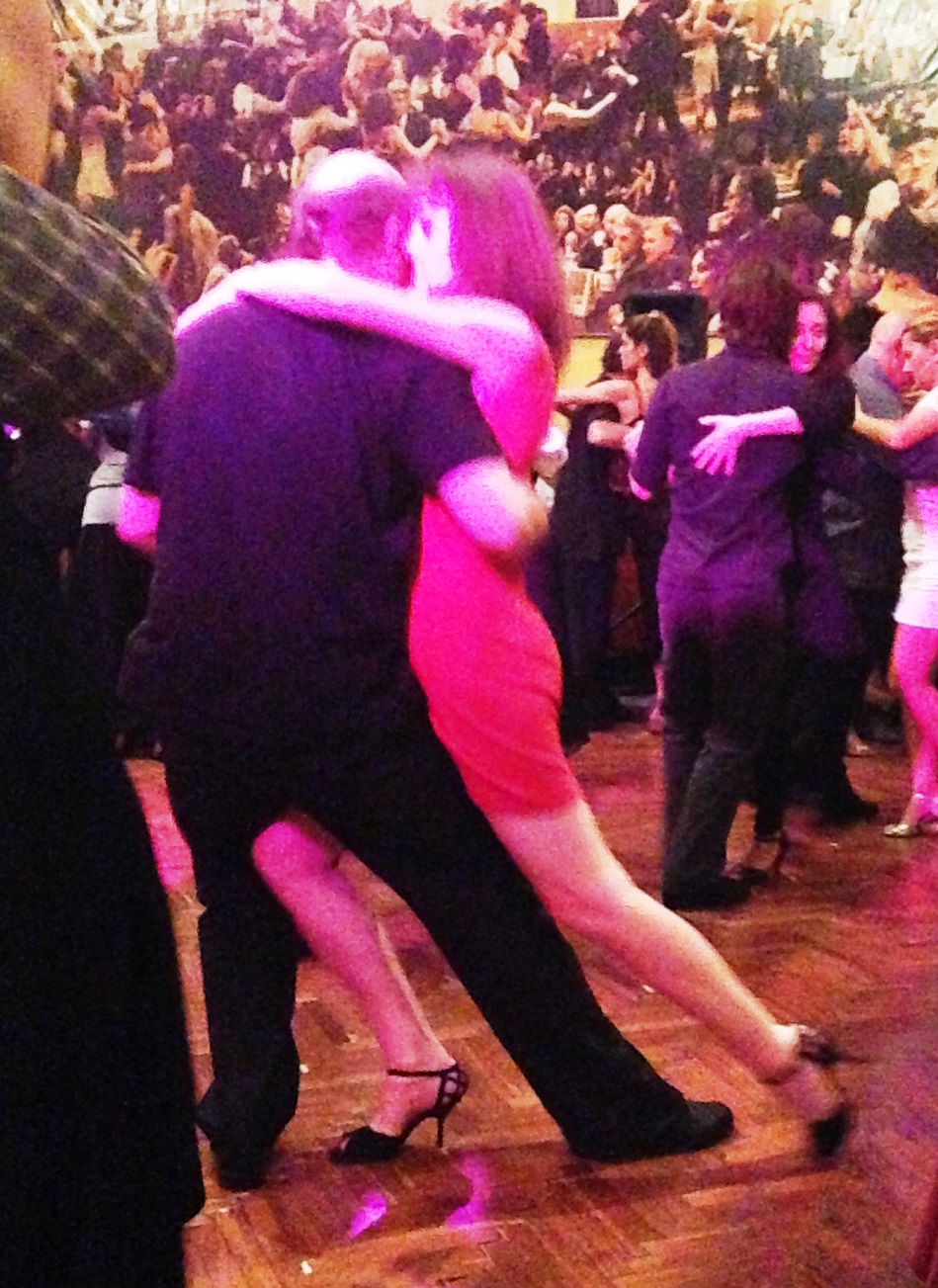
Last dance

Last dance

Due to an early flight at 10:20 the next day (that is early for Argentina) we left the dance at 2:30 am.  My sister got her one last Buenos Aires dance in, although not the last milonga for the trip as they do have some in Mendoza as well.  As we passed Don Julio’s on our way back to the hotel at 2:30 am, patrons were still relaxing at the tables.

As a non-dancing spectator, I enjoyed the outdoor milonga in the historic Plaza Dorrego the best.

NOTES ON BUENOS AIRES

The City:  Despite having my camera stolen, I like the city.  It is often called The Paris of South America, and we would agree.  With a little more money invested into restoration and sidewalk repair, and the removal of the graffiti, it would be as beautiful as any European capital.  It is a beautiful city with great parks, historic buildings, churches and a vibrant downtown.  Pick-pocketing can happen in any big city and it would be wise not to carry a large camera in any busy city downtown area.

The People:  Everyone we had personal contact with was courteous and helpful.  The staff at the Bobo Hotel were stellar, and I would highly recommend staying there.  The location was good; Palermo is a greener neighborhood than many, within walking distance to many of the popular milongas, and surrounded by trendy restaurants.  Every day we saw examples of common courtesy: a young woman on the subte gave up her seat to an elderly man, an older woman gave up her seat to a woman carrying a baby, people stopped to ask if they could translate for us, strangers stopped to warn us about carrying the camera in view.  At Don Julio’s when we got our bill, they had not charged us for two glasses of wine we had while waiting for our table.  We brought this to their attention and they left to fix the bill.  When they returned with the corrected bill, they also brought us two more glasses of wine.  When we protested, they smiled and said “for free, for free”.

Dogs:  We saw dogs everywhere, all accompanied by their people and being treated well.  We also saw the dog walkers in the park, but the maximum number of dogs we saw with one walker was 6.  Dogs seem to have a good life style here and are treated as part of the family.  Dog boutiques were numerous.

Graffiti:  The city’s biggest detraction is the graffiti on the buildings and monuments.  My sister was here 7 years ago and noticed a marked increase since then.  We saw graffiti on historic buildings, monuments, store fronts, doors, everywhere except the tile mosaics in the subte stations.  We spoke with some locals about it and were told that “Americans associate graffiti with gangs, but here it is all political.”  Also, there is no consequence for the vandals.  If you are caught, there is no fine, and the police will walk right past and do nothing.

???????????????????????????????

???????????????????????????????

graffiti

Posted in Argentina | 1 Comment

Buenos Aires Day Two: A Day of Highs And Lows

The stained glass ceiling light above the main staircase in the Teatro Colon

The stained glass ceiling light above the main staircase in the Teatro Colon

Walking around the city today reminded me a lot of both Madrid and Barcelona.  Downtown Buenos Aires has some very wide avenues (9 lanes in each direction) with a green space in the middle, lots of historic buildings and a bustling crowd of business people.  Still, many of the buildings have graffiti which is such a shame.

We took the subte from Plaza Italia to Catedral.  As we exited the subte into the busy street, we decided it was safe enough to get the camera out again.  We stopped in a shop and right away the young shop woman pointed at the camera and said “Be careful.”  She said that just this past Saturday in front of their shop a tourist had had their camera snatched right from their hands as they took a photo.  We put the camera back in the backpack and only took it out to take photos.  We even would look around first to make sure it was clear before getting the camera out.

We walked around Plaza de Mayo and photographed the area, including Casa Rosada and the Obelisco.  We took a side street and found a Franciscan Church (with many banners showing Pope Francis) and toured that as well.  A stop in a book store for postcards and more walking.  We covered the entire area of Plaza de Mayo on foot (I took many photos, none of which are included in this blog, but more on that later).

Teatro Colon

Teatro Colon

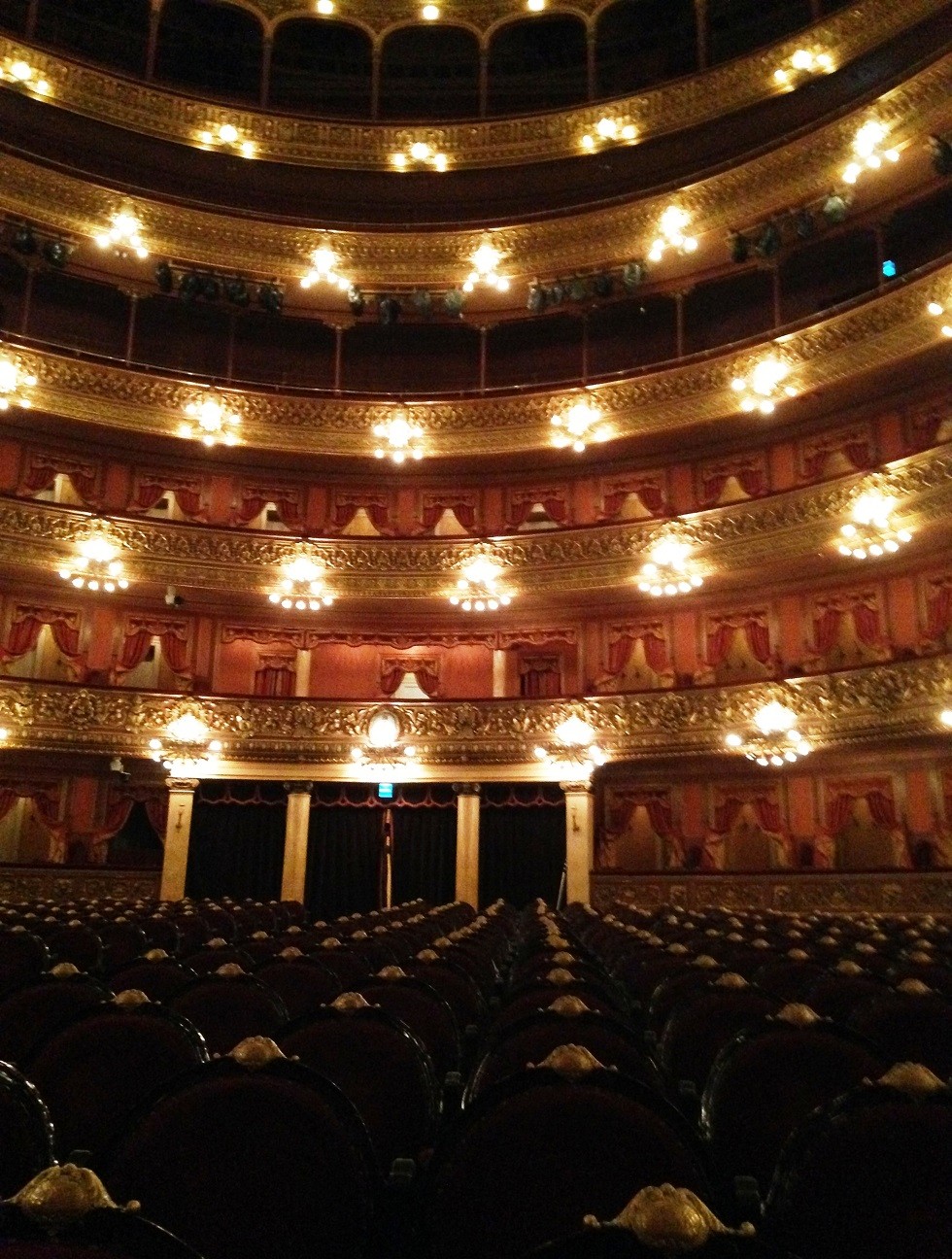
One of our main goals today was to tour the Teatro Colon, one of the world’s greatest opera houses.  It dates to 1908.  We bought tickets for the 1 pm English-speaking tour.  The theater is fantastic and it would have been wonderful to see a performance.  Our guide was a music student and she treated us to some singing.  It was a great tour and the building was really beautiful.

Inside the Teatro Colon

Inside the Teatro Colon

more ceiling

statue

Laura at Theater Colon

Inside the theaters main hall

Inside the theaters main hall

The Colon Theater is only about 5 or 6 blocks from the tango shoe mecca called Comme il Faut.  My sister has bought shoes here before, and it sounded like so much fun I wanted to try it.  It is hardly advertised and no signs, so it took a bit of finding, but we did.  You ring the bell, and as you’re let in they ask you to sit.  No shoes are displayed.  They ask you your size, the heel height and the color you are looking for, and then they start bringing out boxes and setting them all around you on the floor.  It was fun, and I had at least 25 boxes open.  Because I had no particular color in mind, I said I wanted something beautiful, I had a rainbow of shoes to try.  When we arrived, we were only the second patrons, but as the afternoon wore on, more and more customers came in.  It is a busy and colorful store and a lot of fun.  I ended up with two pair of beautiful tango shoes that will be worth just as much used in the US as they are new here.

Buying shoes at Comme il Faut

Buying shoes at Comme il Faut

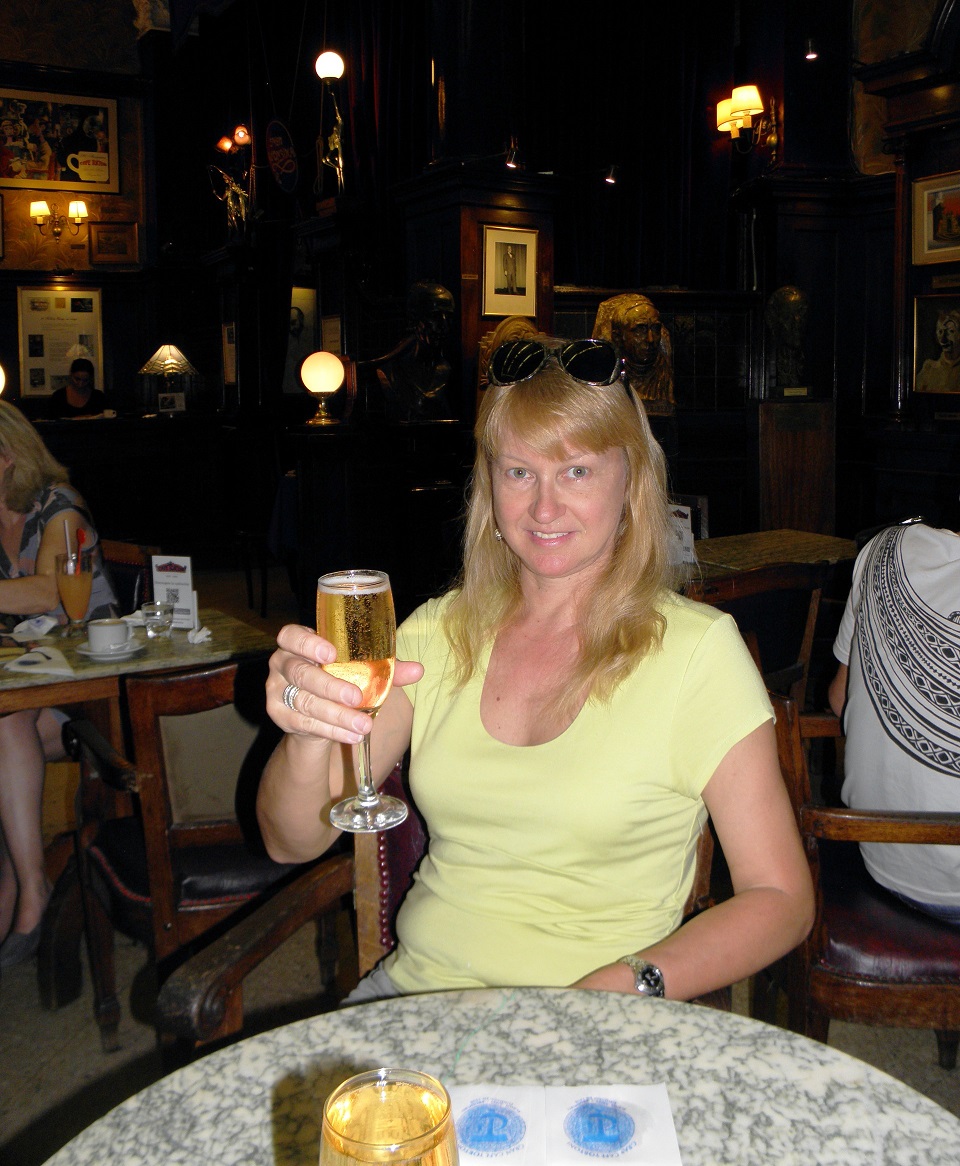
After our shoe extravaganza we headed to the historic Café Tortoni.  We had a wonderful lunch and toasted our day with a glass of champagne.  More great photos were taken (none of which will ever be seen).   Our next stop, right next door, was a tour of the National Tango Museum.

Café Tortoni

Café Tortoni

It now being about 5 pm, we had only to walk a few blocks to the subte and be back at the hotel.  The camera was dutifully packed into the backpack and we walked nonstop to the subway.  As we descended the subway steps my sister noticed the backpack, which had been zipped and clasped, was open and my camera missing.  We were victims of theft, from a zipped backpack, while wearing it and walking and talking.  (We later got more info on the camera thieves.  It is a gang of women who pick pocket tourists targeting cameras almost exclusively.  They are professionals and work in groups on the street and in shops).

So back at the hotel I mourned the loss of my camera, which has accompanied me to 5 continents.  It was a great loss and I was feeling down the rest of the day.  Inquiries into how to handle it and whether or not to make a police report resulted in us chalking it up to experience.  We would have wasted half a day making the report and I would not have gotten the camera back.  I would advise anyone planning on touring the city of Buenos Aires to leave their large camera in the room, and walk around with a point and shoot that you can slip into a pocket.  I wish I had done just that.

My sister took this photo of me and my NIkon in the Teatro Colon, the last picture of me and my camera

My sister took this photo of me and my NIkon in the Teatro Colon, the last picture of me and my camera

The photos on this blog were all from my iPhone, which my sister was using as backup while I used the Nikon.  For the remainder of this trip to Argentina and Chile I will be using my sister’s Olympus SP-600UZ.

Posted in Argentina | 1 Comment

Hola Buenos Aires

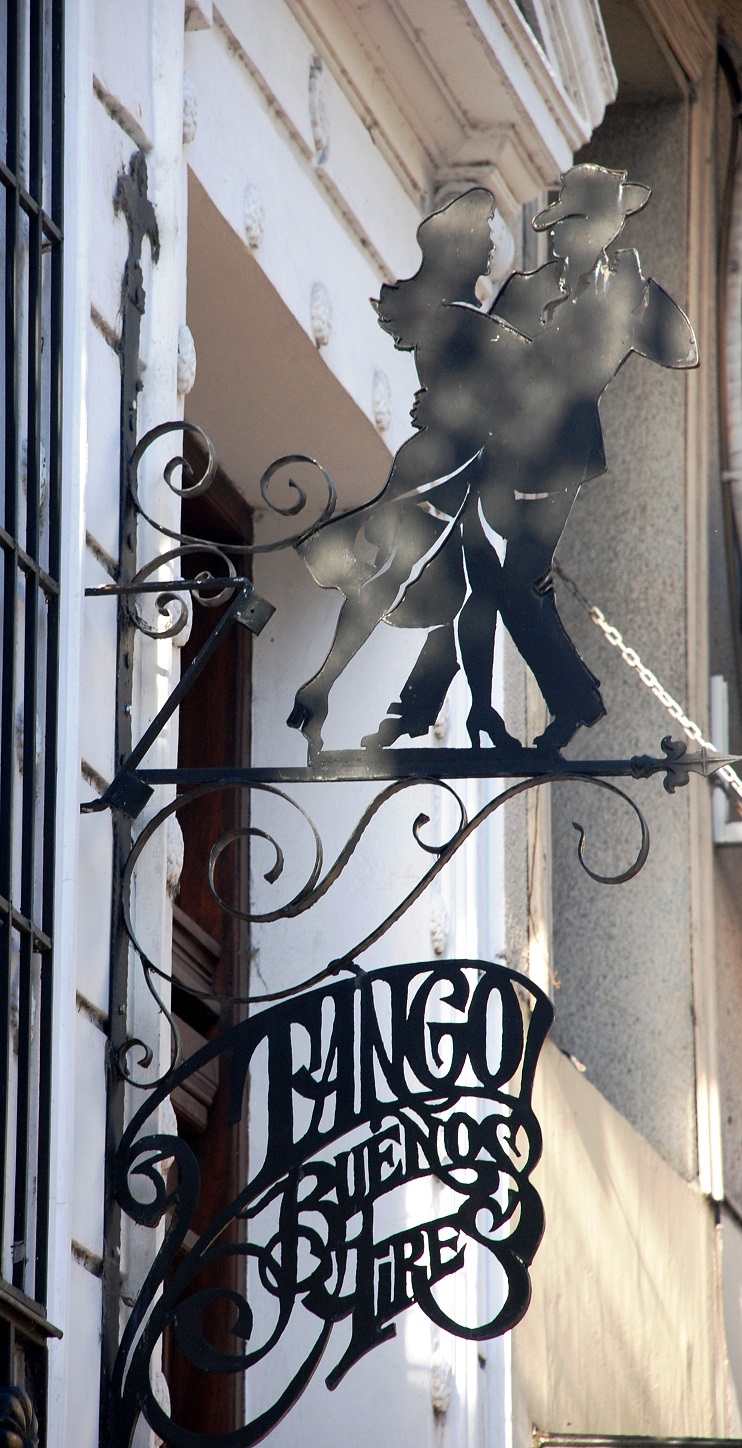
tango sign

I learned something new today.  Baby Jesus came from a tango family.  Only here in Buenos Aires, where everything is connected to tango.  It’s my first time to this energetic and colorful city, where Tango is used to sell just about anything, dogs lead a pretty nice lifestyle, and dinner is served from 9 pm until after midnight.

The Bobo Hotel in the Palermo district.

The Bobo Hotel in the Palermo district.

My sister and I are staying in the Palermo district, a quiet, tree-lined upper class part of the city.  We are about 6 blocks to a subte station and surrounded by restaurants.  We walked for hours today, needed exercise after 9 hours on a jet direct from Miami to get here.

The city reminded me a lot of European cities with beautiful old buildings, and good underground system and the normal dirt and clutter you see everywhere, (except possibly Scandinavia and Switzerland).  Lots of dogs on the street and in the parks (with their people), so it means you have to watch where you step.

Horse carriages along Ave Las Heras near the zoo,

Horse carriages along Ave Las Heras near the zoo,

We started out this morning by walking from our hotel to Recoleta, intent on shopping at the open air market at Plaza Intendente Alvear and touring the famous Cemeterio de la Recoleta.  As we walked along Ave. Las Heras, an older woman passing us stopped and pointed at my camera, then our backpack.  I had been carrying the camera in one hand.  She spoke no English, but made several gestures.  I’d like to say that we didn’t have to be told twice that carrying a large camera openly was a bad idea, but unfortunately, we did have to be told twice.  Less than a block later a man stopped and pointed again at the camera.  His gestures were more understandable, as in making a gun out of his hand and pointing at us, then the camera and saying “kill”.  This time we got the message, and while walking the streets we put the camera inside the backpack.  I’m happy to say we did not lose our lives over my camera and had nothing but positive experiences with the local people.

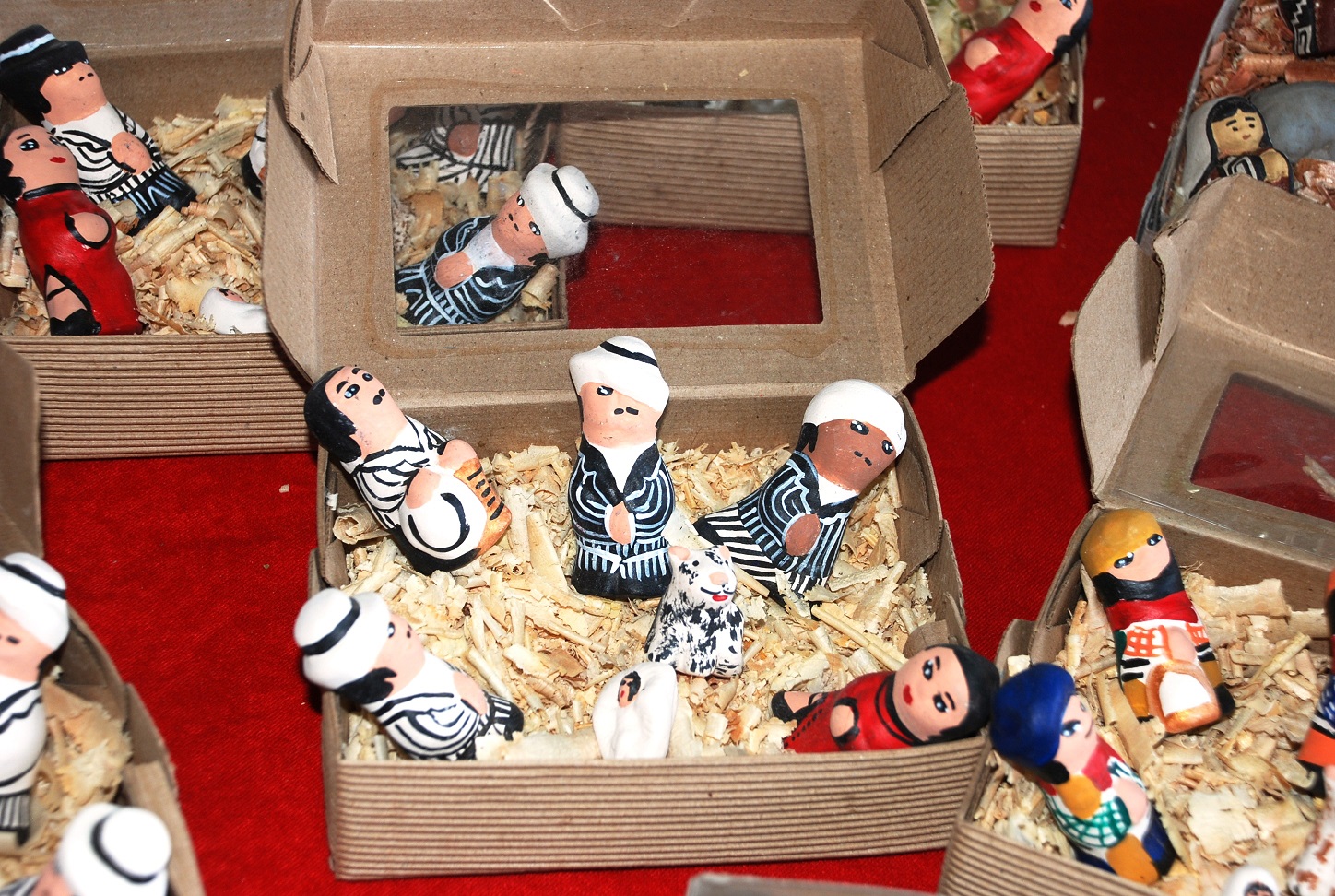
Tango Nativity

Tango Nativity

The walk to Recoleta was quite long, but the destination was worth it.  The market stalls were filled with hand made jewelry, purses, belts, and one of the most unusual items we’d even seen, a woman selling Tango Nativity.  It featured Mary in a red dress with a slit, Joseph wearing a striped suit and fedora, and a cat instead of the more ordinary cow or sheep.  Everything is colorful, including the graffiti.  It is too bad about that, and my sister noted that when she was here 7 years ago it wasn’t as bad as it is now.  Graffiti is everywhere, and it really makes some nice places look trashy.

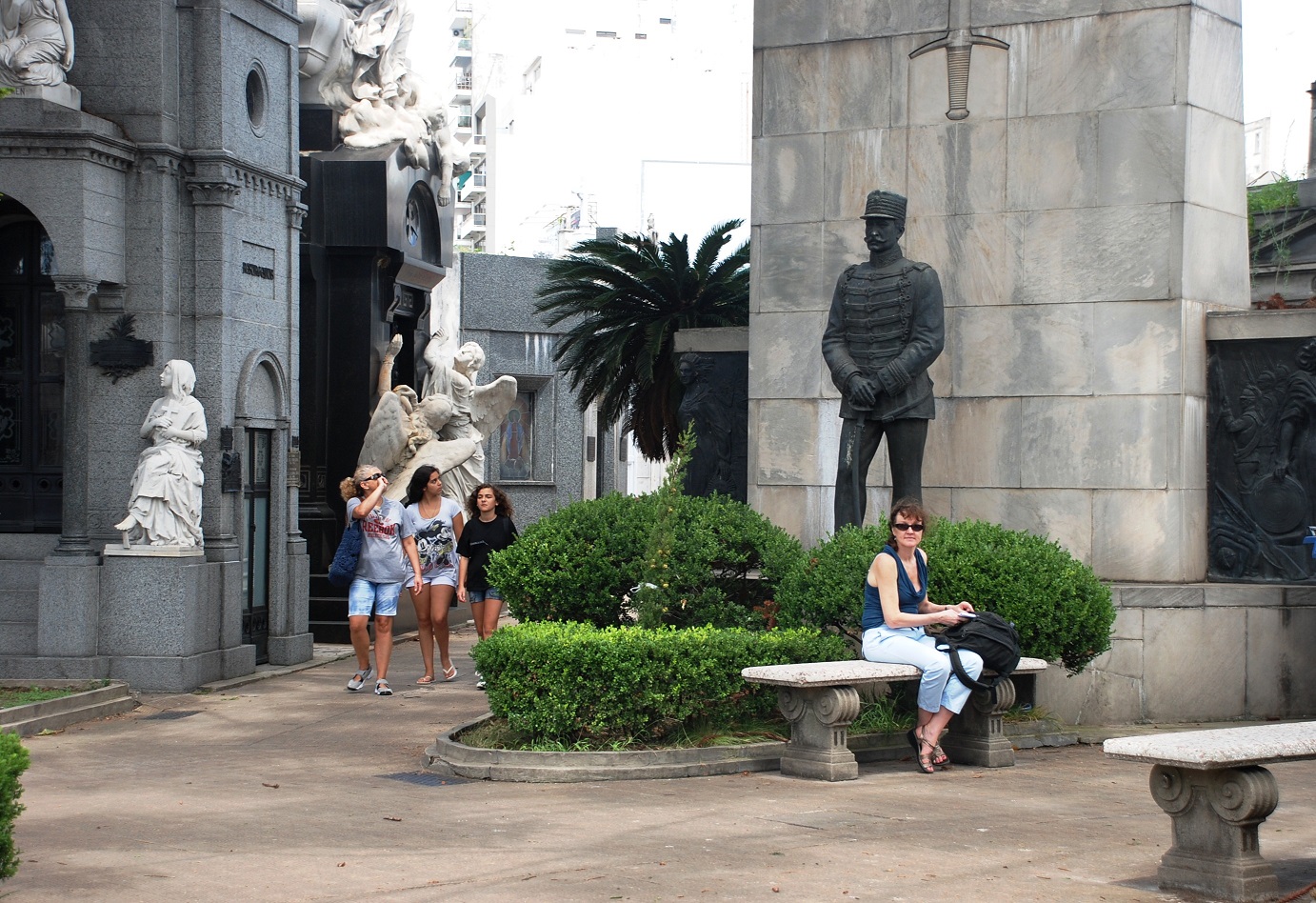
The Cemeterior de la Recoleta is beautiful, and a popular destination.  Many people were walking the narrow lanes, tourists and locals with children.  It is easy to spend time here admiring the sculpture on the tombs.  We found the tomb of Eva Perone, and the very ornate Paz Family tomb.

angel

In the Cementerio de la Recoleta

In the Cementerio de la Recoleta

Recoleta cemetery

crypt decor

The Paz family tomb.

The Paz family tomb.

It was nearly three o’clock when we left the Recoleta area to find lunch.

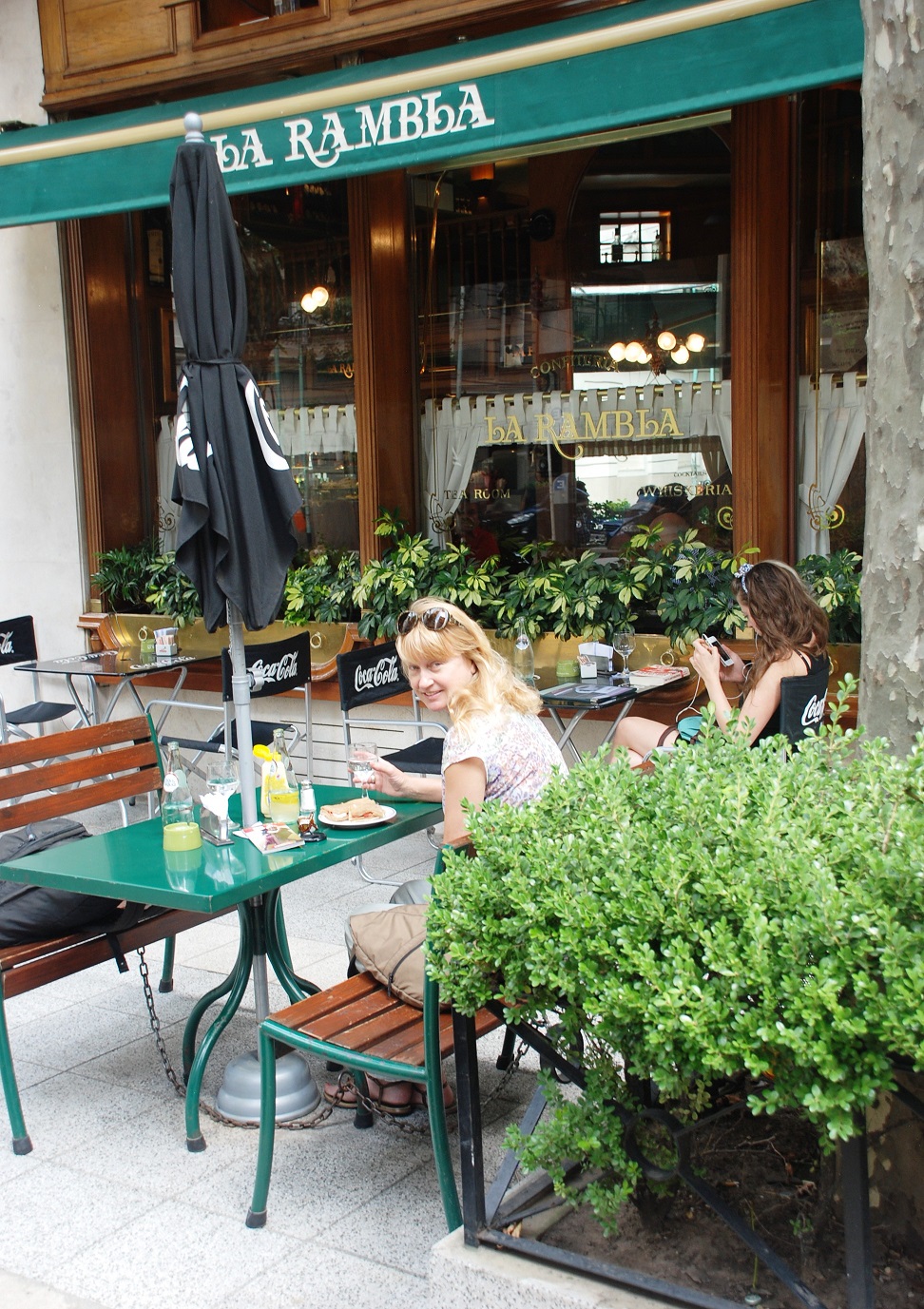
At lunch in the Recoleta area

At lunch in the Recoleta area

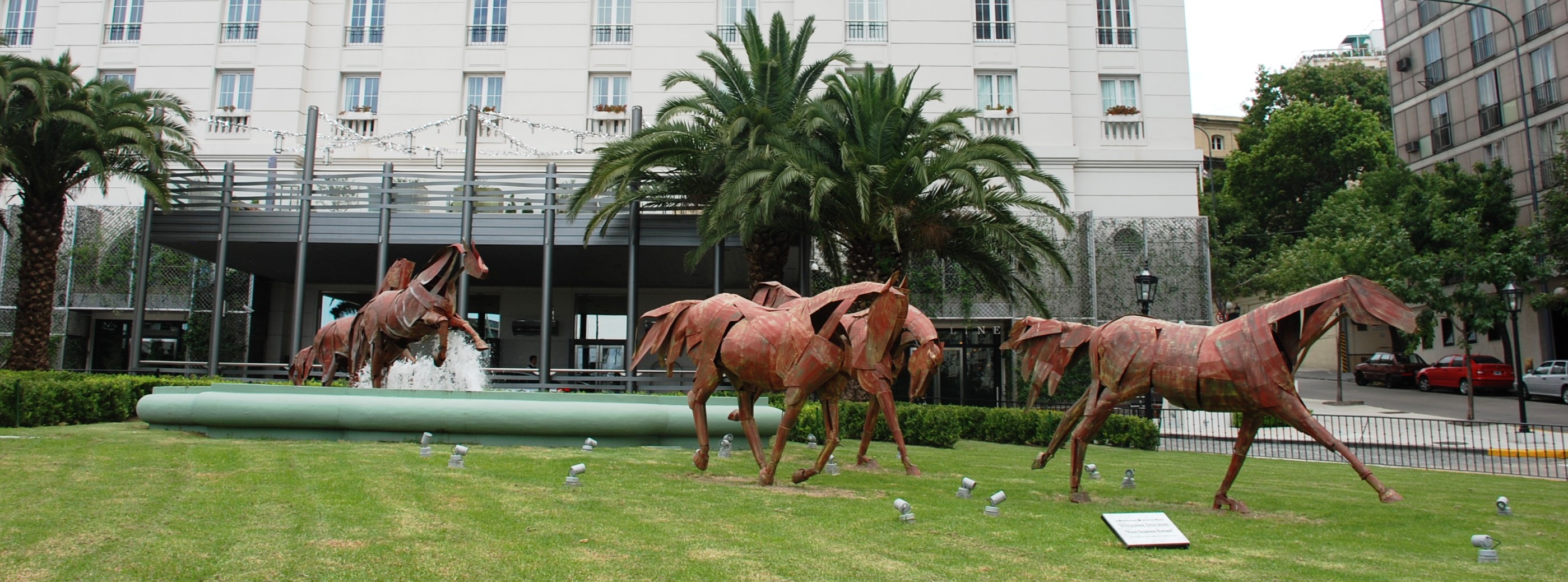
The Four Season's hotel horse sculptures

The Four Season’s hotel horse sculptures

horse sculpture

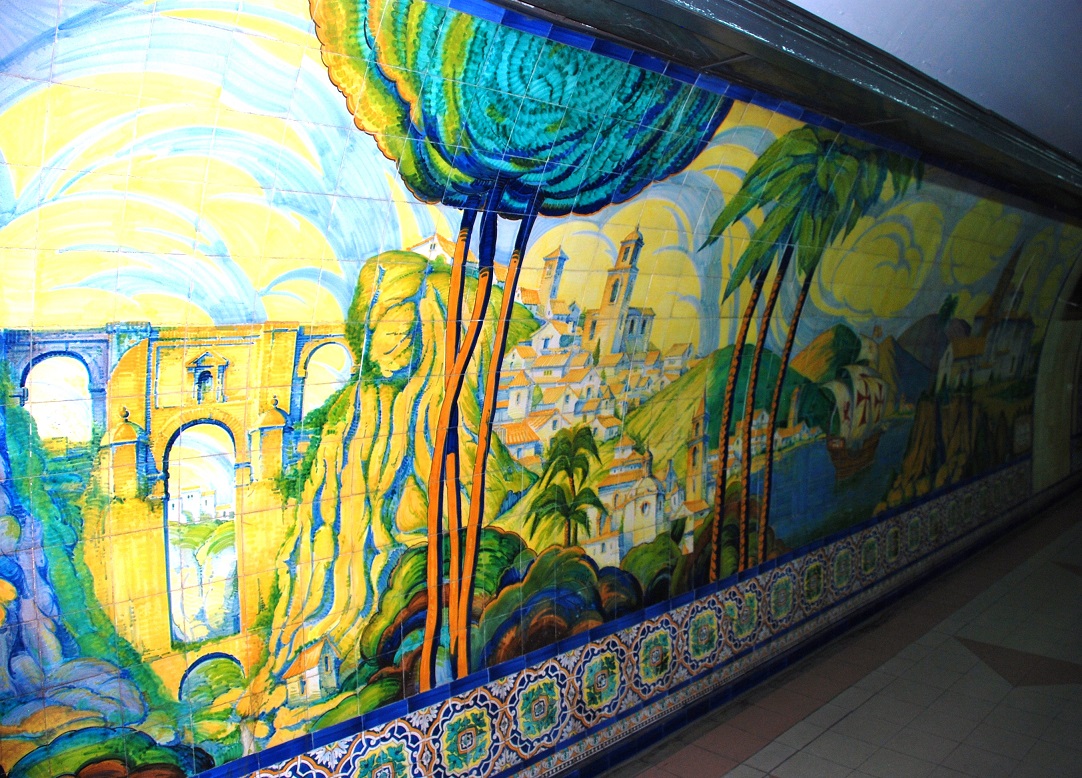
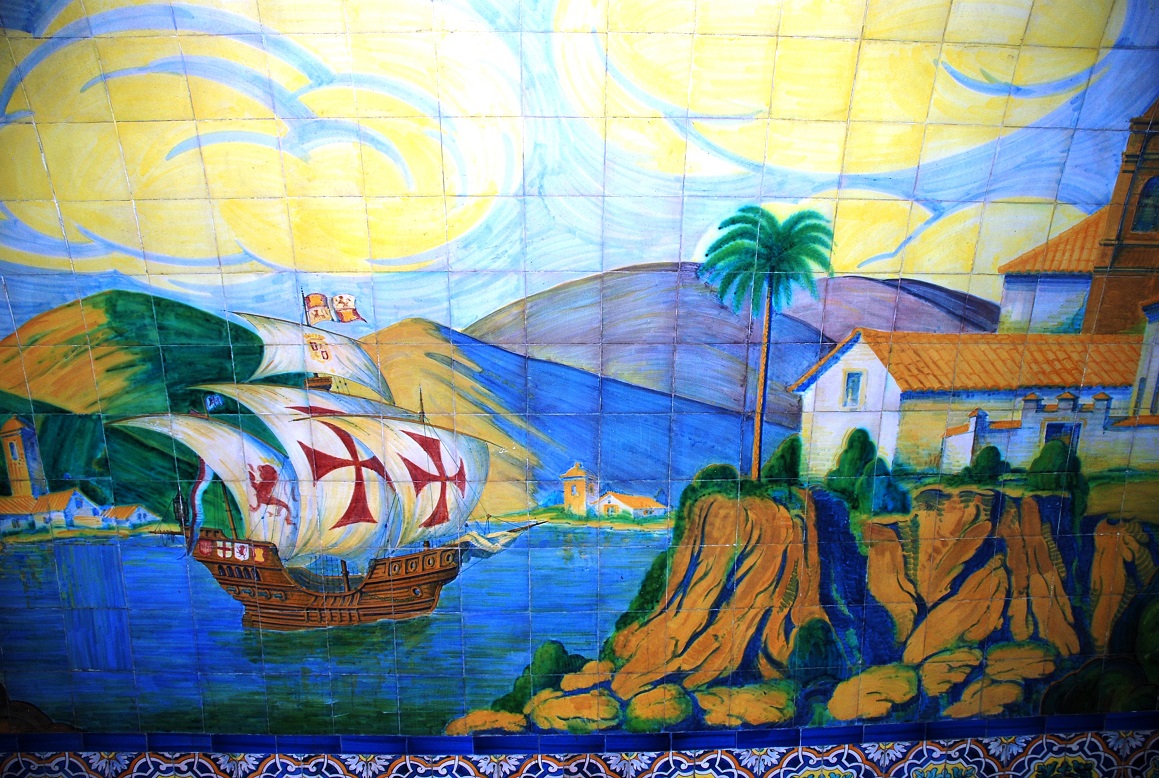
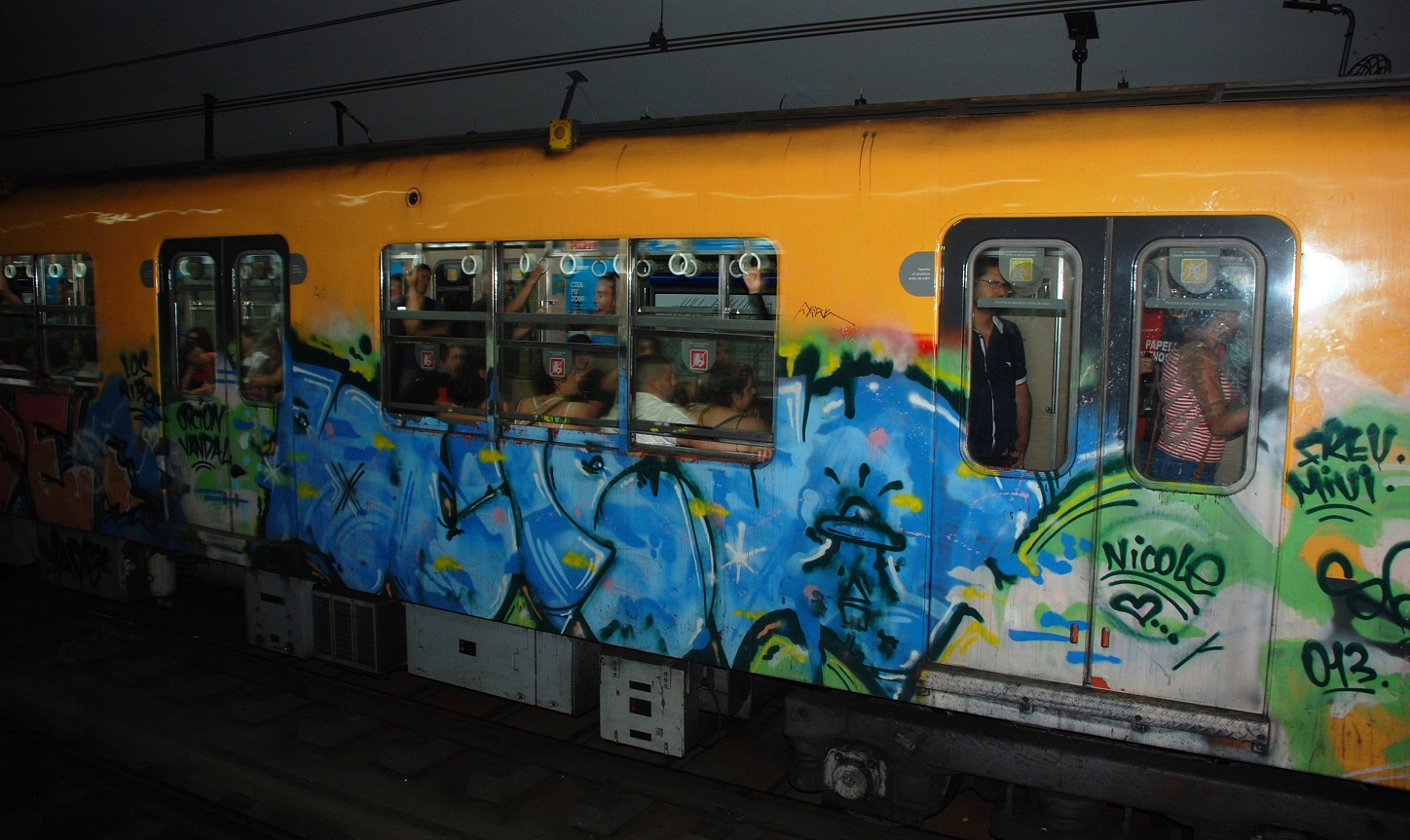
After lunch we took the subte to San Telmo for yet another street market.  The subte, the underground subway, is easy to use and safe.  Some of the stations have beautiful ceramic tile scenes, but the ugly graffiti is here too.

Subte staion tile art

Subte staion tile art

subway tile

Graffiti on a subway car

Graffiti on a subway car

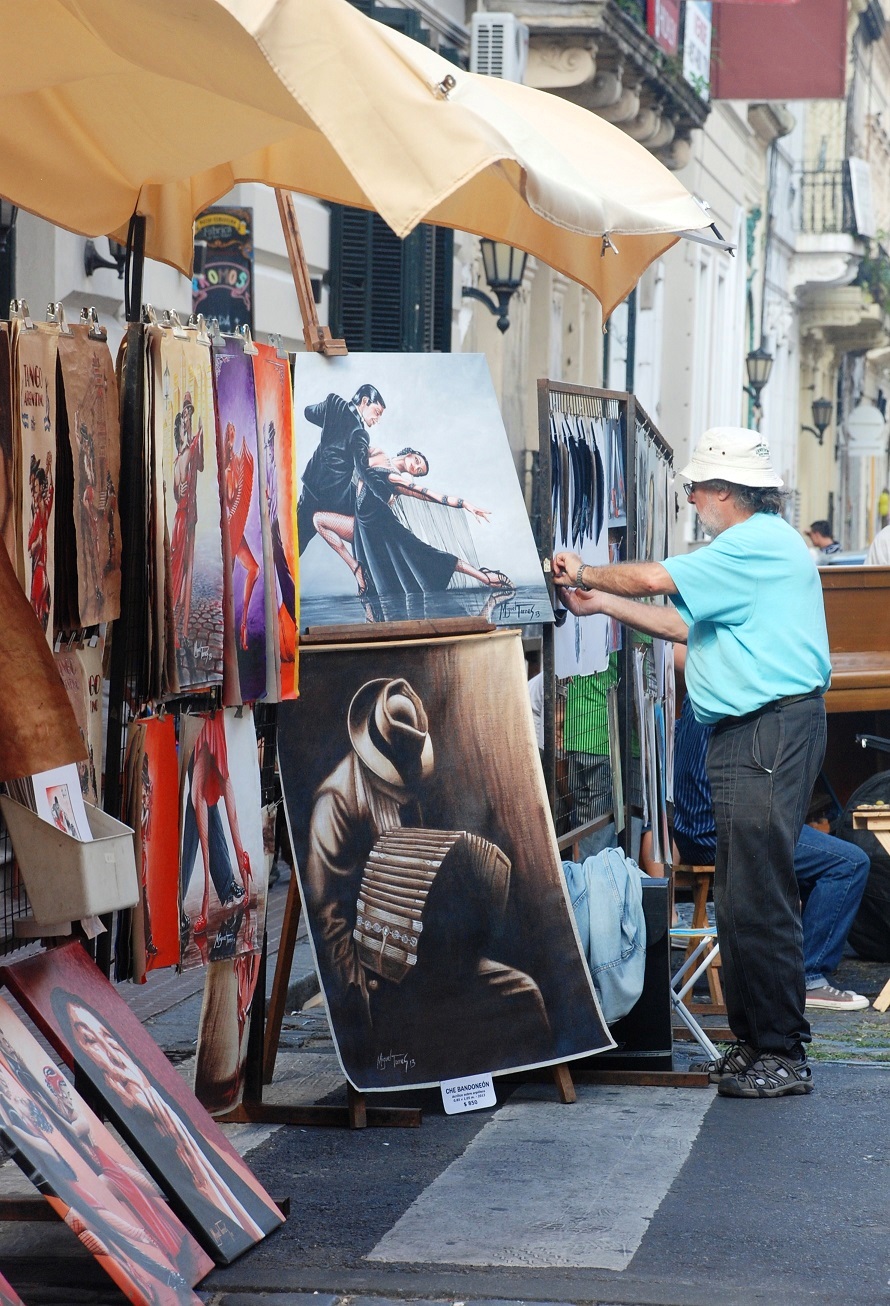
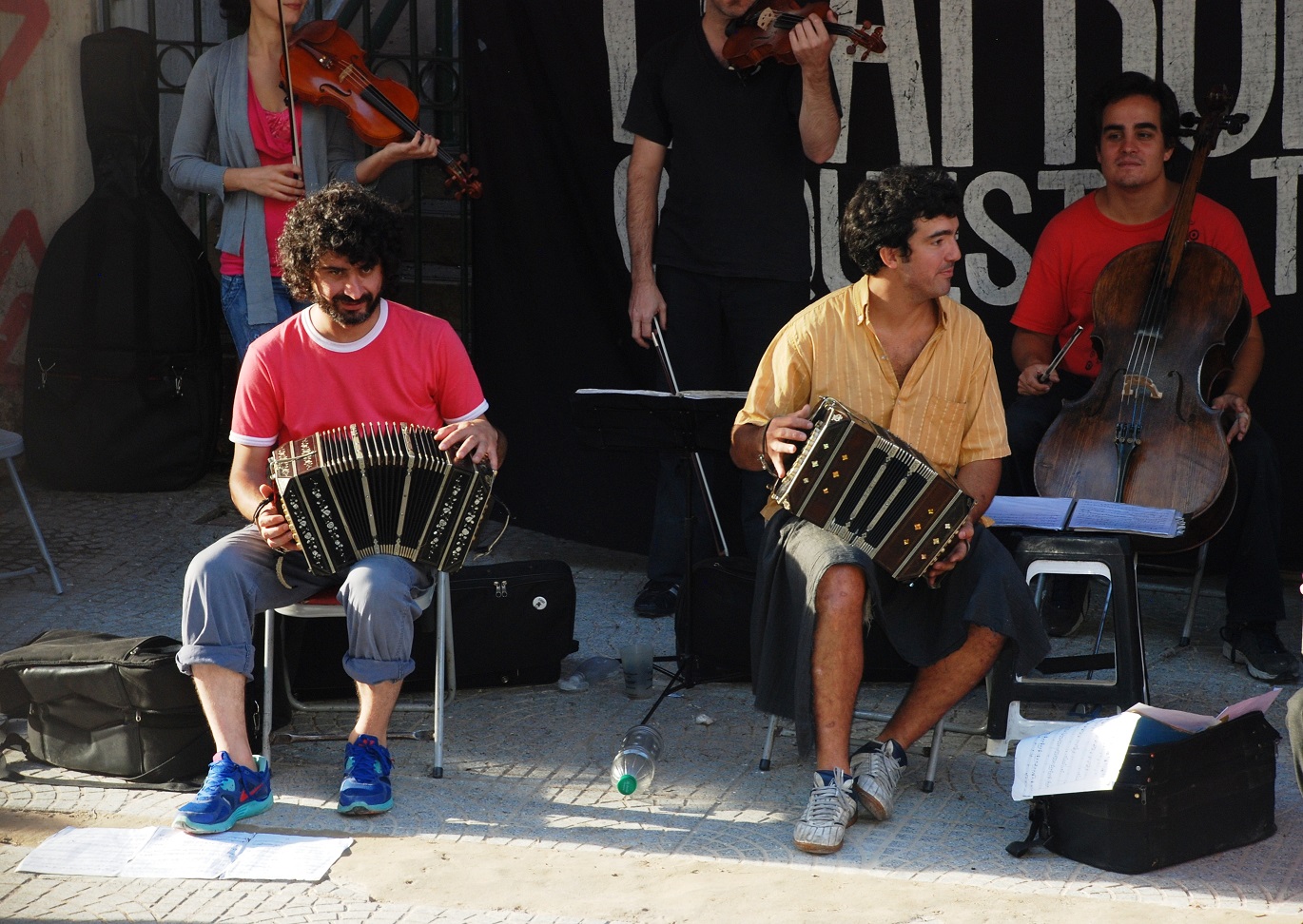
The San Telmo market is set around Plaza Dorrego and began as a mostly antique market.  The original antique market is still there at Plaza Dorrego, but it has expanded to many more blocks along Defensa.  We walked what felt like miles on the cobble stone streets, making purchases and stopping to listen to the many street bands and performers.  The best we heard was an older man playing Grieg on his bandoneon, and a group of three guys on bandoneons, a bass and a piano player.

San Telmo street vendor

bandeon street music

San Telmo street market

San Telmo street market

Mate gourds for sale

Mate gourds for sale

We did the “must do” of having a refreshment in the old Bar Plaza Dorrego, and waited for the start of the 8 pm Milonga (a tango dance outside in the plaza).

Bar Plaza Dorrego exterior

Bar Plaza Dorrego exterior

Bar Plaza Dorrego interior

Bar Plaza Dorrego interior

The Plaza Dorrego melano

The Plaza Dorrego melanga

My sister doing what she loves best, dancing the tango

My sister doing what she loves best, dancing the tango

Posted in Argentina | Leave a comment

Norway in January

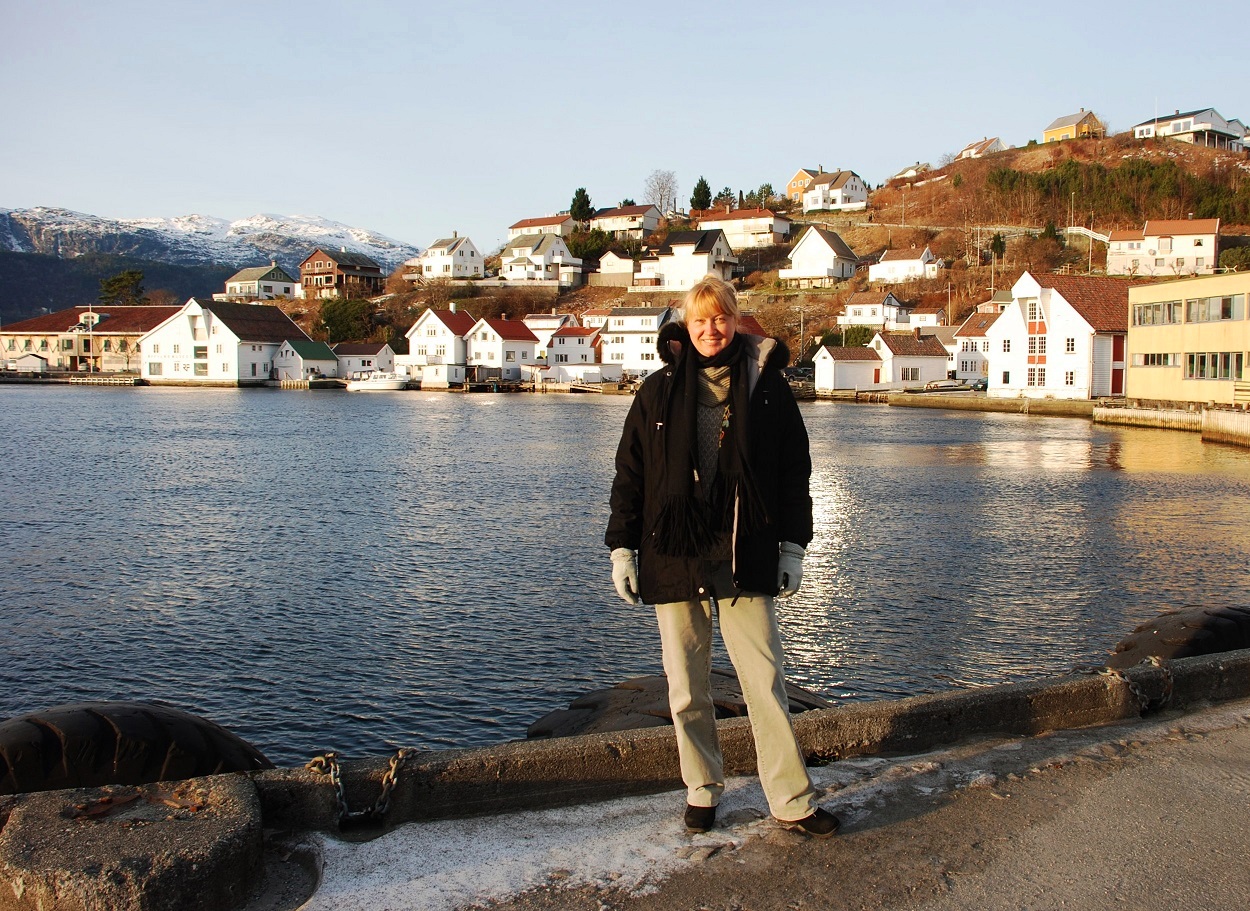
Me on the Sand waterfront, January

Me on the Sand waterfront, January

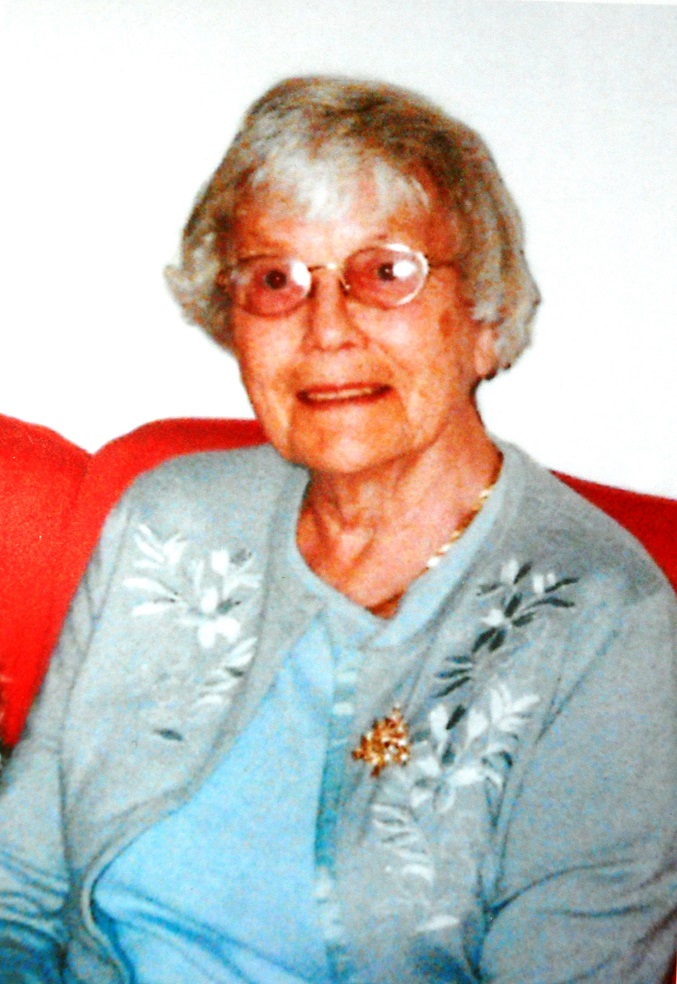
The occasion that brought me to Norway in January was a solemn one.  My aunt, my father’s sister, passed away.  She had lived a good life, over 90 years, having been born and raised and now passed away in the same small town in Norway.  She lived her life the way she wanted.

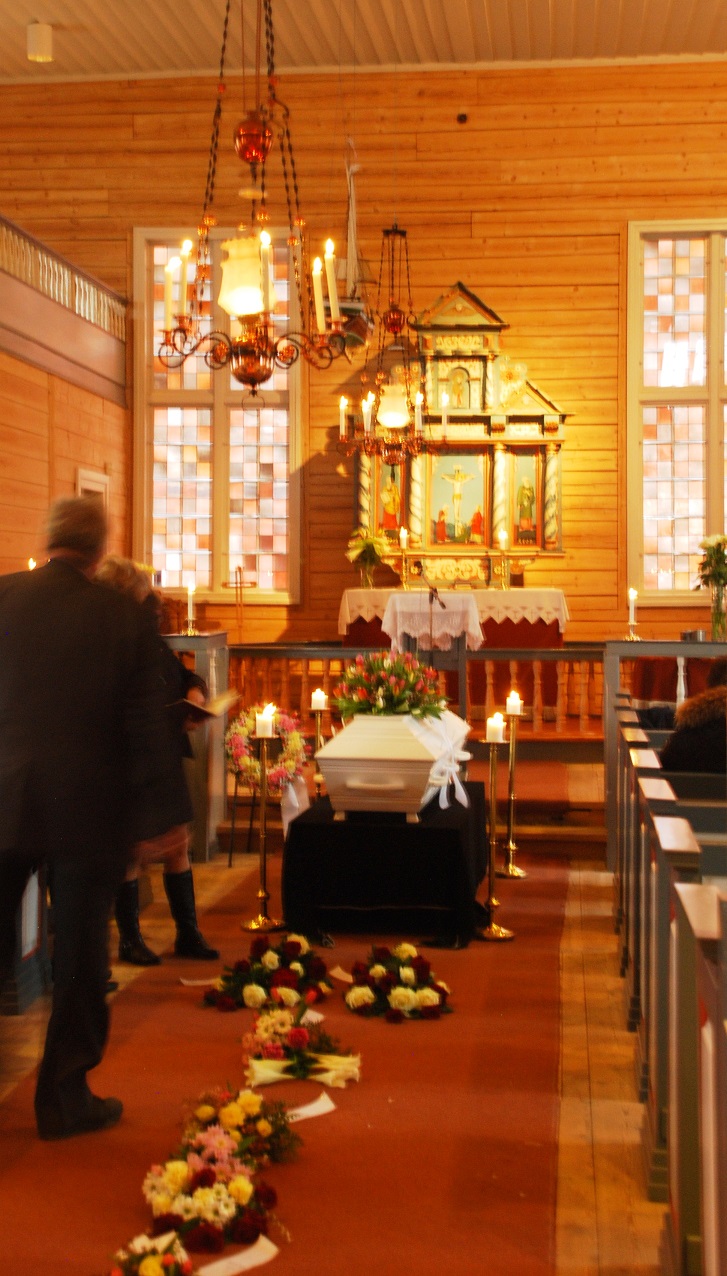
It was a nice ceremony, in the way she wanted.

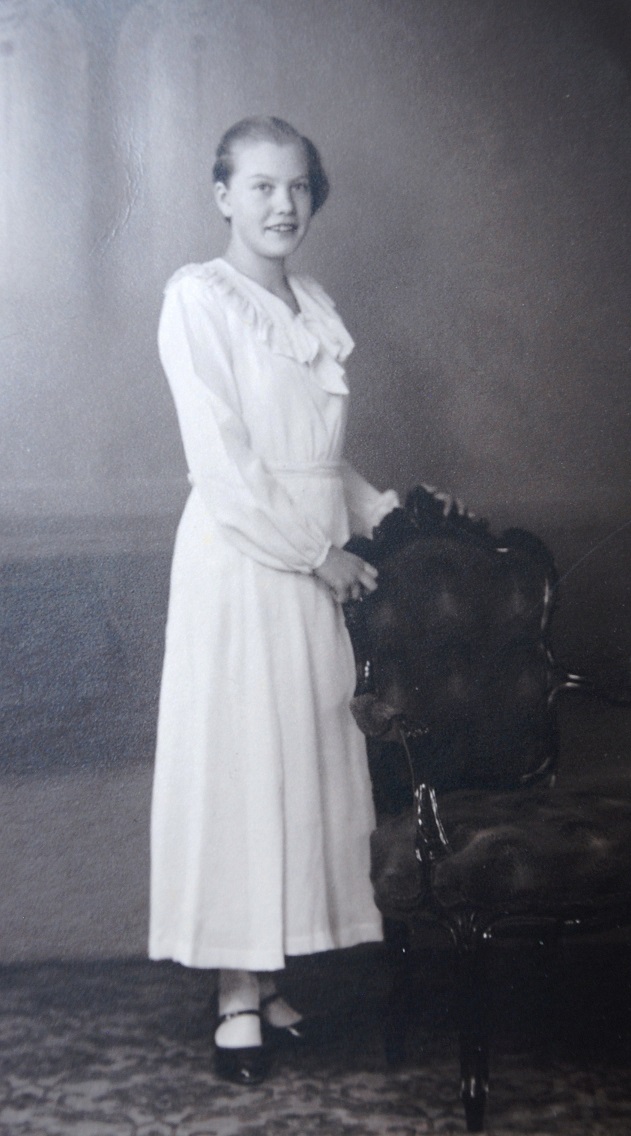
My aunt at her confirmation, aged 14

My aunt at her confirmation, aged 14

My aunt in a recent photo

My aunt in a recent photo

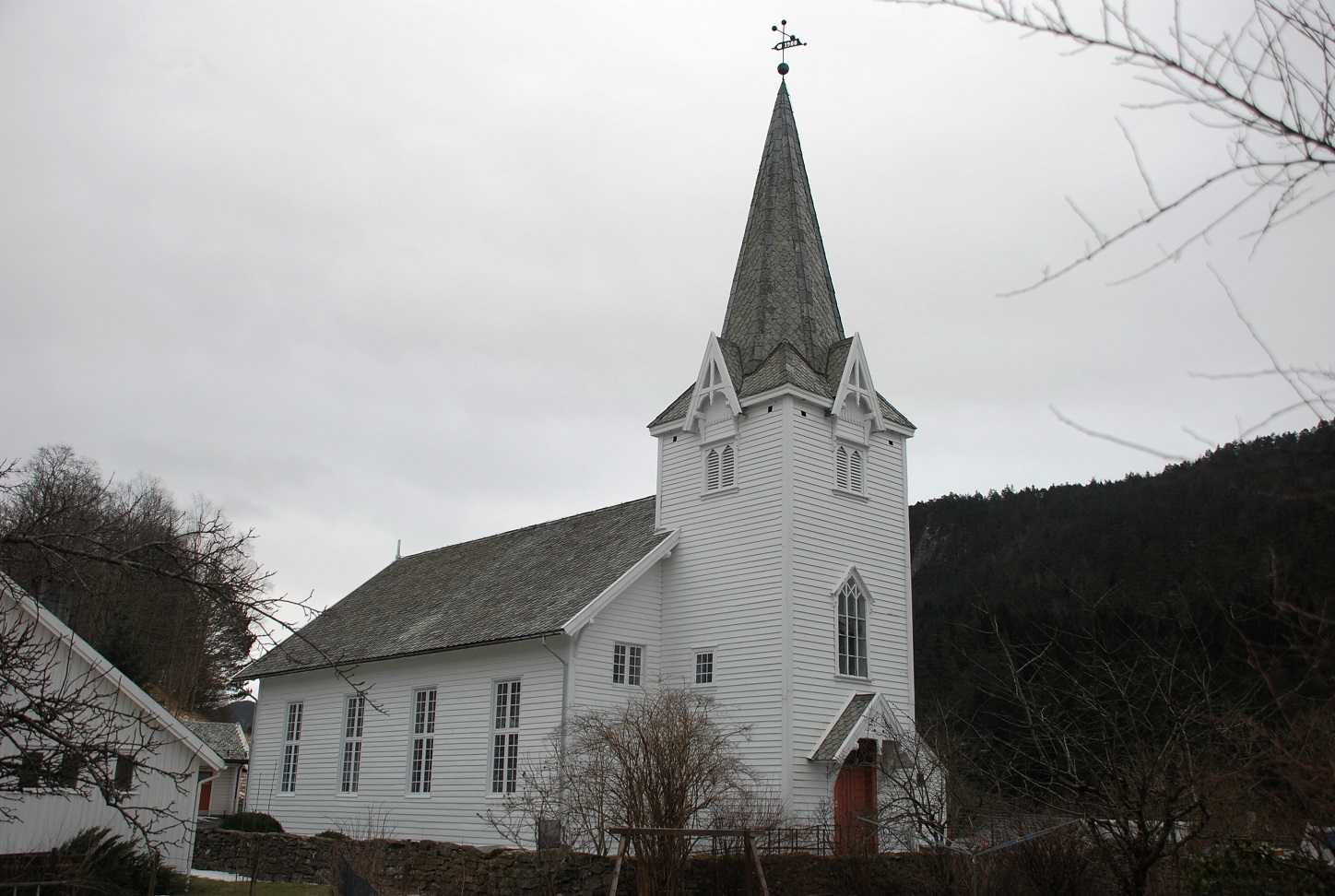
The church in Sand where my aunt was baptized, confirmed, and now memorialized

The church in Sand where my aunt was baptized, confirmed, and now memorialized.

during the ceremony

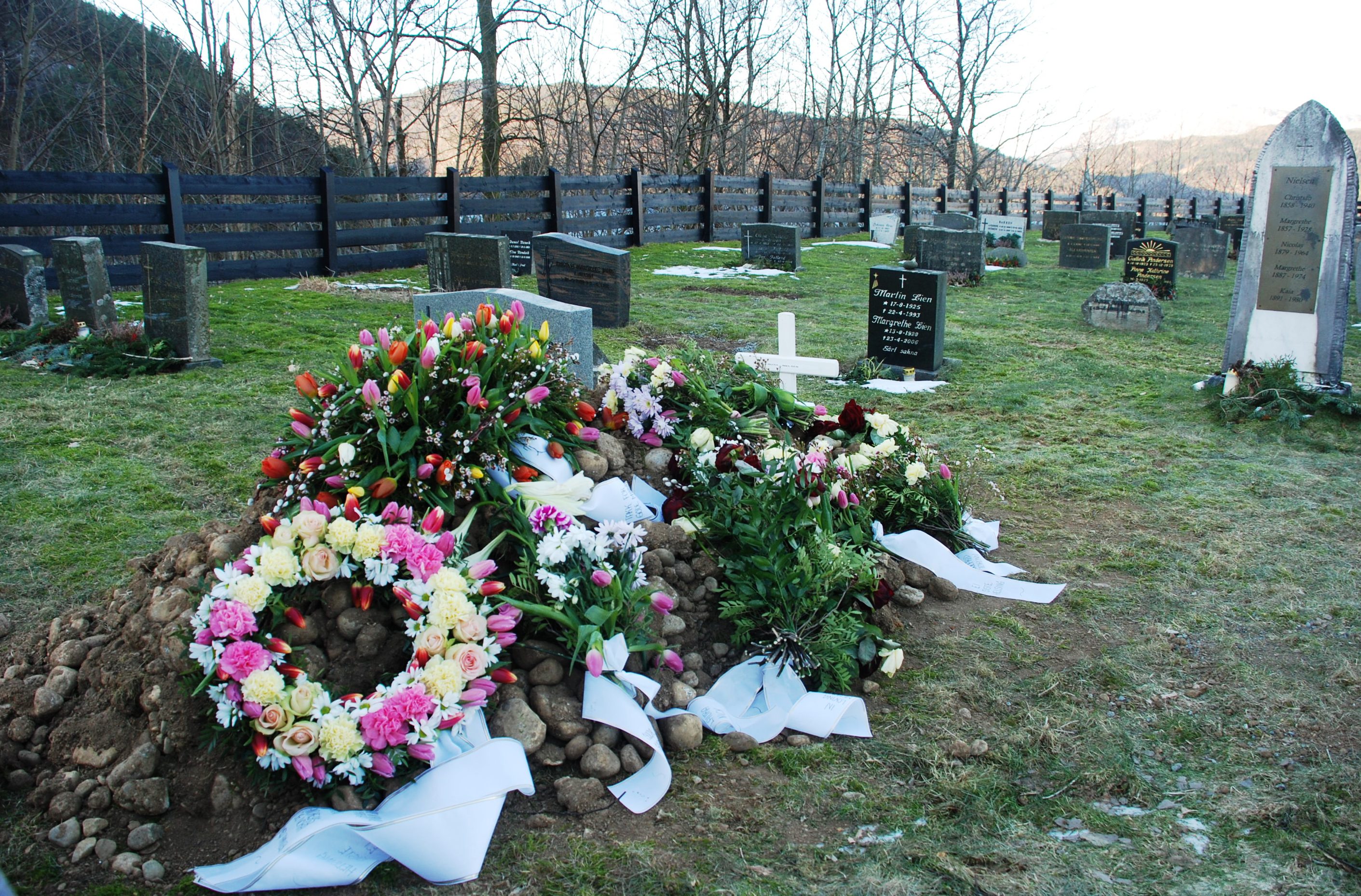
day after

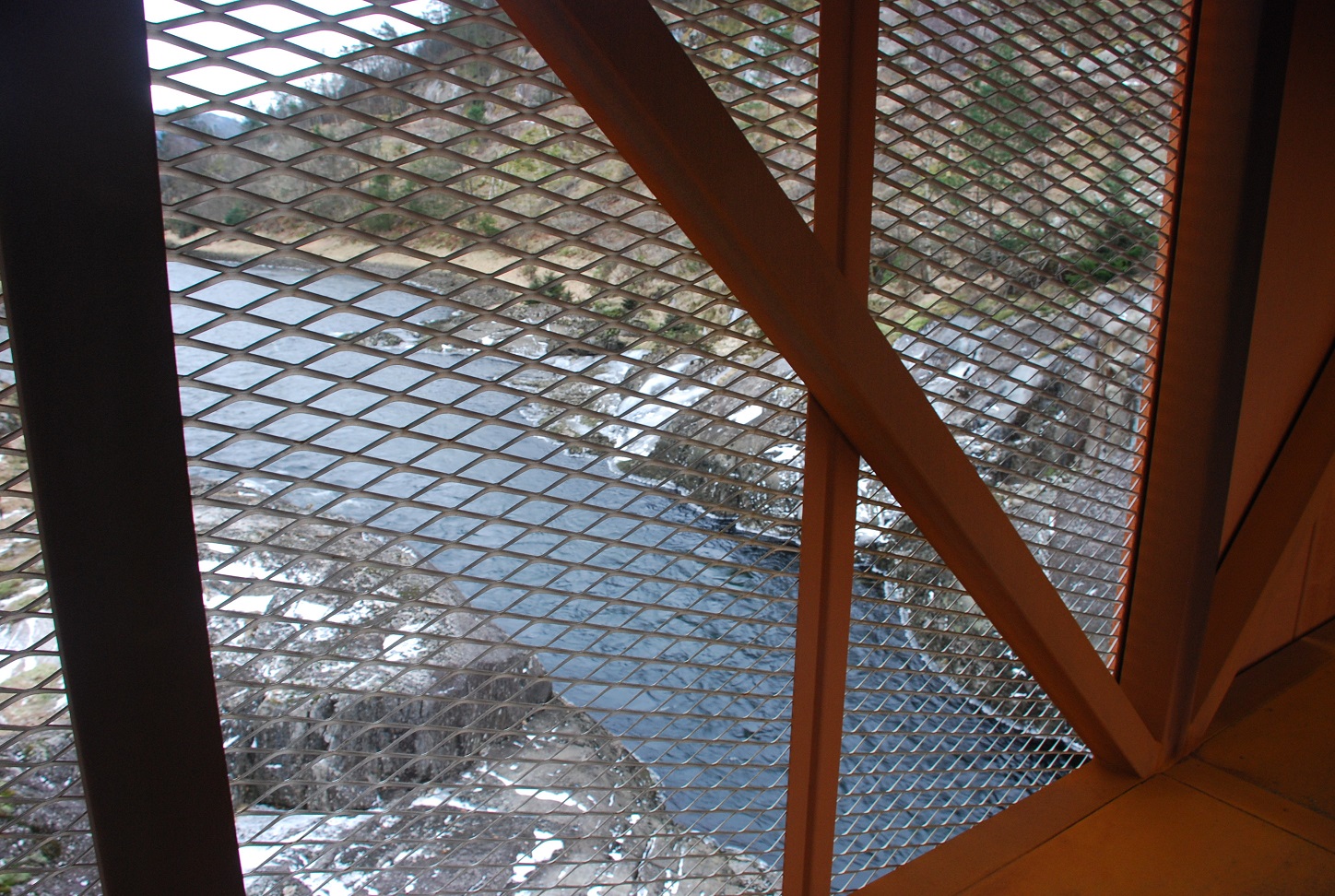
My aunt’s house is just a few blocks from the newly built Høse Bridge, recipient of Travel + Leisure Best Bridge award among others.

The new bridge in Sand.  This photo was taken at 4:45 pm.

The new bridge in Sand. This photo was taken at 4:45 pm.

From the magazine:

Best Bridge Høse Bridge, Sand, Norway

Designed by Rintala Eggertsson Architects

At the request of the citizens of Sand, Norway, who wished to connect their town to a vast woodland, architects Sami Rintala, Dagur Eggertsson, and Vibeke Jenssen devised a deceptively simple link. The rigorous steel structure is as tough as the bedrock to which it is anchored, but stretches of wall are, by turns, panels of solid Cor-Ten and sheets of porous stainless-steel mesh. The effect of closed and open space over rushing water delivers, in a span of 70 feet, a uniquely varied audio and visual passage—and an elegant interplay of the man-made and natural.

201401-w-design-awards-2014-hose-bridge-sand-norway

In January, the sun rises at about 8 to 8:30 am and it starts to set between 4 and 4:30 pm.  The sun never rises high enough to even think of using sunglasses, even on a cloudless day.  The temperature stayed right around 0 C, with light snow showers now and then.

Looking our from the new bridge.

Looking our from the new bridge.

The new bridge at night.  Most of the residents we spoke with don't really like the new bridge, but hope that is grows on them.

The new bridge at night. Most of the residents we spoke with don’t really like the new bridge, but hope that is grows on them.

The Fjord Hotel in Sand.

The Fjord Hotel in Sand.

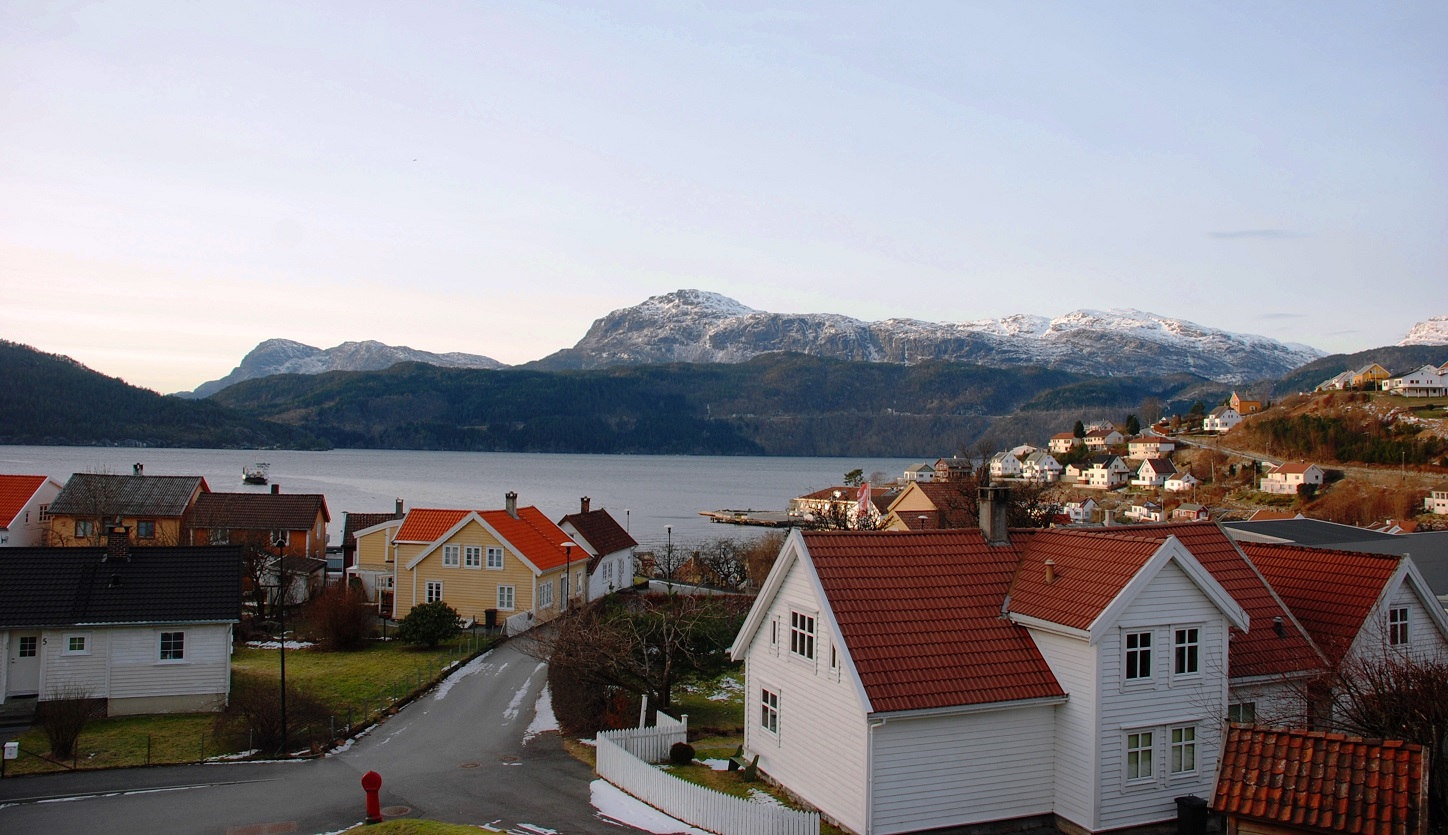
Looking west

Looking west

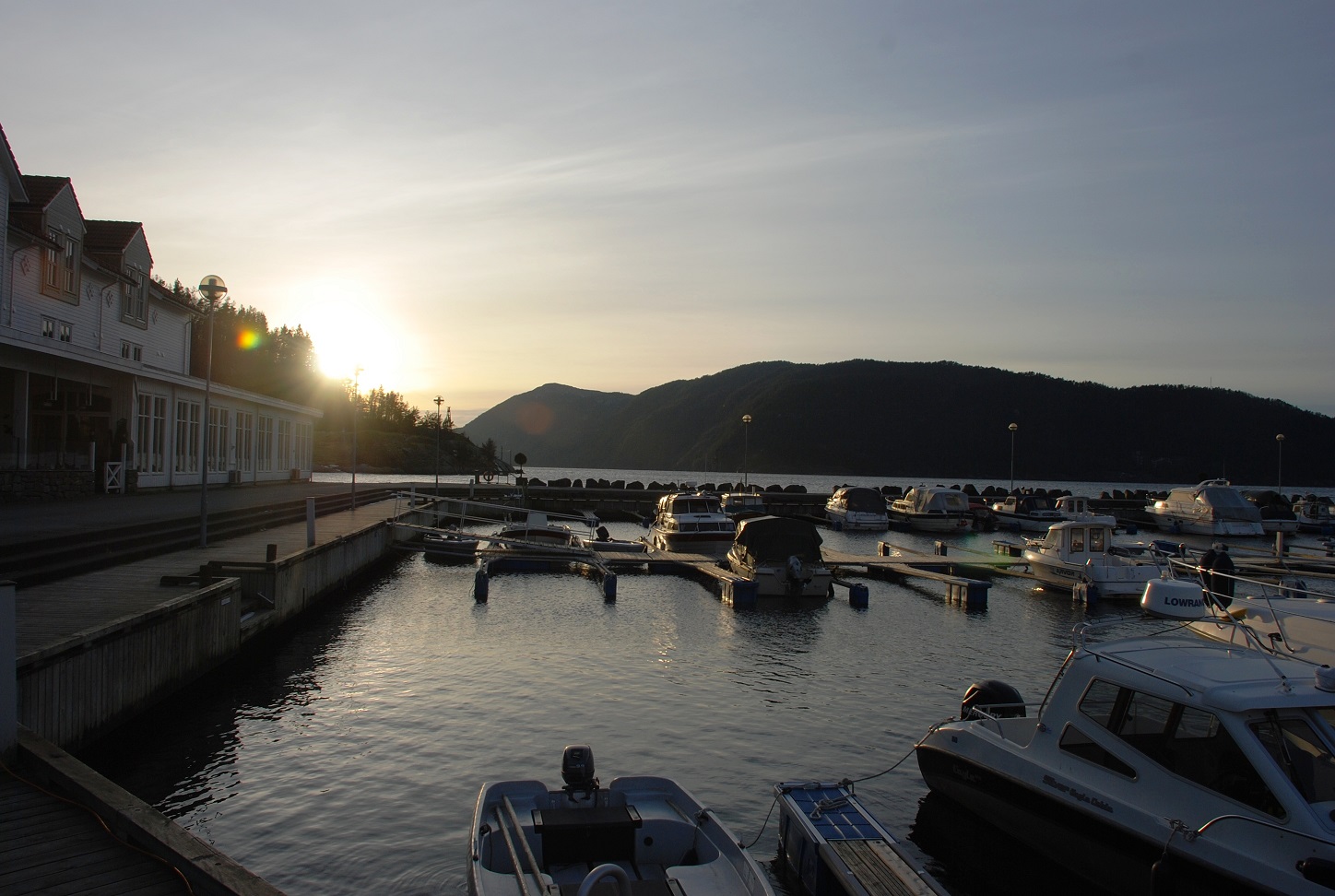
The afternoon sun looking south

The afternoon sun looking south

Posted in Family, Norway | 4 Comments

God Jul!

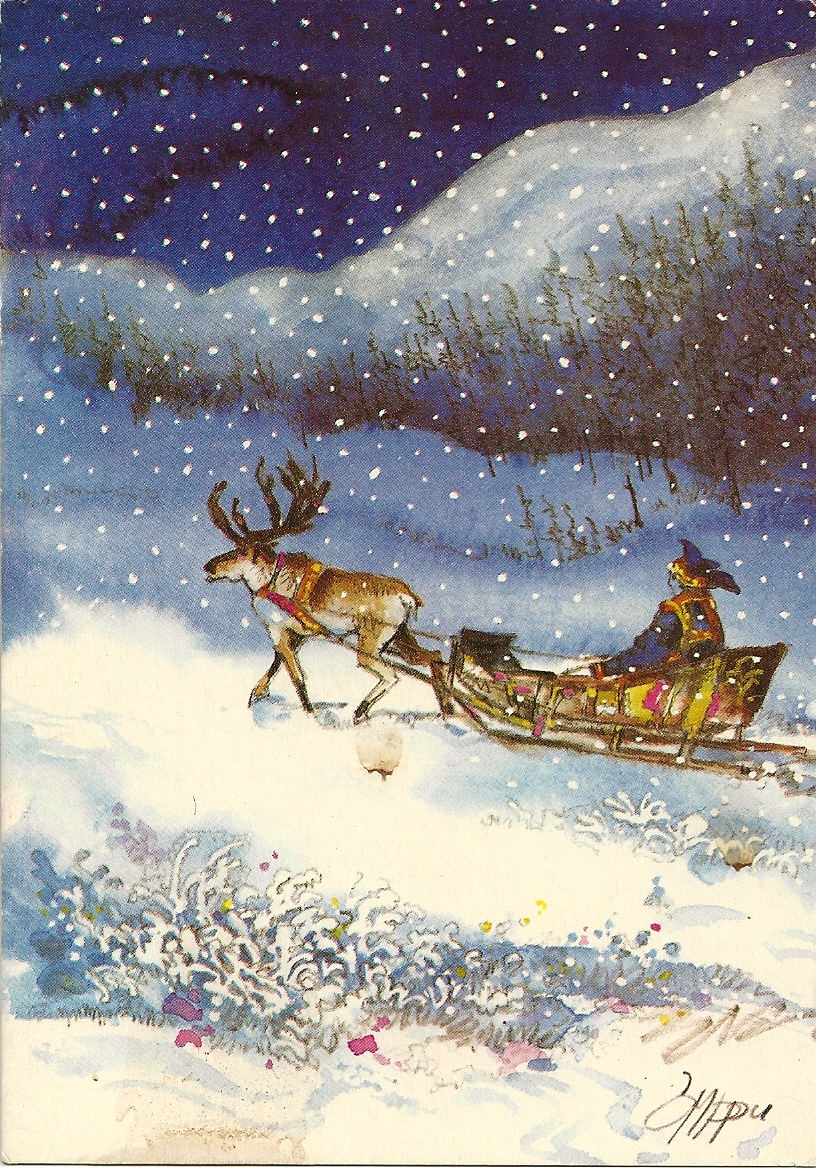
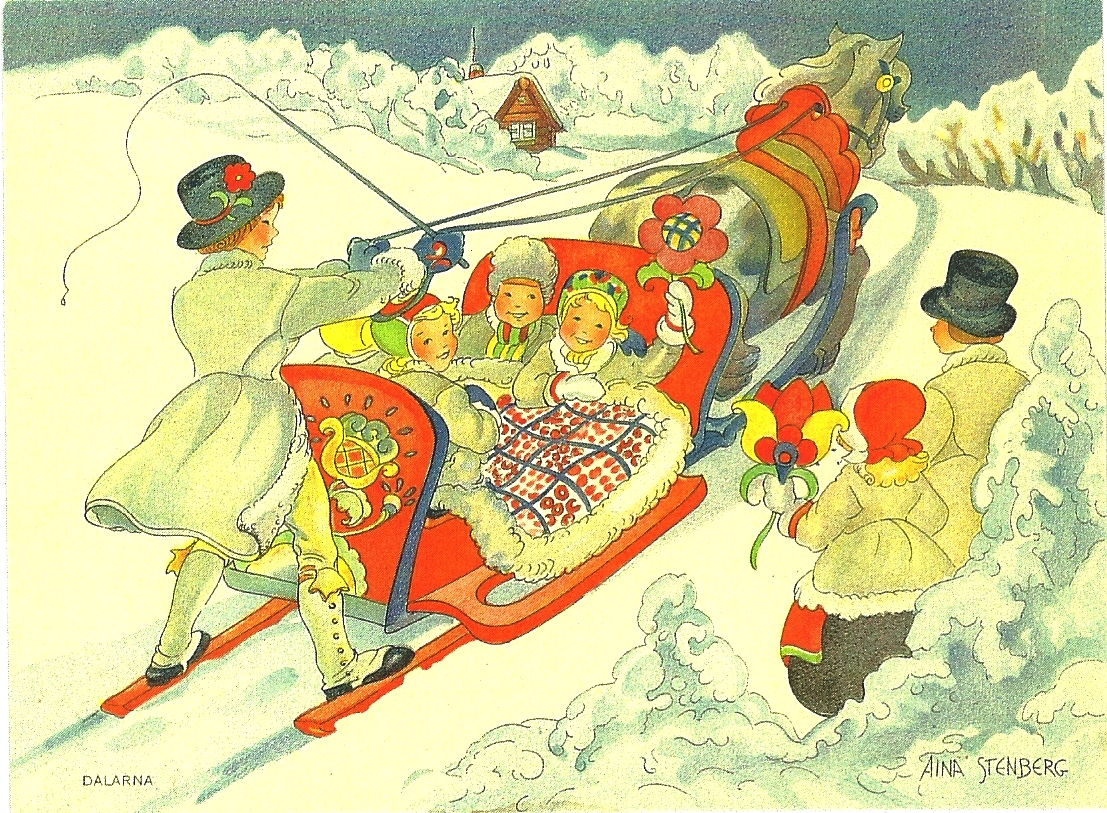
These postcards are from my grandmother’s collection, some of them from her mother, brought from Sweden many years ago.

Rauhallista Joulua ja Hyvaa Uutta Vuotta

Rauhallista Joulua ja Hyvaa Uutta Vuotta

God Jul och Gott Nytt Ar

God Jul och Gott Nytt Ar

Swedish Christmas 2

Swedish Christmas 1

snow scene

God Jul!

God Jul!

God Jul

birds

Nowegian postcard

Norwegian postcard

From Dalarna

From Dalarna

Also from Dalarna

Also from Dalarna

Christmas wasn’t Christmas at our house without listening to one of our favorite albums, Christmas in Sweden.

Christmas in Sweden.  Traditional songs and dances by Ake Jelving.  Recorded in Sweden.

Christmas in Sweden. Traditional songs and dances by Ake Jelving. Recorded in Sweden.

Posted in Seasons & Holidays | Leave a comment

Christmas Prelude 2013, Kennebunkport, Maine

DSC_0187

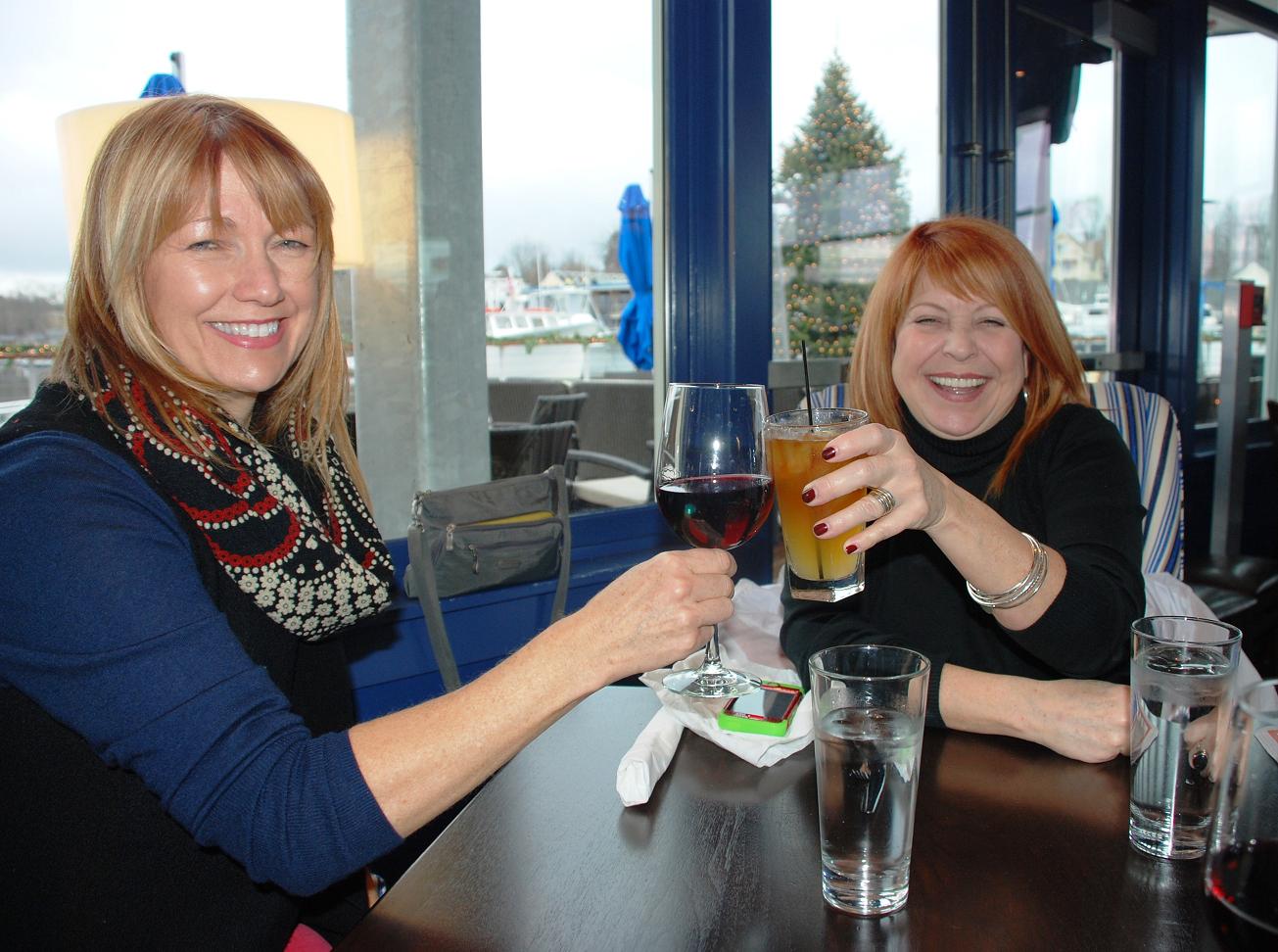
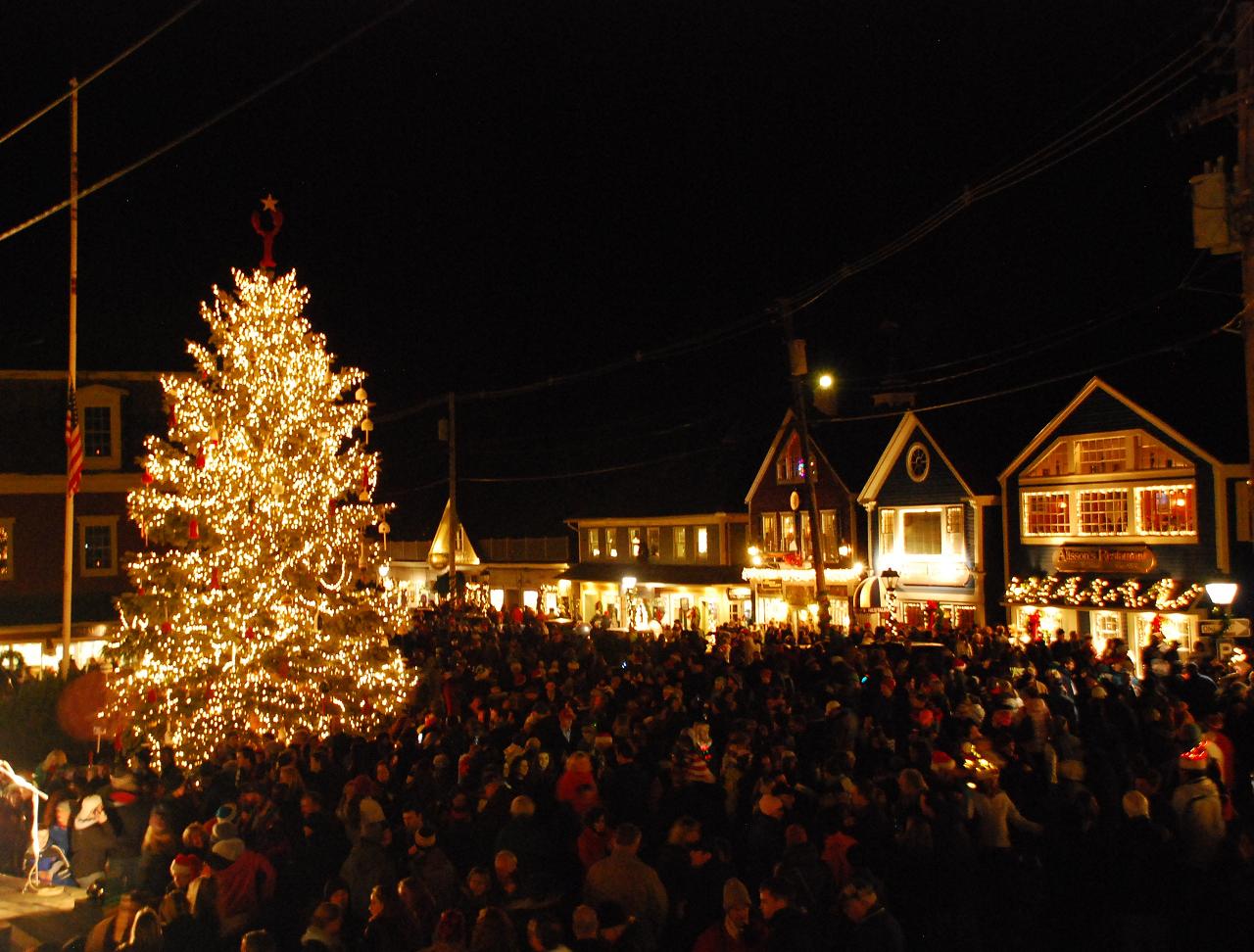
What could be better than gathering with friends to celebrate the holidays in a picturesque setting?  Nothing really, and this year when Kennebunkport celebrated its 32nd annual Christmas Prelude, we were there to eat, drink and be merry (and shop too).  The festivities included the lighting of the Christmas tree in the town center, special shopping and open house refreshments at local stores, live entertainment, arts and crafts shows, trolley rides, caroling, and historic tours.

http://www.christmasprelude.com/

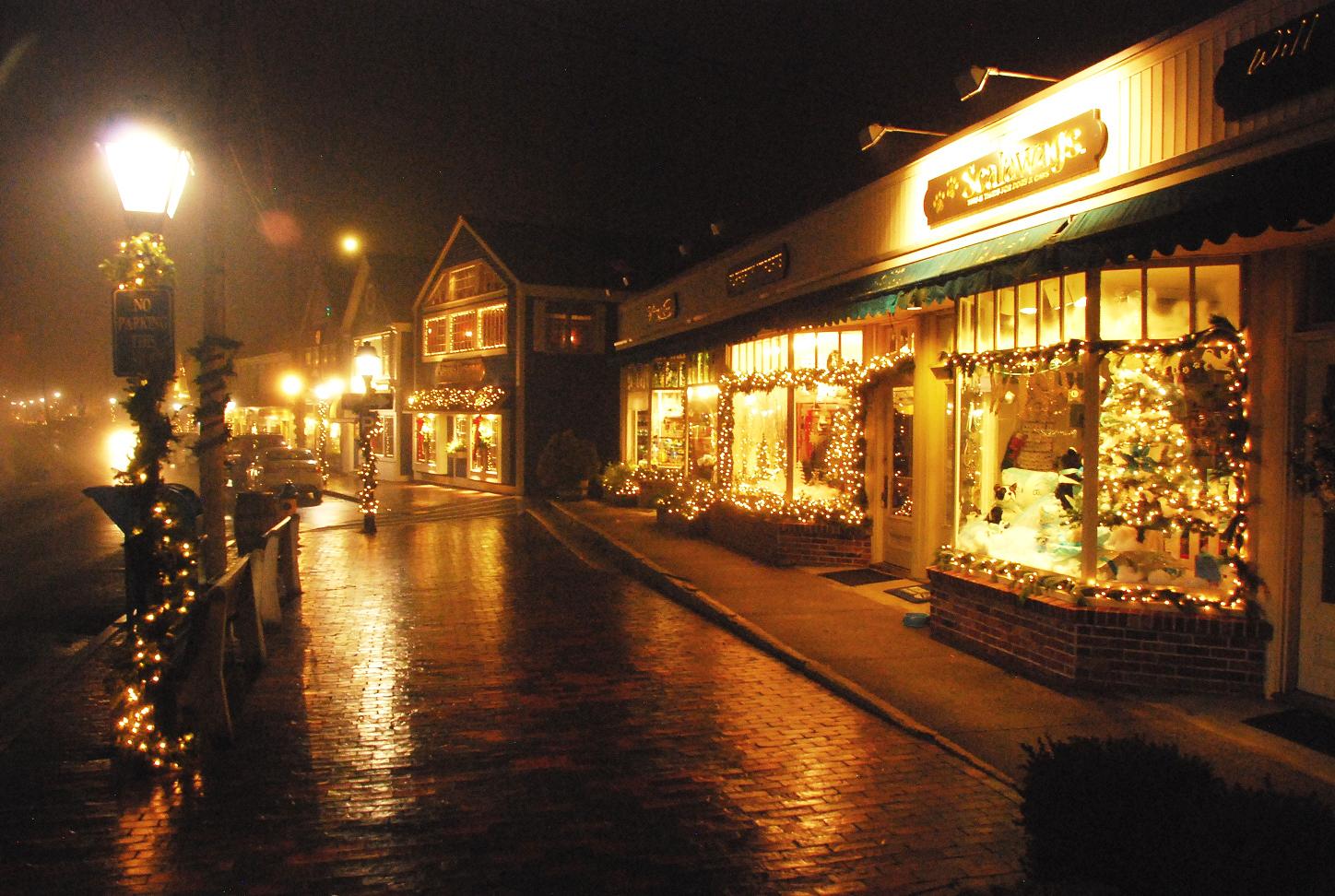
A very foggy downtown Kennbunkport, one day before the Christmas Prelude tree lighting.

A very foggy and empty downtown Kennebunkport, one day before the Christmas Prelude tree lighting.

We hoped for snow, and finally got it late Friday night.  Leading up to the snow we had cold temps, and fog.  The night before the Christmas tree lighting the streets of Kennebunkport were empty and a heavy fog shrouded the town.  Luckily, for the big tree lighting ceremony, accompanied by the talented high school choir, the fog had lifted.  The snow started just in time for the lighting of the second tree, the lobster trap tree in Cape Porpoise.

Our first day of Prelude fun started at the best consignment shop on the East Coast, Return to Cinda’s.  I geared up for the cold weather with the purchase of a warm coat among other wonderful buys.  We drove around the area looking for Christmas lights, and through the deserted streets of Kennebunkport.  Next stop was Fleurant, a lovely flower arrangements and gifts store in Kennebunk.  They had an open house with snacks and drinks.  The punch was killer.

http://www.fleurantdesign.com/

Flower arrangements at Fleurant in Kennbunk.

Flower arrangements at Fleurant in Kennebunk.

We ended the evening with a stellar meal by the fireplace at the Kennebunkport Inn.

The Kennebunkport Inn.

The Kennebunkport Inn.


The Kennebunkport Inn Christmas tree

The Kennebunkport Inn Christmas tree

For Friday, our big Prelude day, walking the decorated streets, lunch at David’s, art shows, stopping in shops and sampling open house goodies occupied us for most of the day.   Dannah’s of Kennebunkport, a favorite of ours, was decorated for Christmas with many trees, including one with shell ornaments, and one with tiny shoes.  http://www.dannahkennebunkport.com/

The entrance to Dannah's of Kennbunkport, our favorite shop in town.

The entrance to Dannah’s of Kennebunkport, our favorite shop in town.

An ornament on the Christmas tree decorated with tiny shoes at Dannah's.

An ornament on the Christmas tree decorated with tiny shoes at Dannah’s.

Open house cookies.

Open house cookies.

Lunch at David's.

Lunch at David’s.

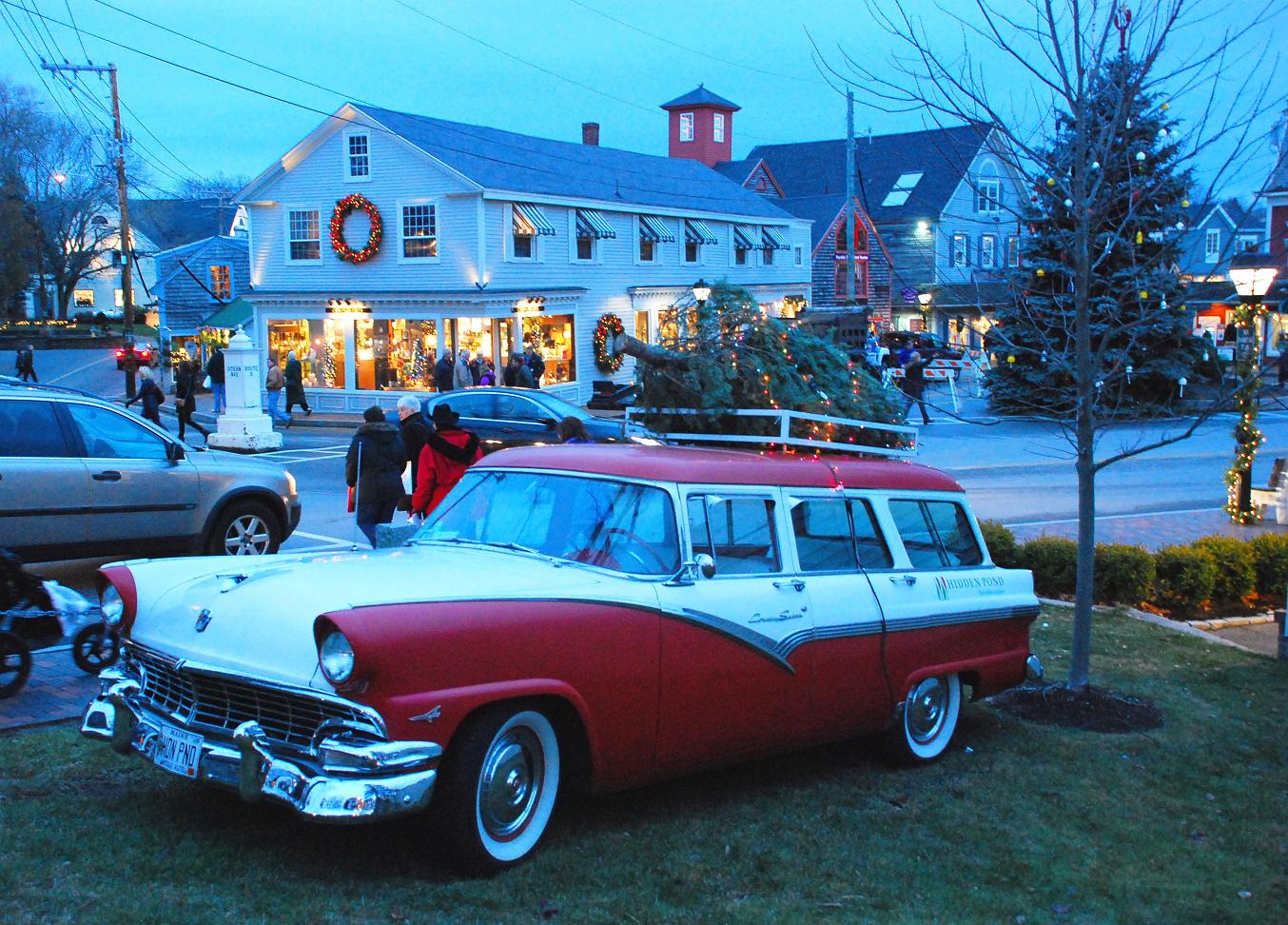
It gets dark early, between 4 and 4:30, in Maine in December, so people began to gather for the tree lighting around that time.  The main square was blocked off from traffic as the crowd grew. 

People began to gather in the town center of Kennbunkport prior to the tree lighting.

People began to gather in the town center of Kennebunkport prior to the tree lighting.

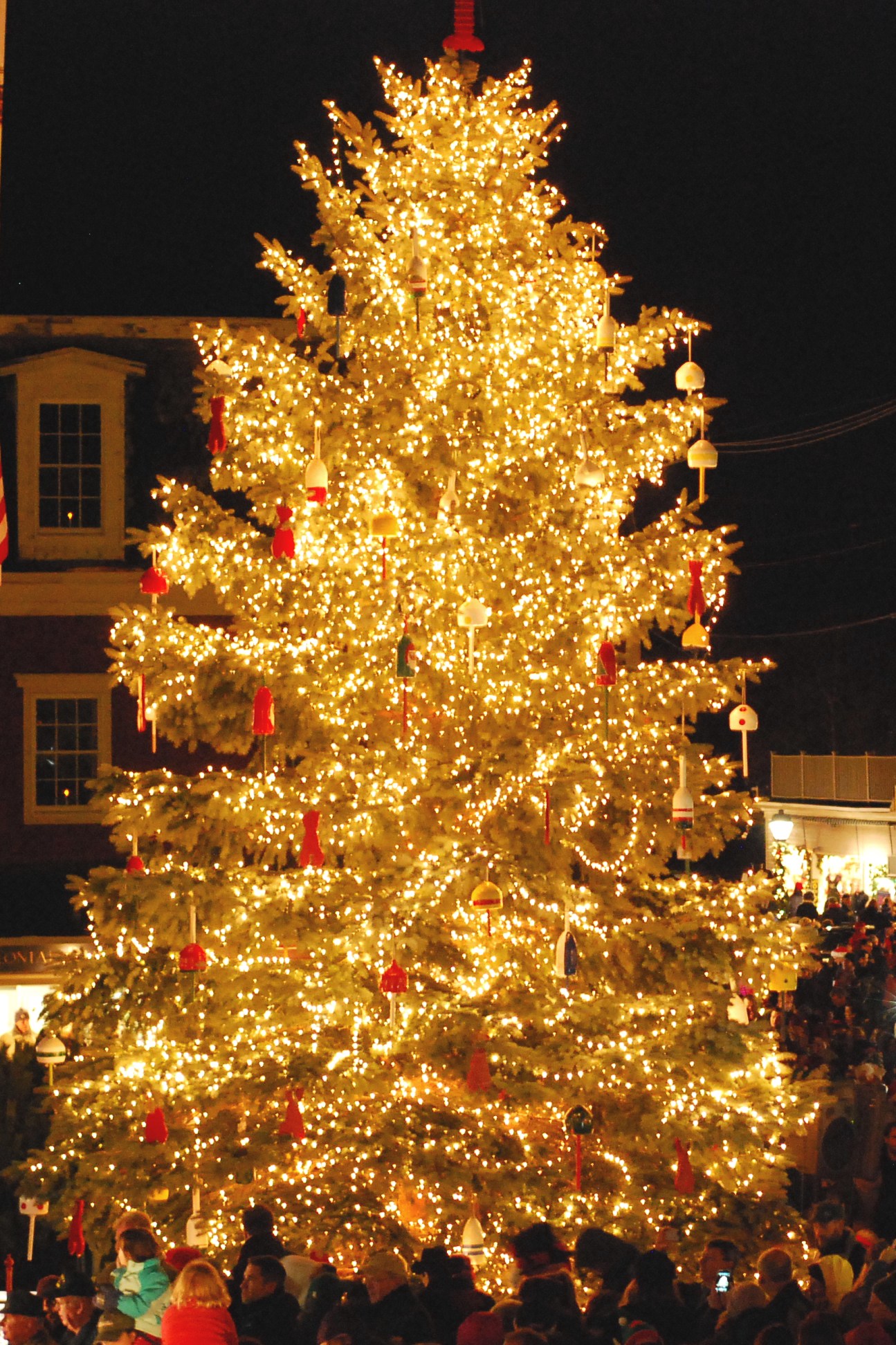
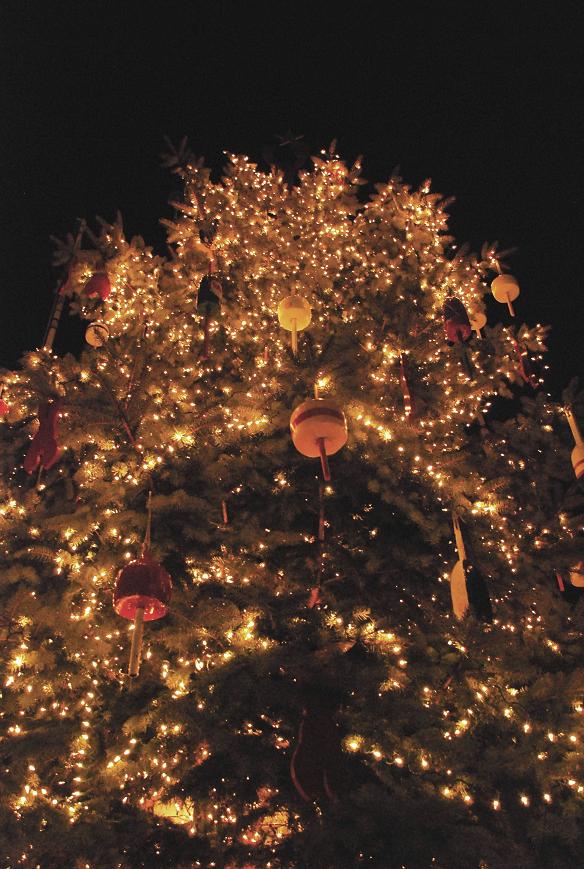
With the square packed with people, the tree remained dark.  The local high school choir sang Christmas carols, and were quite good.  Finally the moment arrived and the tree was lighted.  It was decorated with buoys and lobsters and thousands of lights.  The “star” topping the tree was, of course, a lobster.

Kennbunkport's main square at the tree lighting.

Kennebunkport’s main square at the tree lighting.

The 2013 Christmas Prelude Christmas Tree

The 2013 Christmas Prelude Christmas Tree, yes that is a lobster at the top of the tree. No star as a tree topper here in Kennebunkport.

A closeup of the ornaments

A closeup of the ornaments

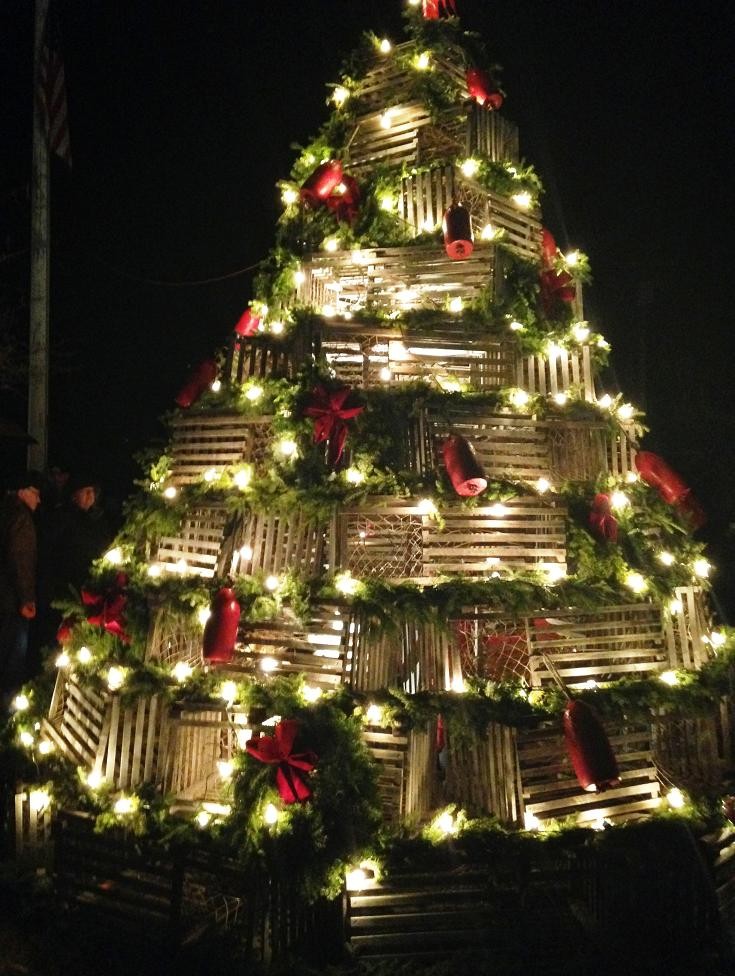
A light mix of rain and snow began to fall and we headed to Cape Porpoise, a short distance away, to watch the lighting of the lobster trap Christmas Tree.  That was a first for me, a tree made up of lobster traps, but it is pretty cool.

Cape Porpoise lobster trap Christmas tree

Cape Porpoise lobster trap Christmas tree

We finally got real snow, and headed to dinner in Cape Porpoise.

Me in front of the lobster trap Christmas tree.

Me in front of the lobster trap Christmas tree.

My morning beach walk in December was a whole lot different from a summer beach stroll, but just as beautiful.  We had snow that remained on the ground from Friday night’s snowfall, and it made for a brisk walk.

Beach snow at Old Orchard Beach, Maine.

Beach snow at Old Orchard Beach, Maine.

berries in snow

Posted in Maine, Seasons & Holidays | 2 Comments

Autumm in New England, including a tour of the Strawbery Banke Museum

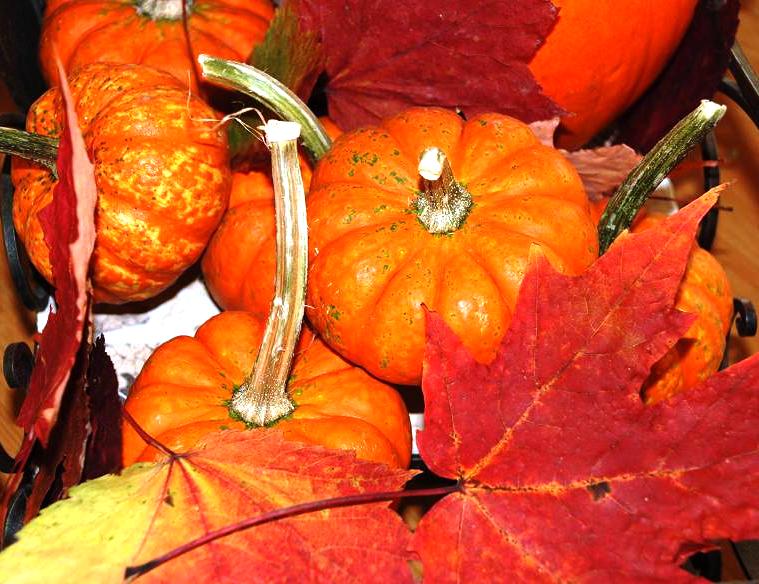
leaves

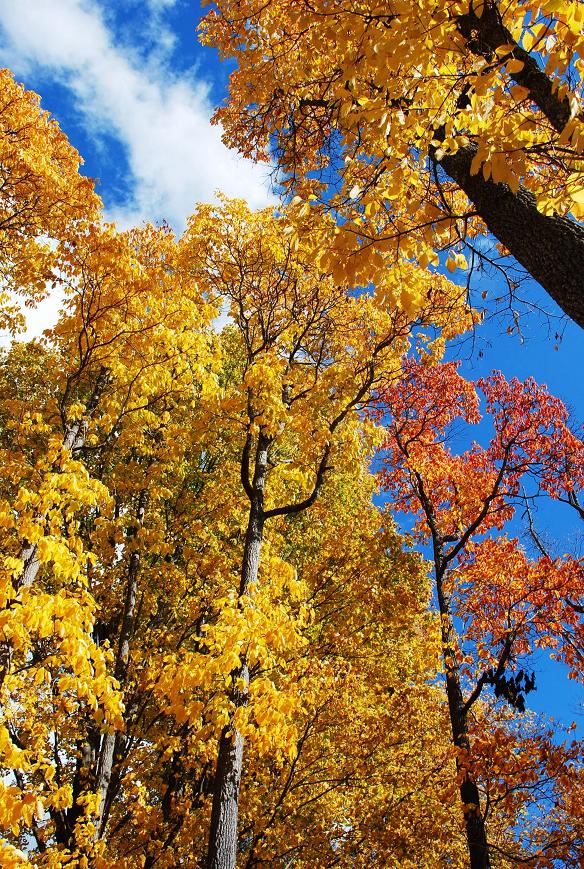
My annual Fall leaf peeping trip was mid-October this year and I was concerned I would miss the best colors.   That concern was misplaced, and we saw lots of beautifully colored Autumn foliage on a sunny October day.

fall colors

Maine is my usual destination for fall colors, but this year we also made our way to Portsmouth, NH.  Of particular interest to me was the Strawbery Banke Museum, a collection of restored homes in the Portsmouth area.

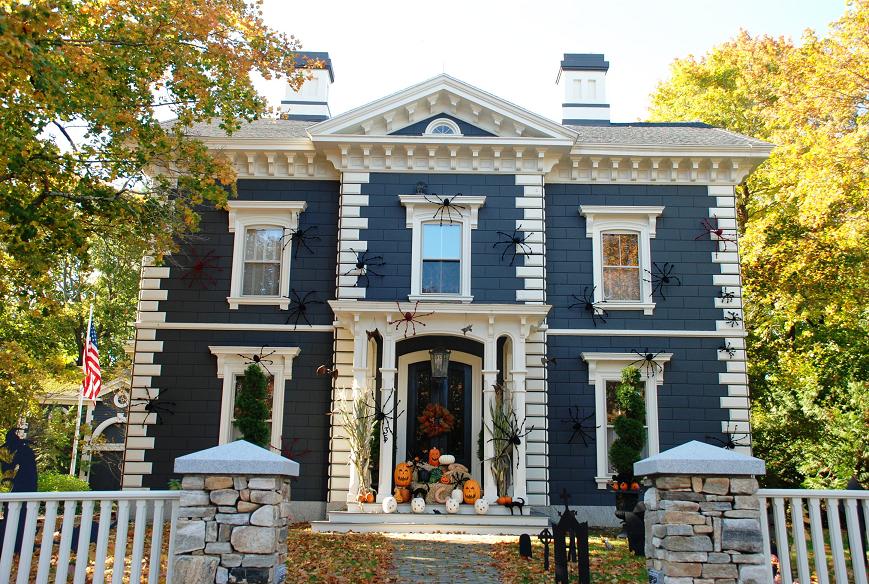
A house in Kennebunk decorated for Halloween

A house in Kennebunk decorated for Halloween

We started our leaf tour in Portland, Maine and headed south.  We cruised through Kennebunk and York, then continued further south to Portsmouth. 

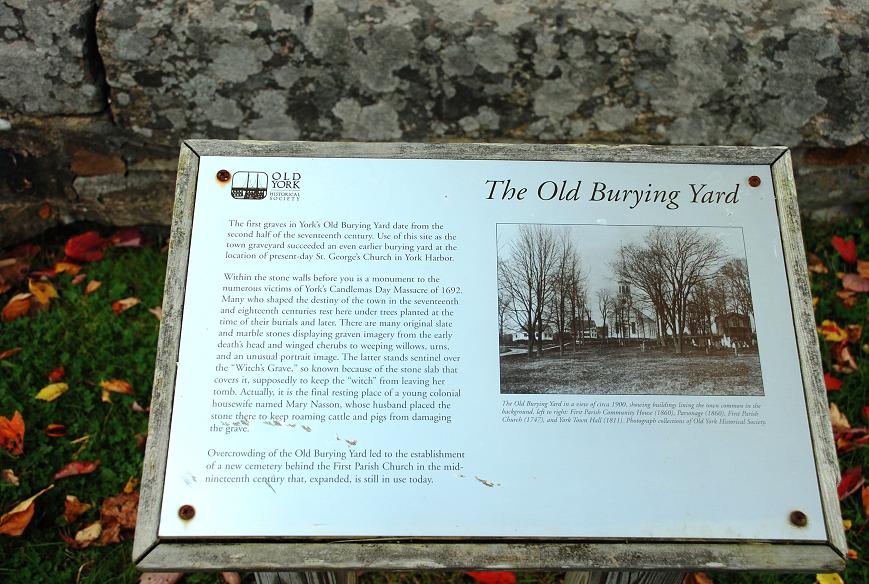
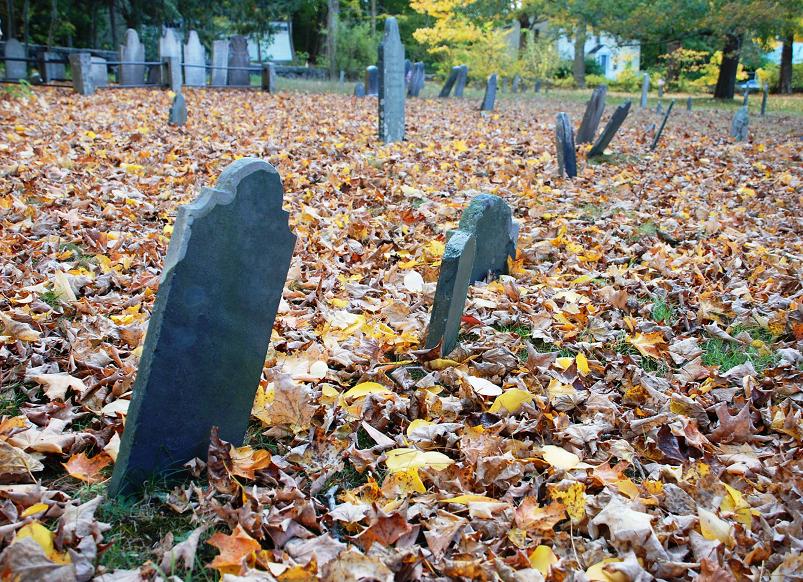
Old York Burying yard

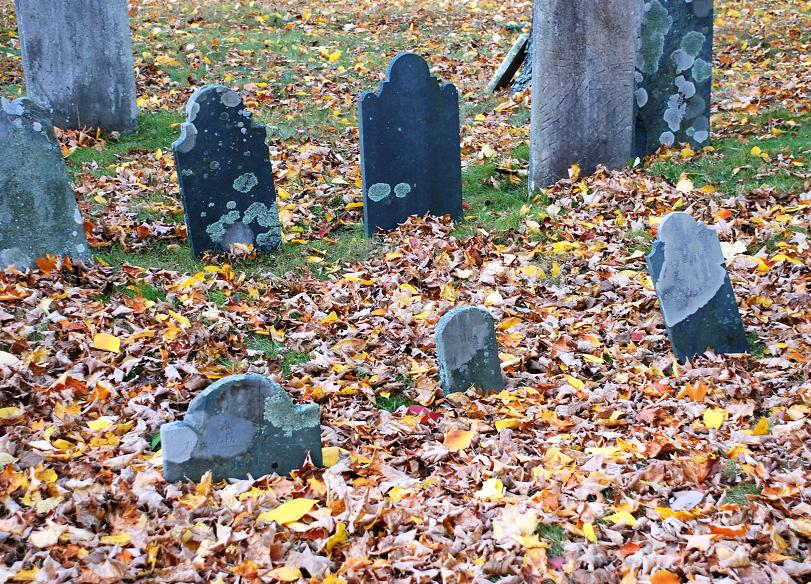
Old York burying place headstones.

Old Burying Yard headstones in York, Maine.

headstones

Fall trees

On a previous trip here we had passed the Strawbery Banke museum, listed on the National Register of Historic Places, and I decided then to come back and take the tour.

sign

The Strawbery Banke Museum visitor’s guide has the following description:

Strawbery Banke Museum is unique in preserving neighborhood buildings original to their sites, buildings from Portsmouth locations rescued from demolition, and a vast collection of objects from Portsmouth’s past.  32 buildings at Strawbery Banke are on their original sites.  Four were moved here to save them from demolition.  Research and archaeology provide an historical background for the restorations.  Additional research into the lives of former residents continues the story and provides the basis for interpretation.

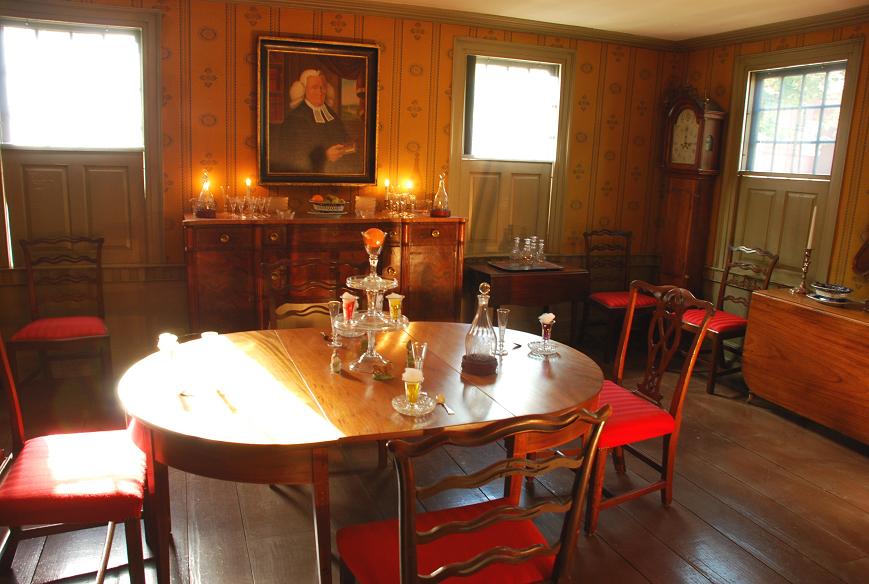
Each house is restored to its original period, and decorated appropriately.  Some of the homes have actors in period costumes. 

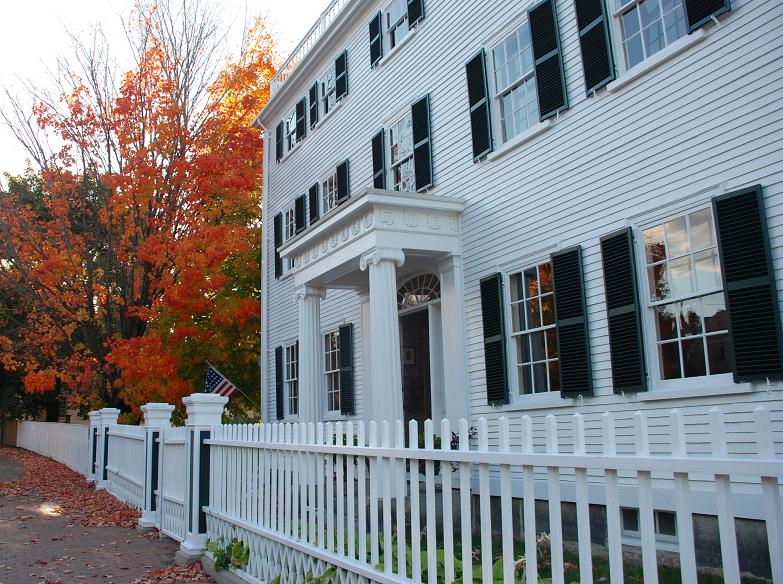
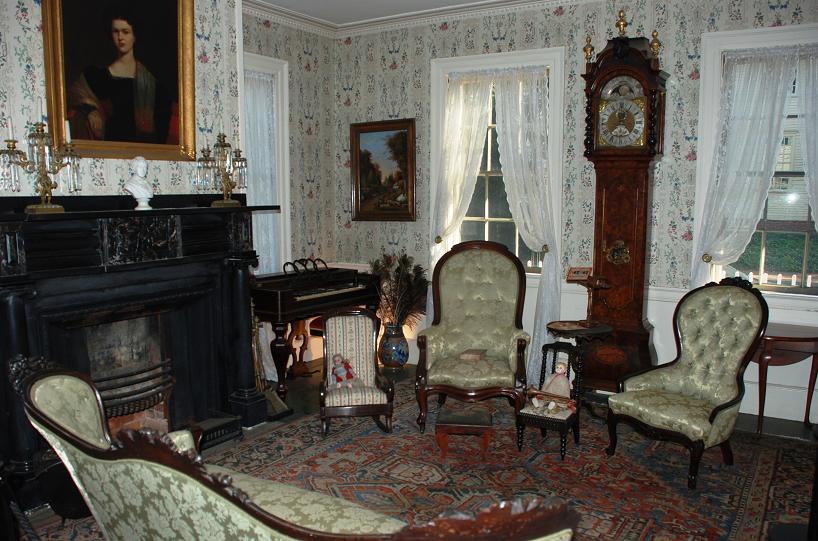
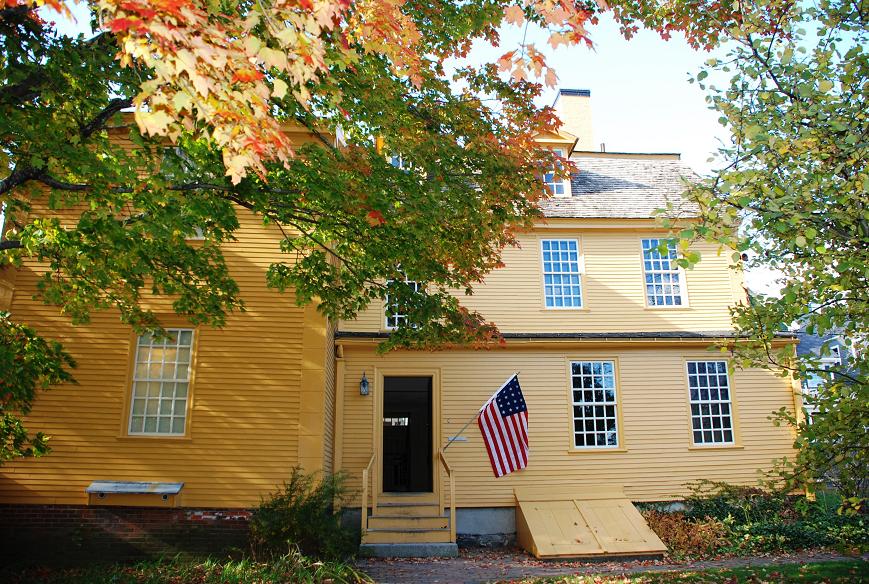
Goodwin Mansion exterior, c. 1811.

Goodwin Mansion exterior, c. 1811.

We started in the Goodwin Mansion, the home of Civil War governor Ichabod Goodwin.  It was built in 1811.

Actor playing Sarah Parker Rice Goodwin.

Sarah Parker Rice Goodwin caring for her garden in 1870.

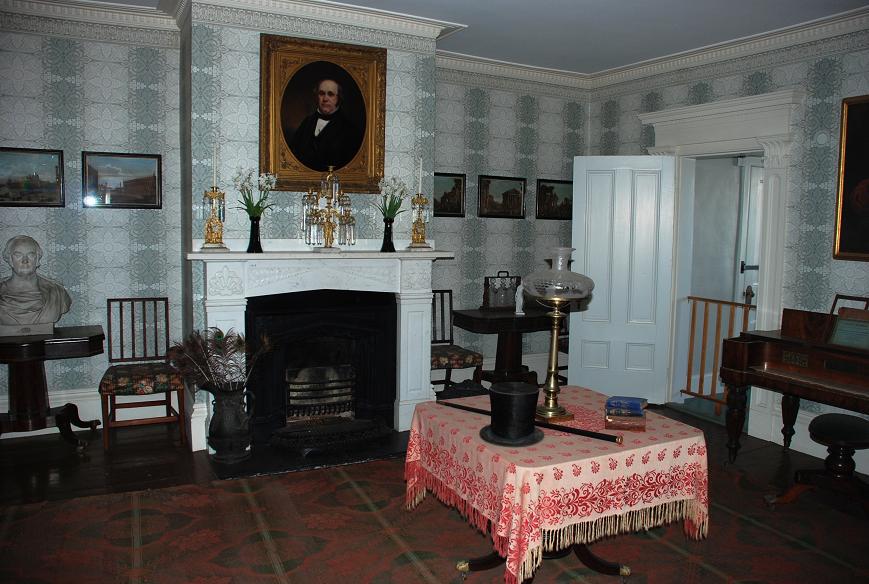
A room in the Goodwin Mansion.

A room in the Goodwin Mansion.

Goodwin Mansion

Goodwin Mansion

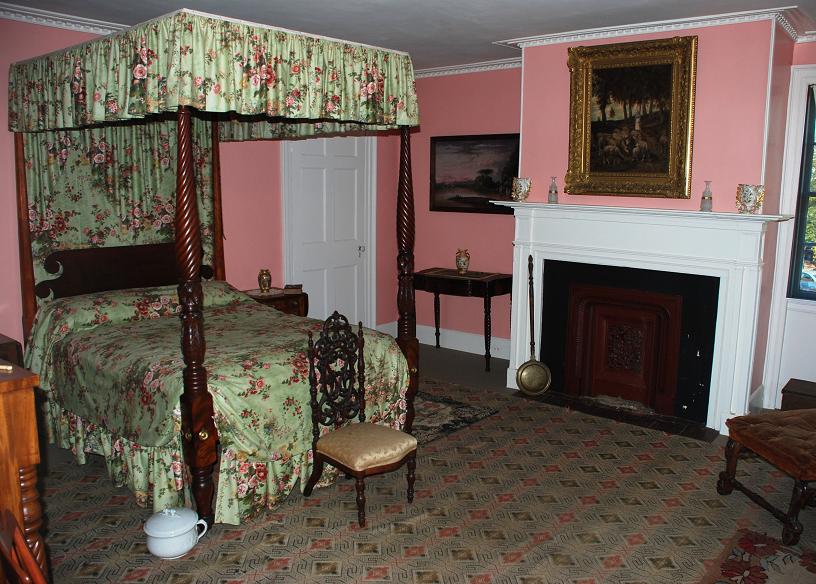
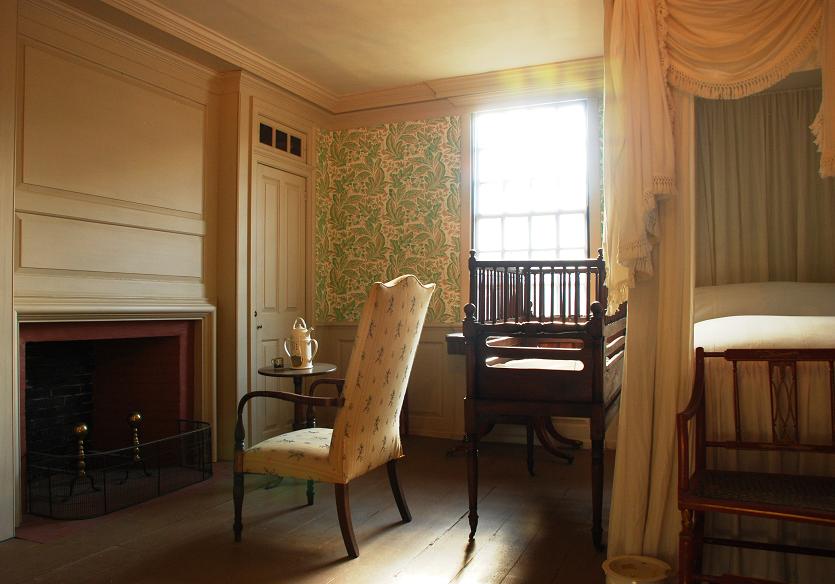
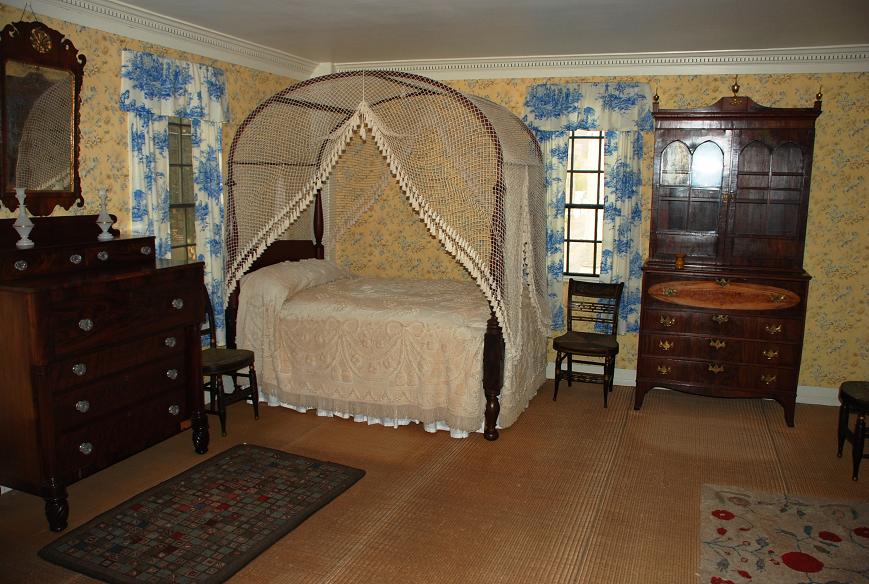
Goodwin Mansion bedroom.

Goodwin Mansion bedroom.

We walked the extensive neighborhood and toured the homes.  Chase House was built in 1762 and home to Stephen Chase, an early 19th century merchant. 

Chase House exterior, c. 1762

Chase House exterior, c. 1762

Chase House, c. 1762.

Chase House, c. 1762.

Chase House bedroom.  I loved the wallpaper.

Chase House bedroom. I loved the wallpaper.

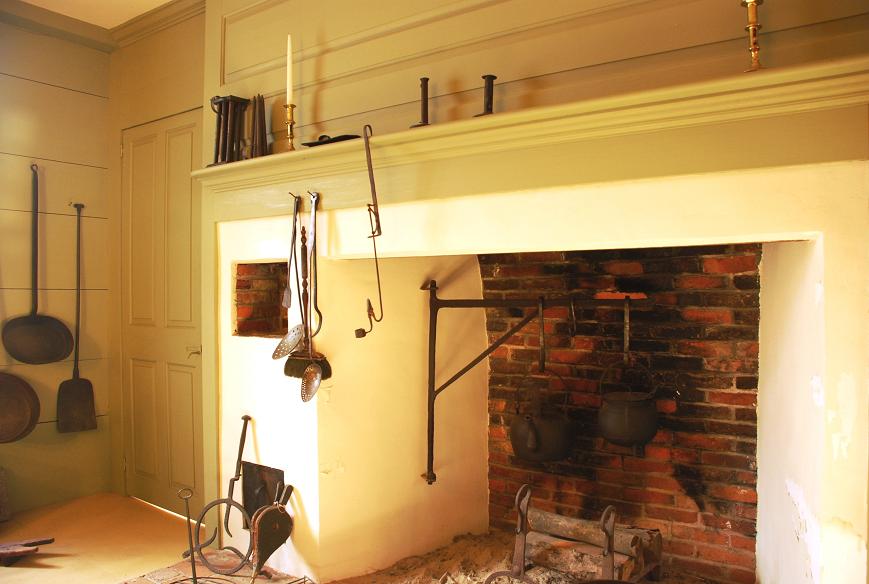
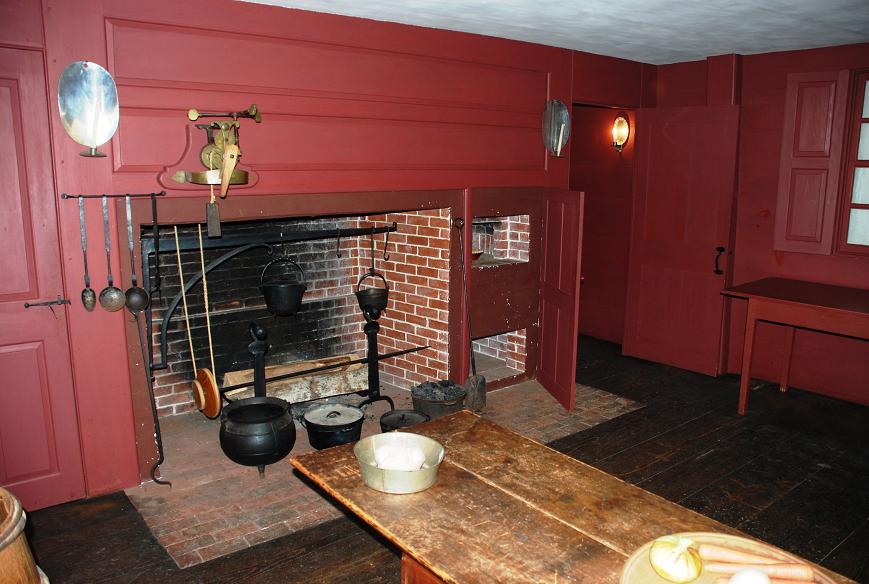
Chase House kitchen

Chase House kitchen

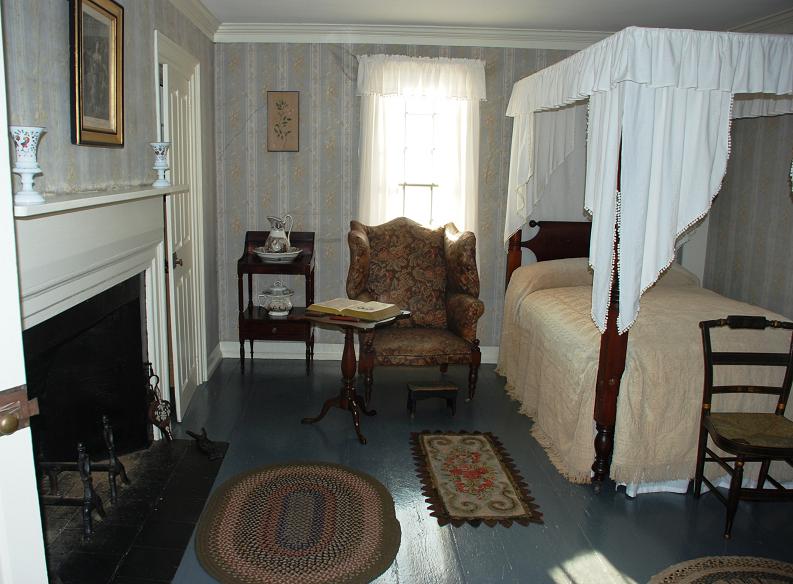
The Aldrich House, named for Victorian novelist, poet, and editor Thomas Bailey Aldrich was built in 1797.

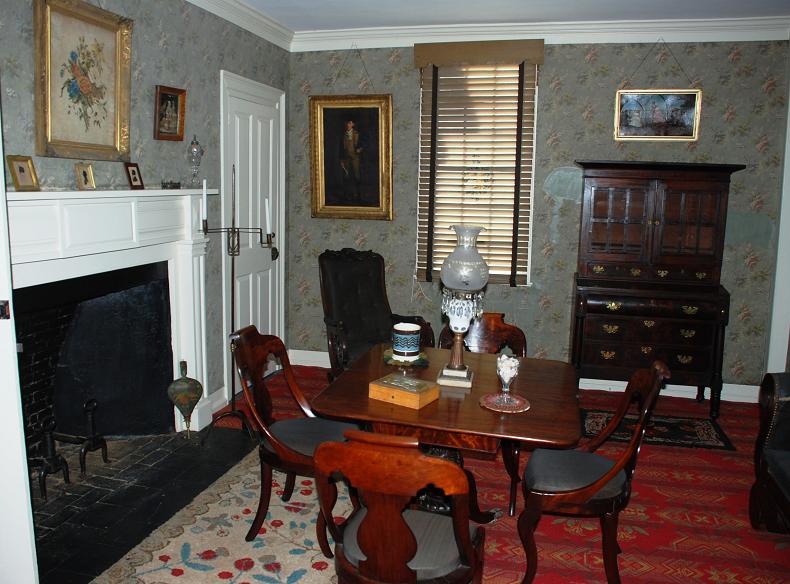
Aldrich House room, c. 1797.

Aldrich House room, c. 1797.

Aldrich House bedroom.

Aldrich House bedroom.

Aldrich house room with period costume.

Aldrich house room with period costume.

Another Aldrich House bedroom.

Another Aldrich House bedroom.

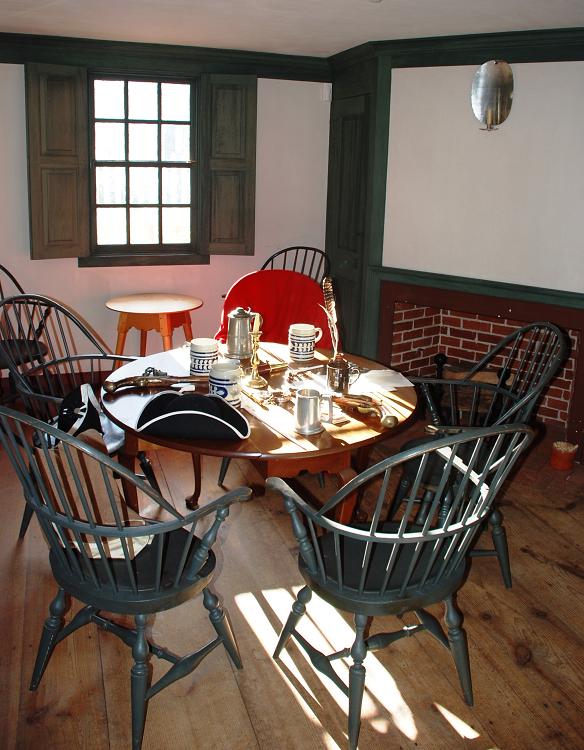
The Pitt Tavern, built in 1766, is a Revolutionary War-era tavern visited by many famous people, including George Washington.  It is also a Masonic Lodge, one of the oldest in the nation (1763).

Pitt Tavern.

Pitt Tavern.

Pitt Tavern kitchen

Pitt Tavern kitchen

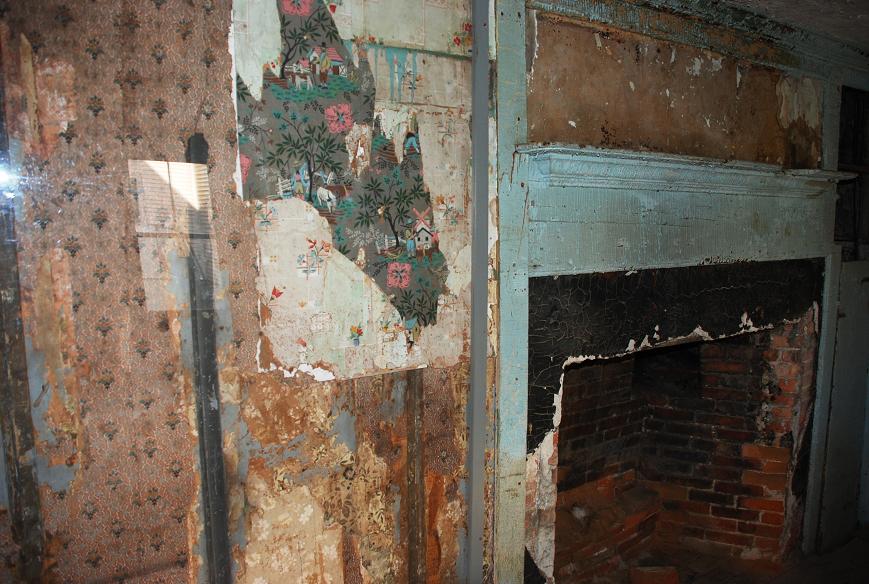
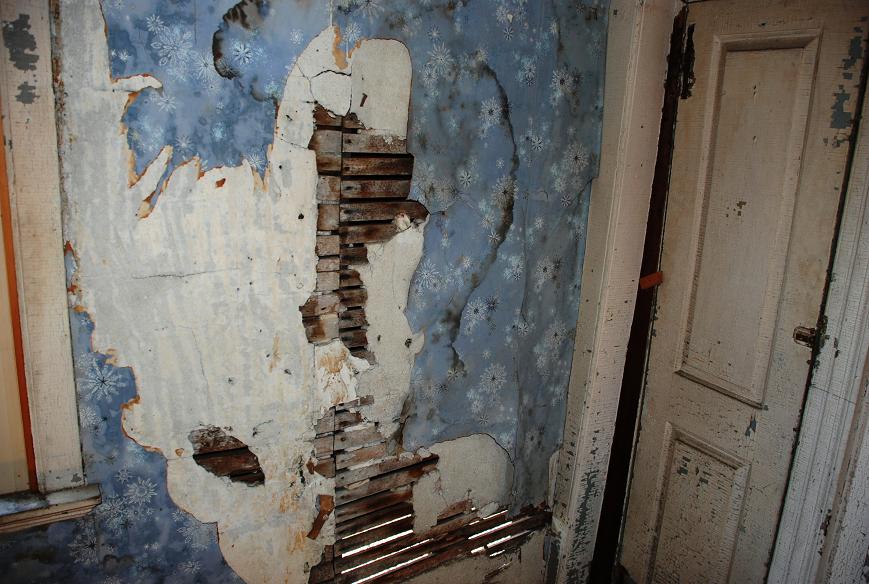
The open air museum also included some homes not yet restored.  You could walk into these homes and see cut aways of the structure.  It made you realize the amount of work and resources it takes to restore an old home. 

Jackson House, pre-restoration

Jackson House, pre-restoration

pre-restoration

We walked through the 1943 general store, recognizing some brands.  The costumed shop keeper, Mrs. Abbott, kept to her script and discussed “current” prices for war era goods.

In the Wheelwright House we were treated to a cooking demonstration.   Baking was such an ordeal that it was usually only done once a week.  The volunteer had baked a pie in the 18th century kitchen with its open hearth.  It looked like a tremendous amount of work.

Wheelwright House exterior, c. 1780

Wheelwright House exterior, c. 1780

Exterior of the Dinsmoore shop where a barrel making demonstration was taking place.

Exterior of the Dinsmore shop where a coopering demonstration was taking place (the making of wooden casks, buckets and barrels).

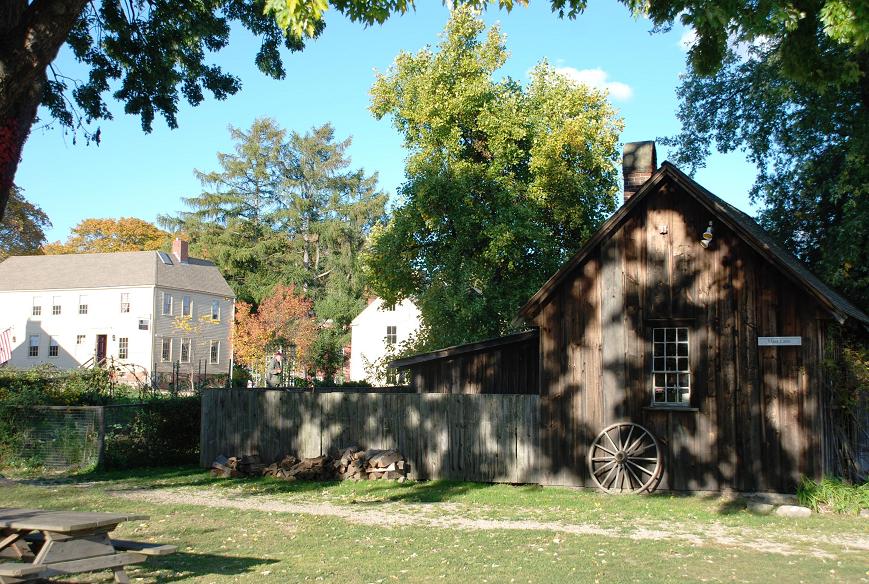
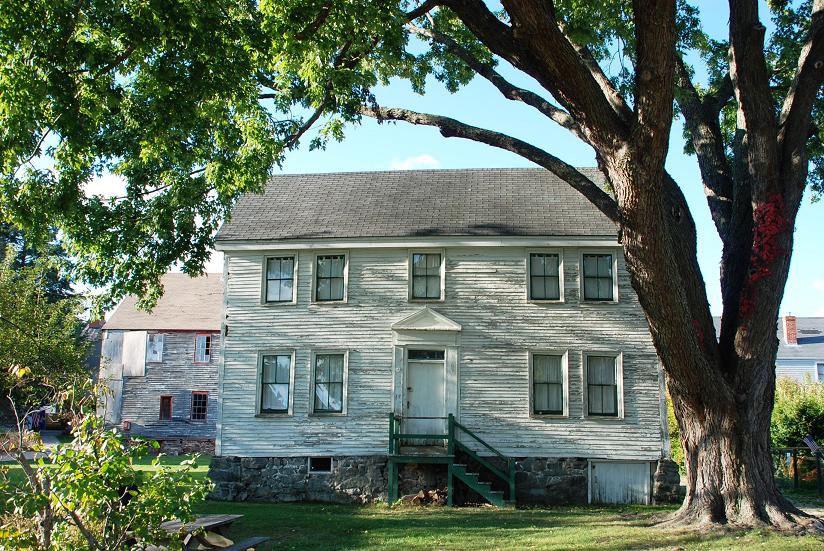
Strawbery Banke is a work in progress with 32 buildings, restored and unrestored.

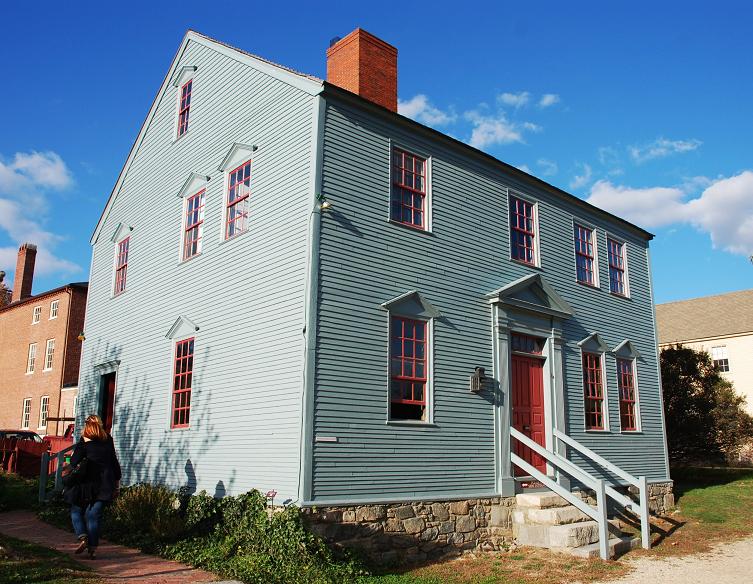
The unrestored Yeaton-Walsh House, c. 1795.

The unrestored Yeaton-Walsh House, c. 1795.

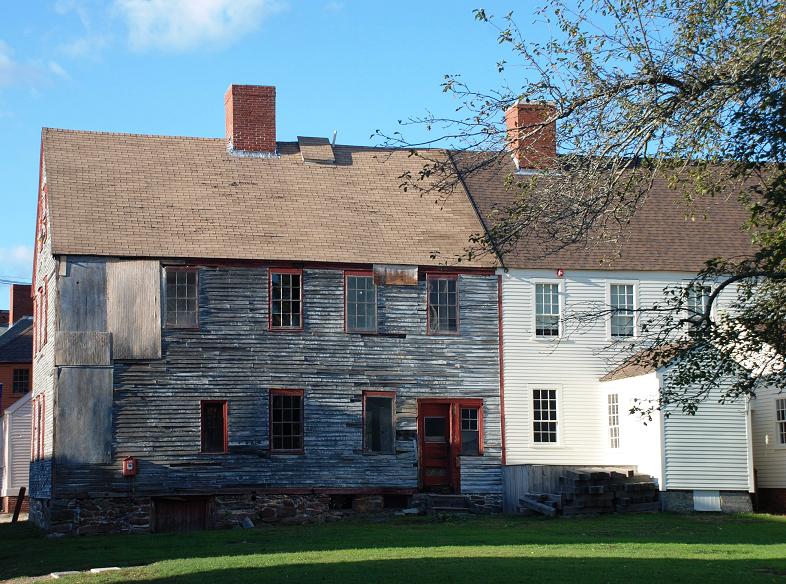
The unrestored Yeaton House, c. 1795, next to the Winn House, c. 1795.  The Winn House interior was a demonstration in architectural styles and building construction.

The unrestored Yeaton House, c. 1795, next to the Winn House, c. 1795. The Winn House interior was a demonstration in architectural styles and building construction.

After touring the open air museum, we walked the more modern part of the town.  All this walking and touring required a restorative meal and beverage at a local tavern.

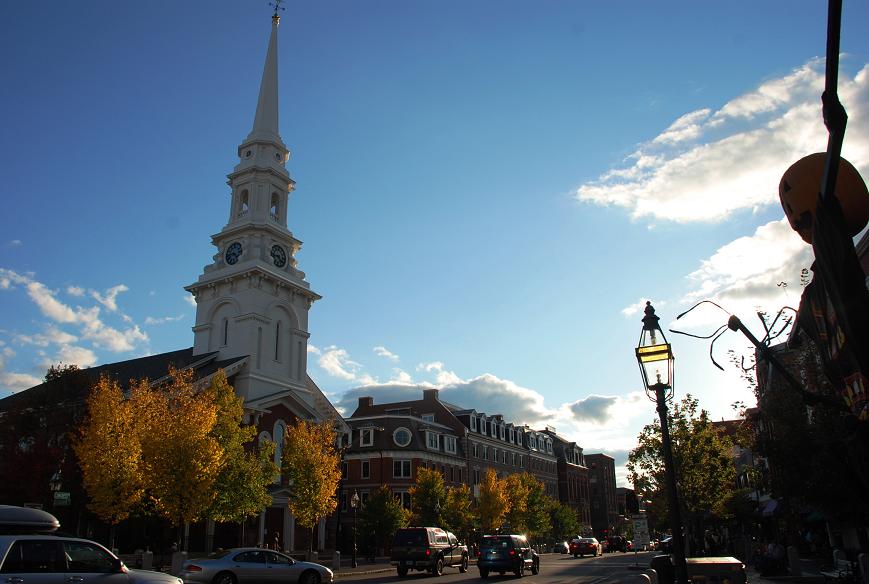
Portsmouth, NH

Portsmouth, NH

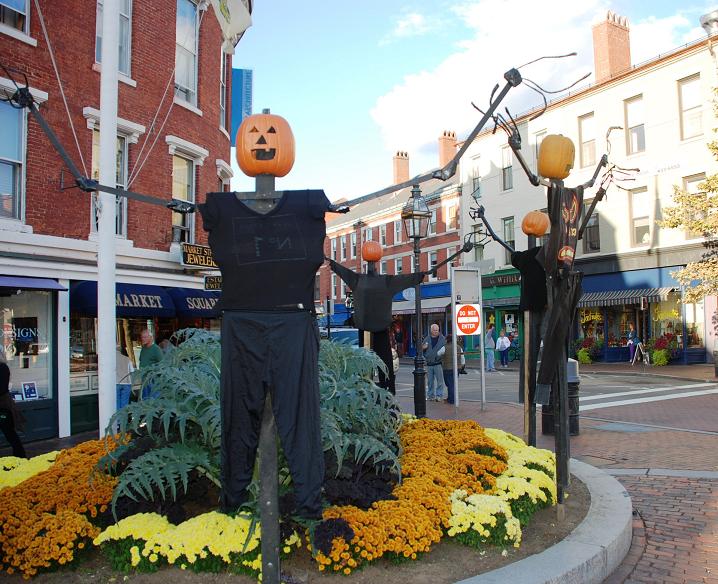
A Portsmouth NH street corner.

A Portsmouth NH street corner.

tavern

As per custom, a walk on the beach in the crisp Autumn air before jetting home to Florida.  It is always a pleasure to visit New England in the Fall.

Trail to Old Orchard Beach

Trail to Old Orchard Beach

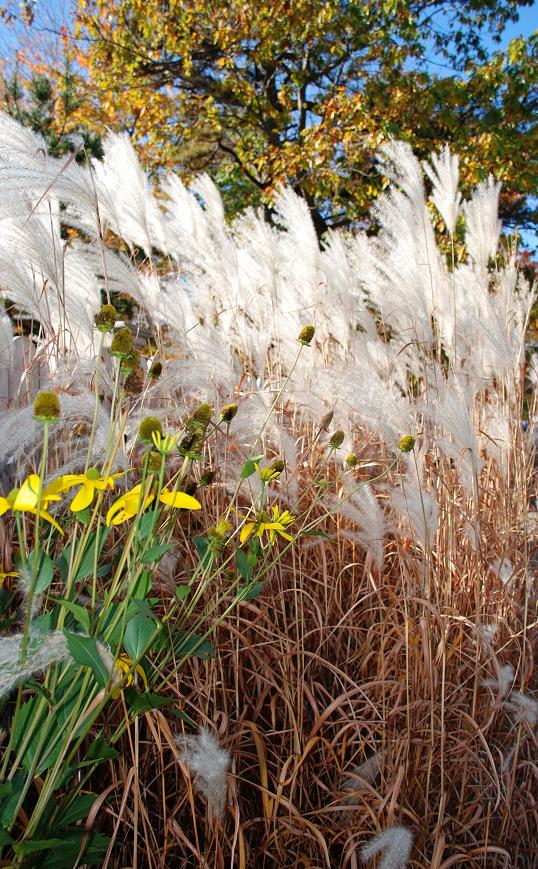
grass and flowers

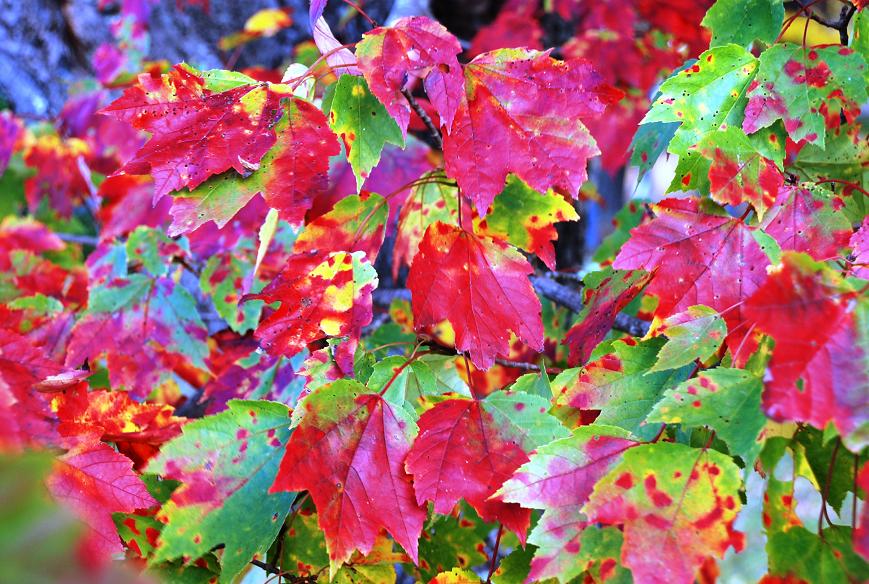
colorful leaves

For more information on The Strawbery Banke Museum, please go to www.strawberybanke.org.

Posted in Maine, New Hampshire, Seasons & Holidays | 1 Comment