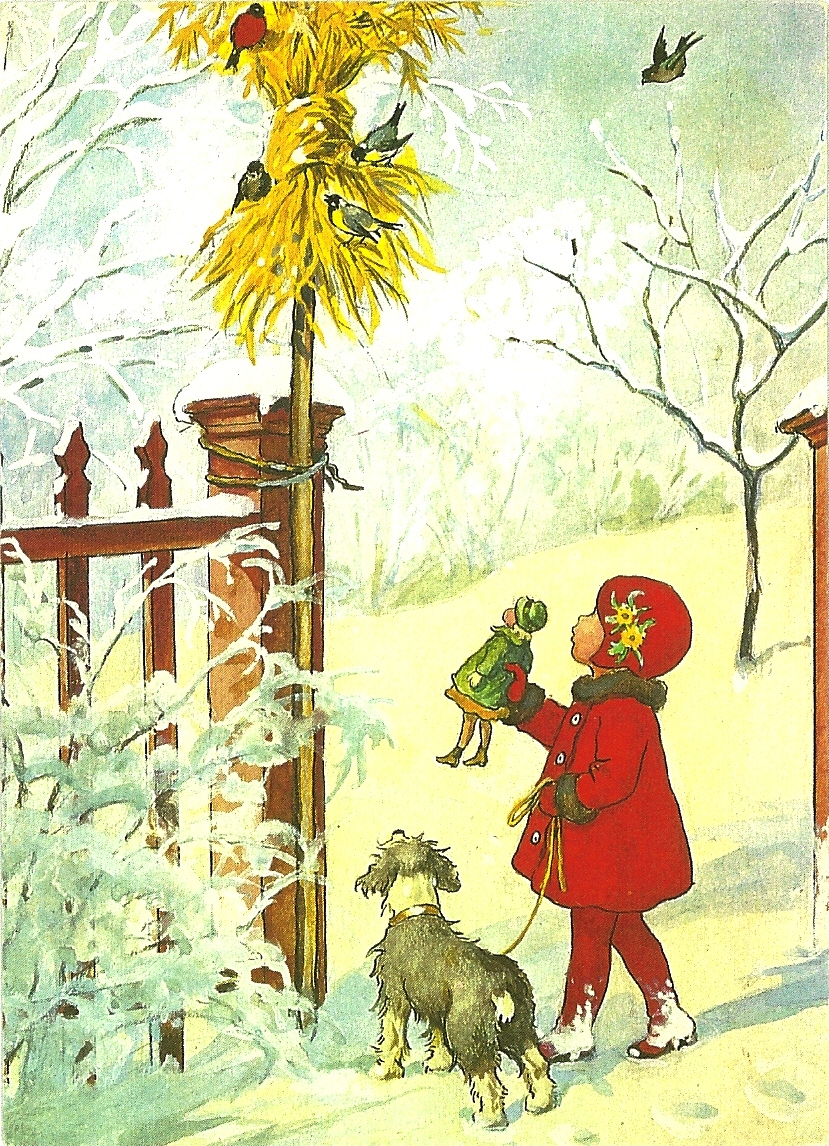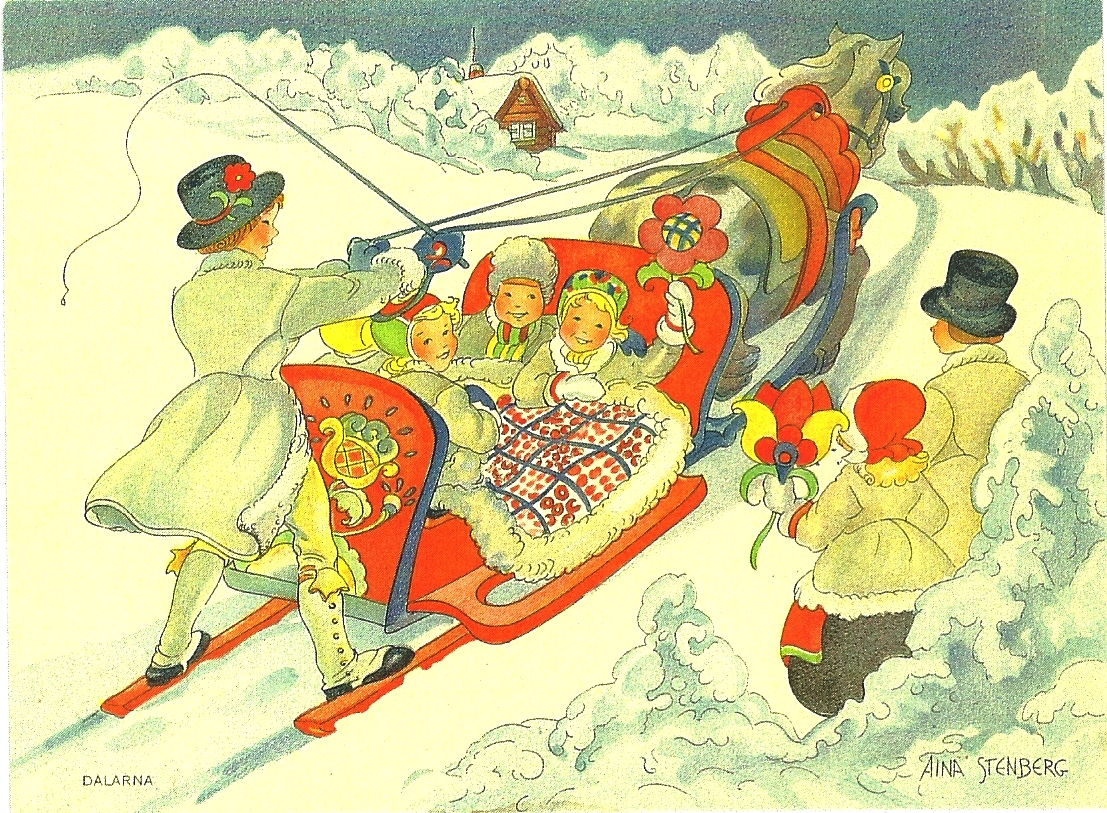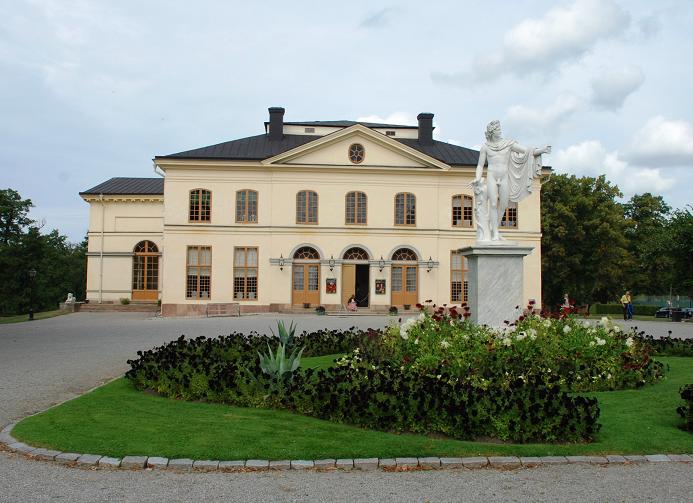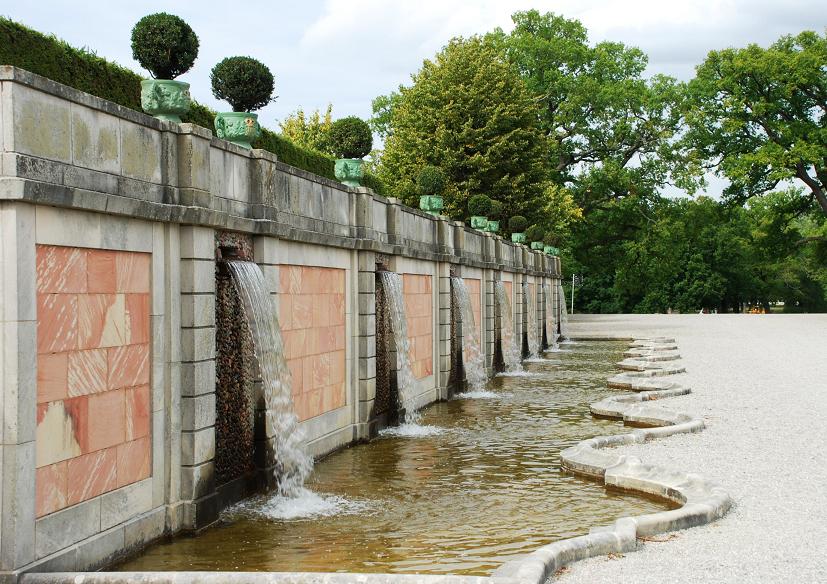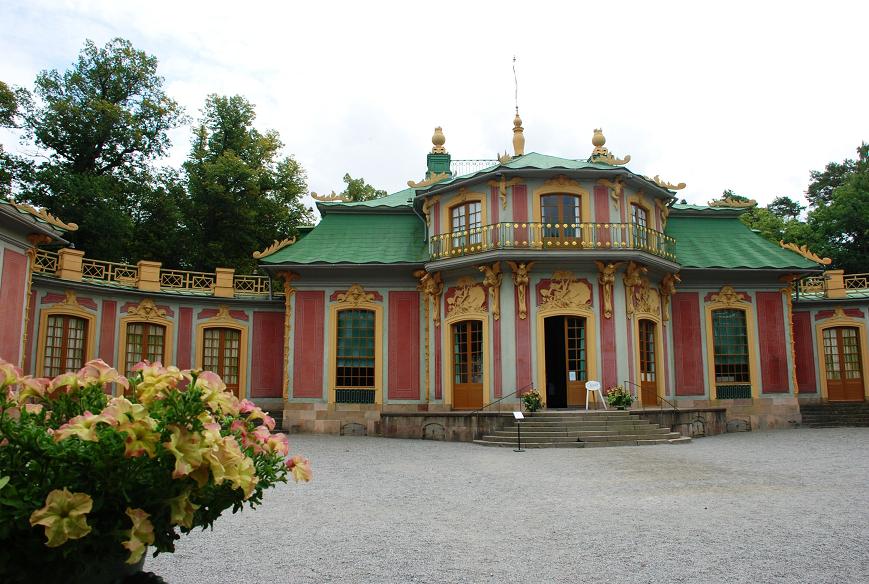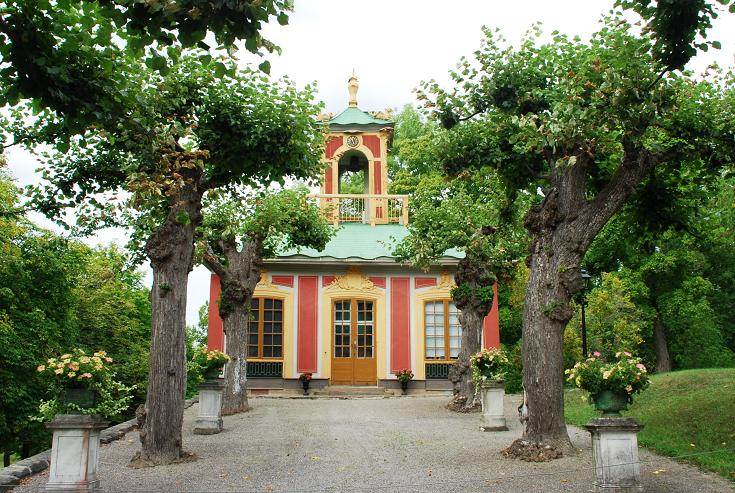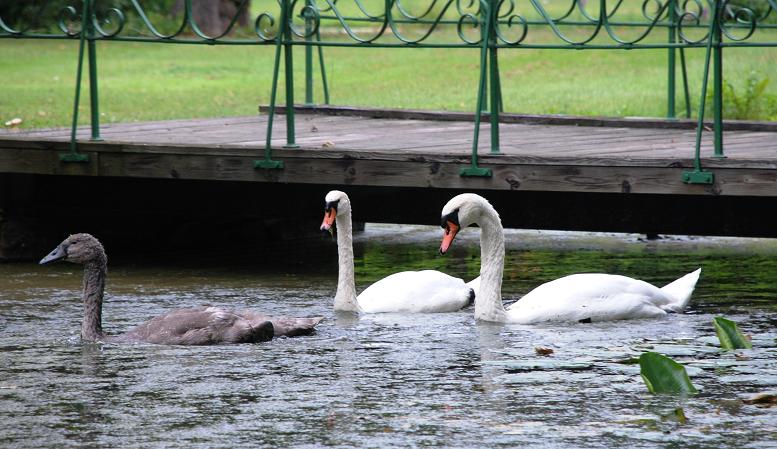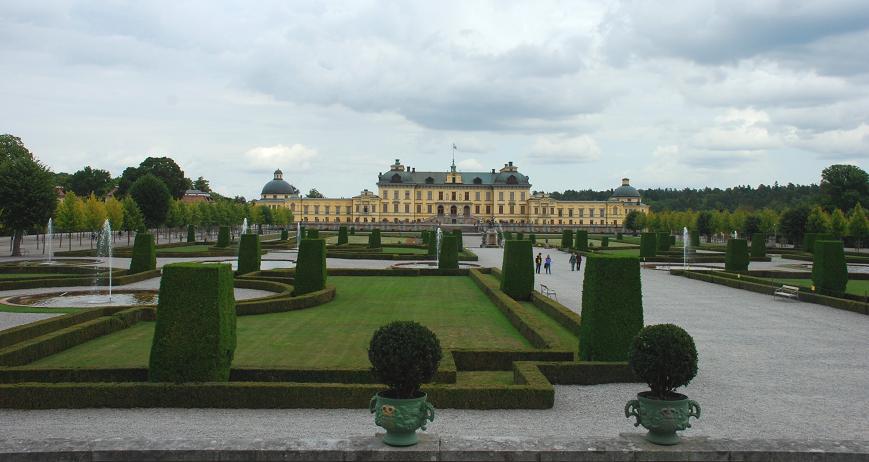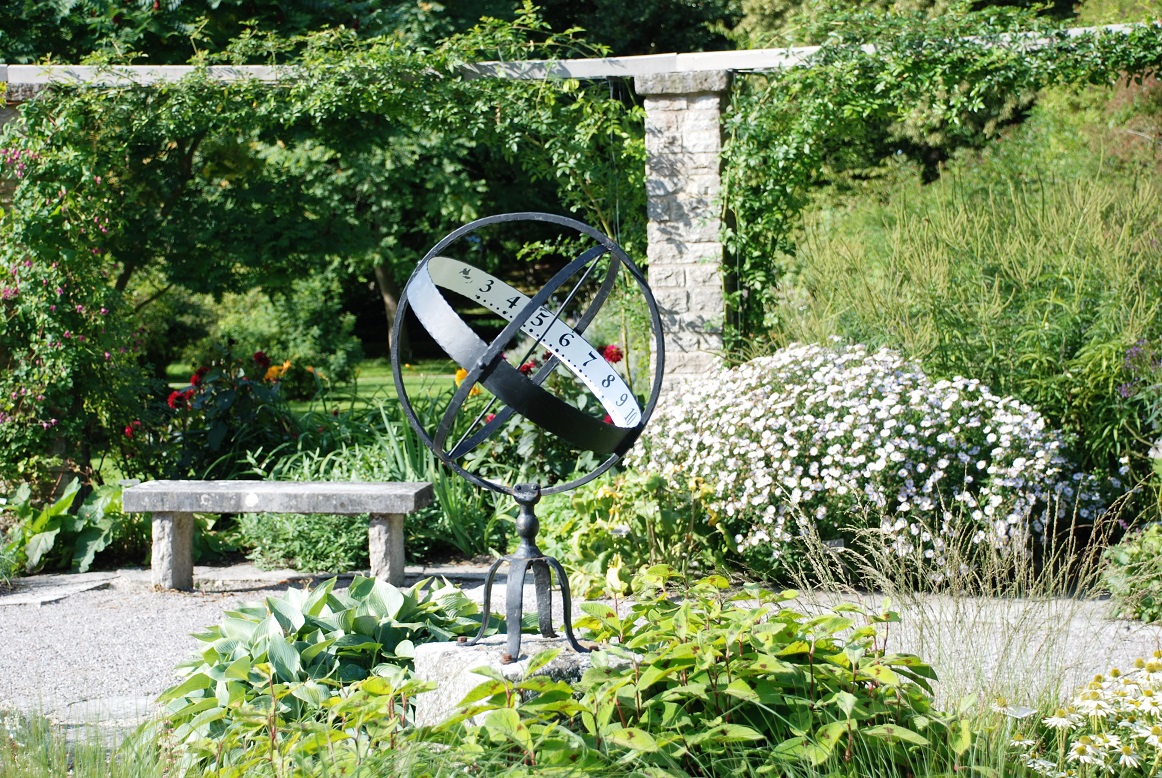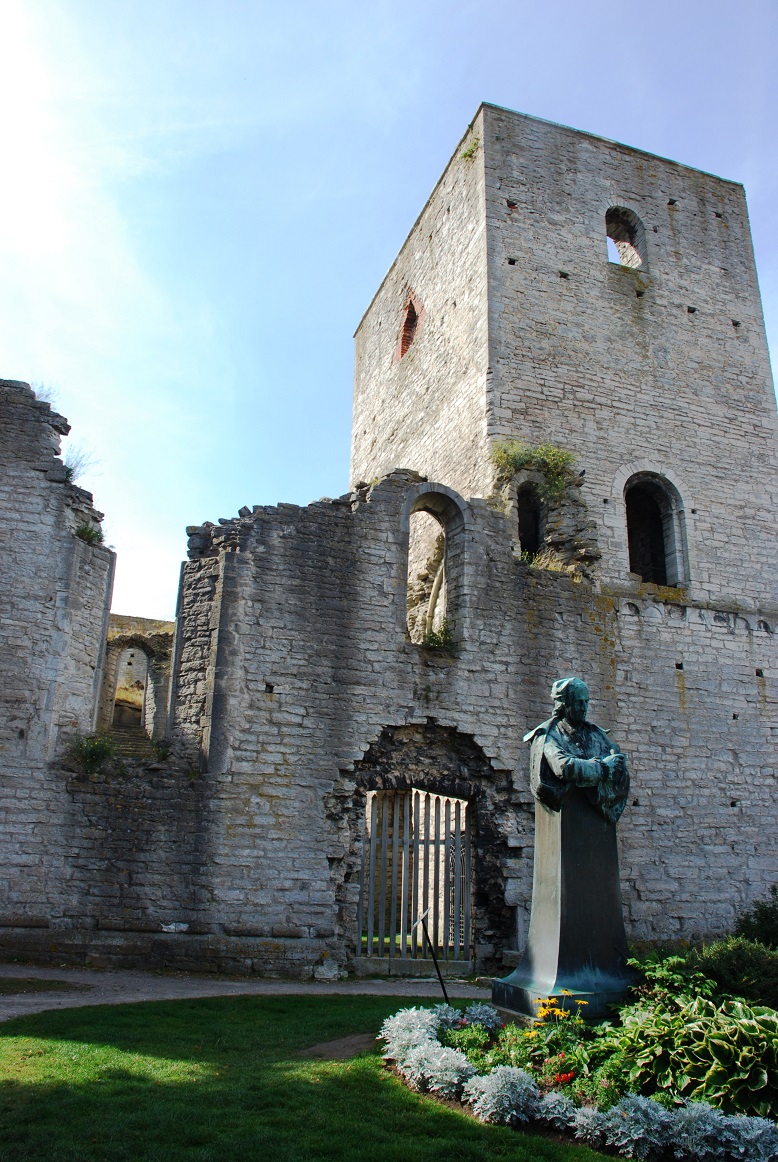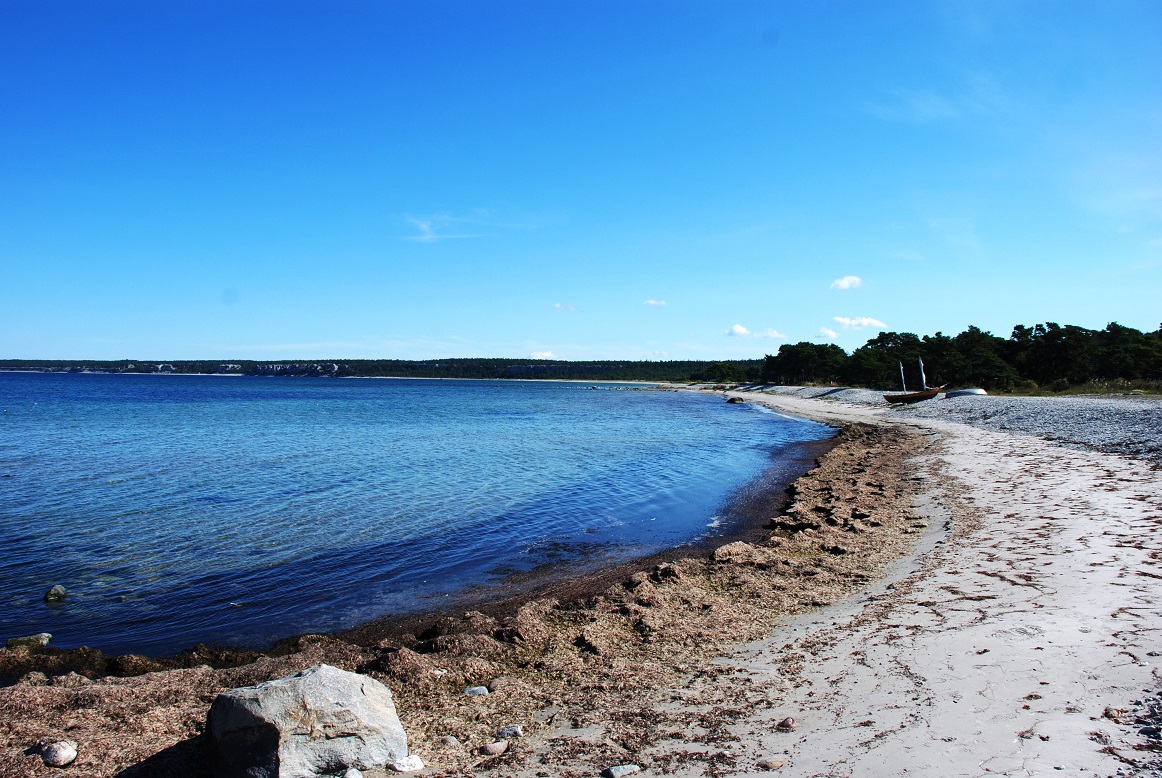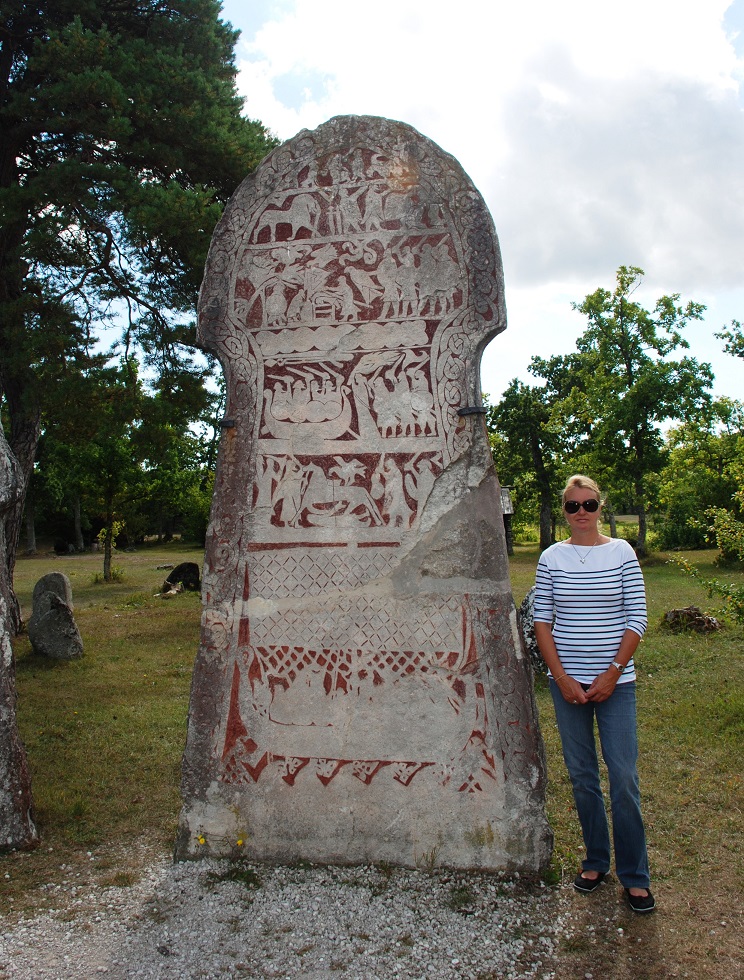
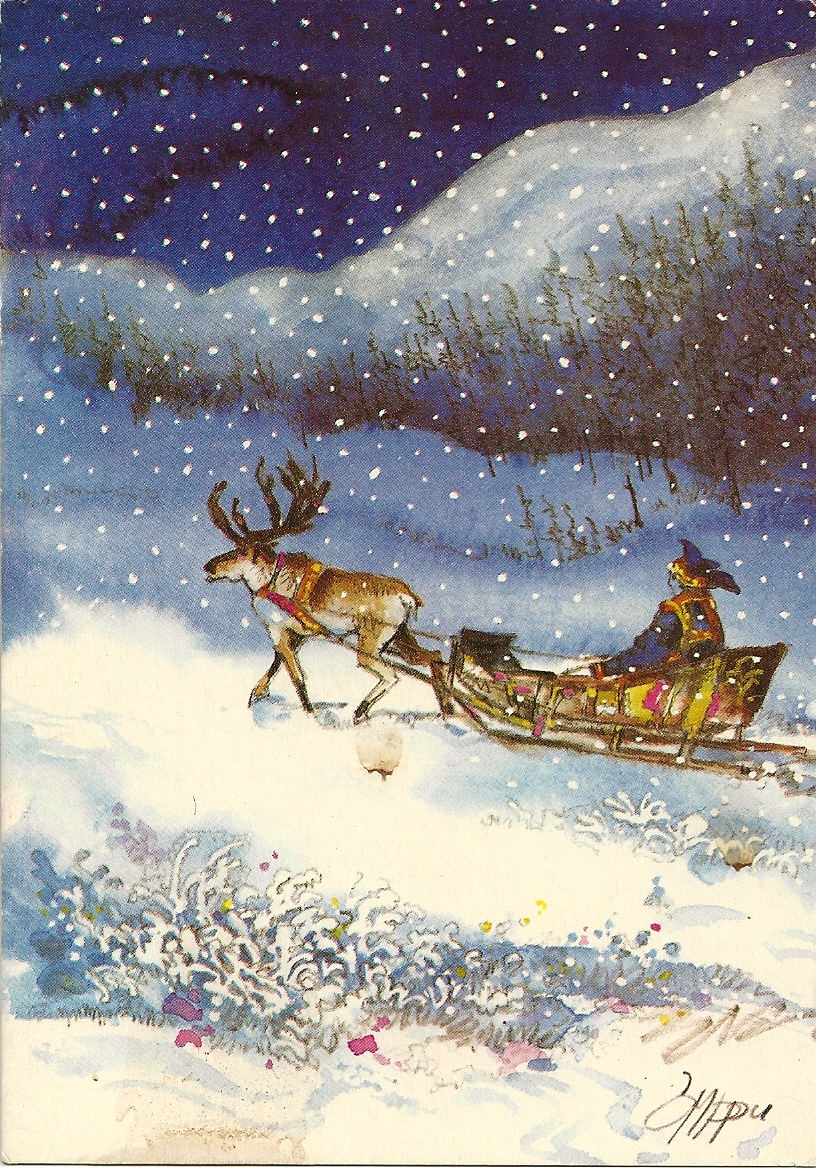
These postcards are from my grandmother’s collection, some of them from her mother, brought from Sweden many years ago.
Christmas wasn’t Christmas at our house without listening to one of our favorite albums, Christmas in Sweden.
These postcards are from my grandmother’s collection, some of them from her mother, brought from Sweden many years ago.
Christmas wasn’t Christmas at our house without listening to one of our favorite albums, Christmas in Sweden.
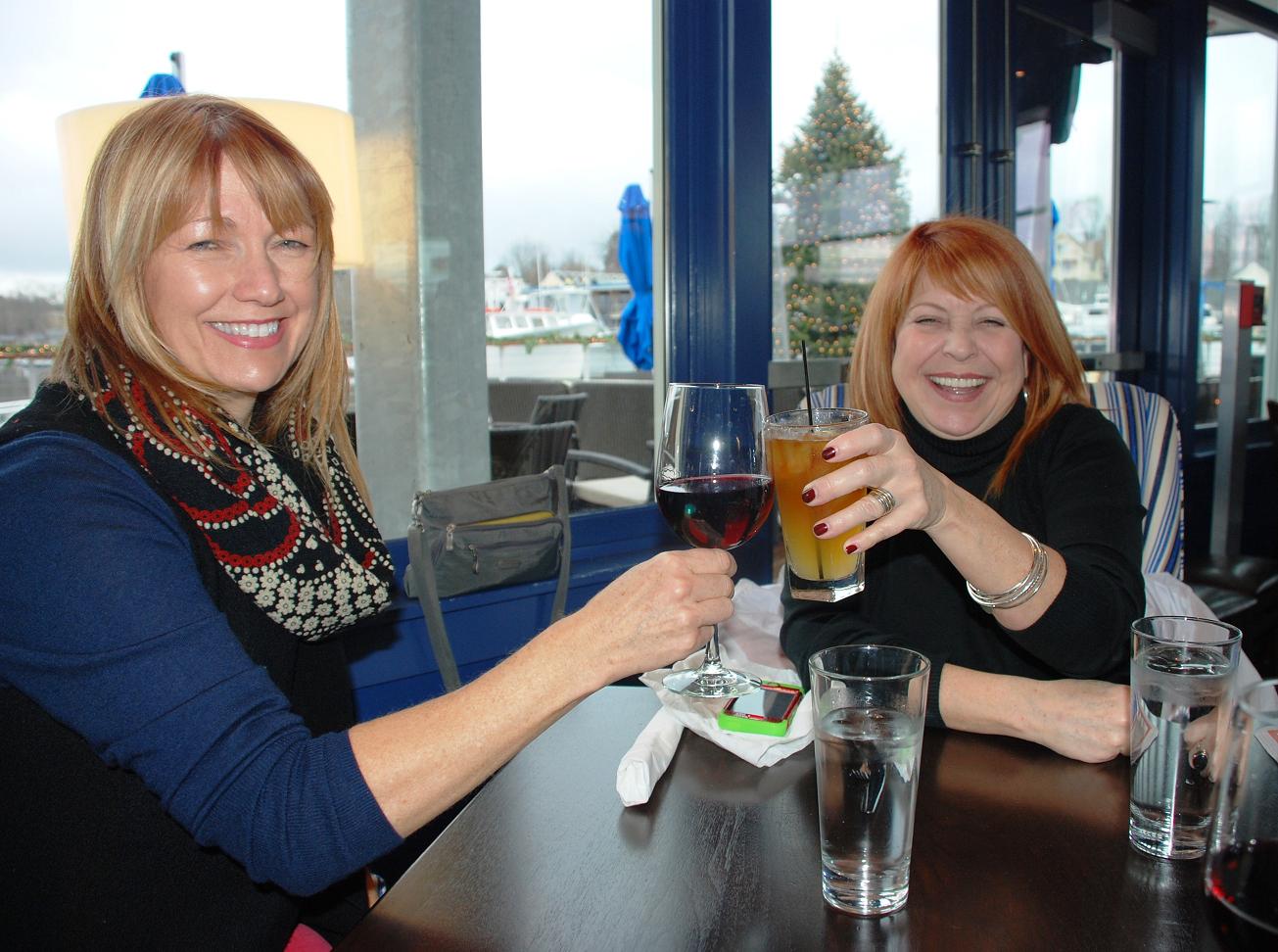
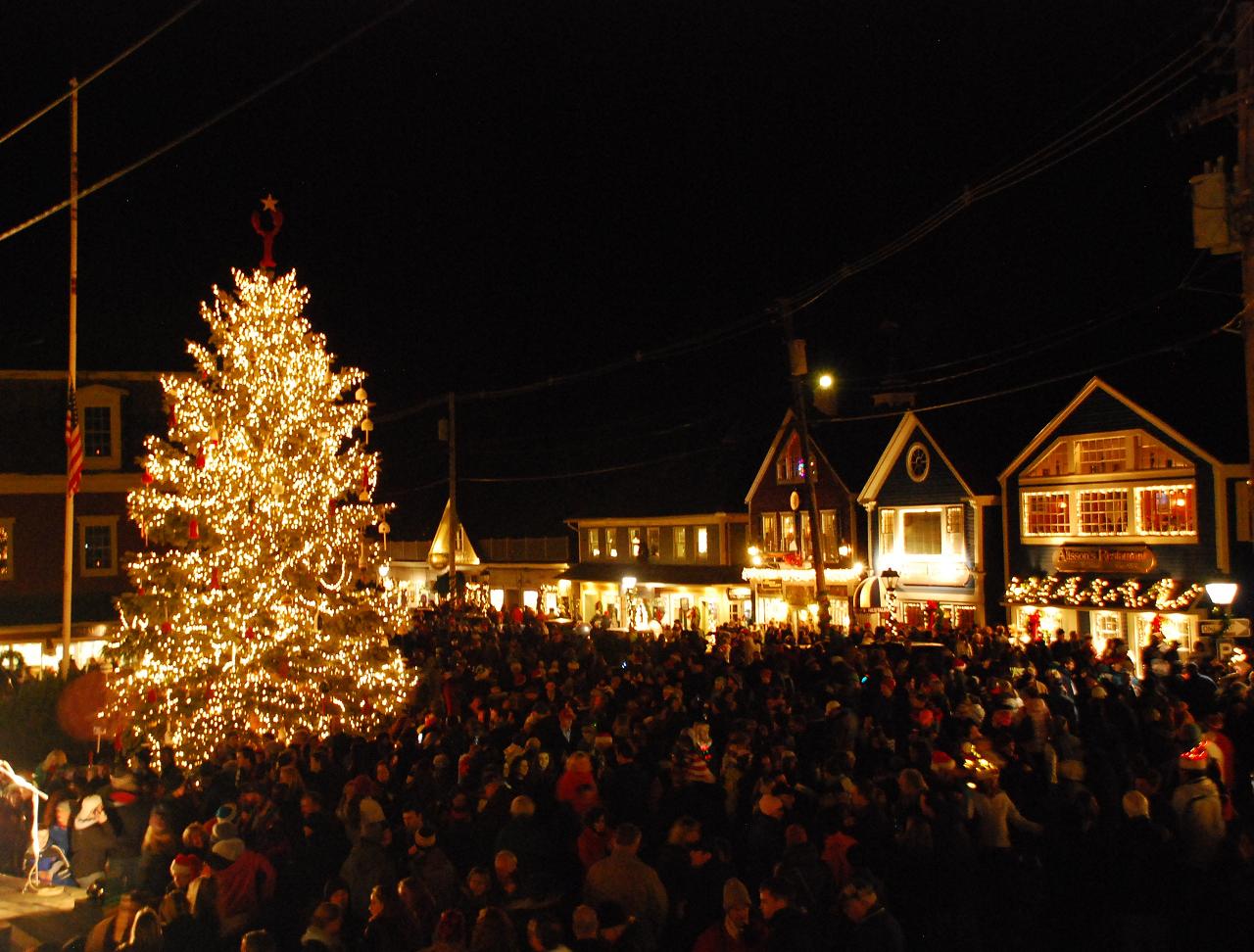
What could be better than gathering with friends to celebrate the holidays in a picturesque setting? Nothing really, and this year when Kennebunkport celebrated its 32nd annual Christmas Prelude, we were there to eat, drink and be merry (and shop too). The festivities included the lighting of the Christmas tree in the town center, special shopping and open house refreshments at local stores, live entertainment, arts and crafts shows, trolley rides, caroling, and historic tours.
http://www.christmasprelude.com/
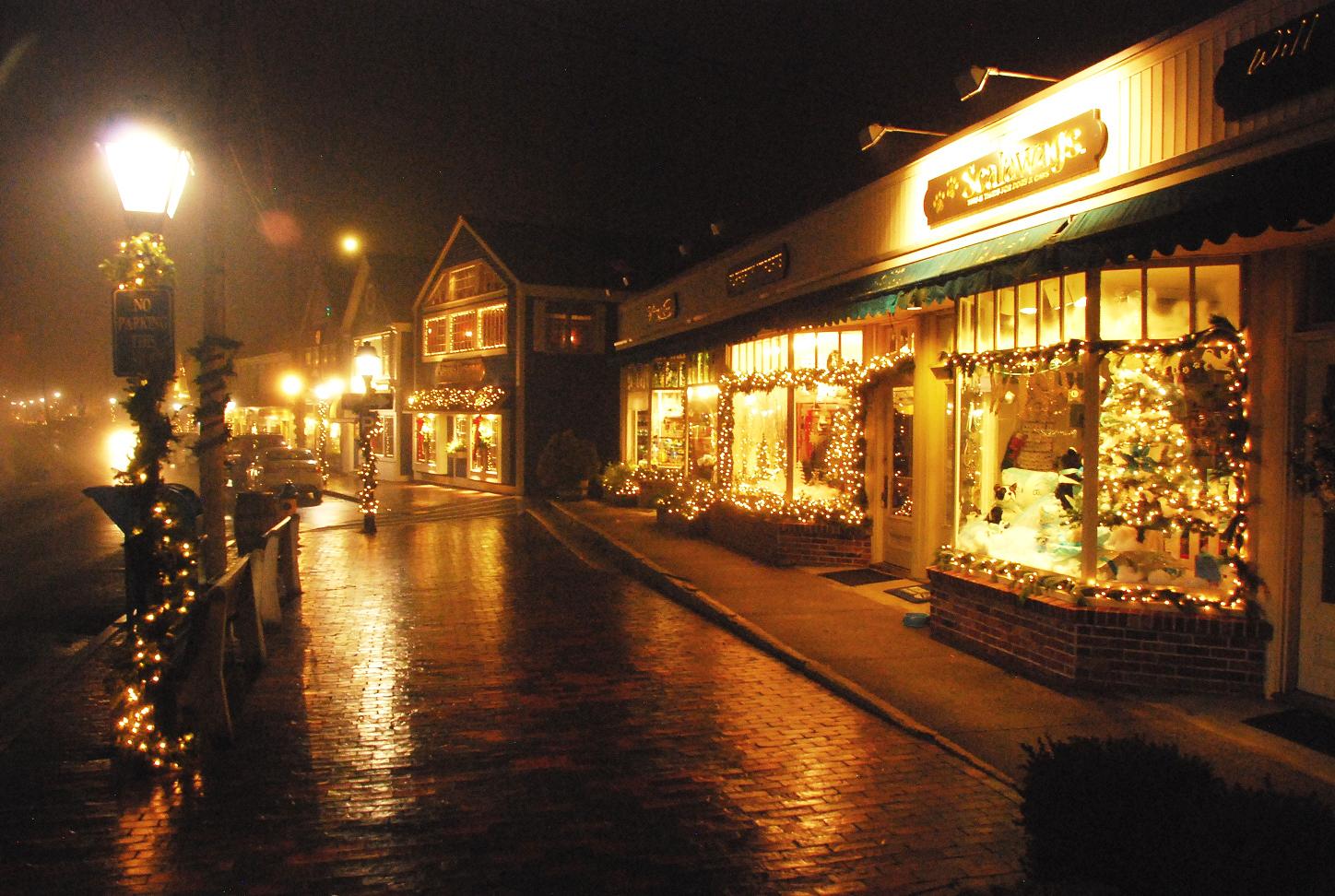
We hoped for snow, and finally got it late Friday night. Leading up to the snow we had cold temps, and fog. The night before the Christmas tree lighting the streets of Kennebunkport were empty and a heavy fog shrouded the town. Luckily, for the big tree lighting ceremony, accompanied by the talented high school choir, the fog had lifted. The snow started just in time for the lighting of the second tree, the lobster trap tree in Cape Porpoise.
Our first day of Prelude fun started at the best consignment shop on the East Coast, Return to Cinda’s. I geared up for the cold weather with the purchase of a warm coat among other wonderful buys. We drove around the area looking for Christmas lights, and through the deserted streets of Kennebunkport. Next stop was Fleurant, a lovely flower arrangements and gifts store in Kennebunk. They had an open house with snacks and drinks. The punch was killer.
http://www.fleurantdesign.com/
We ended the evening with a stellar meal by the fireplace at the Kennebunkport Inn.
For Friday, our big Prelude day, walking the decorated streets, lunch at David’s, art shows, stopping in shops and sampling open house goodies occupied us for most of the day. Dannah’s of Kennebunkport, a favorite of ours, was decorated for Christmas with many trees, including one with shell ornaments, and one with tiny shoes. http://www.dannahkennebunkport.com/
It gets dark early, between 4 and 4:30, in Maine in December, so people began to gather for the tree lighting around that time. The main square was blocked off from traffic as the crowd grew.
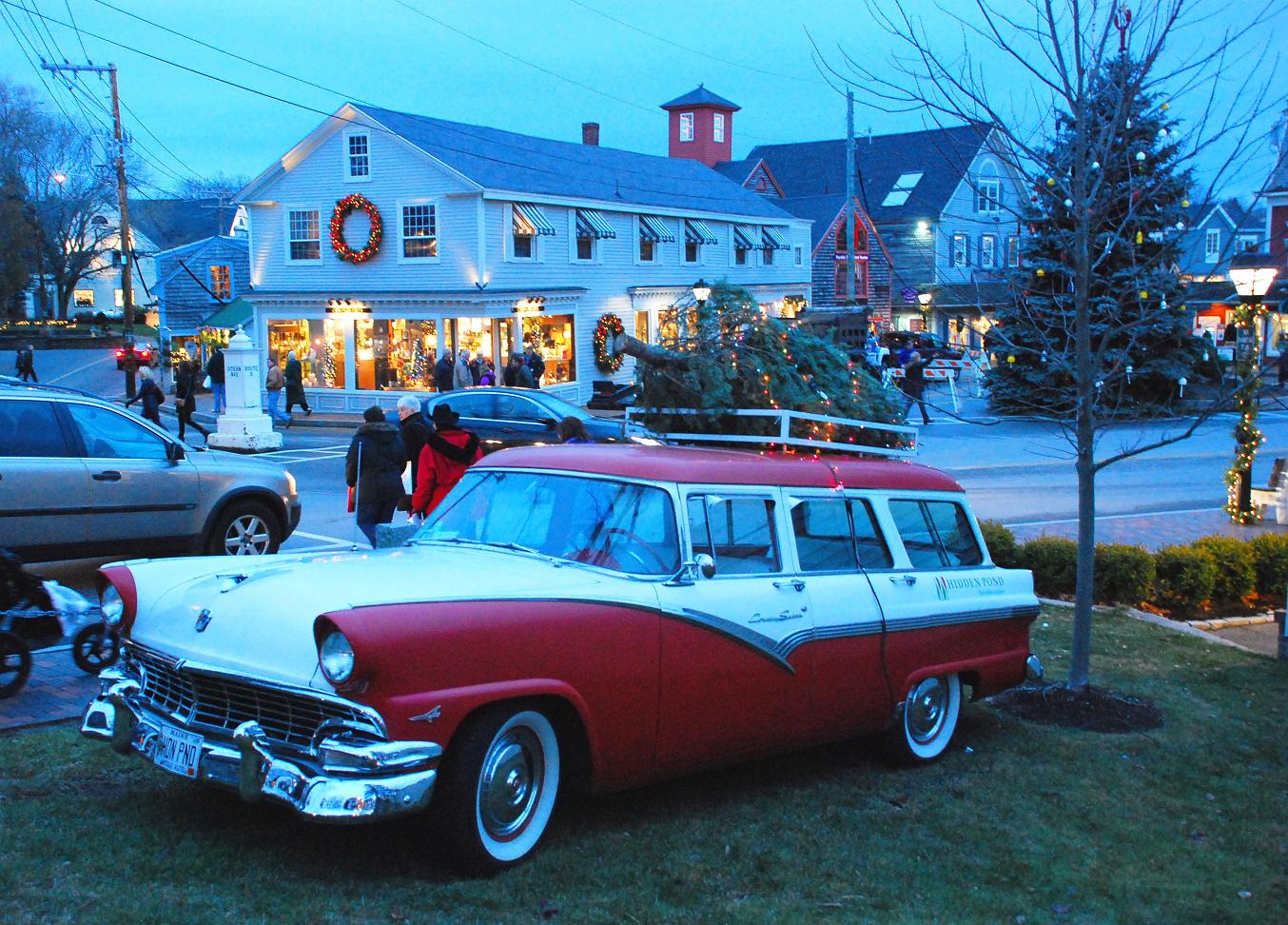
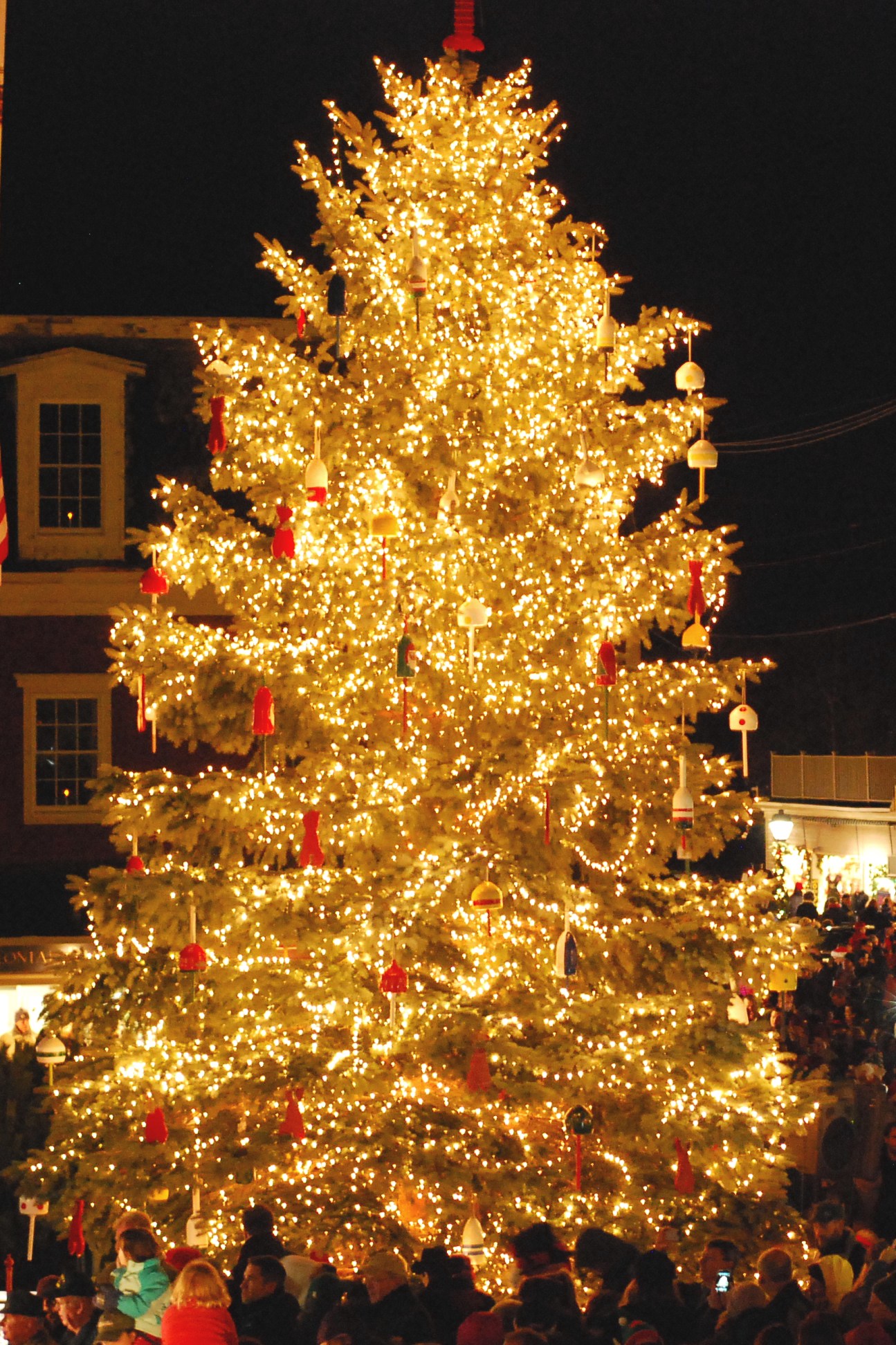
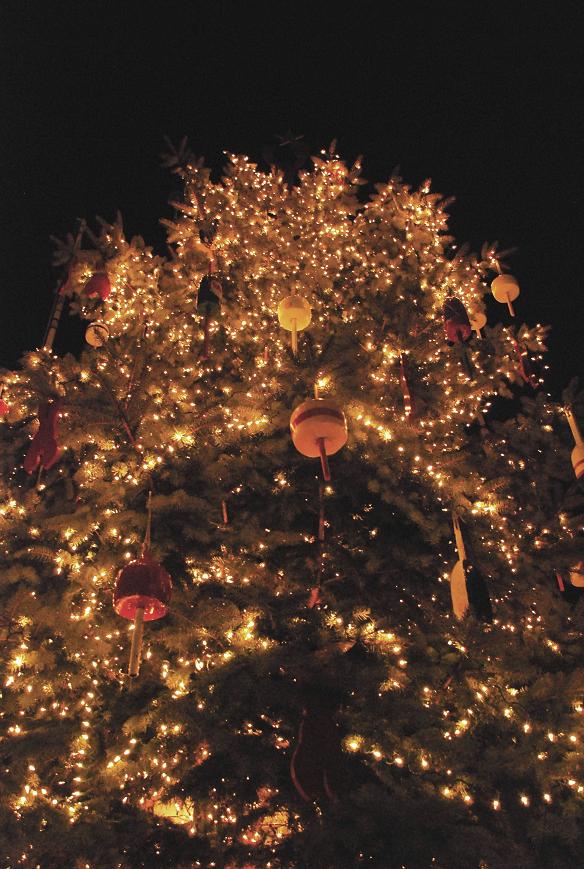
With the square packed with people, the tree remained dark. The local high school choir sang Christmas carols, and were quite good. Finally the moment arrived and the tree was lighted. It was decorated with buoys and lobsters and thousands of lights. The “star” topping the tree was, of course, a lobster.

The 2013 Christmas Prelude Christmas Tree, yes that is a lobster at the top of the tree. No star as a tree topper here in Kennebunkport.
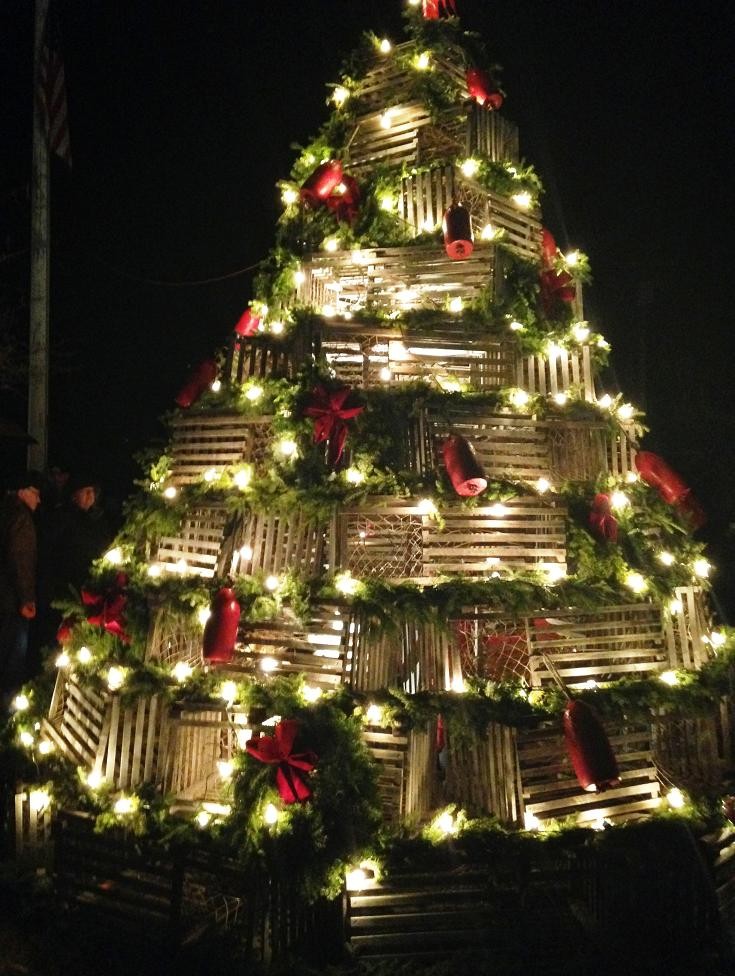
A light mix of rain and snow began to fall and we headed to Cape Porpoise, a short distance away, to watch the lighting of the lobster trap Christmas Tree. That was a first for me, a tree made up of lobster traps, but it is pretty cool.
We finally got real snow, and headed to dinner in Cape Porpoise.
My morning beach walk in December was a whole lot different from a summer beach stroll, but just as beautiful. We had snow that remained on the ground from Friday night’s snowfall, and it made for a brisk walk.
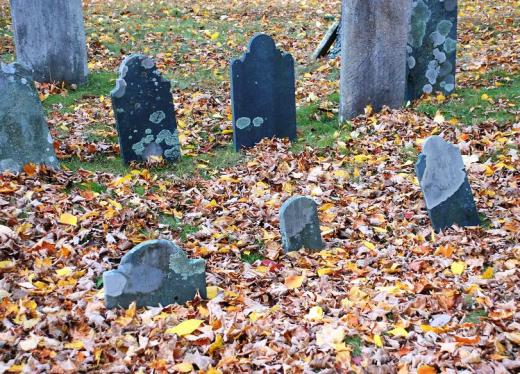
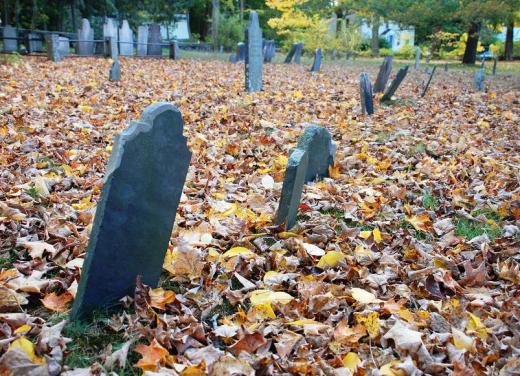
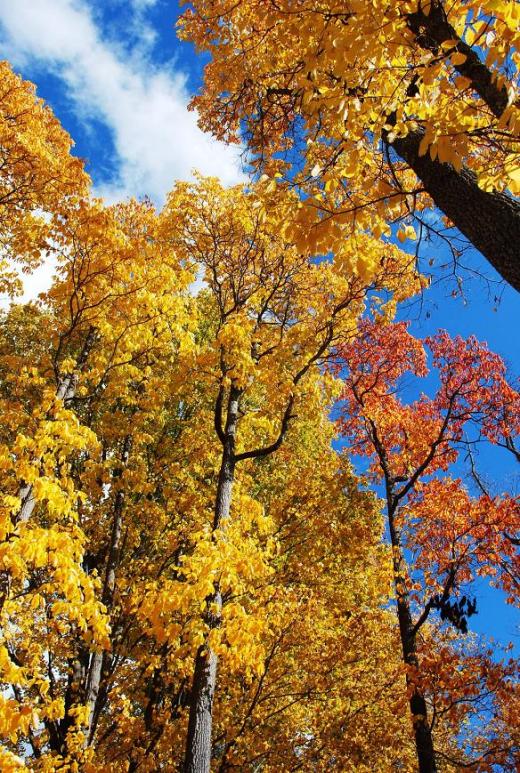
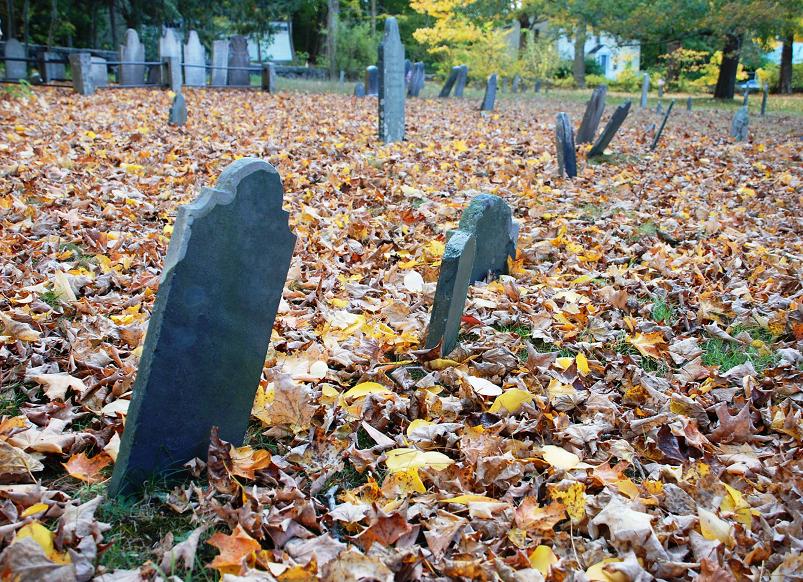
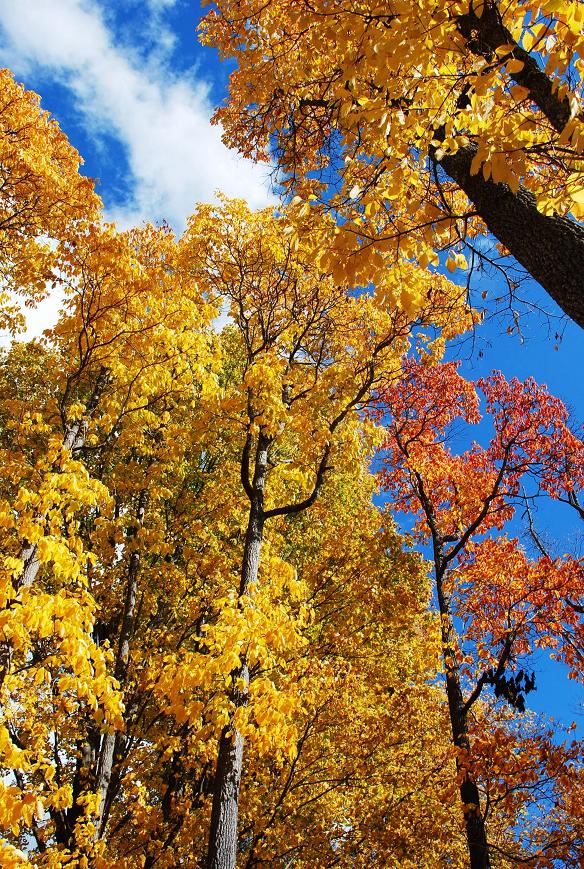
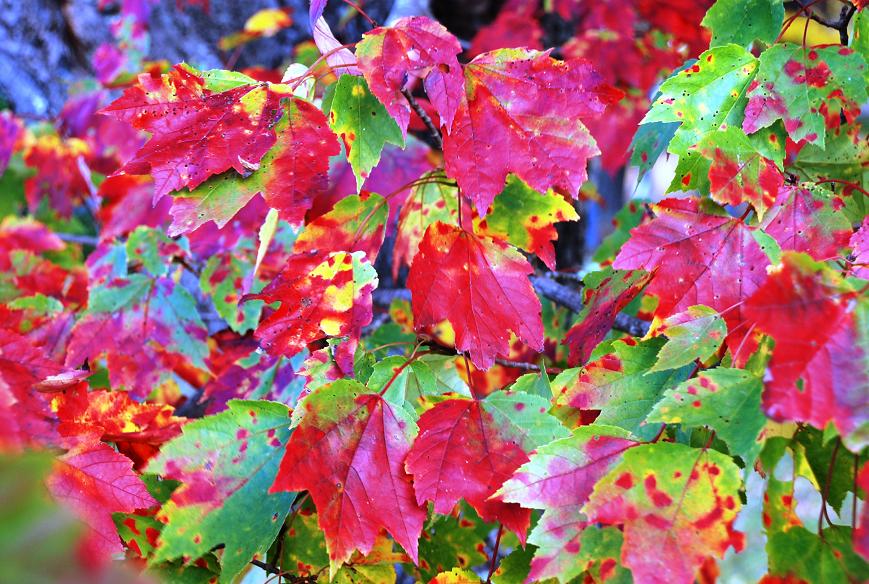
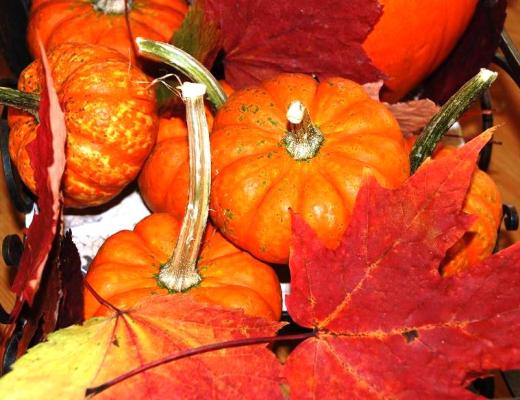
My annual Fall leaf peeping trip was mid-October this year and I was concerned I would miss the best colors. That concern was misplaced, and we saw lots of beautifully colored Autumn foliage on a sunny October day.
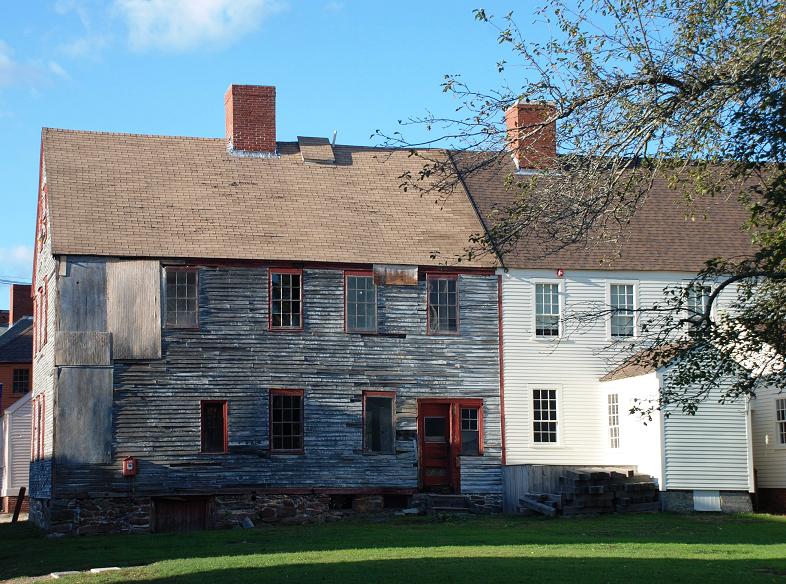
Maine is my usual destination for fall colors, but this year we also made our way to Portsmouth, NH. Of particular interest to me was the Strawbery Banke Museum, a collection of restored homes in the Portsmouth area.
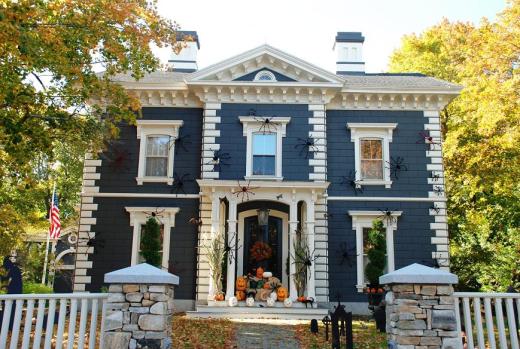
We started our leaf tour in Portland, Maine and headed south. We cruised through Kennebunk and York, then continued further south to Portsmouth.
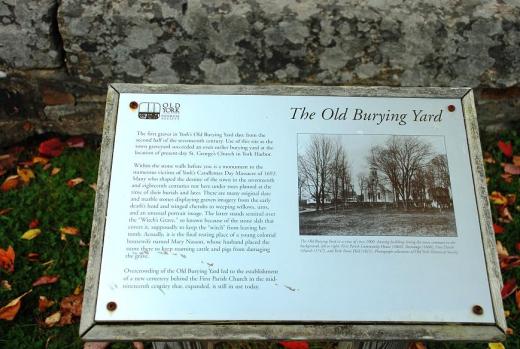
On a previous trip here we had passed the Strawbery Banke museum, listed on the National Register of Historic Places, and I decided then to come back and take the tour.
The Strawbery Banke Museum visitor’s guide has the following description:
Strawbery Banke Museum is unique in preserving neighborhood buildings original to their sites, buildings from Portsmouth locations rescued from demolition, and a vast collection of objects from Portsmouth’s past. 32 buildings at Strawbery Banke are on their original sites. Four were moved here to save them from demolition. Research and archaeology provide an historical background for the restorations. Additional research into the lives of former residents continues the story and provides the basis for interpretation.
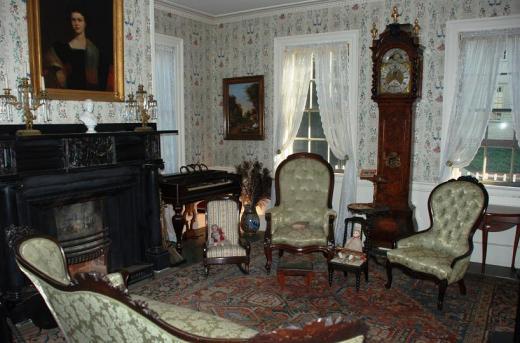
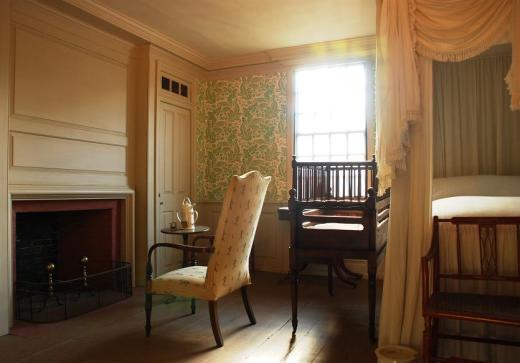
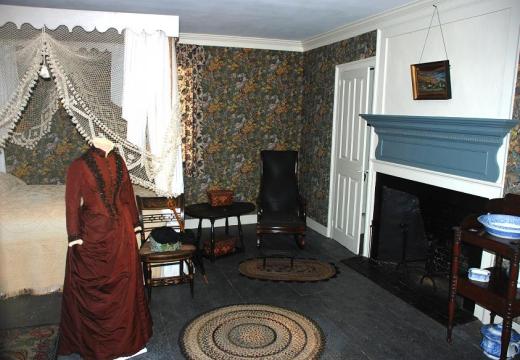
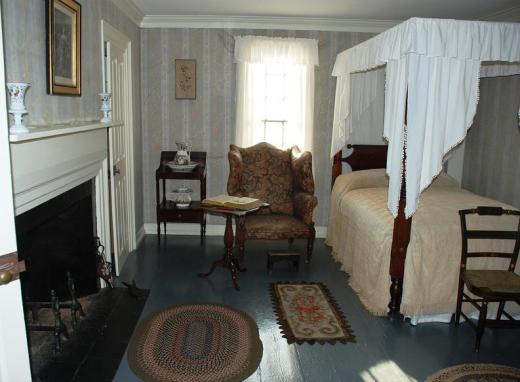
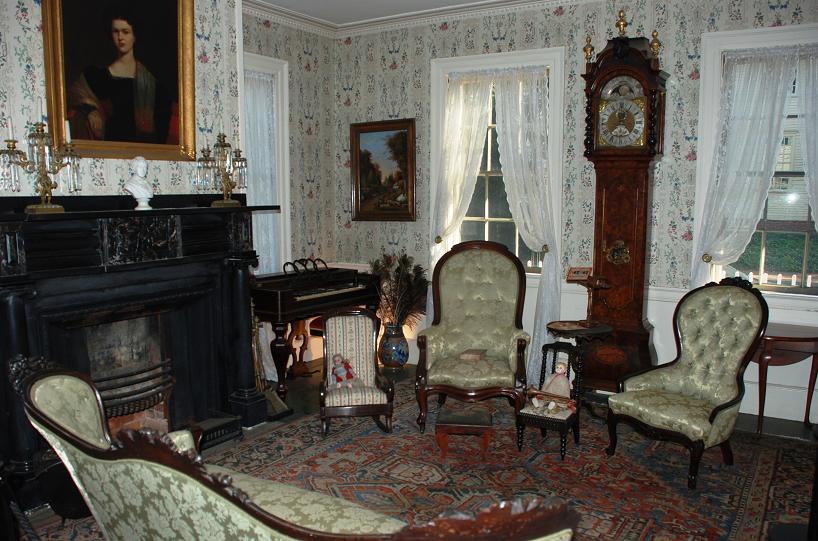
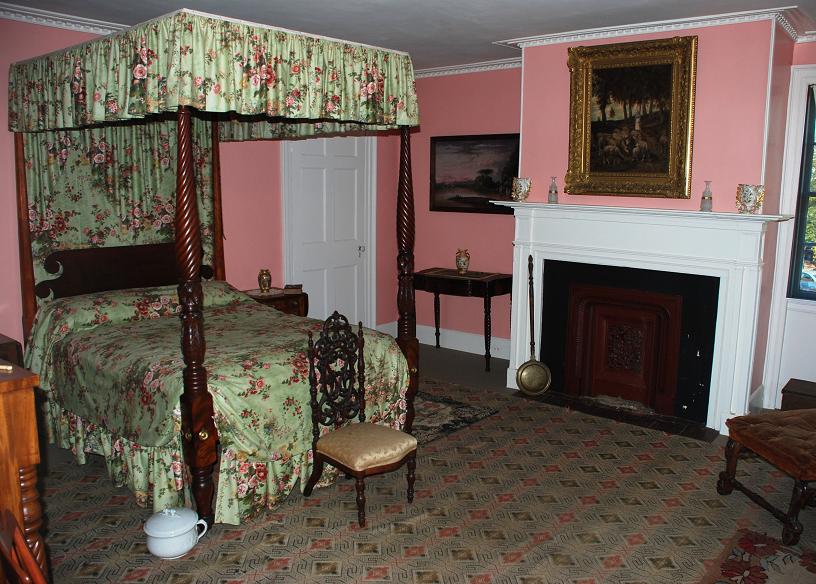
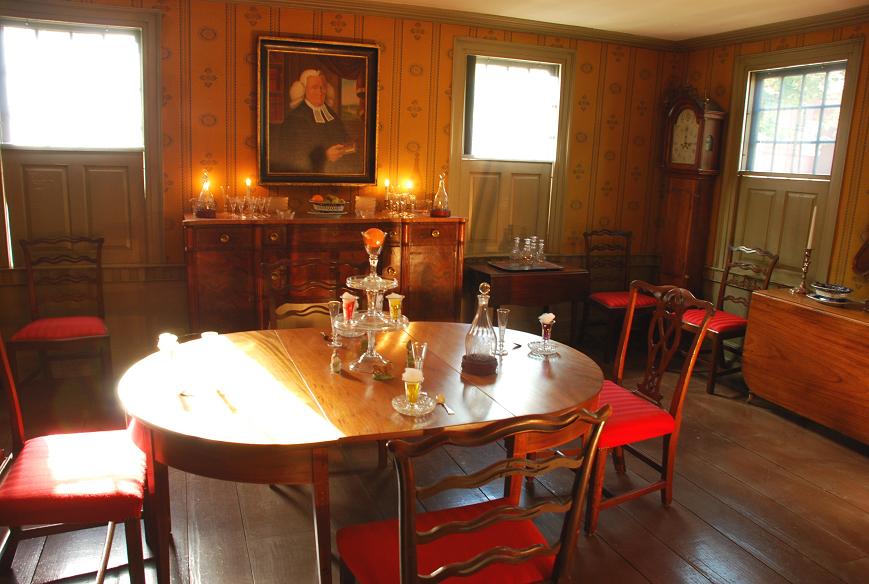
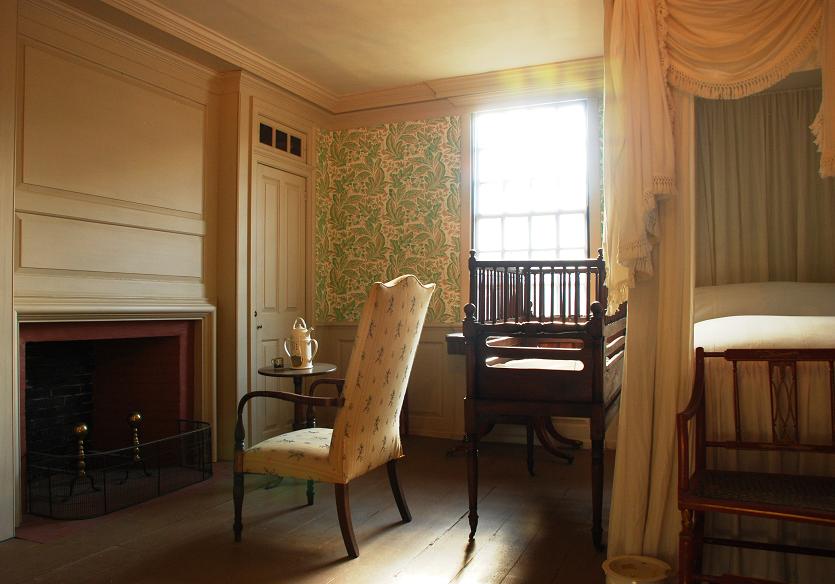
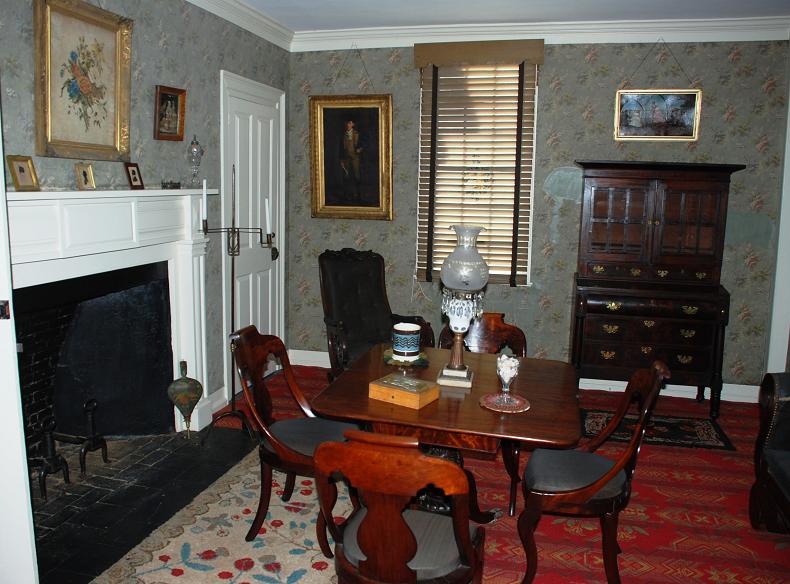
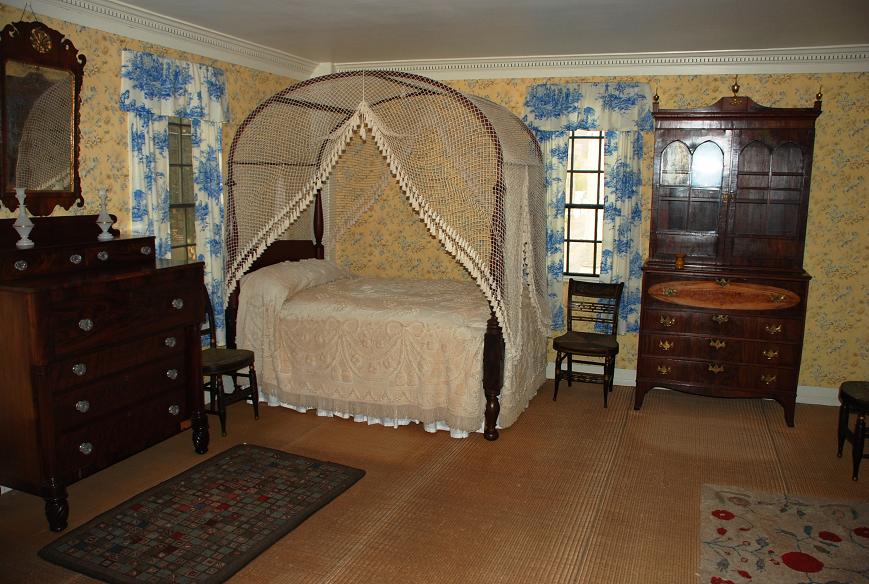
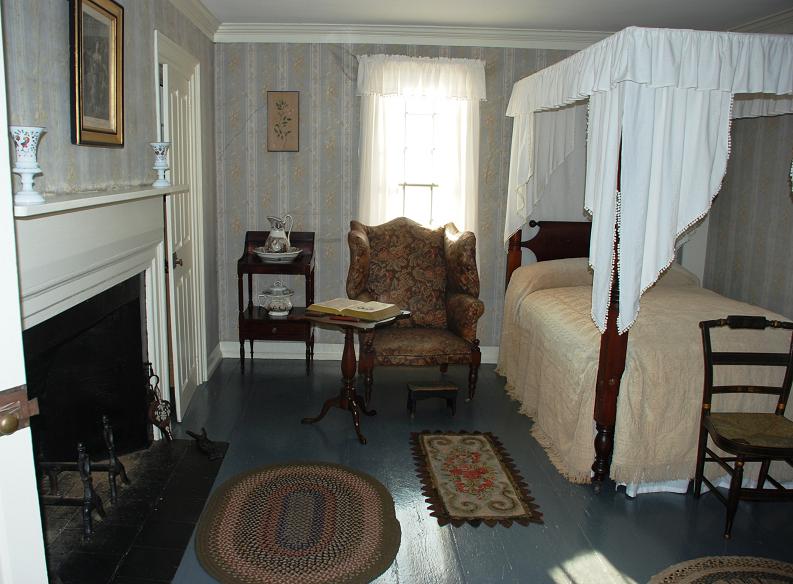
Each house is restored to its original period, and decorated appropriately. Some of the homes have actors in period costumes.
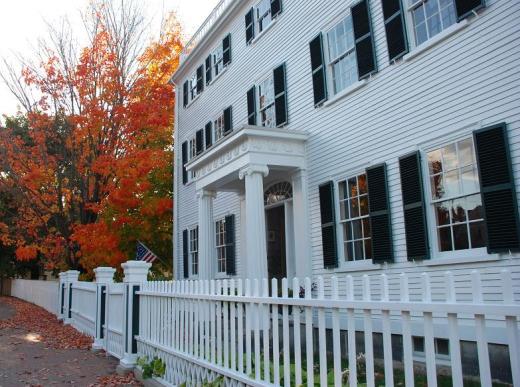
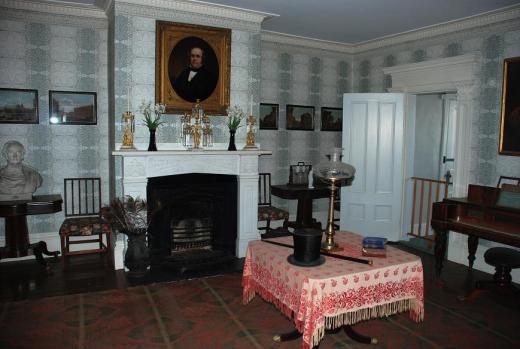
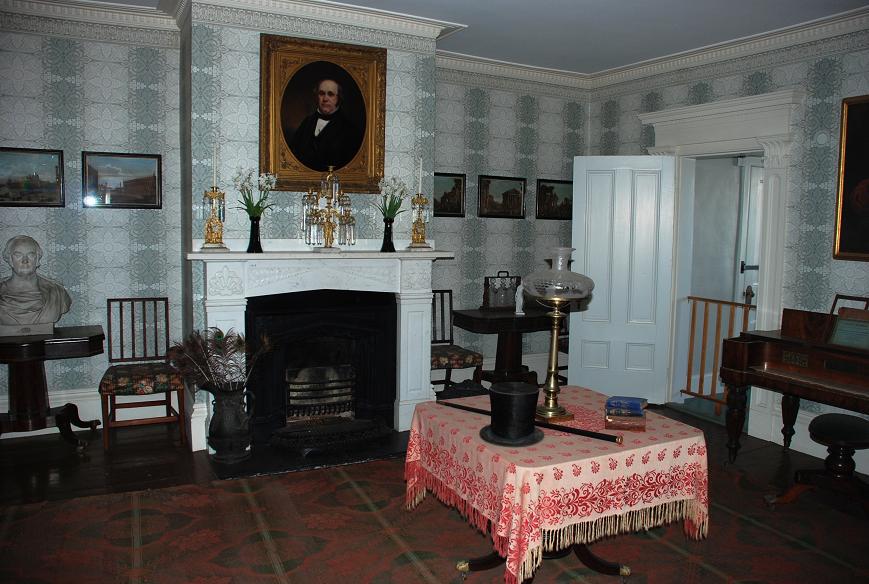
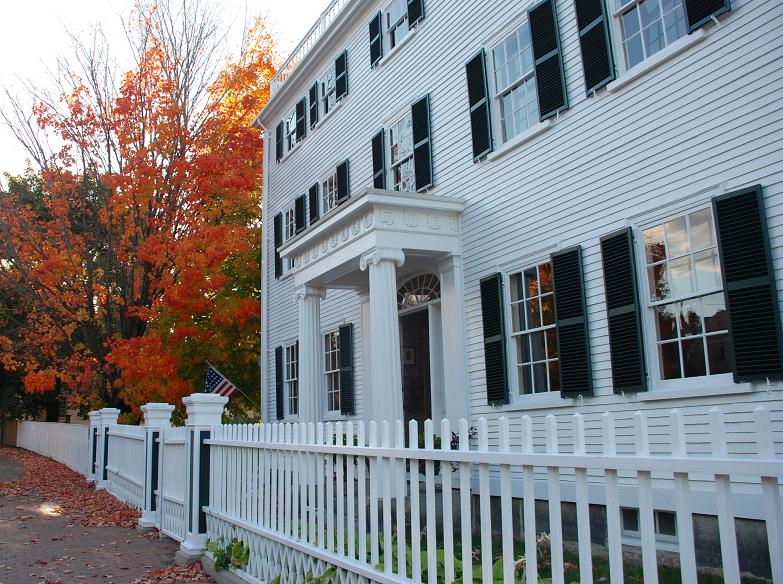
We started in the Goodwin Mansion, the home of Civil War governor Ichabod Goodwin. It was built in 1811.
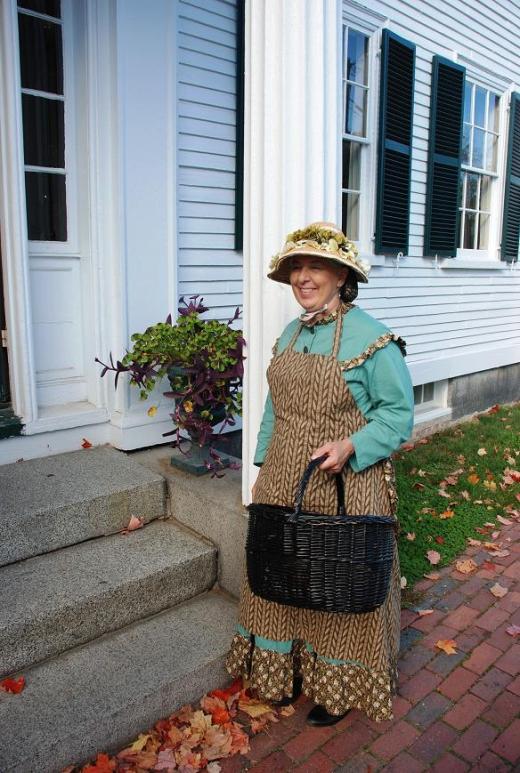
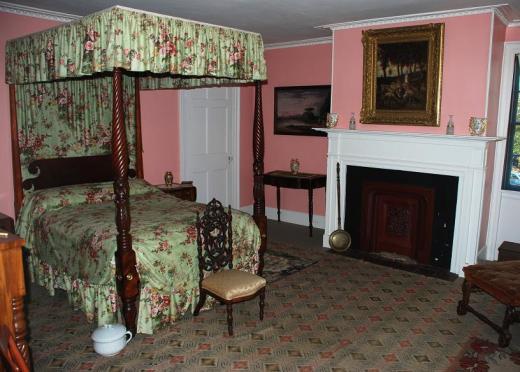
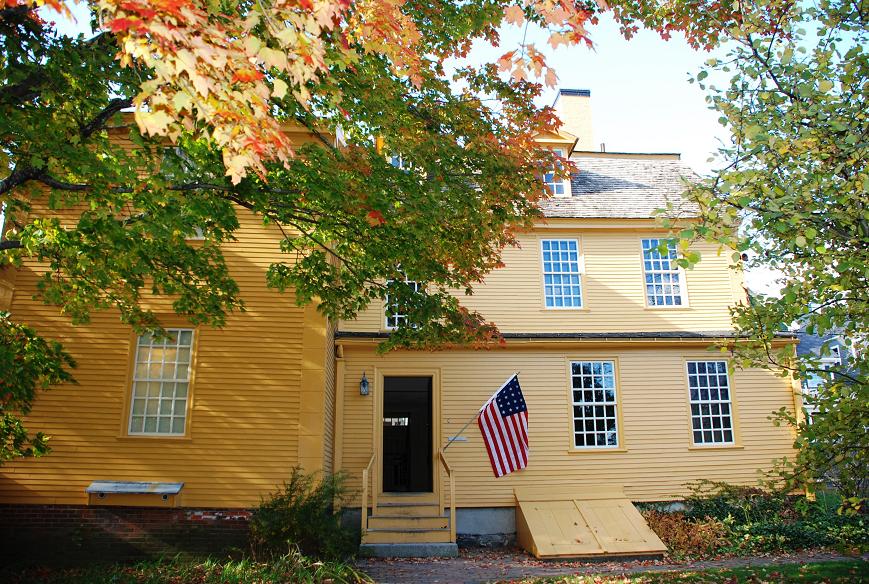
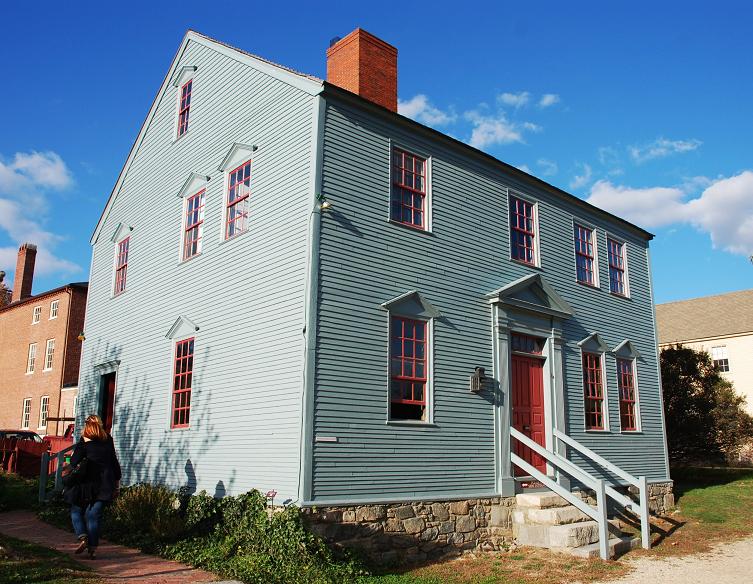
We walked the extensive neighborhood and toured the homes. Chase House was built in 1762 and home to Stephen Chase, an early 19th century merchant.
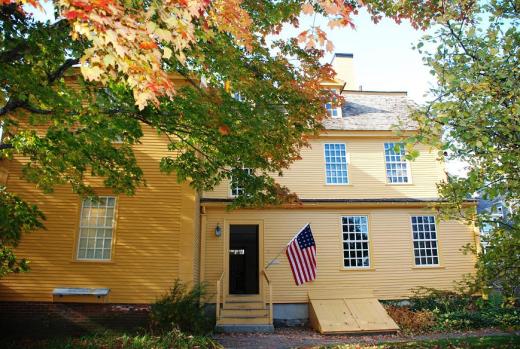
The Aldrich House, named for Victorian novelist, poet, and editor Thomas Bailey Aldrich was built in 1797.
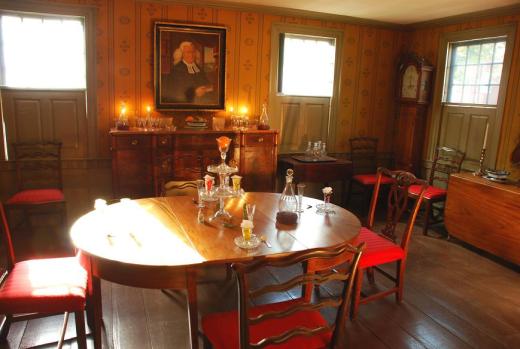
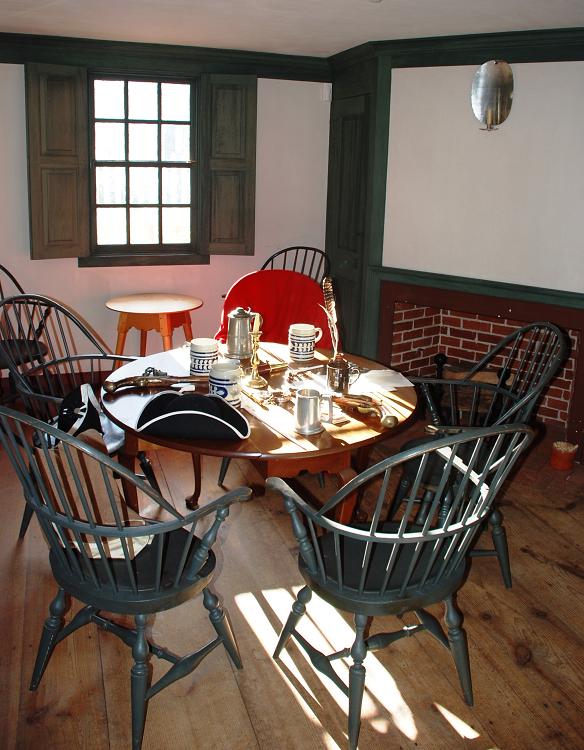
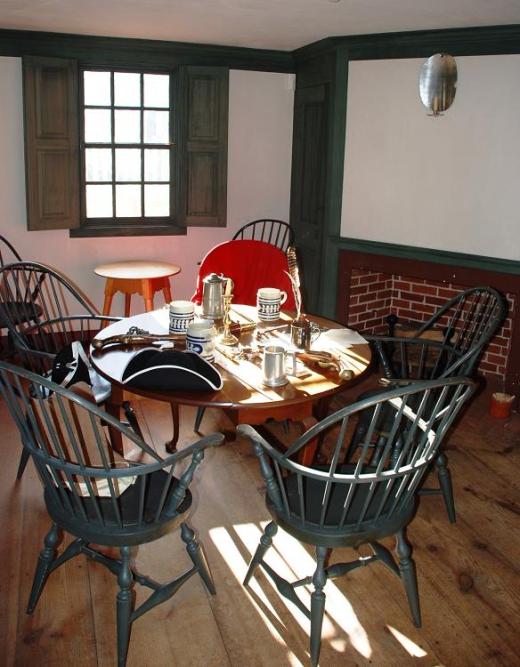
The Pitt Tavern, built in 1766, is a Revolutionary War-era tavern visited by many famous people, including George Washington. It is also a Masonic Lodge, one of the oldest in the nation (1763).
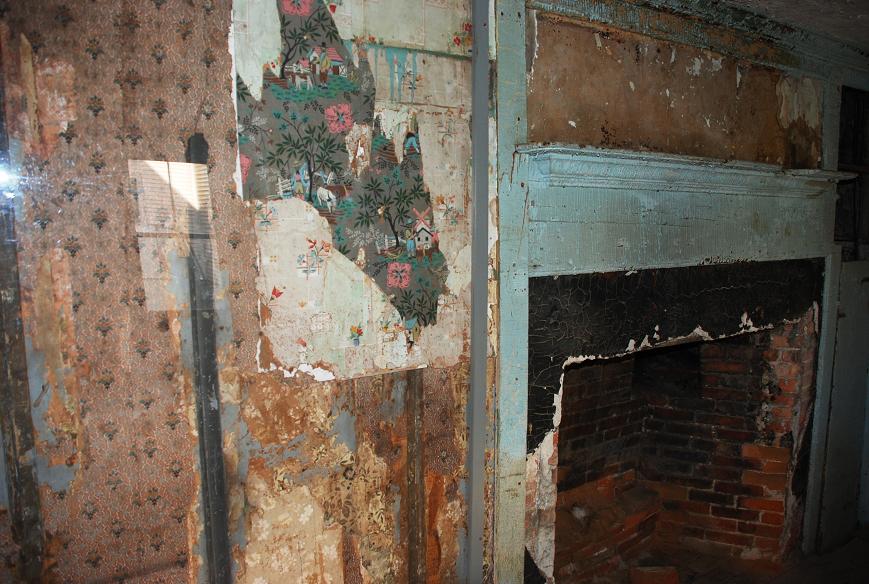
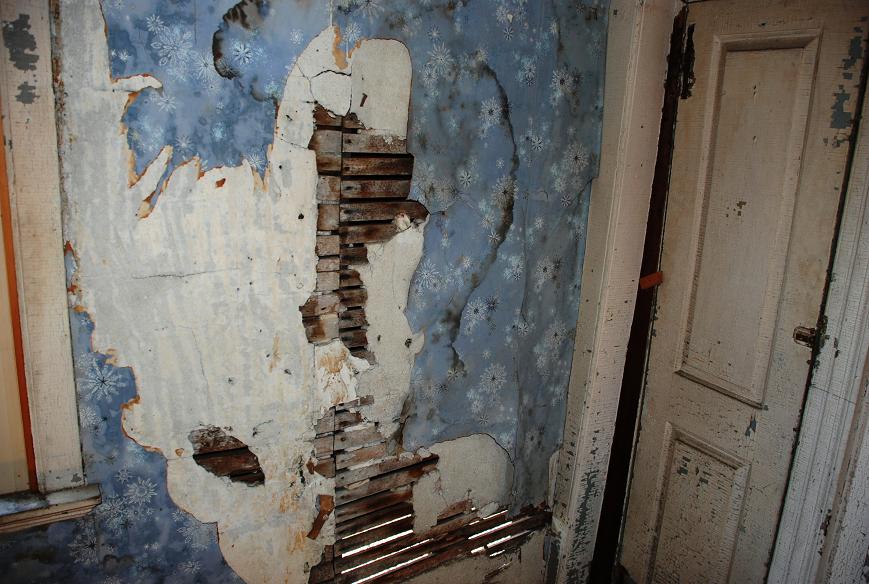
The open air museum also included some homes not yet restored. You could walk into these homes and see cut aways of the structure. It made you realize the amount of work and resources it takes to restore an old home.
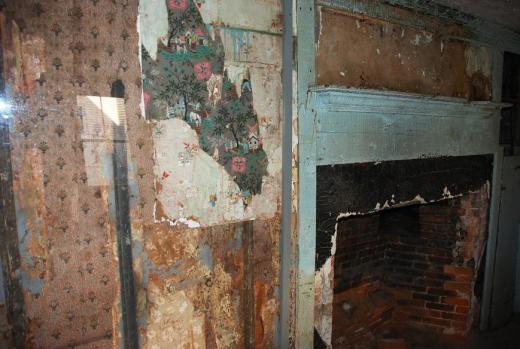
We walked through the 1943 general store, recognizing some brands. The costumed shop keeper, Mrs. Abbott, kept to her script and discussed “current” prices for war era goods.
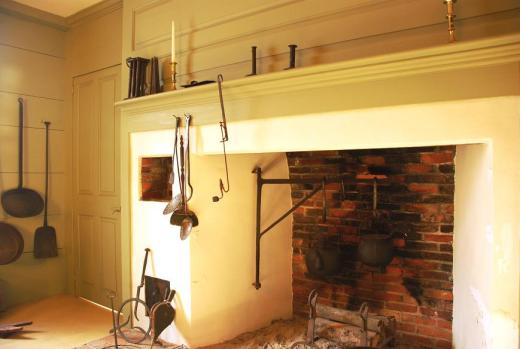
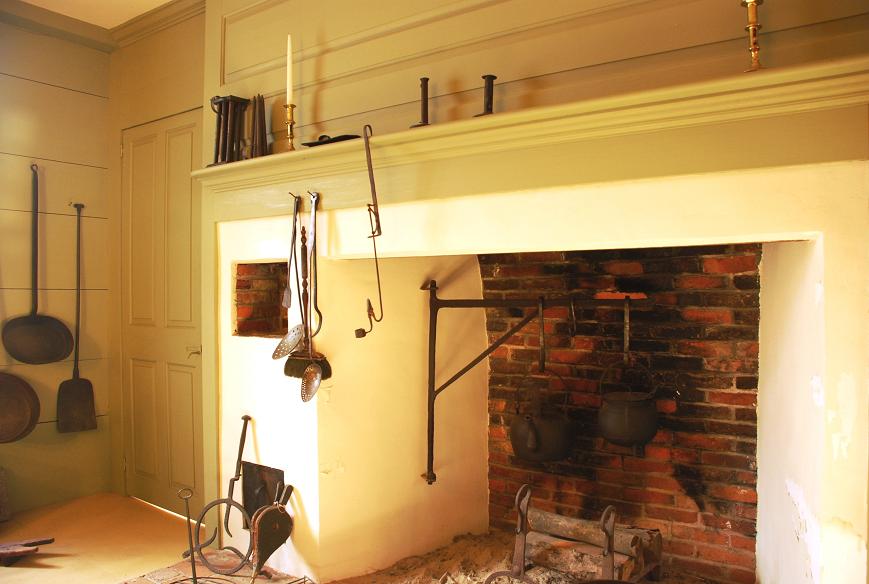
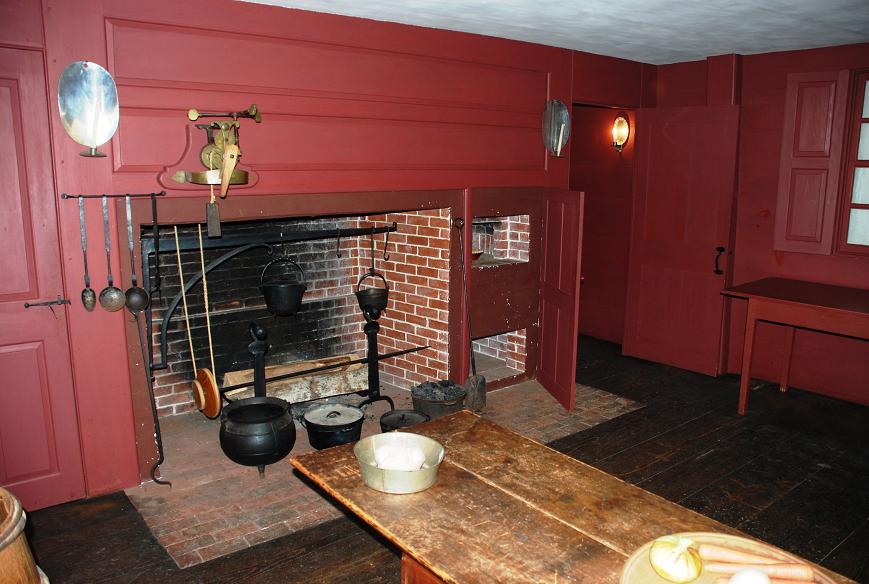
In the Wheelwright House we were treated to a cooking demonstration. Baking was such an ordeal that it was usually only done once a week. The volunteer had baked a pie in the 18th century kitchen with its open hearth. It looked like a tremendous amount of work.
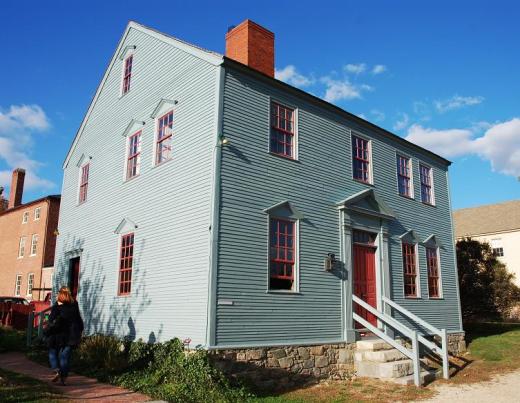
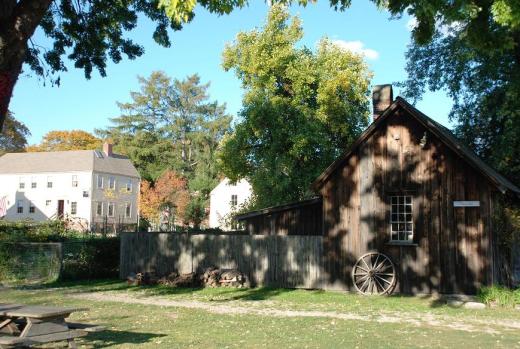
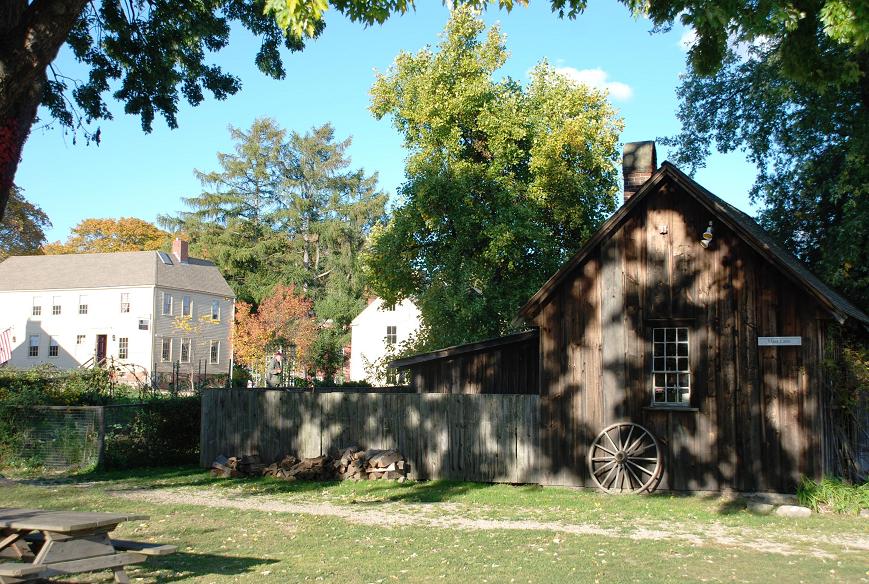
Exterior of the Dinsmore shop where a coopering demonstration was taking place (the making of wooden casks, buckets and barrels).
Strawbery Banke is a work in progress with 32 buildings, restored and unrestored.

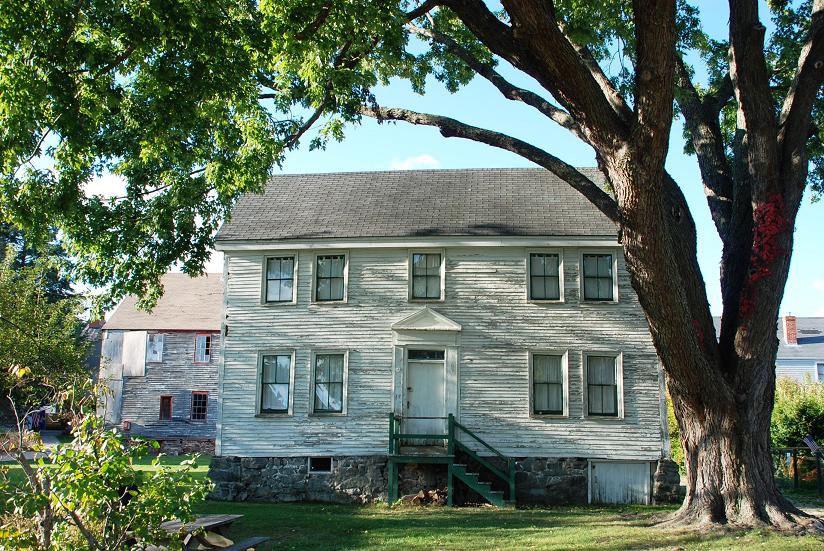
The unrestored Yeaton House, c. 1795, next to the Winn House, c. 1795. The Winn House interior was a demonstration in architectural styles and building construction.
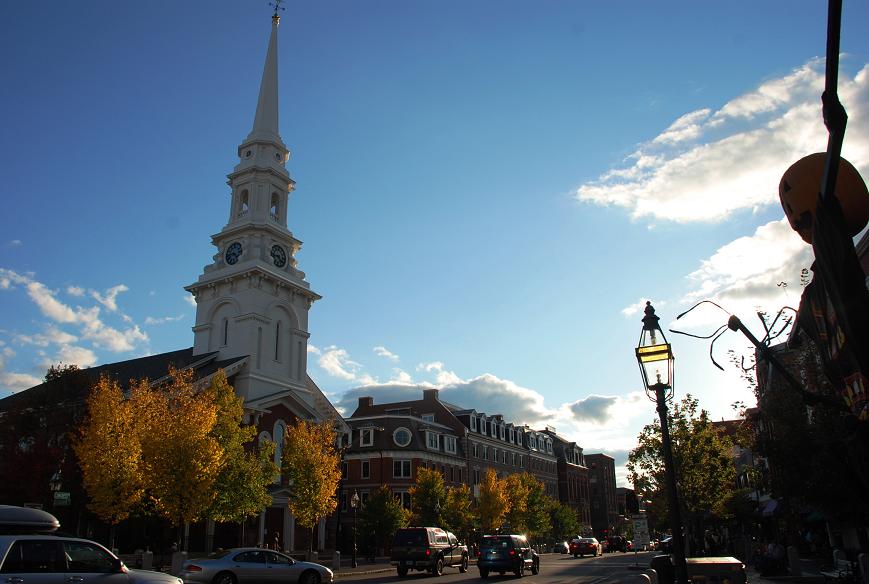
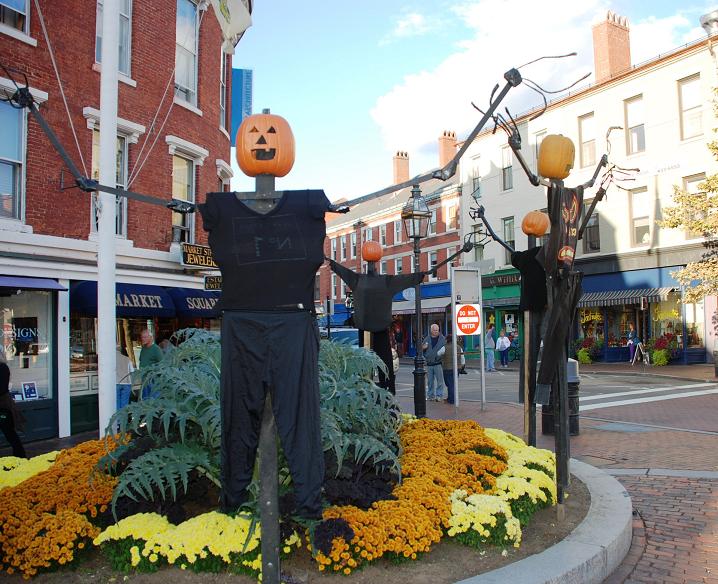
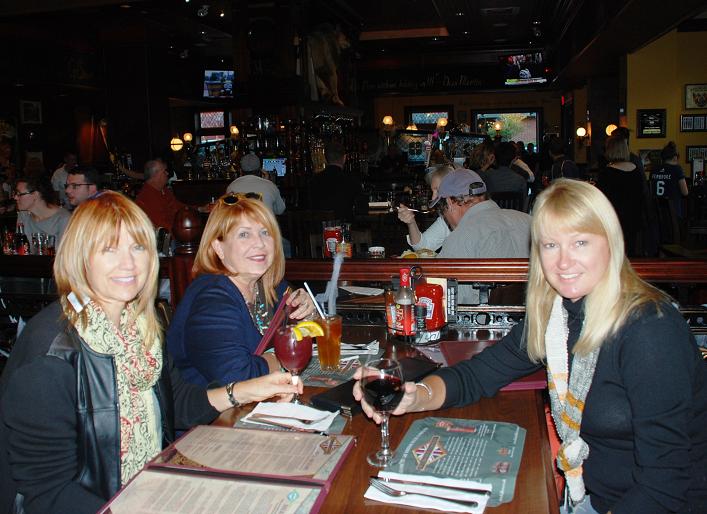
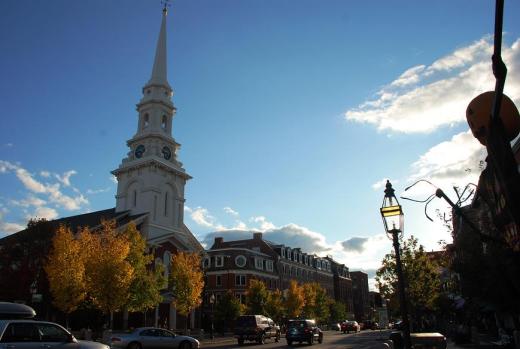
After touring the open air museum, we walked the more modern part of the town. All this walking and touring required a restorative meal and beverage at a local tavern.
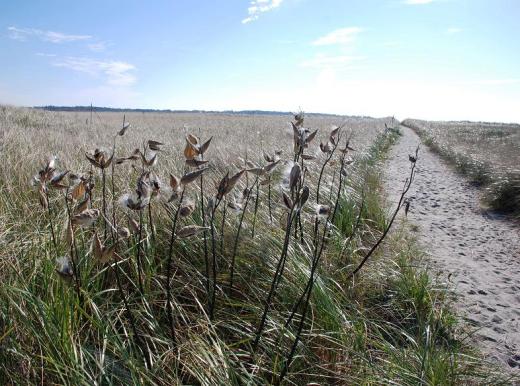
As per custom, a walk on the beach in the crisp Autumn air before jetting home to Florida. It is always a pleasure to visit New England in the Fall.
For more information on The Strawbery Banke Museum, please go to www.strawberybanke.org.
I made the most of my last two days in Stockholm. Taking ferries, I managed one UNESCO site, two museums, Gamla Stan, and two more stellar restaurants.
Things to do in Stockholm with only two days:
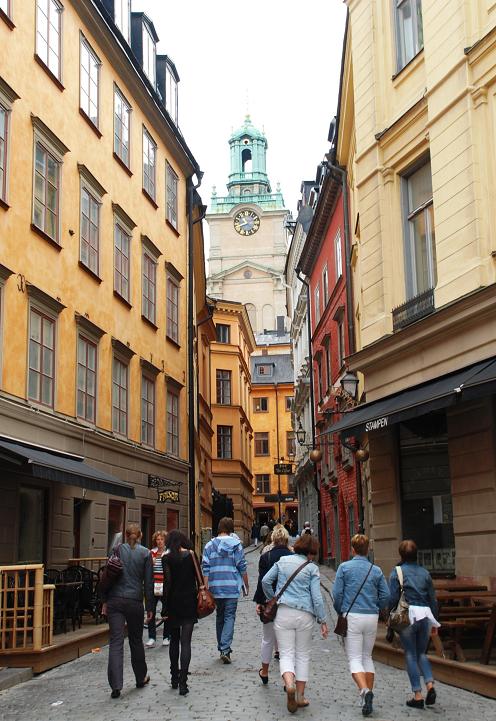
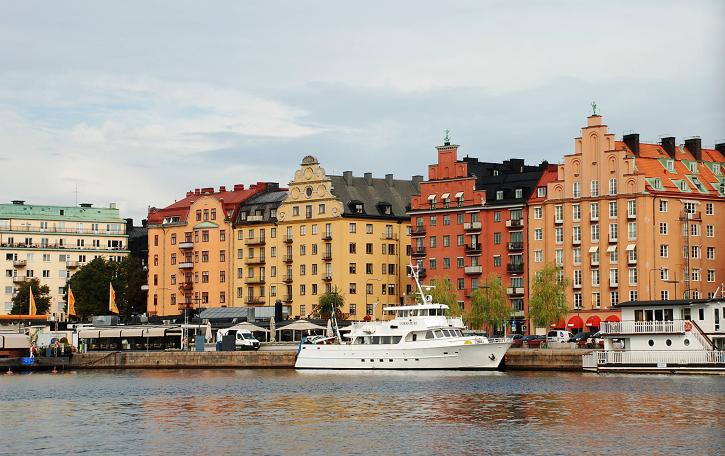
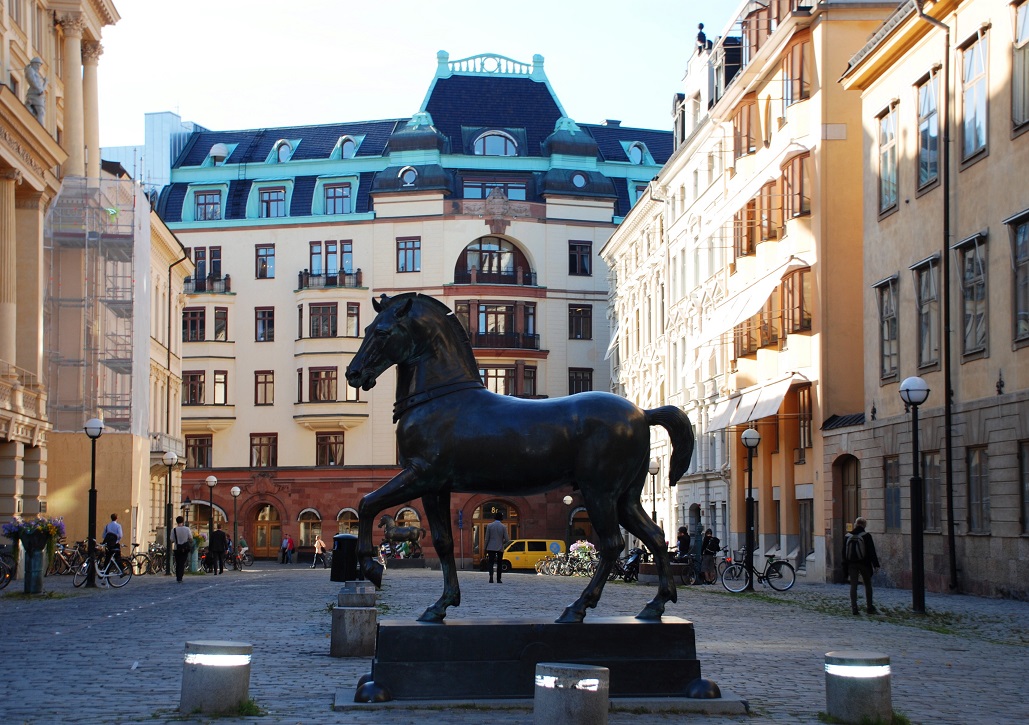
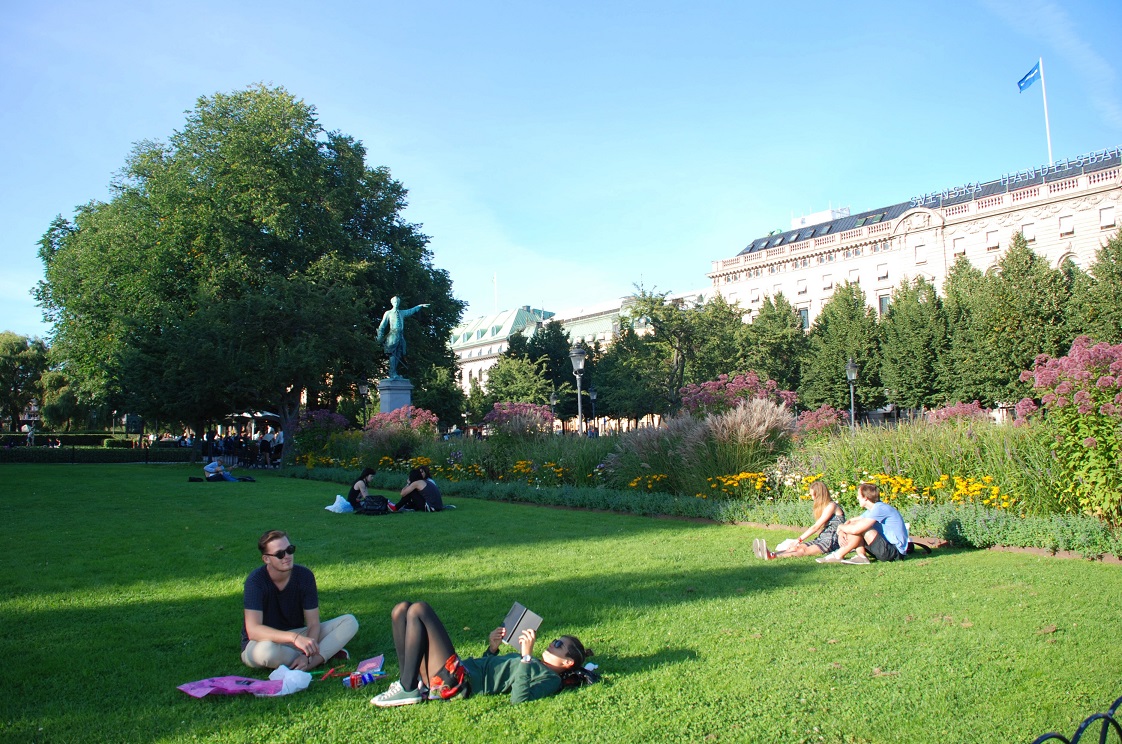
1. Sightseeing. Gamla Stan has many small streets to walk, the main square (Stortorget), the cathedral (Storkyrkan), and the Royal Palace to name just a few sites. It is easy to spend more than a day just walking the small streets of Gamla Stan. The entire waterfront and the parks would take many more days to cover. There is so much to see without even entering a museum, it keeps you busy.
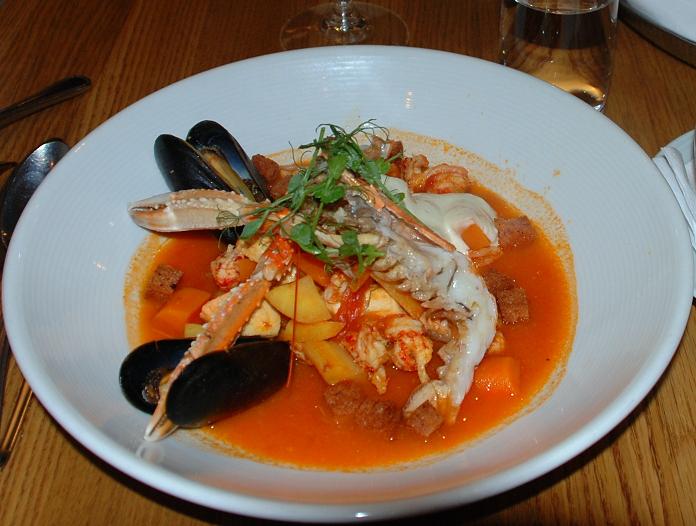
2. Drottningholm. I took the first ferry out to the Queens country palace (Queen Hedvig Eleonora from the 17th century), now a UNESCO Heritage Site. The palace itself is interesting with beautiful rooms, but even more so I enjoyed the tour of the theater on site, dating from 1766. It is still in use today using the original stage workings. The English language tour was worth waiting for. A walk through the gardens and grounds, and a tour of the Chinese Pavilion covers a large area and much walking is involved. The ferry ride to and from the palace from near downtown was an excursion of its own. I can recommend the fish soup at the Drottningholm cafe. http://whc.unesco.org/en/list/559
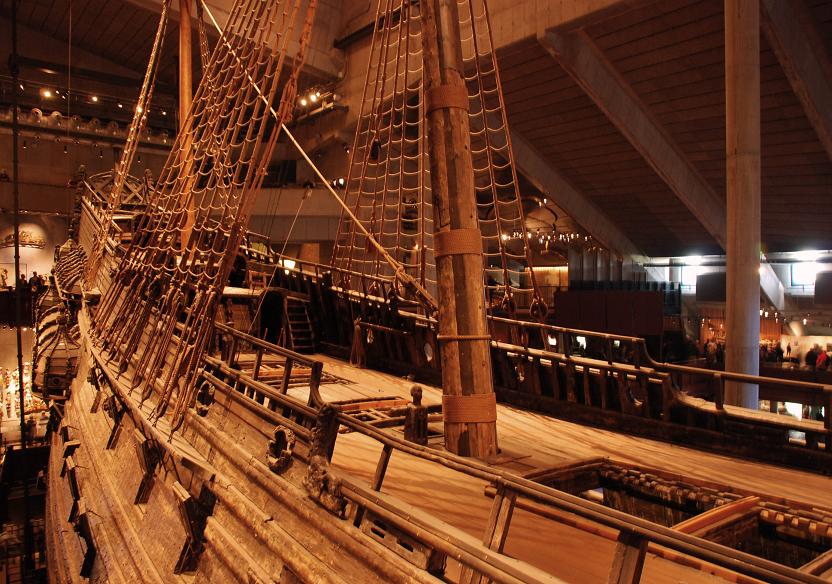
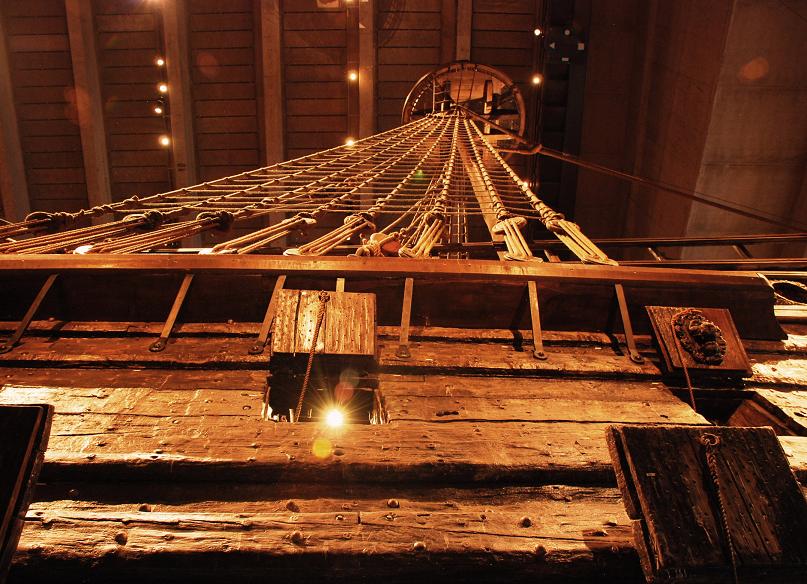
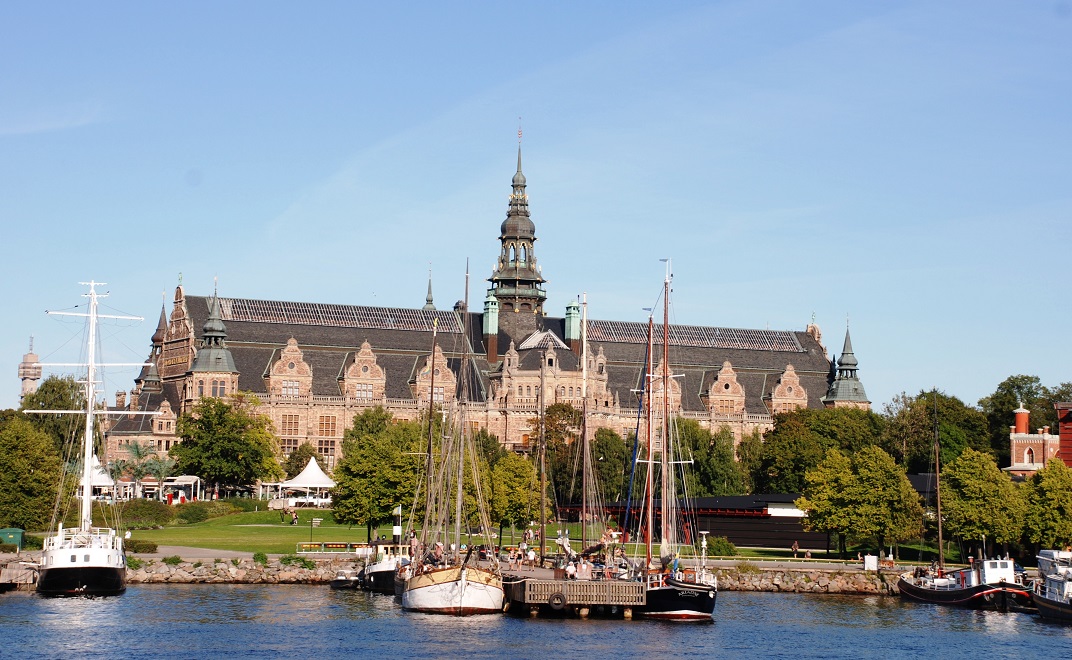
3. Museums. In one day you can visit the Nordiska Museet and the Vasa Museet. Both are located on Djursgarden, another ferry ride from Gamla Stan. (Skansen, another very good outdoor museum is in the same area, but that takes more time than I had). Again, the ferry ride is another sightseeing ride. The Nordiska Museet has exhibits on Swedish trends and traditions from 1500 to the present. I particulary liked the examples of table settings from 1500 – 1950. The Vasa museum is truly amazing. The building of the ship was an accomplishment, the sinking on August 10, 1628 a tragedy, but the most amazing part of the museum is the salvage of the ship after 333 years at the bottom of the harbour. http://www.nordiskamuseet.se/en http://www.vasamuseet.se/en/
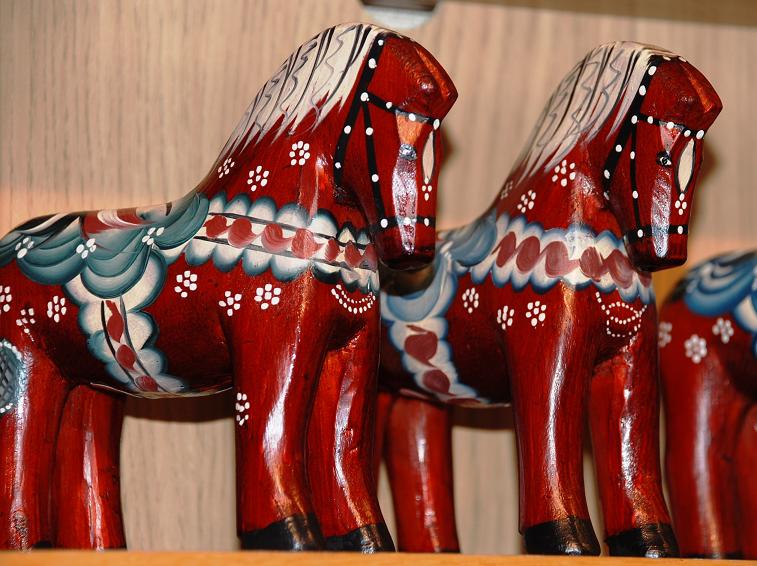
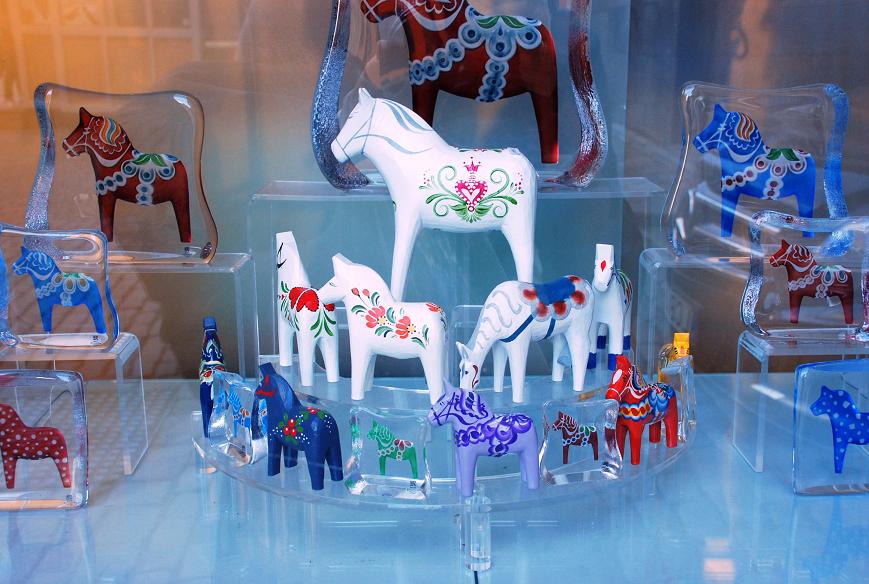
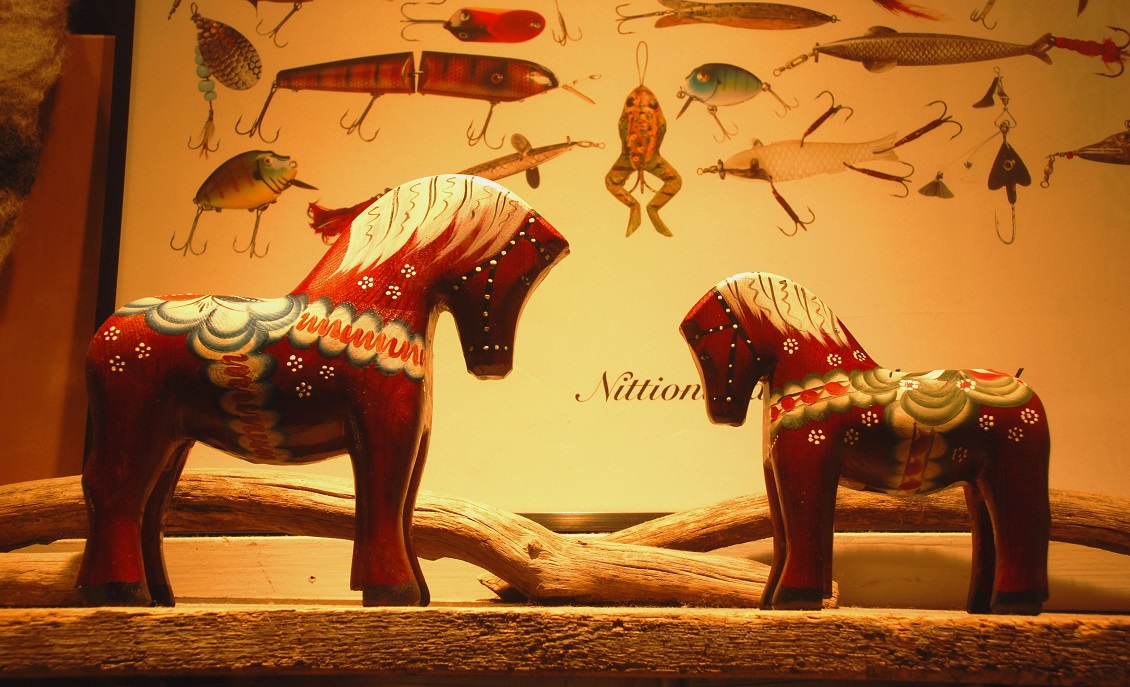
4. Shopping for the Dalecarlian horses. I love these carved symbols of Sweden, and can’t seem to get enough of them. There is a small shop near the main square that has a few cabinets of rare and collectable horses. I spent some time in this shop, and others, looking for just the right one. These carved horses became famous after the 1939 World Expo in New York. Of course they were carved for hundreds of years prior to that, but it was the exhibit at the World Expo that catapulted the little horses to fame. The Nordiska Museet called them “The greatest sales success of the Stockholm Exhibit.” http://www.woodenhorsemuseumsweden.se/
From the website of the Wooden Horse Museum:
The first Dala horse factory was started by the Olsson brothers in Nusnäs, a village in Mora, in 1922. The second one was started in 1928. Both factories are still run by descendants of the Olsson family today.
During the 1939 World Expo in New York, 20,000 wooden horses were sold at the Swedish Pavilion. The same year, almost one ton of Dala horses was shipped to the USA. Mass production of Dala horses began after this Expo.
The simple toys made for Swedish children became Sweden’s No.1 souvenir and symbol, as well as a collector’s item.
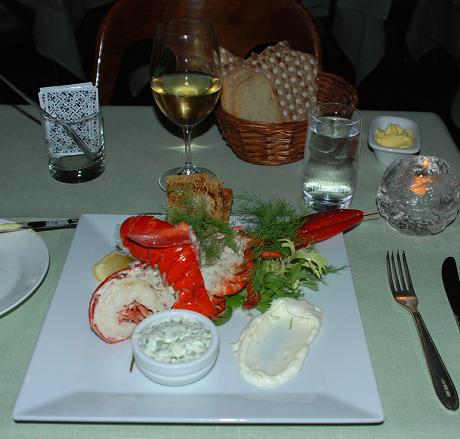
5. Good food. I can now recommend three wonderful dinner spots in Gamla Stan. Fem Små Hus is a cozy place with many levels descending into the cellar. I had the best shrimp appetizer of the trip here, plus a wonderful lobster dinner. For my last dinner in Gamla Stan, I dropped into Mårten Trotzig. I didn’t know what to expect, but ended up having the best fish soup of the trip. http://www.femsmahus.se/en
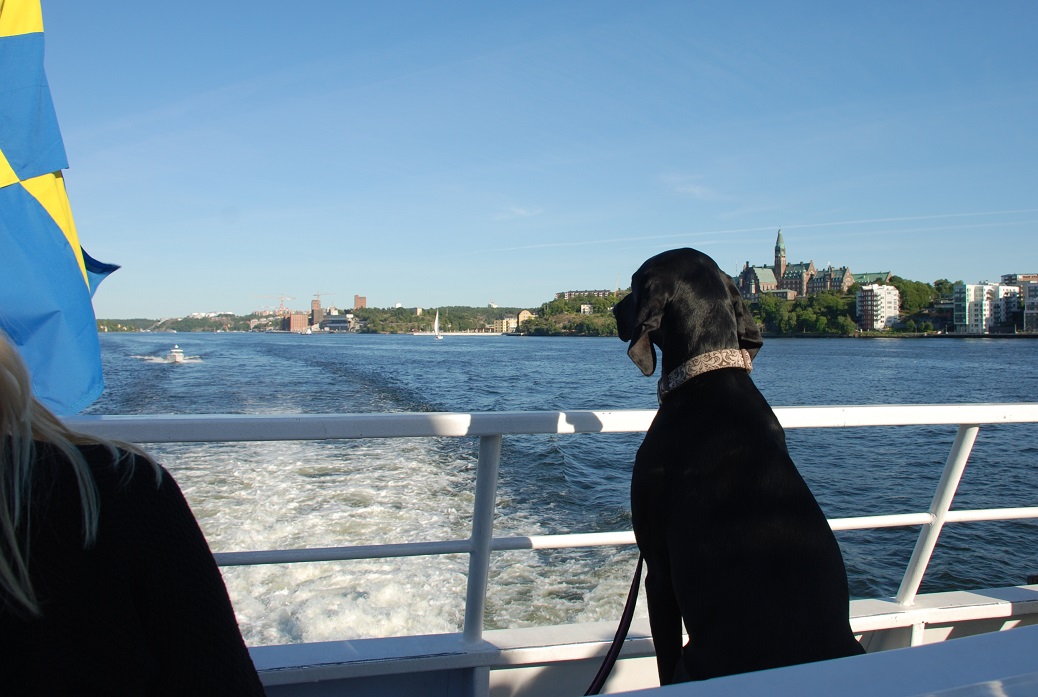
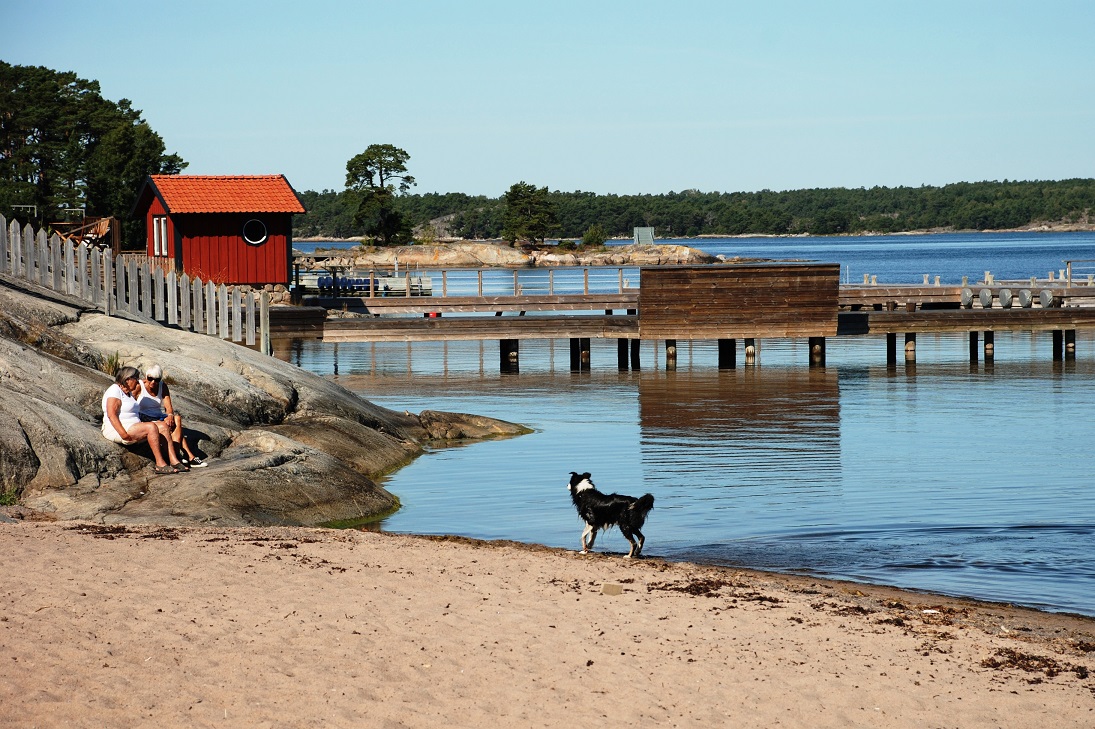
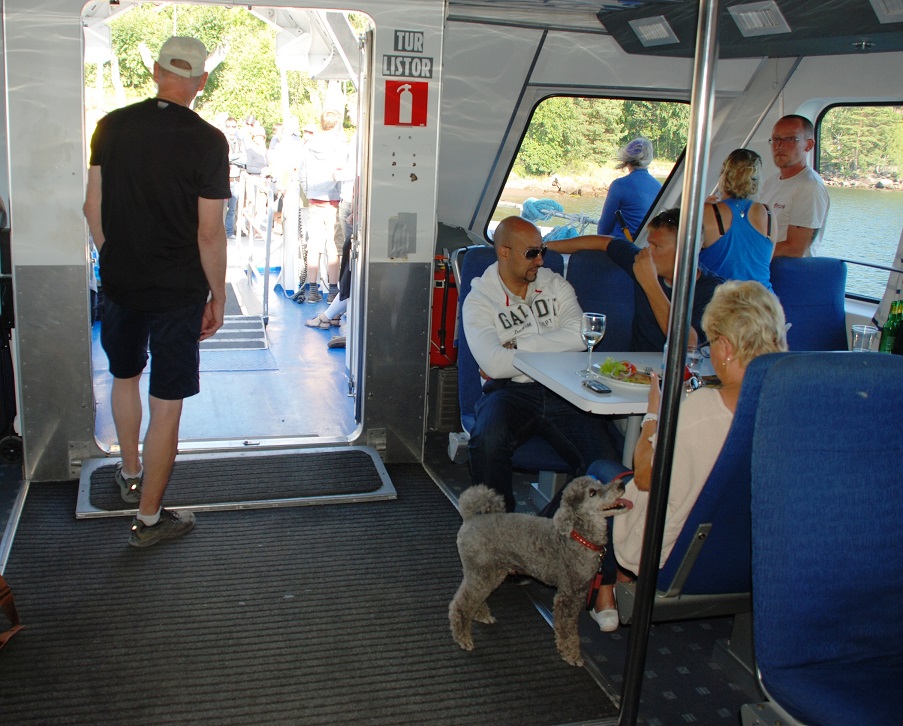
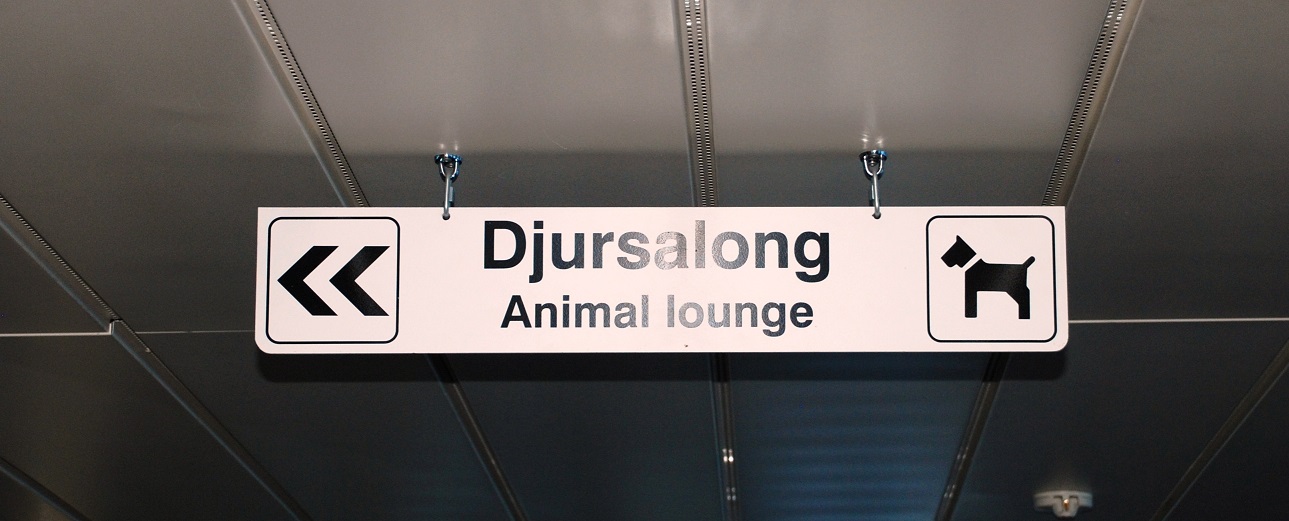
I will admit right at the start to being a dog lover. But I live in a rather dog unfriendly state, so it was wonderful to see how dogs are included in everything in Sweden, or almost everything.
We saw dogs just about everywhere. My theory is that the dogs are introduced to this inclusion at a young age, and their good behavior in public is the result.
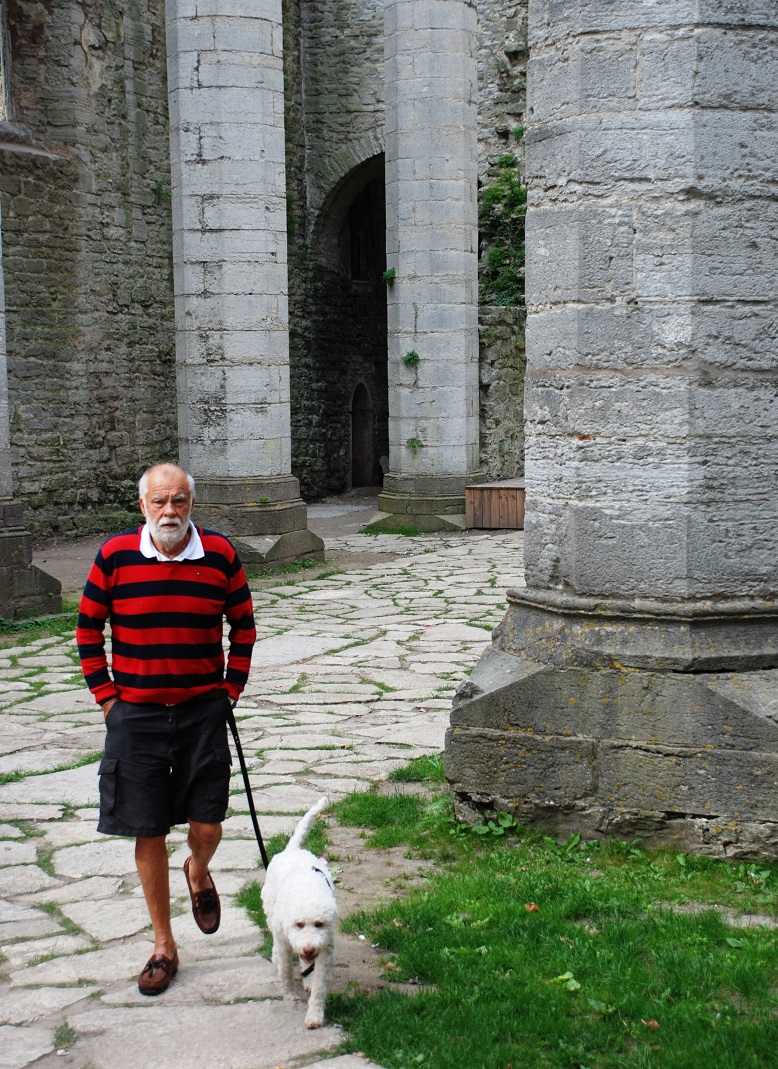
We saw them on the ferry, on the bus, at cafes, on the street, at the ruins in Visby, and at the palace at Drottningholm.

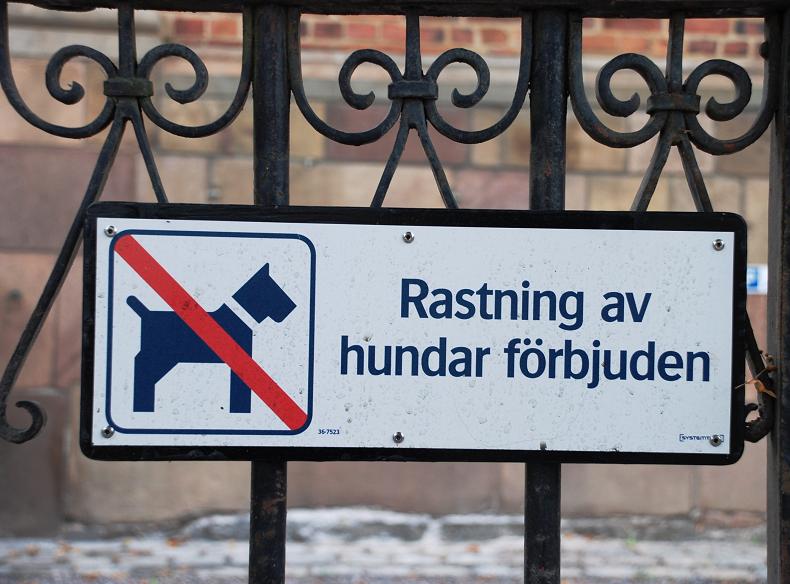
This sign on a gate in Gamla Stan warms people to be mindful of the laws regardings dogs in churches.
The only place that I saw the following sign, “No Dogs Allowed”, was on the gate of The House of Nobility in Gamla Stan.
According to the World Heritage Committee, Visby was worthy of the UNESCO World Heritage designation due to the following:
Visby is an outstanding example of a north European medieval walled trading town which preserves with remarkable completeness a townscape and assemblage of high-quality ancient buildings that illustrate graphically the form and function of this type of significant human settlement.
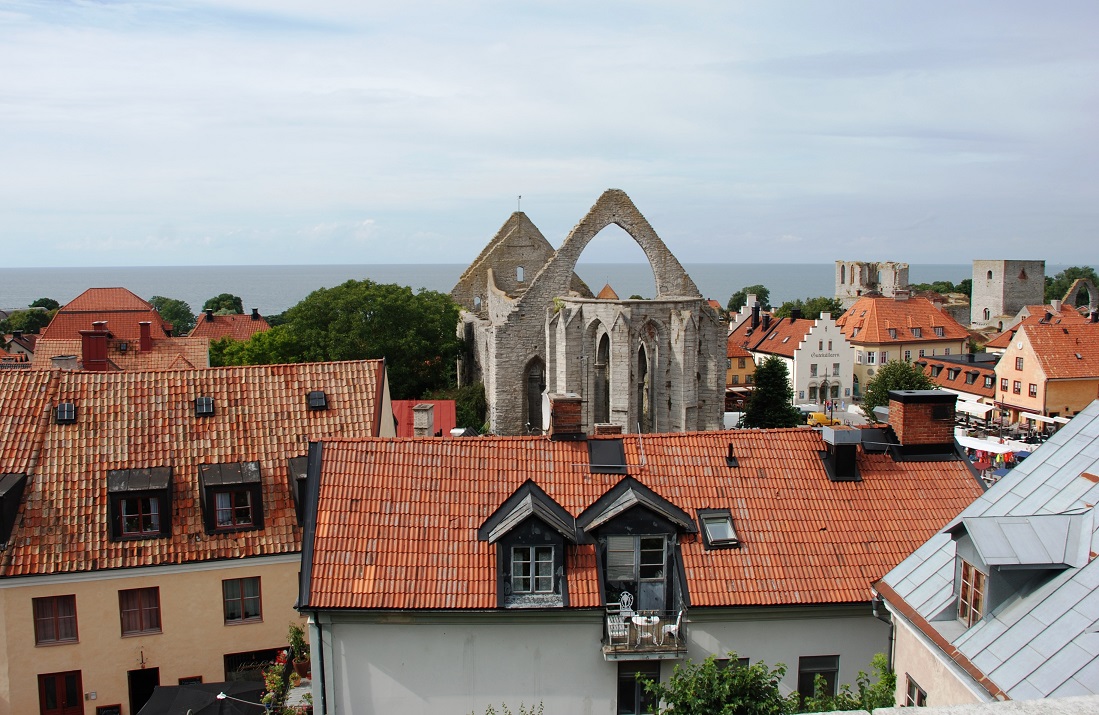
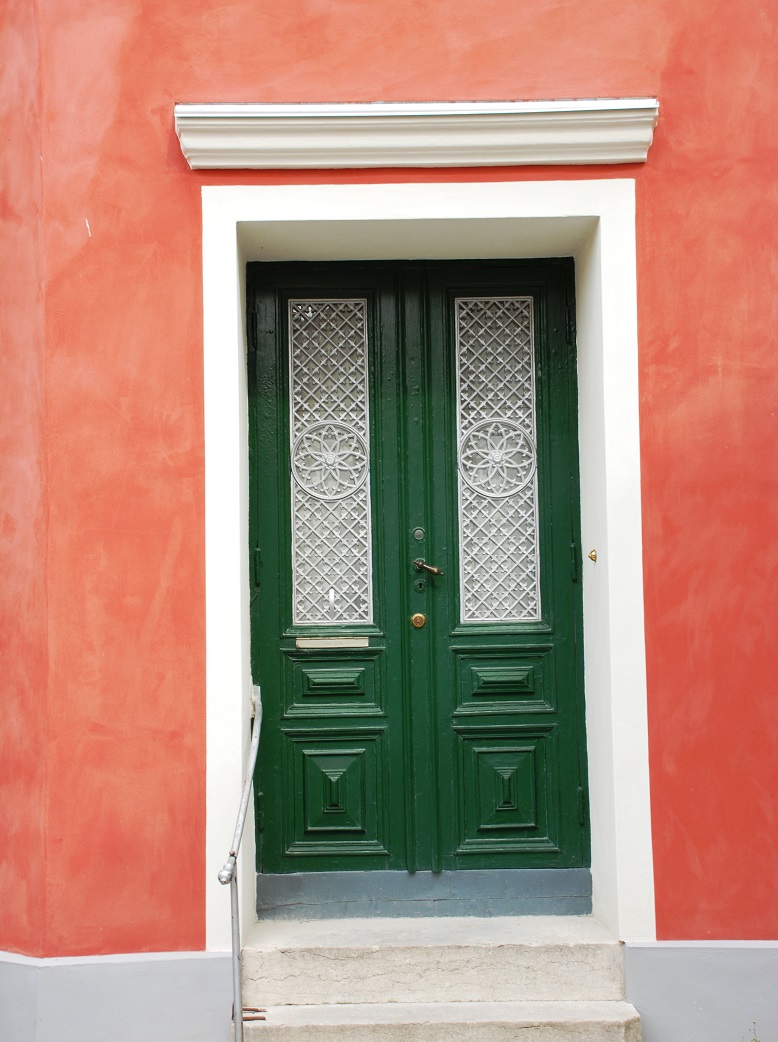
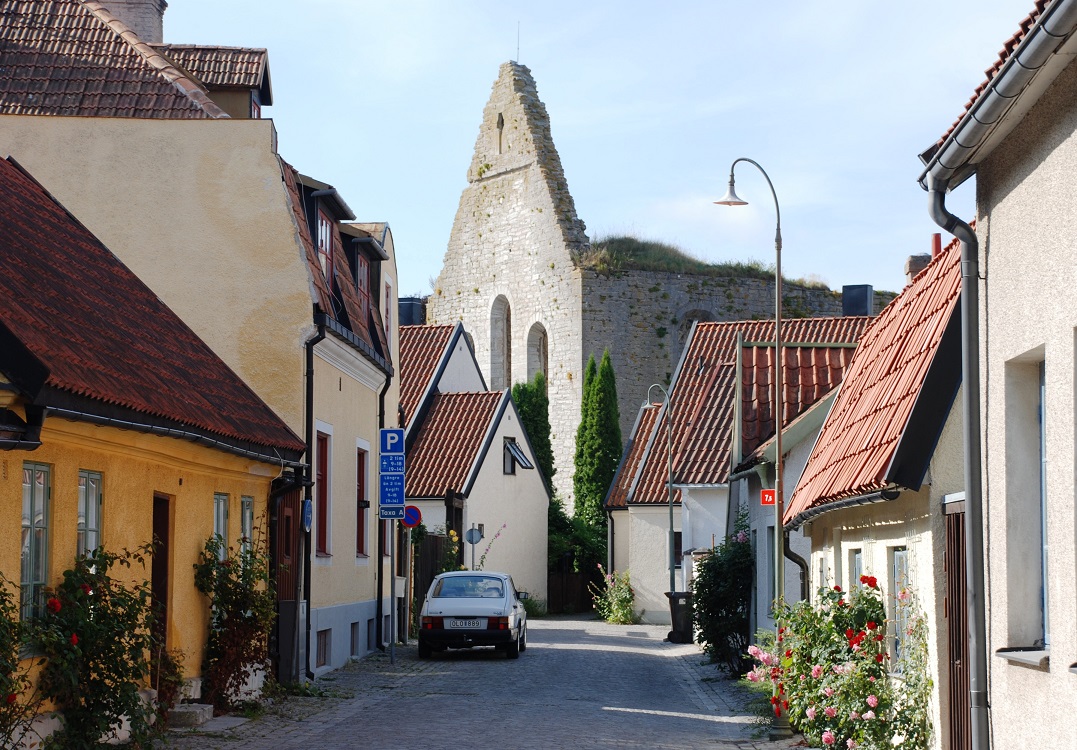
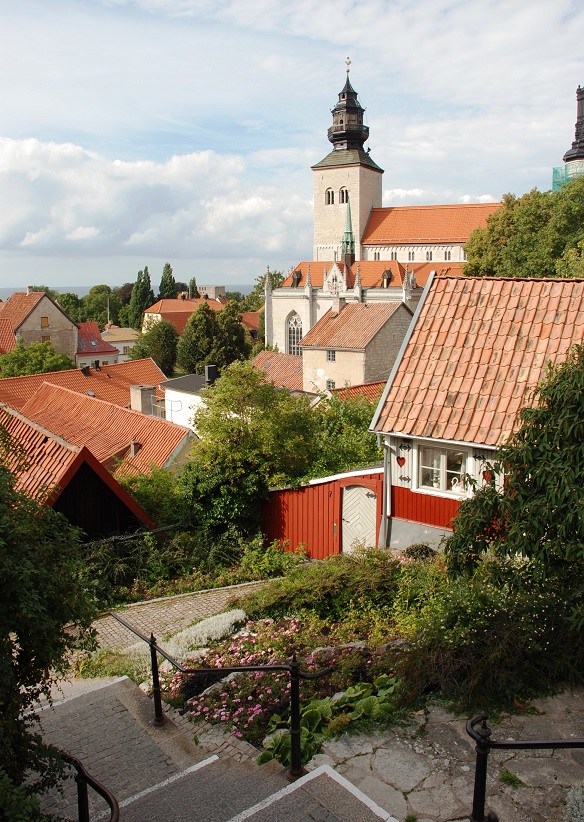
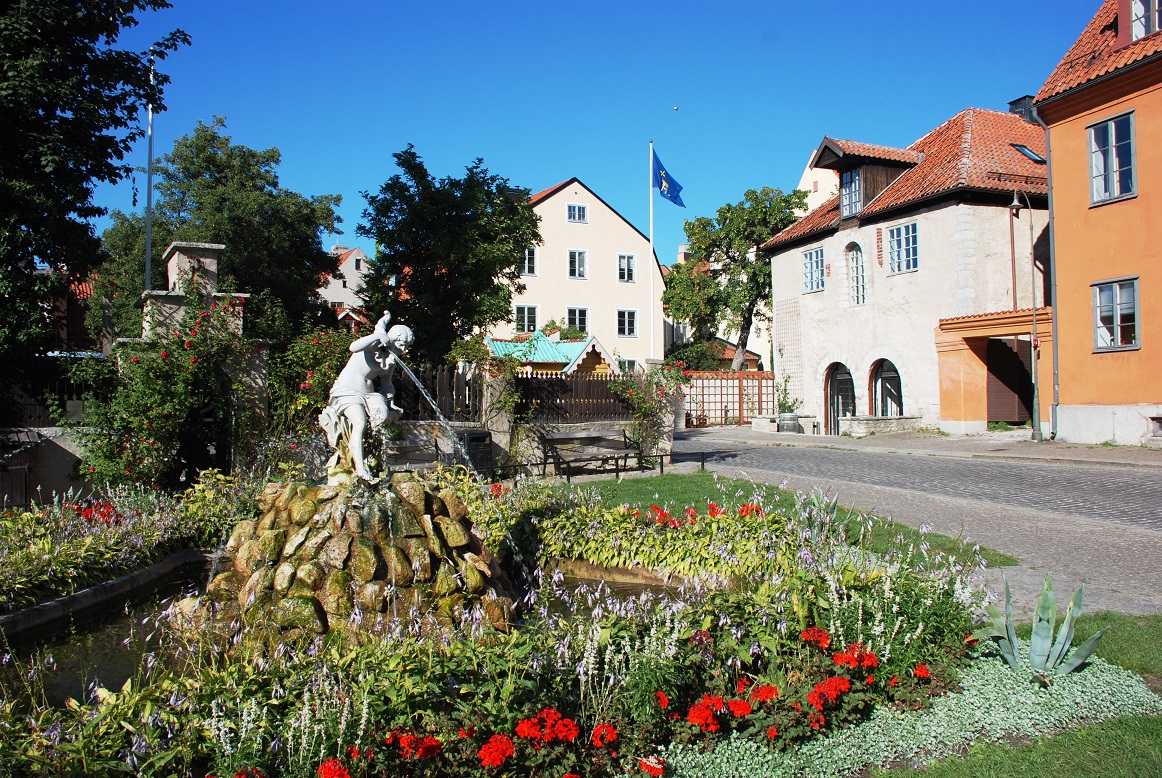
Here are my images of Visby:
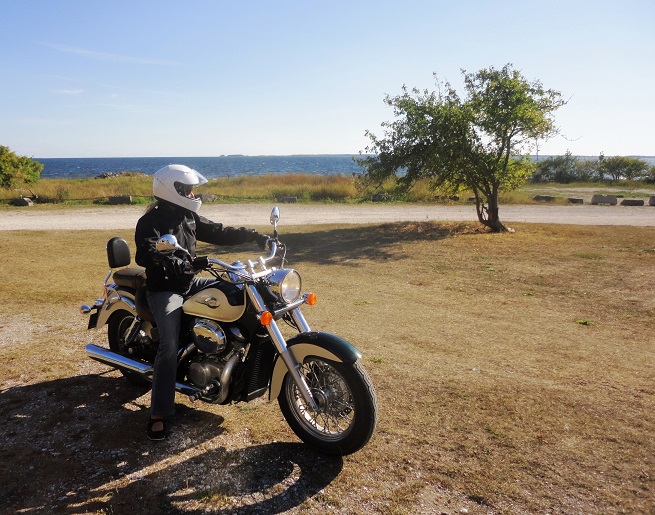
The original plan was to rent two small motorcycles and tour the island of Gotland. Things don’t always go as planned. We ended up two on one large bike, and we saw about half the island.
We headed north out of Visby on 149. The bike was bigger than I am used to, and I am also not used to having a passenger, but with time I felt ok. I like the feel of driving a bike and being in the elements, but the drawback is that it takes a lot of dinking around to stop and take photos, so you end up taking less. Touring on bikes means you get a great experience, and less photos.
The area between Visby and Farosund to the north is interspersed with farms and very small settlements. We stopped at one beach type area on the west coast that was all closed up, something we would see a lot. We spoke later with a shop keeper in Visby and were told that the restaurants in Visby shut down in Oct and don’t open again until May. This was definitely at the end of the tourist season. Another shop keeper told me it was a great time to be in Gotland as most of the tourists had left.
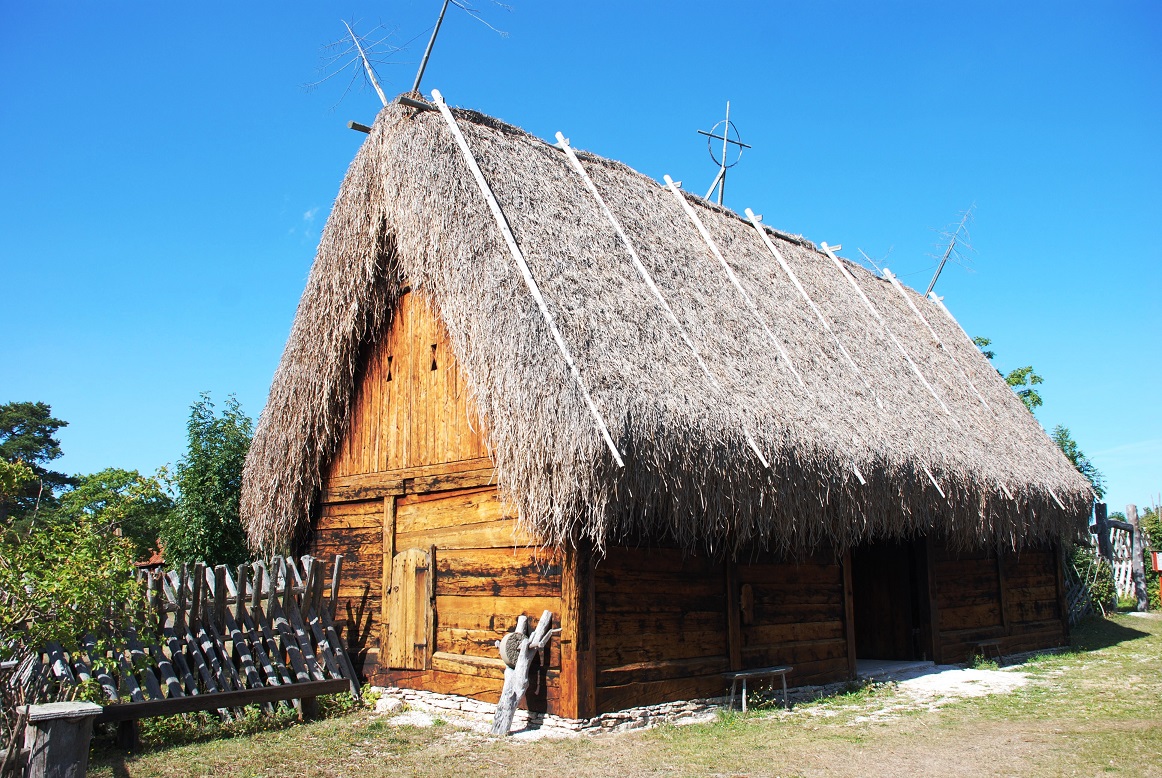
We stopped at Bunge Museet, the open air museum in Bunge (www.bungemuseet.se), a good museum with examples of farms and homes from different centuries. They also had some picture stones.
After heading as far north as possible, without going to the island of Faro, we turned south along the east coast of the island. Stopping briefly for lunch, we traveled as far south as Ljugarn, before turning westbound back to Visby. We drove through some very scenic farming areas with horses, cows and sheep, but could not stop for photos.
Back in Visby, we had dinner at a small and very local place called Bakfickan, recommended for its fish soup. So once again, fish soup for dinner. It was good. An after dinner stroll and then back to Hotell Gute. I mistakenly thought we could see the entire circumference of the island in one day. It would take at least two, maybe three. This wasn’t the first time that I overestimated the ground/miles that could be covered in one day.

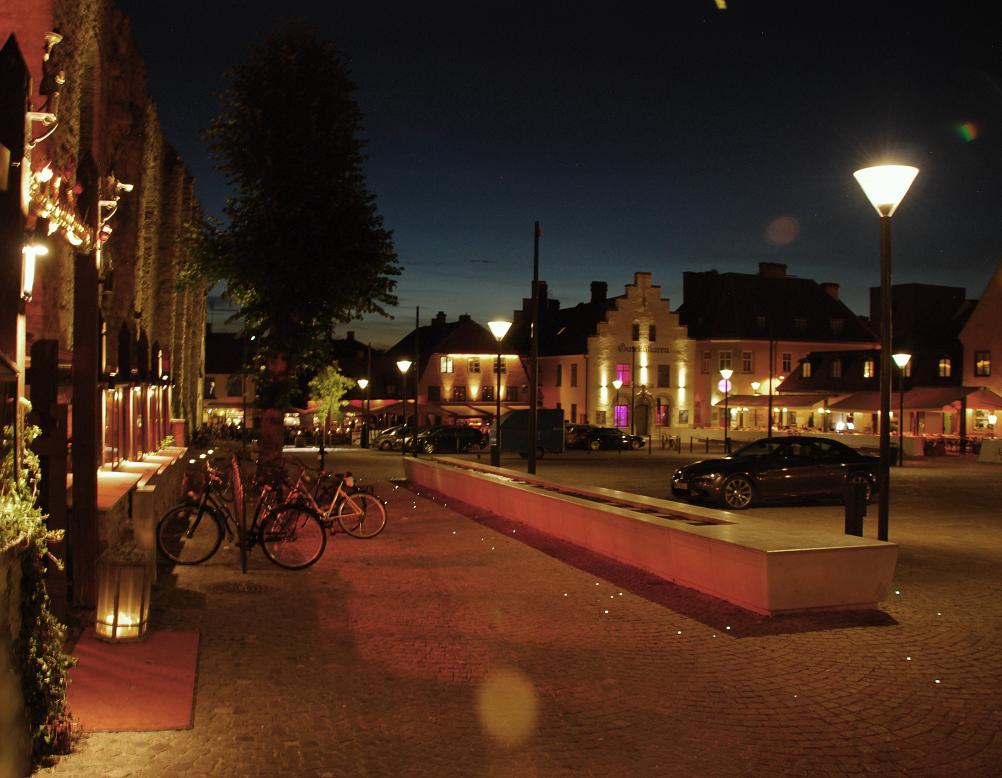
Visby’s stortorget at night. The pin pricks of light on the ground are tiny lights imbedded in the cobble stones. They looked like stars on the ground.
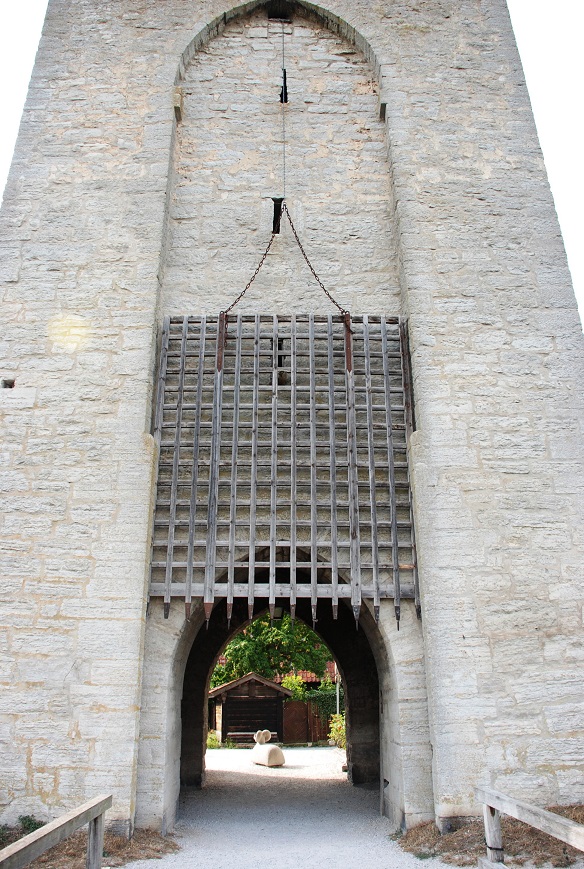
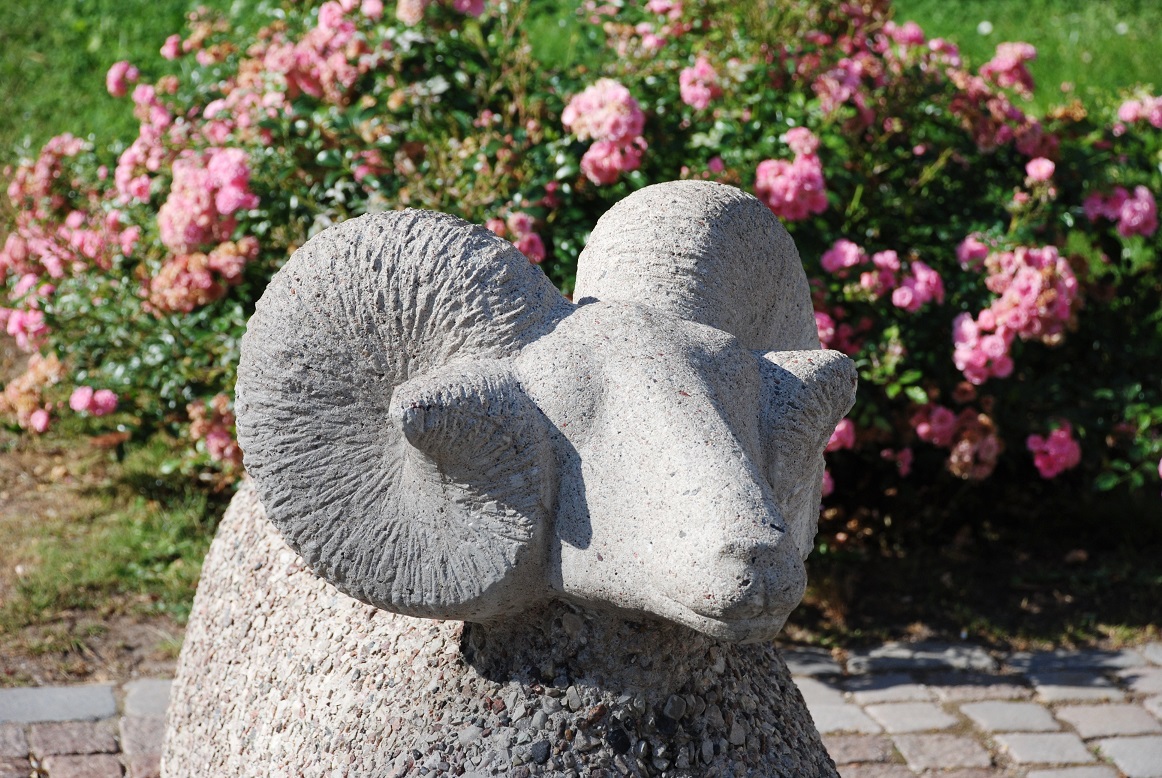
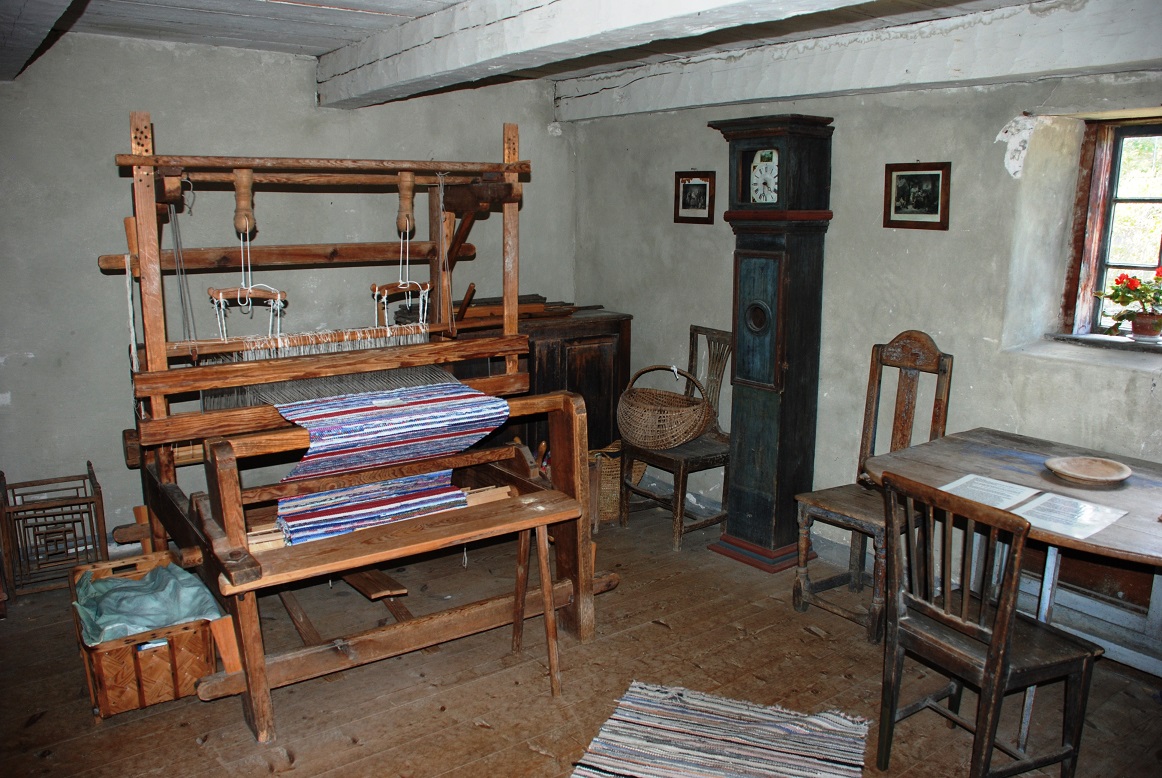
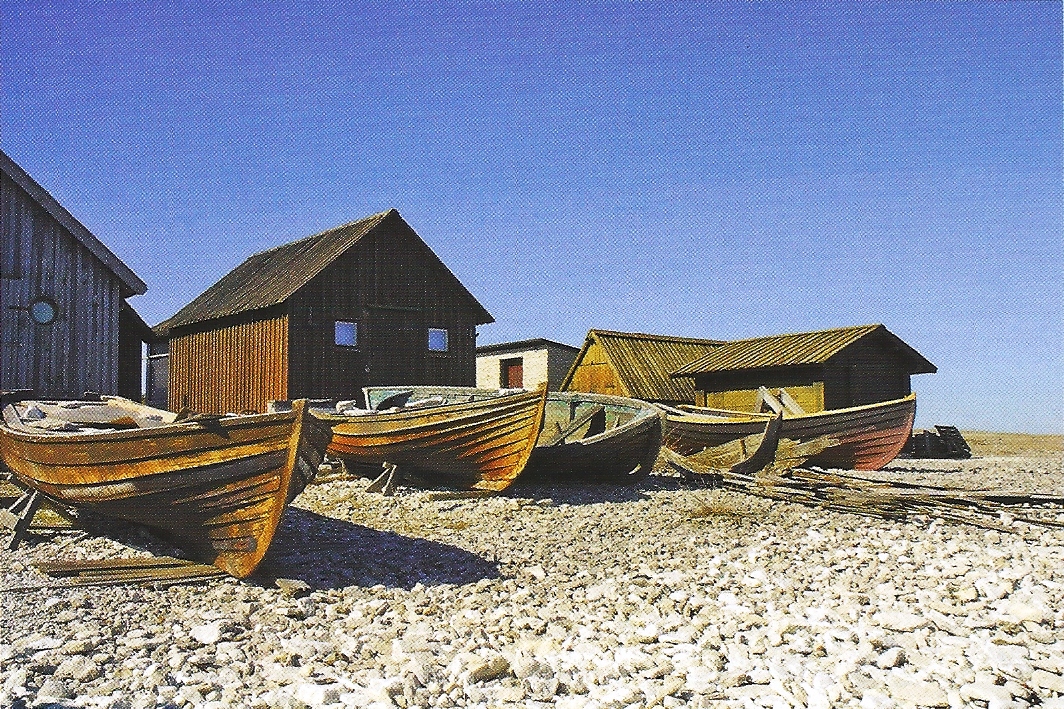
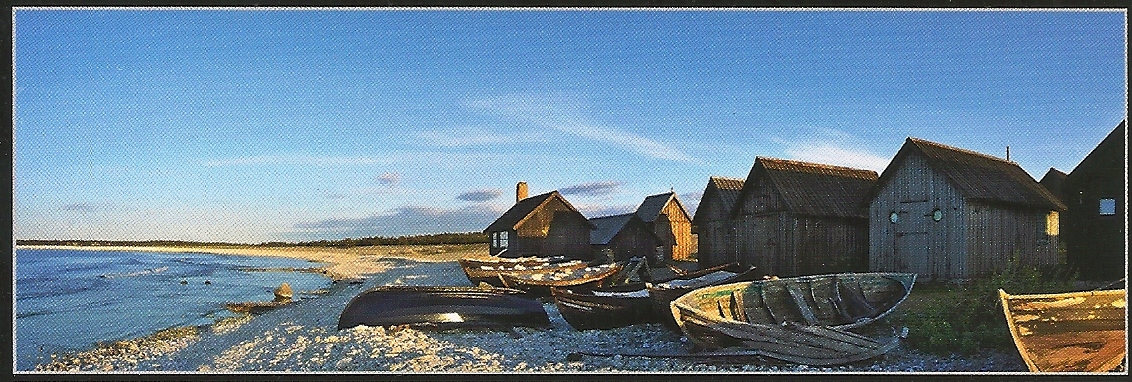
The following images are postcards of what we saw during our motorcycle tour but were unable to photograph:
In keeping with our Islands of Sweden theme, my brother and I left Stockholm for Gotland. It was a short bus ride to the ferry dock in Nynashamn, and just under three hours by ferry to Gotland. As with everywhere else, dogs were allowed on the ferry.
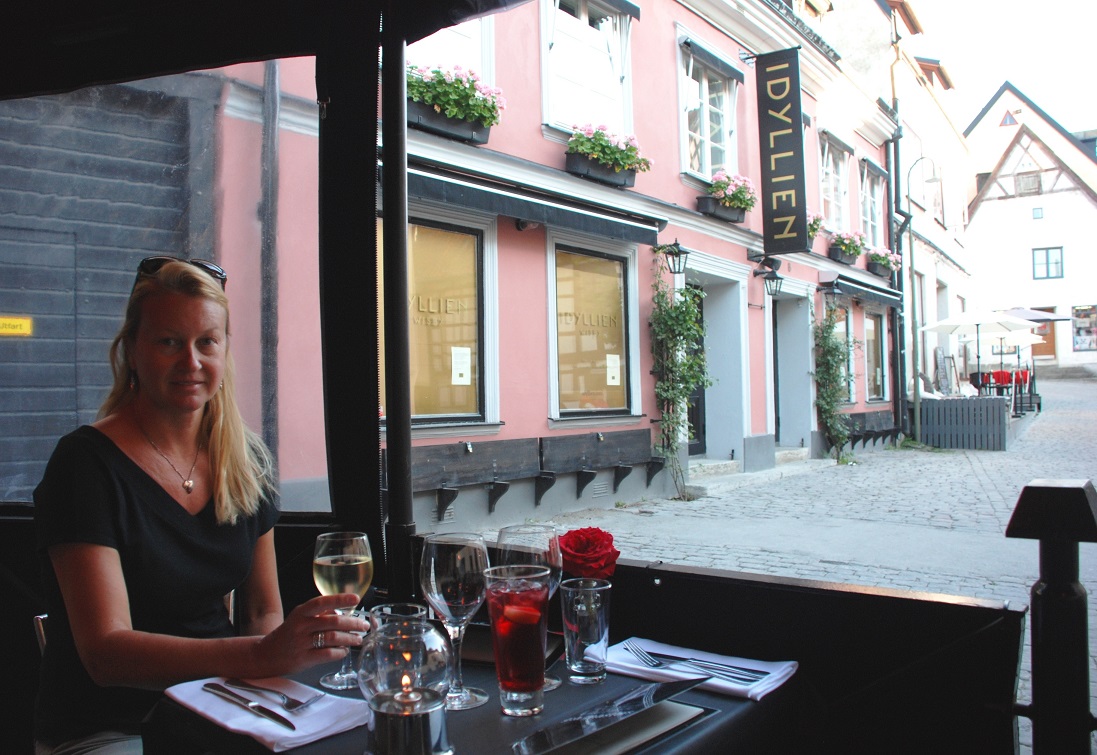
My first impression of Gotland was a lot like the rest of Sweden; clean and orderly. But the little town of Visby, the innerstad a World Heritage site, is one of the most picturesque towns I’ve visited. The houses along the tiny stone paved streets are all well kept and nicely painted, most with roses or holly hocks out front.
Our room at the Hotell Gute was quite nice and in a very good location. We checked in, put our feet up for about an hour, then walked to the Gotland Museum, only a few blocks from the hotel. Visby is known for its ruins and roses, and we certainly saw that. For a small city, it has a wonderful botanical garden and a stellar museum. The Gotland Museum guide includes the following statement “Visby was added to the World Heritage list in 1995. It includes the intramural city with adjoining green open spaces.”
With only two hours in the Gotland Museum, our first stop, we made the most of it. The three floors housed some fantastic picture stones, a history of Gotland including remains from the Battle of Gotland, Viking buried treasures, and a farmhouse interior from the 18th century, plus many other interesting exhibits.
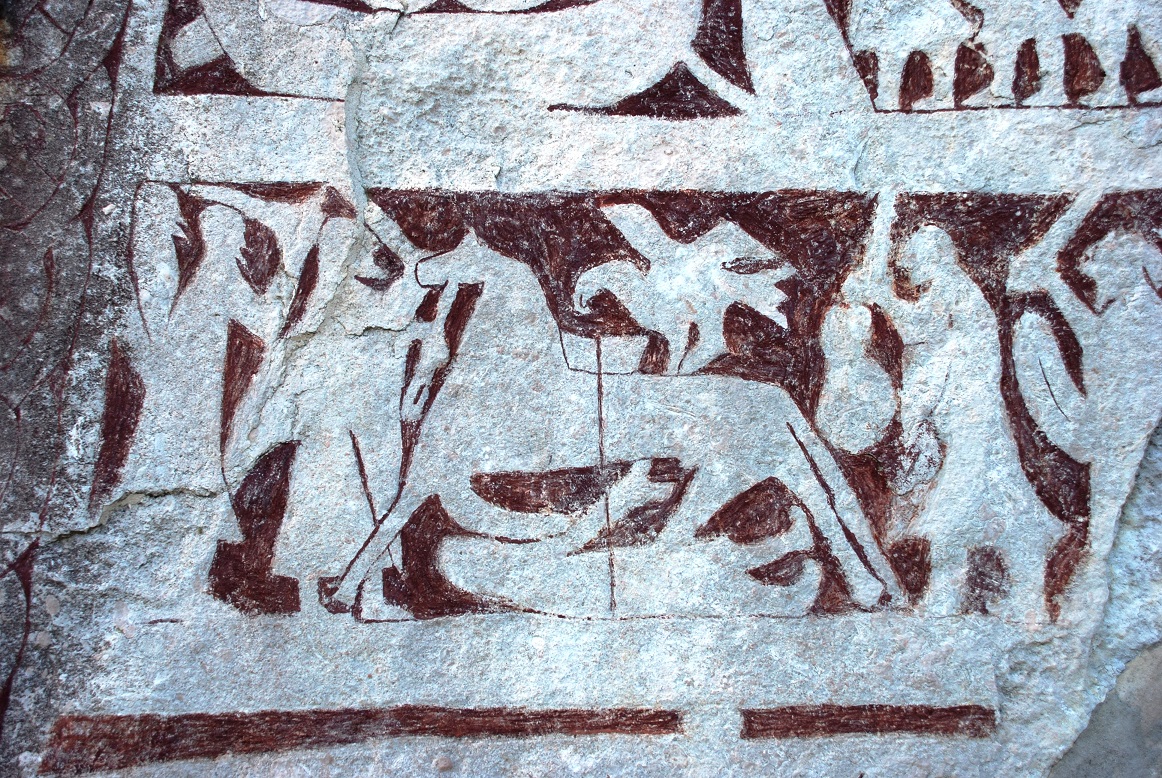
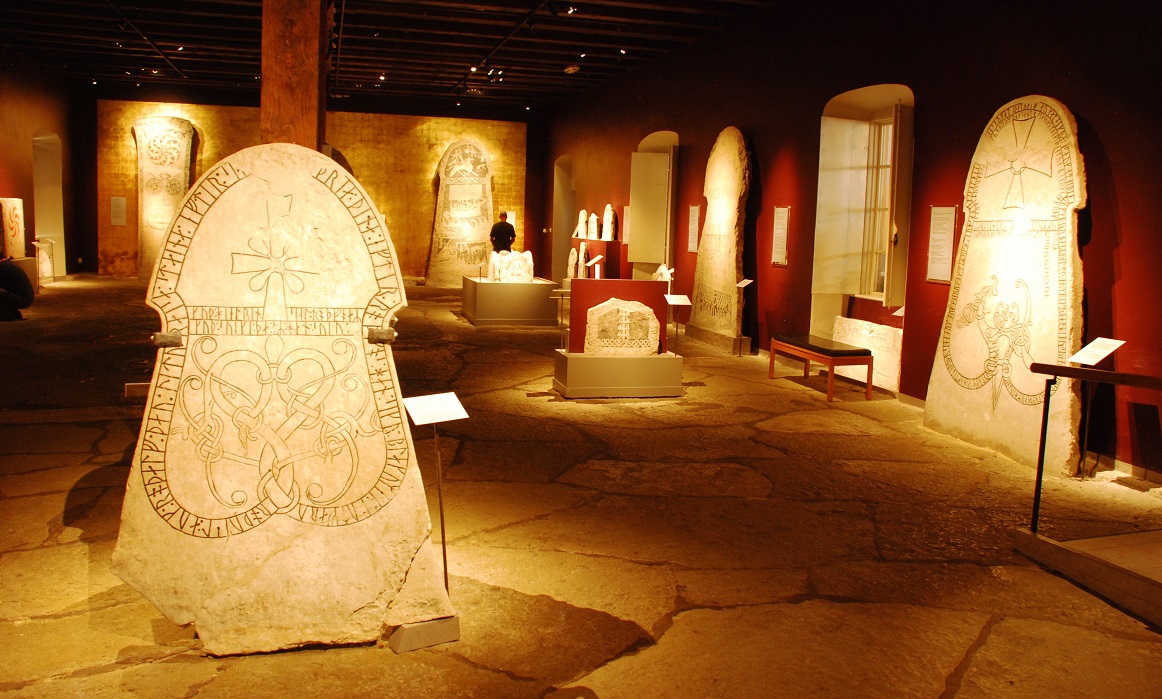
On the stone above, the largest in the museum, you can clearly see the horse and rider in battle in the top most picture. This stone was accompanied by the following description:
This stone is a good example of the picture stones from the late Iron Age, the Viking Age, with its many images and different scenes. The picture stone might be a memorial to a man, who has died a hero’s death in battle on the battlefield. Borne by the ship of death, he is on his way to Valhalla, the dwelling of Odin the god. There, a woman welcomes him, handing him a horn of mead. Perhaps she is a Valkyrie, a female figure connected with Odin. The scene below the ship might be an illustration to one of the Icelandic sagas in which a man, Gunnar, is thrown into a snake pit and left to die.
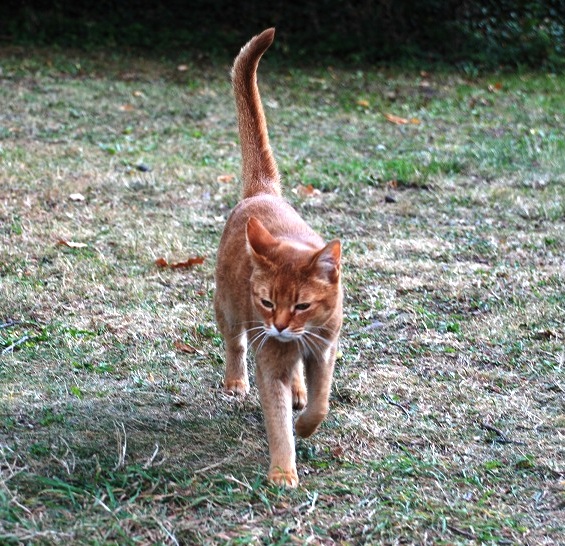
After the museum and before dinner, an evening stroll through the inner city revealed lovely homes and many friendly cats. The botanical garden is quite large for a small city, and beautiful.
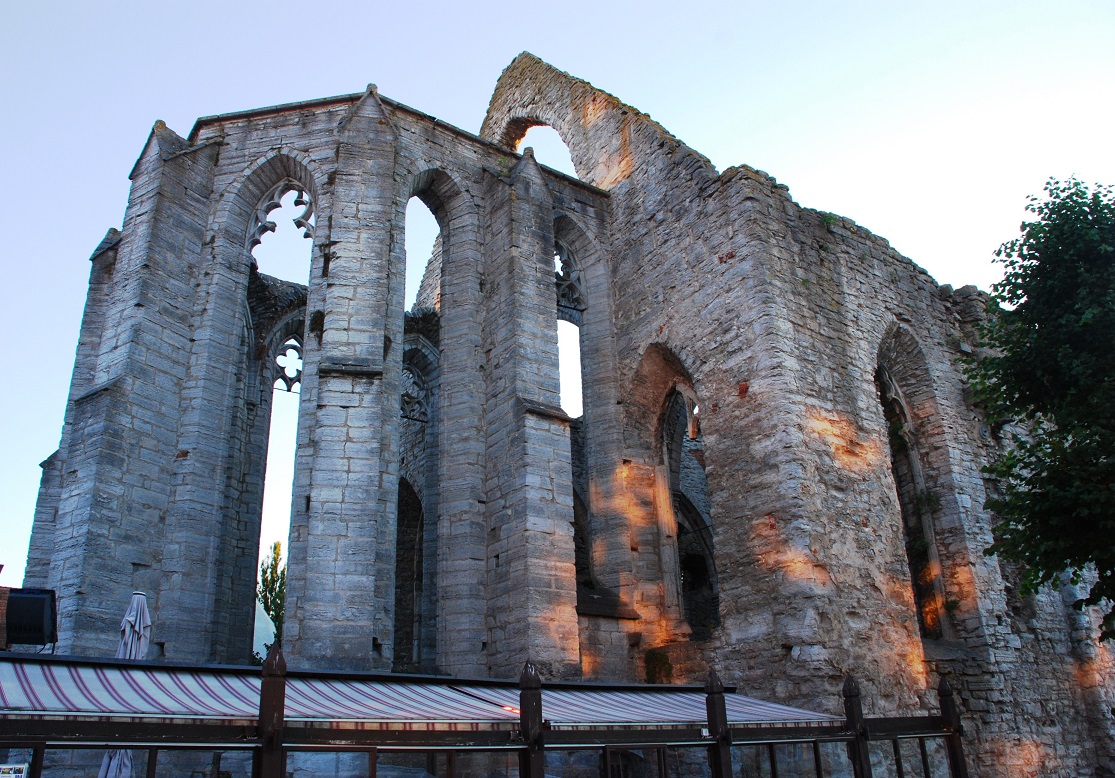
The main square in the old town, Stora Torget, is next to the ruins of St. Katarina and ringed with restaurants. St. Catherine Church was a Franciscan monastery, founded in 1233. It was completed in 1250, and survived until the 16th century.
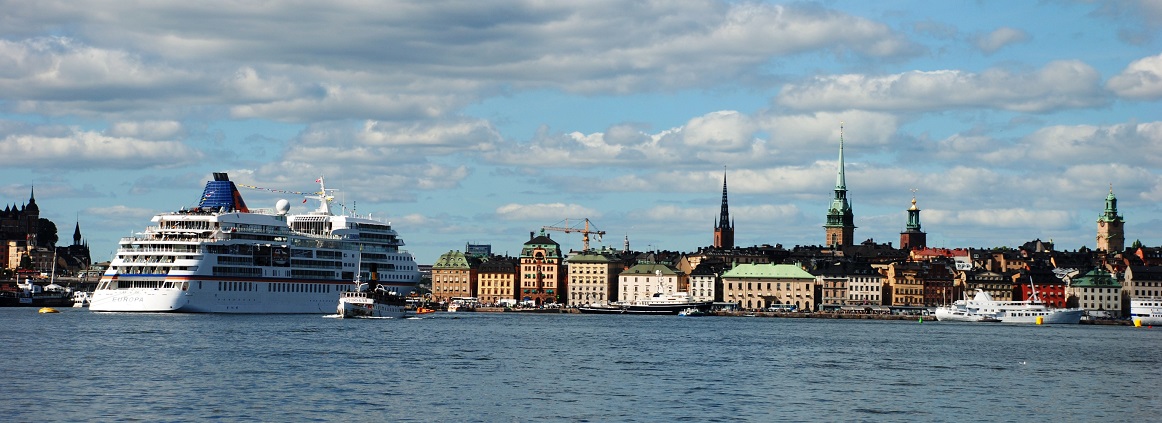
Only two hours by ferry, Stockholm city seems world’s away from the outer archipelago. We almost had culture shock coming in from the quiet of the islands. Between our arrival by ferry into Stockholm at 5 Pm and collapsing that evening, we covered a lot of ground. We walked from the ferry dock to our hotel, witnessing the Stockholm rush hour on bicycle.
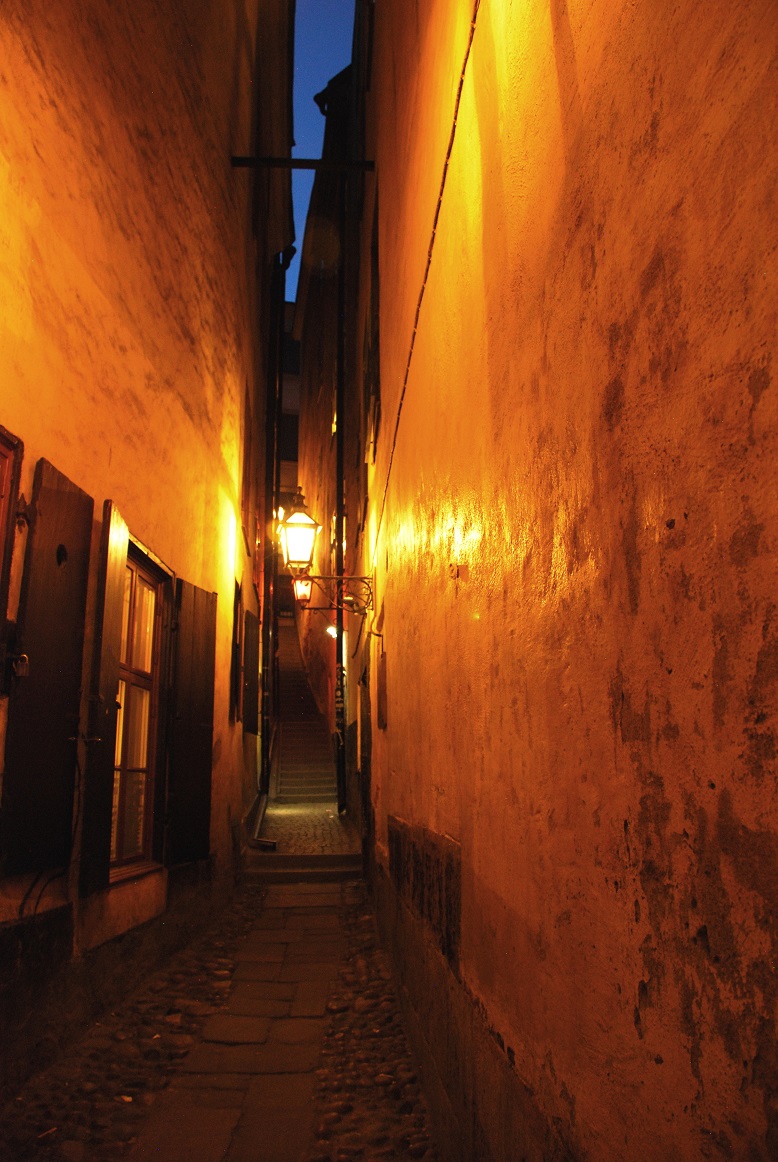
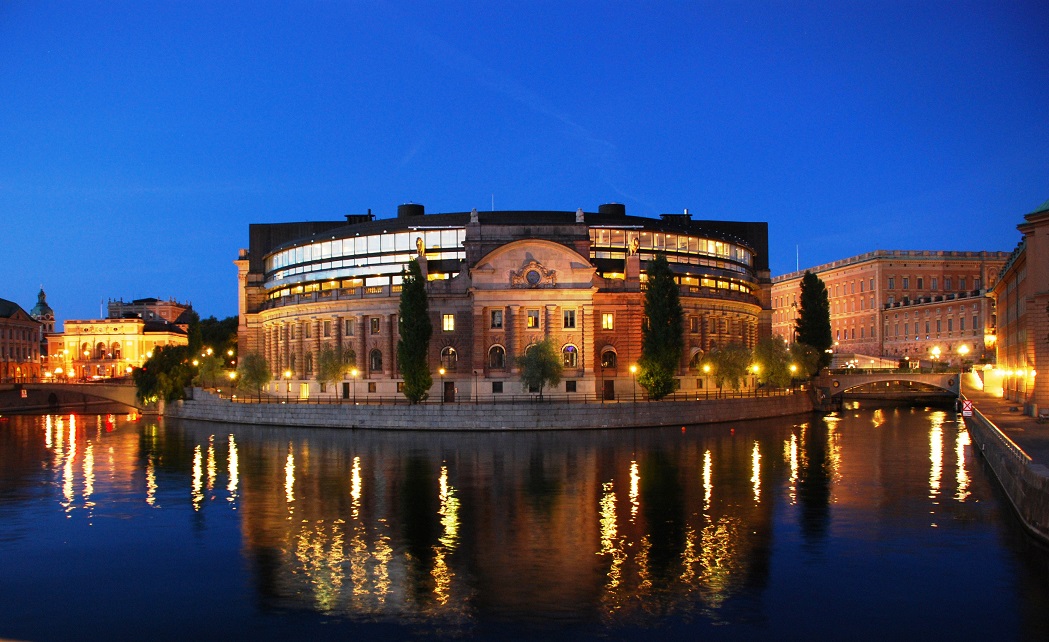
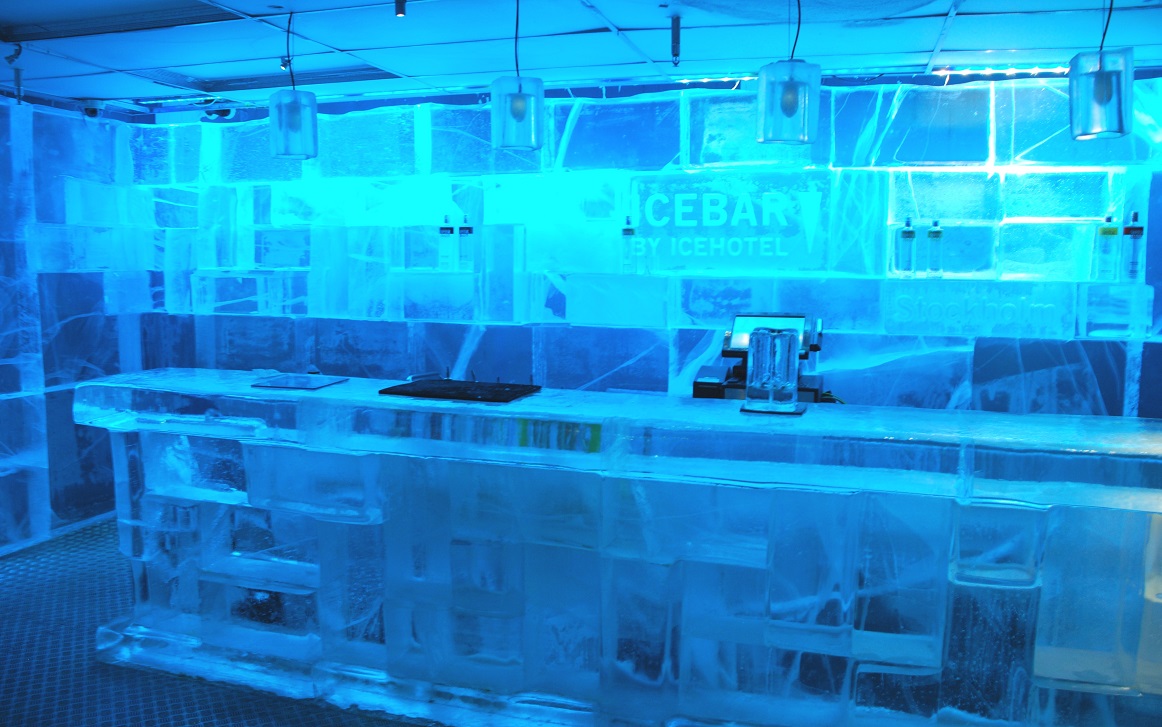
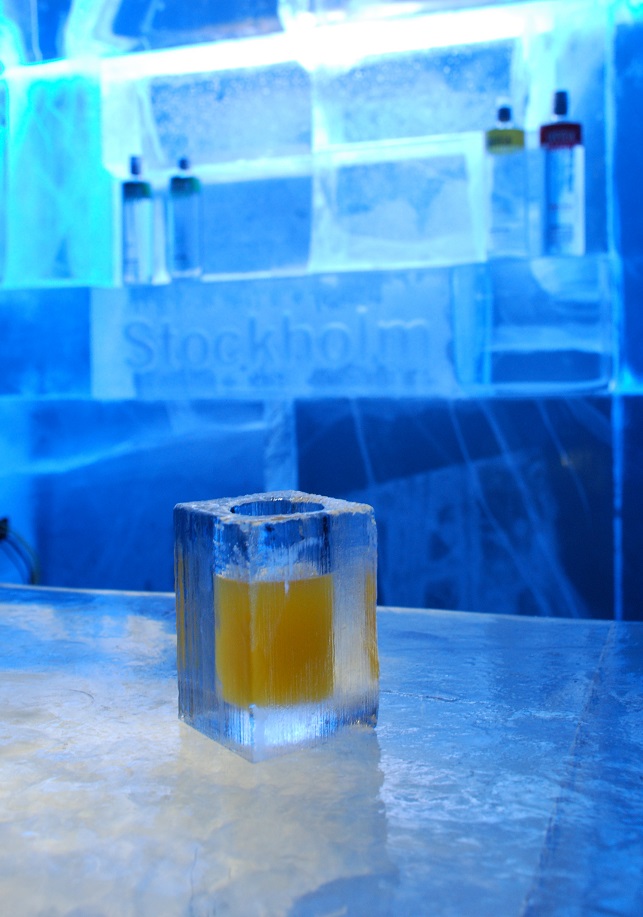
The Nordic Sea Hotel where we are staying, had a nice room, good size for Europe, and a private bath. Yay. This hotel has the Ice Bar, which we hit prior to turning in. After dropping our things in the room, we walked to Gamla Stan, about 20 minutes, for more sightseeing and window shopping.
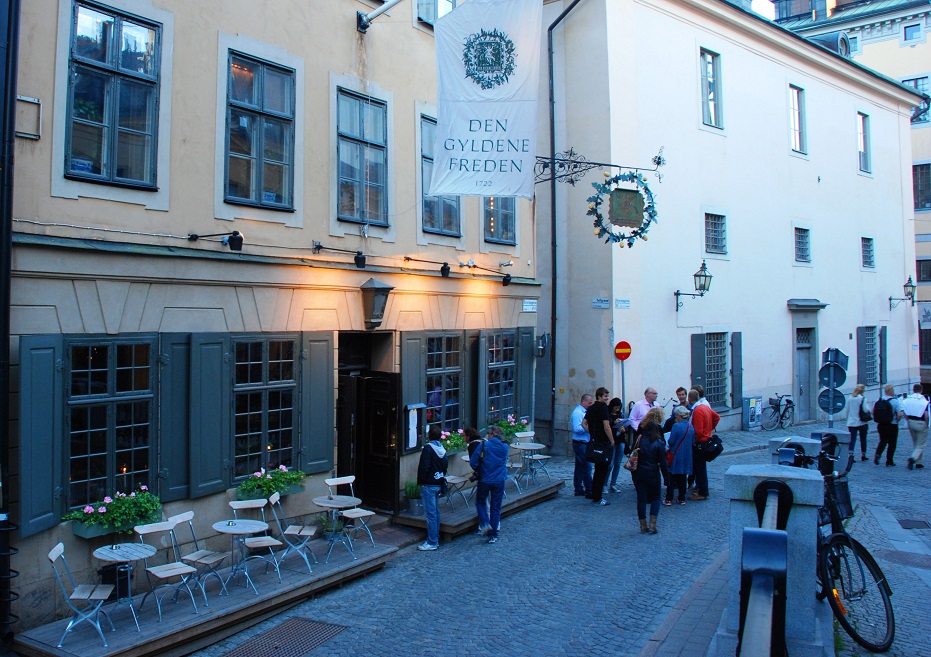
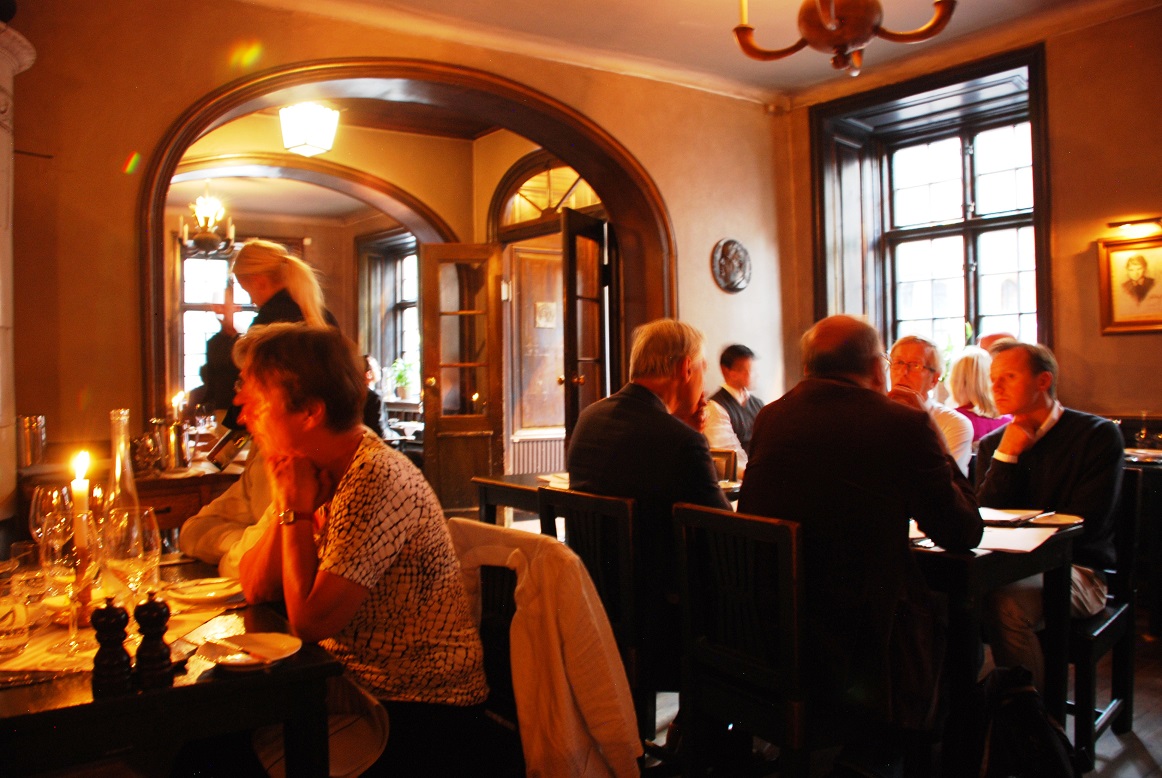
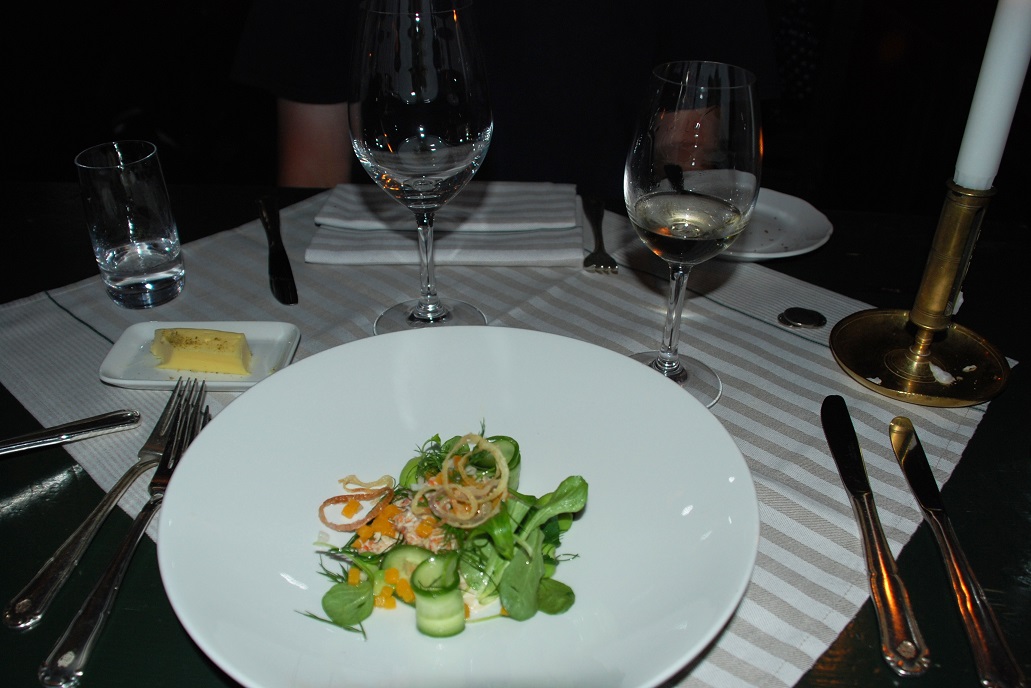
The restaurant I had hoped to try luckily had a table. This particular restaurant, Den Glydene Freden has won many awards. It lived up to its reputation and more, with my brother ranking one of the best meals of his life. The brown bread they served tasted exactly like the home made bread my grandmother used to make and it started us reminiscing. I had a very good crab salad to start, and then another fish dish I couldn’t pronounce for dinner. My brother continues to compare Swedish meatballs at nearly every restaurant. These got high marks. Such a lovely place to sit and relax, we splurged on dessert.
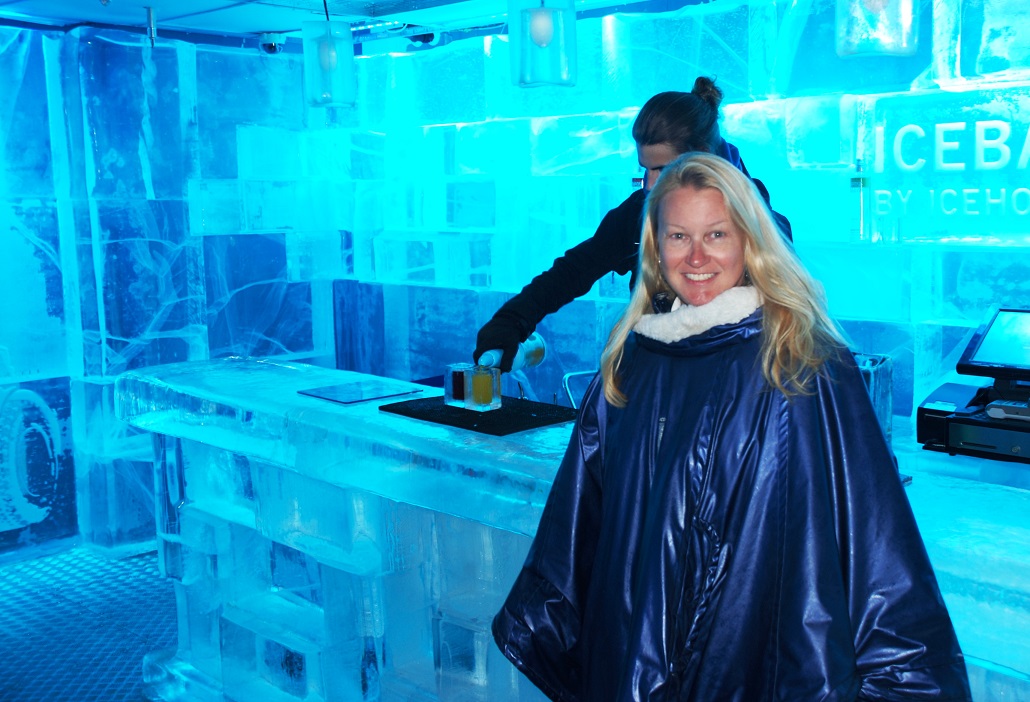
We made a leisurely stroll of our walk back to the hotel, (not on Gamla Stan) and popped into the Ice Bar.
The Ice Bar was a fun thing to do, but we only lasted 15 minutes in the -7 C temp of the room. They rework the ice bar itself once per month, and the entire room once per year. The bar tenders take shifts of 3 hours, which is longer than I expected. The drink was good, served in a glass made of ice, which you “recycle” by dropping through a hole in the ice as you leave.
Website for our dinner spot: http://gyldenefreden.se/eng/start.html
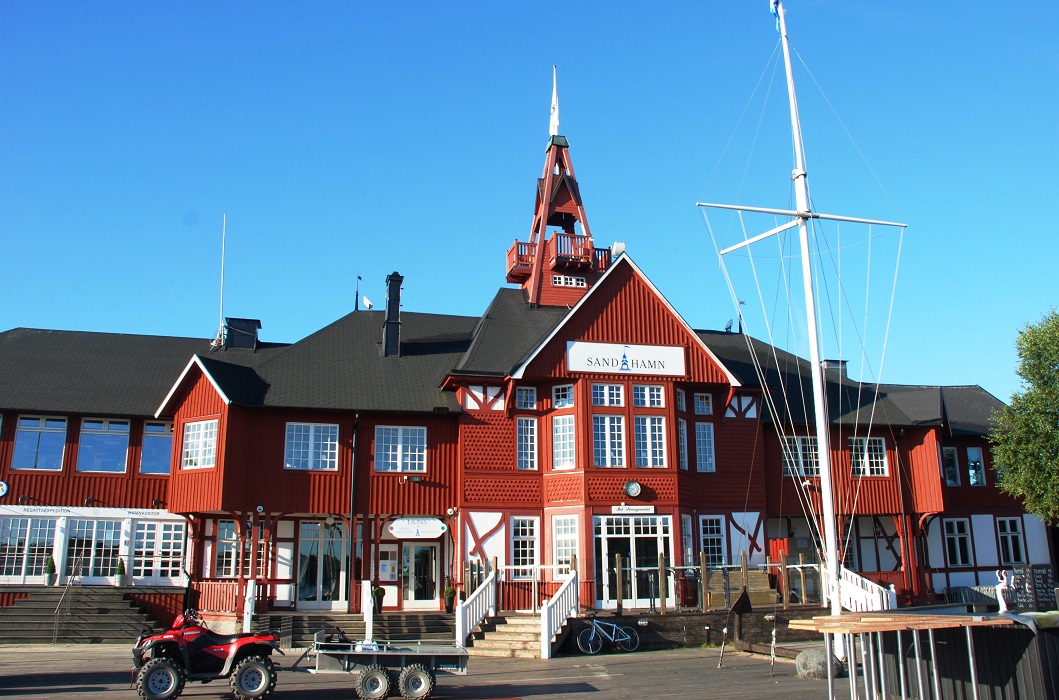
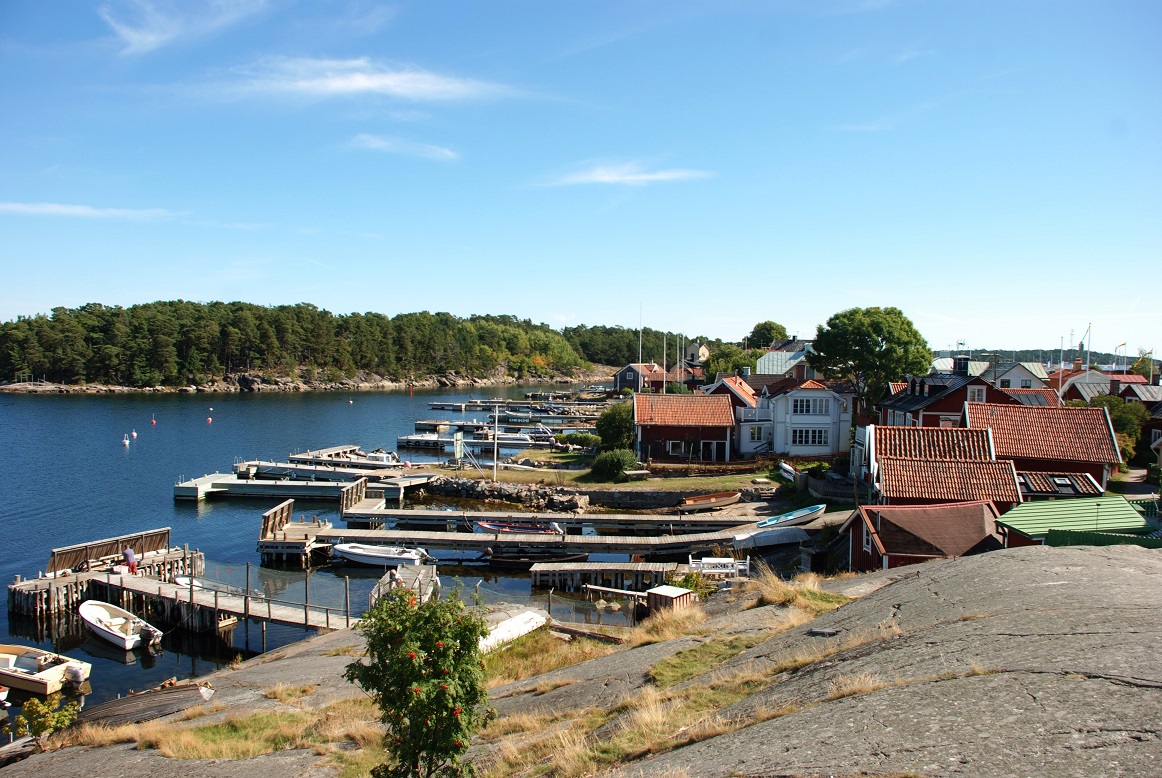
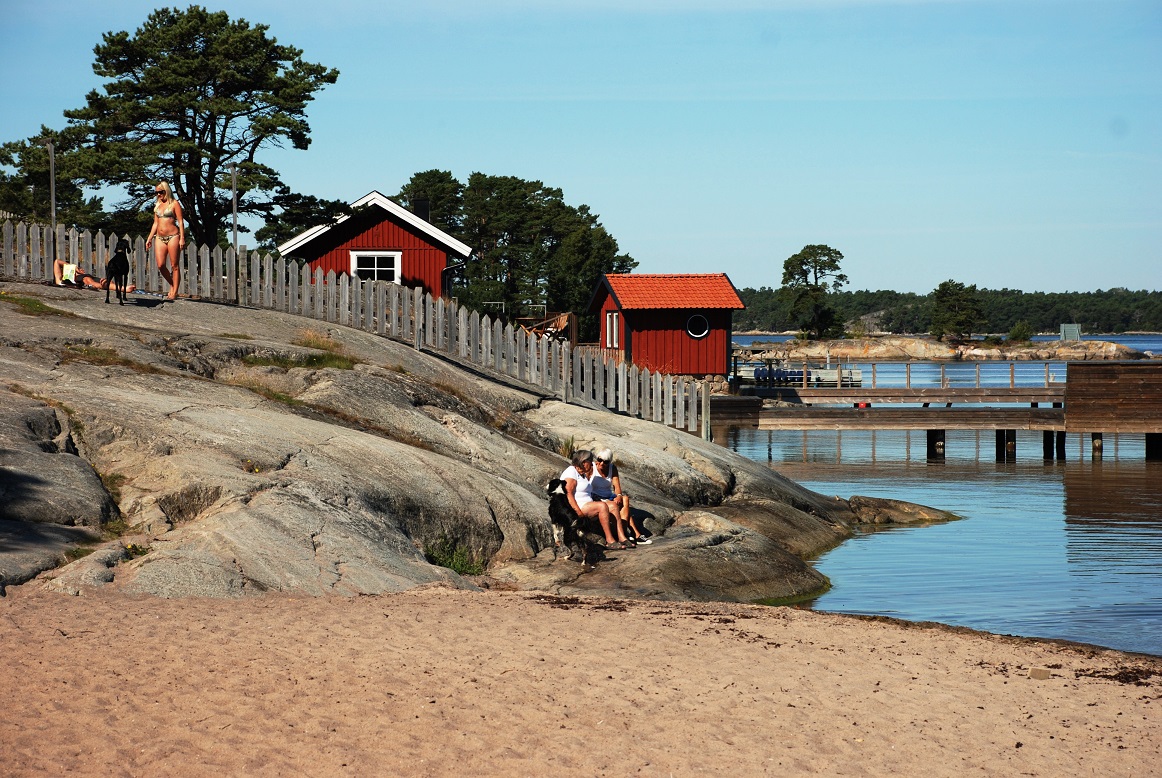
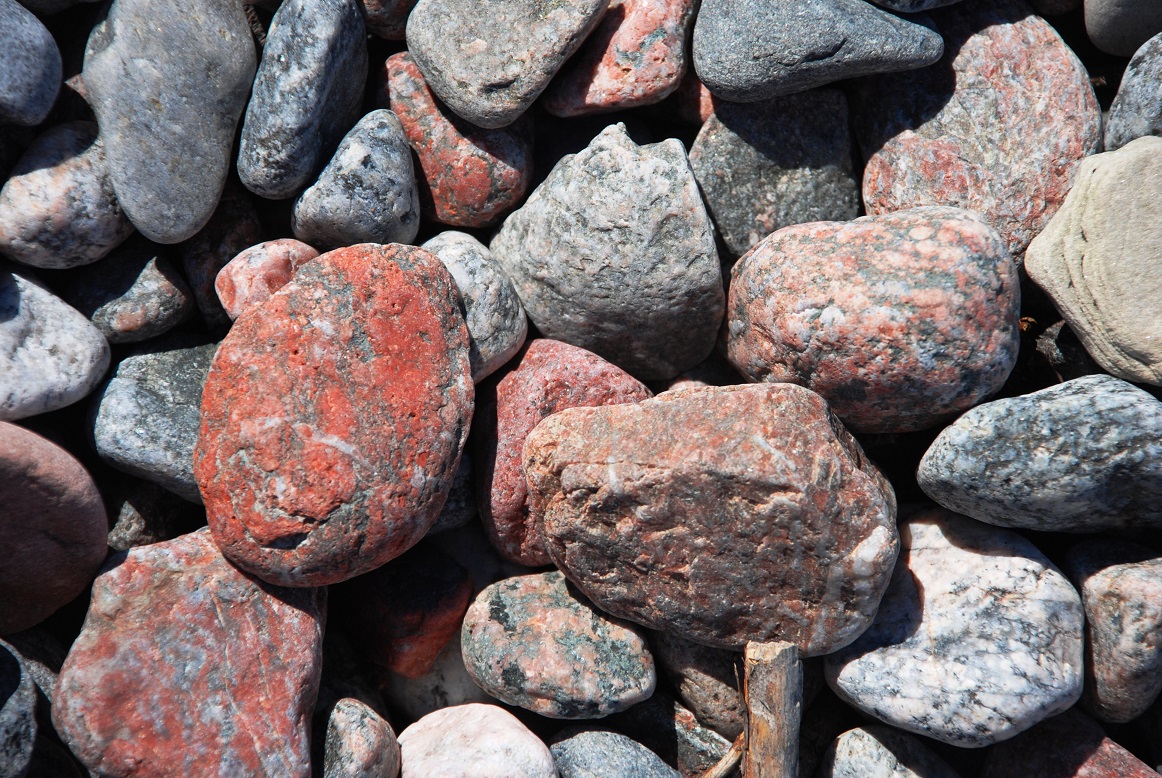
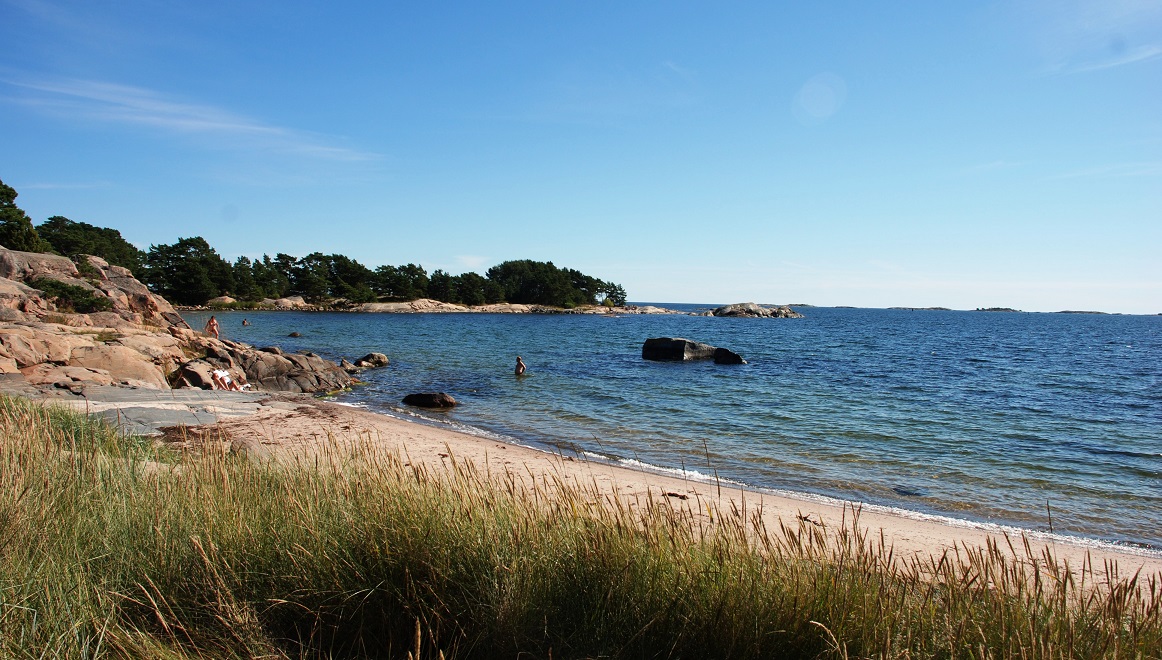
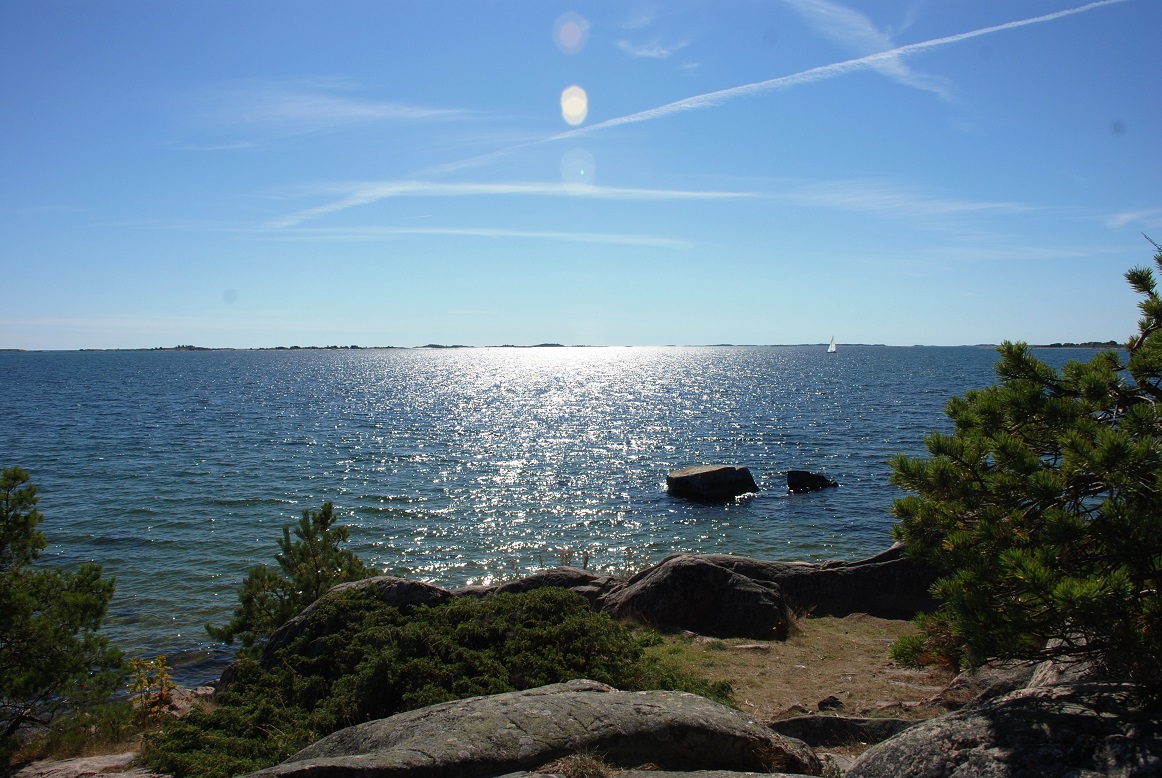
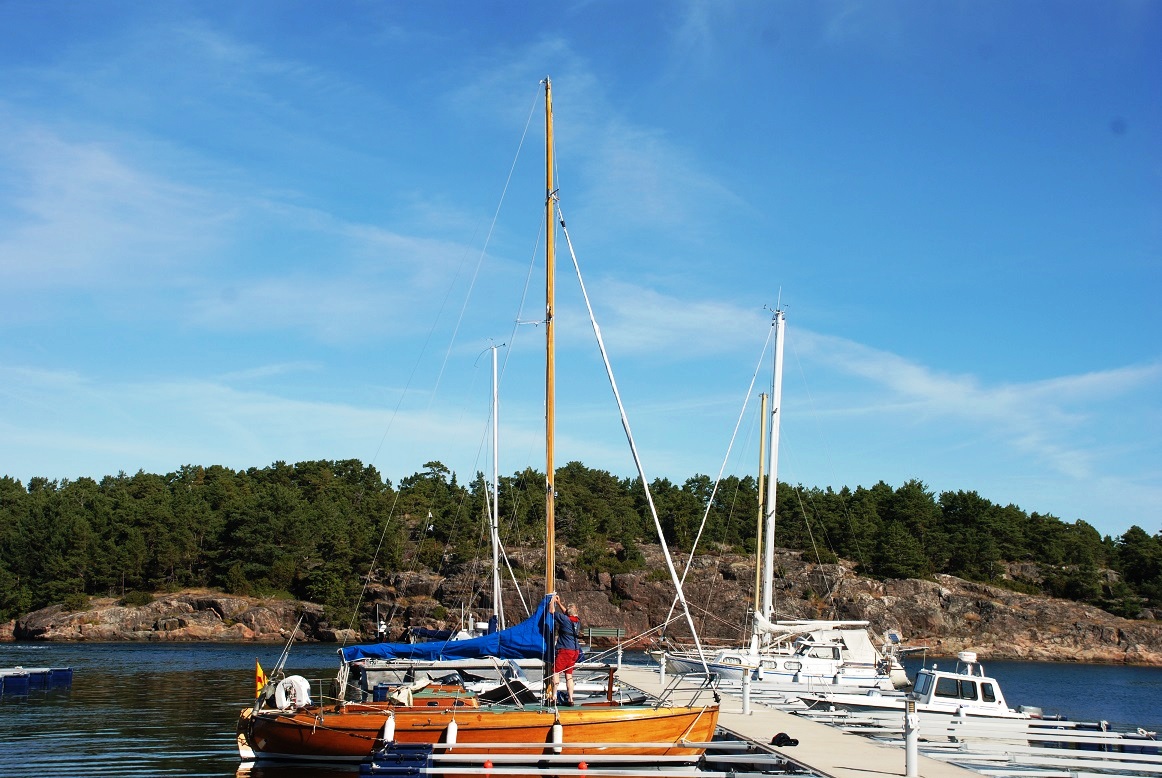
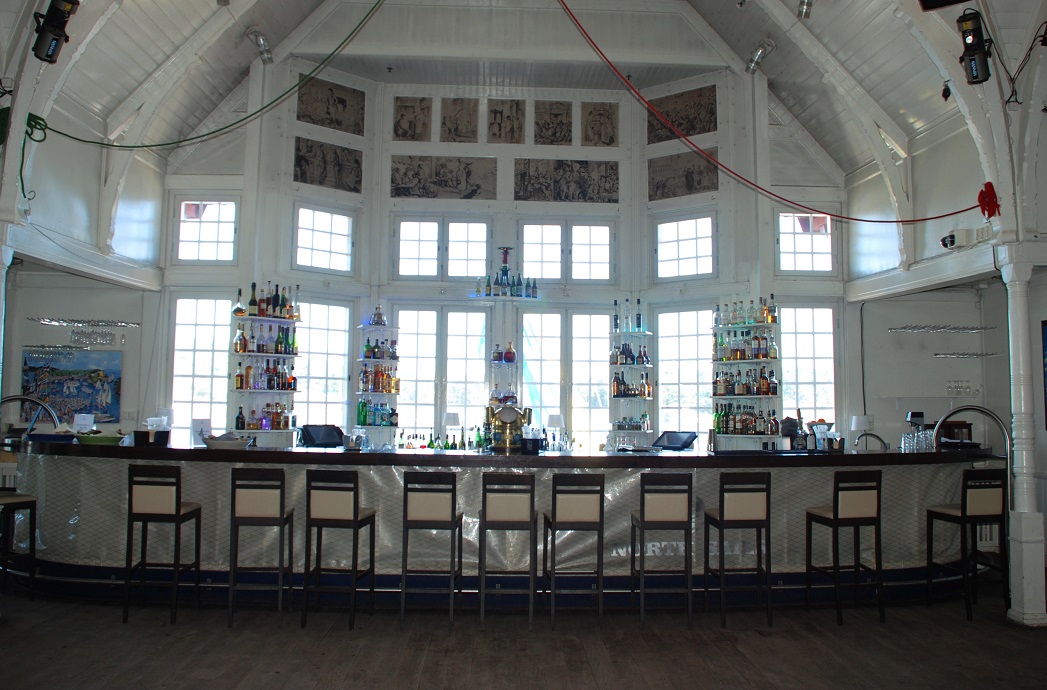
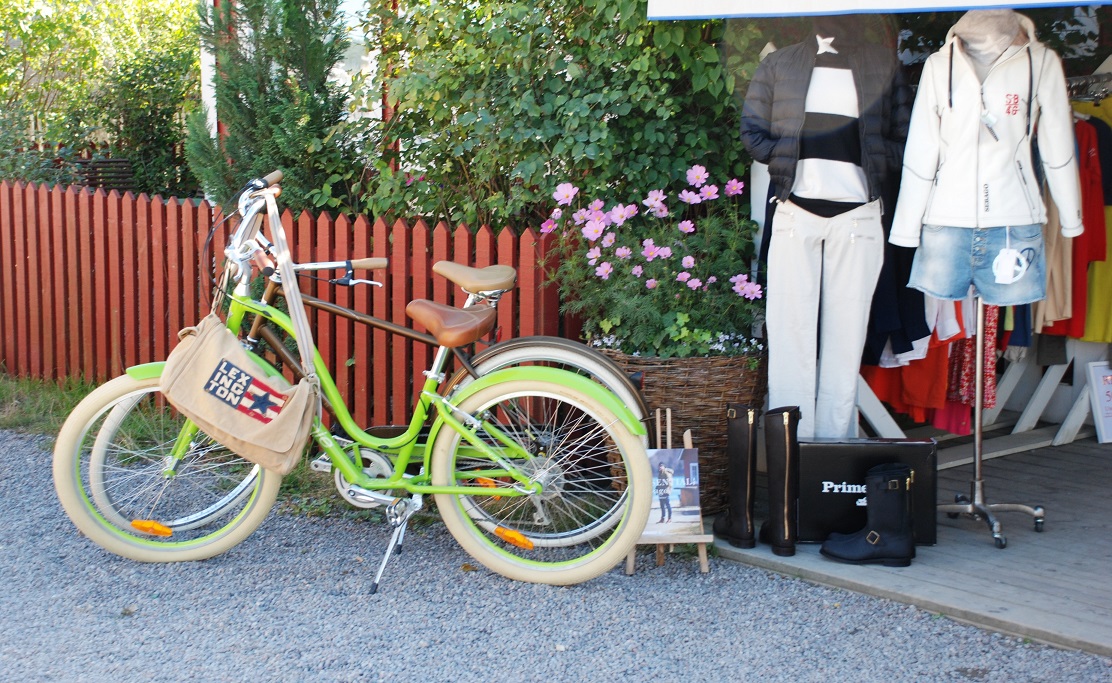
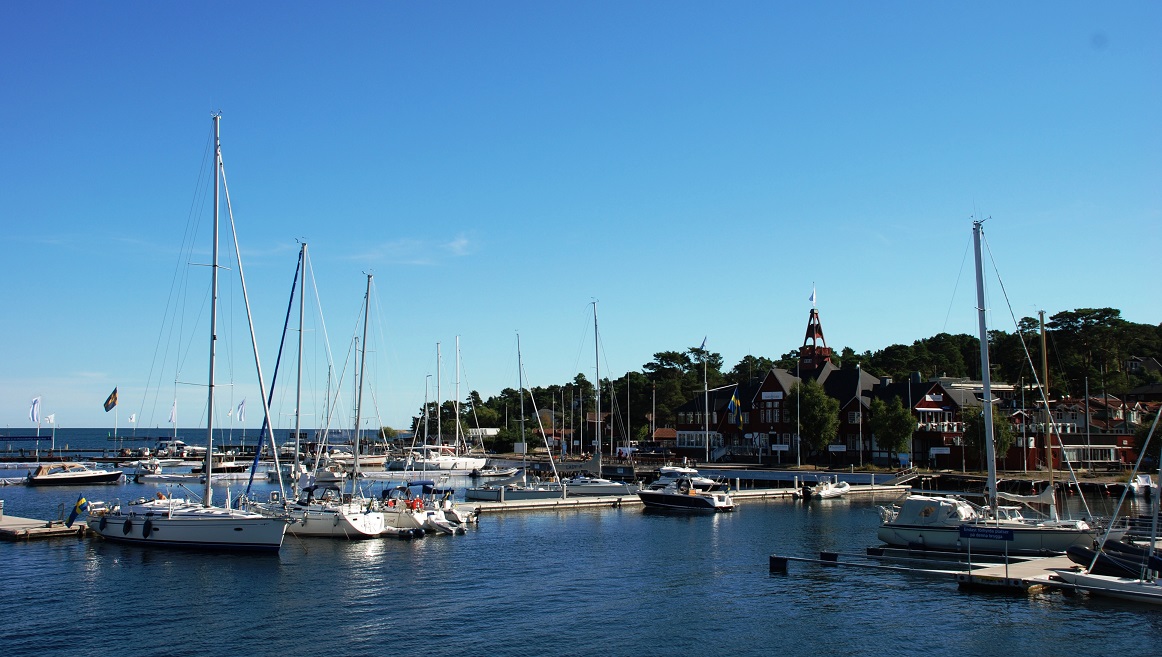
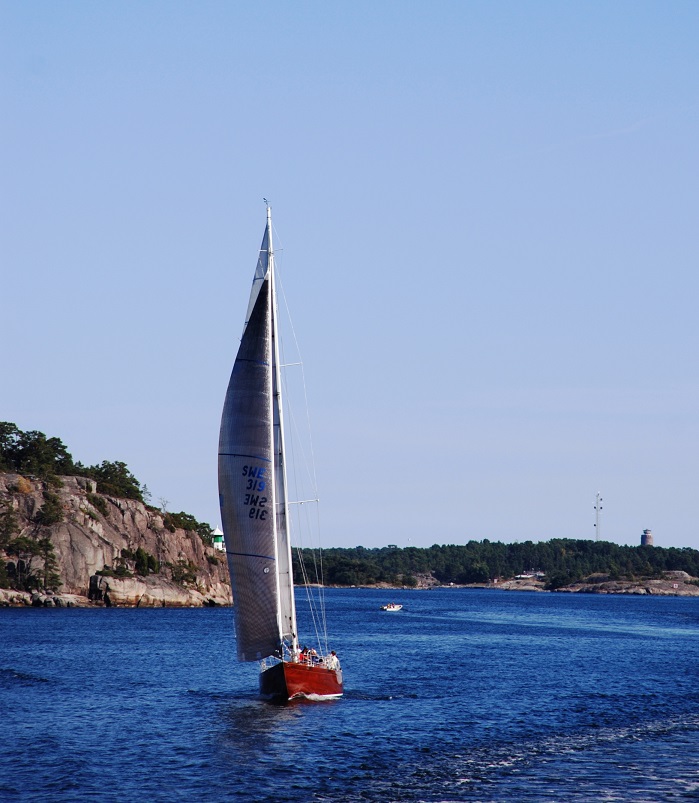
We took several hours and walked all around the island of Sandhamn using the small gravel streets, a path through the woods and the shoreline. These photos are from the walk.