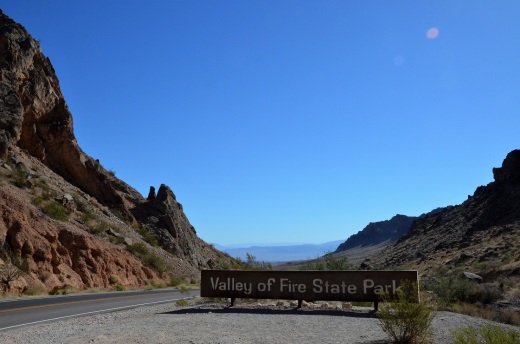
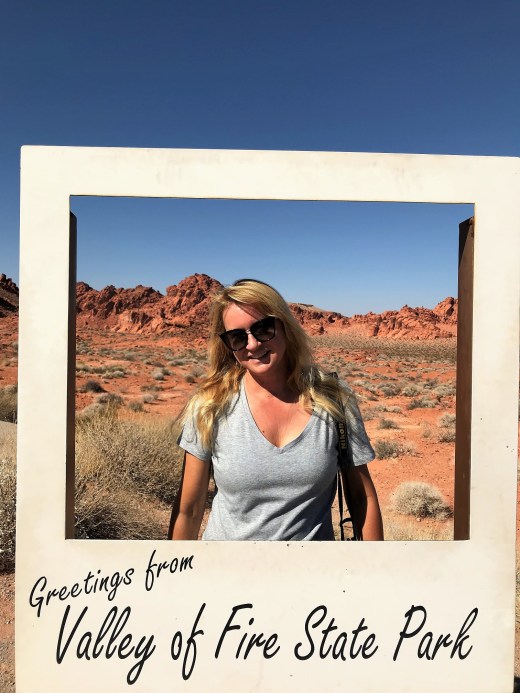
Two friends and I drove out to the Valley of Fire State Park for a look at more wild Las Vegas. The Valley of Fire is only 55 miles northeast of Las Vegas, but it seems a world away.
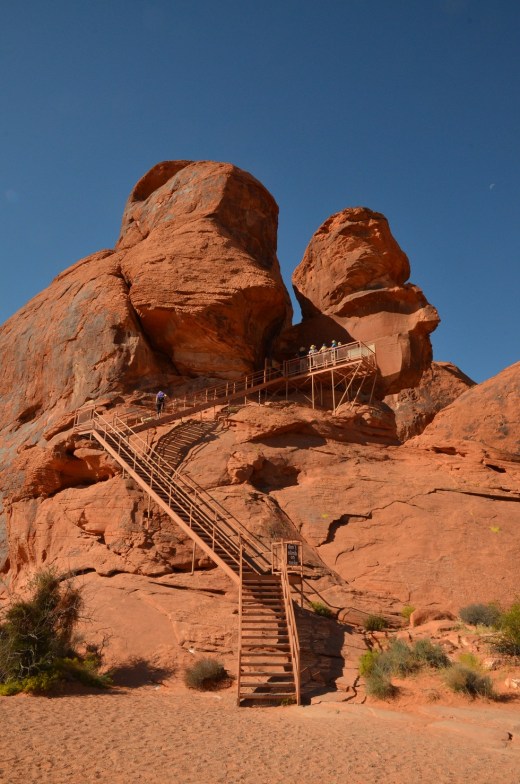
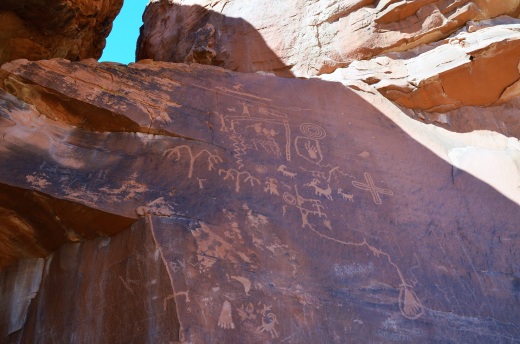
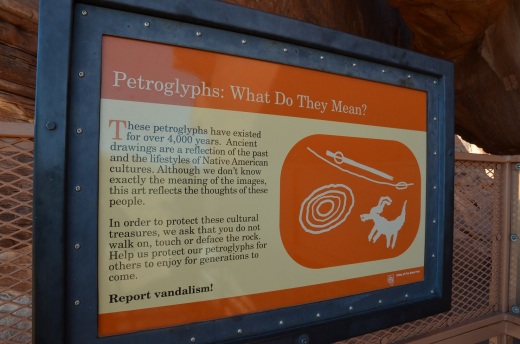
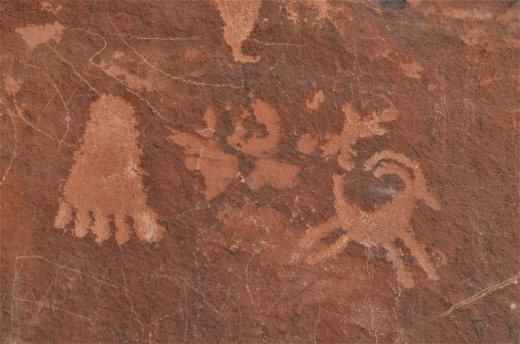
There are camping sites and hiking trails in the park. We stopped to view the petroglyphs at Atlatl Rock, the petrified logs, and toured the Ranger Station.
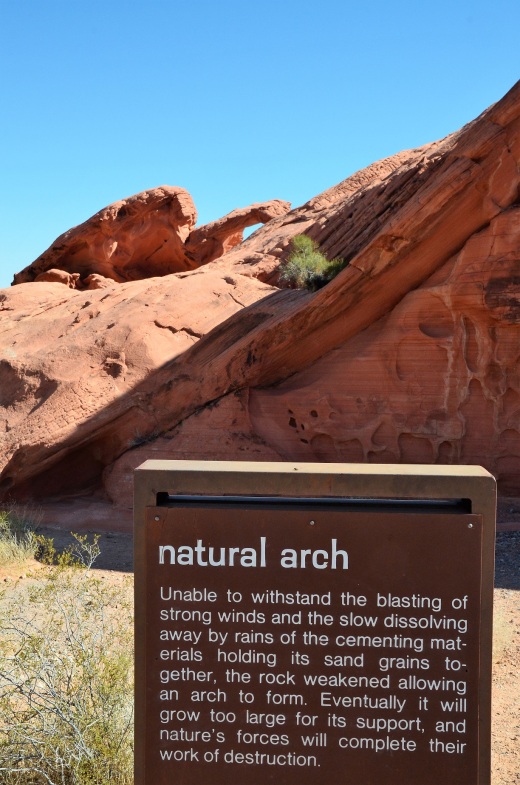
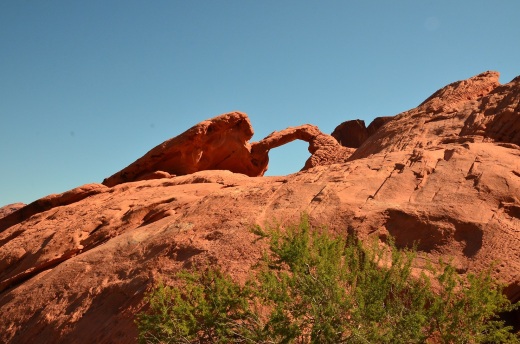
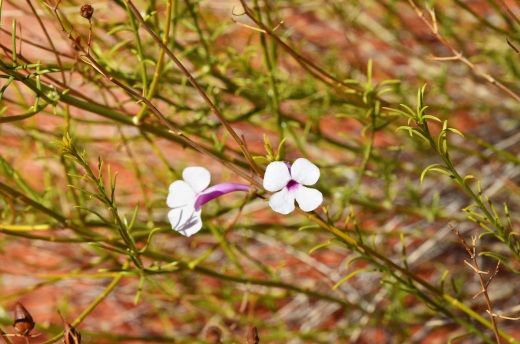
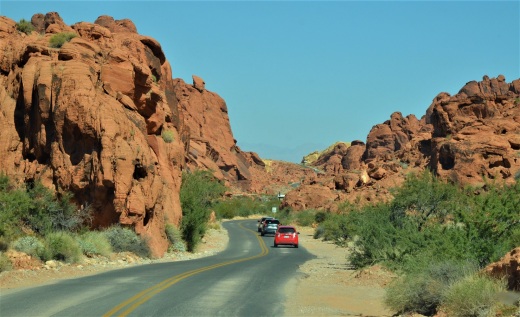
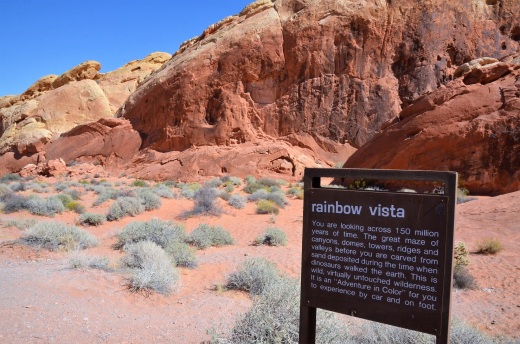
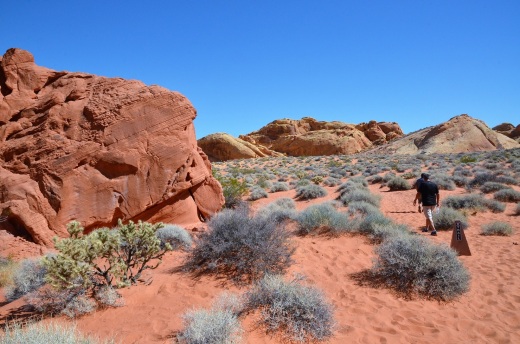
From the ranger station the road winds north through the red rocks. We stopped to walk a short distance along Rainbow Vista trail.
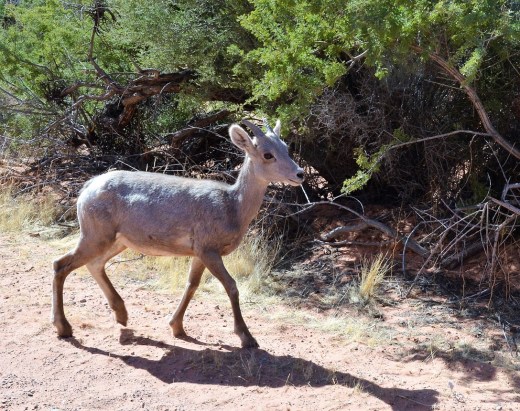
We were surprised to see a group of Desert Bighorn Sheep, the official Nevada state animal. We saw just a few at first, then more.
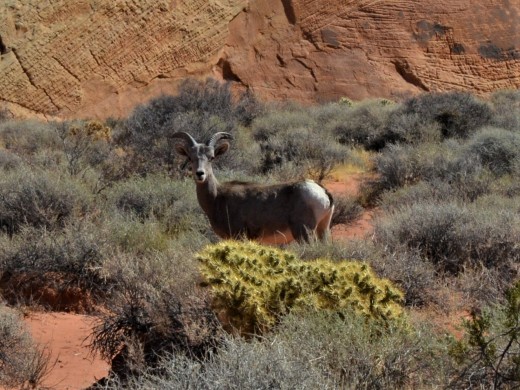
We followed a few of the sheep through the red sand. They were shy but not terribly afraid of people.
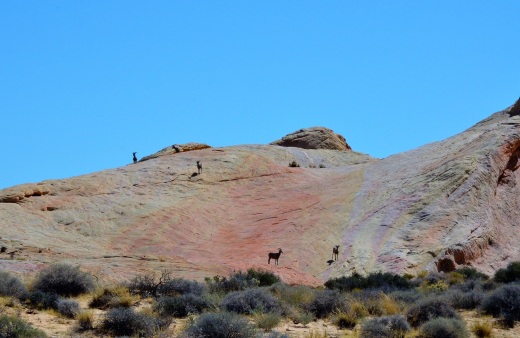
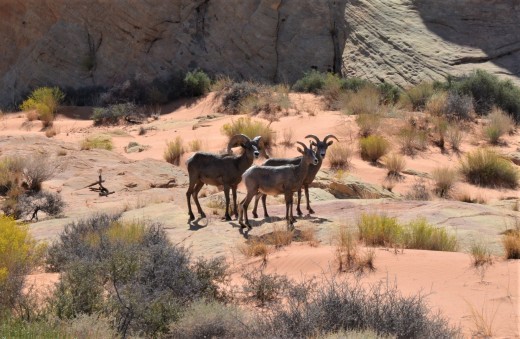
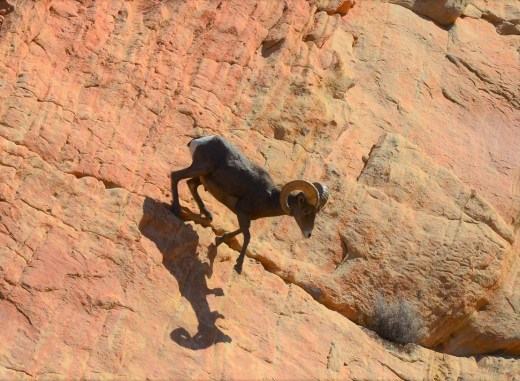
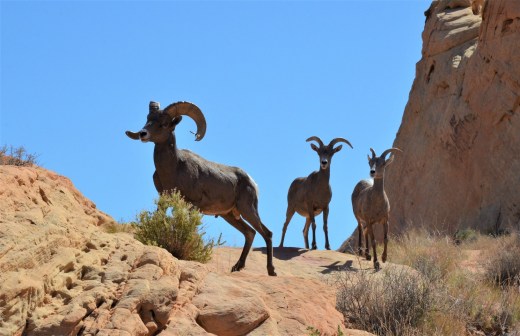
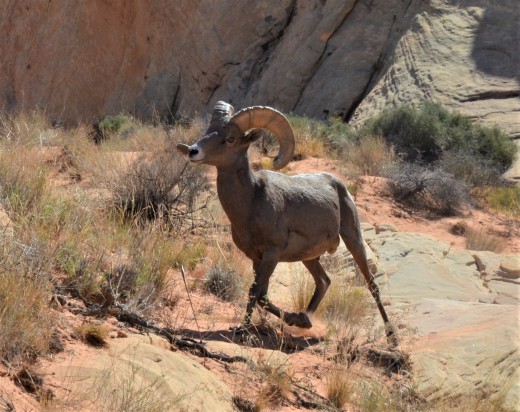
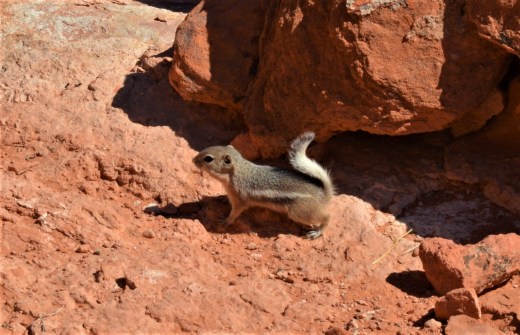
We saw most of the Desert Bighorn Sheep around the Fire Canyon Road. Continuing northbound you reach the White Domes Area. There is a 45 minute hike at the end of the road. The only other wildlife we saw were Antelope Ground Squirrels.
FIRE CANYON ROAD
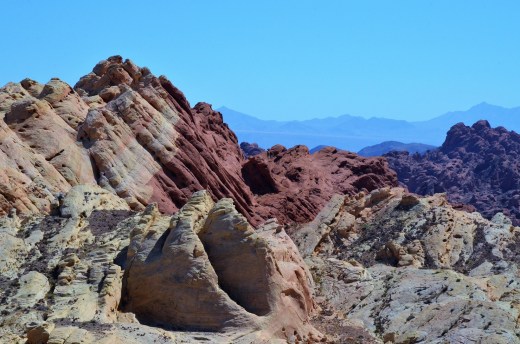
Driving back out towards the ranger station we saw a group of young sheep.
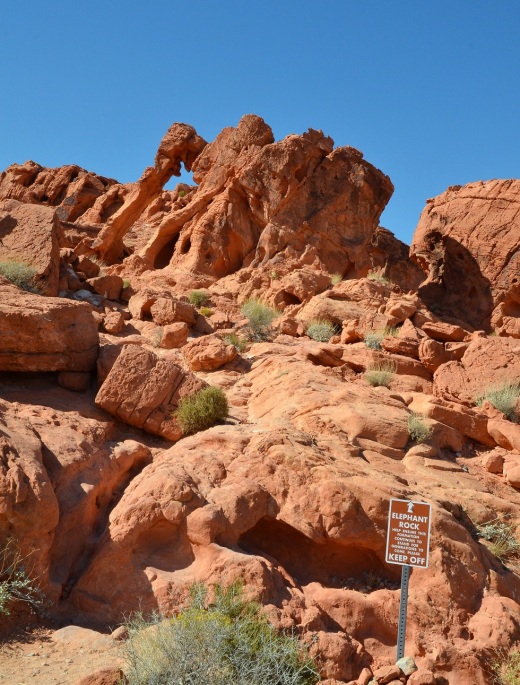
We entered at the west entrance, and departed the east entrance. The last rock formation is Elephant Rock, near the east entrance.
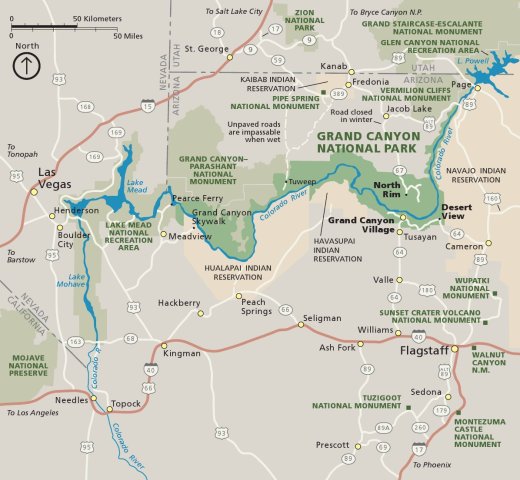
The Grand Canyon National Park is in Arizona, with 277 miles of the Colorado River running right through it. The Colorado River runs roughly east to west through the park, from Lake Powell on the Utah/Arizona border, to Lake Mead in Nevada, and passes through the Hoover Dam on it’s way south through Nevada and then California. The west end of the park, and the river, is bordered on the north by the National Park and on the south by the Hualapai Indian Reservation. It is also a short helicopter ride from Las Vegas.
From the Hualapai website:
The Hualapai Tribe is a federally recognized Indian Tribe located in northwestern Arizona. “Hualapai” (pronounced Wal-lah-pie) means “People of the Tall Pines.” In 1883, an executive order established the Hualapai reservation. The reservation encompasses about one million acres along 108 miles of the Grand Canyon and Colorado River.
My friend Mike and I took Papillon Helicopter’s tour of the Grand Canyon that included a short boat ride on the Colorado and a chance to venture out on the Skywalk.
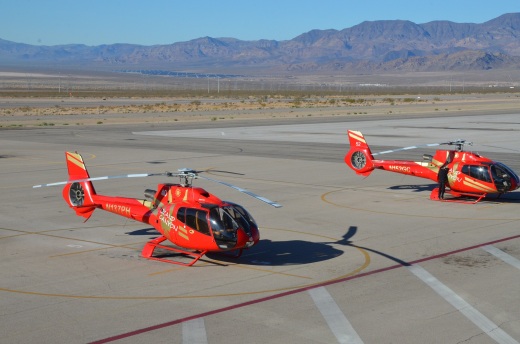
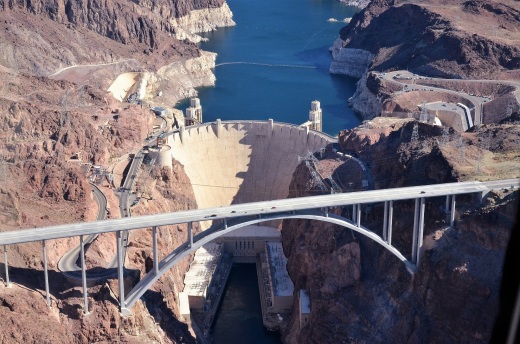
The tour begins at the Boulder City airport. The approximately thirty minute flight to the west end of the Grand Canyon passes by the Hoover Dam. The landing zone near the river is on the south side, on the Hualapai Indian Reservation land. The short boat ride on the river is operated by the reservation.
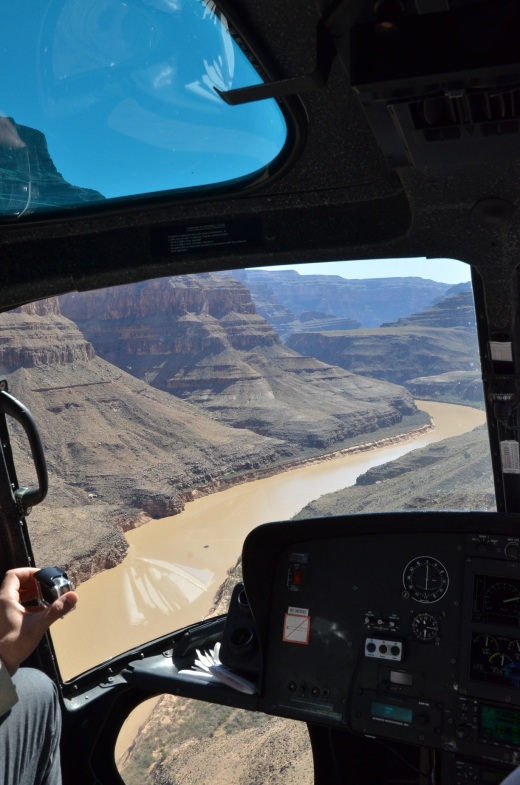
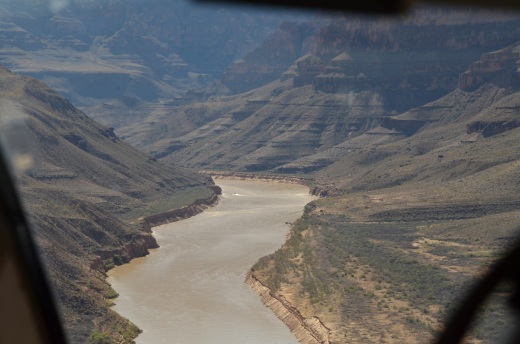
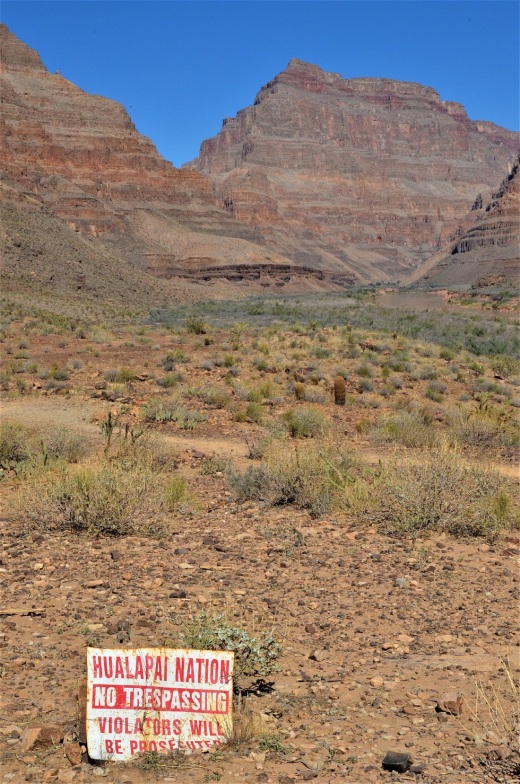
The helicopter dropped us near the river, in a pretty desolate looking area.

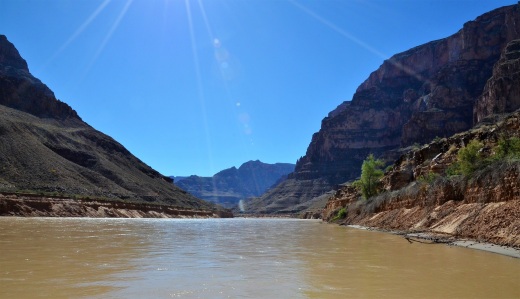
We had a short ride along the Colorado, with our Hualapai Indian boat operator. The river is muddy, cool and swift.
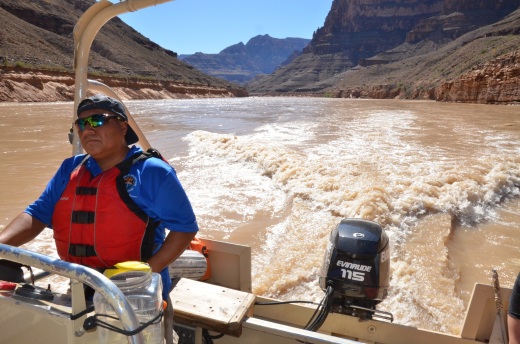
After the short boat ride, another helicopter touched down just long enough for us to climb aboard and take off for the vertical hop up to the top of the canyon.
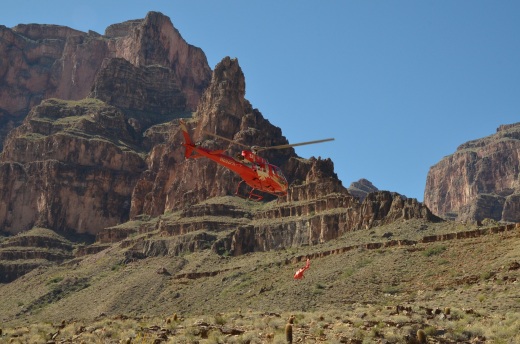
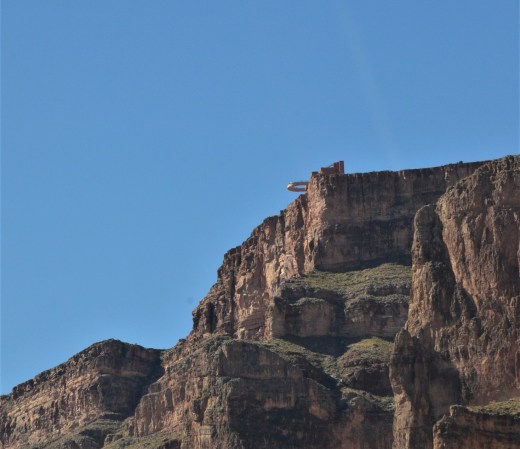
Skywalk from below
At the top of the canyon, many helicopters and buses unload guests for the Skywalk experience. A short van ride from the heliport and we were ushered into the Skywalk.
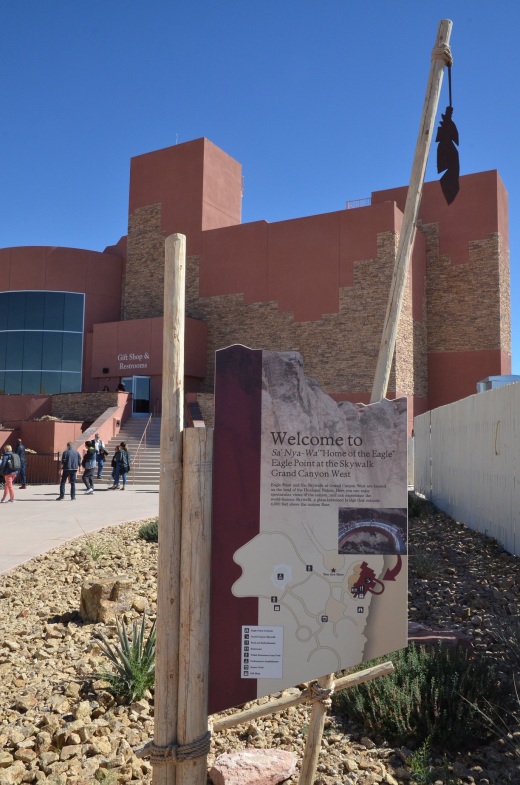
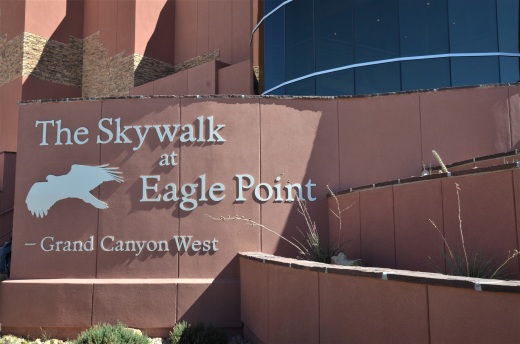
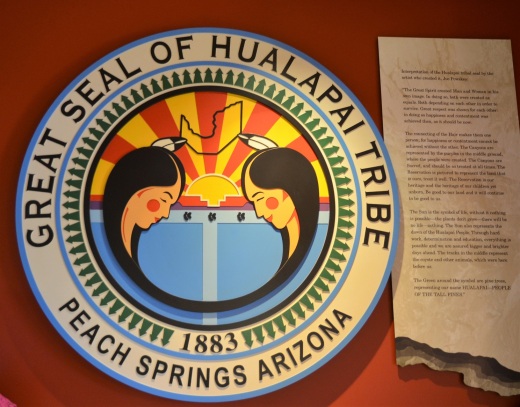
The Skywalk is owned by the Hualapai. It is very controlled. The one thing that didn’t make me happy was the ban on cameras on the Skywalk. They have photographers there and you can purchase photos, but you can’t take your own.
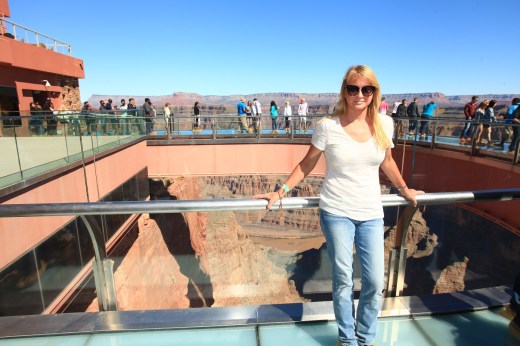
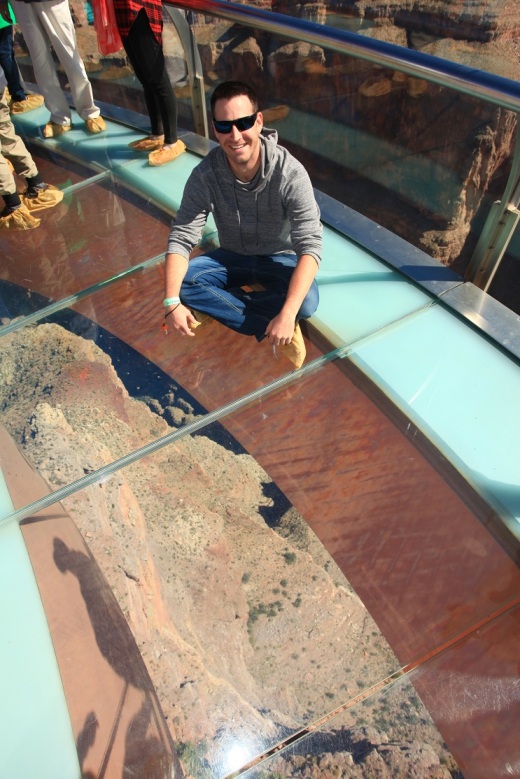
So we did the walk over the glass panels and it was pretty cool. We found a spot on the outside where you can take your own photos.
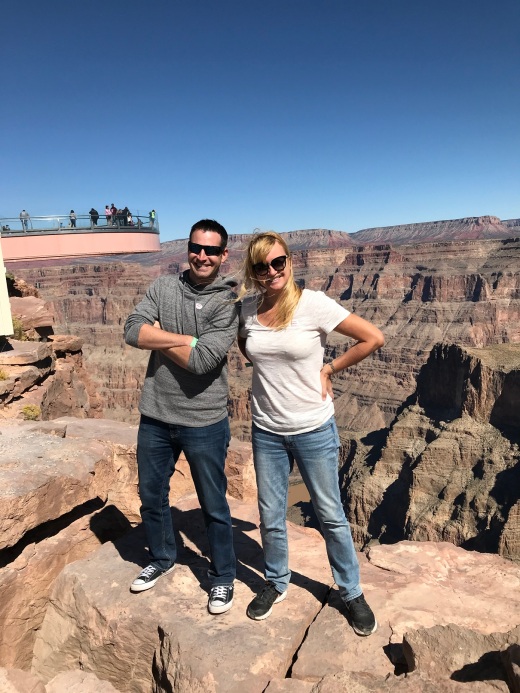
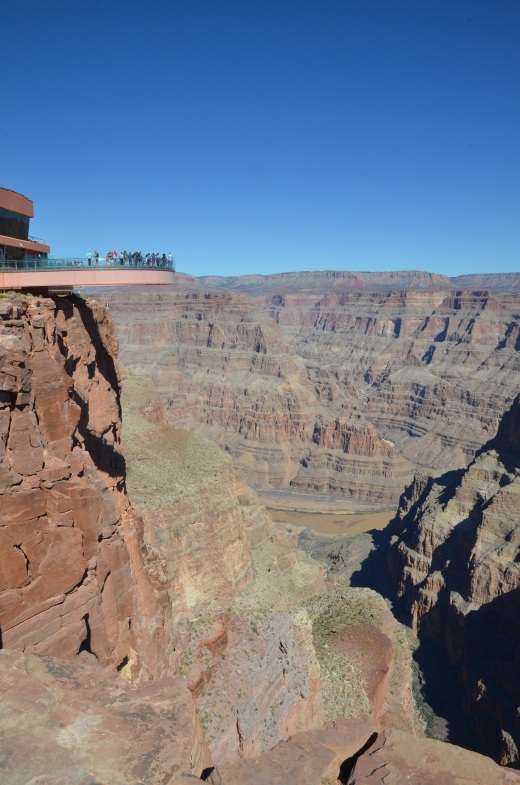
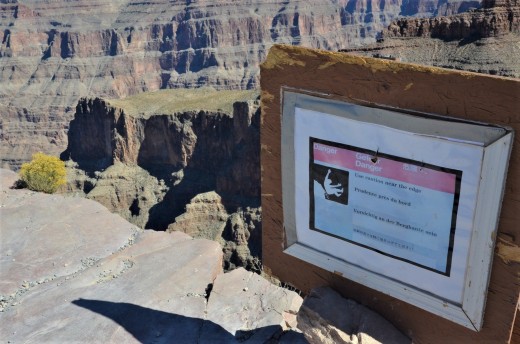
The best spot for pictures of the actual Skywalk, is from the restaurant in the building.
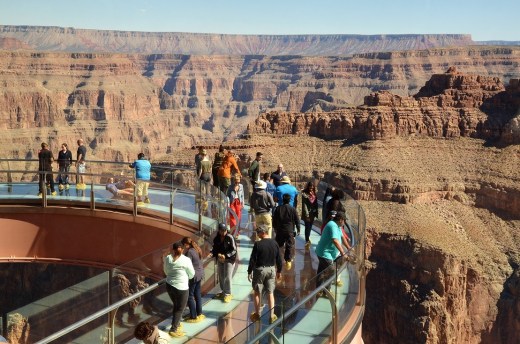
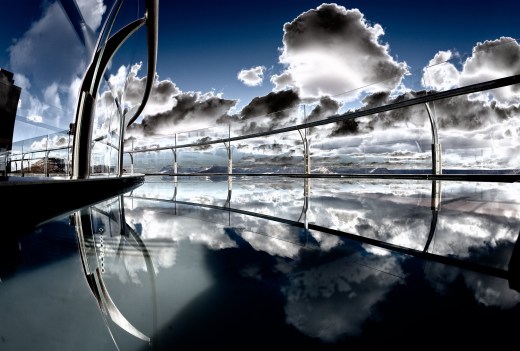
The following two photos are professional shots which you can purchase on a thumb drive along with the photos of yourself taken by the Skywalk photographers.
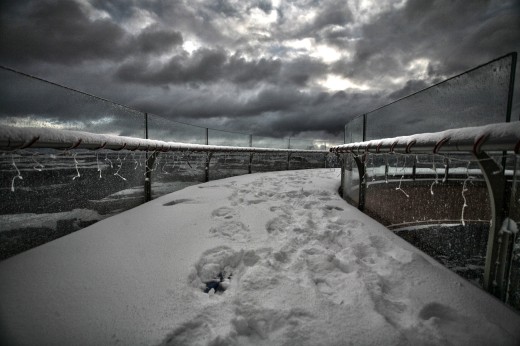
The experience was fast paced and had a bit of a circus feeling to it, due to the amount of people milling around at the heliports. The views were nice and I had really wanted to see the Skywalk since it’s construction ten years ago.
https://www.grandcanyonwest.com/skywalk–eagle-point.htm
All in all it was a fun way to spend half a day outside of the Las Vegas Strip. Papillon has quite a few tours to choose from. We began our tour at around 10 am and were back by 2:30 or 3:00 with about 1 1/2 hours at the Skywalk.
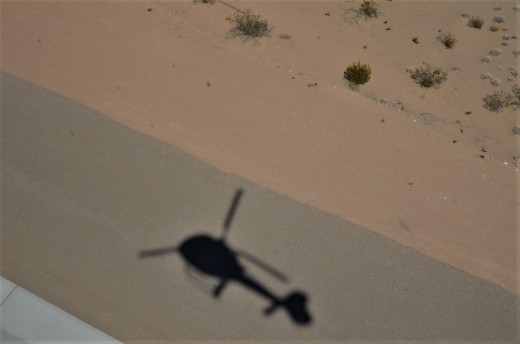
It’s been two months that I’ve been in Las Vegas for work. For a person used to the green of Oregon and Florida, this part of Nevada seems very brown. The Las Vegas strip is crowded, noisy and lit by neon 24/7.
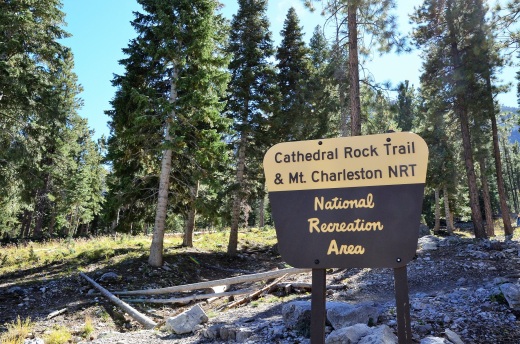
But just a short one hour drive from the Vegas Strip, there is a place you can get away from the crowds, the lights and the noise.
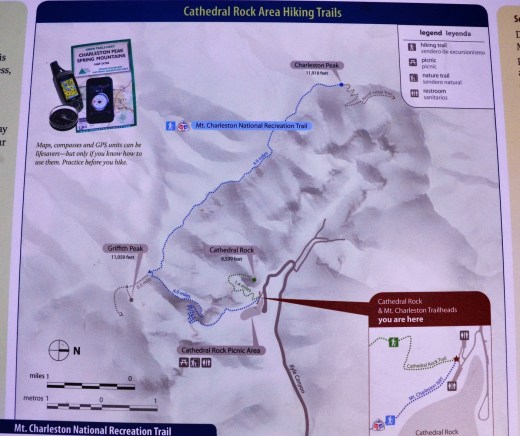
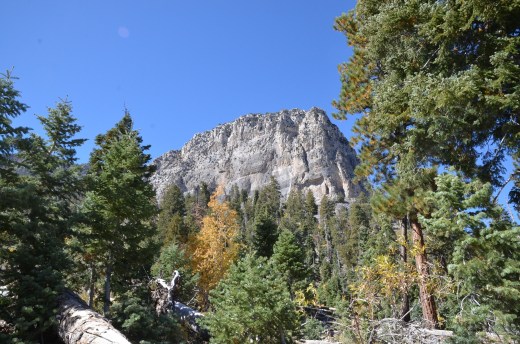
Mt. Charleston’s many trails are a refuge from the hustle and bustle of the city of Las Vegas. I hiked the Cathedral Rock trail, the shortest option. The car park is at about the 7500′ elevation level. The top of Cathedral Rock is at 8600. So it is a nice short hike of approximately three miles round trip and a 1,000 foot elevation gain.
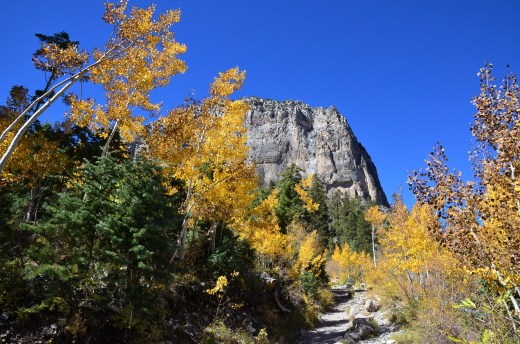
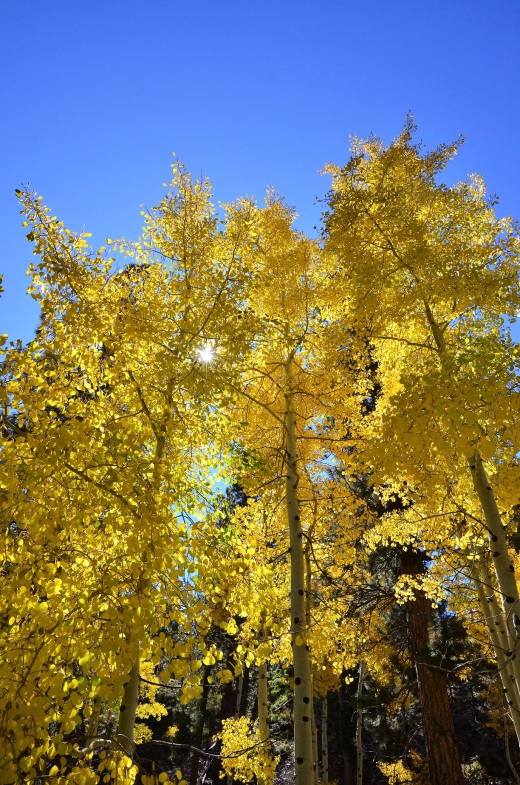
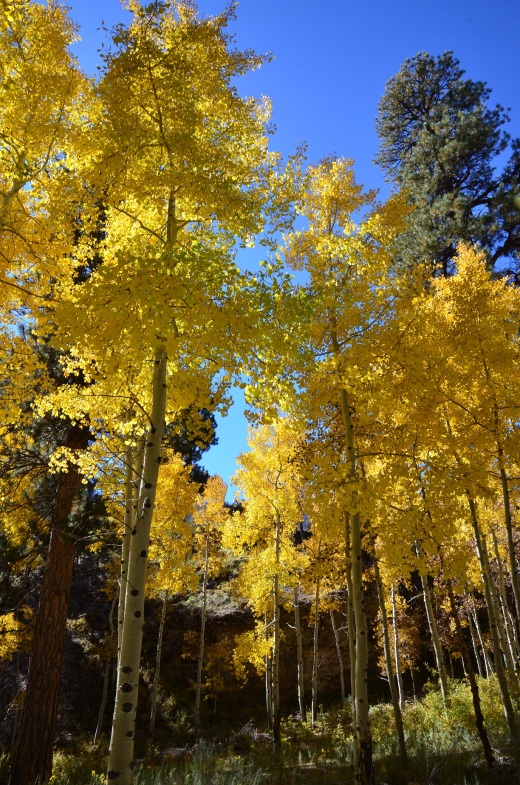
Now in October the Aspens are turning a beautiful golden color. Most hikers were accompanied by their four legged friends, which I was glad to see, but only made me miss my own dog even more.
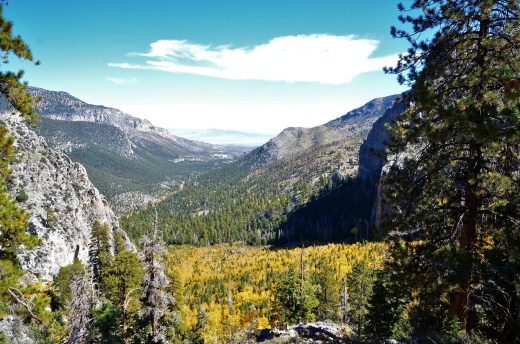
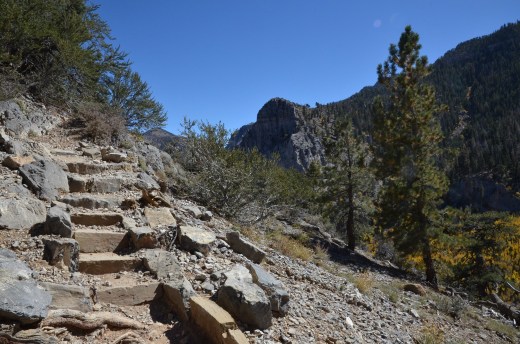
Mt. Charleston is a very nice break from what most people think of as Las Vegas.
VIEW FROM THE TOP
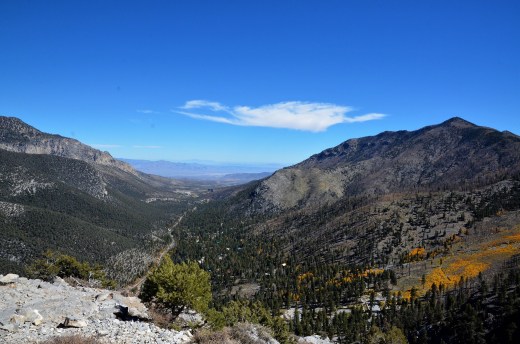
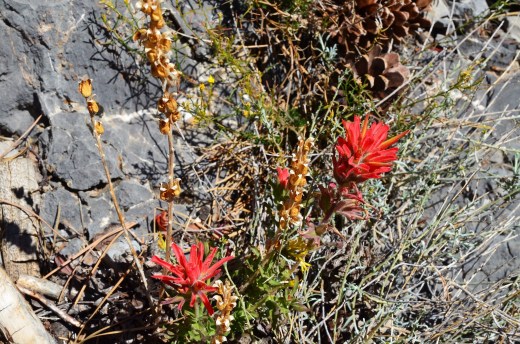
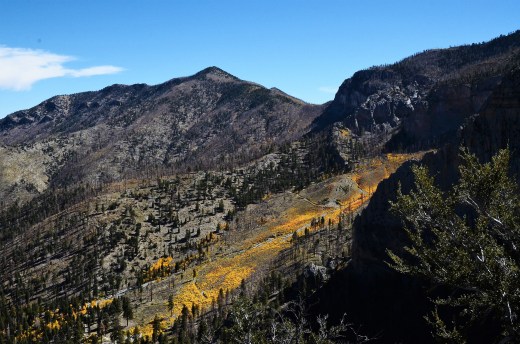
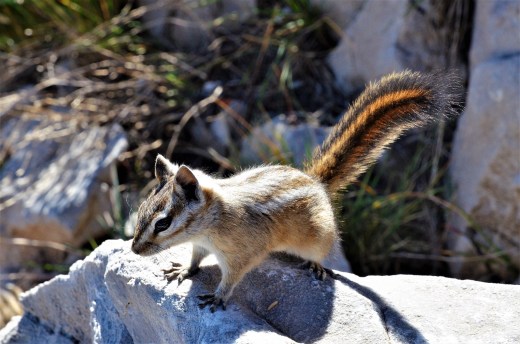
Wildlife at the top of Cathedral Rock
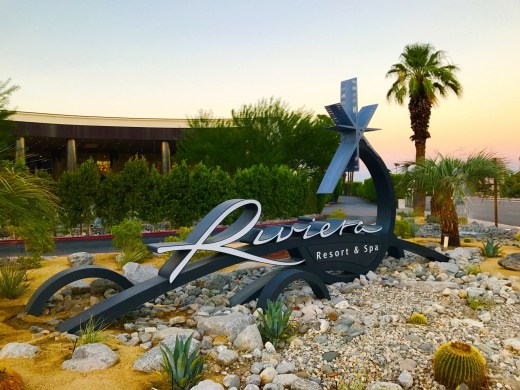
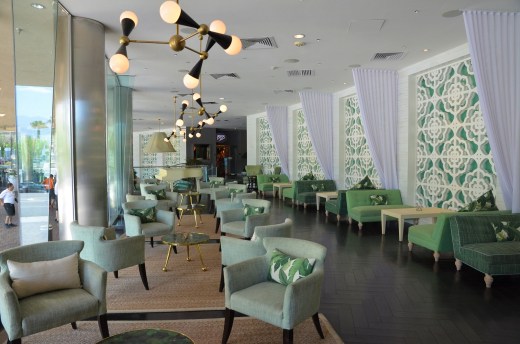
I met my sister in Palm Springs for a short 48 hours, a reprieve from a work assignment in Las Vegas. She wanted to stay at a mid-century modern hotel, so we chose The Riviera. The interior was definitely retro, and we liked that. But the Saturday pool techno music was a little much for me.

We found a few places we would recommend.
We ventured out to the main shopping/tourist area fairly early and found L’Atelier. The breakfast there was very tasty and fresh. The cafe latte was just what I needed.
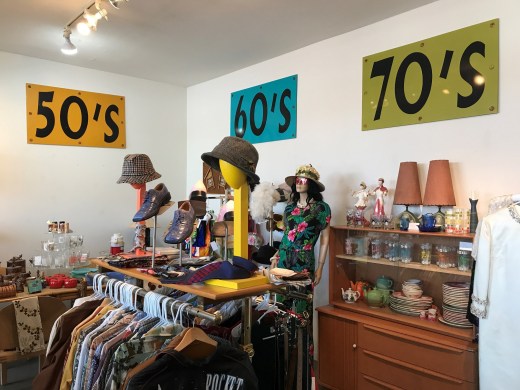


Our favorite shop was Iconic Atomic, voted the best vintage clothing store in Palm Springs. I found a cute vintage dress, and the owner took the time to give us dining and sight-seeing recommendations. He was very helpful (and colorful).
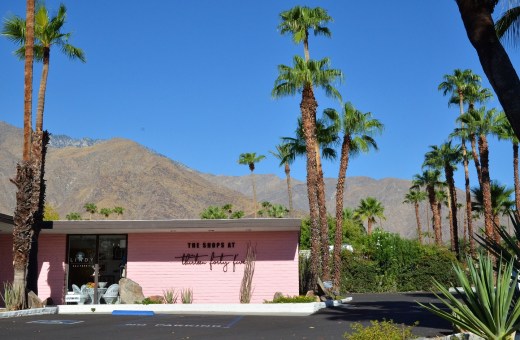
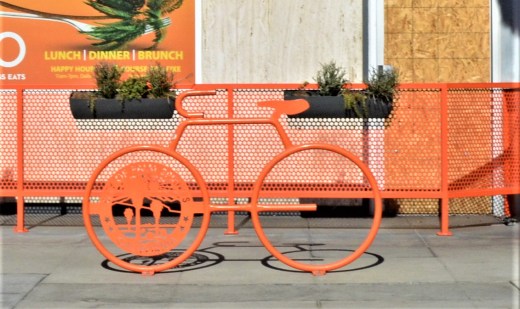
Quite a few things about Palm Springs are colorful, including buildings and bike racks.

During the mid-day heat, the downtown streets are empty. It is too hot to walk around, so lounging by the pool is the only acceptable past time. The Riviera has two pools, one very busy and one less so. We chose the less busy pool where the lunch was good, but the music was not to my taste.


The Buzz, a free trolley around the busy tourist area was great. It has a stop right across the street from The Riviera. The Buzz trolleys come by every 15 or 20 minutes, and it is free. No worries about having a glass of wine and then driving. We used it both evenings we spent downtown.

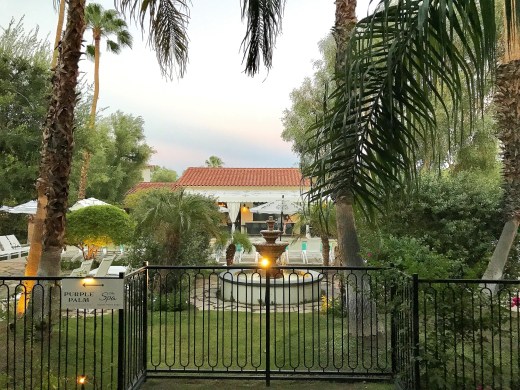
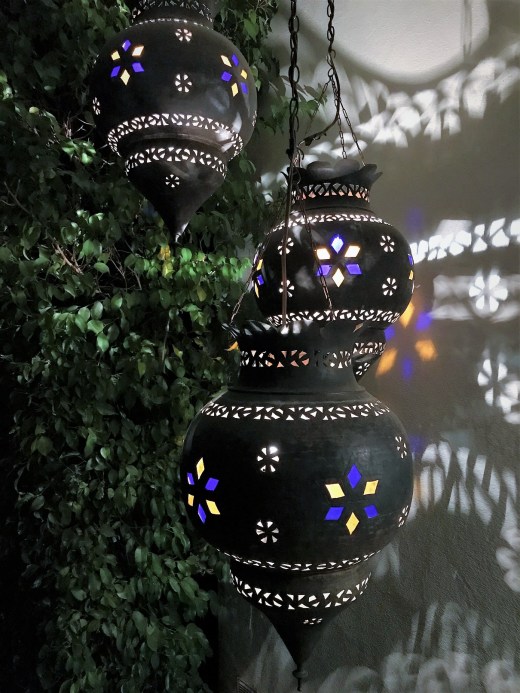

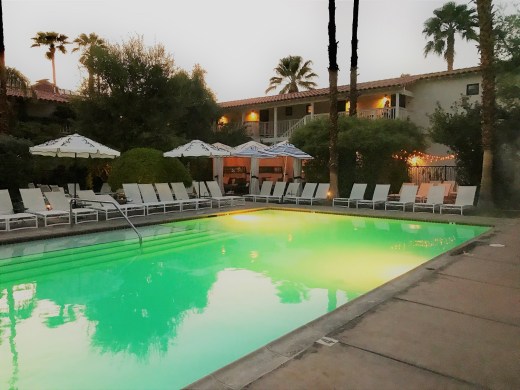
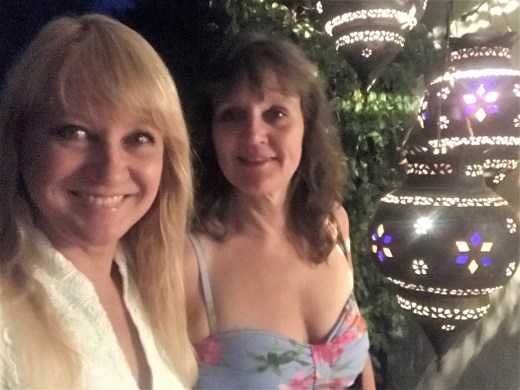
A stop in at the Purple Palms for a drink had us wishing we had stayed there. It has a beautiful and quiet pool area and a wonderful historic restaurant and bar. We enjoyed a glass of wine and then walked to our dinner spot.
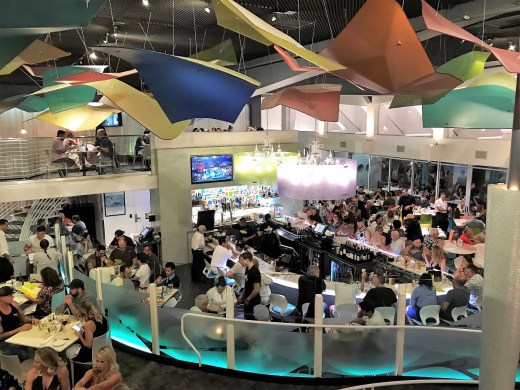
Dinner at Lulus on the main drag was quite good. We tried the cold Cucumber Avocado soup, and the Chilean Sea Bass. We were very happy with our meal, and happy we had made reservations. We walked right in to our table while those without a reservation waited outside.


Our outdoor table next to the sidewalk (under the misters) gave us a great view of the busy main street, where we saw groups of women on a Girls Night Out, straight couples, gay couples, families with kids, and quite a few bachelorette party goers enjoying the night.

A free ride back to The Riviera was appreciated.

Sunday morning we got a breakfast packed by L’Atelier and rode the Palm Springs Aerial Tramway from the valley floor up to 8,516 feet. As advertised, it really was 30 degrees cooler at the top. The tram was full of hikers, campers and rock climbers. We did a short 1.5 miles trail and took in the view of Palm Springs from 2.5 miles up.
There are 14,000 acres in the state park and wilderness and over 54 miles of hiking trails. It was our favorite part of the weekend.
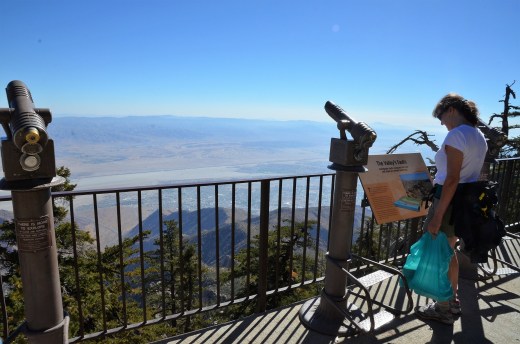
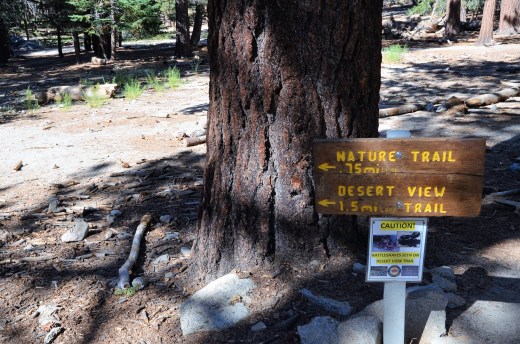

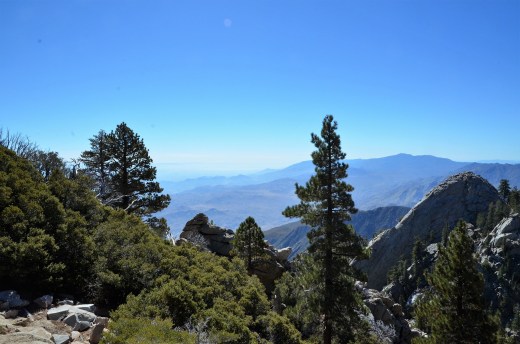
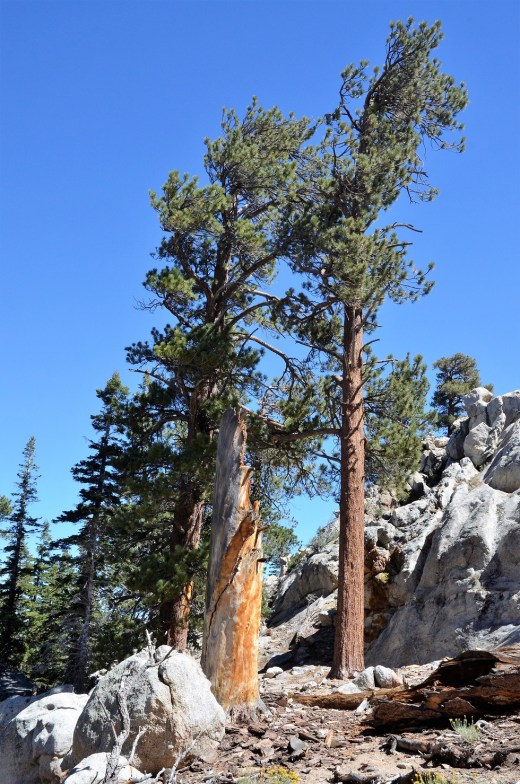

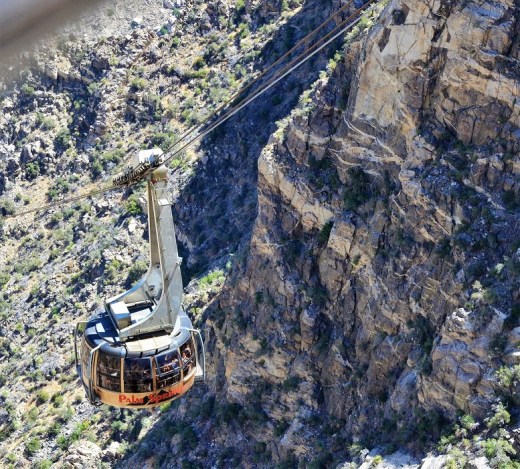
The drive between Las Vegas and Palm Springs is about four hours and fifteen minutes. We spoke to a woman from LA, a much shorter drive. It appeared to us just from observations that Palm Springs is a “Girls Weekend” destination, and also seems quite gay friendly. We think the Palm Springs vibe is changing from the old rat pack feeling to a younger and edgier crowd. There were a lot of new structures under construction too.
We enjoyed our 48 hours in Palm Springs. A ride up the Aerial Tram is a must do.
I’m in a blue mood, a good one. I recently painted the outside and inside of my house blue. Now I see beautiful blues everywhere. I found these note cards in Sweden. They are from Danish designer and painter Birthe Koustrup (1917 – 2000). http://www.koustrup.info
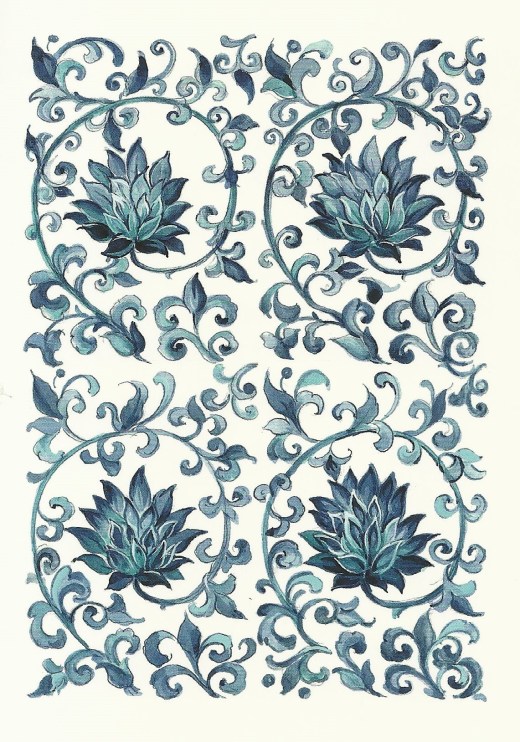
Lotus Flowers, Handbook of Decorative Motifs by Birthe Koustrup

Decoration inspired by the Kakiemon familys work, c. 1780, Japan. Handbook of Decorative Motifs, Birthe Koustrup
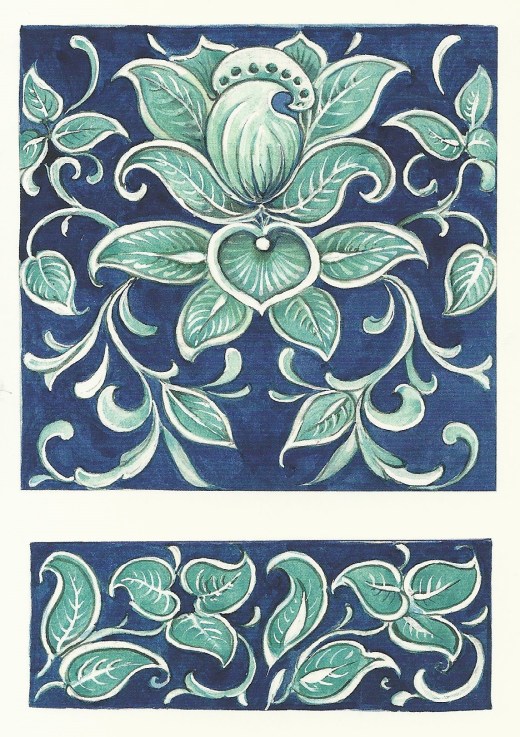
Composition from a motif painted on a water pitcher, Song Era. Handbook of Decorative Motifs, Birthe Koustrup

Flowering Apricot. Inspriation from a Chinese Vase, Kangsi period. Handbook of Decorative Motifs, Birthe Koustrup
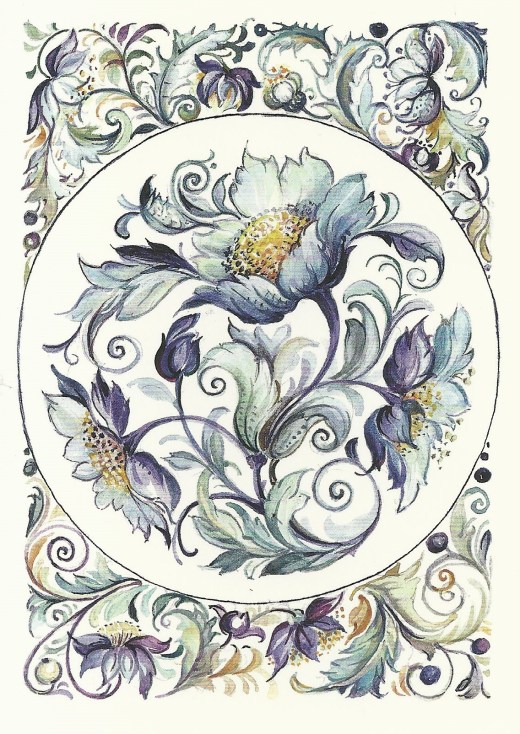
Design on a jar of ointment, eighteenth century, France. Handbook of Decorative Motifs, Birthe Koustrup
A blue door in the town of Halmstad, Sweden:
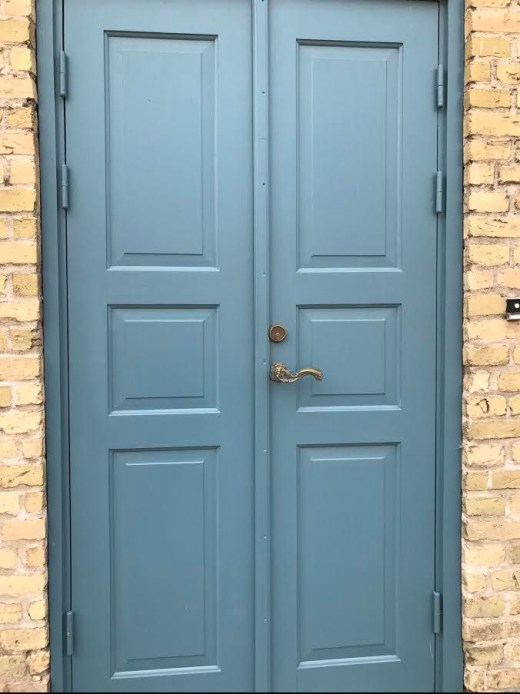
Another blue door, in the town of Simrishamn, Sweden:


To many, Copenhagen is a foodie destination. You can’t think of Copenhagen without thinking of Restaurant Noma. But Noma closed early this year. No worries. There are still two restaurants in Copenhagen ranked in the top 50 of the world.
Relæ takes reservations 60 days in advance, and I was right there online waiting to put in my request. Even 60 days in advance, we had a choice of 530 pm or 9 pm, the main dinner hours already snapped up. We took the 530 even though most of our dinners had been later and it is light until 10 pm.

Relæ is ranked #39 on the website http://www.theworlds50best.com/.
We liked that Relæ’s atmosphere was very casual. It might be high end food with high end prices, but the feeling was relaxed and comfortable.
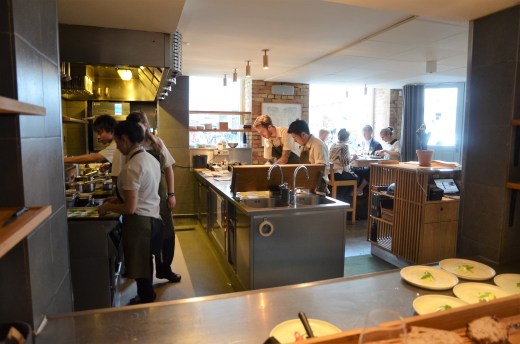
We had a kitchen table, overlooking a food prep area. I wanted that, and it was nice to talk with the chefs.
The Relæ manifest is made very clear:

We chose, as usual, to do the full Relæ experience with wine pairings, approximately $250 for the food and wine.
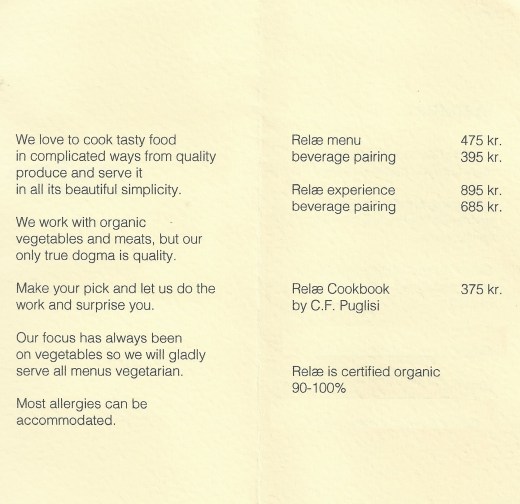

They had asked in advance about food requirements, and I had responded with no red meat, chicken or pork. That seemed fine with them. They substituted fish for the lamb in the above menu. All your utensils for each course are handily stored in a pull out drawer right at your table.

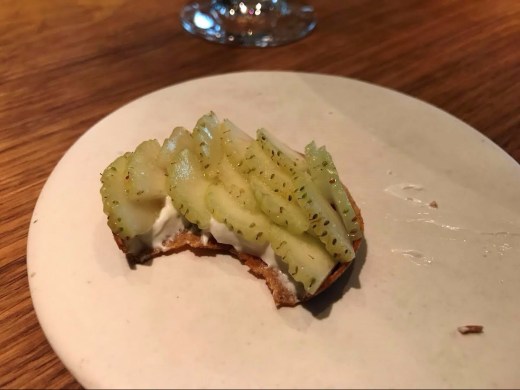
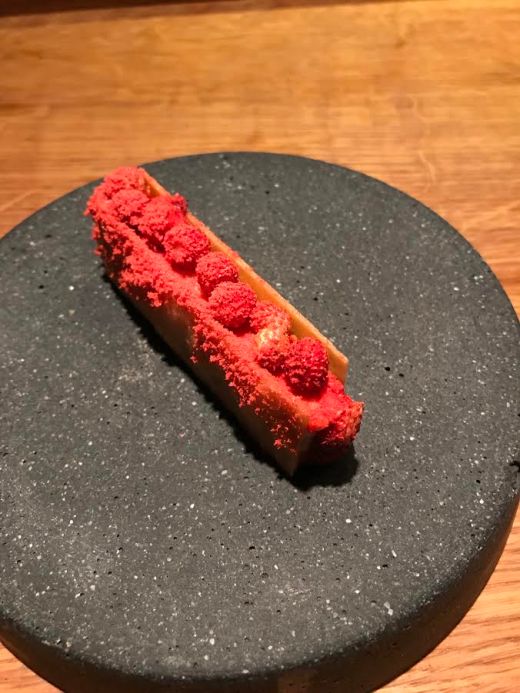
Our first appetizer was a green strawberry tart.
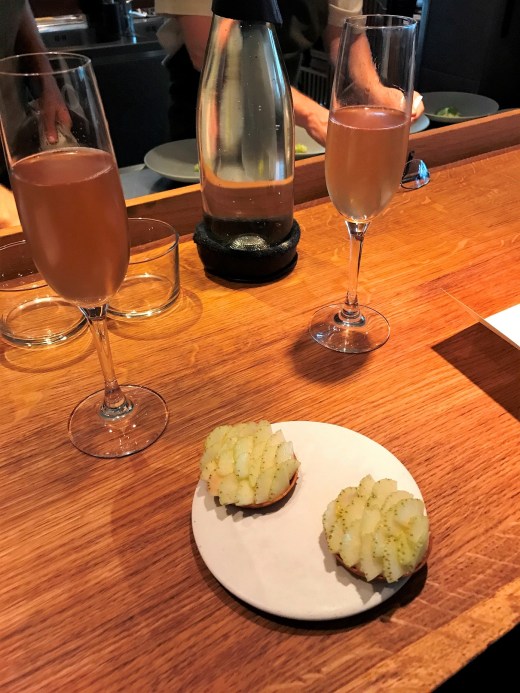
As you can see in the photo, the wine was a bit cloudy. I hadn’t expected that. It turned out that I liked only about half the wines, and one I was unable to finish. If I had it to do over, I would have ordered the full food experience, and skipped the wine pairings. Some of the organic wine was just too organic for me. But several were quite good.
One of the chefs preparing frozen almond milk crumbles:

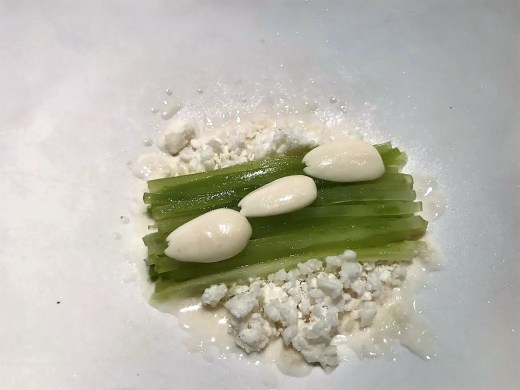
The green strawberry tart was followed by celtuce with oregano and almond. The celtuce was served on a bed of frozen almond milk crumbles, which began to melt immediately. As I took this photo the chef recommended that I not wait much longer to enjoy the dish, as it was melting. These details I would have missed if we hadn’t been seated at a kitchen table.
A chef preparing the oyster dish:

Oyster with cucumber, juniper and seaweed vinegar:
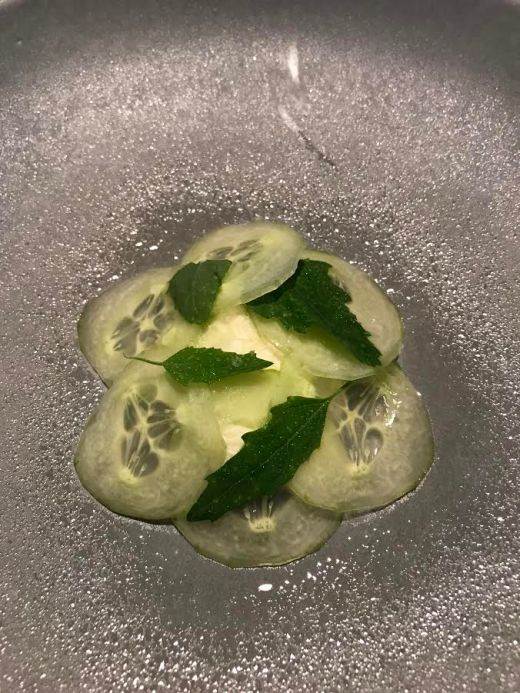
The oyster dish was awesome, and my favorite so far. But wait, there was much more to come.
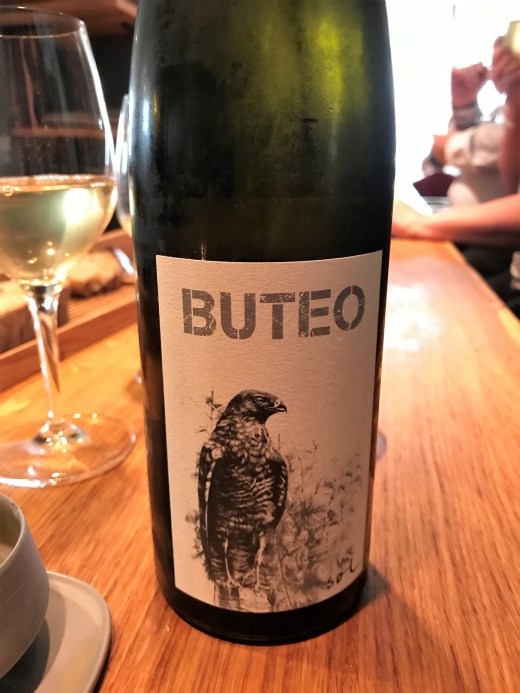
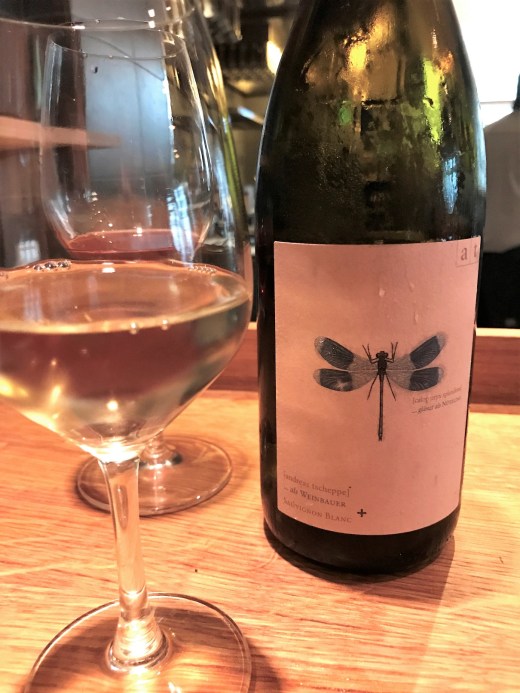
The Buteo, an Austrian white, was one of the wines I liked. A 2015 Weingut Micahel Gindl, Weinviertel.

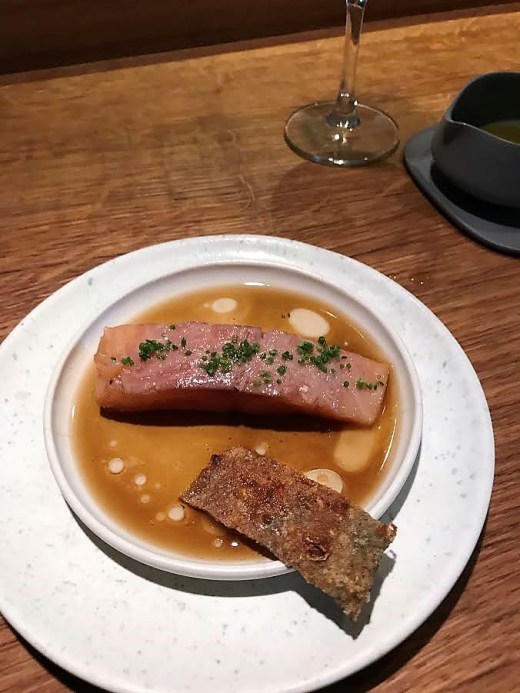
After the oyster we had trout with crispy skin and browned butter. This was much better than expected. The crispy skin was delightful.
Trout with crispy skin:

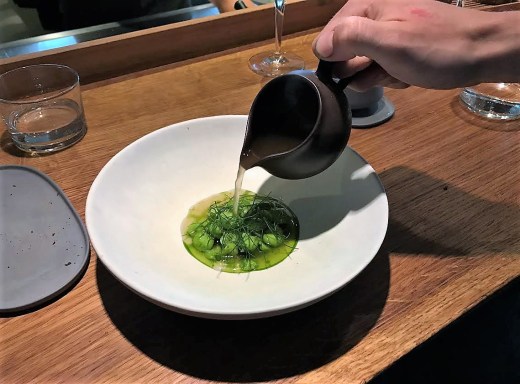
The next course was a fava and fennel creation, over which they poured fava bean oil.

The view of the kitchen from our table:

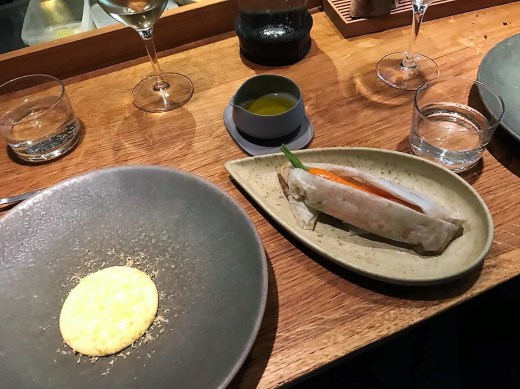
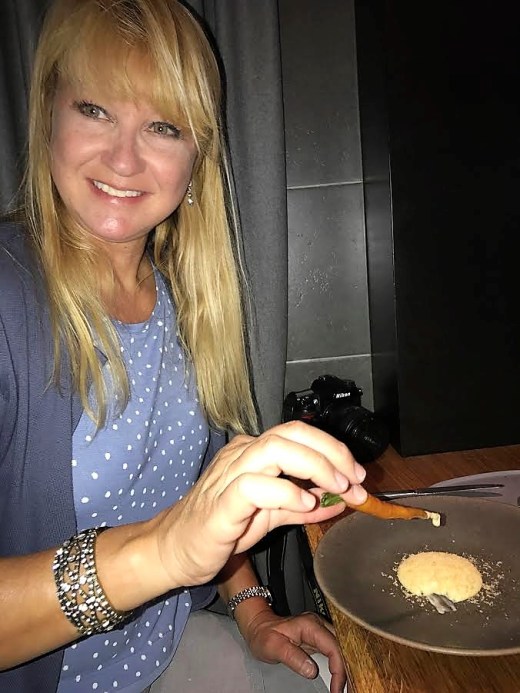
They chefs told us they love to work with vegetables and that the restaurant has its own farm. They concentrate on what is in season and grown locally. Our next course was carrots, with egg yolk and hollandaise.
As a little surprise extra, they had created a dish using turbot cheeks:
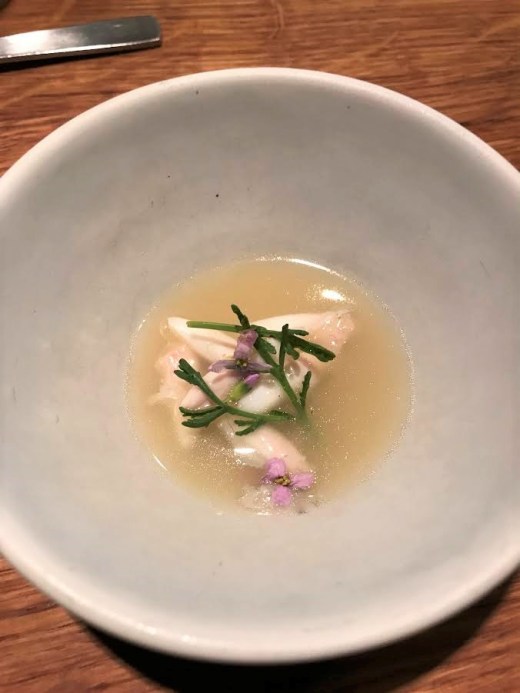
Instead of the lamb on the menu, they served us turbot in butter with kohlrabi.

One of the wines that I did like, Groll n’Roll ’16, Sebastien Babass, Chanzeaux (France).

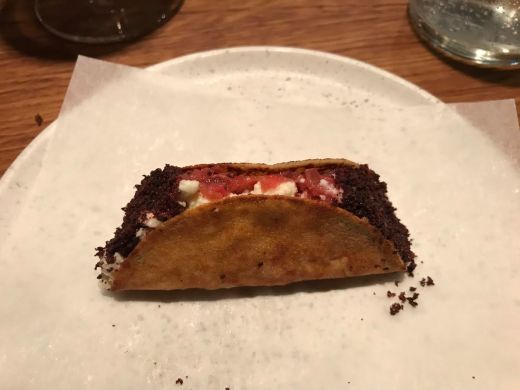
After the eight courses of appetizers and fish, we had three types of dessert. The first one was a pancake with fresh cheese, rhubarb and black olives.
Another Austrian wine that I liked, a Sauvignon Blanc 2012 by Andreas Tscheppe, Glanz.
Second dessert was curd with whey, buttermilk sorbet and woodruff. The menu says “chervil”, but my notes taken right from the chefs says woodruff.


And we finished with strawberries and sage, a sage parfait with strawberries and strawberry powder.
You might think that we would be staggeringly full at this point, but the dishes were small and you are guaranteed the table for 2 1/2 hours.
It was delightful and the food excellent.


After disembarking from the Juno, we spent one night in Goteborg. The next morning we took the fast and easy train from Goteborg to Copenhagen, about 3 1/2 hours. Arriving in Copenhagen, we had just 24 hours until our international departure, and it was raining.

With just a few hours to kill until our dinner reservation at Relae, (ranked #39 restaurant in the world by http://www.theworlds50best.com), we walked in the rain to the Christiansborg Palace to pay a royal visit.
The Alexander Hall:

I’m glad we did. We bought the ticket allowing access to four venues; The Royal Reception Rooms, The Ruins, The Royal Stables, and the The Royal Kitchen.
We started with the Royal Reception Rooms.
The Princess Chamber:

The Queen’s Library:

The Abildgaard Room:

A poster in the The Dining Hall describing the origins of the table and chairs:

The Dining Hall:

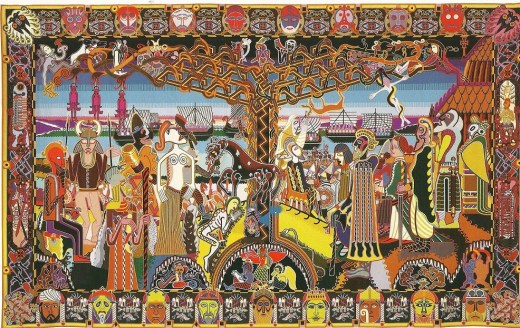
My favorite room among them all was The Great Hall. It is lined with beautiful tapestries created by Danish artist Bjord Norgaard. These are not old tapestries, but given as a gift to Queen Margrethe II in 2000 on her 50th birthday, and completed on her 60th. They narrate 1000 years of Denmark’s history, from Viking times to the present.
The Great Hall:
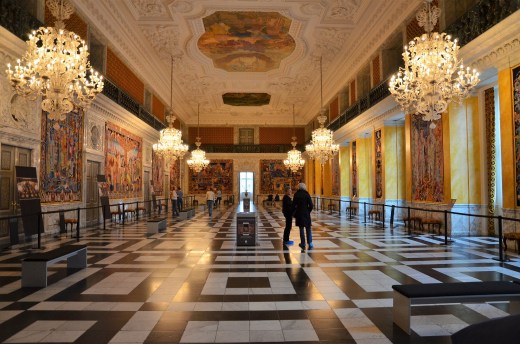
My sister taking in all the intricacies of The Viking Age tapestry, my favorite.
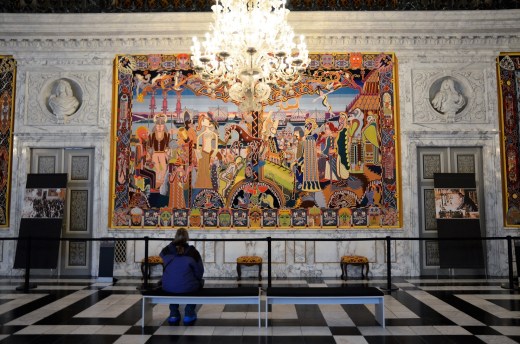
The Viking Age tapestry created by Bjorn Norgaard:
After the Royal Reception Rooms, we walked to the Royal Stables. They have several exhibits, including a stuffed horse, and a film, but I was disappointed that we saw no live horses. The Danish kings were known for their white horses.


One area housed all the carriages and tack:

We toured the ruins under the palace and then walked back to our hotel, just two blocks from the central train station.
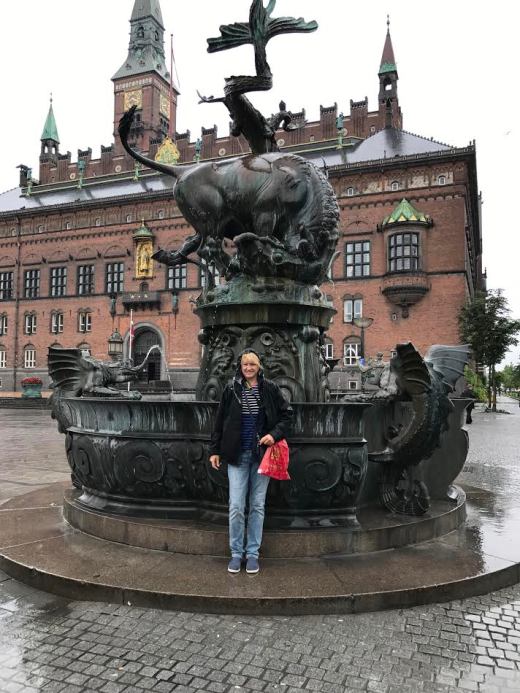
It was still raining as we passed the Dragon Fountain, near Tivoli.

We had motored through Lake Vänern during the night. The sunrise was spectacular, and very early.


Lake Vänern is at 48.3 meters above sea level. On this day, the last day of the Classic Canal Cruise, we end in Goteborg (Gothenburg) on the west coast, and sea level. After breakfast we arrived at Trollhättan. The Trollhättan locks are a staircase of four locks, dropping 32 meters.
There are three lock systems here, the two oldest not in use. We toured the Trollhättan Canal Museum, watching a very interesting film on the history and construction of the lock system.

The Old Locks


Then we followed the Nils Ericson Walk, a self guided tour of the old lock system, first built in 1800. The second set of locks were built in 1844. Once a year they celebrate “Falls Day” and let the water flow over the original falls. I think they told us it was one day in July.
The Second Locks From 1844

Even though we’d been watching the lock procedures for four days, I still found it fascinating, and these locks were the deepest ones yet.
The following series of photos were taken as we descended from the top of Trollhättan and into the second level. The new canal office, on the left as we descended, was built in 1935.


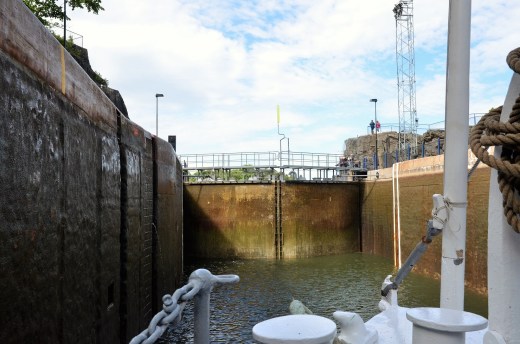
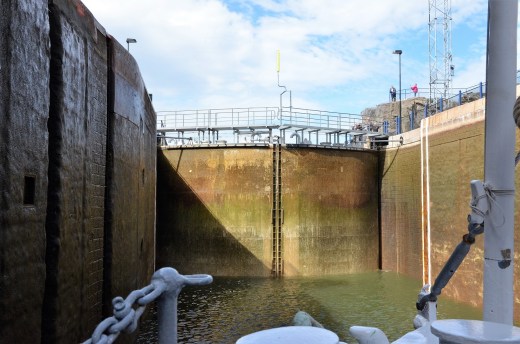


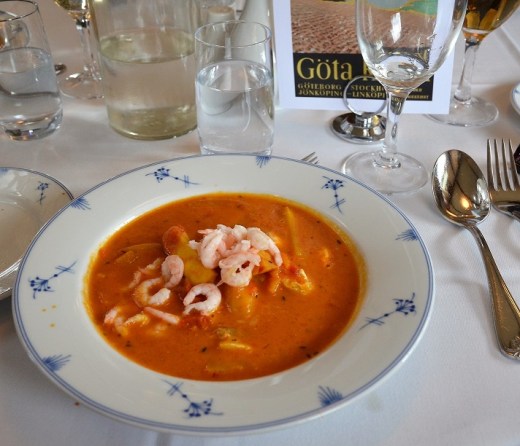
After descending the Trollhättan Locks, we cruised the river towards Goteborg and sat down to our last lunch on the Juno.




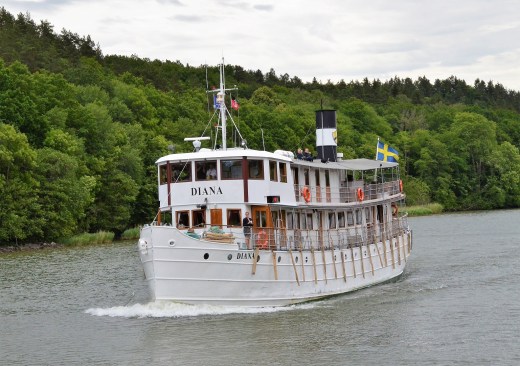
On the river we passed one of the Juno’s sister ships, the M/S Diana. She is the youngest of the three ships, launched in 1931. It is customary for the younger ship to blow their horn first, and the older ship answers.

At the dock in Goteborg the crew lined up for farewells.


Day Three of the Classic Canal Cruise begins with a cruise on Lake Vättern, the highest lake elevation, then we rise to highest elevation of the trip, 91.5 meters through the Berg Canal, and begin the descent through more locks on our way back down to sea level.
We sailed out of Motala early, 0545, but I was up to witness it. We cruised along Lake Vättern and made stop at Karlsborg Fortress. We had planned to take the guided tour, but it was all in Swedish so we walked the parks along the shore.

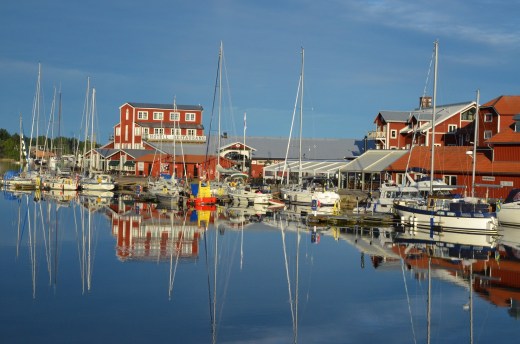
Cruising again, the Juno passed through Forsvik lock, the oldest lock in the system dated back to 1813.
Entering Forsvik Lock:

This was a beautiful area with the hand dug canal linking natural lakes. We passed through some very narrow areas, where a crew member walked along the shore and assisted with the sharp turns by using ropes.


The wood-lined canals and lakes are the wildest looking part of the canal. We passed some sail boaters and saw campers on the shore. One of the other passengers mentioned that he had heard Sweden refered to as “the most civilized wilderness in the world.” I really liked that, and it seemed to fit.

Lake Viken:

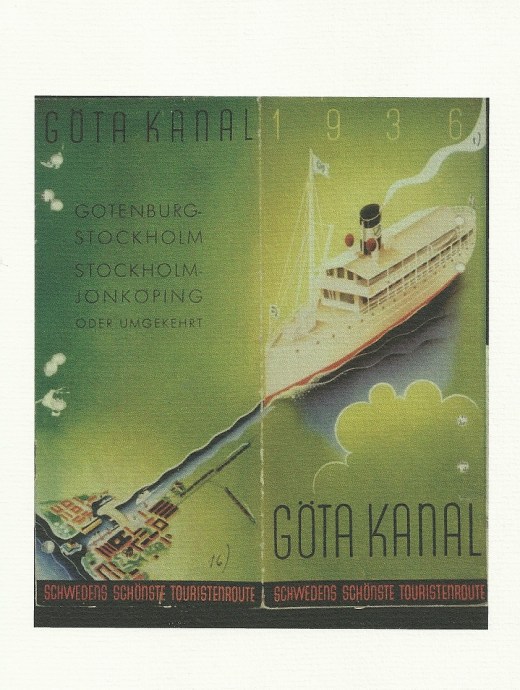
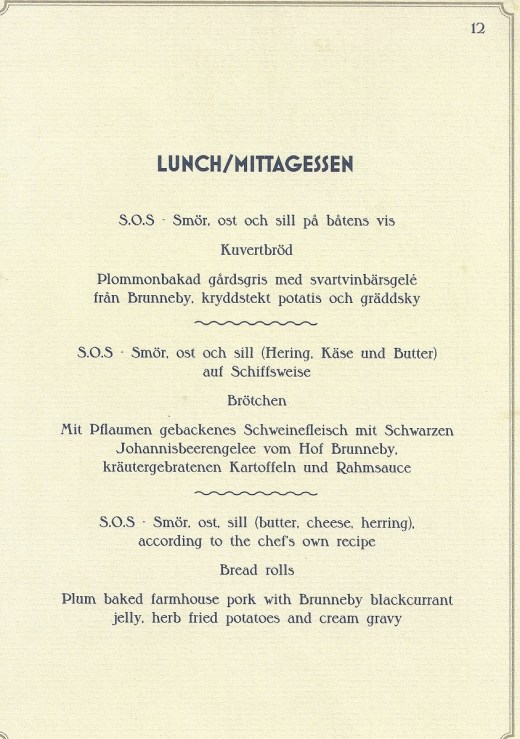
Lunch was served as we cruised Lake Viken. Today’s lunch was herring, and you can’t eat herring in Sweden without drinking schnapps. So lunch was called S.O.S – Smor, ost and sill (or butter, cheese, and herring).
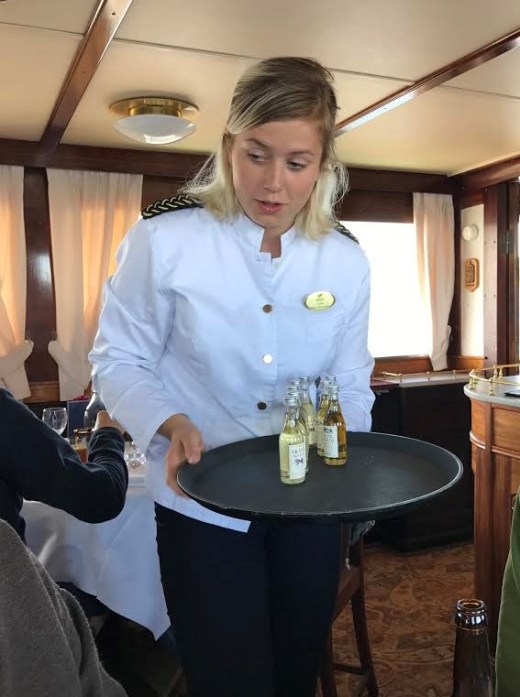
Julia came around with a platter of many flavors of schnapps. I tried the dill flavored schnapps, one I’d never seen or heard of before. It was interesting. We also sang some well known drinking songs. Although sung in Swedish, they had supplied us with the translations. I never knew the English words to Helan går before, always singing it in Swedish.

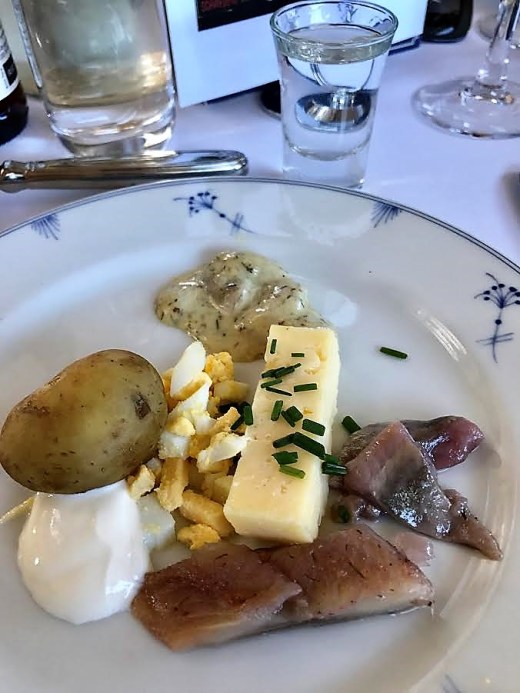


After lunch we passed through Tåtorp, a hand operated lock. This lock puts us at our highest elevation, and as we cruised through the Berg Canal, there is a obelisk that marks the highest point. I did look for it, but didn’t see it, as it is made to look like a birch tree, and they did a very good job in that department.
The Hand Operated Lock at Tåtorp:


After lunch we cruised through some very scenic farm land.
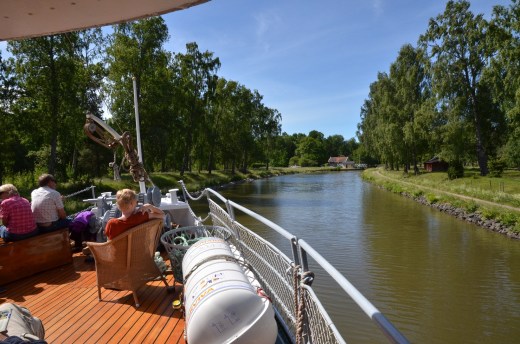

In Hajstorp we started to let back down. We had four locks to go through, which allowed us to get out and walk along the canal again for about 1.5 km.
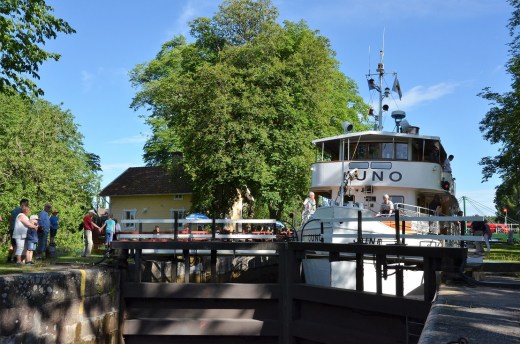

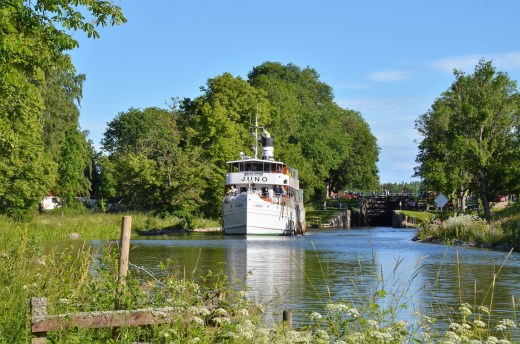

After the four locks and a stroll, we sat down to another lovely dinner and watched the farmland roll by outside the window.
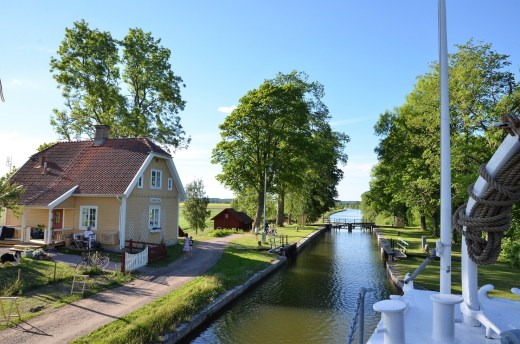


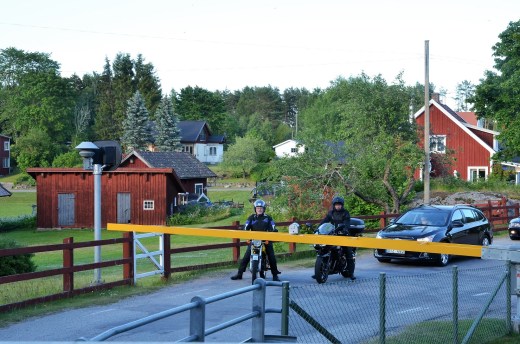
In the evening we reached Sjötorp and a set of eight locks. As the Juno was let down through the locks, we got off again for a short walk and a visit to the Sjötorp Canal Museum. In the last lock the ship was serviced with water and we waited to board. The sun was setting at about 10:30.
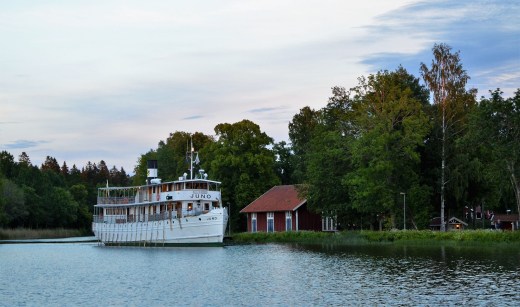


During the night the Juno continued to cruise Lake Vänern. Lake Vänern is at 43 meters, so in this one day we had already let down 48 meters of altitude through the old lock system, some hand operated.

