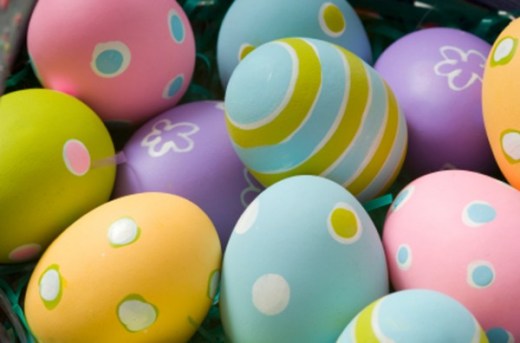
Easter is the most religious Christian holiday on the calendar, celebrating the resurrection of Christ. It, like Christmas and Valentines Day, has been hijacked by commercial interests, so most of what you see are advertisements for plastic colored eggs, chocolate bunnies and Easter dresses. I think the majority of the population will unknowingly celebrate Easter with a more Pagan influence than a religious one. Considering myself more of a Naturalist than anything else, I think of Easter as a symbol of Spring, more closely related to Ēostre (or Ostara), the goddess of dawn, than with Jesus. Spring, the Vernal Equinox (when the length of the day and night are equal), is when the Northern Hemisphere starts to show signs of life again after the hibernation of Winter. Rabbits in many cultures symbolize fertility, and what could be more symbolic of new life than an egg?
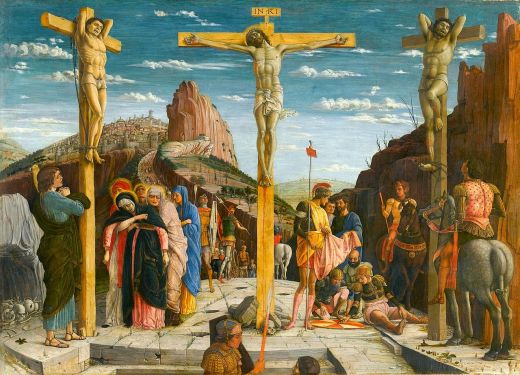
Andrea Mantegna’s Crucifixion, c. 1457-59, altar piece, The Louvre, Paris.
From encyclopedia.com:
The pagan roots of Easter involve the spring festivals of pre-Christian Europe and the Near East, which celebrate the rebirth of vegetation, welcoming the growing light as the sun becomes more powerful in its course toward summer. It is significant that in England and Germany the Church accepted the name of the pagan goddess “Easter” (Anglo-Saxon Eostra—her name has several spellings) for this new Christian holiday.
From another website:
The rabbit also symbolizes lechery and fertility in traditional Chinese culture due to its prolific reproductive performance, always being ready to mate during any season.
In Western culture, the Rabbit symbolizes new births and prosperity; therefore, it has become one of the mascots for Easter Day along with the chocolate egg.
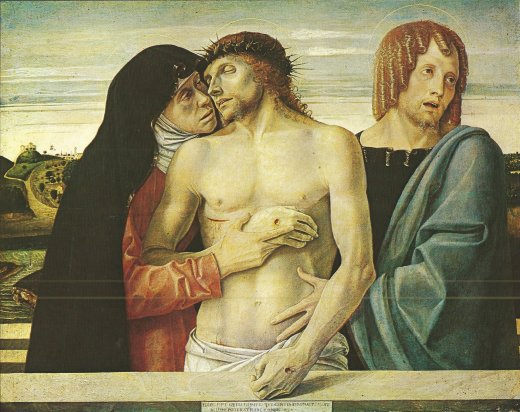
Giovanni Bellini’s Pieta, c. 1468-71. Brera Gallery, Milan
The truly Christian will ignore the eggs and bunnies, go to church and call it “Resurrection Sunday.”
From the website Christian Answers:
The name “Easter” has its roots in ancient polytheistic religions (paganism). On this, all scholars agree. This name is never used in the original Scriptures, nor is it ever associated biblically with the death and resurrection of Jesus Christ. For these reasons, we prefer to use the term “Resurrection Sunday” rather than “Easter” when referring to the annual Christian remembrance of Christ’s resurrection.
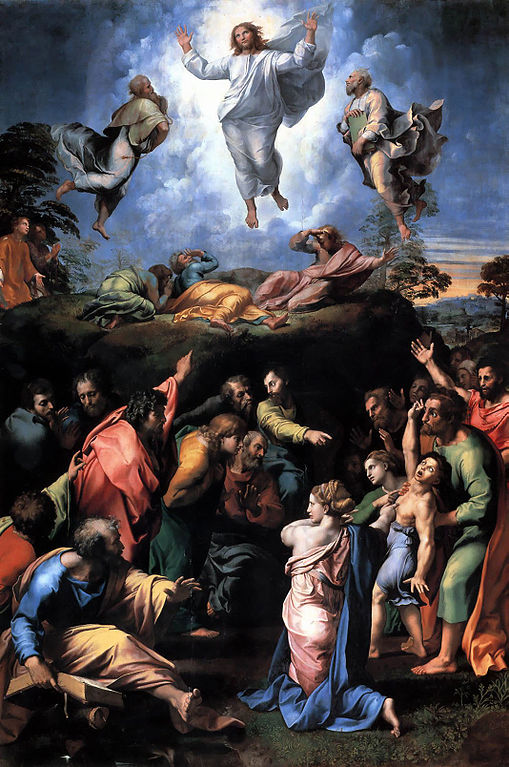
Raphael’s Transfiguration of Christ, 1517, Vatican, Rome
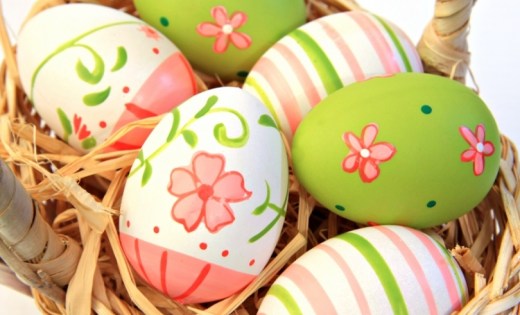
The rest of us will celebrate with cute bunnies and colorful eggs. If you read my post about Valentines Day, the same idea applies. The pagans had a lot more fun with their holidays.
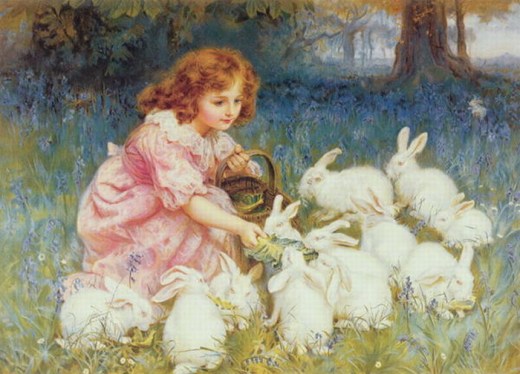
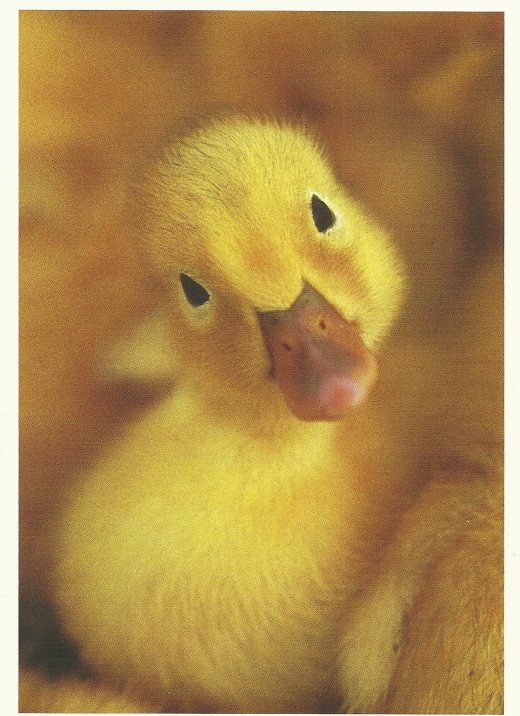
Probably one of the sweetest bunny pictures I’ve ever seen
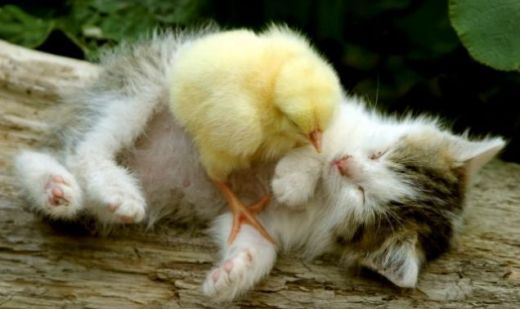
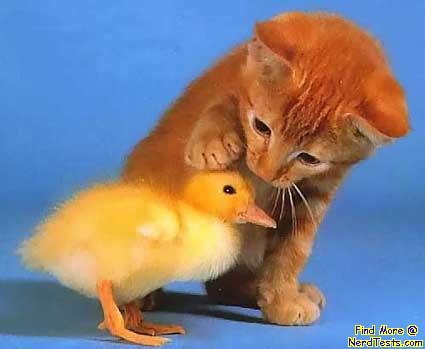
Commerical Easter wouldn’t be complete without a kitten/baby chick picture
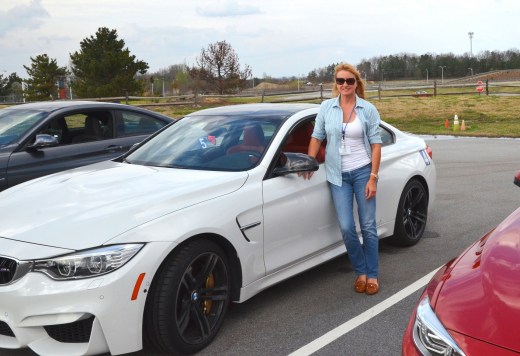
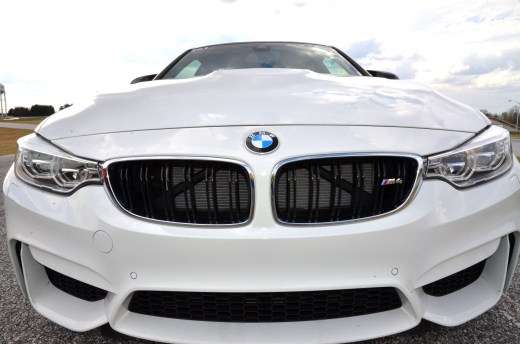
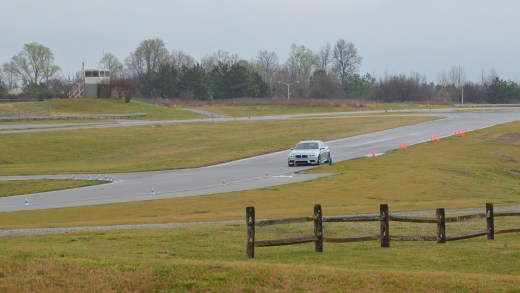
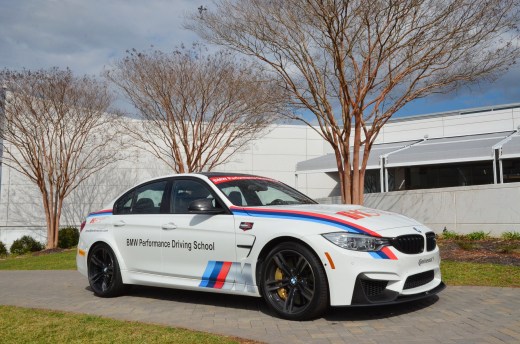
This past weekend I participated in the BMW M Performance Driving School at the BMW Performance Center in Greer, South Carolina. Fifteen participants (drivers) made their way to Greer on Friday March 11 to be in place for the Saturday morning class time.
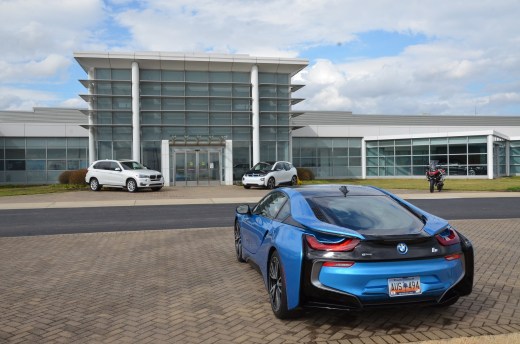
The BMW Performance Center in South Carolina
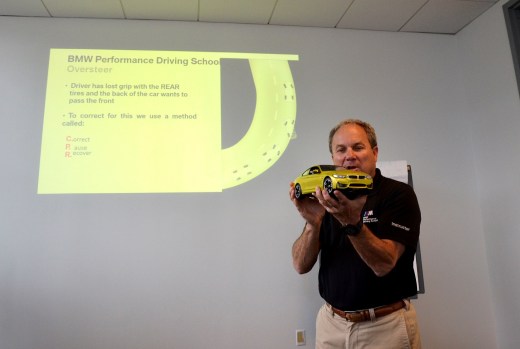
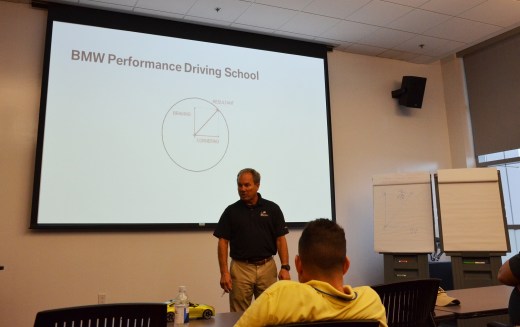
We gathered in a classroom at the Performance Center and listened as our five instructors for the weekend introduced themselves. Then Donny gave us some pointers in correct seating position, oversteer and understeer, braking, and correctly navigating a turn. The classroom instruction was fairly brief, but detailed and to the point as we all wanted to slide behind the wheel of one of the M cars.
Donnie gives us classroom instruction in oversteer
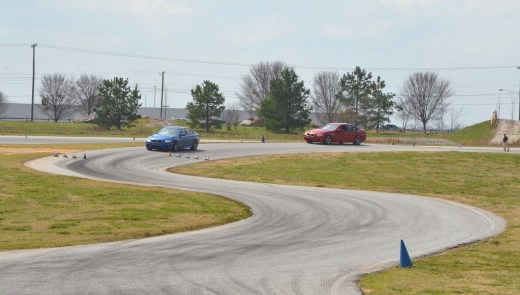
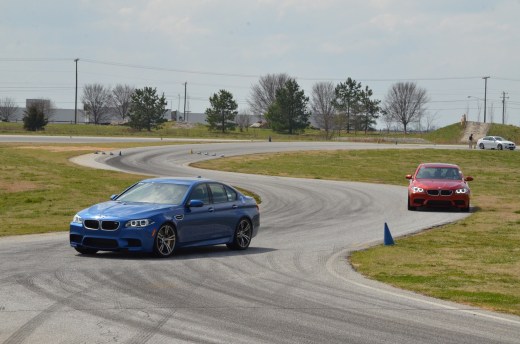
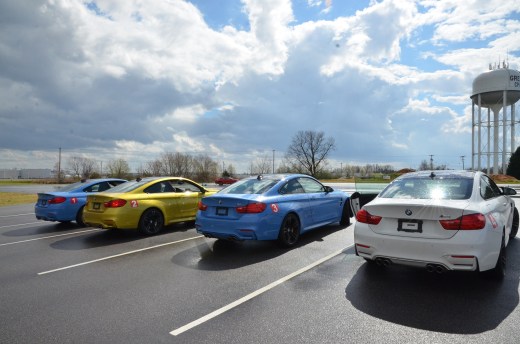
We were divided into three groups of five (blue, green and red). The color and number you were assigned was yours for the weekend, and you always headed for your car number when called to muster. We got to drive M3s, M4s and M5s, and we swapped between them all day long. Each driver had their own car, with an instructor or two for each group in their own cars. The instructors had radios to communicate with us (critique and encourage), and each car had a radio so we could listen (or not) to the pointers. Prior to each new track run, the group would follow the instructor single file through the course at a very slow pace, stopping at each turn to identify the braking point, turning point, apex, and exit point, and tips on which gears to use. After the stop-and-go runs through the course, we would again follow the instructor at about 30 or 40 mph through the same course. Then we were turned loose, instructors positioned along the track with radios in hand, and a cheat sheet to show who was in each car. Depending upon the track, at times all 5 cars in the group were out at the same time.
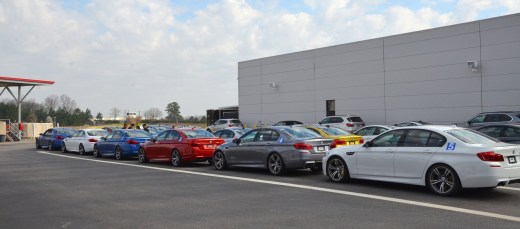
The M3s, M4s and M5s wait just outside the classroom
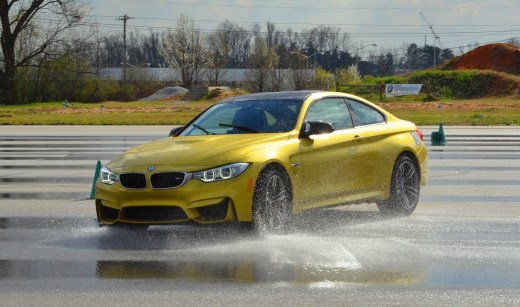
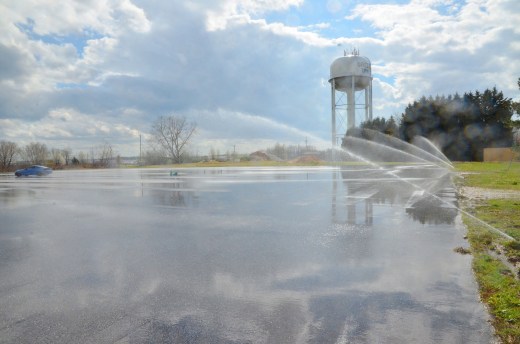
The skid pad
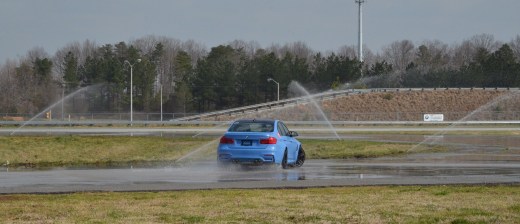
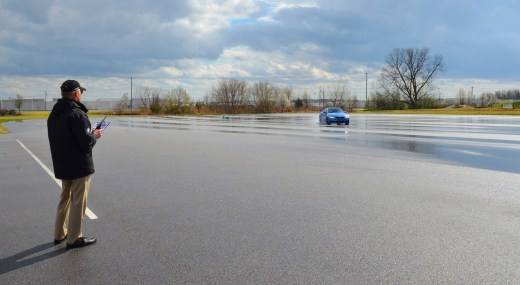
Our group, the Blue Group, started the first morning at the skid pad. Two cars at a time were allowed onto the track, which was constantly watered down with sprinklers. Here we learned how to identify and correct for understeer. We observed as the instructors demonstrated drifting around the circle. Proficiency in this maneuver clearly gained through practice.
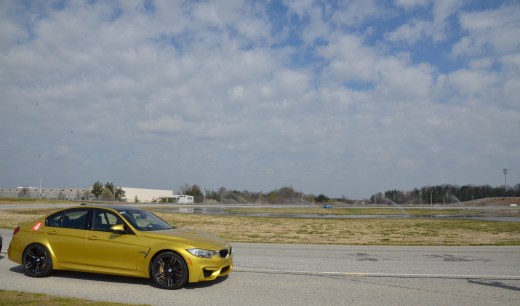
My M3 with the skid pad in the background
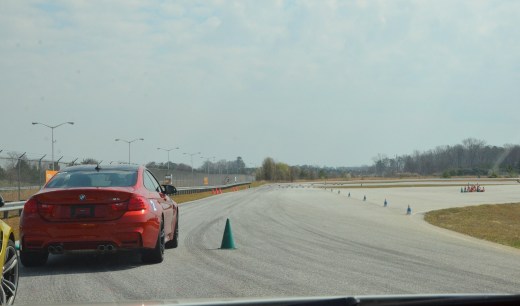
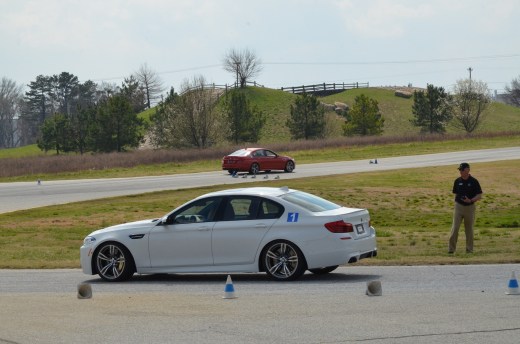
We transitioned to the M4s to practice on a short track at the far end, specifically working on turns and braking. All hard braking should be done in a straight line before you reach the turning point (TP). They had set out braking cones prior to the TP in sets of three, then two, then one. The faster you’re moving, the sooner and harder you have to brake. The cones are a reference.
This photo was taken from inside my M4, waiting in line to launch onto the course. In the background you can see the braking cones set up on the left. The green cones were the launch cones. You could get to red line on the RPM in third gear before that first set of three braking cones in the photo.
After some practice in the M4s, we got to drive the M5s on another track, which included a slalom and chicane. The M5 has nearly 600 horse power and massive amounts of torque (500 lb-ft). You can easily let this car get away from you, as evidenced by the shiny new guard rail along one turn. The M5s came equipped with air-conditioned seats, a really nice feature when you are working as hard as we were.
M5s coming into the chicane
Instructor Steve watches Kim in the M5
We broke for lunch, joining other drivers in the lunch room, including the cyclists from the motorcycle course in progress the same weekend. Lunch was followed by another classroom briefing, and then right back out to the cars.
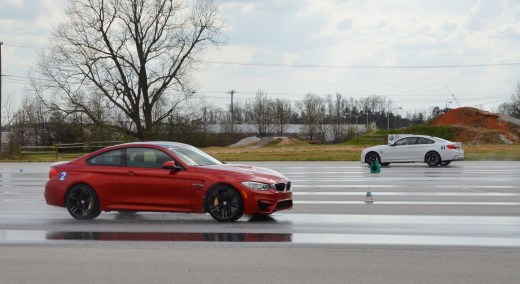
Kim and Angela chase each other in the Rat Race competition in M4s. Part of the motorcycle course is in the background.
Me and my M4, waiting for my turn at the Rat Race
Blue Group’s afternoon started in the M4s running the Rat Race. It is a wet oval course, two cars opposite each other trying to catch one another. It was 5 or 6 circuits. This was one of our timed competitions for the first day, and it was difficult. I ended up doing a 360 on the wet pavement, and as much fun as it was, it does hurt your times. Although not officially in the course syllabus, we were allowed to practice a J-Turn with an instructor in the car. I found that quite exhilarating, and will keep it in the back of my mind next time I need to do an evasive 180 degree turn from reverse, possibly under fire.
Casey executes a beautiful J-Turn with Donny instructing
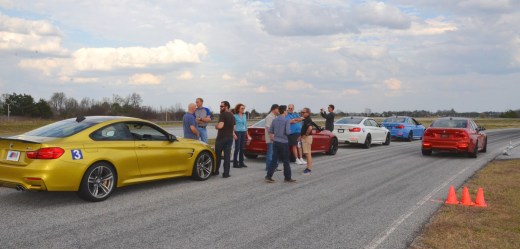
We had a total of three timed competitions on Saturday; the Rat Race, an M5 short track, and M3s on the Big Track. For the Big Track run, we all parked our cars and took turns waiting in the pits while a few cars at a time were on the track.
The entire group waits in the pit area as each participant ran the Big Track in the M3
M4
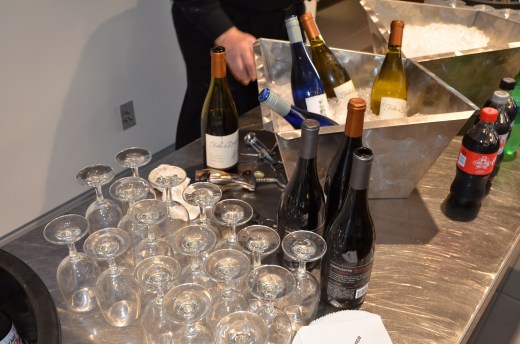
After the Saturday competitions, we retreated to the BMW Performance Center common area to enjoy refreshments and appetizers, closely followed by dinner and the entertaining awards ceremony.
Refreshments at the BMW Performance Center at the end of the day on Saturday
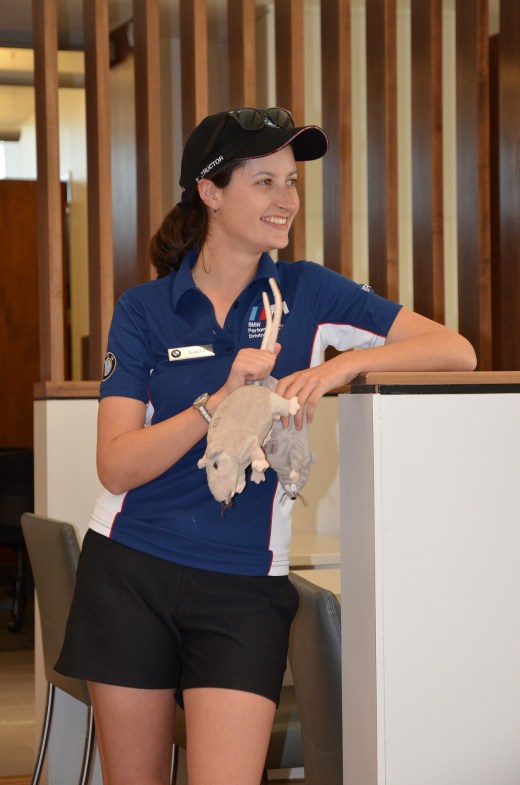
BMW Performance Center Instructor Laura waits to honor the Rat Race winners with their trophies, stuffed rats.
Out of our Blue Group, Josh took first place in the M5 Short Track, and placed 4th in the Big Track timed lap. I was mid-pack on the M5 short track, but woefully disappointed in my bottom third showing on the Big Track lap. After dinner and honoring the winners for the day, we retired to the Marriott, looking forward to another full day of training and races on Sunday.
Donny teaches the friction circle, slip angles, and why you can’t ask your tires for 100% braking and 100% turning at the same time.
It was raining as we exited the Marriott and climbed into the van taking us to the Performance Center Sunday morning. We all wondered how this would affect our performance. Again we started the second day with some classroom instruction, and we watched the BMW M4 GTS run a Fast Lap at the Nuerburgring Nordschleife. (Link below)
Blue Group started Sunday with driving the M5s on the Big Track, which included Man Corner.
An M5 has passed the braking cones and reaches the TP (blue cone) into Man Corner
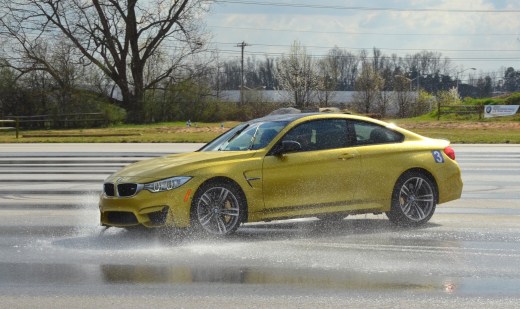
After burning up tires and petrol in the M5 on the Big Track, we jumped into the M4s on the shorter track, but this one had a corkscrew in it. That was difficult. More practice in turning and braking correctly. Following the M4 on the corkscrew track, we again found ourselves in the M3 practicing a Figure 8 manuever on wet pavement. This exercise was all about control. Too much throttle too soon, and you found yourself sideways. If your tires are straight, you should be accelerating. A carefully executed drift in the correct place in the Figure 8 could help align the car sooner in a straight line, hence you could accelerate sooner. It was very touchy, and you had to be very smooth. It was quite easy to execute an unintentional 360 and get turned around on the wet pavement.
Clint instructs Kim in the art of the Figure 8 in the M3 while we all wait our turns.
After Figure 8 training in the M3s, we headed into lunch. As the skies started to clear, the rain became more sporatic and we even saw a little blue sky. After lunch we again were in the M3s practicing on the Big Track. Every time we went out to the track, it had changed slightly. This time it was longer, and included a straight stretch and the carousel turn on the skid pad. There were no timed competitions, but every time you’re on the track it feels like a competition, and we all tested ourselves and saw a lot of red lines on the RPM gauge. From the M3 we swapped into the M5 on the Big Track. This time the track included all the parts we had previously driven, linking the far side and the Man Corner. It is hard to describe how intense this can be. You end up breathing heavily and exhausted at the end, both mentally and physically. During the entire weekend we were encouraged to take breaks if needed, and there was always a pit lane to pull into if needed. I didn’t, because I wanted to practice as much as possible in the time I was there. It is rare for me to get track time with such a professional crew and in someone else’s car. The instructors told us that each car goes through a set of tires in two or three days. I believe it.
Waiting our turn in the M4s for the timed Figure 8 competition
The last maneuver for the Blue Group on Sunday was the only timed competition for Sunday. We did two sets of 8 Figure 8’s on the clock in the M4 (a total of 16 Figure 8s). We took the best time of the two. No instruction on these 8s, just the instructor with the stop watch.
Steve times Kim during her competition Figure 8
Kim navigates the Figure 8 course as the sprinklers keep the pavement wet
The sprinklers keep the course wet as Kim speeds away into the very short straight away on the Figure 8 course
The timed Figure 8s was the last event of the weekend for the Blue Group. All the cars came back to the center and we got the results of our efforts. I was much happier with my performance today, as I came in third in the Figure 8. First place went to Josh with a time of 1:48:65, Gary came in second with 1:51:66 and I was third with a time of 1:51:69. (Yes, I was just 3/100 behind second place, but Josh’s 3 second lead was impressive.) For one last thrill, we were offered the opportunity to sit as passengers on a fast lap with an instructor driving. I took that opportunity, and as fast as I thought I was going, Donny was twice that. It was fun, and a nice way to end the weekend.
Figure 8 winner’s circle. Left to right: Gary, Josh, and myself.
Before departing, we received diplomas and a gift bag. All in all, it was a fantastic weekend, well worth the cost. I’d do it again in a heartbeat. It was completely engrossing and it felt good to concentrate 100% on the moment. The instructors were professional, thorough, kind, and funny. There was a lot of support staff and I felt like the entire weekend was professionally run and well executed. We are all eligible now for the Advanced M School, which I am considering.
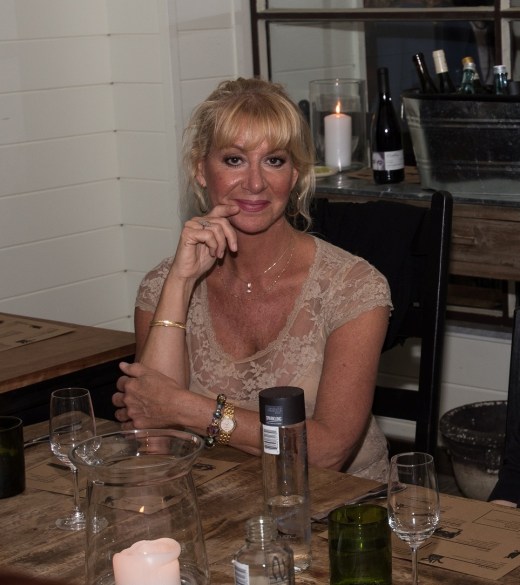
I’m usually out of the country for my birthday, but not this year. Being that it was a Friday, I invited a few good friends to the Locale Market for a FarmTable Experience.
From the Locale Market website:
FarmTable Kitchen offers casual, farm-and-Gulf-to-table fare that combines the best of Mina’s California sensibilities with Pintabona’s Italian flavors. Located on the second floor of Locale Market…the FarmTable Experience is an exclusive eight course chef’s tasting dinner experience for up to 10 guests in the intimate Private Dining Room within FarmTable Kitchen. Guests also have the option of enjoying the Sommelier’s wine pairing, or selecting glasses from our extensive wine menu as well as numerous locally-brewed beers.
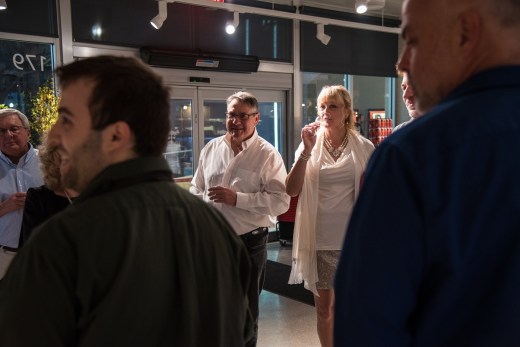
We started the evening with champagne toasting at my house, and then regrouped at St. Petersburg’s Locale Market.
A tour of the Locale Market
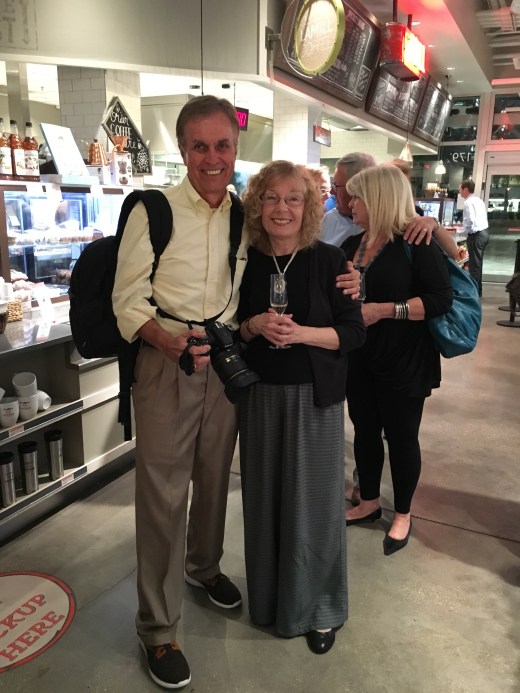
We were met by the manager who poured us another glass of champagne and gave us a personal tour of the market. Then up the stairs we went, to the private dinning room and settled in. My dear friend Russ brought his newly acquired professional Nikon D750 and took most of the photos for this blog.
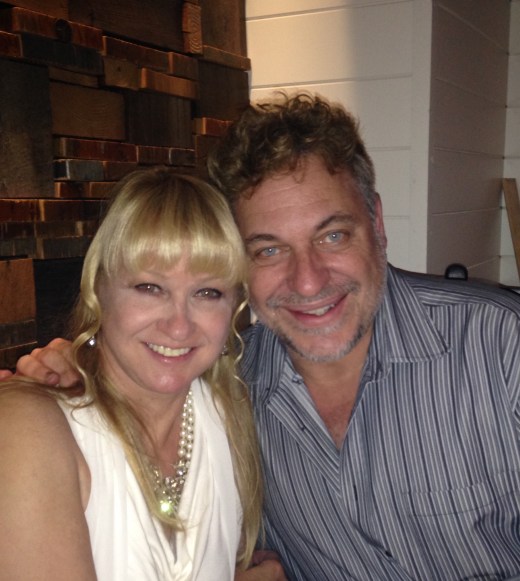
Good friends Russ and Judi, the official photographer of the night
I had requested a completely seafood menu, which they did a superb job accommodating. They also had a vegetarian alternative to each course for my friend Teresa. The market attempts to stock their shelves with all locally sourced foods from within 100 miles, with just a few exceptions.
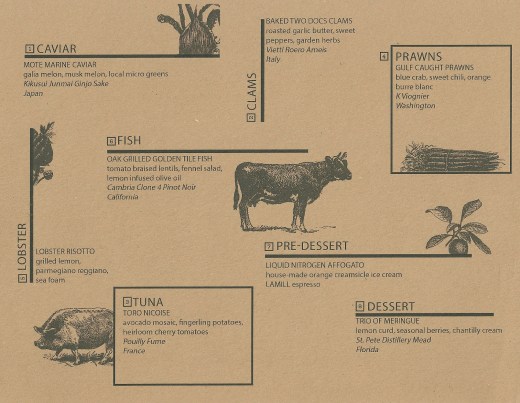
The menu for our personal FarmTable dinner experience.
For our first course, we enjoyed Mote Marine Caviar, with galia melon, musk melon, and local micro greens. It was paired with Kikusui Junmai Ginjo Sake from Japan.
Course 1. Caviar
Gathered around the table.
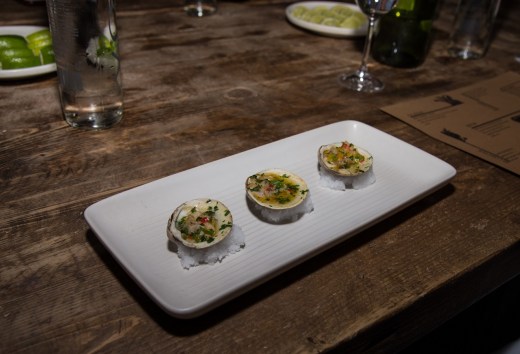
Our second course was Baked Two Docs Clams in roasted garlic butter, sweet peppers, and garden herbs. That was paired with Vietti Roero Arneis from Italy.
Baked Two Docs Clams
Between courses we were busy telling stories.
My dear friends Augie and Teresa
Me and one of my oldest friends Jim
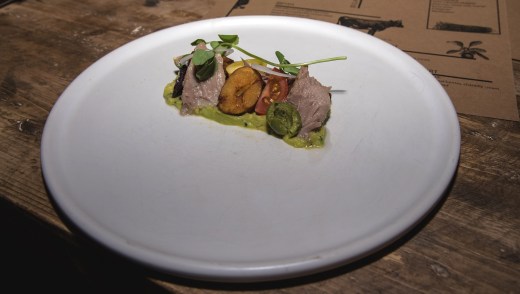
Course #3 was Toro Nicoise (Tuna) with avocado mosaic, fingerling potatoes and heirloom cherry tomatoes, paired with Pouilly Fume from France.
Tuna
Me with very good friends Joanie and Steve, who made the trip down from Maine to join us.
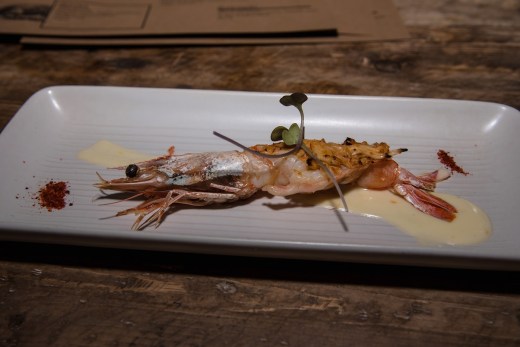
Our fourth course was Gulf Caught Prawns, stuffed with blue crab, sweet chili and orange burre blanc. This course was accompanied by a K Viognier from Washington state.
Gulf Caught Prawn
Friends Scott, Russ, Judi and Annie
As the food arrived and the wine flowed, we got a little louder and the chef’s detailed descriptions of the courses were harder to hear and lost in the laughter. Oh well. I do remember that the next course was one of my favorites. Course #5 was Lobster Risotto with grilled lemon, parmegiano reggiano and sea foam.
Lobster Risotto
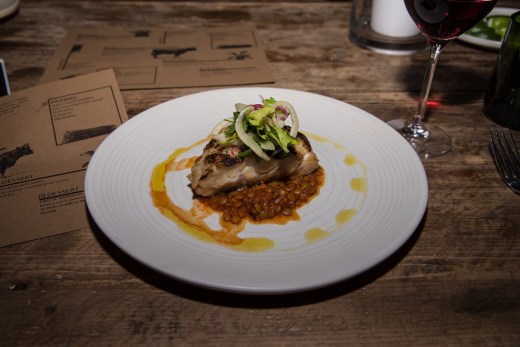
Course #6 was the main course, Oak Grilled Golden Tile Fish with tomato braised lentils, fennel salad and lemon infused olive oil. With this course we enjoyed my favorite wine of the evening, Cambria Clone 4 Pinot Noir, from California. If I’d had my say, the Pinot would have been from Oregon, but it was still good. The fish was nice, but not as tasty as the Lobster Risotto.
Course # 6, Oak Grilled Golden Tile Fish.
After the main course, we were treated to a Pre-Dessert of Liquid Nitrogen Affogato. It was a house-made orange creamsicle ice cream topped with Lamill espresso. The preparation and presentation was interesting.
Prepping the liquid nitrogen affogato.
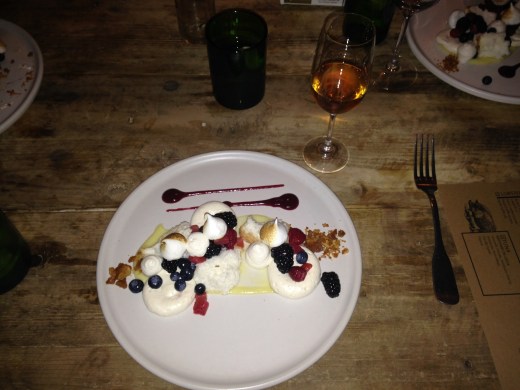
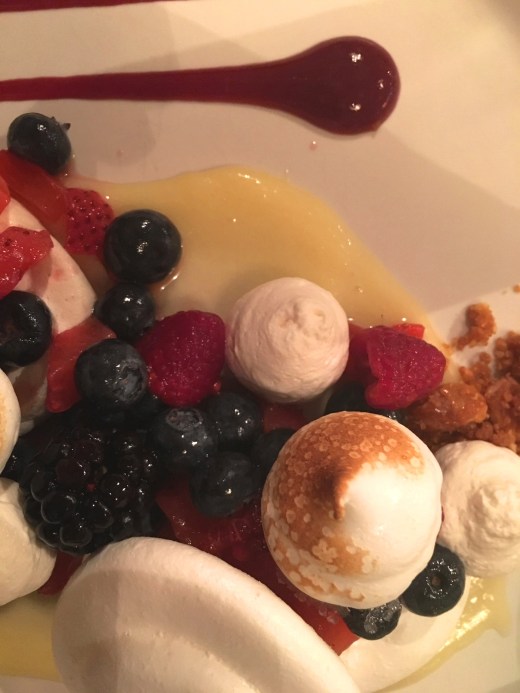
The official dessert was Trio of Meringue. Lemon curd, seasonal berries and chantilly cream, served with St. Pete Distillery Mead.
Trio of Meringue
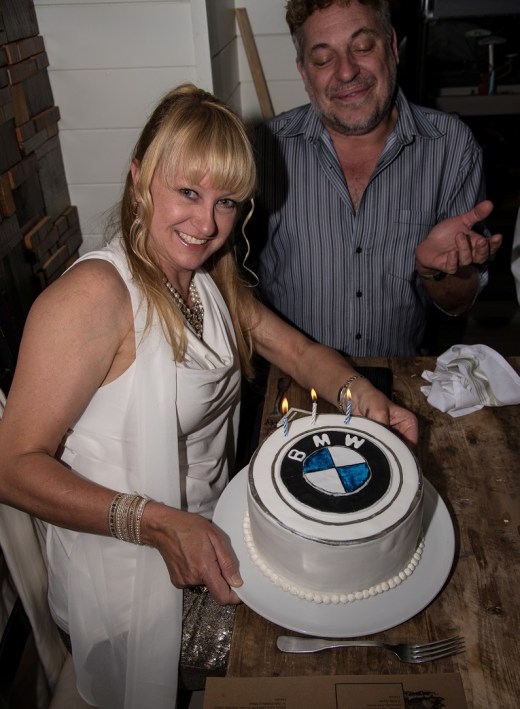
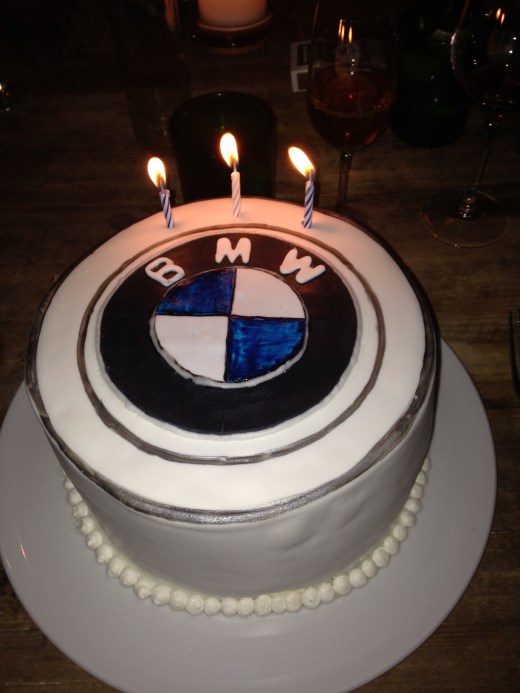
A good time was had by all. I liked the Tuna and the Lobster Risotto the best. They did a wonderful job of recreating the BMW roundel for my cake!
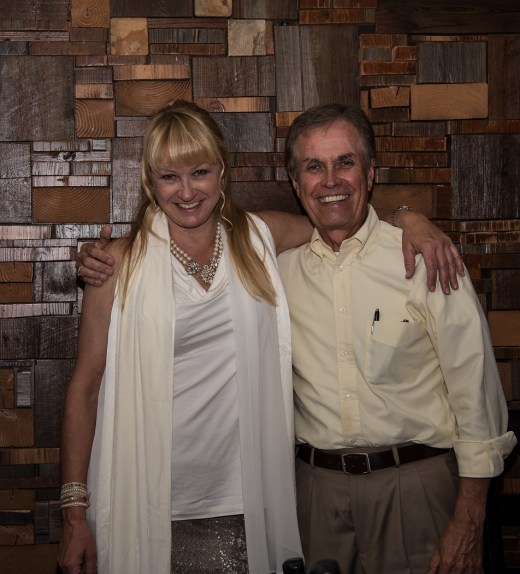
Thanks to all of my friends who shared their Friday night with me, some coming from as far as Maine to celebrate with us. Special thanks to Russ for his wonderful photos.
Having just experienced a break up, I thought this a good time to explore the origins of Valentine’s Day, another holiday on our calendar that has been sanitized and commericialized to the point of nonrecognition.
Many sources reach back to ancient Rome (as early as the 4th century BC) to find the origins of Valentines Day, then a pagan celebration of the god Lupercus. Celebrated between Feb 13th and Feb 15th, Romans honored the god of fertility with rituals including sacrifices of dogs and goats.
The Roman romantics “were drunk. They were naked,” says Noel Lenski, a historian at the University of Colorado at Boulder. Young women would actually line up for the men to hit them, Lenski says. They believed this would make them fertile.
The brutal fete included a matchmaking lottery, in which young men drew the names of women from a jar. The couple would then be, um, coupled up for the duration of the festival — or longer, if the match was right.
Included with the lottery and general merry making, Lupercalia celebrated Lupa, the wolf who suckled Romulus and Remus, the founders of the city of Rome.
From wikipedia:
Lupercalia was a very ancient, possibly pre-Roman pastoral festival, observed on February 13 through 15, to avert evil spirits and purify the city, releasing health and fertility. Lupercalia subsumed Februa, an earlier-origin spring cleansing ritual held on the same date, which gives the month of February (Februarius) its name.
Of course the Church wanted to put a stop to this festival, but they needed an alternative party and searched for a “lover’s saint.” They found their Saint in Valentine, bishop of Ineramna, who had been stoned and beheaded by the Roman Emperor Claudius on Feb. 24th 270. Valentine had defied Claudius’ order to abolish marriages, and continued to perform the sacrament of matrimony for young lovers in secret. It didn’t stay secret, Valentine was told to either renounce Christianity or face execution. Valentine refused and was executed.
In AD 496 Pope Gelasius outlawed the Luperican festival and replaced it with the Church’s holy day with the patron saint Valentine. The lottery was retained, using saints names instead of women. I can’t imagine it was terrbily popular in the beginning (young men drawing a saint’s name instead of a willing female), but with time the pagan festival faded. I’ve often thought that the pagan festivals sounded much more fun than the alternatives offered up by the Church.
Although Lupercalia was outlawed, the tradition of courting prospective mates in February remained, and young Roman men offered women they admired handwritten greetings of affection on February 14th. Thus the Valentines Day card was born.
The earliest surviving example of a Valentines Day card was sent in 1415 by Charles, duke of Orleans, to his wife while he was a prisoner in the Tower of London.
One of the oldest printed Valentine’s Day card from 1727
“Since on this ever Happy day,
All Nature’s full of Love and Play
Yet harmless still if my design,
‘Tis but to be your Valentine.”
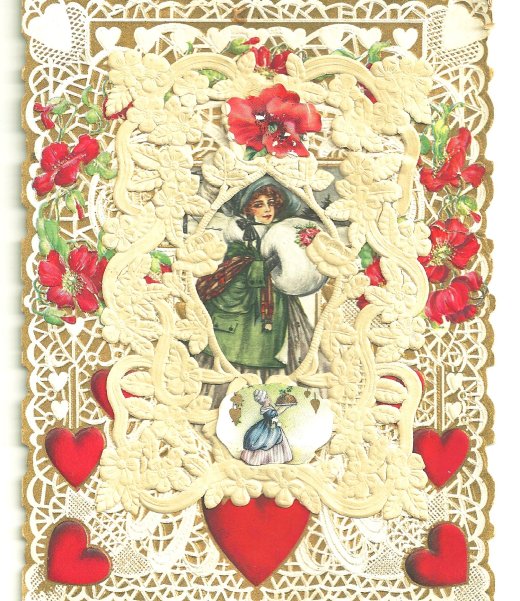
A Valentine’s Day card from my grandmother’s collection, early 1900s
The same card’s interior message
Love is a smoke raised with the fume of sighs;
Being purged, a fire sparkling in lovers’ eyes;
Being vex’d a sea nourish’d with lovers’ tears:
What is it else? a madness most discreet,
A choking gall and a preserving sweet. (William Shakespeare, Romeo and Juliet, 1.1)
Because my own short affair started around Valentines Day last year and ended with the new year, I can consider it my own personal Lupercalian lottery for the year 2015. If wallowing in self pity for a short while makes you feel better after a break up, here is my own Playlist For A Broken Heart:
Nora Jones What Am I Too You?
Ricky Lee Jones A Lucky Guy
Emmylou Harris Easy From Now On
Bonnie Rait I Can’t Make You Love Me
Dolly Parton I Will Always Love You
Adele Someone Like You
Righteous Brothers You’ve Lost That Loving Feeling
Melody Gardot Baby I’m A Fool
The Eagles Wasted Time
Nora Jones Cold Cold Heart
The Eagles What Do I Do With My Heart
Madeleine Peyroux Smile
A Great Big World & Christina Aguilera Say Something
After some self pity, it’s time to pick yourself up, dust yourself off, and carry on. Second only to Christmas, the greeting card industry estimates that 145 million Valentines cards were purchased last year. Whether you send a card, flowers, or have a romantic dinner this February 14th, it all started with a pagan festival, was transformed by the Church, and then capitalized upon by the greeting card and other industries. Happy Valentines Day.
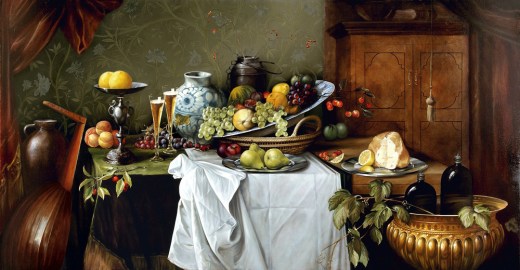
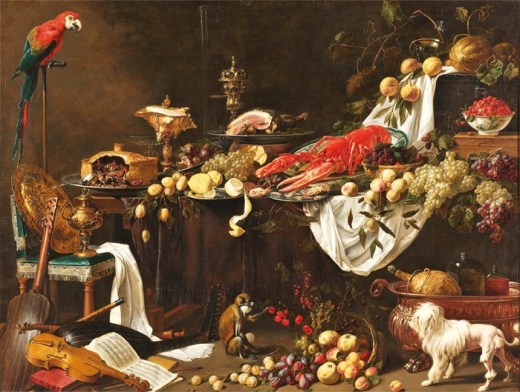
Thanksgiving is all about the celebration of a bountiful harvest, and giving thanks for the past year, either to your God or the earth for what has been provided. In any case, it is a joyful gathering of people celebrating life. A lot of the most famous dinner/still life paintings depict a happy crowd and full table. I also like that many paintings include at least a few dogs.
Jan Steen, The Merry Family 1668
Flemish painter Adriaen Utrecht, 1644
Thanksgiving Day
Lydia Maria Child
(1802 – 1880)
Over the river, and through the wood,
  To grandfather’s house we go;
       The horse knows the way
       To carry the sleigh
  Through the white and drifted snow.

Over the river, and through the wood—
  Oh, how the wind does blow!
       It stings the toes
       And bites the nose
  As over the ground we go.

Over the river, and through the wood,
  To have a first-rate play.
       Hear the bells ring
       “Ting-a-ling-ding”,
  Hurrah for Thanksgiving Day!

Over the river, and through the wood
  Trot fast, my dapple-gray!
       Spring over the ground,
       Like a hunting-hound!
  For this is Thanksgiving Day.

Over the river, and through the wood,
  And straight through the barn-yard gate.
       We seem to go
       Extremely slow,—
  It is so hard to wait!

Over the river and through the wood—
  Now grandmother’s cap I spy!
       Hurrah for the fun!
       Is the pudding done?
  Hurrah for the pumpkin-pie!
Indian corn, one of the items at the original Thanksgiving celebration in 1621
According to an account written by one of the original settlers, William Bradford, the harvest feast included the following: venison, water fowl, cod, bass, wild turkeys, and indian corn.
Jean Leon Gerome Ferris, The First Thanksgiving 1621
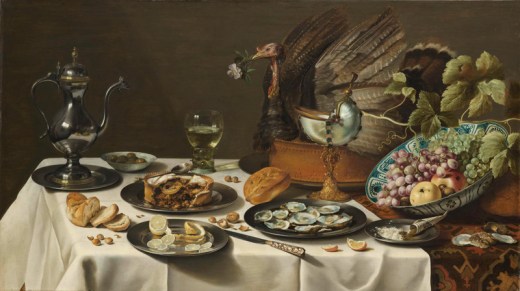
Still life with turkey pie, Pieter Claesz, 1627
Typical Still life of fruit in a porcelain bowl, a golden goblet, lobster and a rummer
Pieter Claesz (c.1597–1660), Still Life (1623)
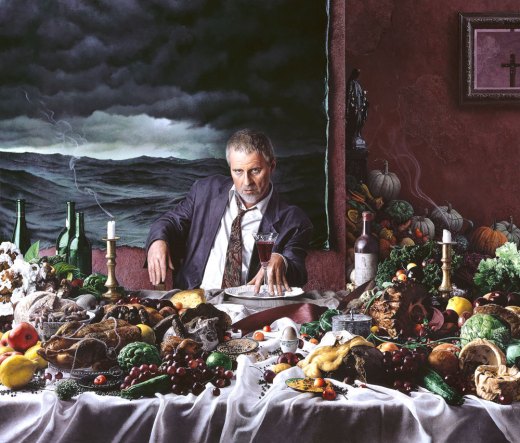
A more recent painting, Kent Bellows’ Gluttony, 2000. I love his version of a bountiful still life. (Kent Bellows 1949 – 2005)
From the book When The Moon Is Full, A Lunar Year. By Penny Pollack, Illustrated by Mary Azarian.
Tonight is a full moon. It is October, so that makes the full moon a “Hunter’s Moon.” According to the website earthsky.org:
The Harvest Moon is the full moon closest to the autumnal equinox. The Hunter’s Moon is the full moon after the Harvest Moon. For us in the Northern Hemisphere, the 2015 autumnal equinox came on September 23. The September 27 full moon – night of a total lunar eclipse – was the Northern Hemisphere’s Harvest Moon. So the full moon on October 26 and 27 is the Northern Hemisphere’s Hunter’s Moon.
And from The Old Farmer’s Almanac:
Some Native American tribes referred to October’s Moon as the Full Hunter’s Moon, as it was the time to go hunting in preparation for winter. This full Moon is also called the Travel Moon and the Dying Grass Moon.
This is the first Full Moon following the Harvest Moon last month. It rises around sunset and sets around sunrise, the only night in the month when the Moon is in the sky all night long.
My mother’s hand-drawn Halloween card for 2015
My mother sends hand-drawn Halloween cards every year. I got mine yesterday, and here it is. She included a few lines from George Cooper’s poem October’s Party. Here is the poem in its entirety:
October gave a party;
The leaves by hundreds came—
The Chestnuts, Oaks, and Maples,
And leaves of every name.
The Sunshine spread a carpet,
And everything was grand,
Miss Weather led the dancing,
Professor Wind the band.
The Chestnuts came in yellow,
The Oaks in crimson dressed;
The lovely Misses Maple
In scarlet looked their best;
All balanced to their partners,
And gaily fluttered by;
The sight was like a rainbow
New fallen from the sky.
Then, in the rustic hollow,
At hide-and-seek they played,
The party closed at sundown,
And everybody stayed.
Professor Wind played louder;
They flew along the ground;
And then the party ended
In jolly “hands around.”
Last year for my mother’s 80th birthday we were so lucky with the weather on the Oregon coast that we thought we’d push our luck and try it again. This Summer and Fall have been warmer than usual, no freezes yet, so the leaf peeping was disappointing, but not the sunrises, sunsets or pleasant temperatures.
Only a few leaves were turning colors.
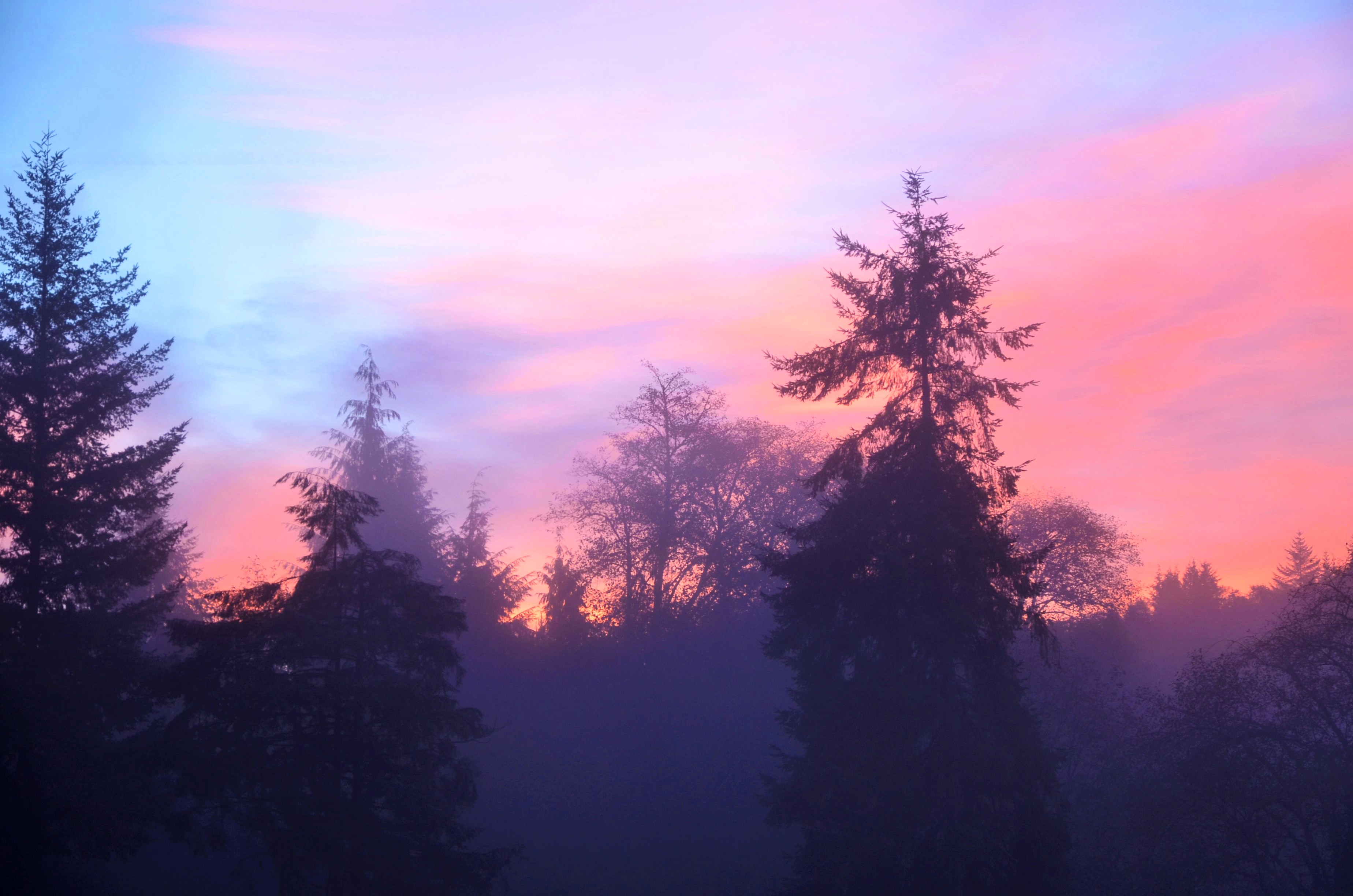
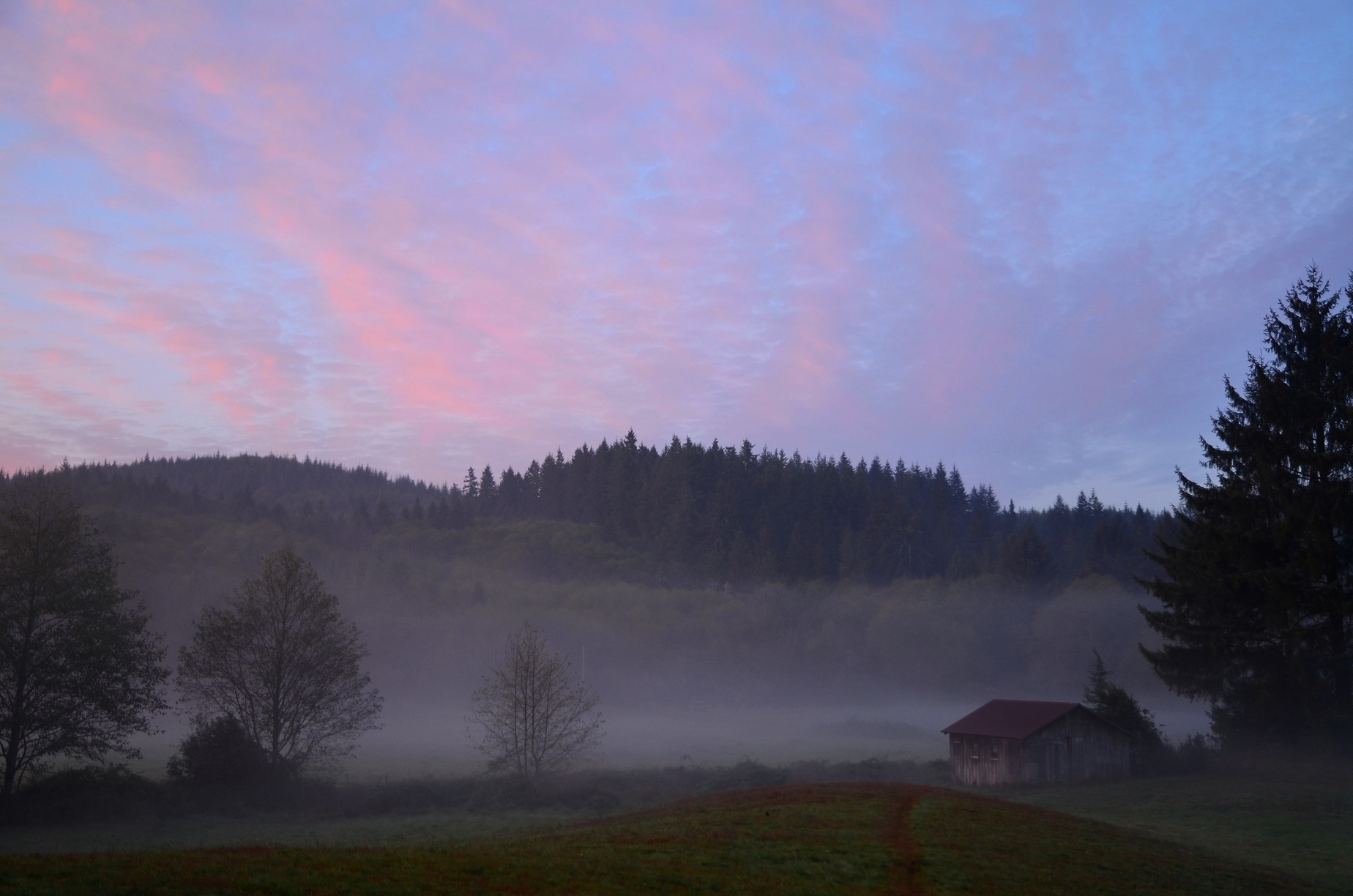
A drive through the woods produced only a few vine maple leaves turning colors, but every morning we had beautiful sunrises with the low, spooky fog that heralds the arrival of Halloween. Continuing a long-standing tradition, I carved a pumpkin sitting on the floor of my mother’s kitchen.
Carving a pumpkin
My lantern pumpkin with the moon
The Oregon October moon.
Early morning fog, a sign of Halloween
Our luck held, and we had pleasant weather at the beach. This year we rented a house on Manzanita Beach. Manzanita is one of the most dog friendly places I’ve visited. They have a Muttzanita festival and elect a dog mayor. We ran into the doggie mayor on the street, a very handsome 14-year-old dalmatian.
My sister and the parade of dogs. Our family gatherings always include our four legged family members.
Phoebe, looking pretty good for 16 years.
Although born and raised in Oregon, I don’t remember ever seeing whales from the beach before. But we did this time. Or rather, we saw whale spouts and fins, plus a pod of dolphins. They hung around right off the beach for about an hour as we sipped our sunset wine. It was warm enough one evening to go in short sleeves on the beach, which in Oregon in October is pretty darn nice.
The Pacific Ocean
True love from a dog can only be earned.
Whale watching on a very pleasant October afternoon
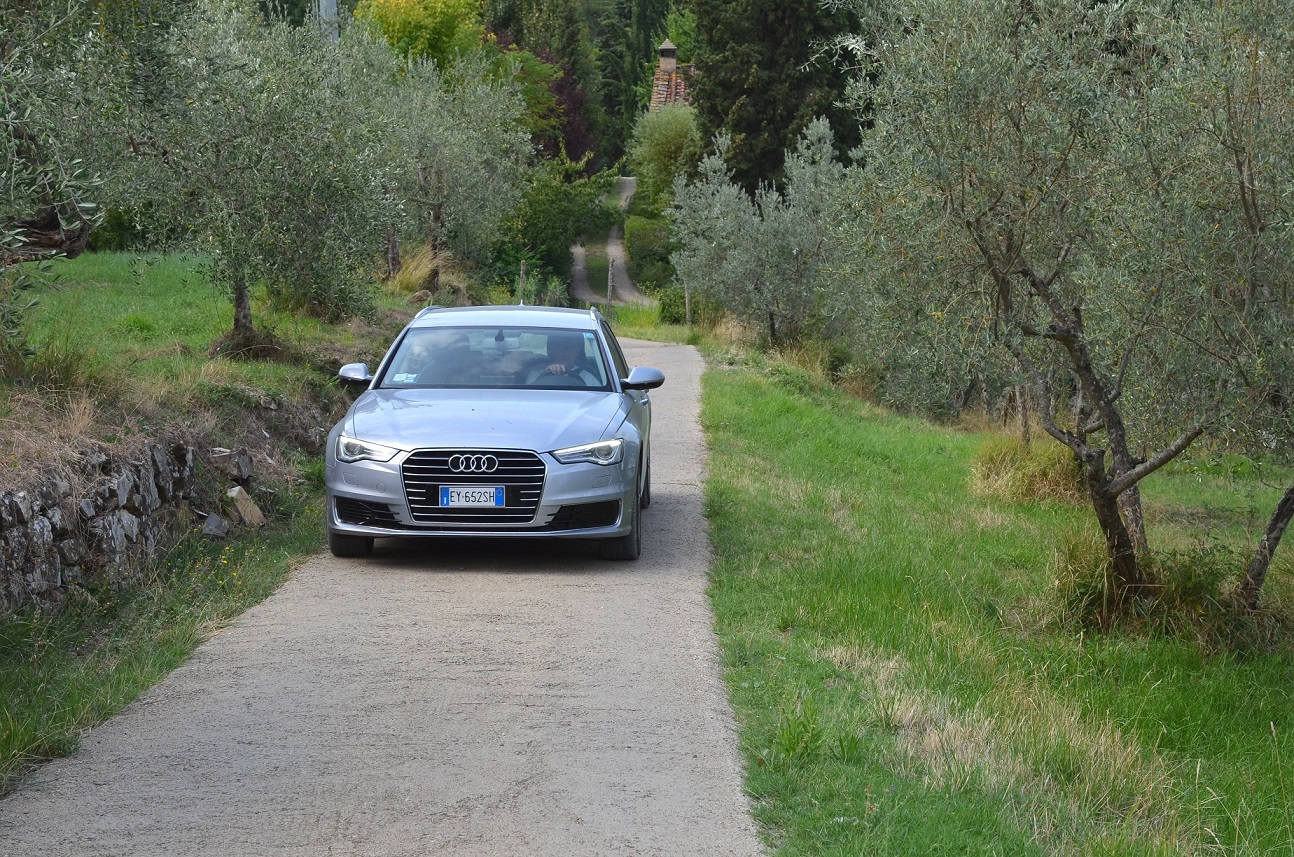
The road less traveled. This was one of the better small roads, it was paved.
Friday was my departure day and I already had a prepaid train ticket from Fiesole/Caldine through Florence and on to Milan. But that wasn’t until the afternoon, so we decided to take the rental car out onto some of the small roads above Fiesole and into the hills beyond.
The intrepid Audi driven by Augie
The navigation display says it all “off road”. We saw this a lot
Augie expertly navigated the Audi while Teresa and I requested multiple photo-op stops as we cruised the beautiful countryside and could still see Florence off in the distance.
We had lunch in Fiesole on the way back, and then I prepared to make my departure.
As we climbed higher, we could still see Florence in the distance.
The countryside
This conveniently sized little car was about half the size of the Audi
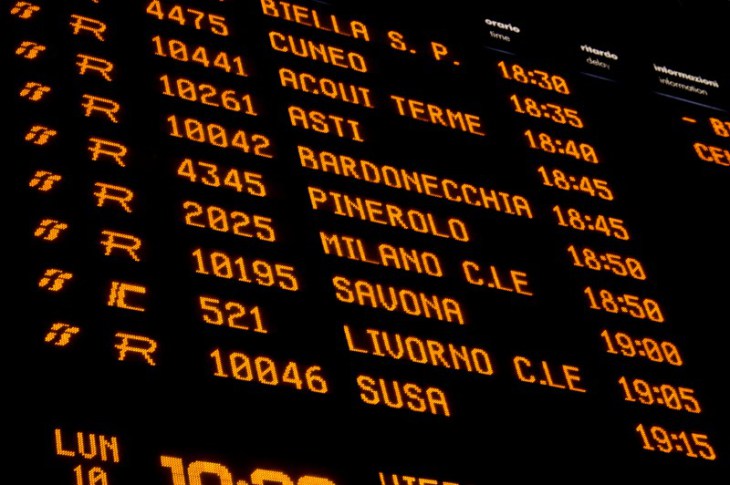
The train I was to take was the same train we had been using to get in and out of Florence, without a hitch, for the past few days. But today, the day I needed to make a connection, the train didn’t show up for the 2:55 departure. No amount of coercion or button pushing would produce a ticket from the machine using the code on my paperwork, but I was going to board the train regardless. (I thought I had learned this lesson last year and swore to never buy a prepaid train ticket on TrenItalia again. This time I mean it. The machines just will not dispense prepaid tickets and I tried every code on my printout). A local Italian man at the station translated the announcement that the train would be 20 minutes late. Twenty minutes later another announcement told of the train’s cancellation, due to a regional labor strike.
Our last lunch spot in Fiesole overlooking Florence.
I now had 35 minutes until my Florence to Milan train. We threw my bags into the rental car and sped into Florence, only to be met by stop and go traffic the closer we got to the train station. We pulled up at 3:55, just in time for my 4 pm train. In my rush to make the train, I mistakenly read the platform number for the arrival train from Milan, not the departing train. Happily ensconced in business class as the train pulled out, our southerly heading began to concern me. I then watched the monitor and realized I was headed to Rome. Luckily, I had boarded the high-speed train and we were in Rome by 530 pm. The station this high-speed train pulled into was not the Rome Centrale, but the newly renovated Roma Tiburtina, east of town and north of the Roma Termini Station. It was a very well-organized, clean station with shops and gelato stands. So I had a gelato, bought a 630 pm ticket back to Milan and chocked it up to experience. The train travel wasn’t bad, but it did cost me. I had to buy the ticket from Florence to Rome (93 euros) and then another ticket from Rome to Milan, stopping back in Florence, for 86 euros. They would not credit me my prepaid ticket, saying it was my own fault. That was a point I could not argue. My little mistake cost me $200, plus the gelato. I could have had 10 purses or a nice pair of shoes for that!
The dreaded TrenItalia machines that refuse to print out prepaid tickets no matter how much you try.
I finally arrived into Milan at nearly 10 pm, and purchased another ticket from the Milan Centrale on the Malpensa Express and made it to the airport at 1120 pm. I will in the future be especially observant when it comes to platform numbers and the arriving and departing trains.
My last full day in town we decided to go back into Florence, via the easy 15 minute train ride. From the train station we took a bus up to the Piazzale Michelangelo. For 1.20 euro you can ride the bus for one hour, as we discovered. The view overlooking Florence from this piazzale is hard to beat, and is very popular. While taking in the view, a limo pulled up and a bridal party emerged in full regalia.
To save ourselves some walking, we hopped back on a bus using the same ticket (thanks to the friendly bus driver who explained this to me), and rode it along the Viale Michelangiolo. This beautiful tree lined street looked like one of the tonier areas, a very nice address to have. We got off the bus at the bottom near the Ponte San Niccolo.
Basilica of Santa Croce
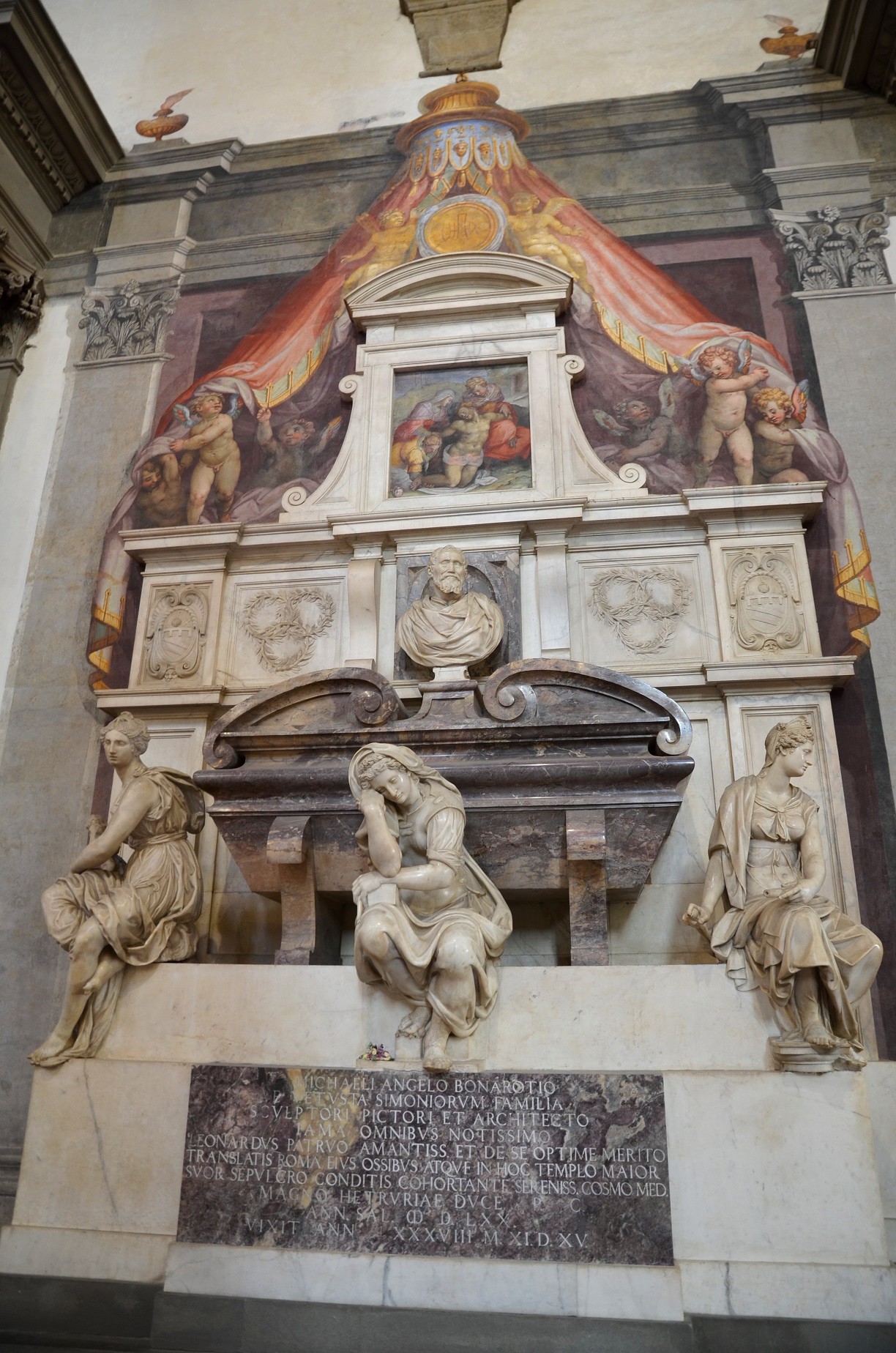
From there we walked along the Arno river to the Basilica of Santa Croce, the largest Franciscan church in the world whose construction started in 1295. Our number one reason for visiting Santa Croce was to see Michelangelo’s tomb, but the church houses many more, including Galileo, Machiavelli, and Leonardo Bruni. From the Museums of Florence website:
It is significant that Santa Croce, which was to become the resting-place of so many great Italians, has the first truly renaissance funerary monument: the tomb of Leonardo Bruni, Chancellor of the Republic, sculpted by Bernardo Rossellino (1444). Bruni’s successor, Carlo Marsuppini, is buried in another fine renaissance tomb on the other side of the nave, by Desiderio da Settignano (c. 1455), which follows the same scheme. From then on, the history of the Santa Croce is marked by its tombs.
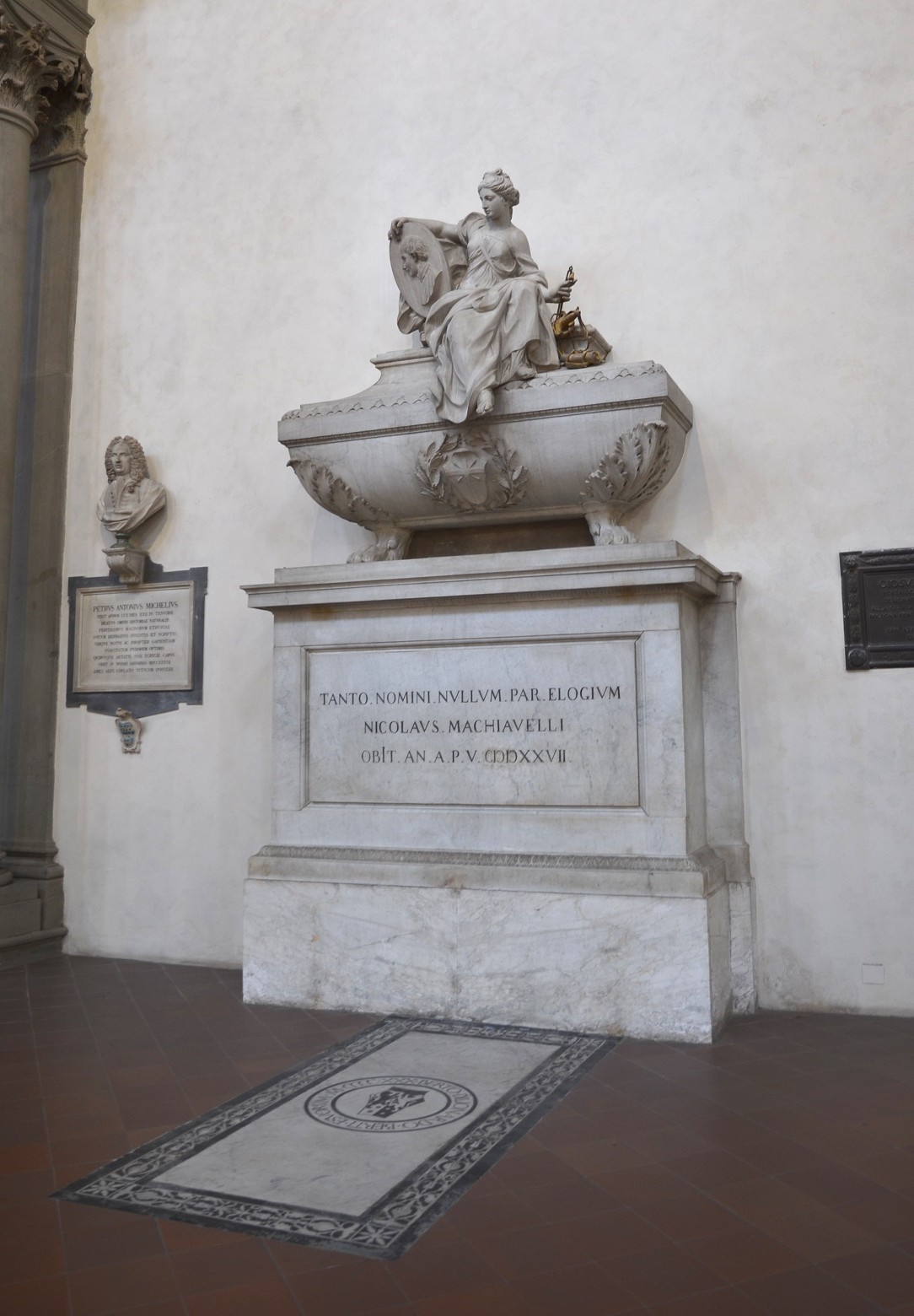
Michelangelo, who died in Rome in 1564, was buried here beneath a monument with allegorical figures of Sculpture, Architecture and Painting, designed by Giorgio Vasari. Michelangelo’s tomb served as the model for others, such as the tomb of Galileo, who died in 1642 (his monument was made by Giovanni Battista Foggini). Funerary monuments continued to be added to the interior, including ones to Niccolò Machiavelli, Vittorio Alfieri, Gioachino Rossini and the cenotaph to Dante Alighieri (1829).
Michelangelo’s tomb. The sculpture on the left representing painting, the center is sculpture, the right figure represents architecture, the painting above is The Pieta, and the center sculpture is a bust of Michelangelo.
The sign inside the church describing Michelangelo’s tomb.
Machiavelli’s tomb
The monument, or “empty tomb” tribute to Danti Aligherio
We spent some time in the church, exploring all the rooms and admiring the frescoes, carvings, and stained glass. It was impressive and a must see spot in Florence. It was a bit upsetting to me to see two girls pose and snap a selfie in front of Machiavelli’s tomb, but it is unavoidable almost everywhere (Disney World has banned selfie sticks). Most monuments, churches and museums, including the Louvre, don’t even try to stop photo taking anymore, only trying to prevent the use of flash.
Santa Croce altar
Tombstones in the floor
Four frescoes in the sacristy of the Basilica of Santa Croce Top: Ascension by Niccolo di Pietro Gerini Right: Resurrection also by Gerini Center: Crucifixion by Taddeo Gaddi Left: Ascent to Calvary perhaps by Spinello Aretino (1350 – 1410)
After touring the Basilica of Santa Croce we found a restaurant that looked like a local place, ristorante Pizzeria il Gatto e la Volpe, and had another wonderful pasta meal. Our plan was to tour the Palazzo Vecchio after lunch, but as we entered the building we found it closed at 2 pm on Thursdays. Oh well, I guess not enough research and planning on our part, but sometimes you just want to wing it.
At that point, in retrospect, it would have been best to head back up to our hillside retreat and relax, as it was another very warm day. But one of our guide books described the Boboli Gardens as a nice respite from touring and a place to relax. So we crossed the Ponte Vecchio and walked to the Palazzo Piti to tour the gardens. It was a bit of disappointment in that the fountains were not operating, it was past any kind of flower season, and the grass was marked as “Keep off”. We ended up walking a lot on more pavement and found it no respite to the heat of the afternoon.
Boboli Gardens
A short bus ride to the train station, then the 15 minute train ride back up into the hills above Florence ended our day.
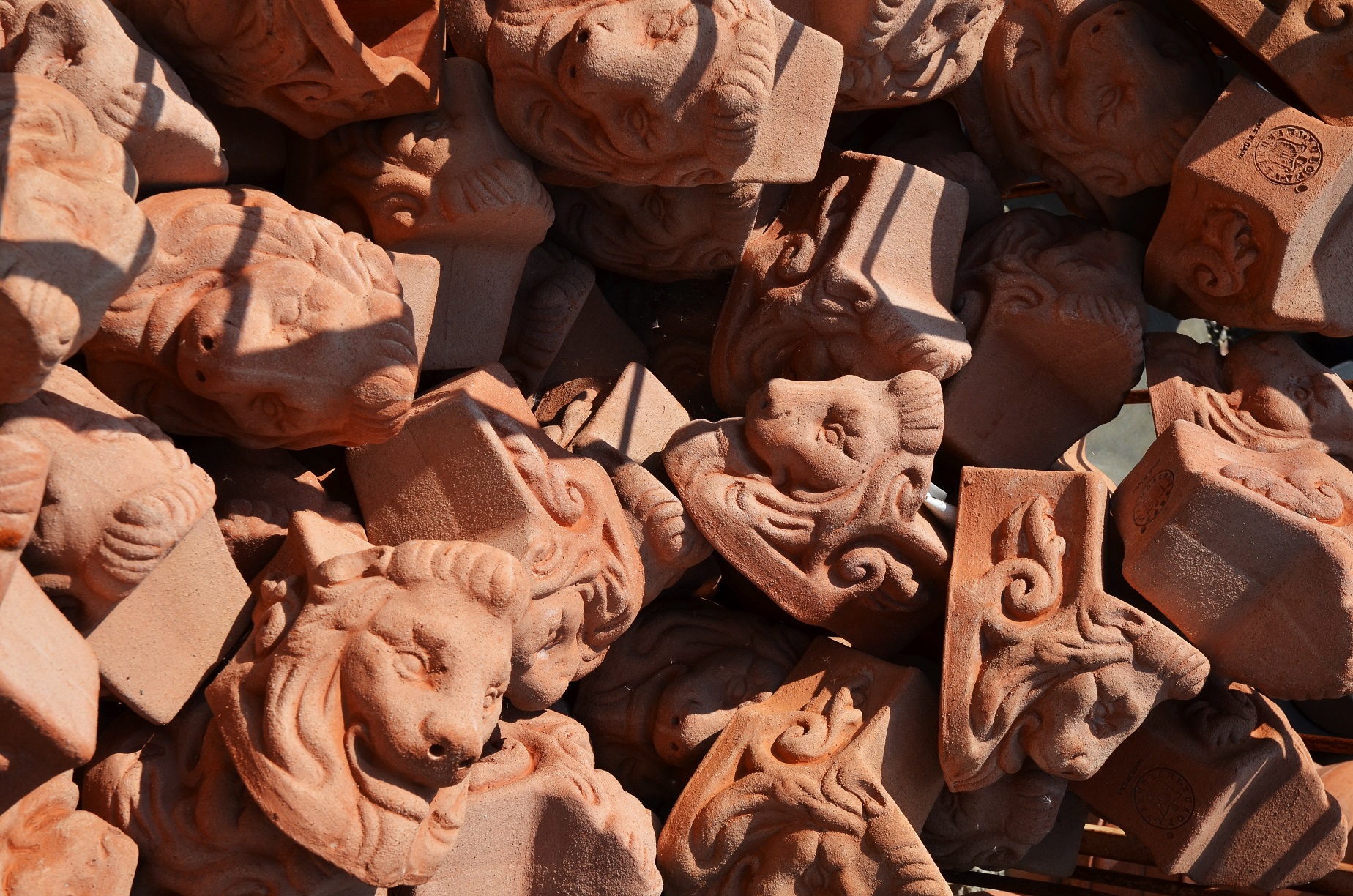
After spending the previous day pounding the hot streets of Florence, we took a day to drive into the countryside. We headed south out of Fiesole, skirting just around Florence and picked up a narrow road leading to the town of Impruneta, known for its ceramic factory. We stopped to look around knowing the impossibility of bringing home any of the beautiful and very large ceramic pots.
Some of the ceramics on display at the factory in Impruneta
A barrel of lions
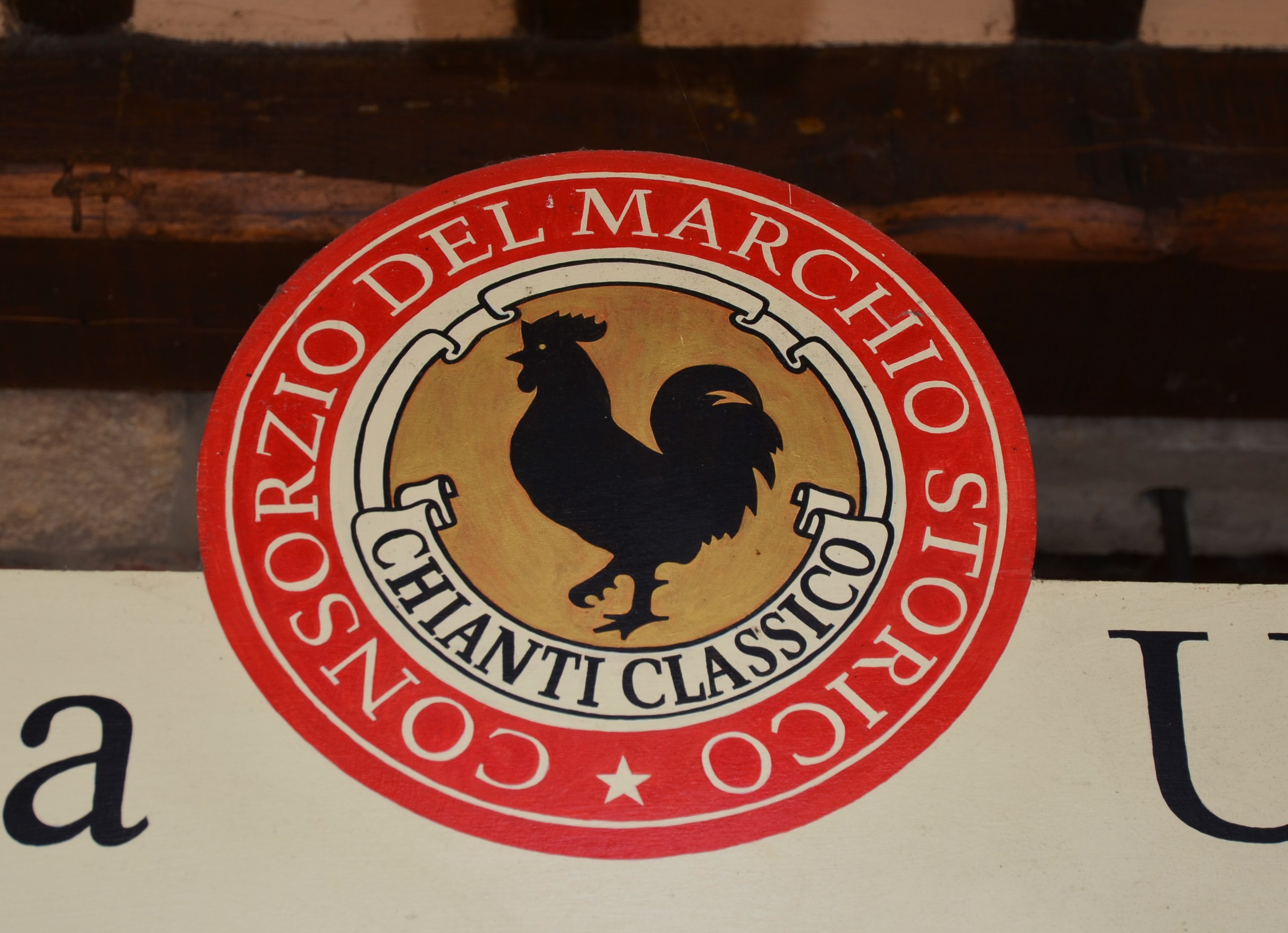
Our intentions for the day were to get out of town, see some countryside, follow the trail of the black rooster, taste some Chianti Classico and enjoy the views. Most of these things we accomplished, except not a lot of the wine tasting. Feeling less than bright and chipper after too much Chianti the night before (yes, another evening of making rather merry), it was all I could do to sit in the back seat for the constantly winding roads.
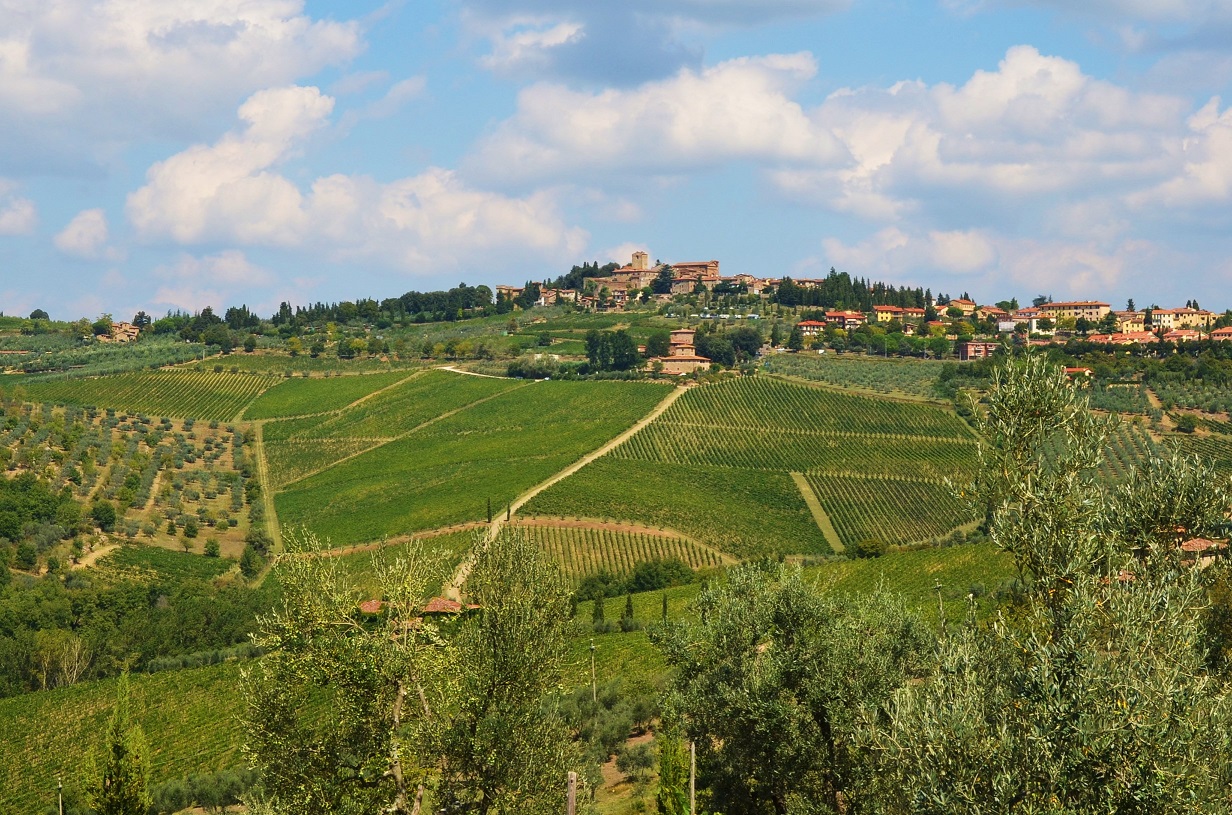
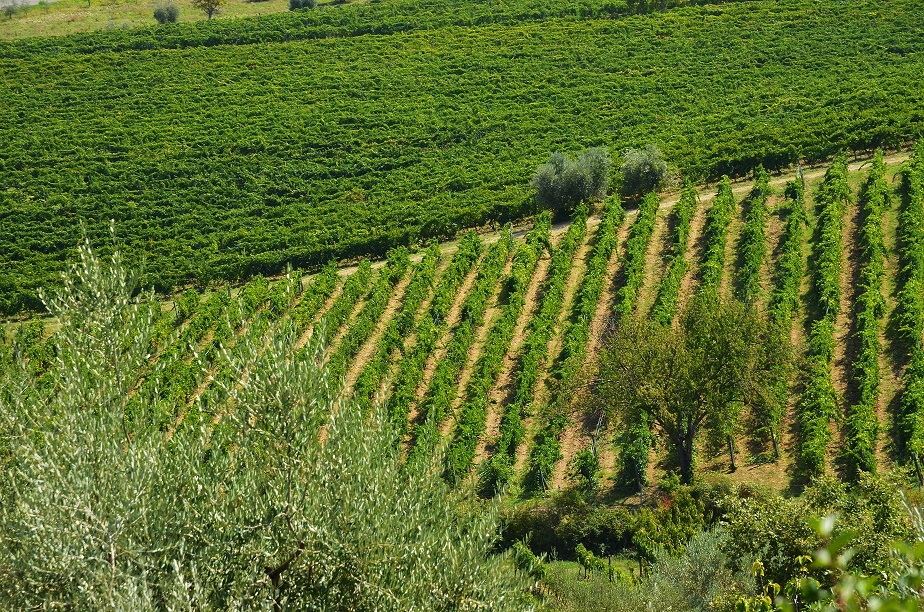
We drove through some gorgeous countryside and saw the signs of the black rooster everywhere. The region south of Florence and stretching to Siena is full of Chianti vineyards, the symbol of the region and Chianti Classico being the black rooster. I believe it was SR222 that we drove, winding southward from Impruneta, past Greve, Panzano in Chianti, and down towards Castellina in Chianti.
al Paradiso, where we stopped for lunch. It is right in the middle of the Chianti Classico region between Panzano to the north and Castellina to the south
The view from the patio at al Paradiso
Awesome dessert, torta di ciccolata albicocchi at al Paradiso
We stumbled upon the perfect lunch spot purely by good luck. As we drove the narrow roads lined with vineyards we passed what looked like a restaurant, in the middle of nowhere, and did a u-turn to try it out for lunch. It was indeed a lunch spot, call al Paradiso, with its perfect view and wonderful food. We enjoyed a leisurely lunch and studied the map. Our next town was Castillano and more rolling vineyards and twisting roads.
Another picturesque town between Florence and Siena
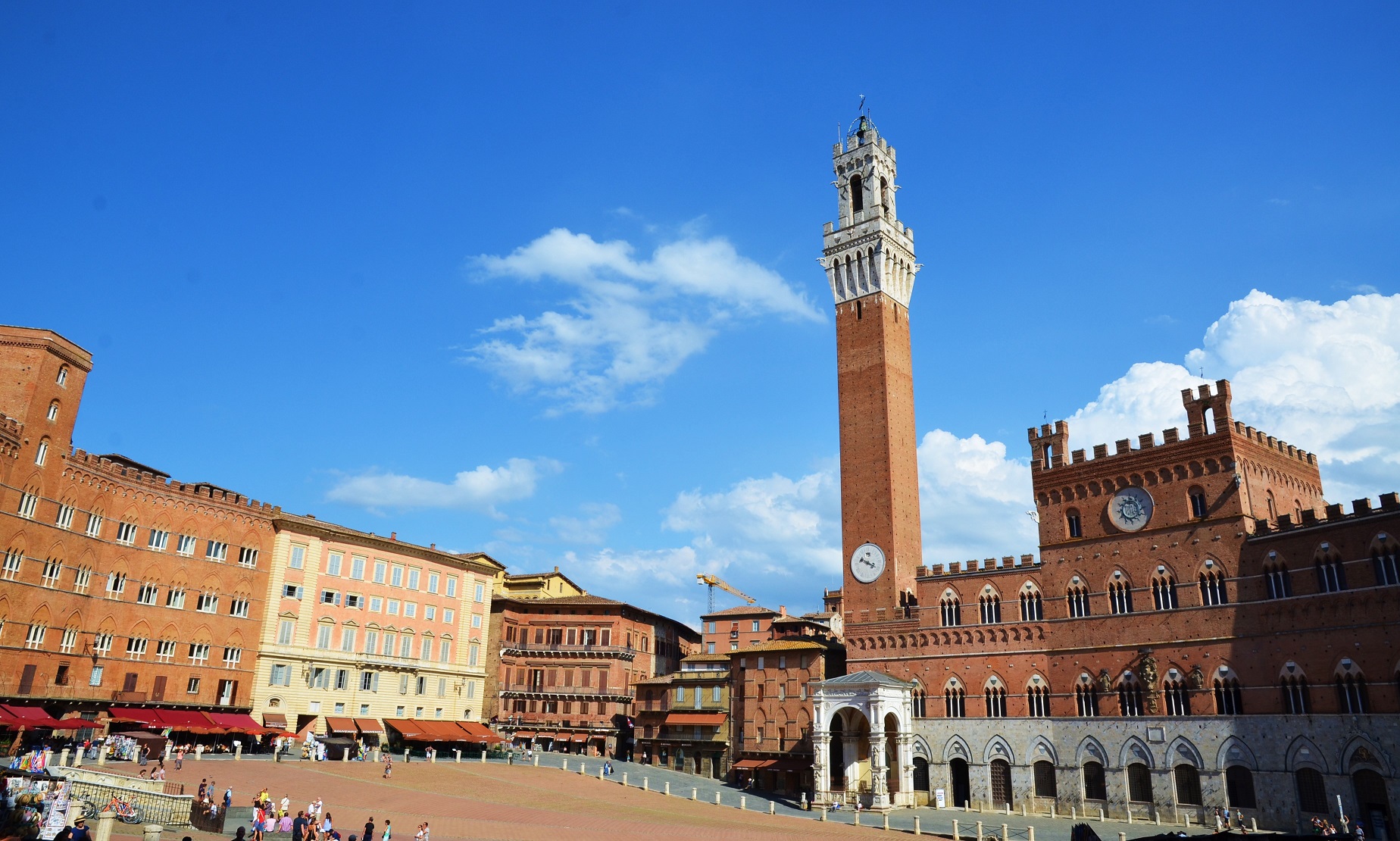
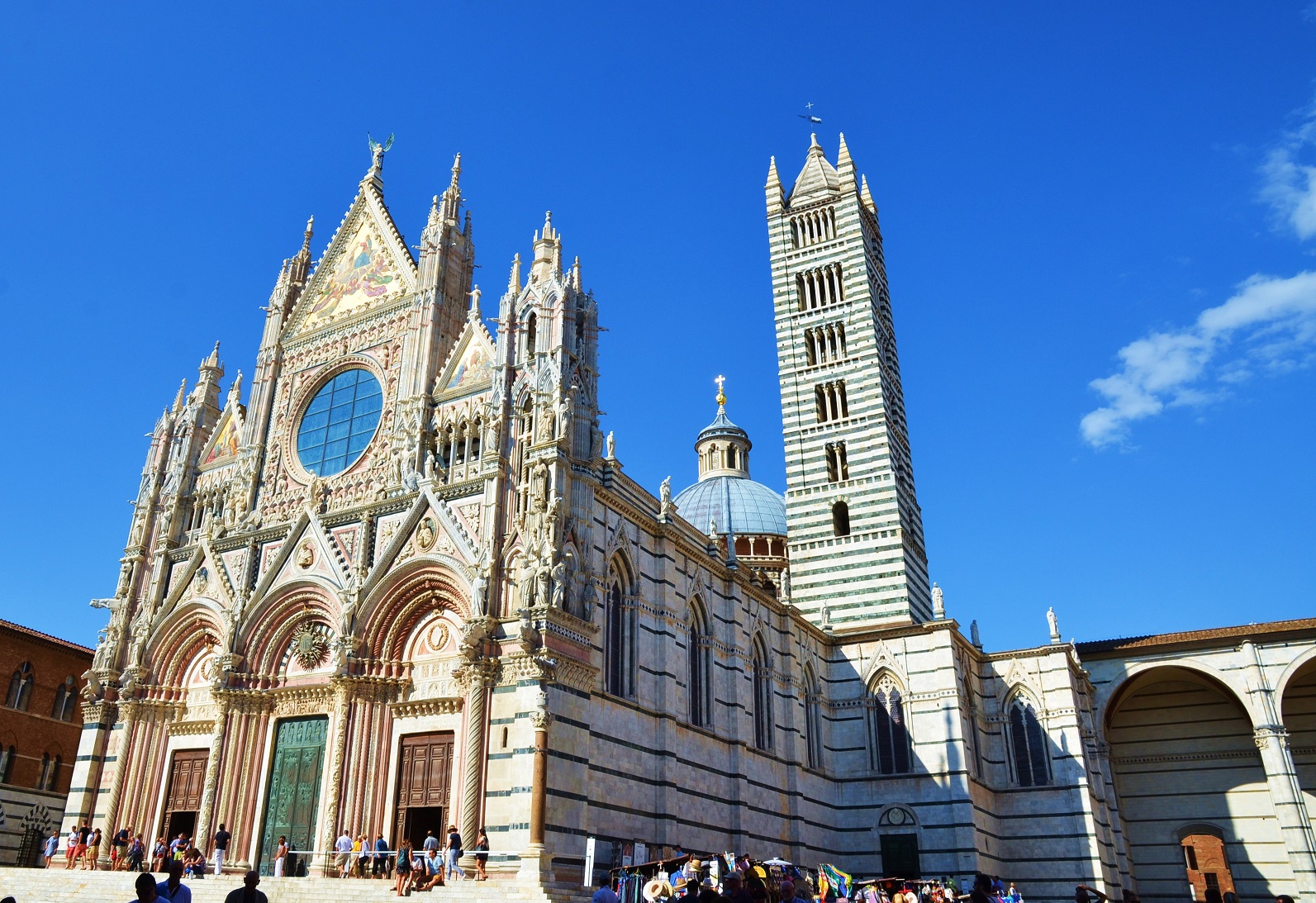
Because I have been to this area before but never to Siena, Augie and Teresa agreed to stop in for a quick look. I really had no idea it was so large (hard to do a quick stop), plus we parked a bit away from the old town area. So we ended up walking quite a bit through the ups and downs of Siena, passing the Piazza del Campo where the Palio is run and the huge cathedral, all in the hot afternoon sun. It didn’t take long to feel the need for the quiet and cooler area around Caldine and Fiesole.
Piazza del Campo in Siena. This is where the palio horse race is held
Beautiful pots for sale in the Piazza del Campo
Cathedral in Siena
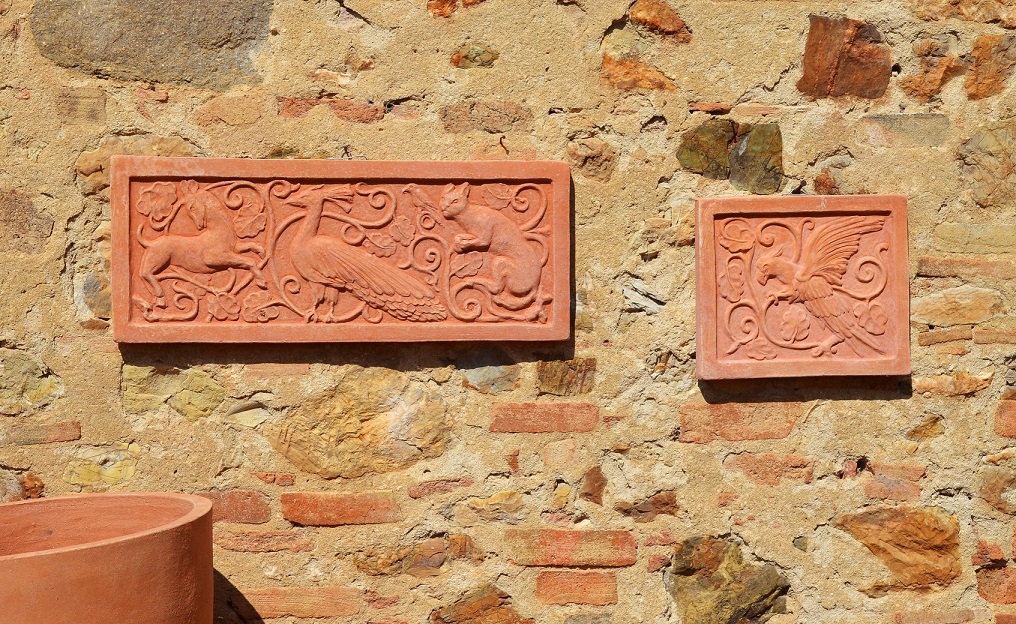
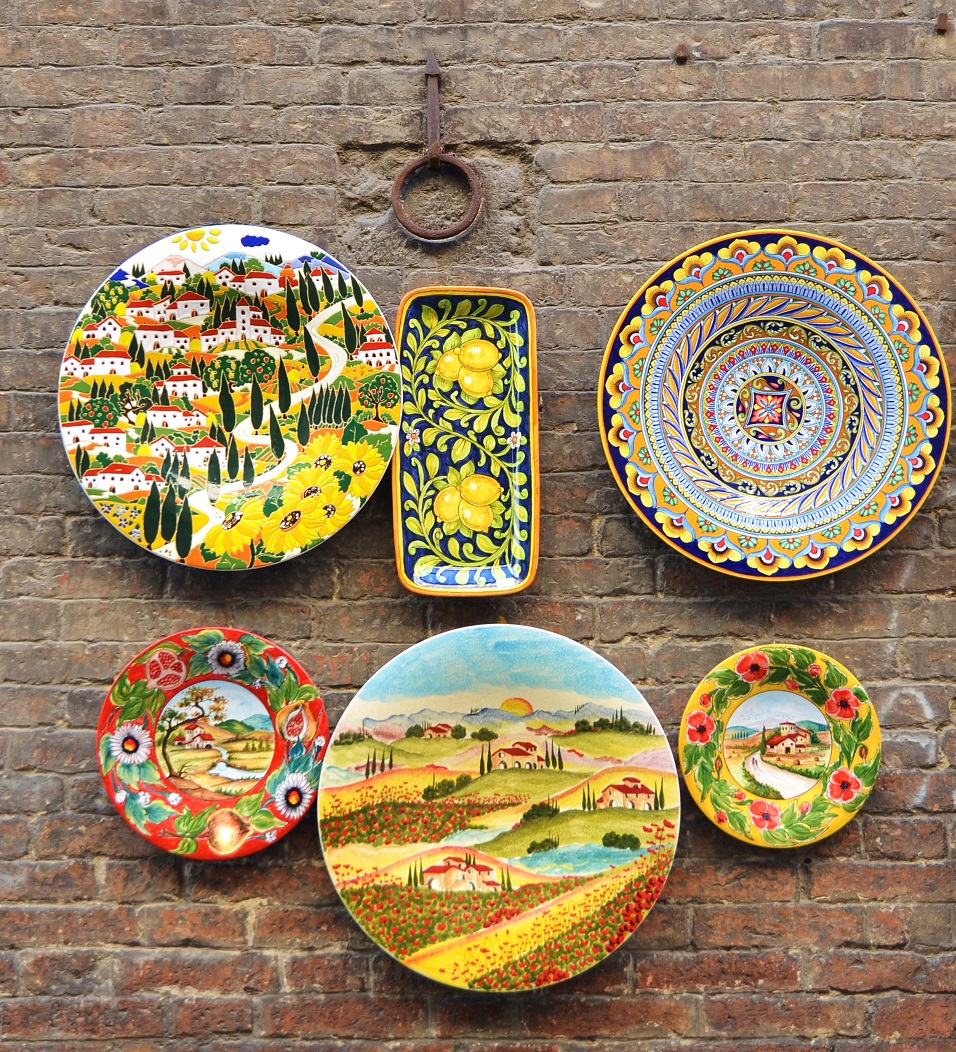
Ceramic plates for sale on the wall of a building in Siena
Driving back we took the autostrade and just brushed the outskirts of Florence. We were worried about rush hour traffic, but at 6 pm it wasn’t as bad as it had been at 10 am that morning. We were once again happy to pull into the quiet of the farm for a pasta dinner at the house.
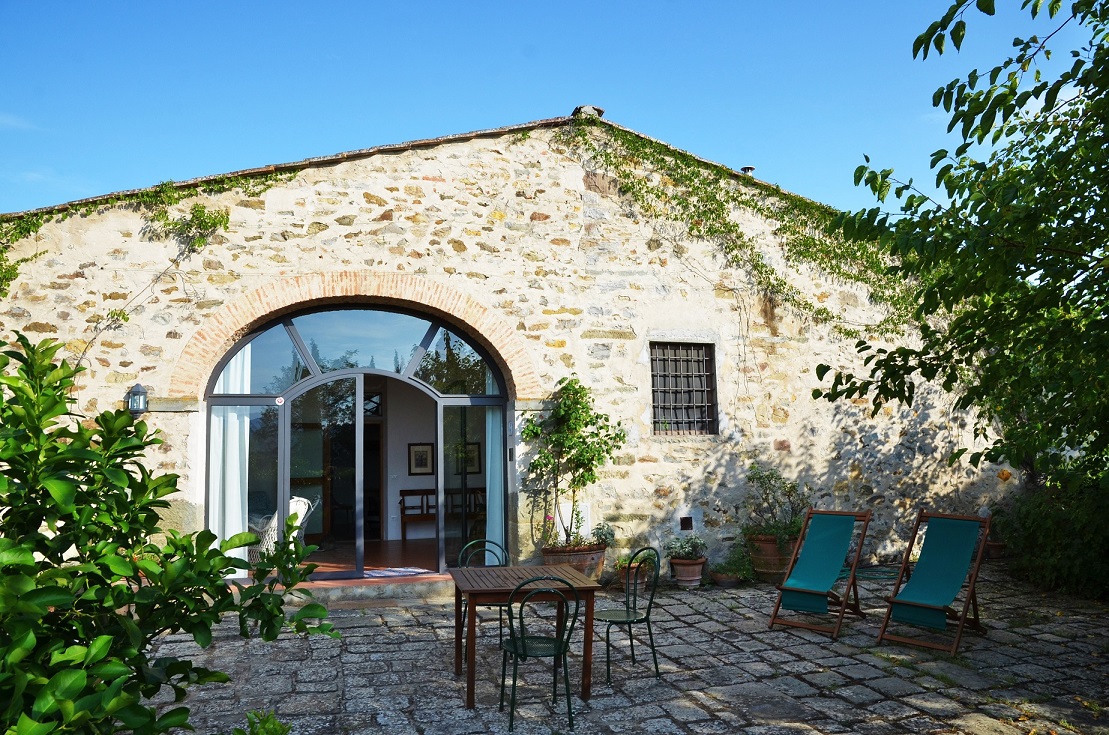
The patio back at the farmhouse in the hills above Caldine