Florence, Italy

Early morning view from my window at the farm

Early morning view from my window at the farm

Waking up to the sound of birds and nothing else really made me glad to be in the hills above Florence for my last four nights here.  Augie and Teresa are staying longer in the area after my departure.  Andrea’s olive farm is in the hills above Caldine, very near Fiesole, with a view of Florence in the distance.  Andrea’s cat Cleopatra crying at the door for milk first thing in the morning made me feel at home.
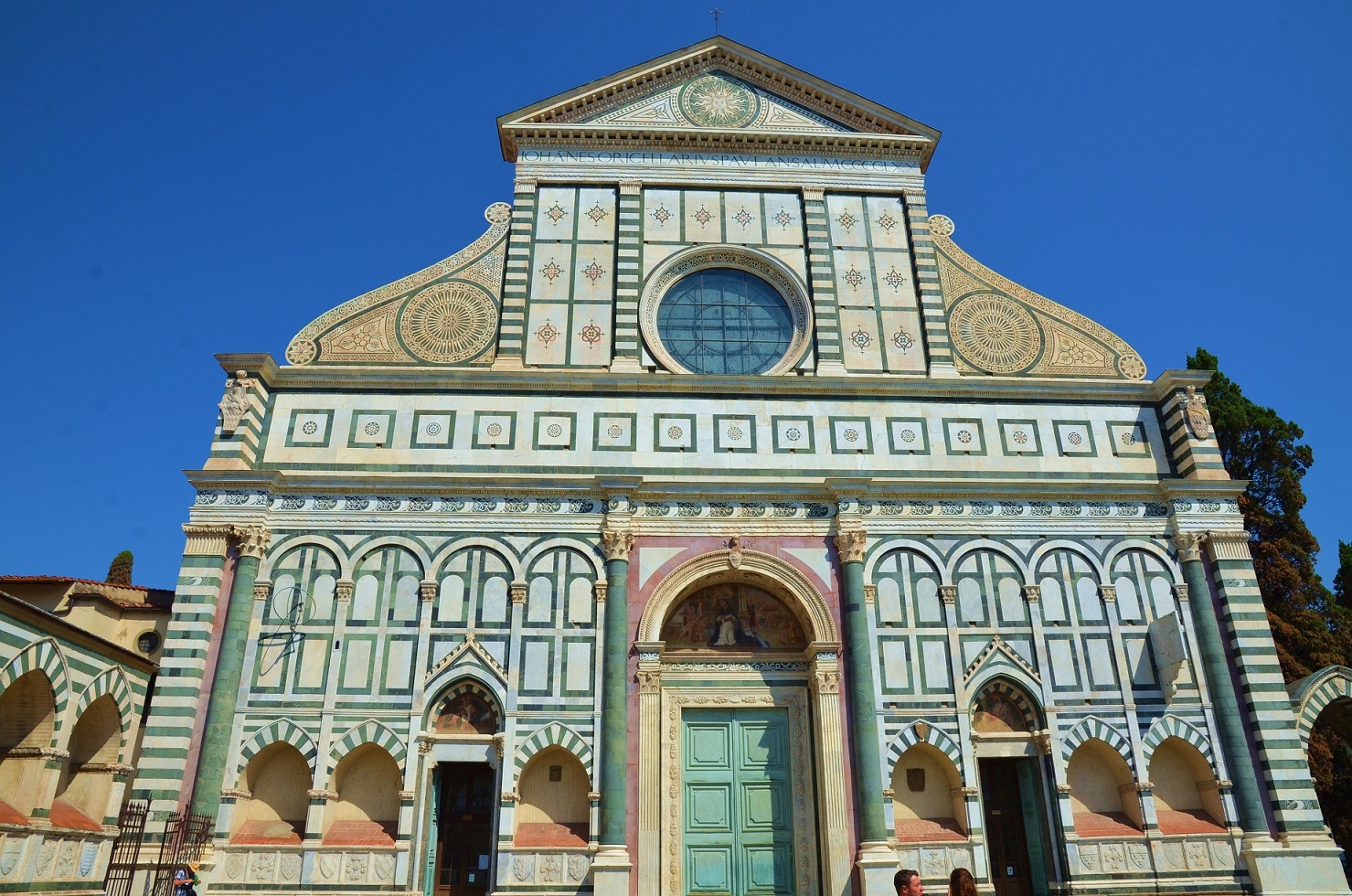
Santa Maria Novella

Santa Maria Novella

It was our first day in Florence, and we planned to do some sightseeing.  Andrea had suggested that we take the train from Caldine (5 minutes down the hill from the farm) into the main train station in Florence instead of driving.  We were all for that as no one wanted to try to find parking in Florence and it was only a short 15 minute ride.  It worked out well.

One of Paolo Uccello's frescoes in the Green Cloister

One of Paolo Uccello’s frescoes in the Green Cloister
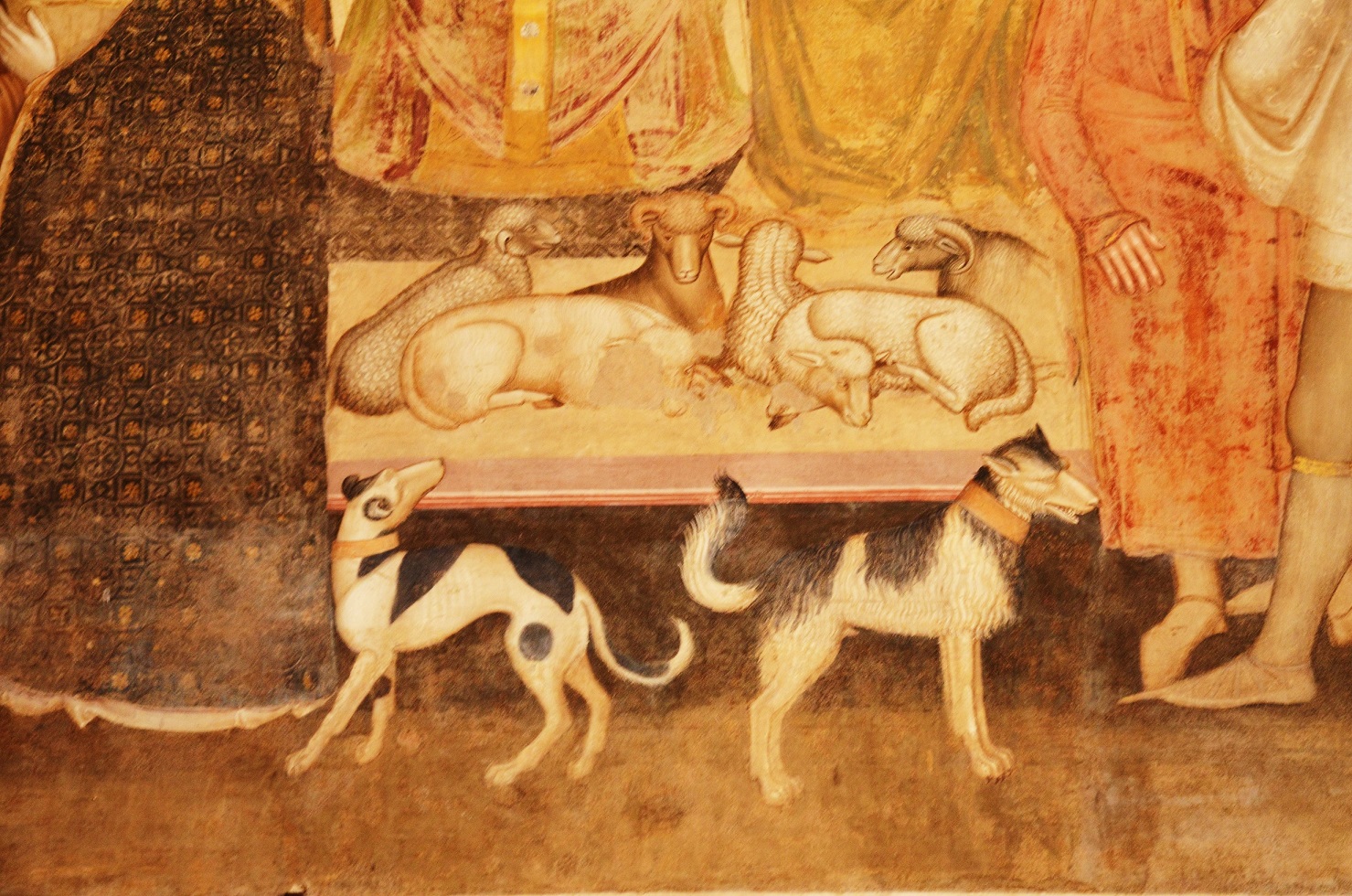
A close up of the Lord's dogs in the frescoe

A close up of the Lord’s dogs in the frescoe
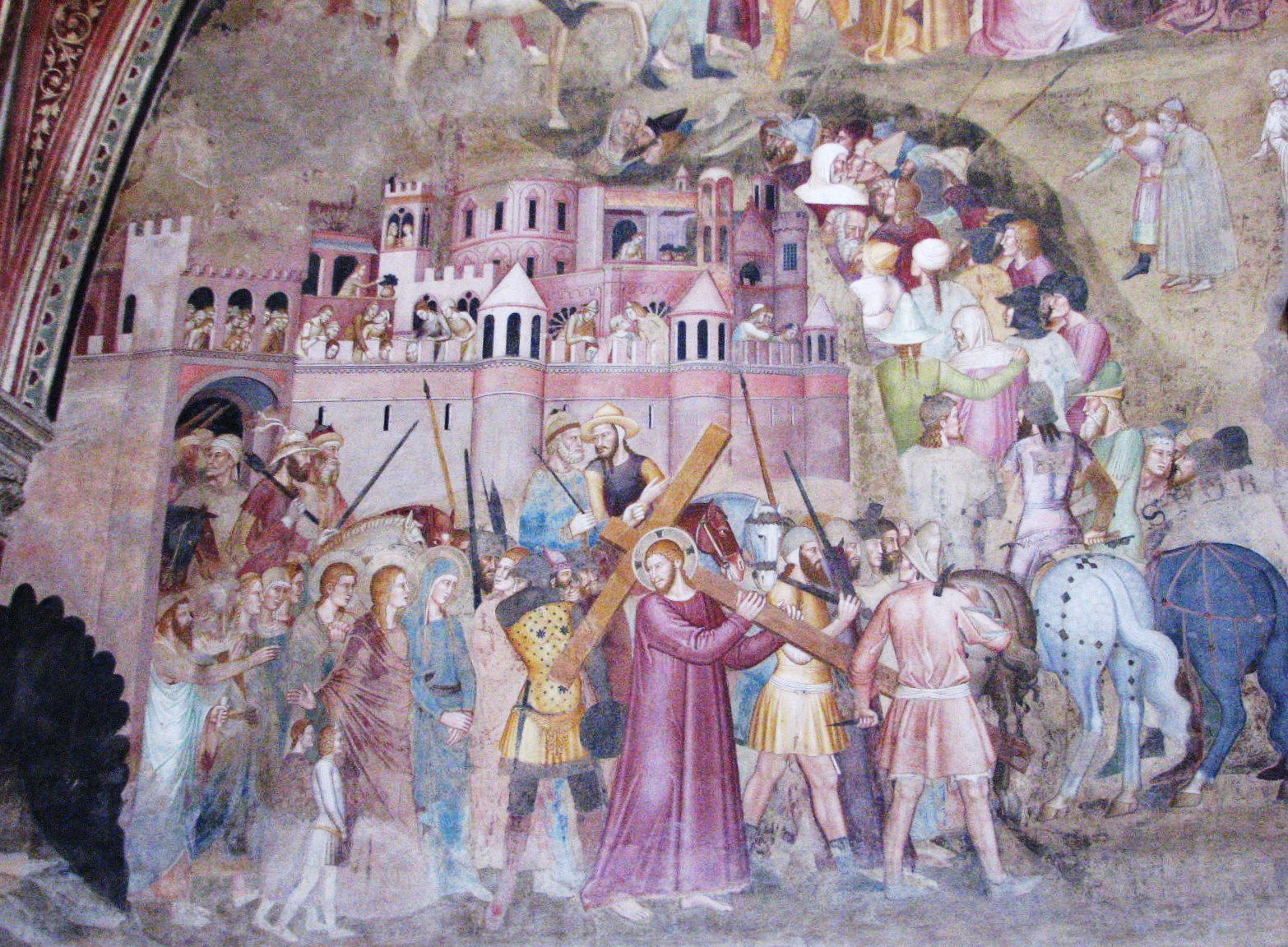
Green Cloister frescoe

Green Cloister frescoe

Green Cloister ceiling

Green Cloister ceiling

As you exit the Florence train station the Santa Maria Novella is right across the Piazza Della Stazione.  None of us had toured this church before so it was a good place to start.  The foundation stone was blessed in 1279, and the church completed in 1420.  The most incredible frescoes detailing the Stories from Genesis, painted by Paolo Uccello in the first half of the 15th century, cover the walls of the Green Cloister.  We spent some time in this room reading the descriptions and picking out the scenes of Original Sin and the Great Flood.  In the foreground of my favorite frescoe, “…in front of the pope and the emperor, the flock of the faithful is protected by two black and white dogs, the so-called Domini canes (the Lord’s dogs) which traditionally symbolize the Dominican Friars.”

In the Basilica we found the large Crucifix painted by Giotto and Botticelli’s Nativity.

Santa Maria Novella basilica interior with the Giotto crucifix

Santa Maria Novella basilica interior with the Giotto crucifix

Botticelli's Nativity in the basilica. Photo credit Teresa Favazza

Botticelli’s Nativity in the basilica. Photo credit Teresa Favazza

From Santa Maria Novella we walked towards the Ponte Vecchio and did some window shopping.  That part of Florence is lined with expensive shops, so we just looked.  Animal prints seem to be in style for this fall.
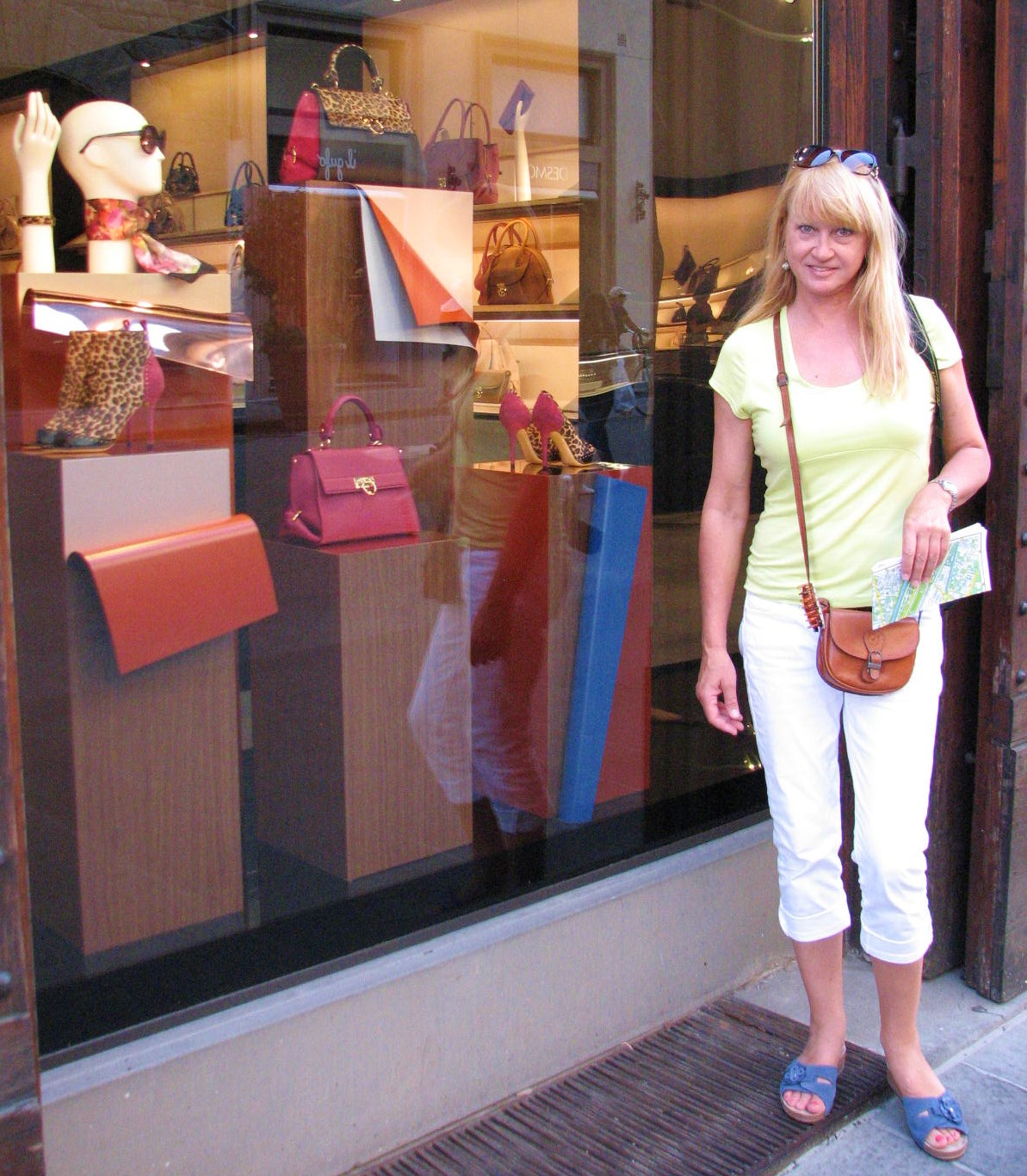
Window shopping

Window shopping

Fall style

Fall style

After crossing the Arno we found a wonderful local place for lunch, Trattoria La Casalinga, ordered the pasta specialty and the house red, and settled in.  It was definitely where the locals eat as we saw men in paint covered overalls tuck in for a bowl of pasta (the first plate), plus a whole fish (the second plate), and more.  We were happy with just the pasta.
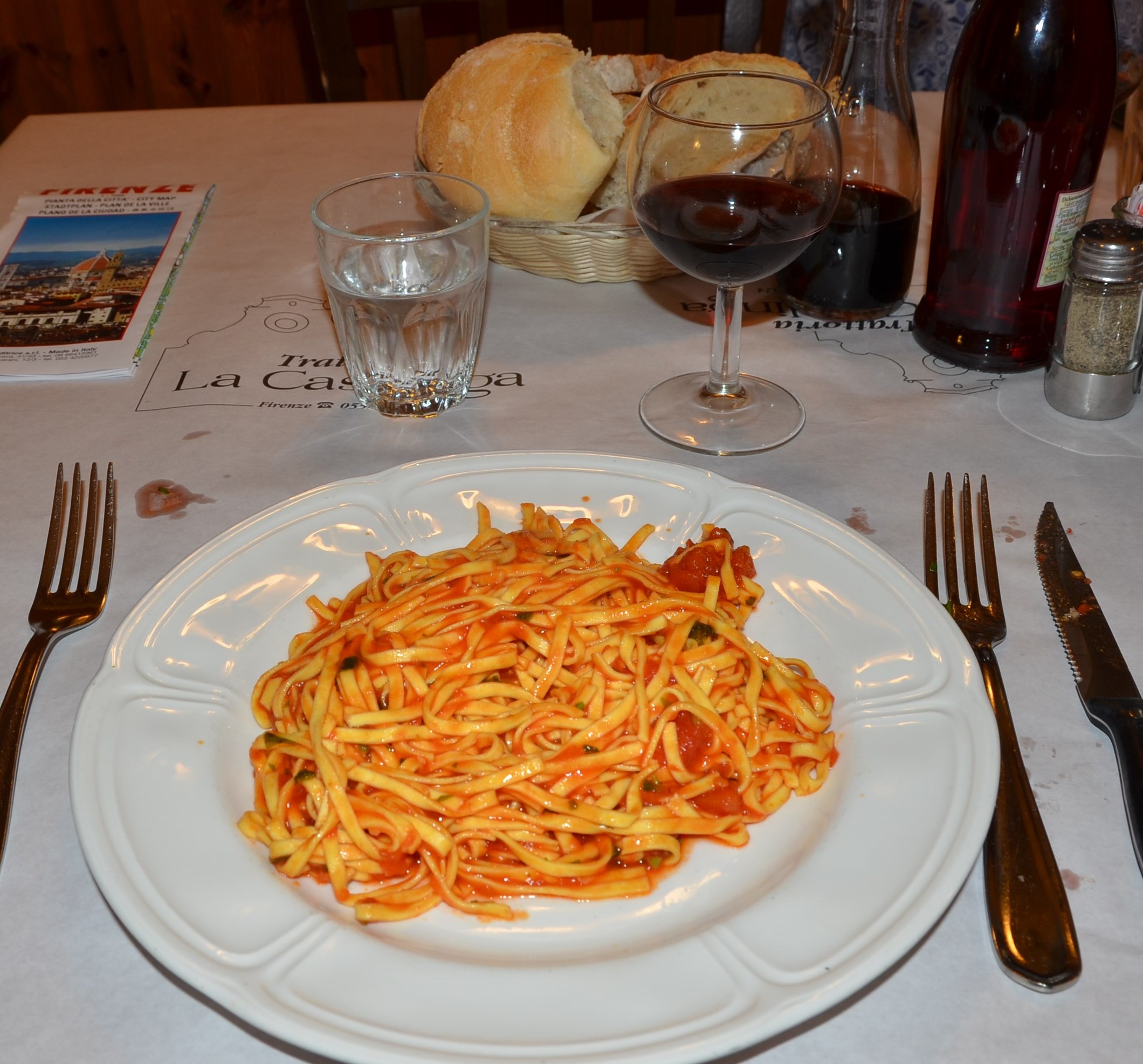
The house specialty pasta at Trattoria La

The house specialty pasta at Trattoria La Casalinga

A satisfied customer

A satisfied customer

After lunch we made our way back towards the Ponte Vecchio and I found one item I had been looking for – beautiful shoes in a lovely color and on sale.  Teresa also found a beautiful pair of shoes, not hard to do here, making us both happy shoppers.  So we did do a little shopping after all.
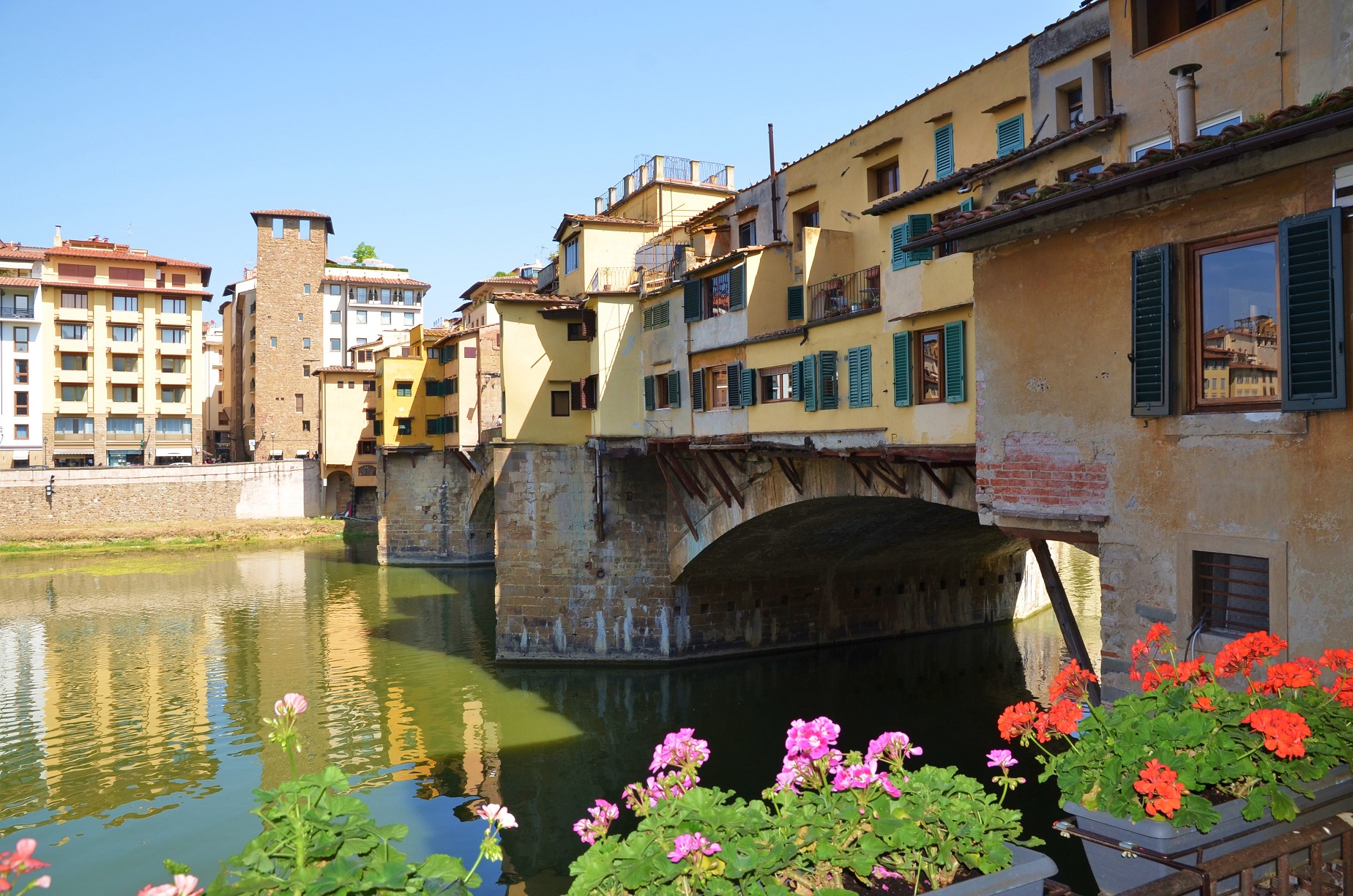
The Ponte Vecchio from the back of the shoe shop
The Ponte Vecchio from the back of the shoe shop

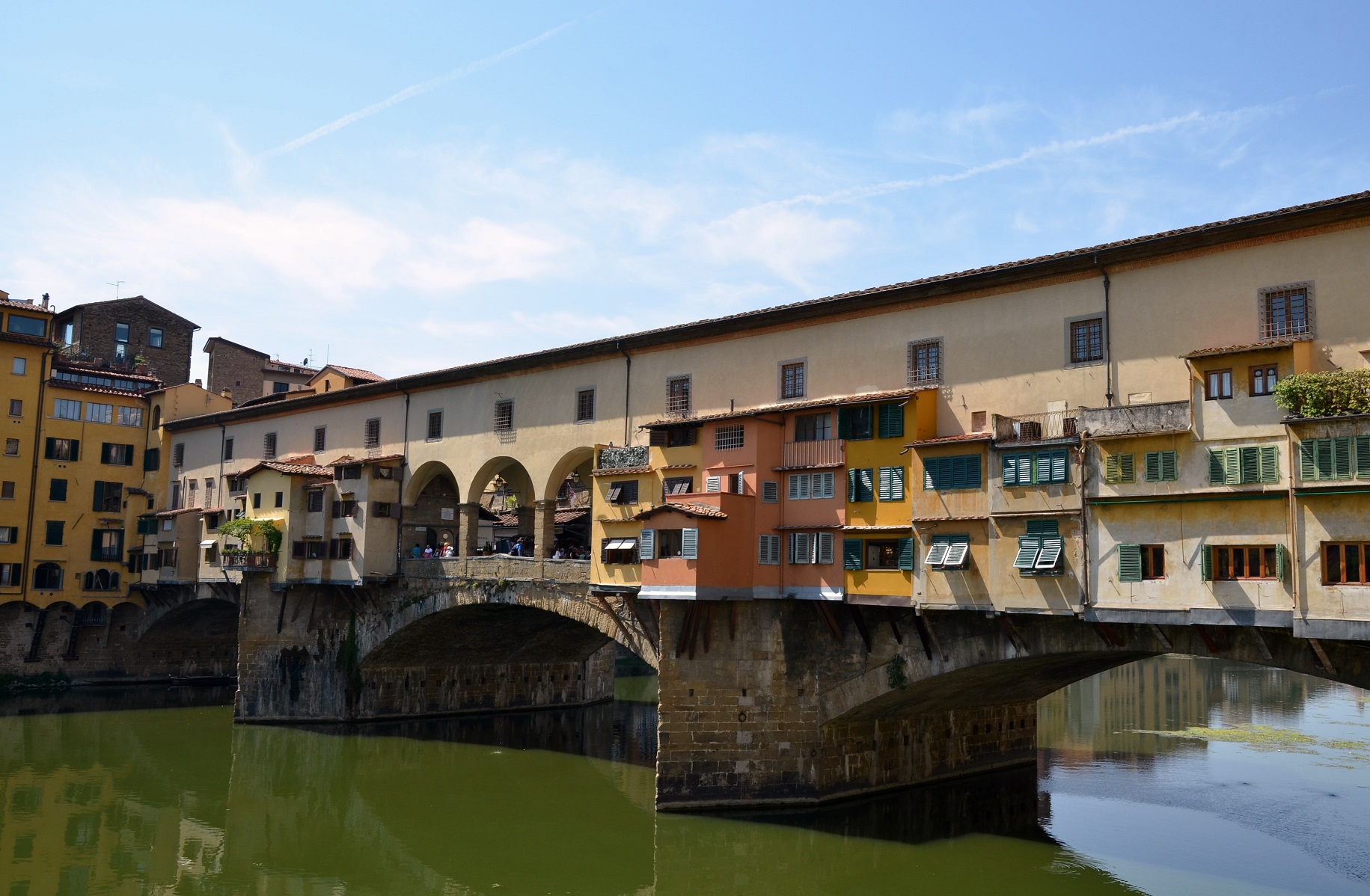
The other side of the Ponte Vecchio

The other side of the Ponte Vecchio

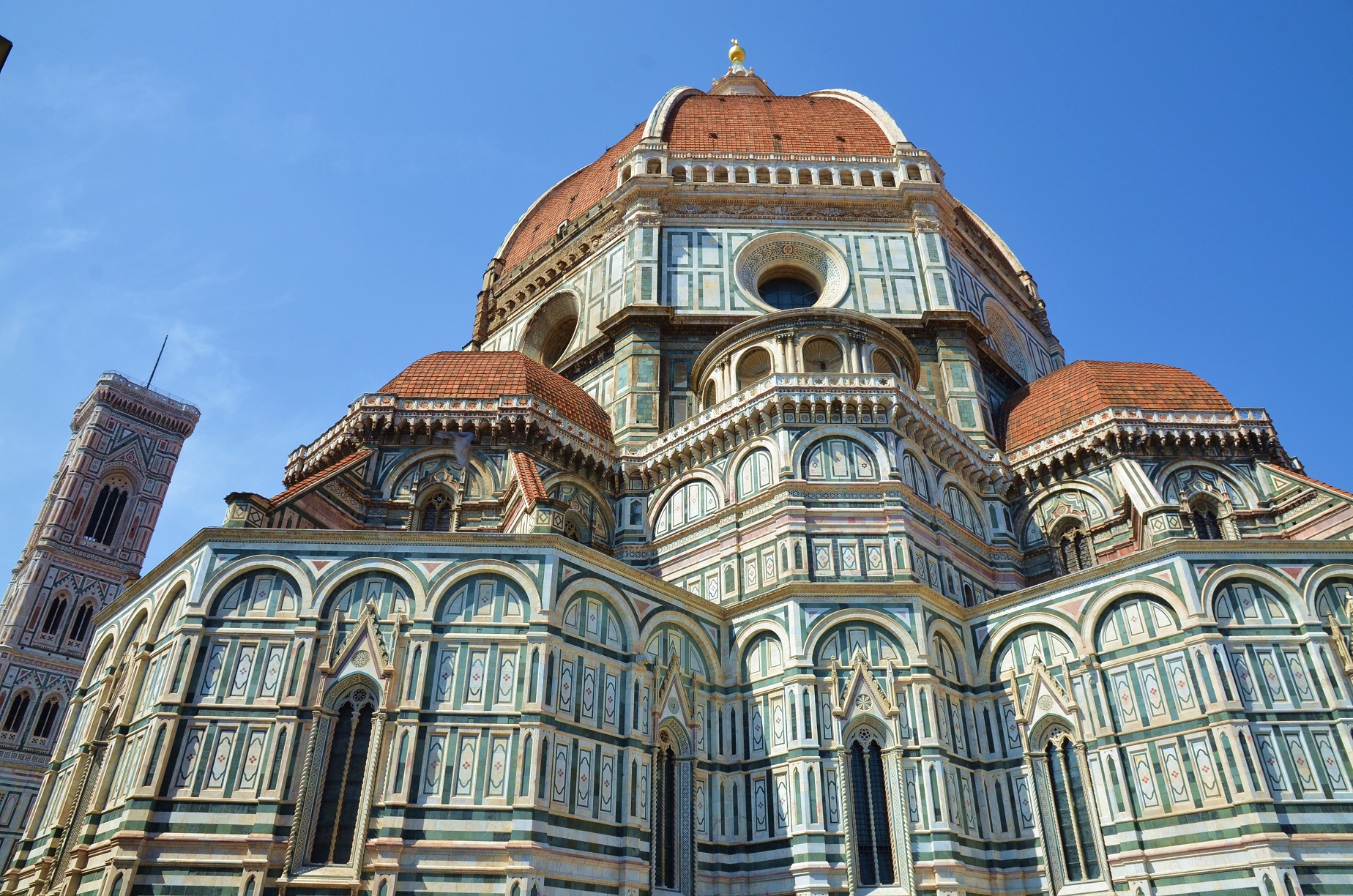
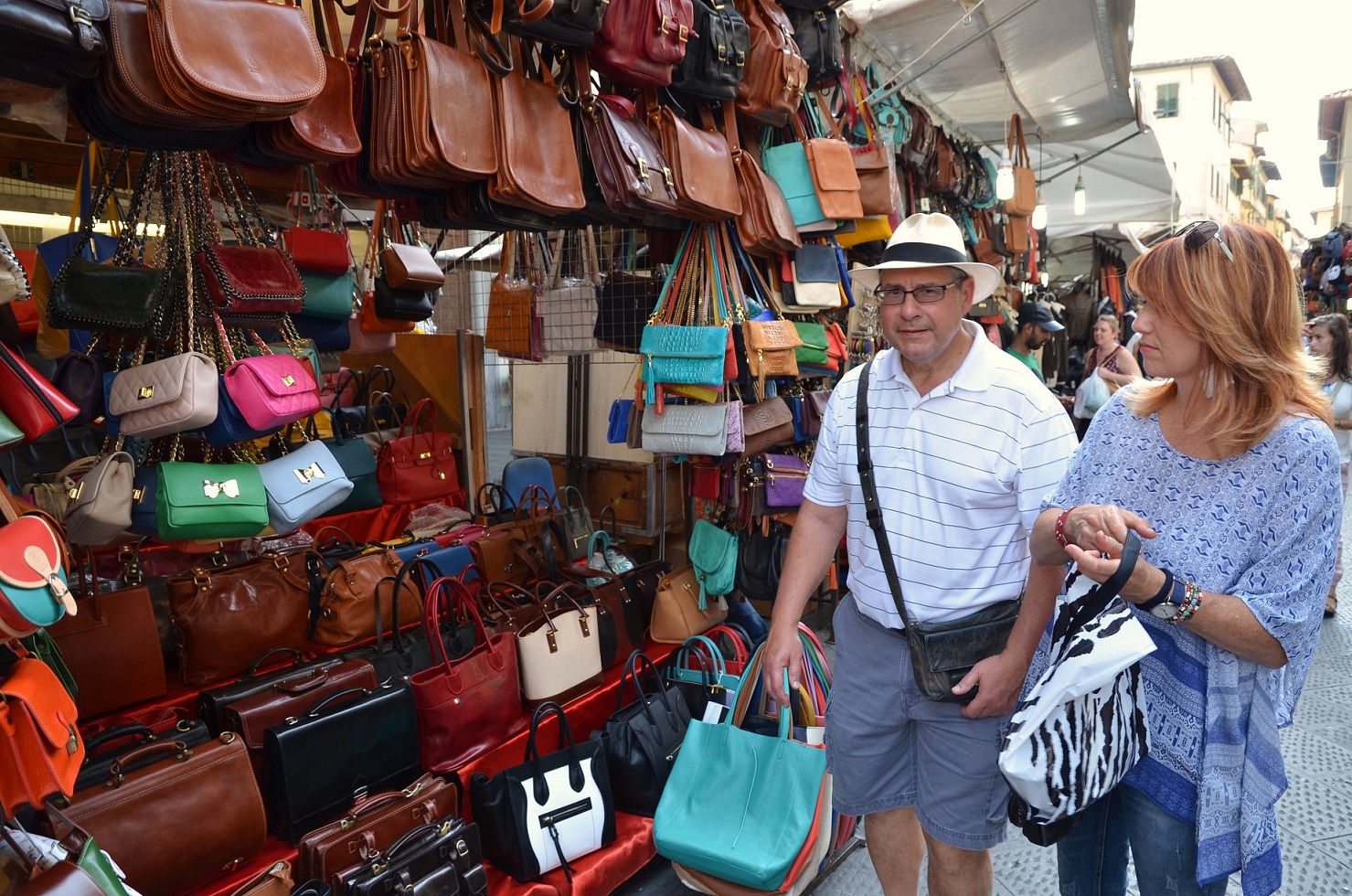
Completely satisfied with a belly full of pasta and new shoes, we cruised by the Uffizi to see how long the wait was for tickets.  It was too long, and since I had already toured that museum many years ago, we decided to continue towards the Duomo and then the Galleria dell’Accademia to check out the line for Michelangelo’s David.  That line was about a block long and in the sun.  Since we were hot and tired, we headed back towards the train station, walking through the outdoor market, making deals on a purse, and stopping for a gelato.
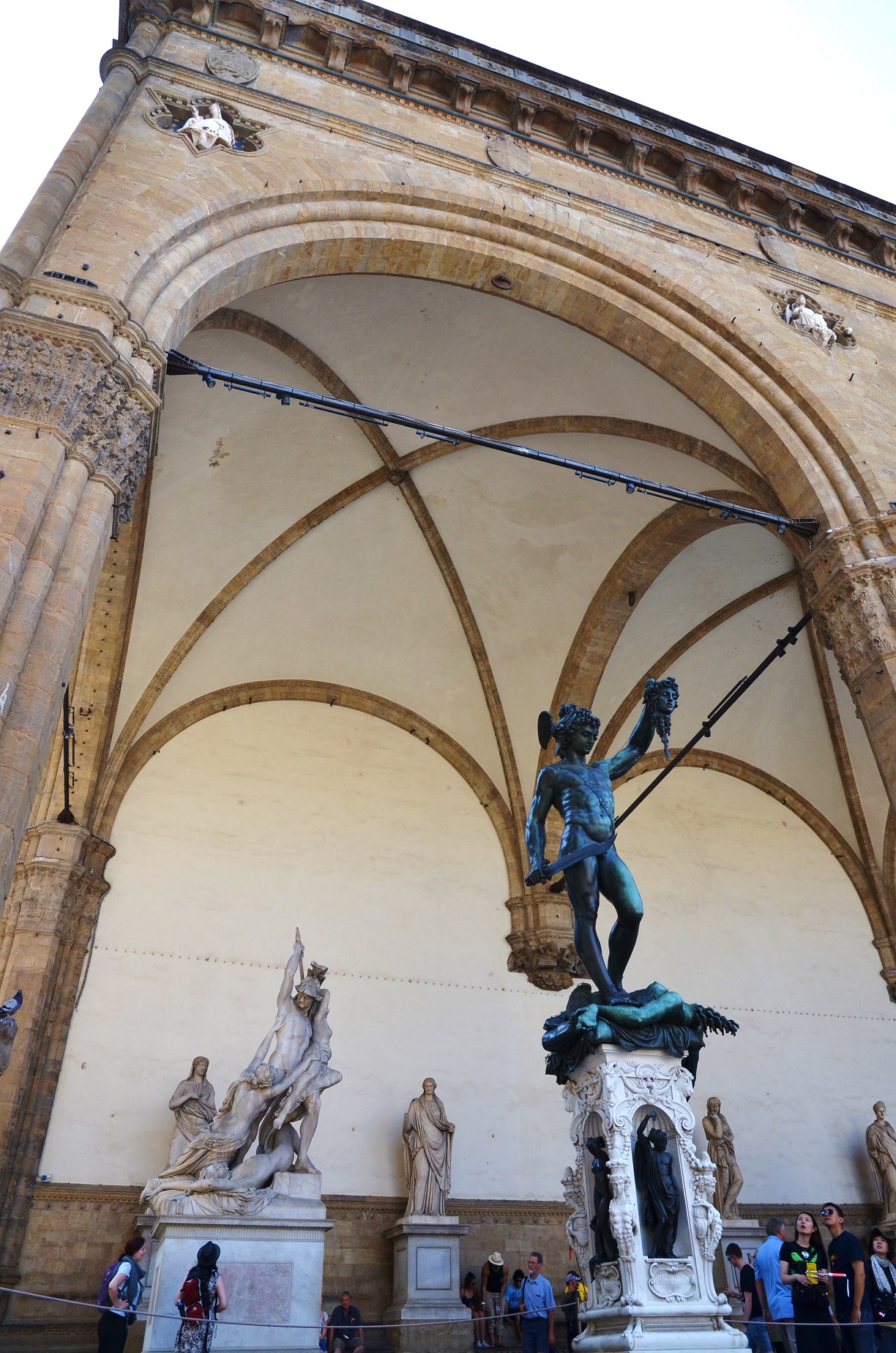
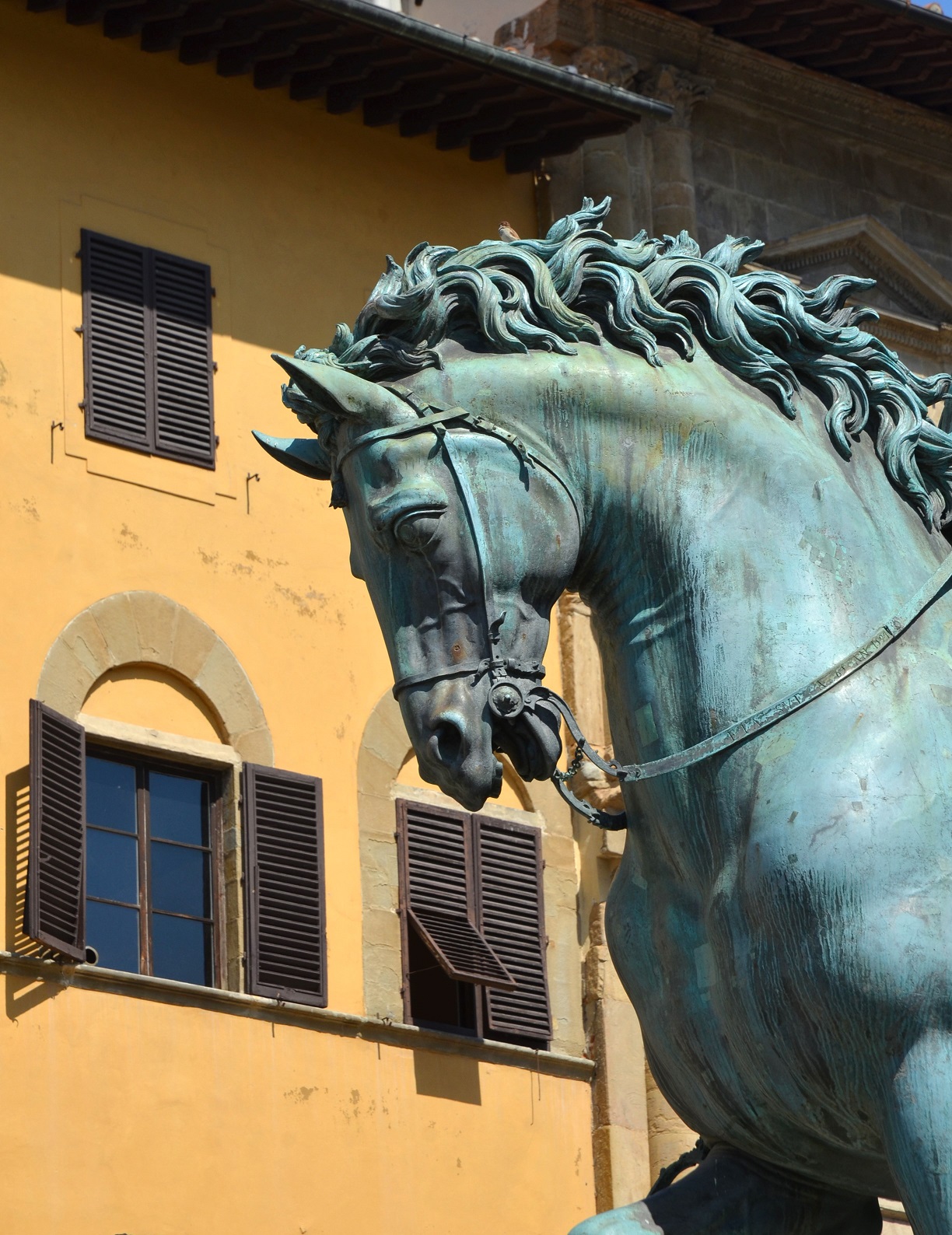
Statues in the Piazza Signoria

Statues in the Piazza Signoria

horses

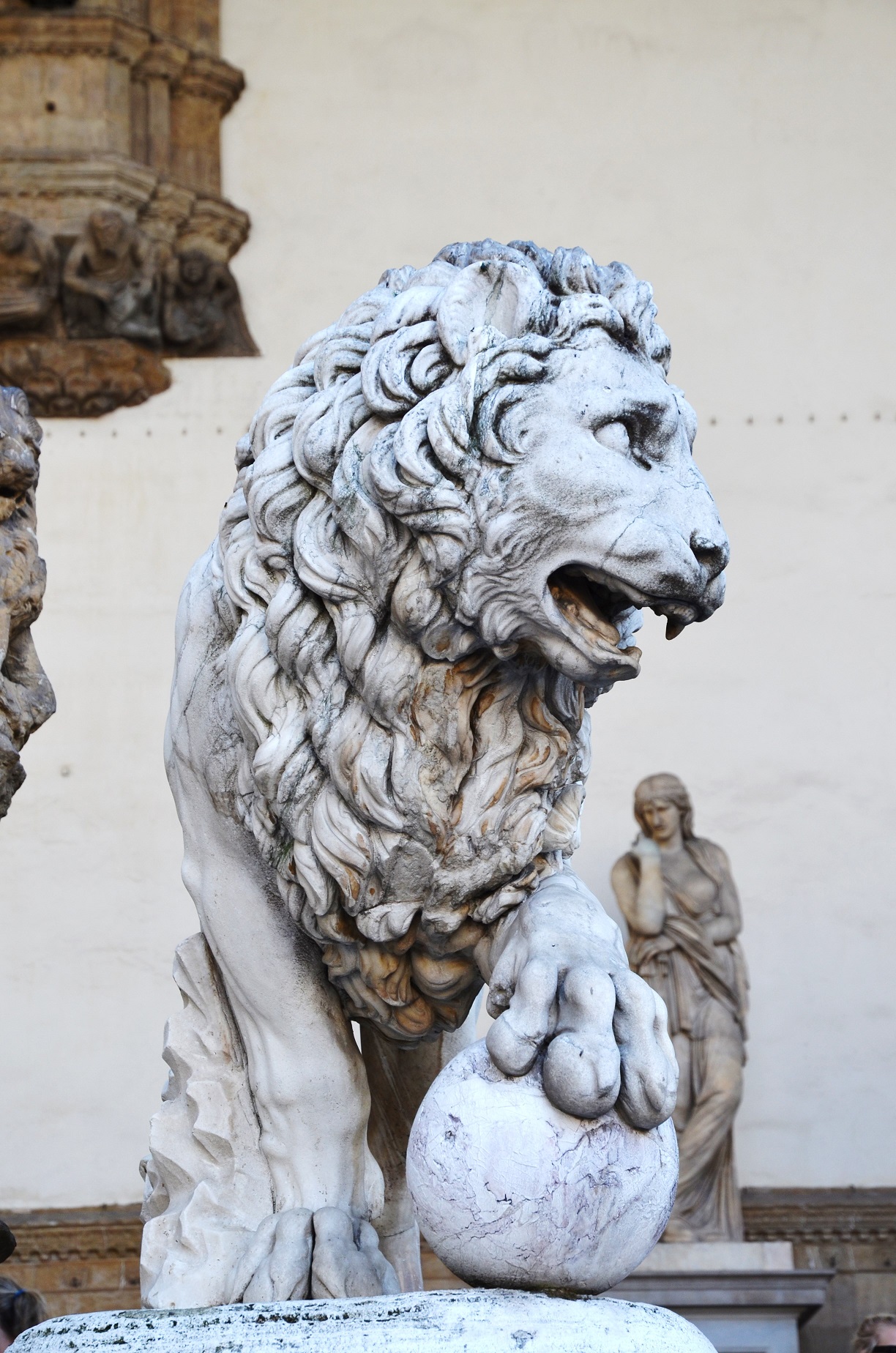
lion

horse statue

The Duomo

The Duomo

The Florence market

The Florence market

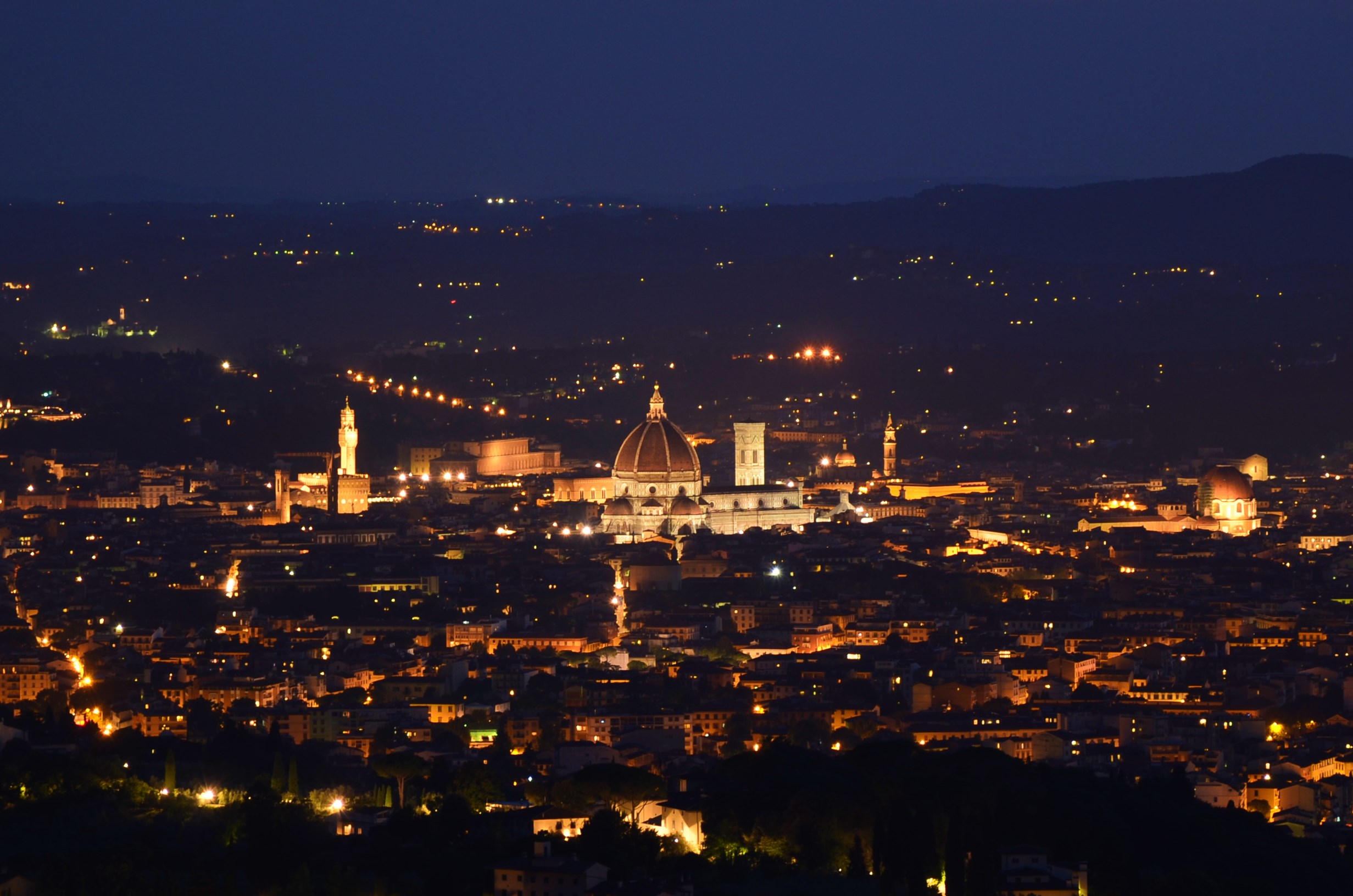
We were happy to leave the hot and crowded city streets and return to our sanctuary in the hills above.  After a refreshing dip in the pool and nearing sunset, Teresa and I drove the short distance into Fiesole to try to capture a photo of Florence as the sun went down and the lights came up.  It was 830 pm when we finally got the shot we wanted, so back to the house for another pasta dinner, happy after a long day.

The narrow streets near the top of Fiesole

The narrow streets near the top of Fiesole

Me overlooking Florence from Fiesole

Me overlooking Florence from Fiesole

A Fiesole cafe in color sketch
A Fiesole cafe in color sketch

The night shot of Florence we worked to get
The night shot of Florence we worked to get

Posted in Italy | Leave a comment

Strada Del Prosecco; Valdobbiadene, Follina, Conegliano and then southward to Fiesole/Caldine

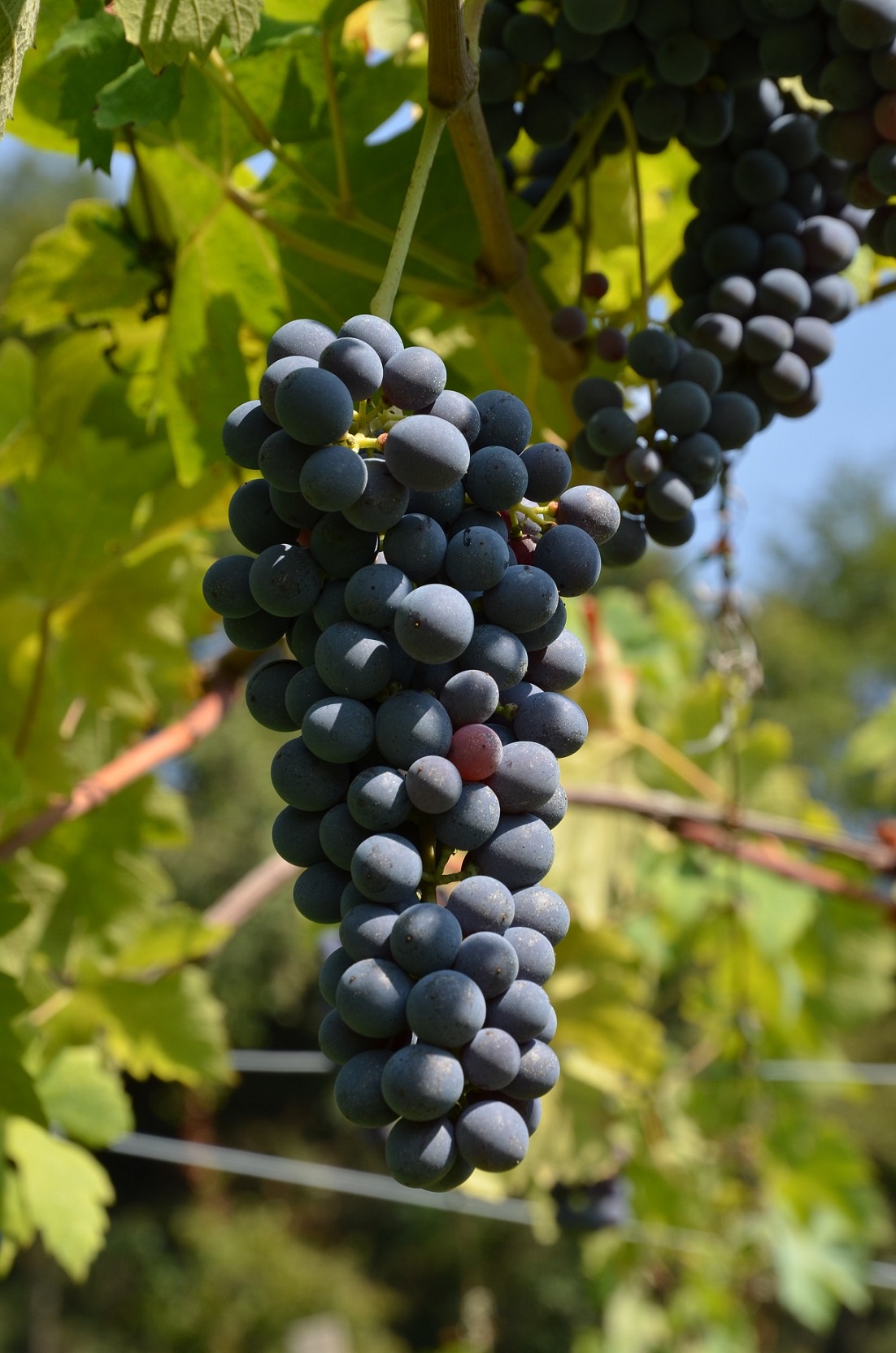
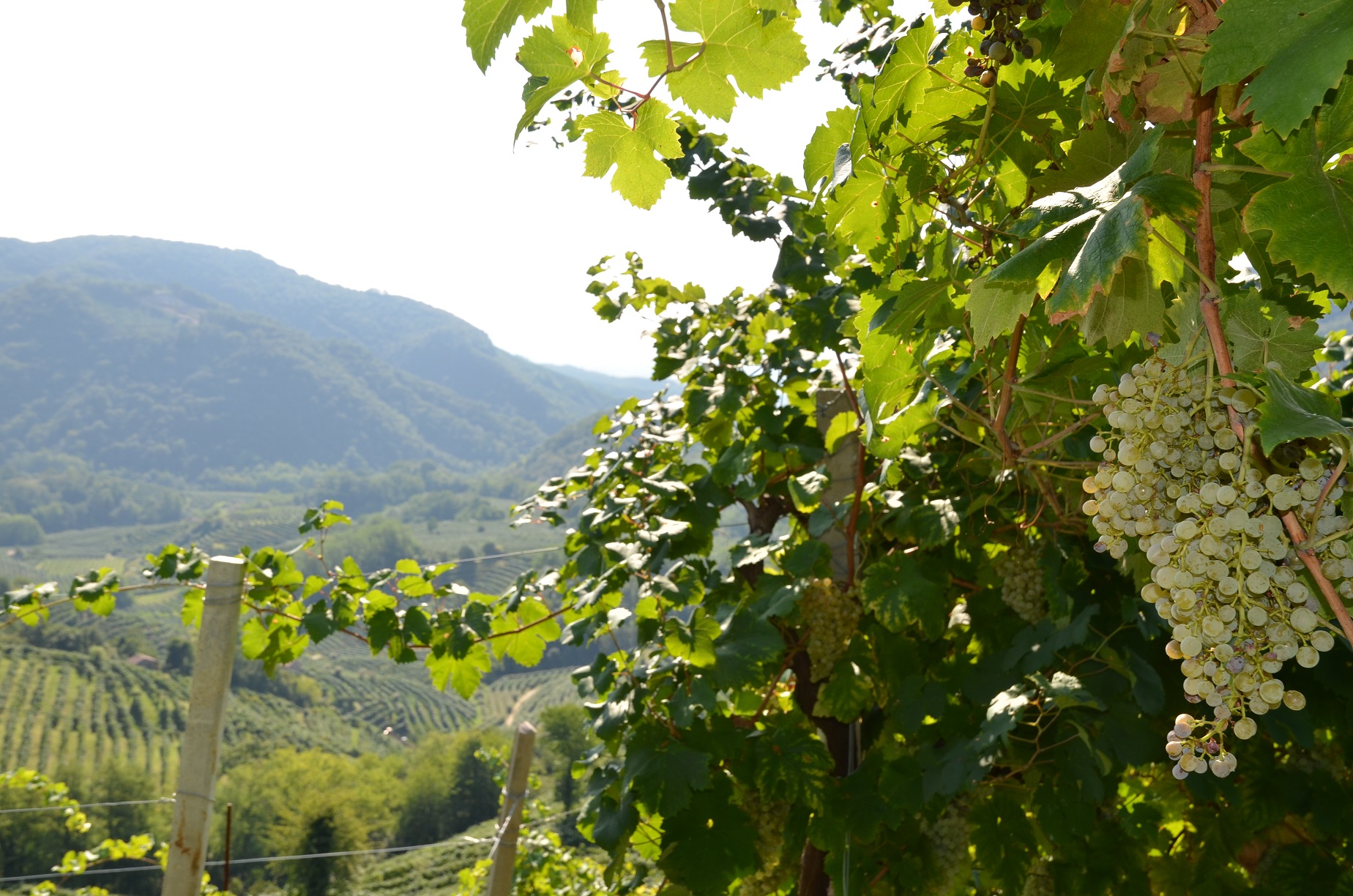
grapes and hills

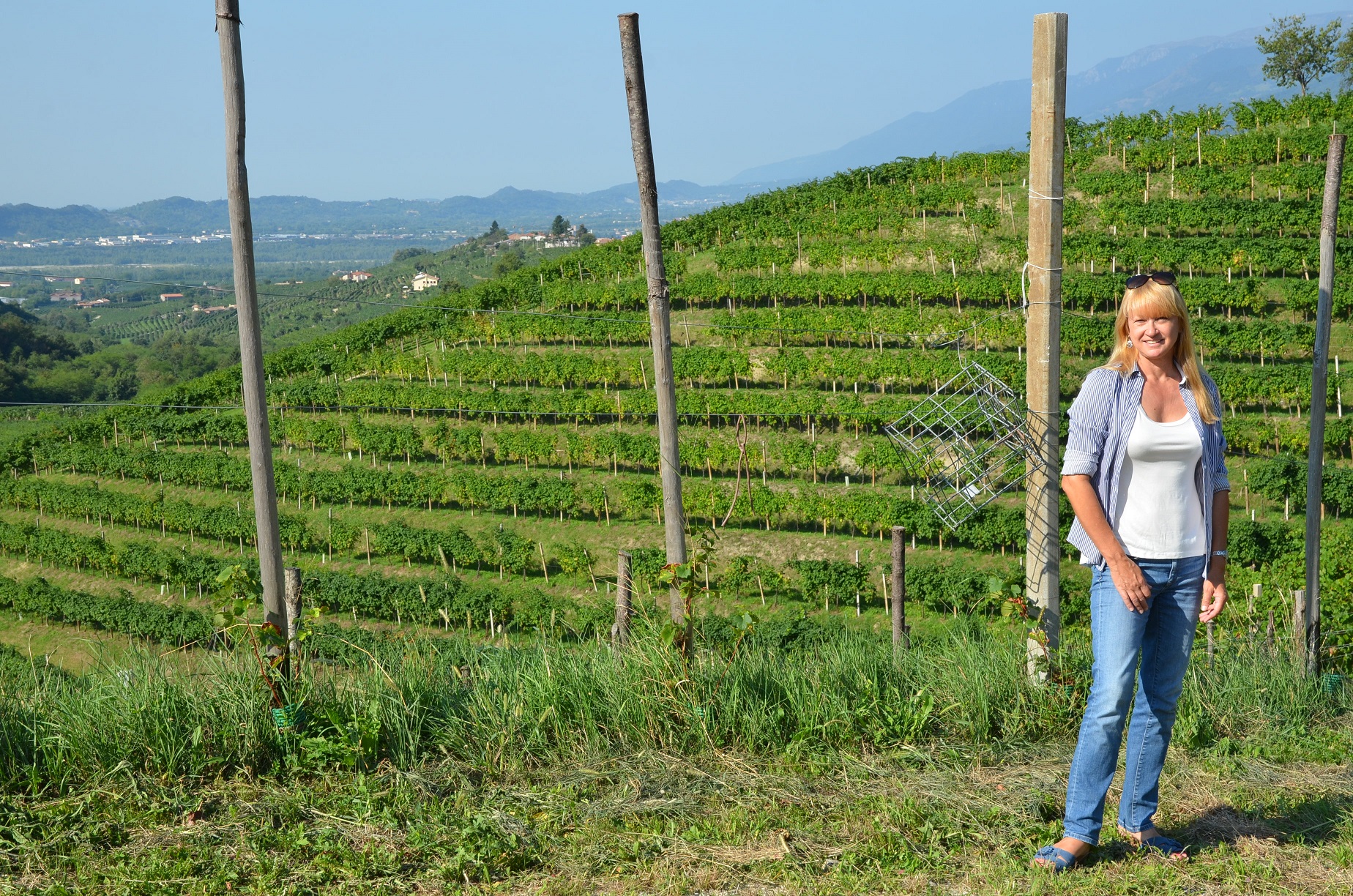
Monday morning we bid farewell to Annalisa and Primo Franco and started driving along what is known as the Strada Del Prosecco,  the wine route.   The small winding road runs along the foothills of the Treviso province, through gently rolling hills, passing some of the loveliest vineyards we have seen yet.  We made many stops to photograph the beauty of the area.

Along the Strada Del Prosecco

Along the Strada Del Prosecco

vineyards

A&T plus L

grapes

L in vines

http://www.prosecco.it/en/enoturismo/strada.php

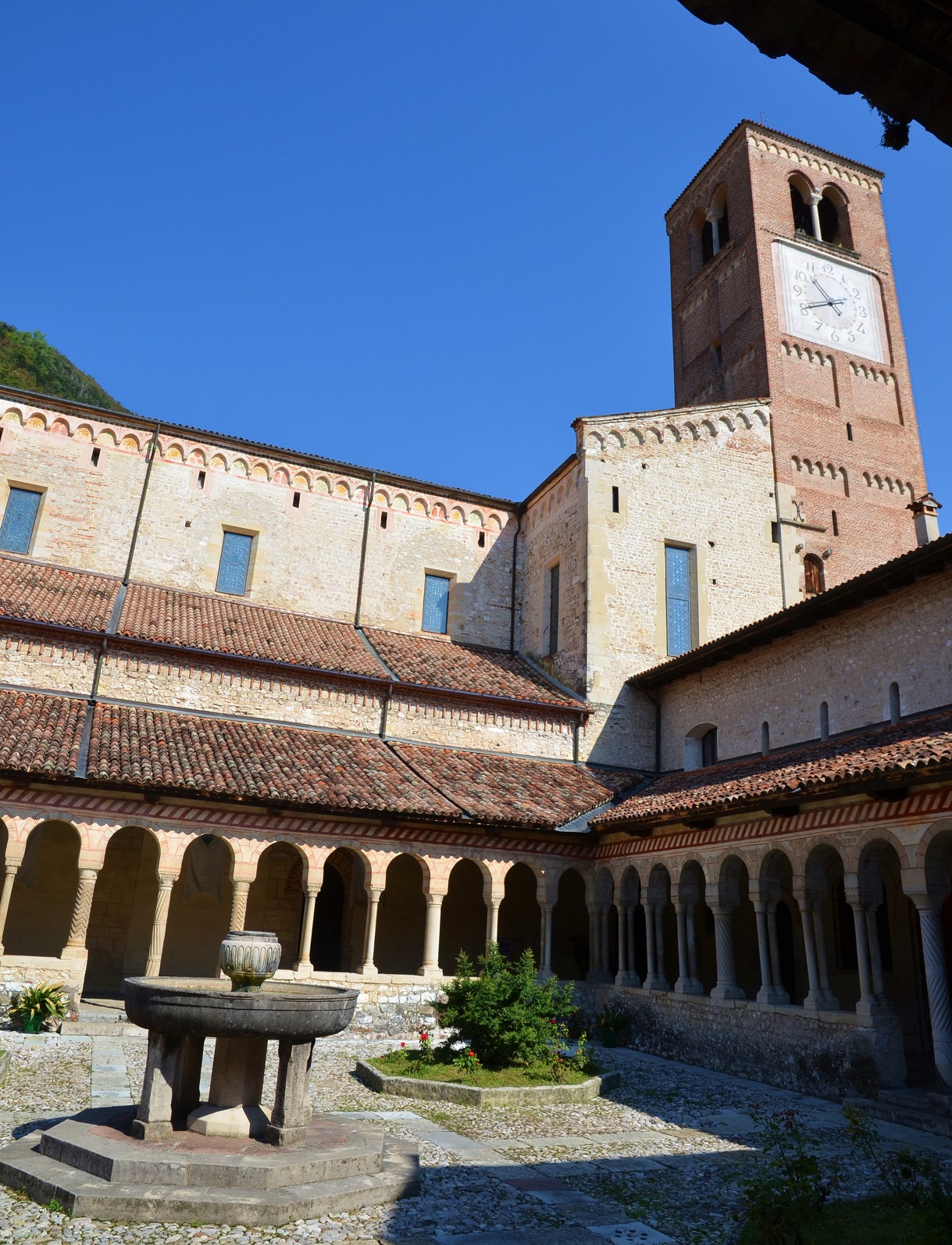
Our first planned sightseeing excursion was the Abbey of Follina, what Primo considered a not to be missed sight.  The Abbey of Santa Maria in Follina dates to the 12th Century.  The beautiful old stone structure was quiet and peaceful, and still in use today.  There was one woman inside the church praying when we arrived, but otherwise we walked through the buildings undisturbed.

The Abbey of Santa Maria in Follina

The Abbey of Santa Maria in Follina

Follina Abbey interior

Follina Abbey interior

Abbey sign

abbey

Romanesque Cloister 1268

Romanesque Cloister 1268

abbey 2

http://visittreviso.it/en/religious-sites/abbey-of-follina#.VefdbyVViko

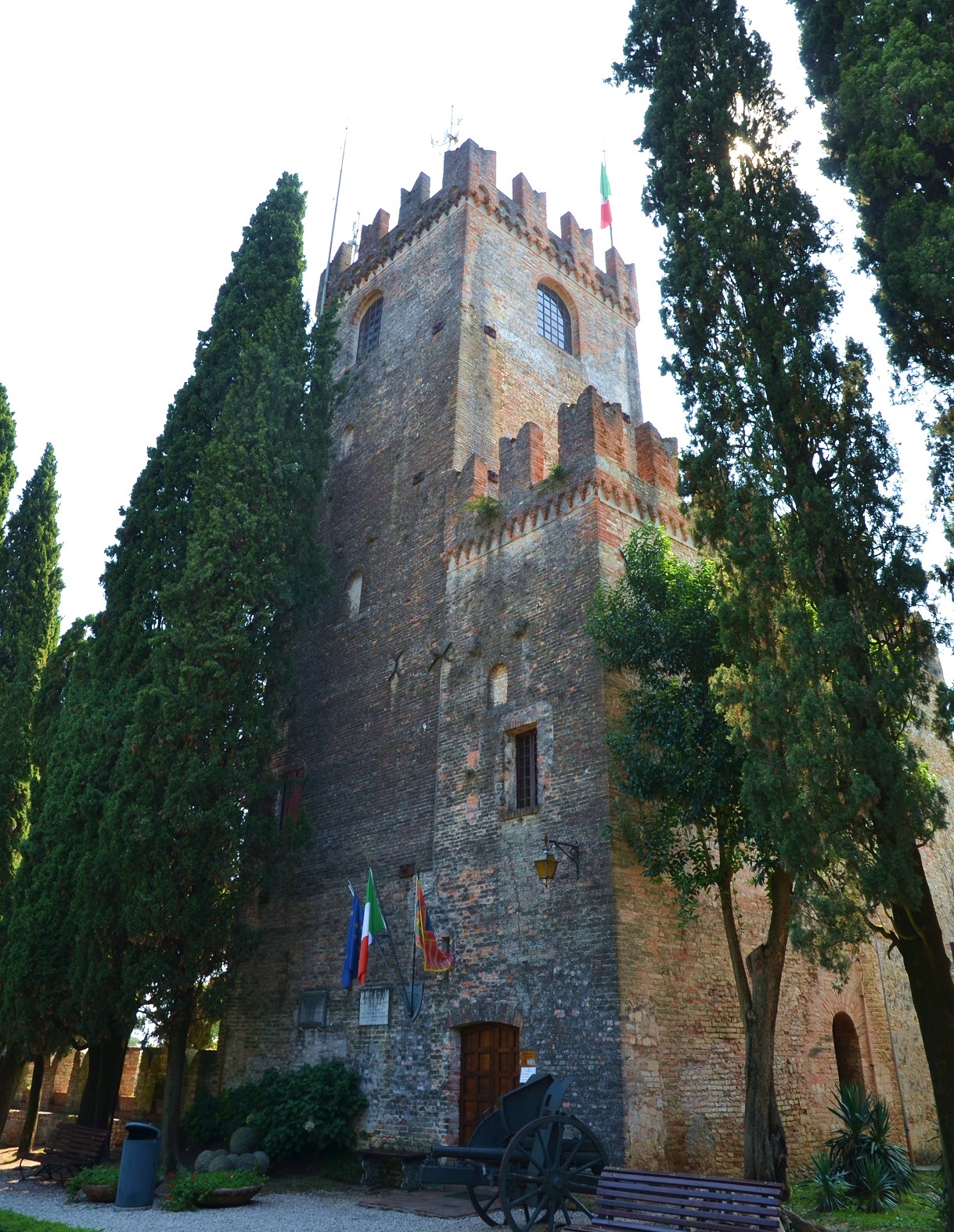
From the Abbey we continued along the wine route towards Conegliano with its castle and Wine Academy.  The road leading up to the castle on the highest point of the city was so narrow that going through the city wall we had to pull in the side mirrors on the Audi to pass through the archway.  After surviving the drive to the top we discovered that the castle was closed, and many of the shops and restaurants as well because it was Monday.  We made a quick tour of the old town area and then continued on our southward trek, as this was our day to travel the most miles.

The old castle in Conegliano

The old castle in Conegliano

castle flags

Cathedral facade in Conegliano

Cathedral facade in Conegliano

conegliano

Piazza Cima in Conegliano

Piazza Cima in Conegliano

From Congeliano we hopped onto the autostrade and made good time towards Firenze. We are staying in the small town of Fiesole/Caldine just north of Florence.  This is another property we found on VRBO.

The road leading up into the hills from Caldine to the Fattoria Il Leccio, the home of Andrea Passigli

The road leading up into the hills from Caldine to the Fattoria Il Leccio, the home of Andrea Passigli

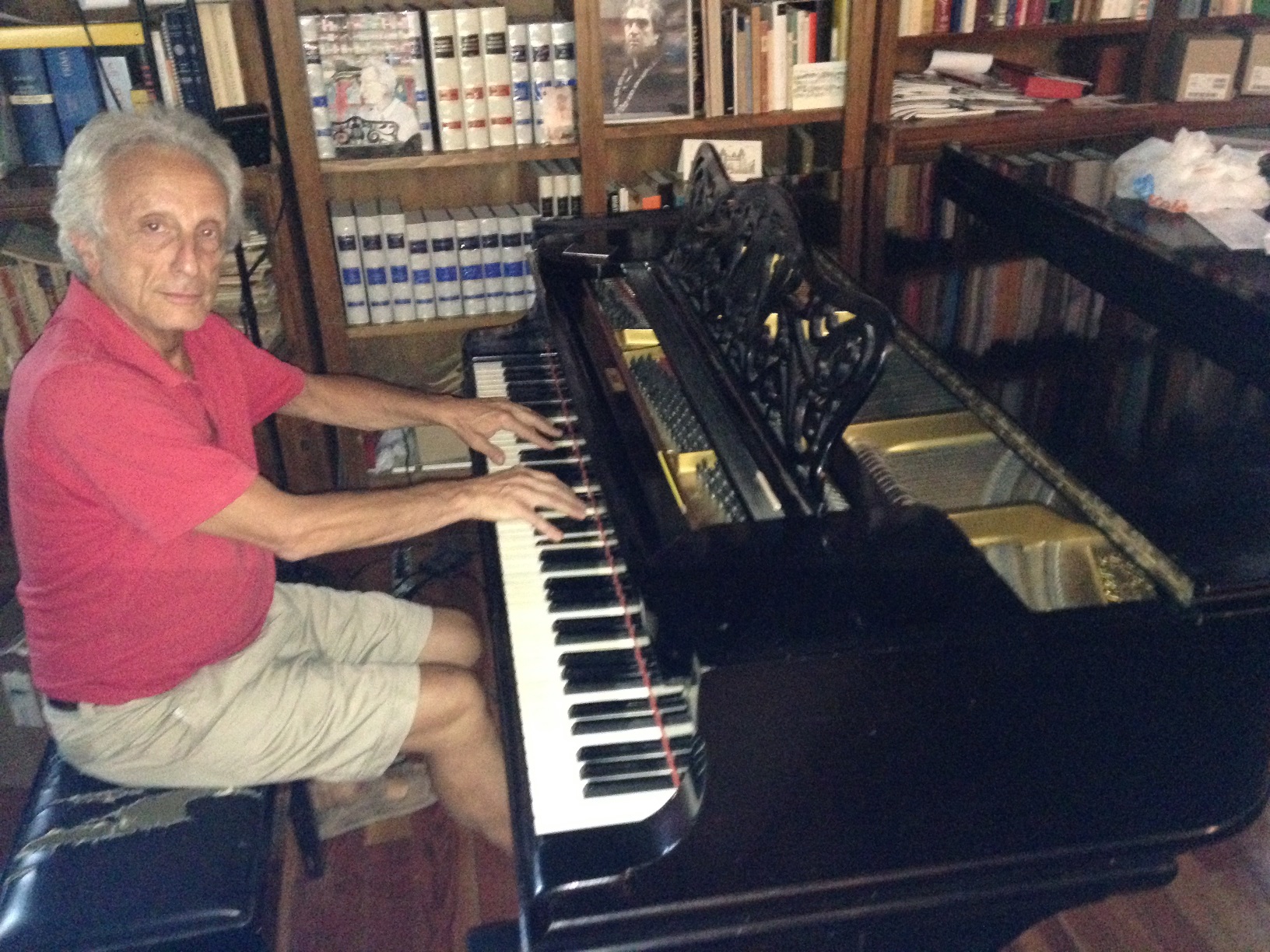
Andrea sent us detailed directions from Fiesole, and without them we never would have found the 200 year old house hidden in the olive grove.  The small, mostly gravel road took us back up into the hills from Caldine.  Andrea, a concert pianist, greeted us and gave us a tour of the farm his grandfather bought in the 1920s.  The house we are staying in was one of the original farm houses and Andrea’s studio, complete with three Steinway grand pianos, was originally part of the stables.

Andrea Passigli playing one of his pianos in his studio

Andrea Passigli playing one of his pianos in his studio

After settling in, we made our way to the local Co-Op for groceries and cooked ourselves a dinner of pasta with pesto.  We toasted the Prosecco country with the Nino Franco bottle of Prosecco given to us by Annalisa and Primo upon our departure.

Dinner on the patio

Dinner on the patio

Posted in Italy | Leave a comment

Provincia Di Treviso

Breakfast at Villa Barberina included fresh figs from the estate and jams made by Annalisa

Breakfast at Villa Barberina included fresh figs from the estate and jams made by Annalisa

Walking around the Villa Barberina estate in the early morning, I ran into Primo Franco, the owner, and his grandson.  Primo introduced his grandson as “Generation Five” and a future winemaker.  The Franco’s are a lovely couple who consider themselves blessed to have had the opportunity to acquire Villa Barberina.

Primo Franco and the fifth generation future winemaker

Primo Franco and the fifth generation future winemaker

The very gracious Annalisa Franco of Villa Barberina

The very gracious Annalisa Franco of Villa Barberina

After our breakfast at the Villa Barberina, Primo suggested we drive west out of Valdobbiadene on Sunday to tour the small town of Asolo and visit the UNESCO World Heritage site of the Villa di Maser.  So we did.

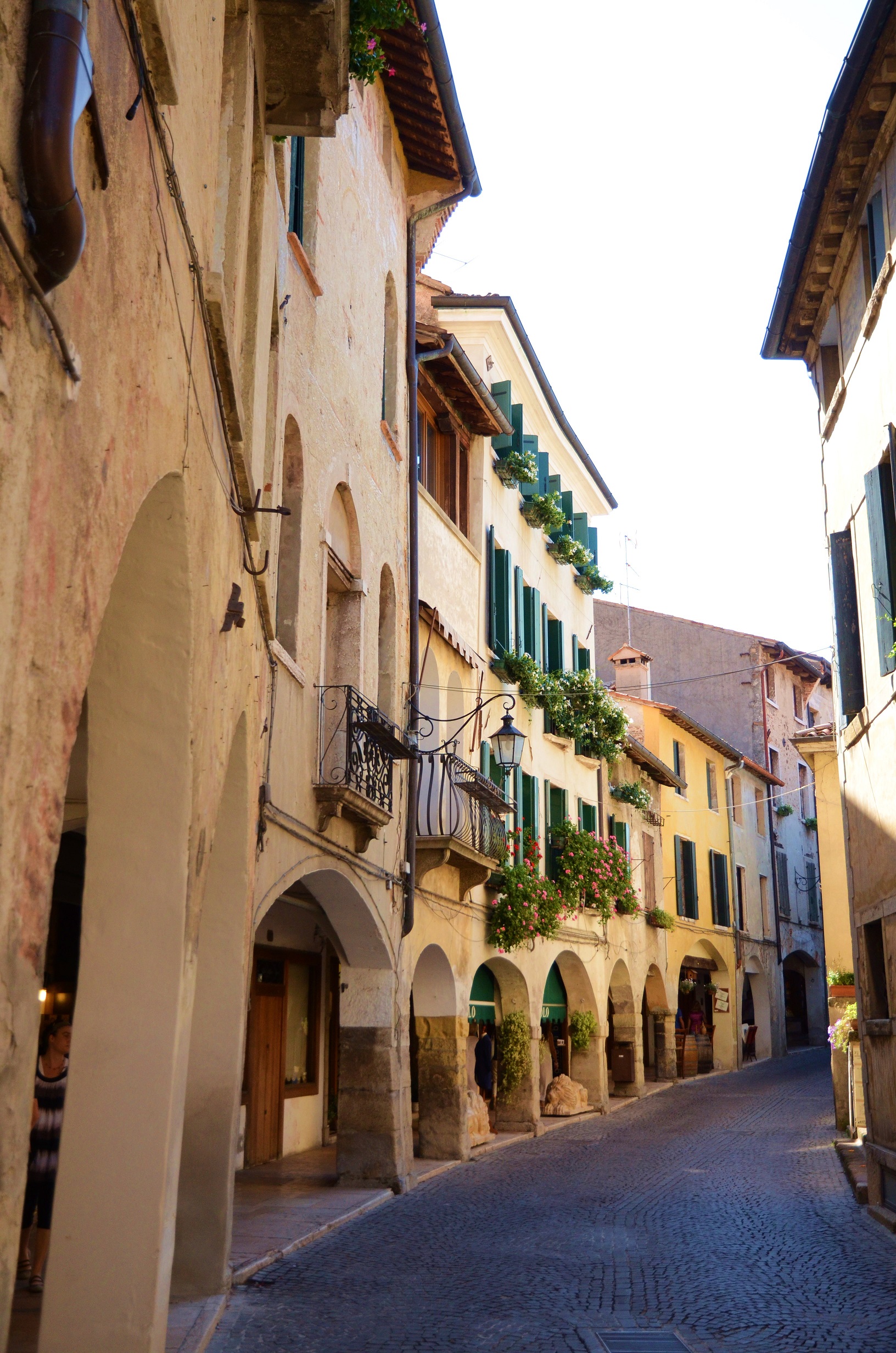
The very narrow streets of Asolo

The very narrow streets of Asolo

All the roads in this area are beautiful and a great practice course for autocross.  The small town of Asolo is mostly single lane, with a signal light and timer at each end to control the traffic.  It seems to work for everyone except the bicycles.  It appears nearly suicidal to ride bicycles on these small twisting roads  – too narrow for two cars and a bike – but they are all over.

When we arrived, the Asolo square was full of motorcyclists

When we arrived, the Asolo square was full of motorcyclists

The bikers soon geared up and roared out of town

The bikers soon geared up and roared out of town

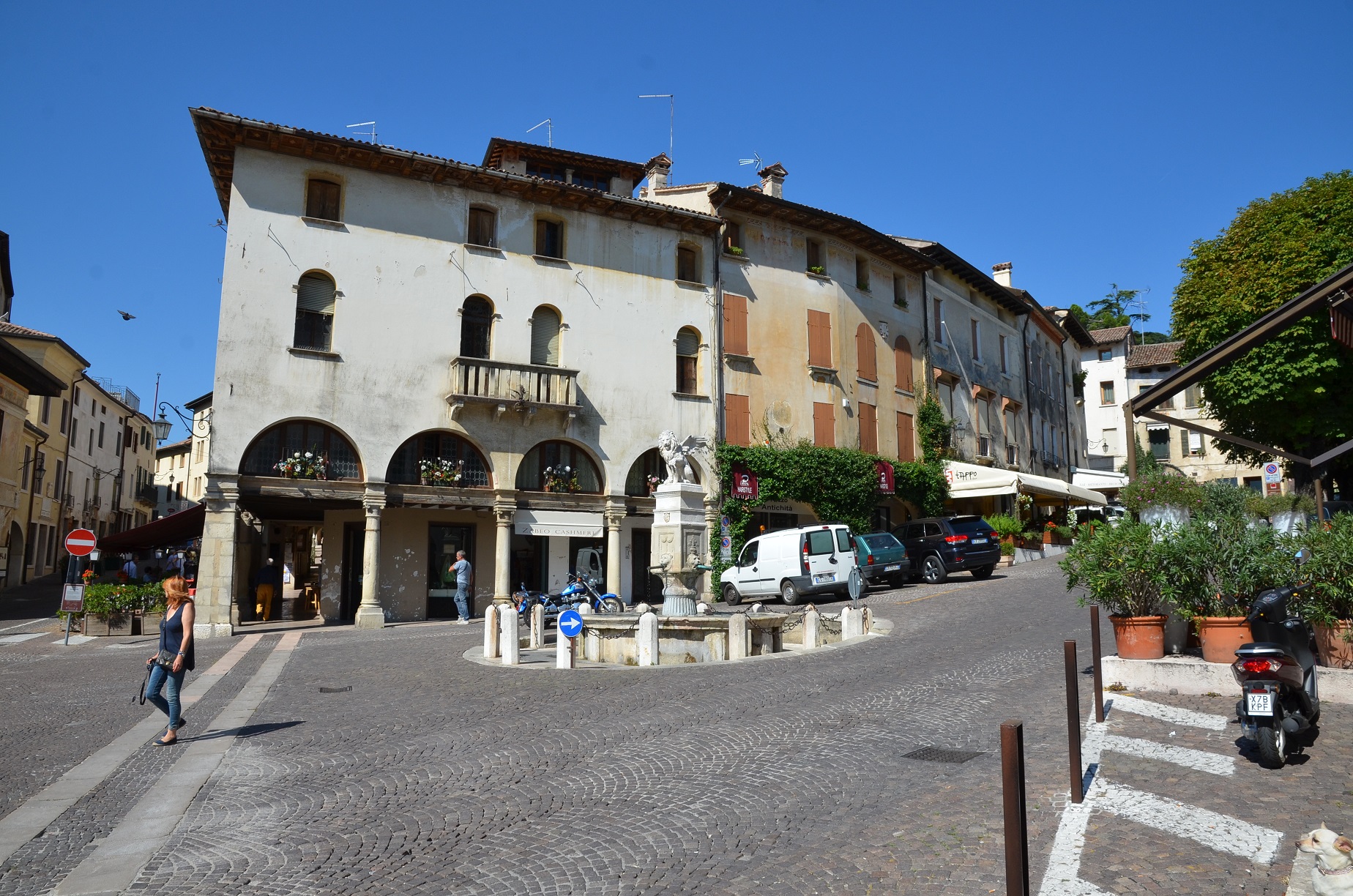
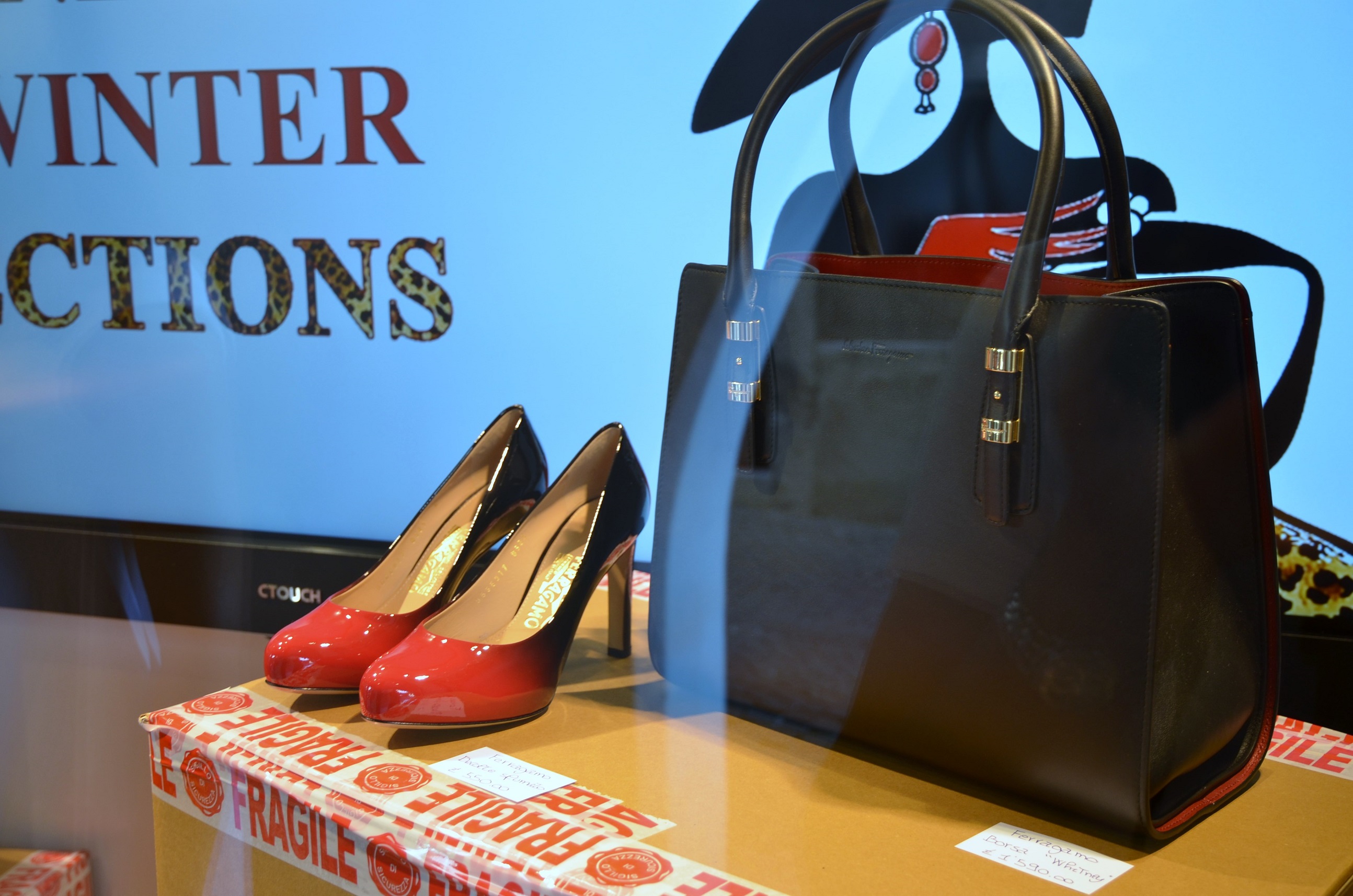
When we first arrived in Asolo, the square was filled, really filled, with joy riding motorcyclists.  It must have been a quick espresso stop, as they soon throttled up and left en masse.  We strolled the town after the departure of the bikes.  It may be a tiny little mountain town, but not too small for a Farragmo shop displaying the Fall collection.

Asolo

Asolo

The main square in Asolo

The main square in Asolo

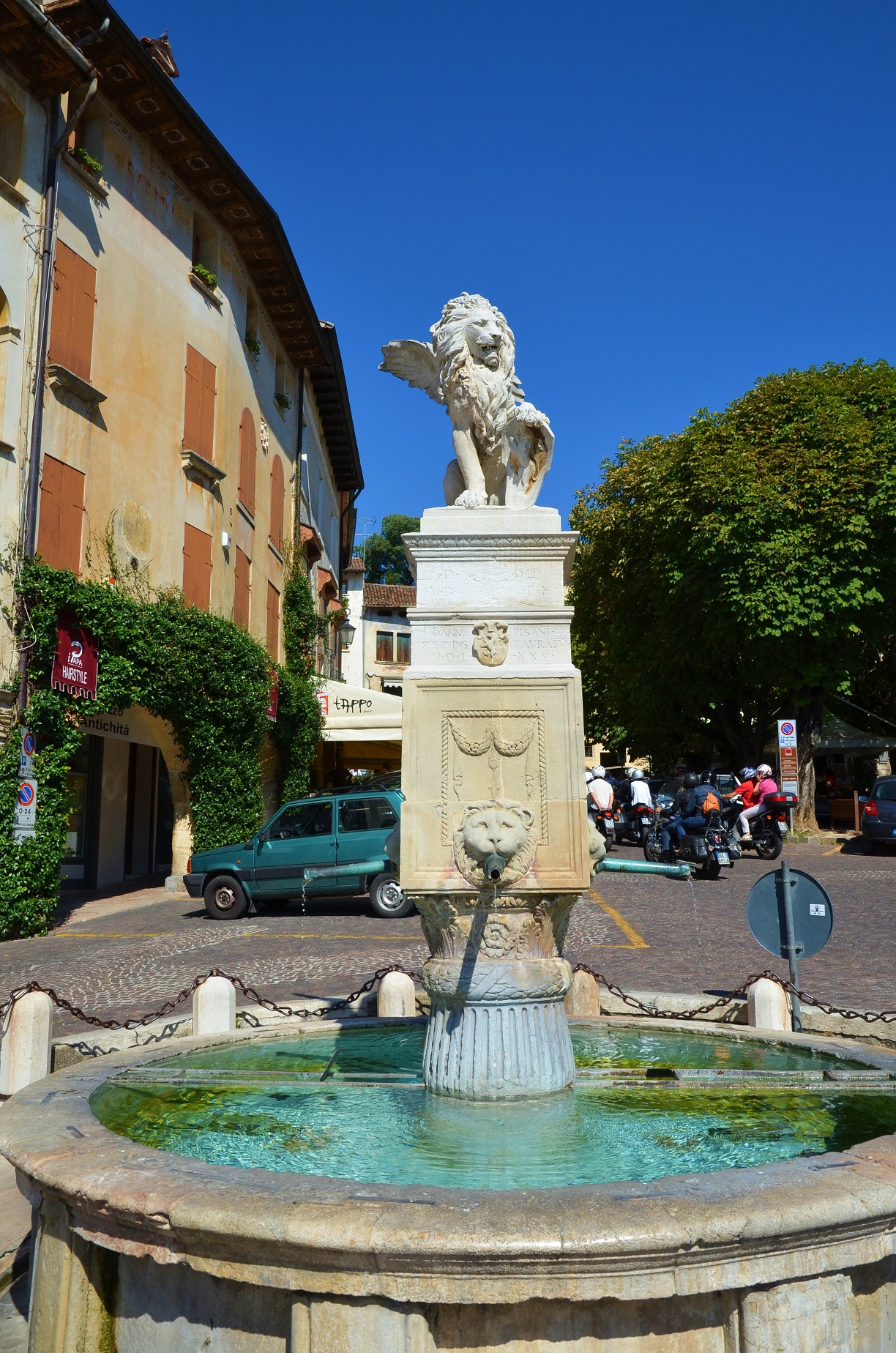
Fountain in Asolo

Fountain in Asolo

Ferragamo Fall collection in an Asolo shop window

Ferragamo Fall collection in an Asolo shop window

A solo Vespa left in Asolo after the departure of the motorcyclists

A single Vespa left in town after the departure of the motorcyclists

window

The joy of this area is the scenery and we soaked it in as we drove from Asolo to Maser.  The Villa di Maser, a UNESCO site since 1996 is occupied by its current owners.

http://www.villadimaser.it/en

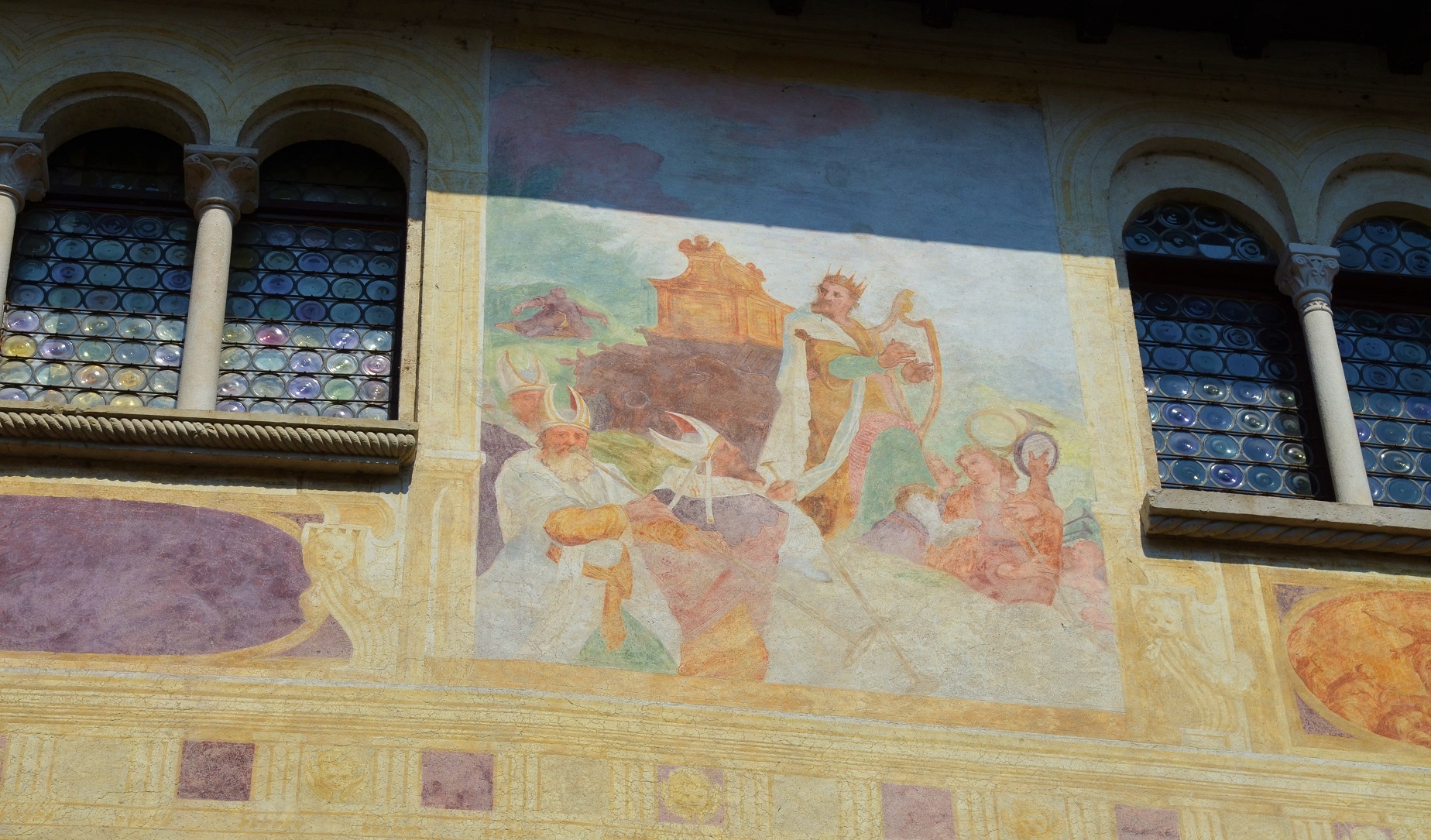
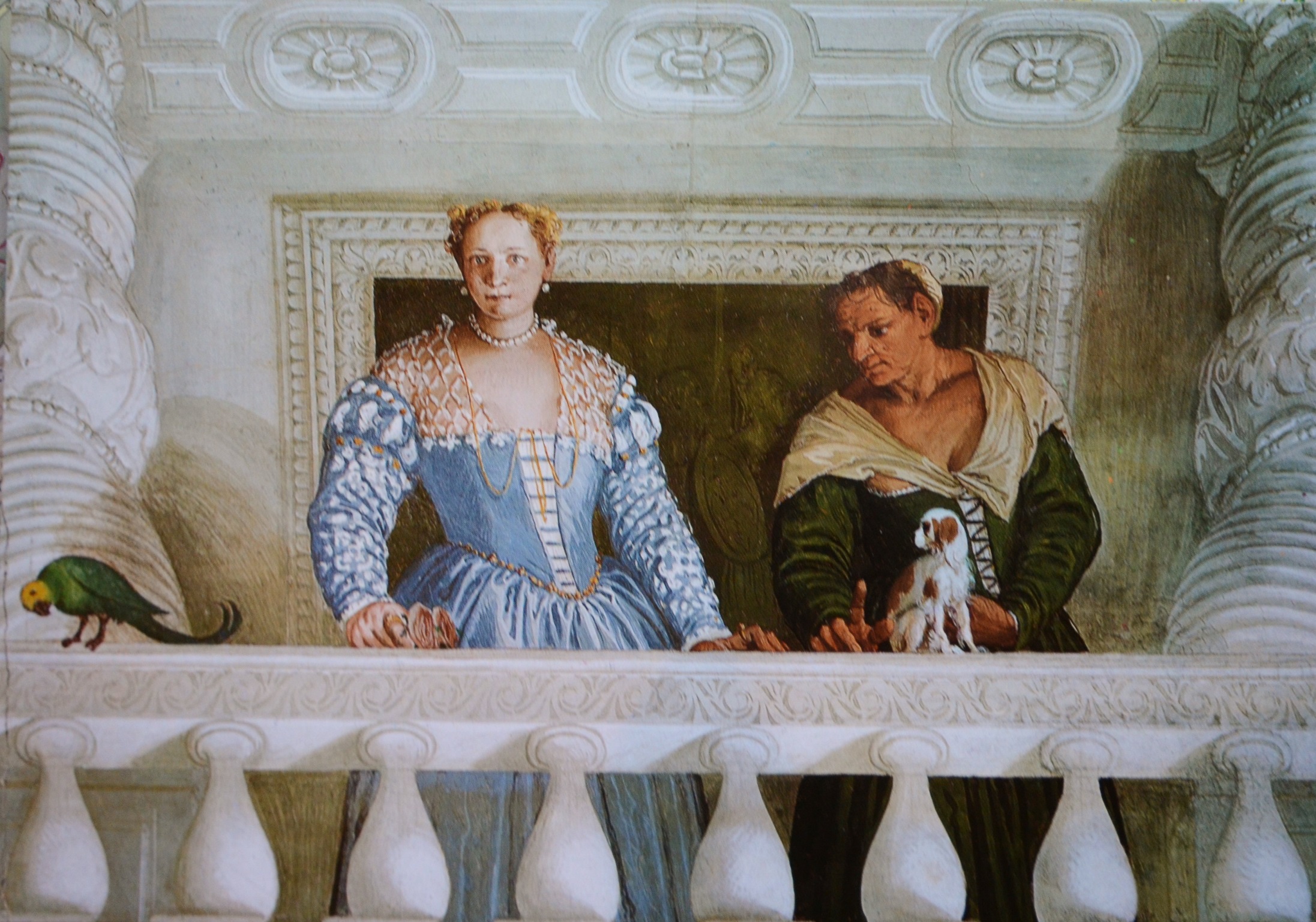
We toured the upper level open to the public with its beautiful frescoes painted by Paolo Veronese in the 16th century.    The villas was built between 1550 and 1560 for the Barbaro brothers.

Villa di Maser

Villa di Maser

Villa Di Maser

Villa Di Maser

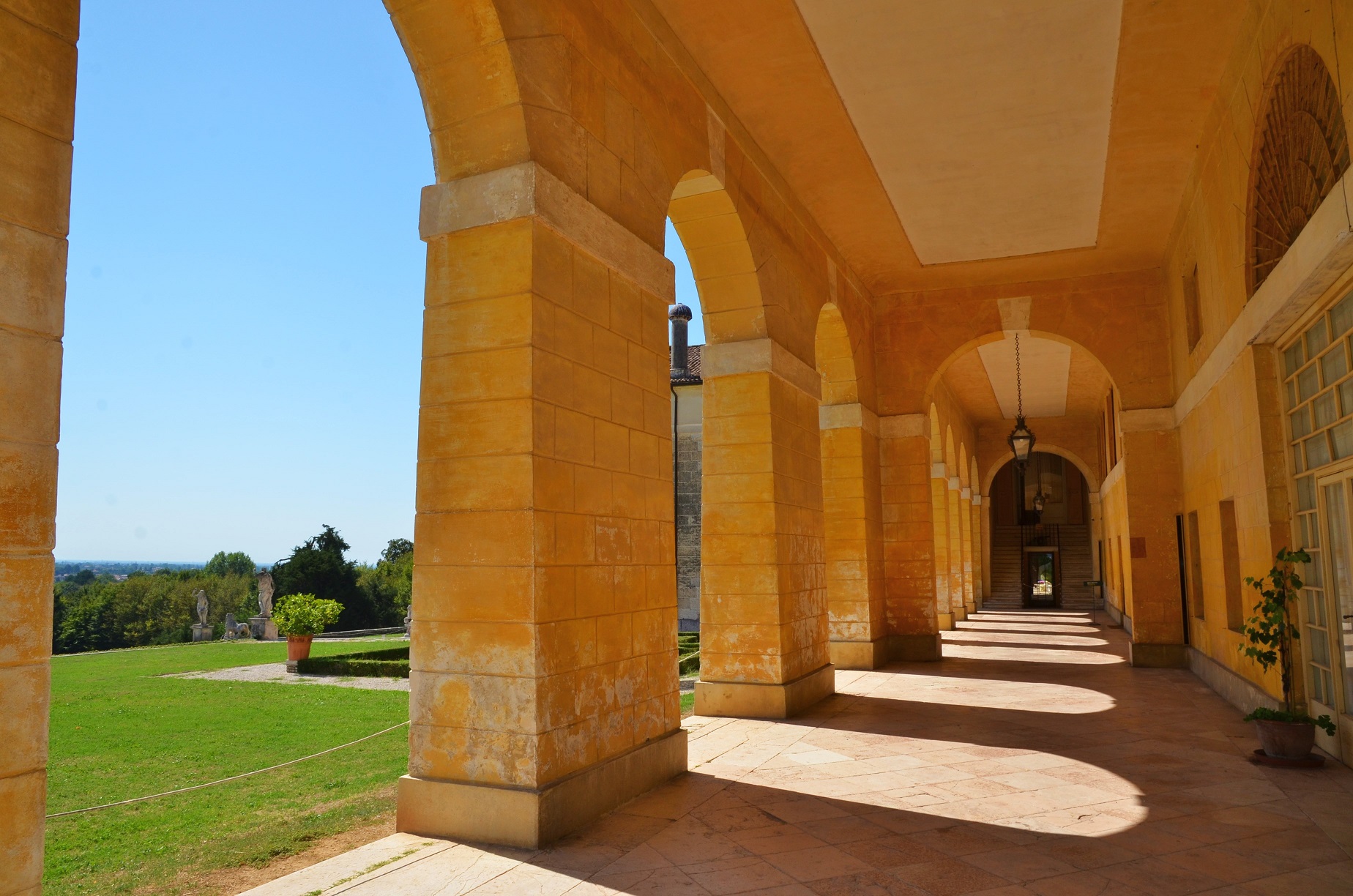
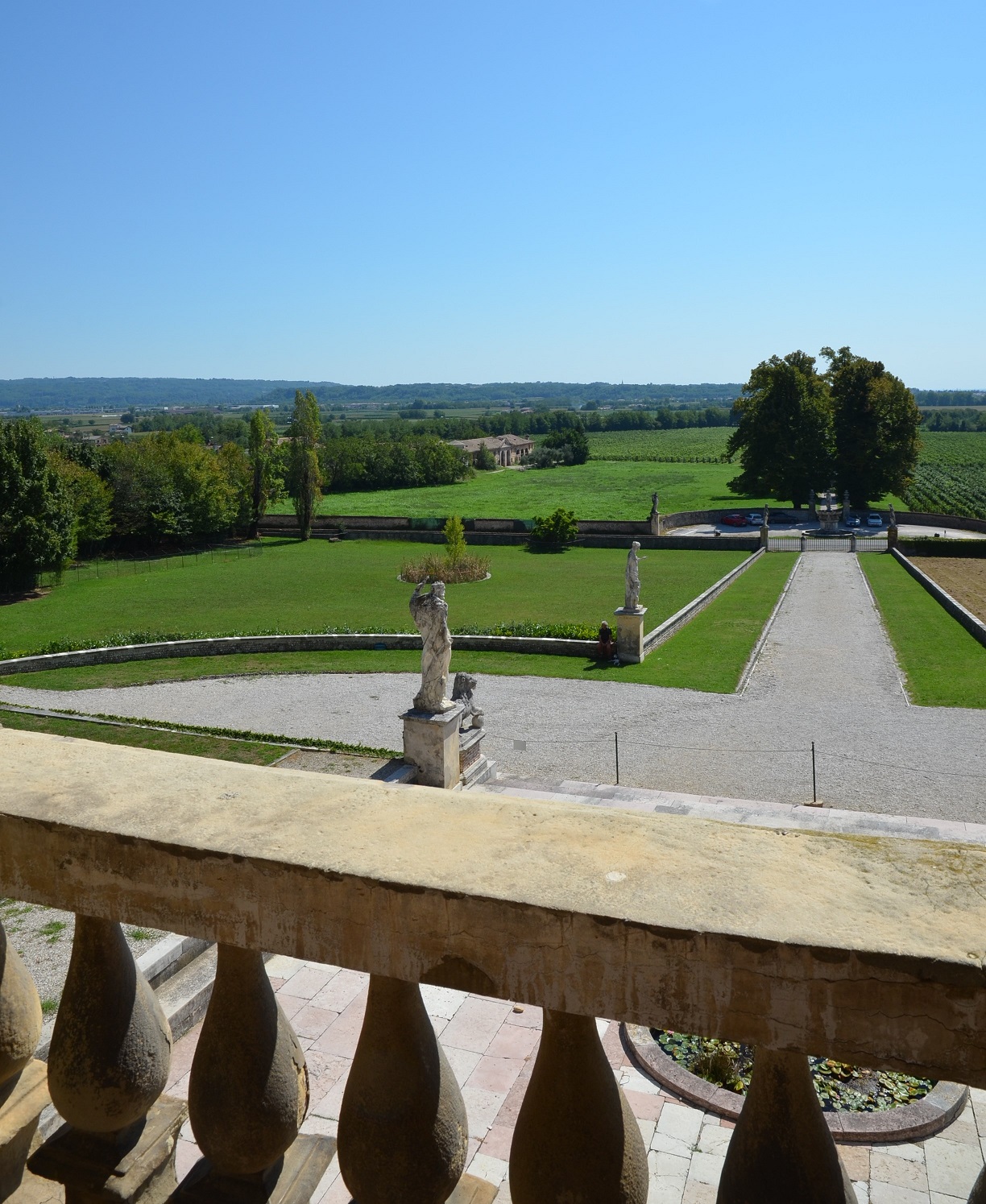
View from inside the Villa di Maser

View from inside the Villa di Maser

Paolo Veronese (1528 - 88): La moglie di Marcantonio Barbaro e Nutrice, Stanza dell'Olimpo in the Villa di Maser

Paolo Veronese (1528 – 88): La moglie di Marcantonio Barbaro e Nutrice, Stanza dell’Olimpo in the Villa di Maser

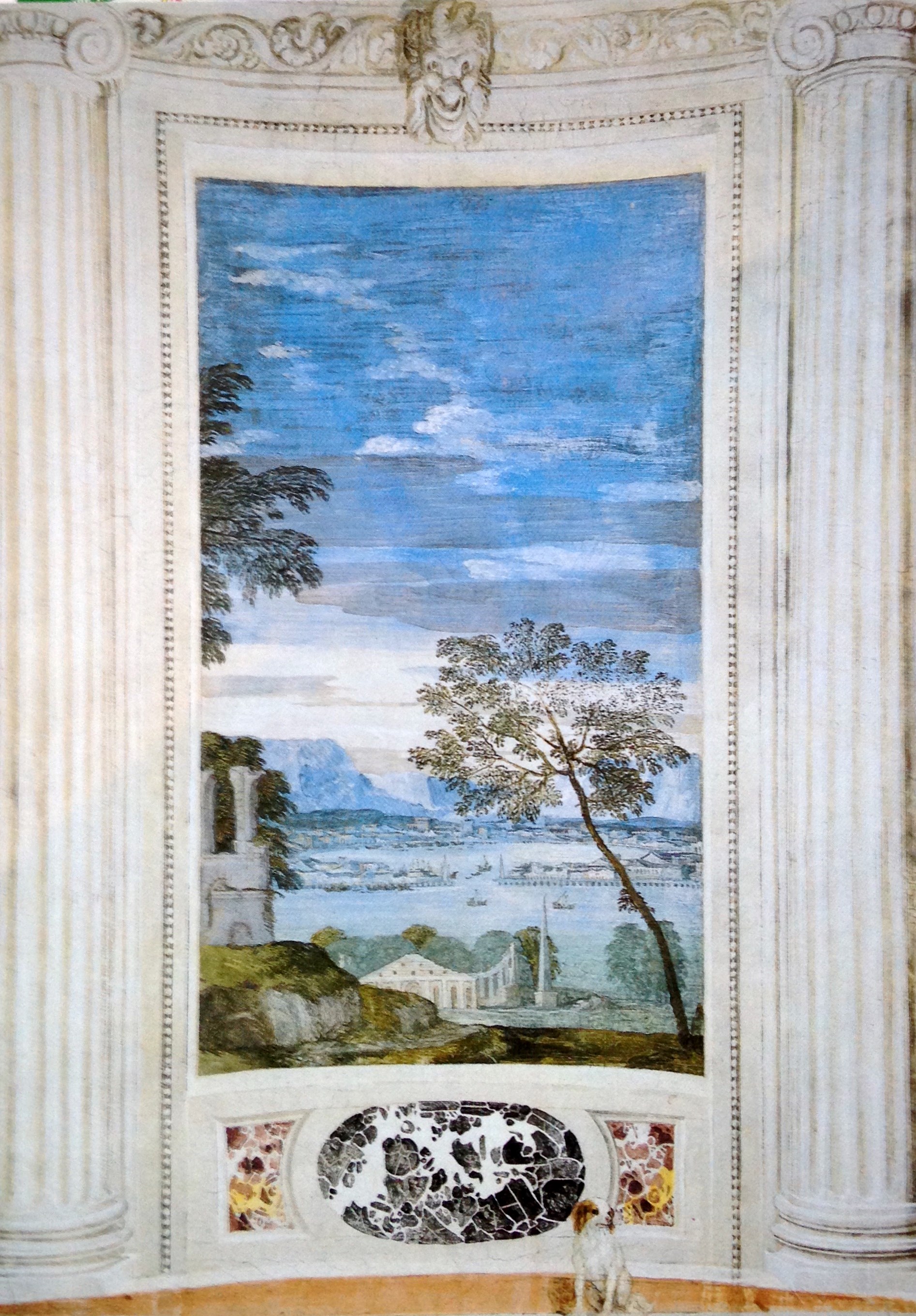
My favorite frescoe in the house, from The Room Of The Little Dog, by Paolo Veronese, Stanza del cane, Villa di Maser

My favorite frescoe in the house, from The Room Of The Little Dog, by Paolo Veronese, Stanza del cane, Villa di Maser

Presunto Autoritratto by Paolo Veronese

Presunto Autoritratto by Paolo Veronese

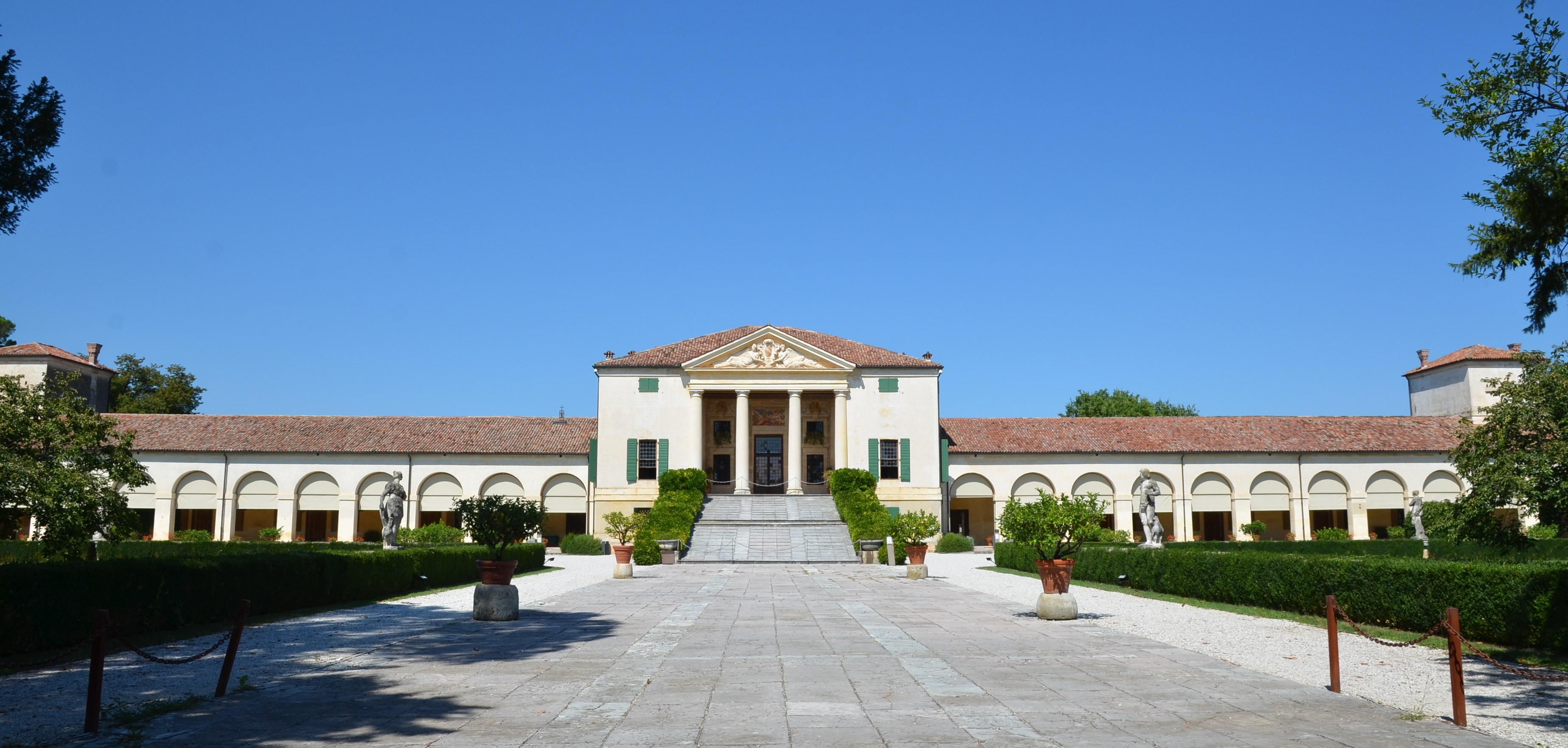
The Villa has its own vineyard and tasting room, where we sampled the extra dry and brut Prosecco.  Our plans were to also tour the Villa Emo, but we happened upon that site during the afternoon lunch time, so it was closed.

Tasting Villa di Maser Prosecco

Tasting Villa di Maser Prosecco

door

Back to the Villa Barberina and resting by the pool, which I found too cool to dip into, but not Augie.

Villa Emo, closed when we arrived for a visit

Villa Emo, closed when we arrived for a visit

Villa Barberina vineyard

Villa Barberina vineyard

pool

Posted in Italy | Leave a comment

Lizise, Malcesine, Riva del Garda, and over the mountains to Valdobbiadene

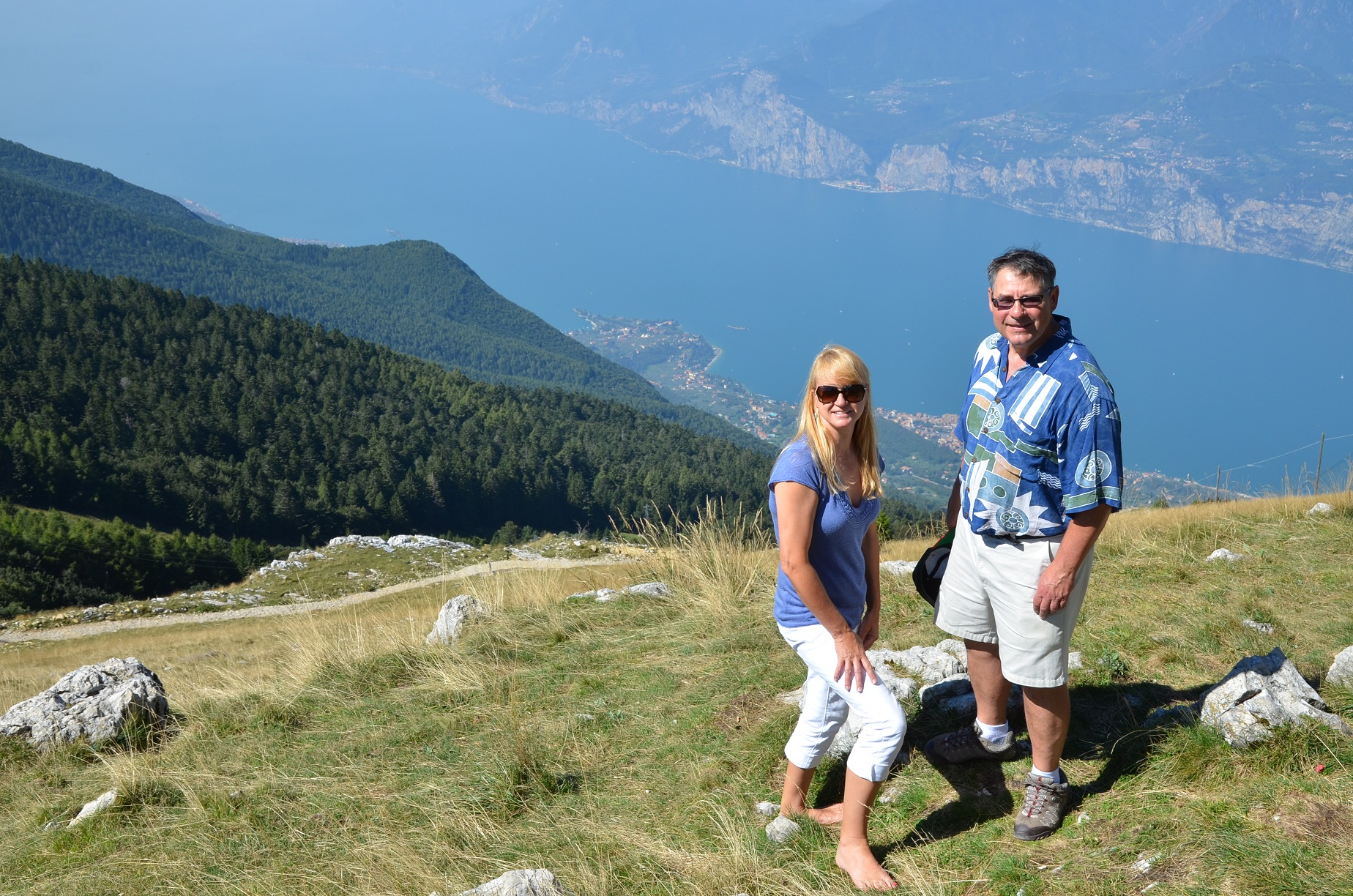
Me and Augie from on top of Monte Baldo looking out over Lake Garda

Me and Augie from on top of Monte Baldo looking out over Lake Garda

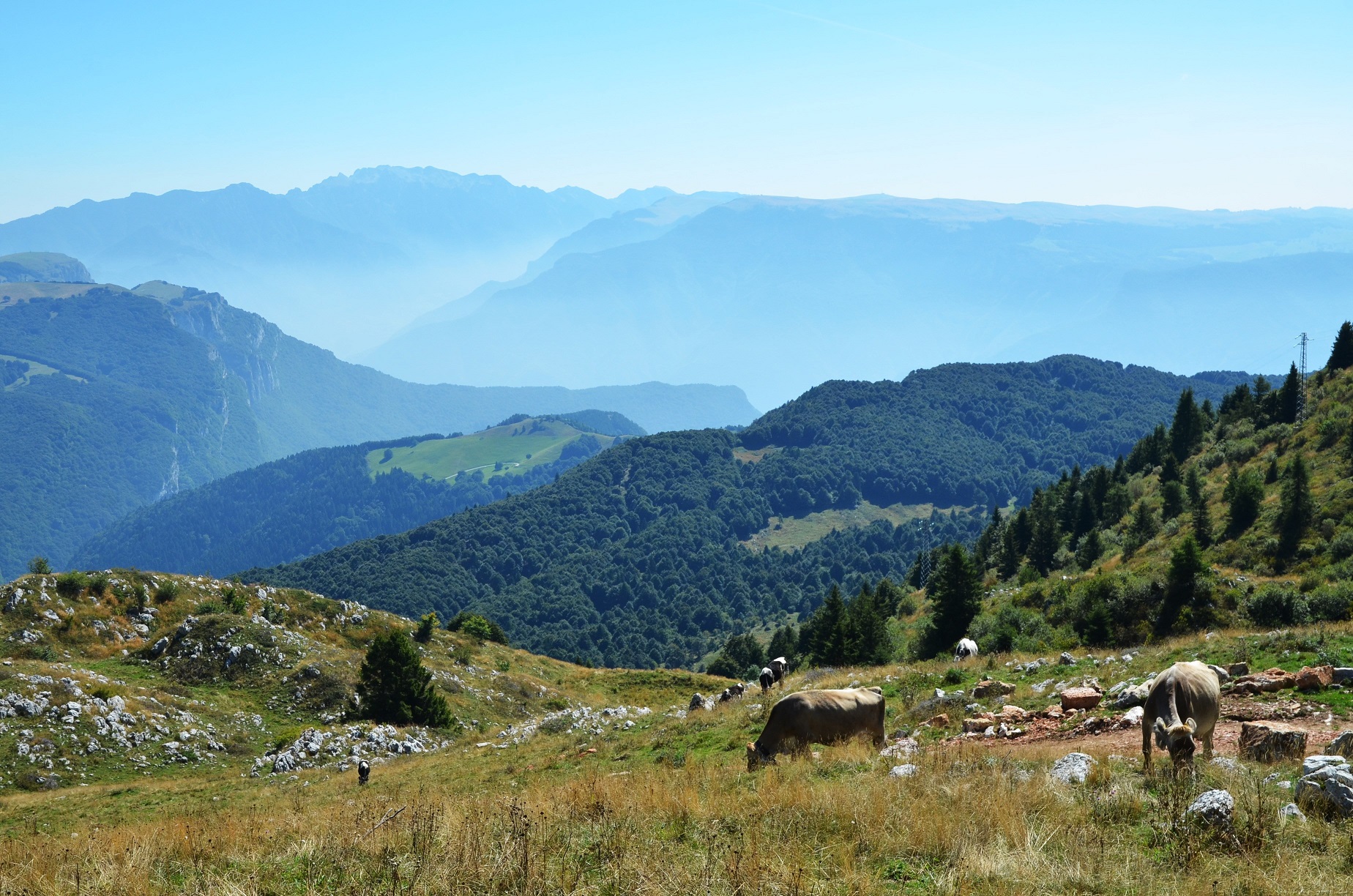
We departed Lizise headed north along the east side of Lake Garda.  It was a small two lane road, mostly, that would be a great motorcycle road if there was no traffic.  Our first stop was in the small town of Malcesine, where we boarded the funivia lift up to the peak of Monte Baldo.  I’m still trying to figure out if we were in the foothills of the Dolomites or not, but the scenery really reminded me of the Alps.  At the top you are at the 1790 meter level.

DSC_2226

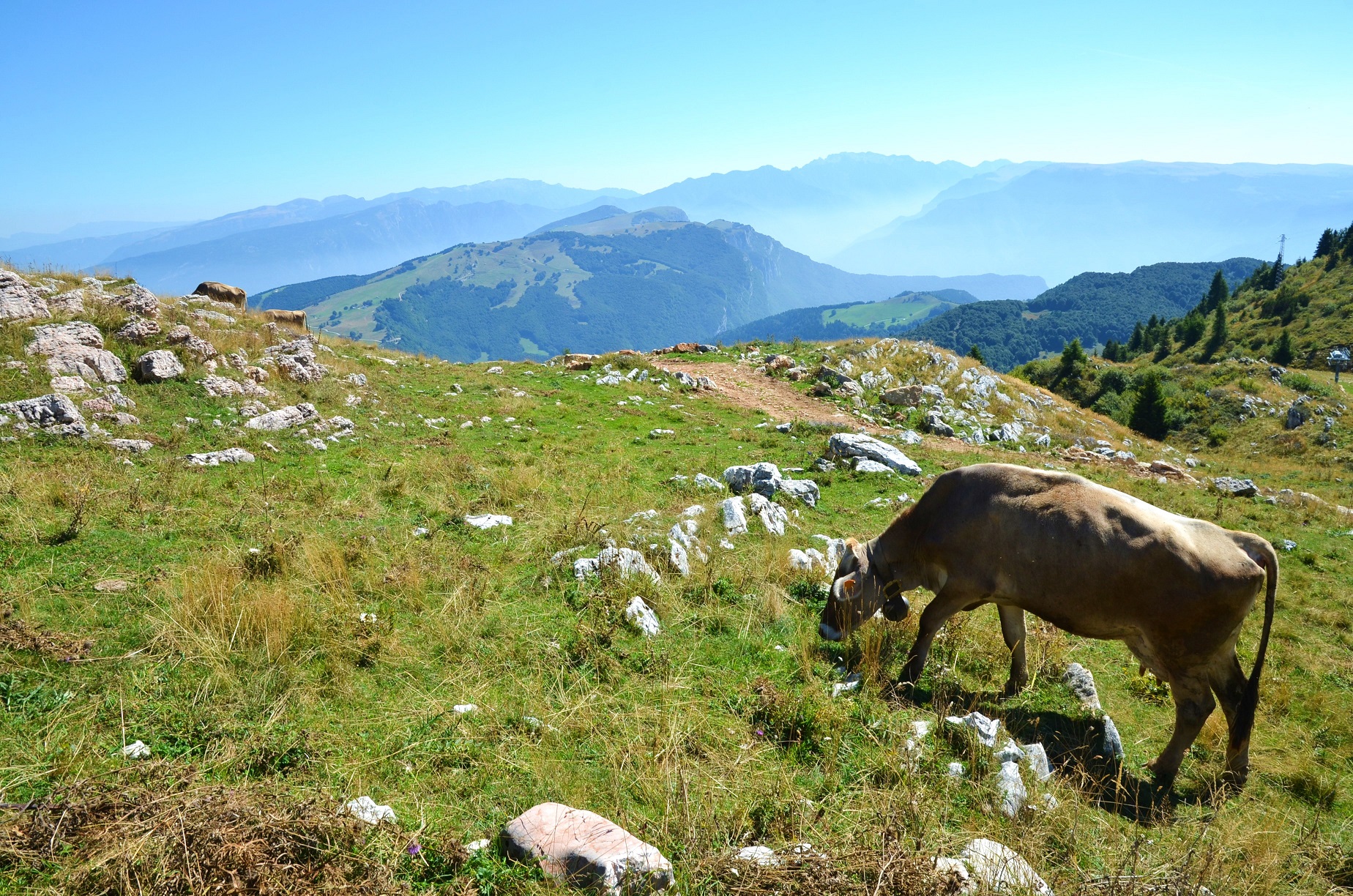
We followed a few hiking paths, and I followed a few cows, many wearing large bells you can hear from quite a distance.  It was a pleasant temperature at the top and the views spectacular.

Funivie del Baldo

Cows with bells in the mountains

Cows with bells in the mountains

DSC_2242

After our brief but relaxing mountain expedition we continued northbound on the narrow winding road, all the while wishing for empty roads.  (At least I was wishing for empty roads, but Augie and Teresa may have been happy for the cars impeding my ability to open up that turbo diesel Audi A6 to see what it could do.)  It could have been a very fun road in addition to the very scenic road that it was.  We had planned all along for a lunch stop in Riva del Garda, the northern most lake town.

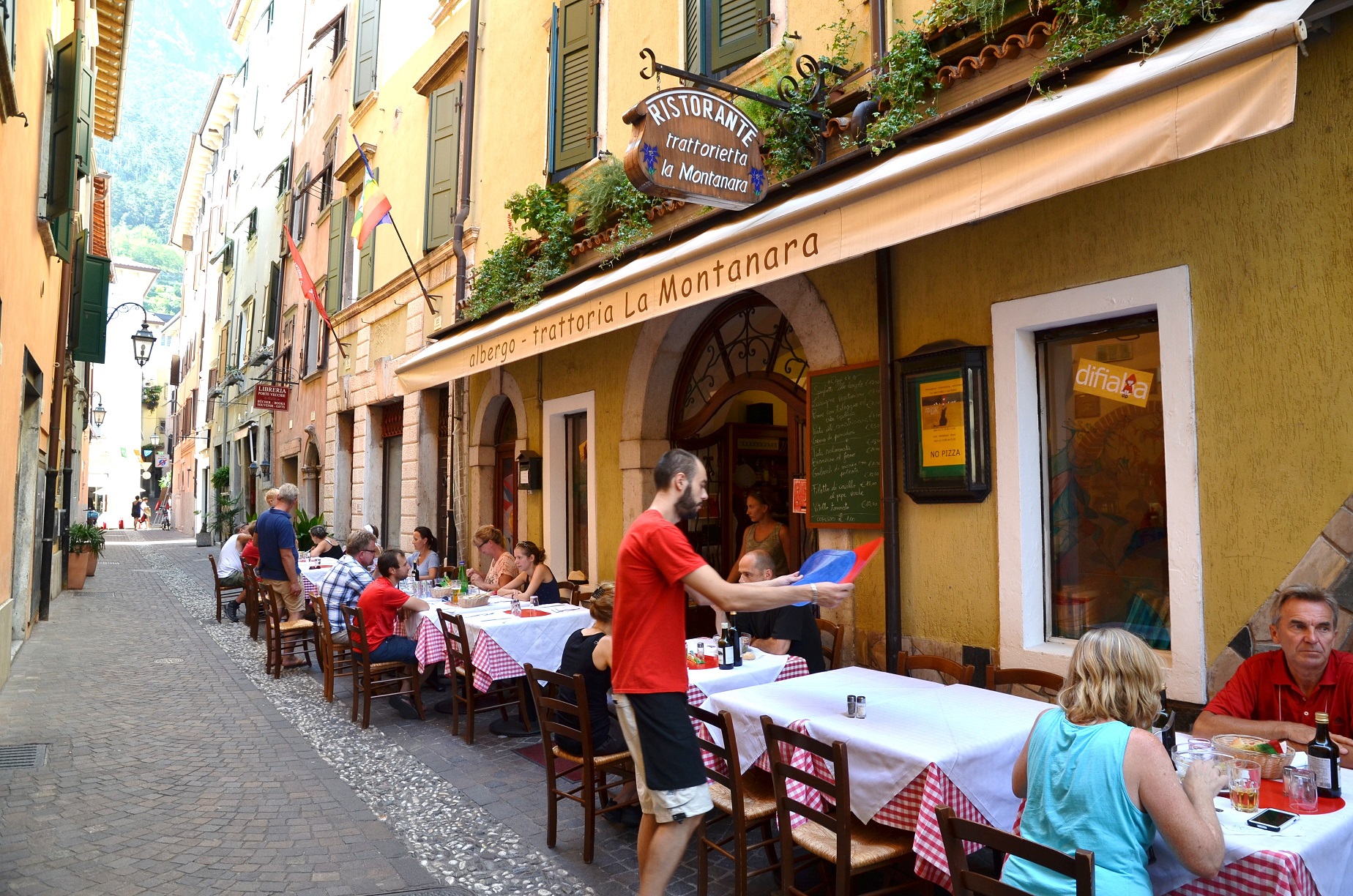
Lunch spot in Riva del Garda

Lunch spot in Riva del Garda

Local version of a Caprese Salad using black tomatoes

Local version of a Caprese Salad using black tomatoes

We were not disappointed when we found a small restaurant and enjoyed a tasty local rendition of a Caprese Salad with black tomatoes and a soft local cheese topped with olives.

Looking south from Riva del Garda onto Lake Garda

Looking south from Riva del Garda onto Lake Garda

Pretty colors on the buildings

Pretty colors on the buildings

Riva del Garda waterfront

Riva del Garda waterfront

The real driving fun started as we headed inland towards Trento.  We bravely departed from the main road and pointed the Audi into the hills and onto the back roads.  They were single lane and in one spot there were mirrors at every corner to watch for oncoming cars.  Luckily, the roads were mostly empty and we could have some fun.  It was very beautiful and could only have been better if we’d been in a more sporty vehicle (something like an Aston Martin – which we saw – or maybe a new F-Type Jaguar).

This is NOT a single lane road, this is actually the main road for two cars. But you are lucky if you don't meet anyone coming from the other direction

This is NOT a one way street, but rather the main road for two cars. You are lucky if you don’t meet anyone coming from the other direction

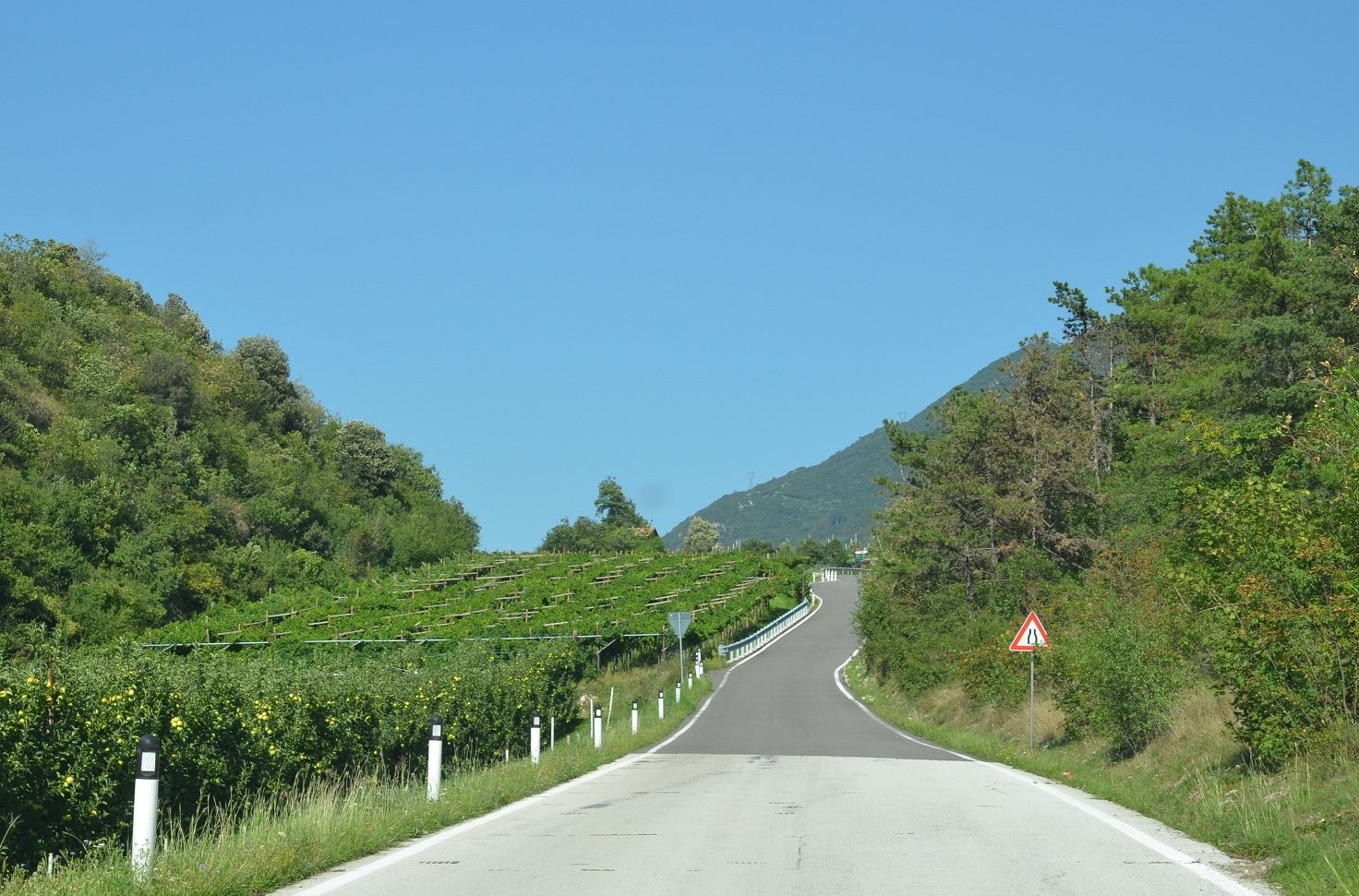
Typical looking road through the mountains

Typical road through the mountains

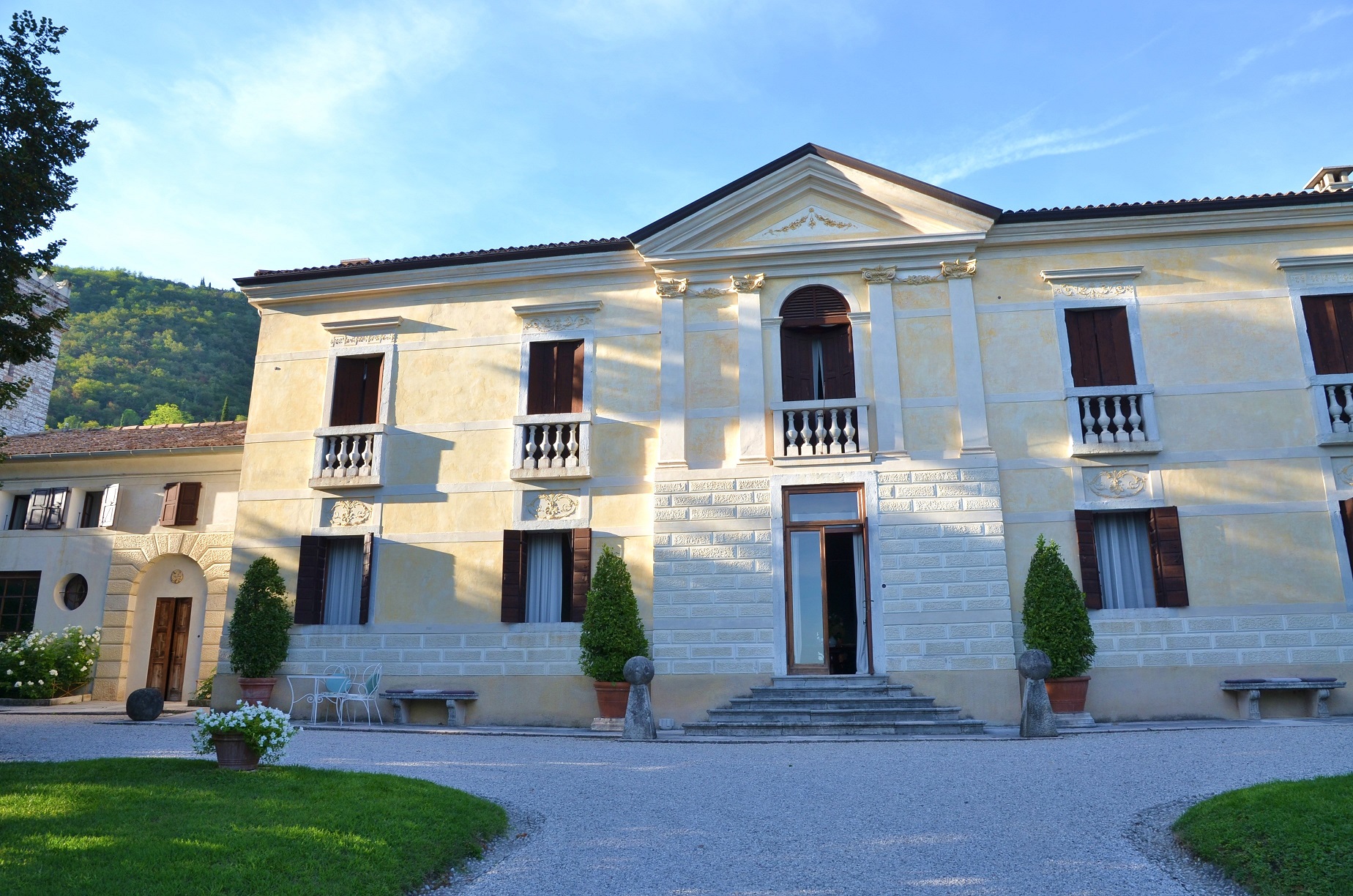
Our final destination was the small Prosecco area town of Valdobbiadene.  We were staying in the Villa Barberina and had arranged to arrive around 5 pm, which worked out well.  Annalisa Franco, owner and proprietor, was there to greet us.  The Villa Barberina is heaven on earth, a true Venetian Villa surrounded by vines and nestled into the foothills.  Annalisa and Primo Franco were the perfect hosts and I couldn’t have been happier with the accommodations.

http://www.villabarberina.it/en/index.html

Valdobbiadene from the hills above

Valdobbiadene from the hills above

The Villa Barberina

The Villa Barberina

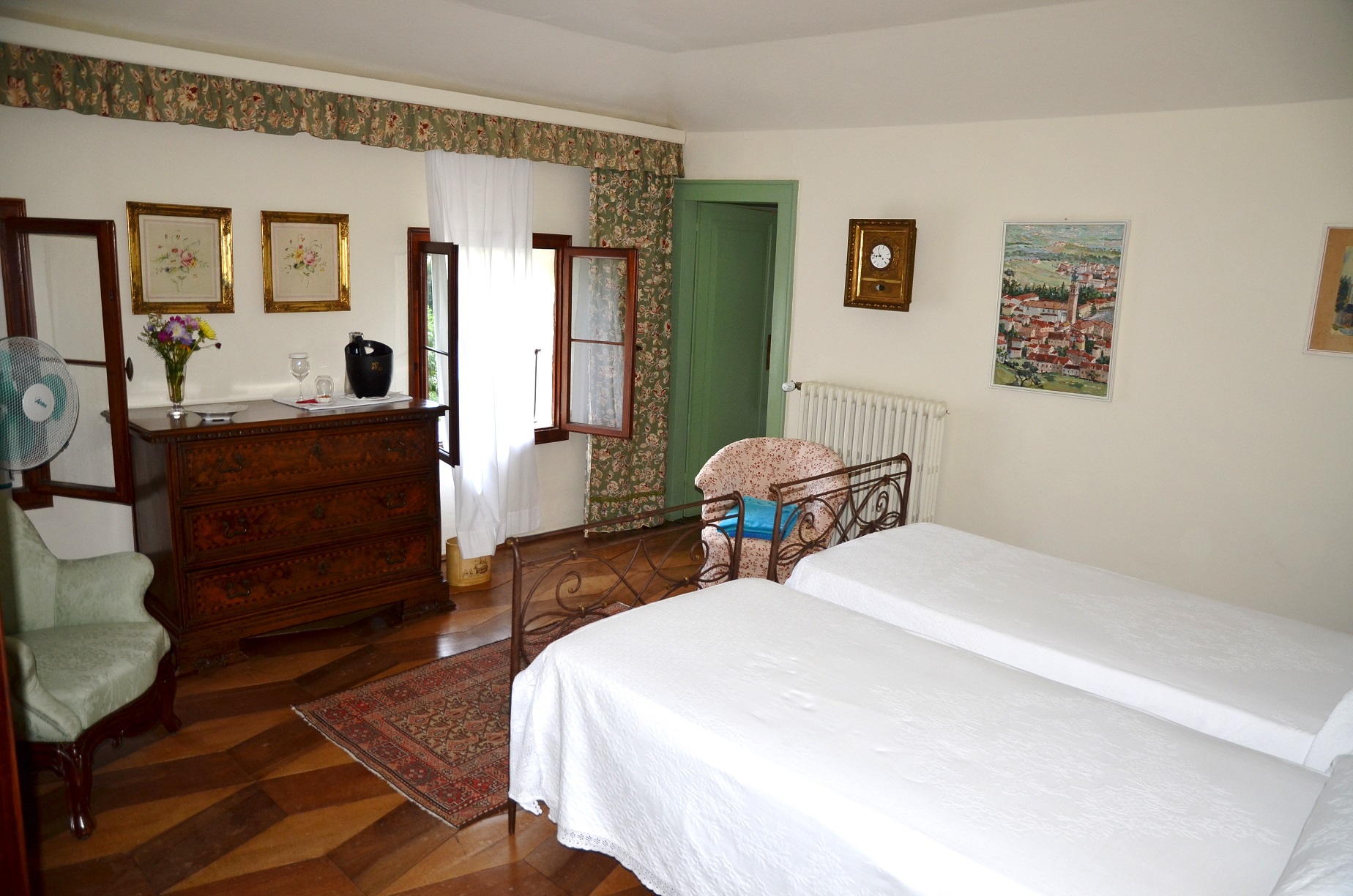
After settling into our rooms (mine was adorable), we walked into town for yet another pasta dinner with local Prosecco.

My cute room in the historic Villa Barberina

My cute room in the historic Villa Barberina

DSC_2343

More pasta and the local specialty, Prosecco

More pasta and the local specialty, Prosecco

Posted in Italy | Leave a comment

Images of Lizise, Italy

Early morning

Early morning

reflections

City wall

City wall

Morning bikes

Morning bikes

Boats

Boats

City sign.  Photo credit Teresa Favazza

City sign. Photo credit Teresa Favazza

Street design

Street design

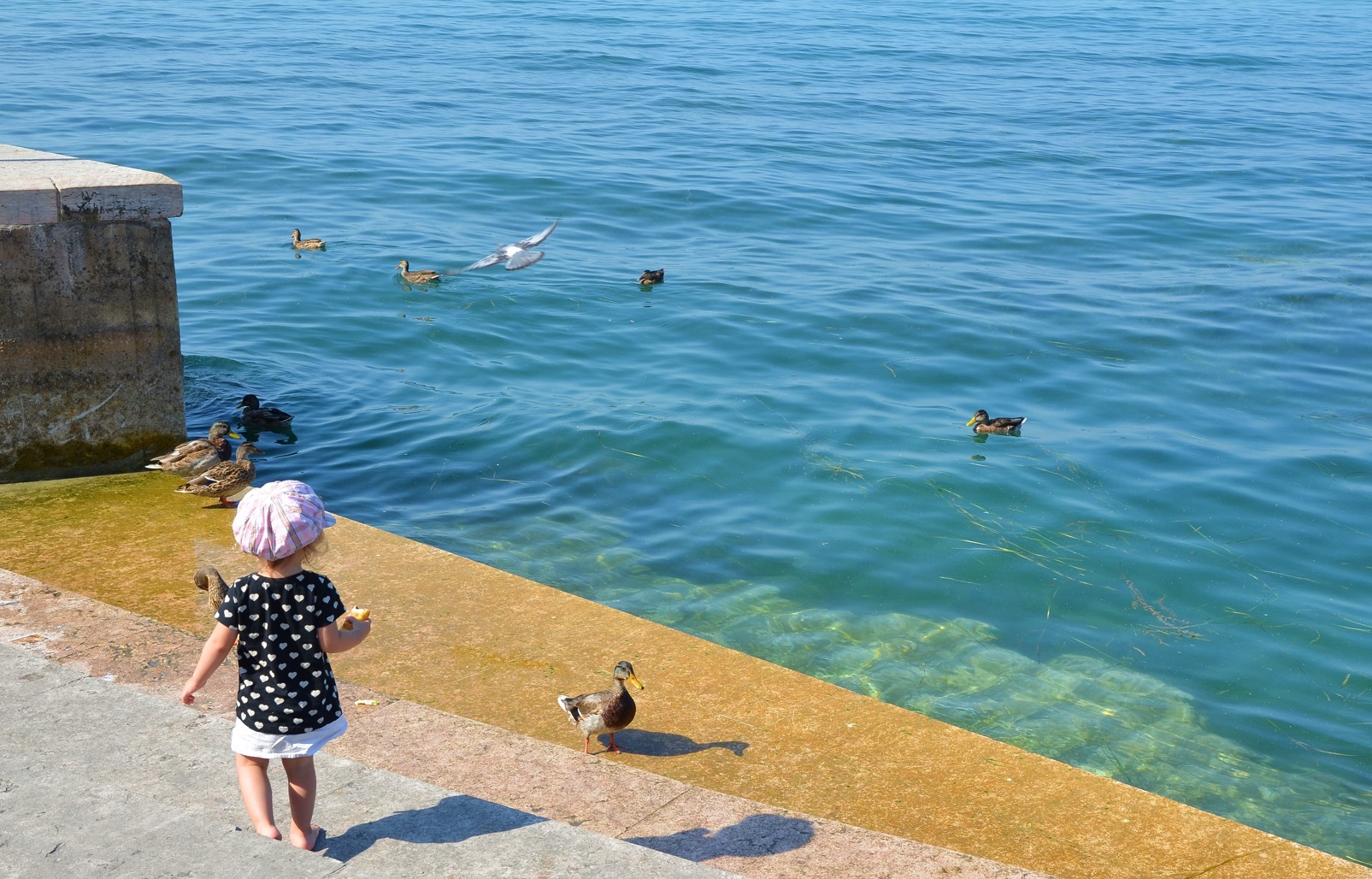
Feeding ducks

Feeding ducks

table

boat

Piazza Vittorio Emanuele

Piazza Vittorio Emanuele

Dinner of pizza and local wine

Dinner of pizza and local wine

winged lion

Evening

Evening

Sunset crowd

Sunset crowd

gelato

gelato

waterfront gelato

Gelato lady

Gelato lady

Sunset

Sunset

Posted in Italy | 1 Comment

Sirmione, Italy

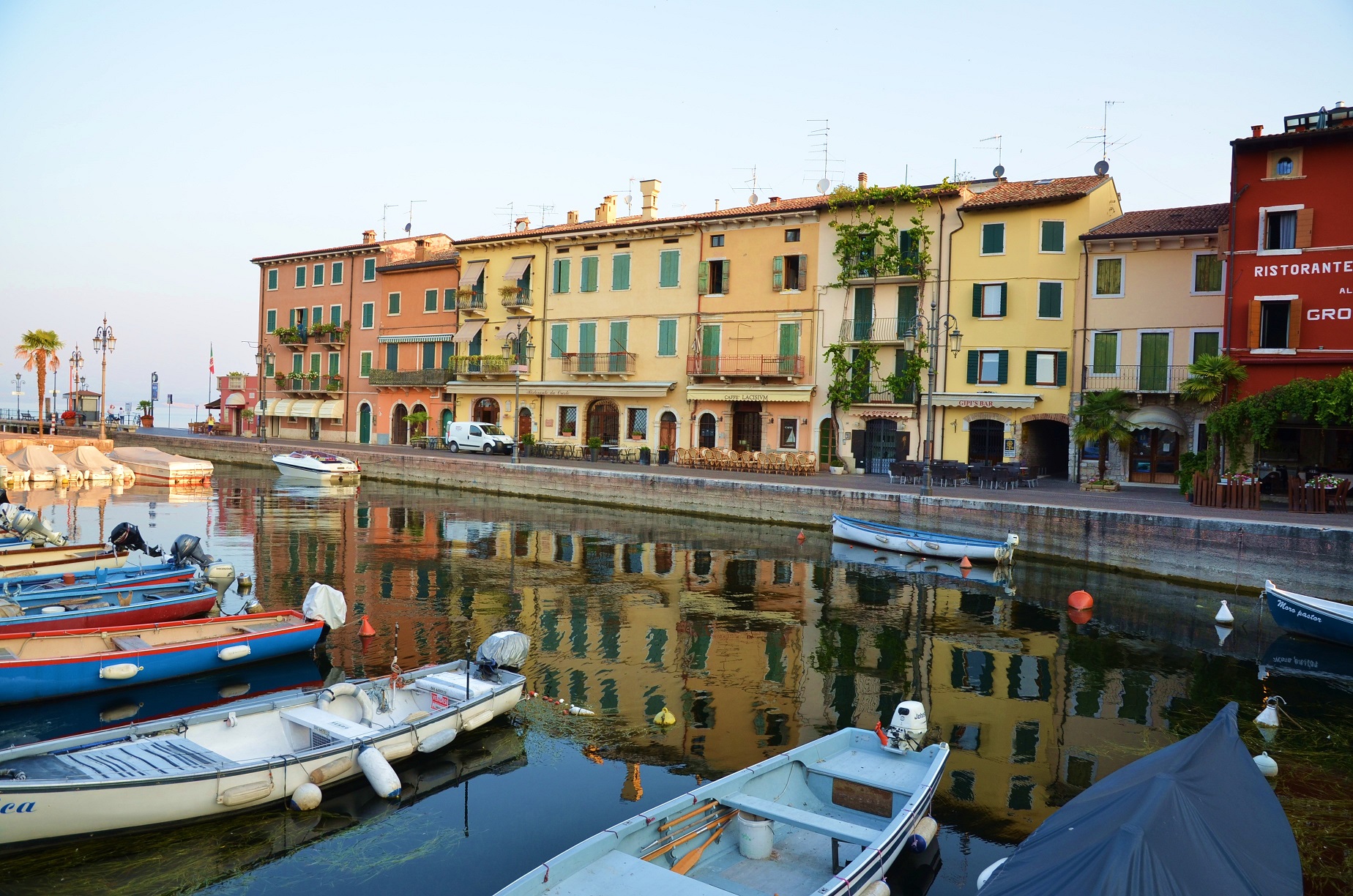
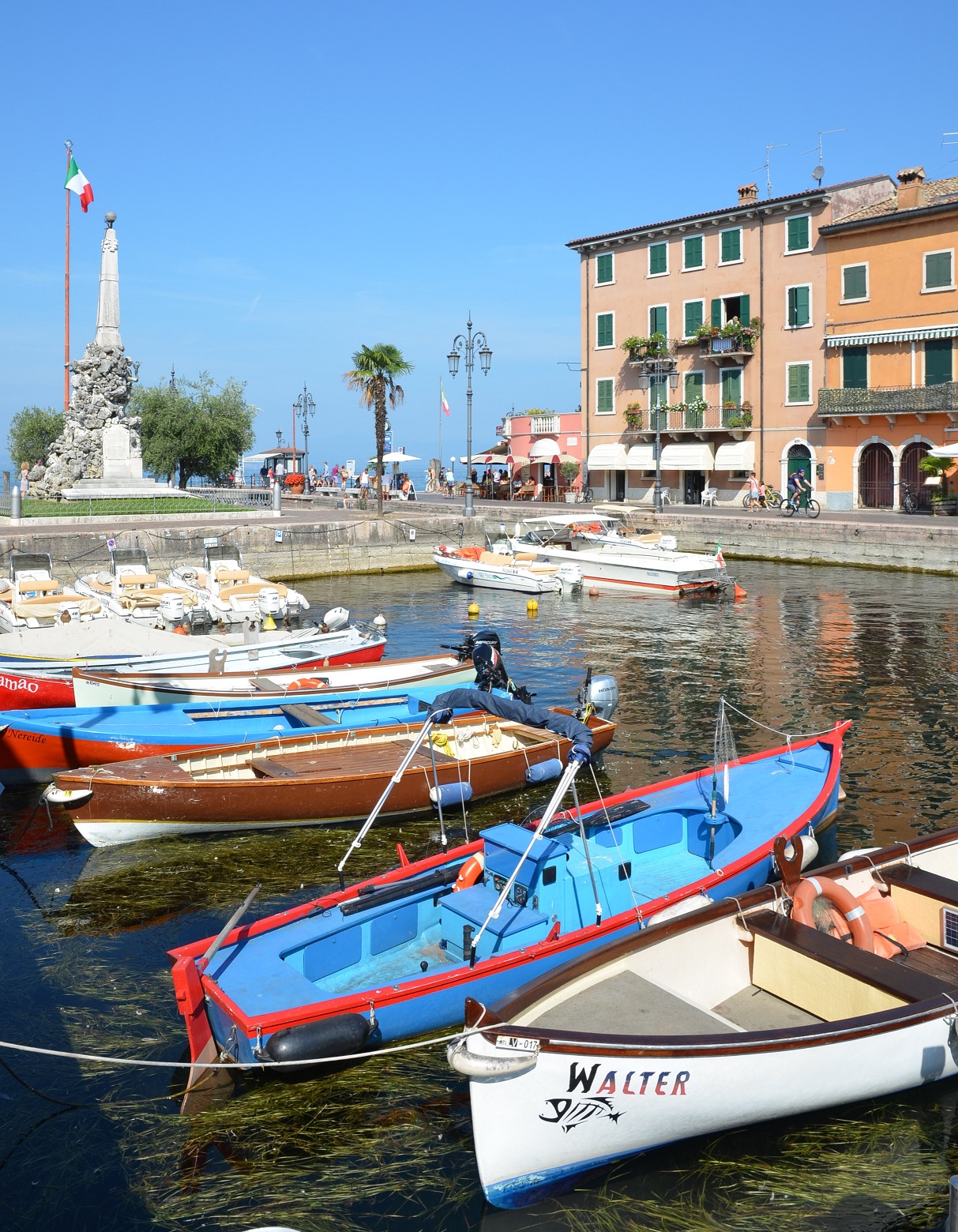
The harbor in LIzise, Italy

The harbor in LIzise, Italy

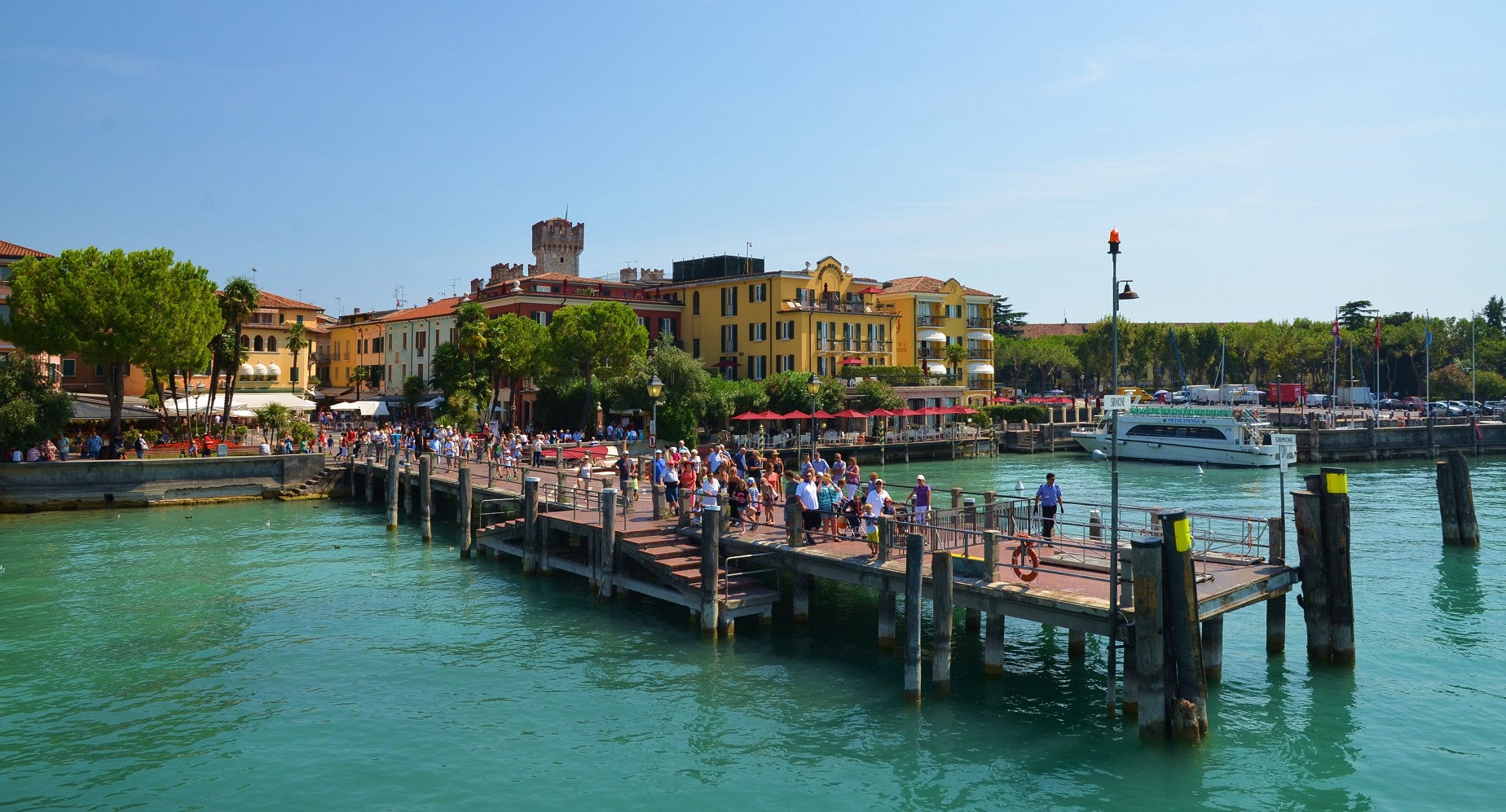
We had been relaxing and getting to know the streets and local places of Lizise for a few days, so we decided to take Friday and check out the town of Sirmione, a short 40 minute ferry ride from Lizise.  It was a nice day to be out on the water, as every day so far has been clear skies, sunny and very warm.

Approaching Sirmione on the ferry

Approaching Sirmione on the ferry

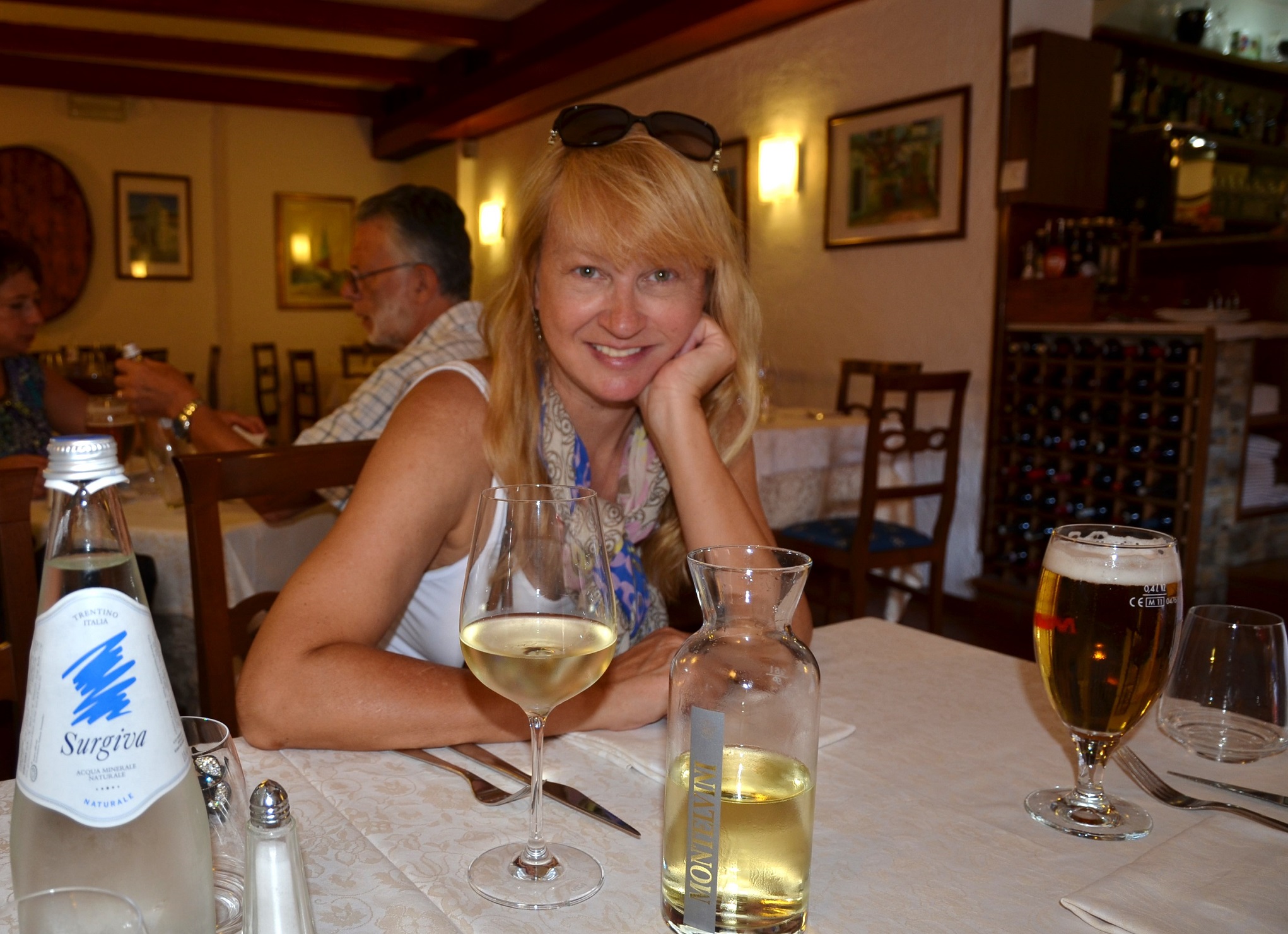
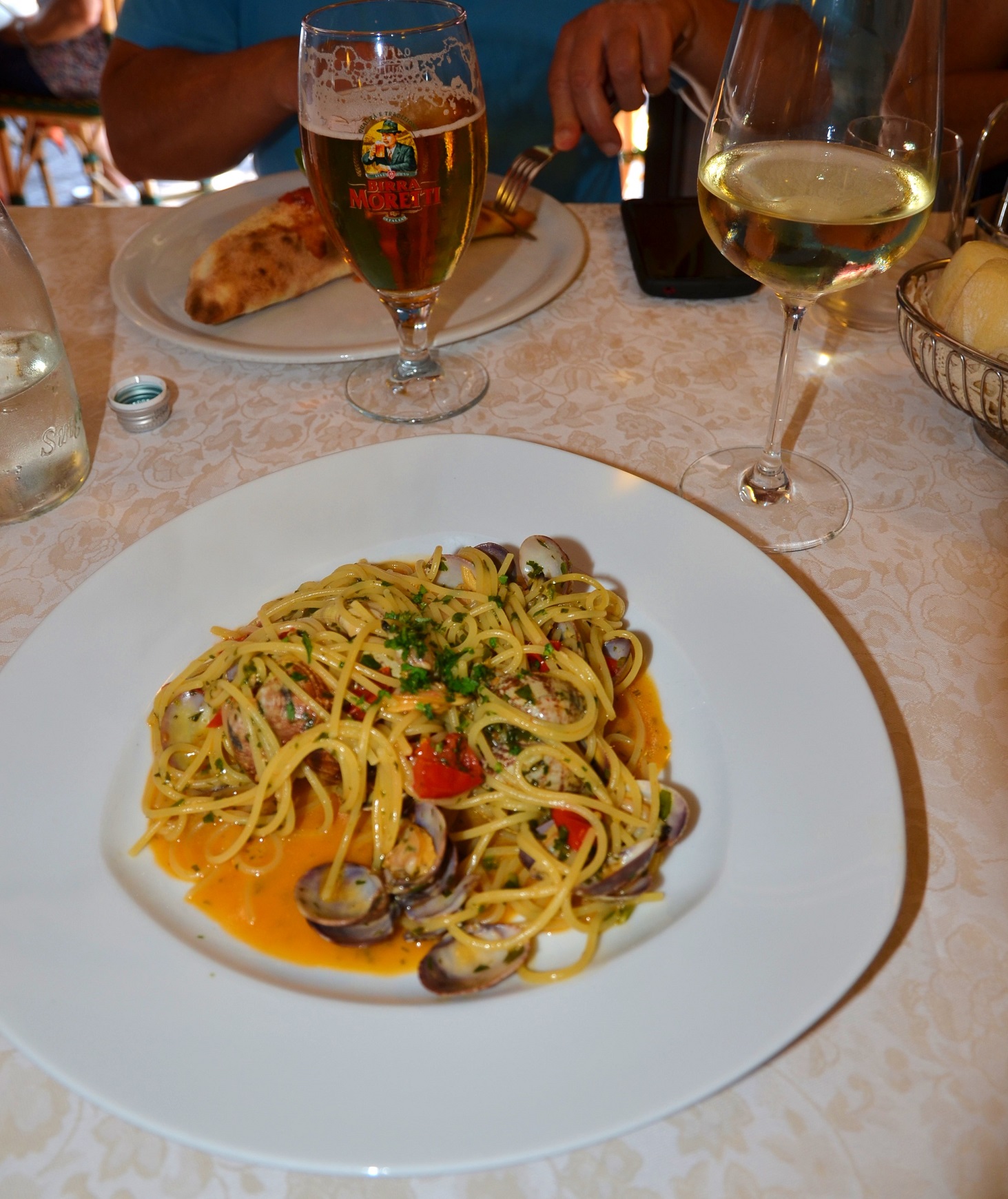
Sirmione is best known for its castle, but I will always remember it as the best pasta we have had so far this trip.  We walked through the crowded streets from the ferry pier, passing expensive shops and restaurants one after the other.  Teresa has a rule that we must get “off the beaten path” for meals, so we walked away from the main square and found a little cafe on a side street for lunch.  I had spaghetti with clams, and it was indeed the best pasta so far, really stellar, as was Teresa’s.
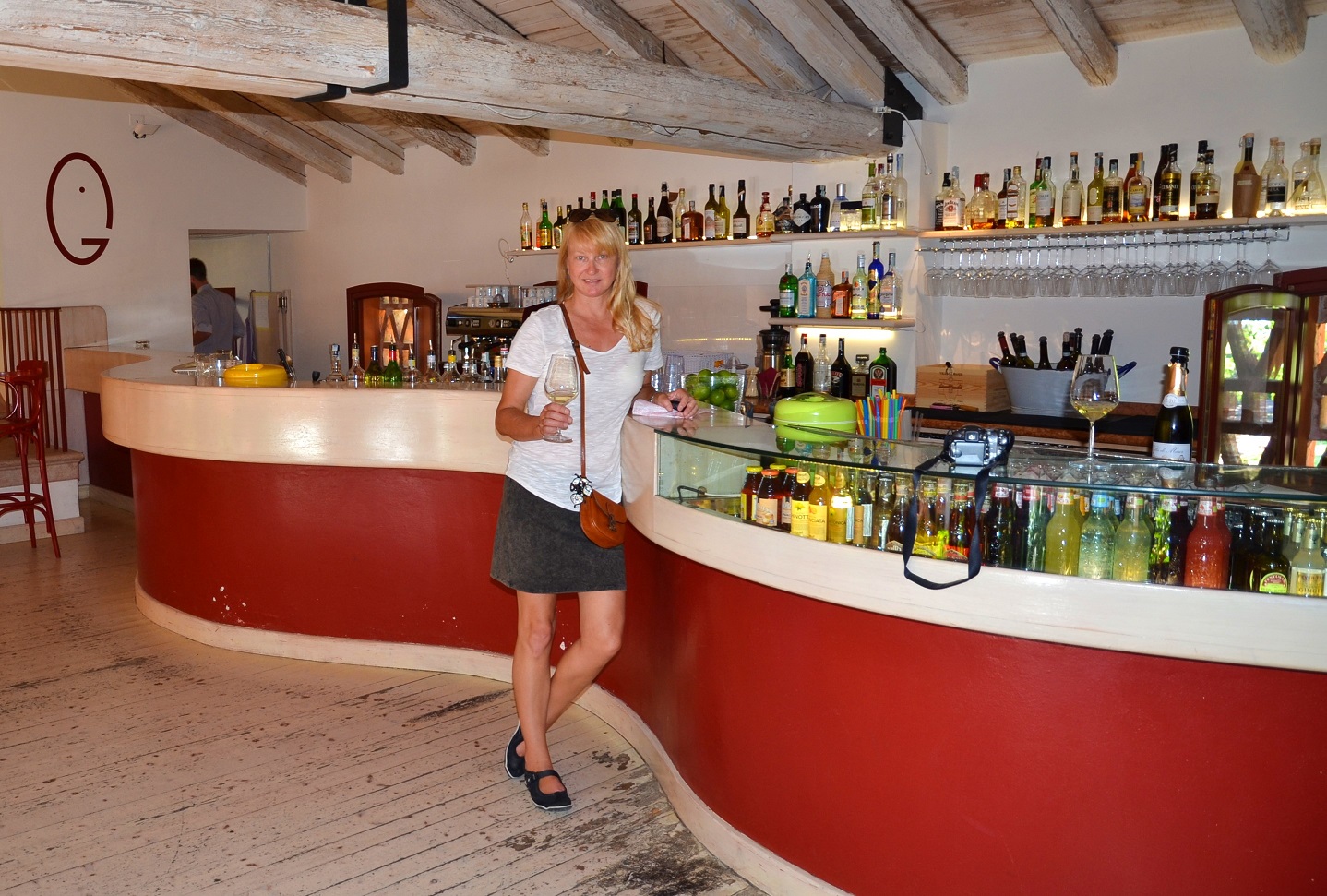
La Nuova Botte, the best spot in Sirmione for past

La Nuova Botte, the best spot in Sirmione for pasta

Ready for lunch

Ready for lunch

Salute!

Salute!

The best spaghetti with clams I have ever tasted

The best spaghetti with clams I have ever tasted

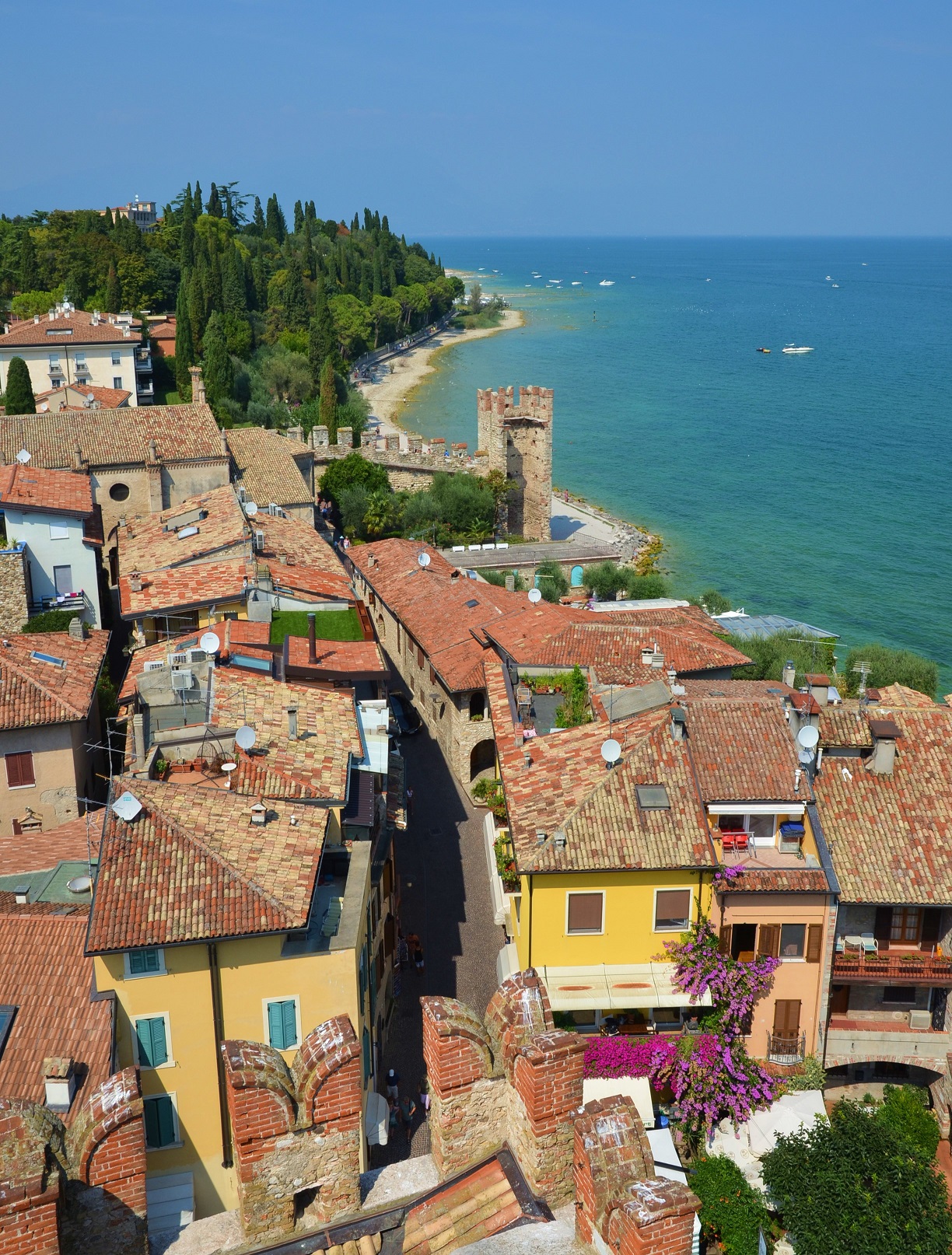
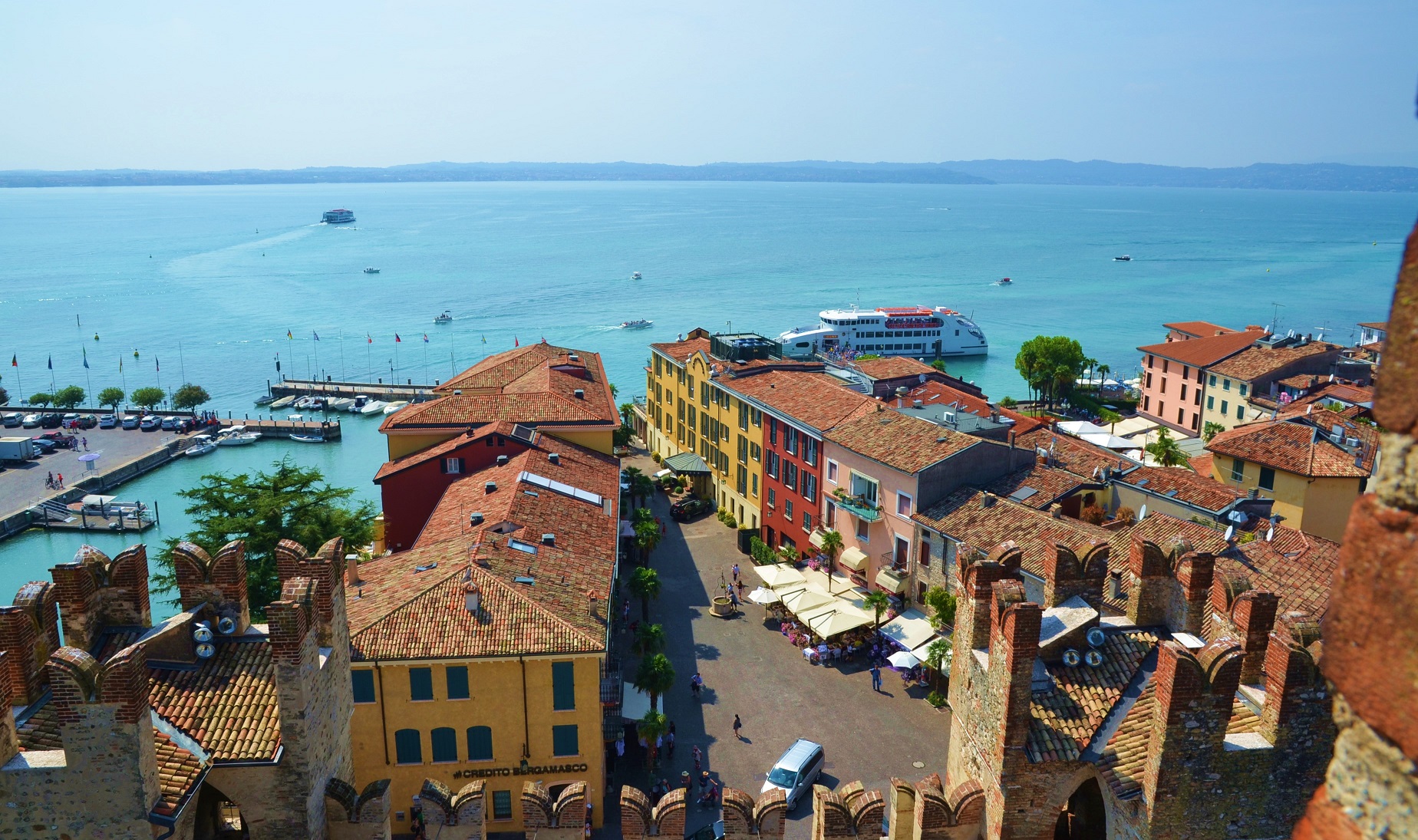
After lunch we toured the castle, the main attraction in town.

Sirmione castle

Sirmione castle

One view from the castle

One view from the castle

The main square and ferry dock from the top of the Sirmione castle

The main square and ferry dock from the top of the Sirmione castle

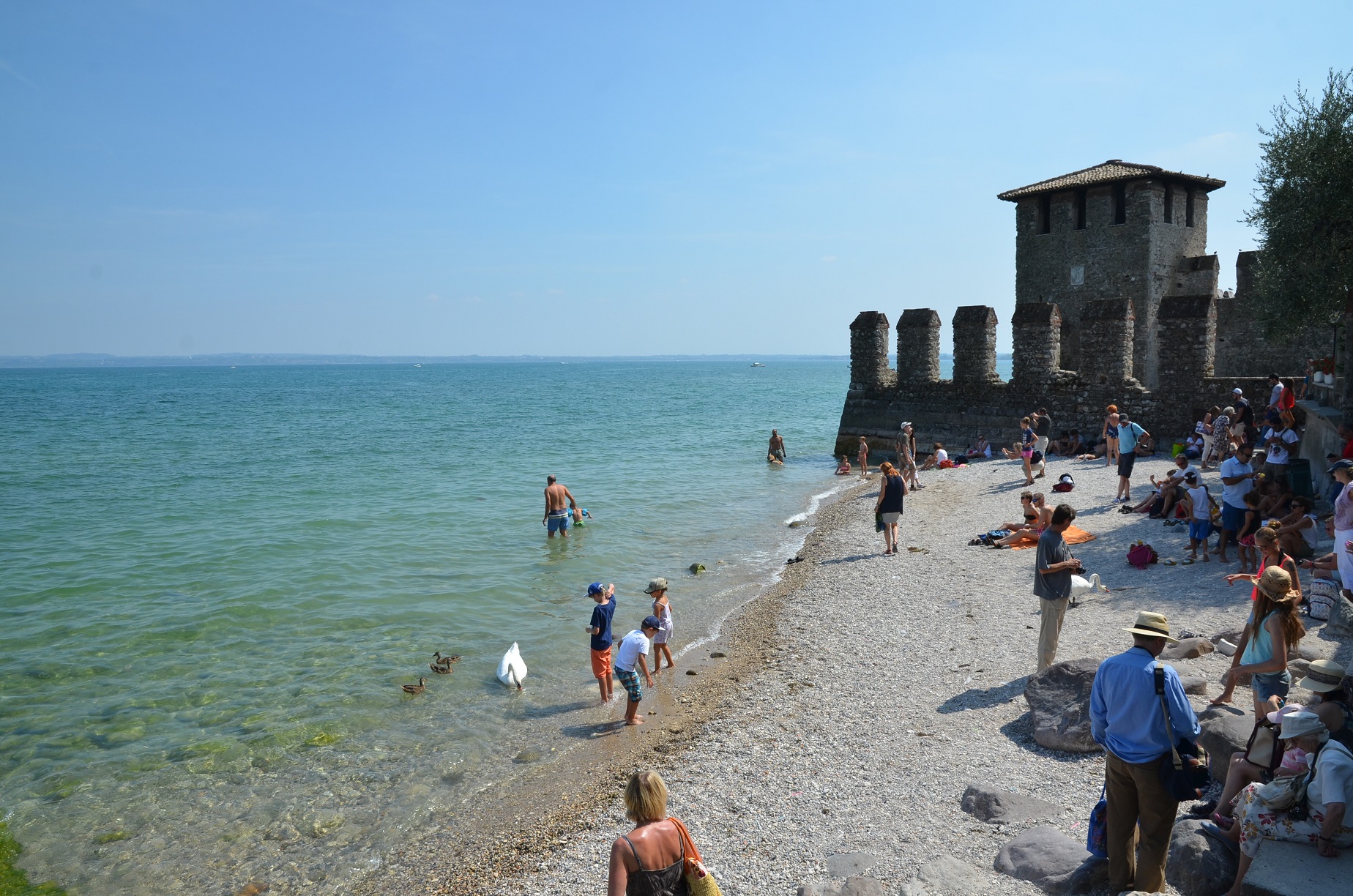
The local in-town beach was crowded with kids feeding the ducks and swans.

Sirmione beach

Sirmione beach

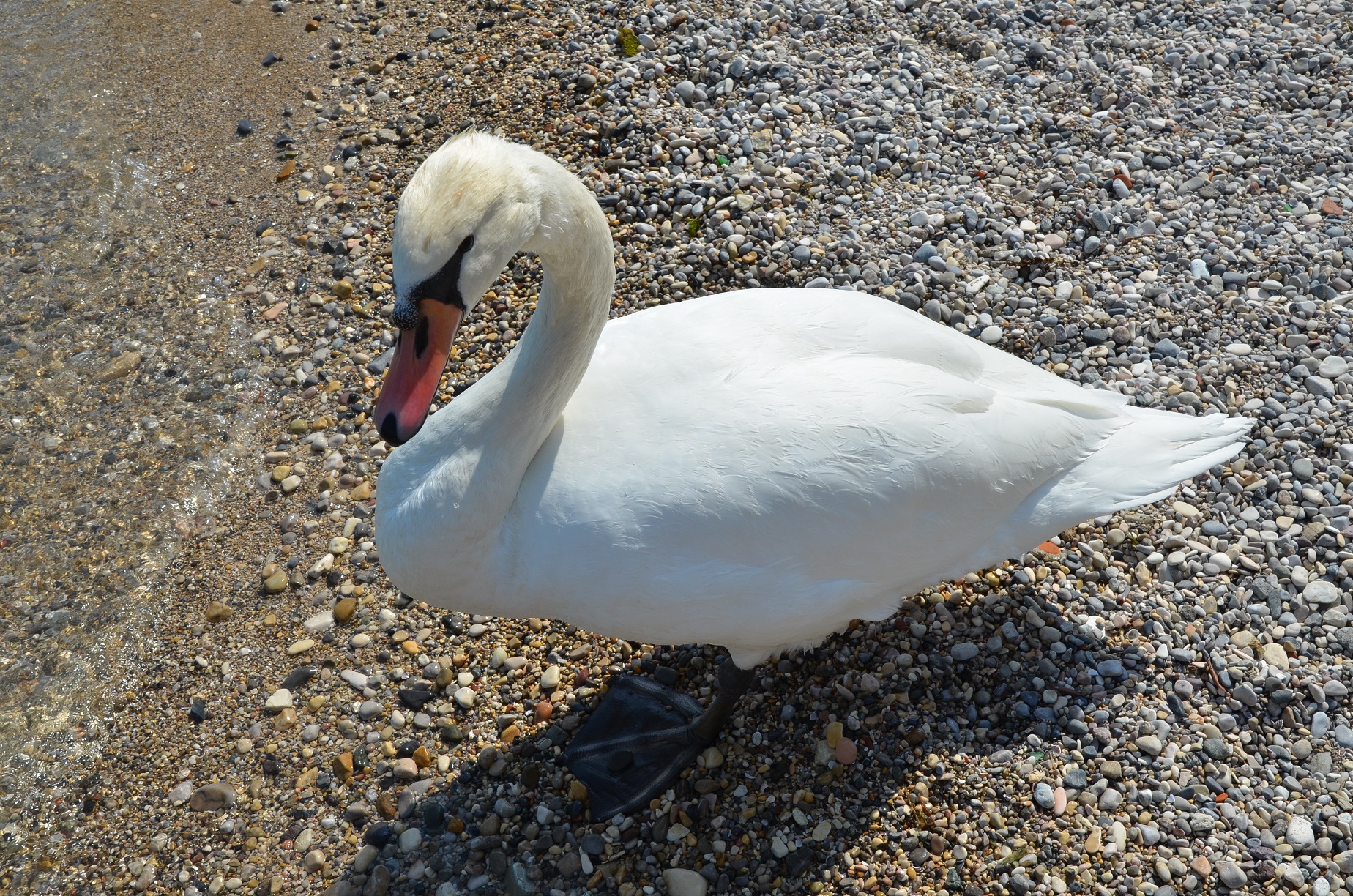
One of the many swans on the lake

One of the many swans on the lake

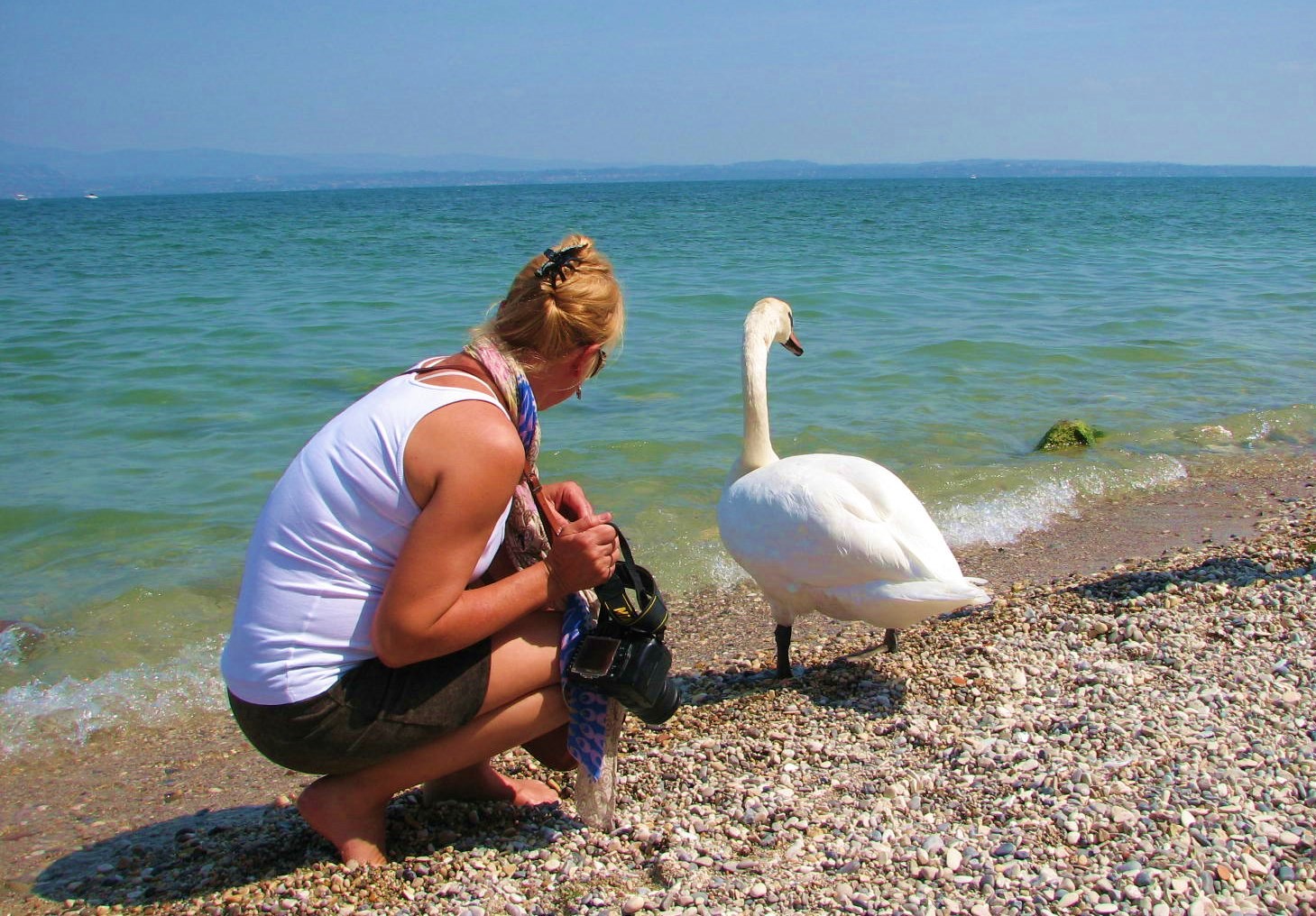
This swan is playing hard to get.

This swan is playing hard to get.

L with swan

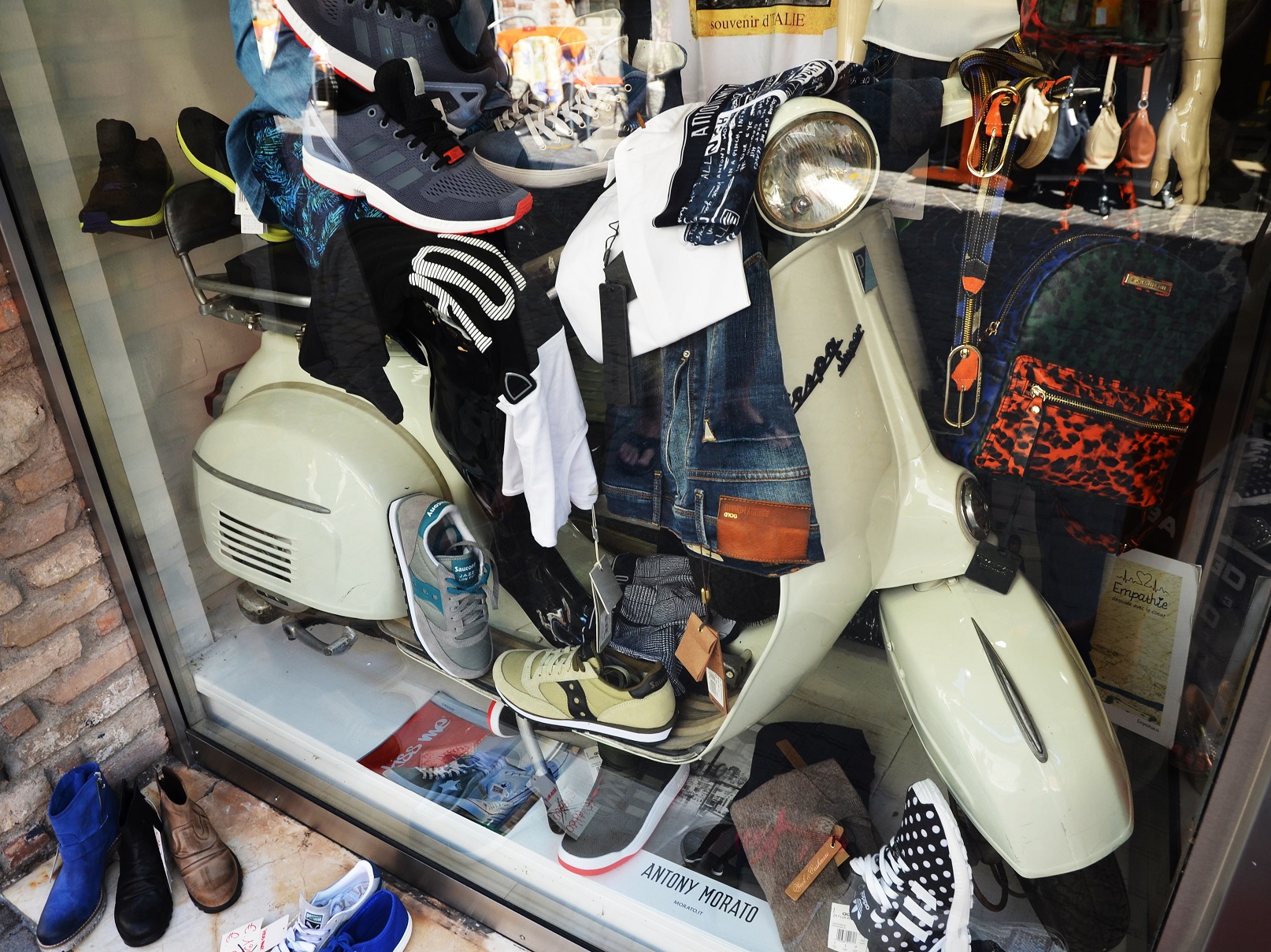
As we walked through the streets we saw a shop with the most gorgeous man’s tie I have ever seen.  I just had to go into the shop to ask the price.  The beautiful tie with crystals was 200 euros.  We also saw one shop window with a Vespa AND a Ducati on display.

200 euro man's tie

200 euro man’s tie

Ducati in a shop window

Ducati in a shop window

Vespa in the same shop window

Vespa in the same shop window

As I was taking the photo of the Vespa in the shop window, the shop attendant came out to admonish me, but when I said “But it’s a Vespa”, she shrugged her shoulders and said “Well, ok.”

Ceramic vegetables on display on a shop wall

Ceramic vegetables on display on a shop wall

We headed back to our comparatively sleepy town of Lizise for the afternoon and a dinner on our own private patio.  It was nice to see another town on Lake Garda, but we were happy to be staying in the less expensive and trendy town of LIzise.

My dear friend, best friend’s husband, travel companion and political sparring partner Augie is also blogging from this trip.  Although I usually post more photos, he is a writer by trade and his blogs are usually more entertaining.  Here is a link to his blog:

https://augieblog.wordpress.com/

Posted in Italy | Leave a comment

Lake Garda, Italy

The main square in the lakeside town of Lizise

The main square in the lakeside town of Lizise

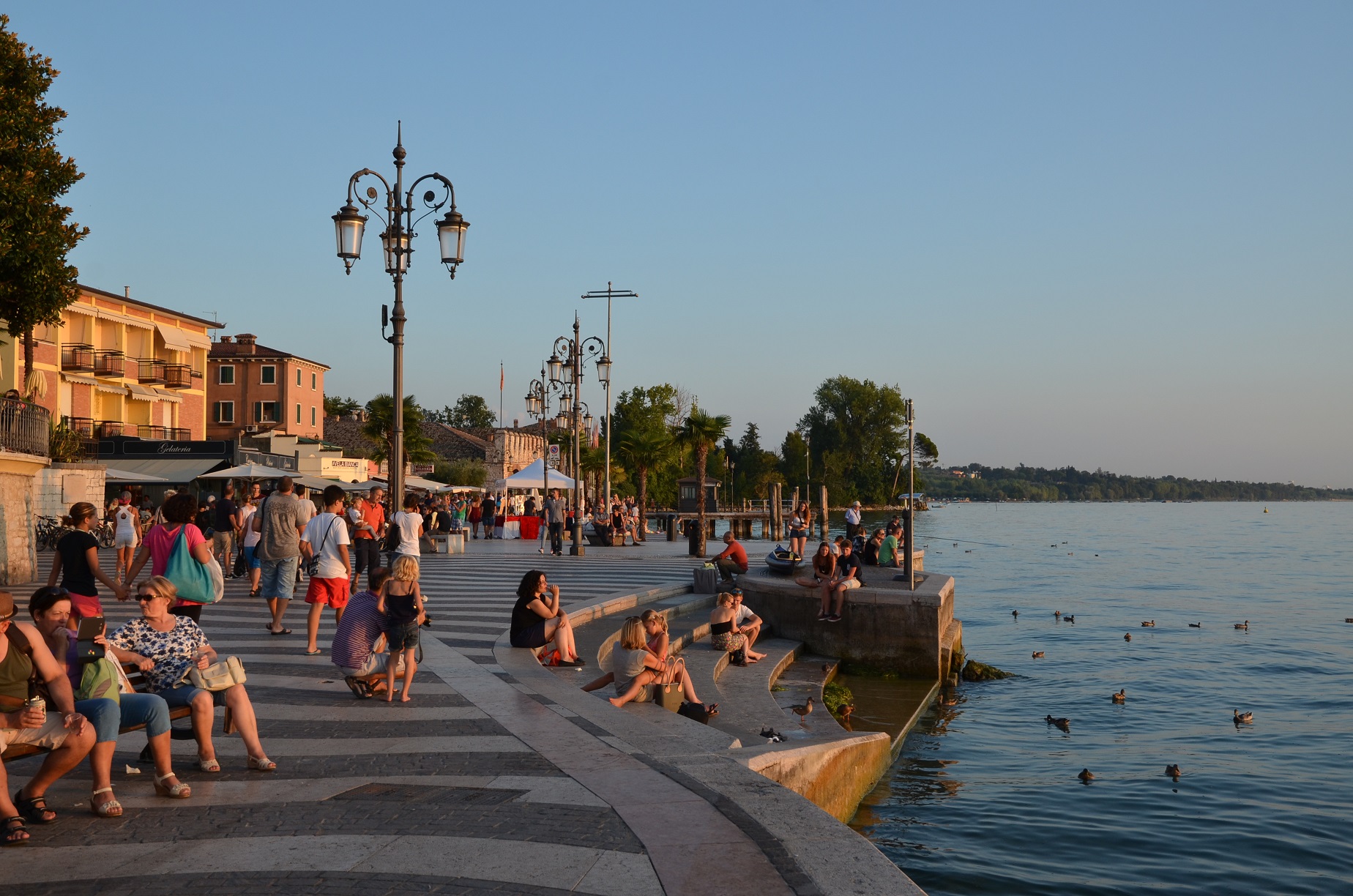
Last September when my friends and I spent one night in the hills overlooking Verona, we liked it so much we thought the area deserved a closer look.  So here we are back again, staying in the small town of Lizise on Lake Garda.

The waterfront in Lizise

The waterfront in Lizise

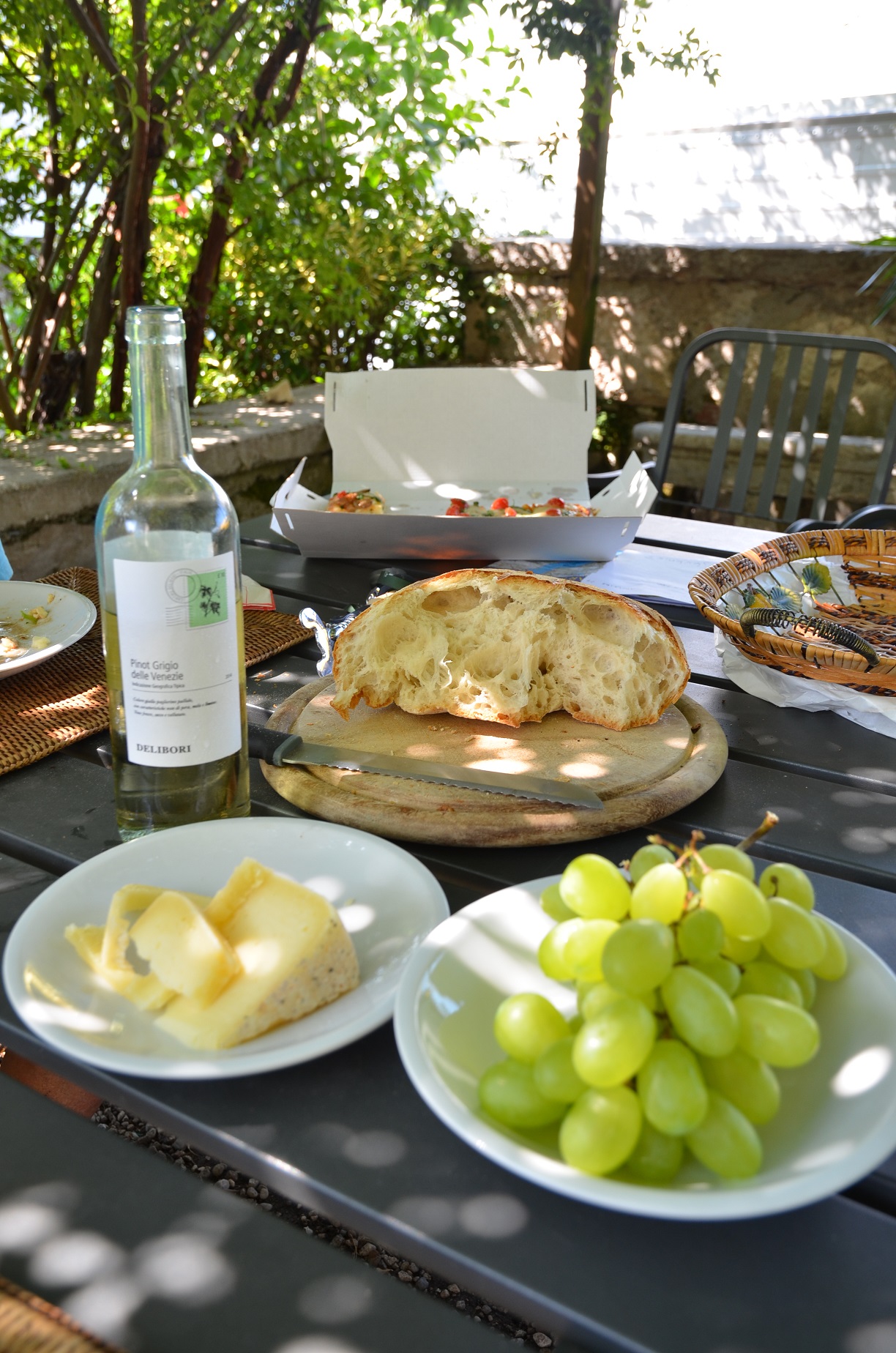
For this trip we rented a car instead of relying on the Italian train system that last year had a strike during our visit.  We landed in Milan and drove the 2 1/2 hours to Lake Garda.  Lizise is a small tourist town enjoying an end of summer boom.  Streets are full and we hear a lot of German spoken.  Pizza and gelato shops are numerous, as well as shoe stores.  We have enjoyed lunch on our rental house patio, drinking local wine at 5 or 6 euros per bottle, fresh bread and cheese, and pizza of course.

Lunch on our rental house patio. Augie uncorks a bottle of local white wine.

Lunch on our rental house patio. Augie uncorks a bottle of local white wine.

Lunch of local wine, cheese, grapes and pizza

Lunch of local wine, cheese, grapes and pizza

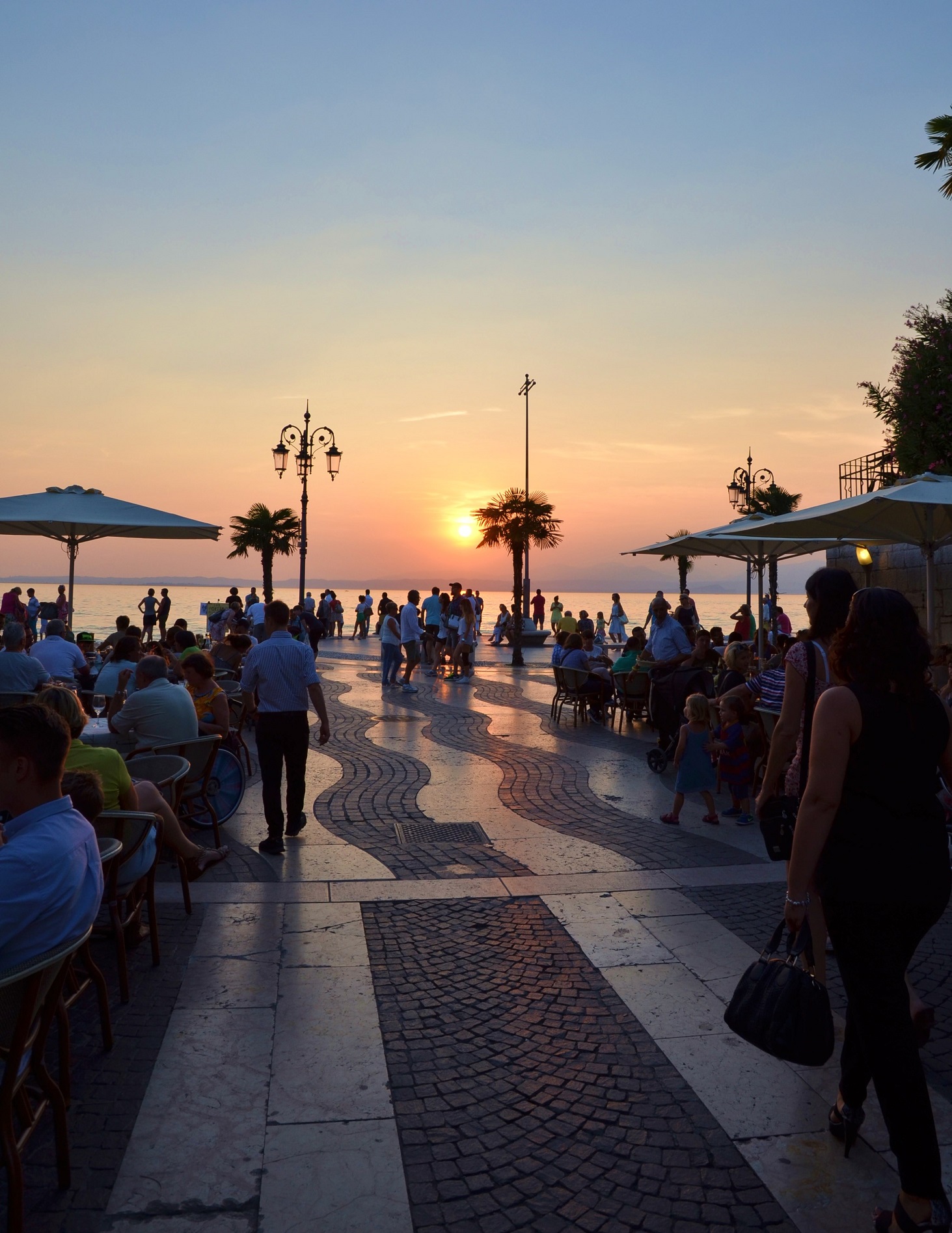
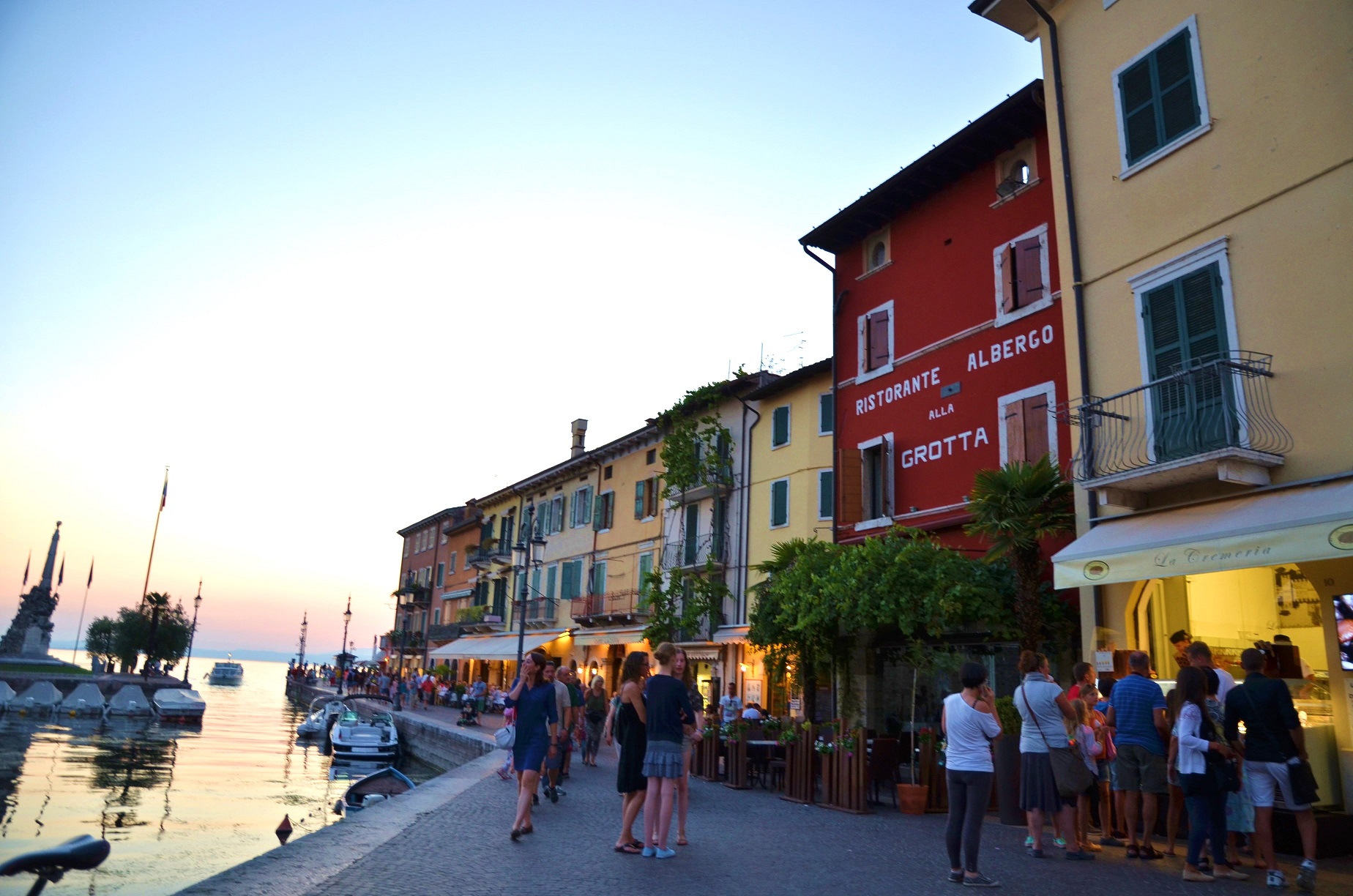
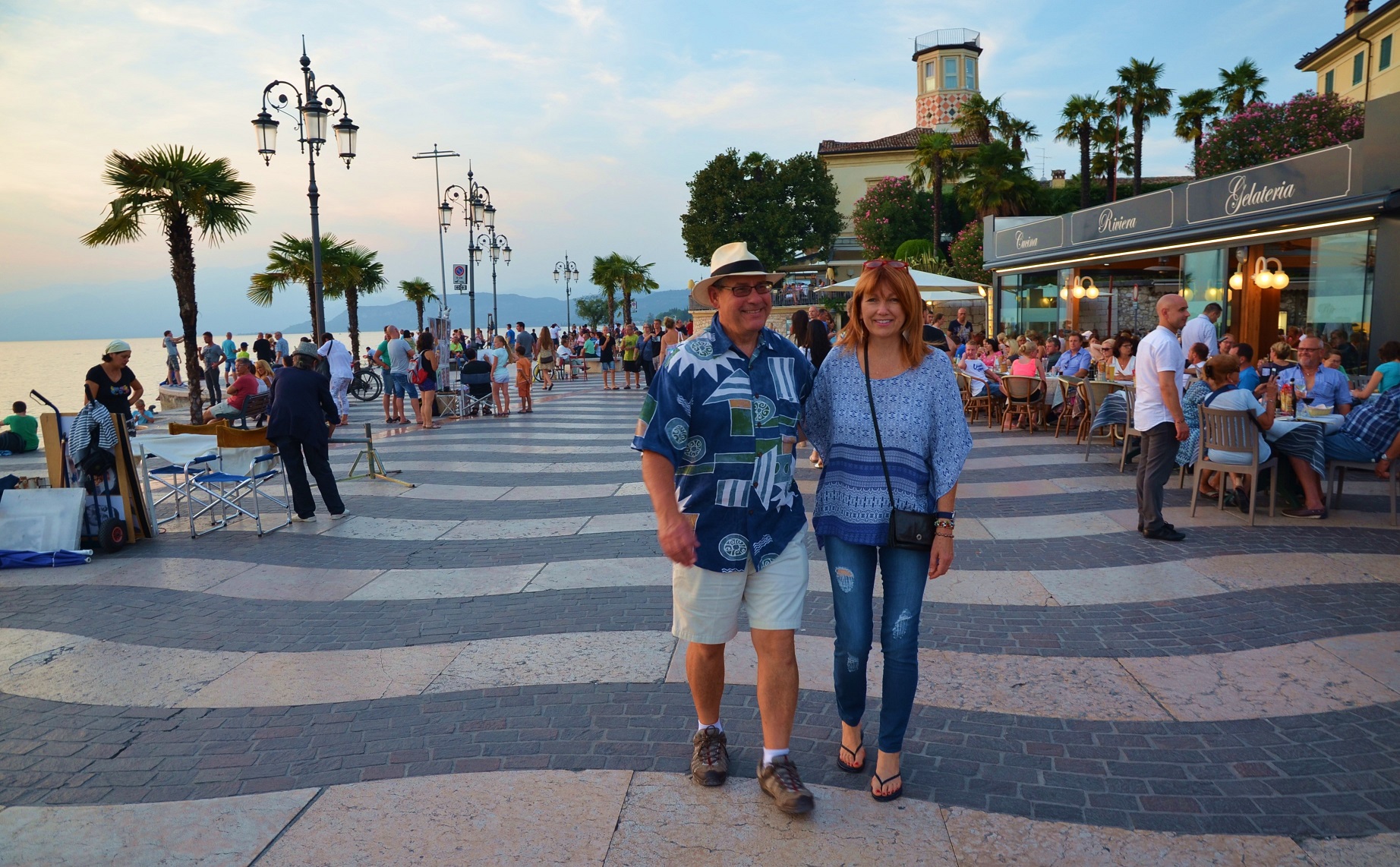
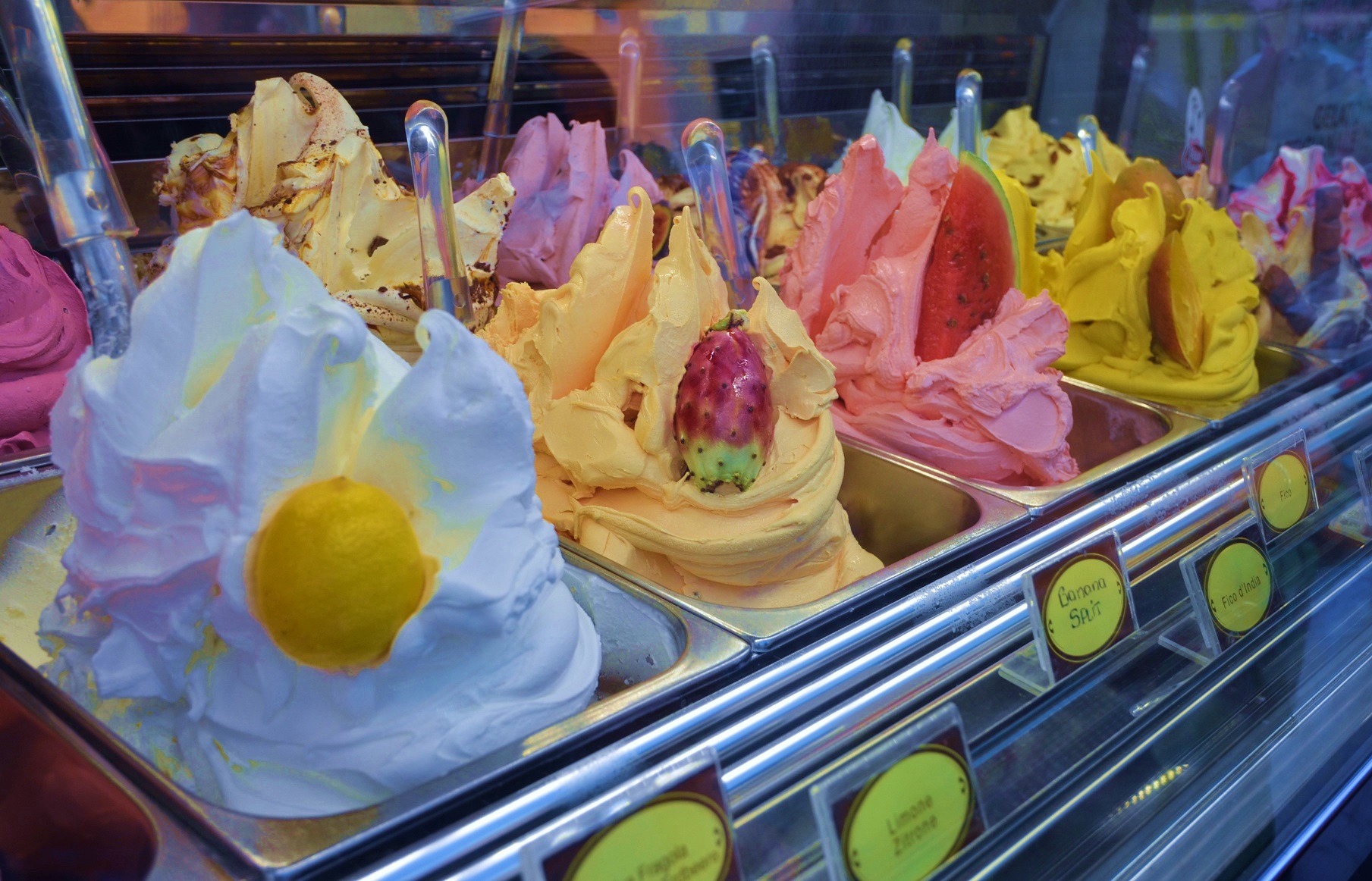
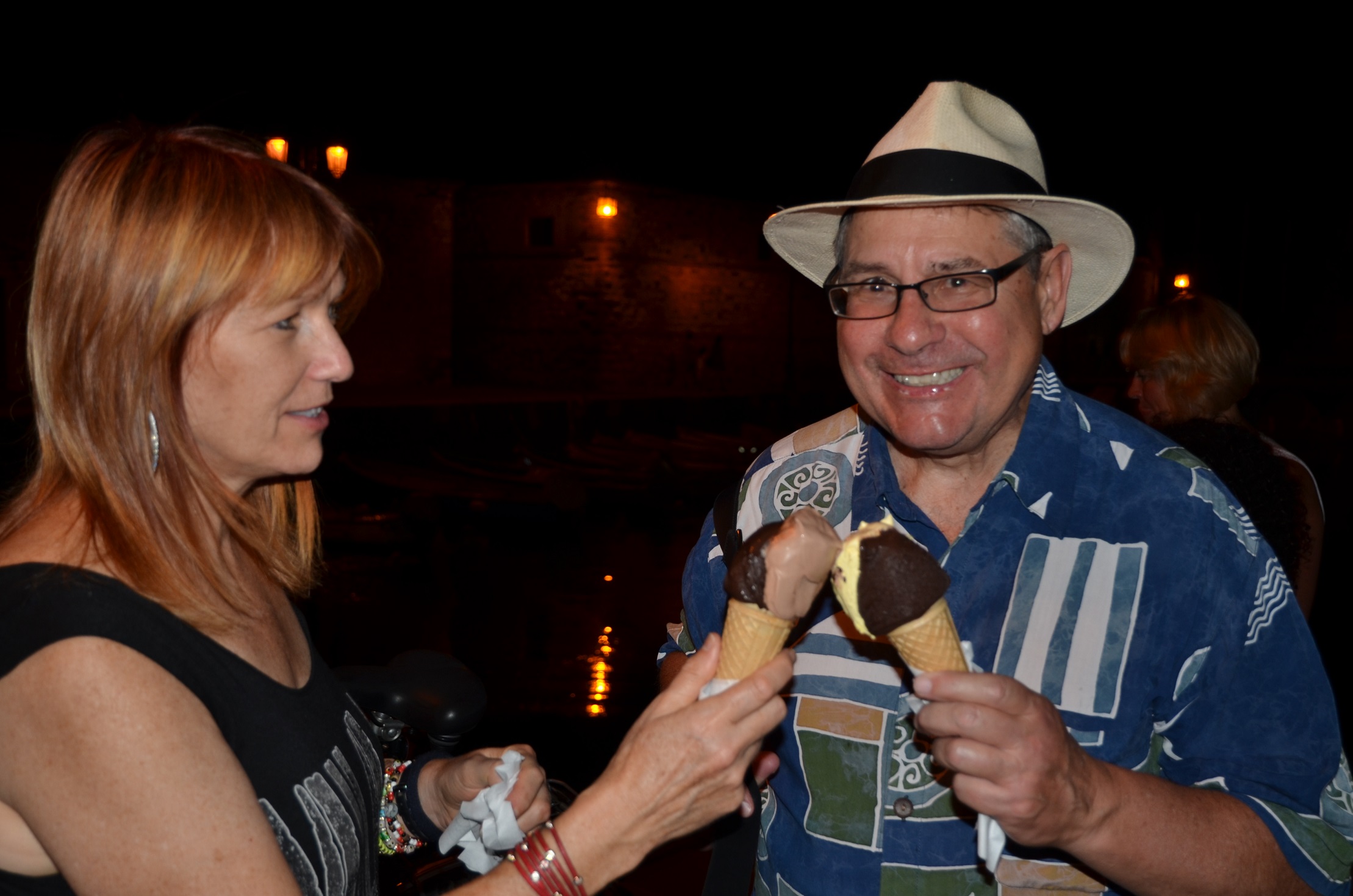
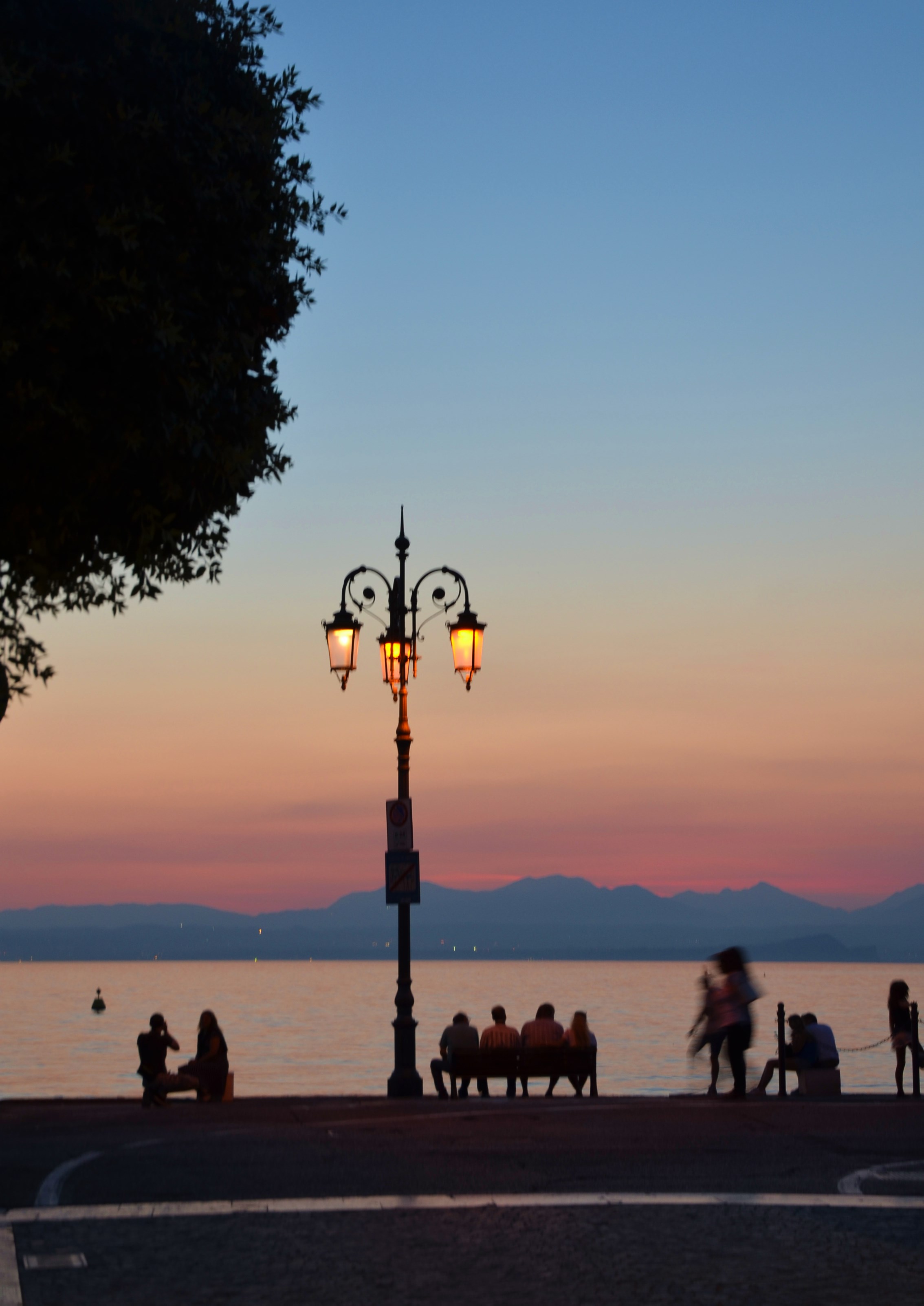
Passeggiare is the most popular past time, the evening stroll along the waterfront, followed by gelato.  Gelato shops must make a killing as every day, morning and night, the lines are long.

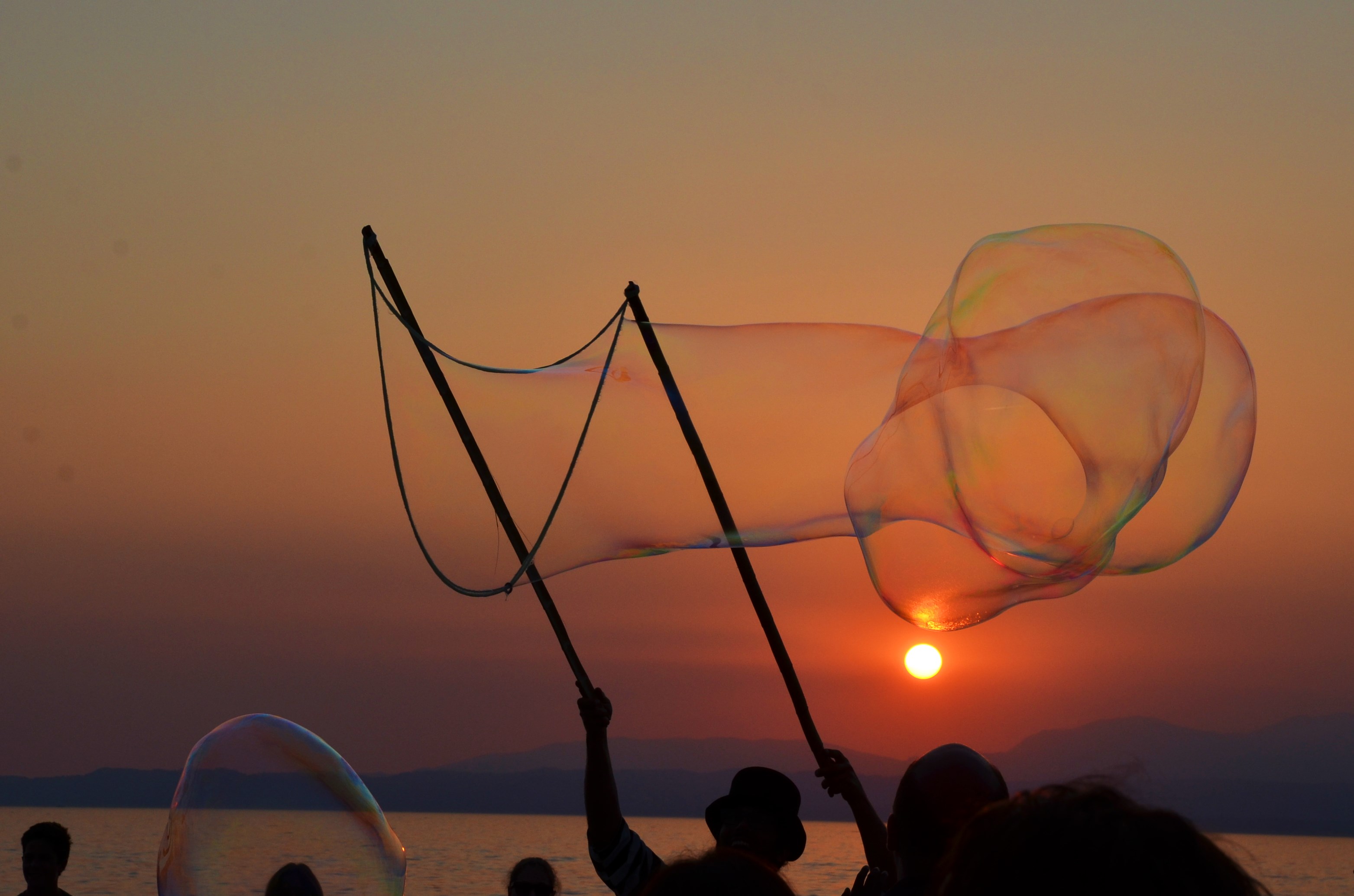
A street performer along the waterfront at sunset
A street performer along the waterfront at sunset

So many choices

So many choices

Our nightly gelato ritual

Our nightly gelato ritual

lake sunset

We drove up into the hills NE of the lake and found the scenic hillside vineyards and olive groves we were looking for.  The small twisting roads climbed up towards the Parco Regionale Della Lessinia where we found the Parco delle Cascate di Molina.  Just a little hiking was all it took in the warm weather for us to look for a lunch spot.  Fortunately we stumbled upon a small family restaurant with homemade pasta.

grapes

Heading back to Lizise from the hills we drove along the lake from Torri del Benaco southbound to Garda, then Bardolino and home.  It was a beautiful drive.

The small town of Albisano

The small town of Albisano

Local transportaion, perfect fo the tiny roads

Local transportation, perfect for the tiny roads

Posted in Italy | Leave a comment

Aalborg, Denmark

Aalborg waterfront

Aalborg waterfront

DSC_1457

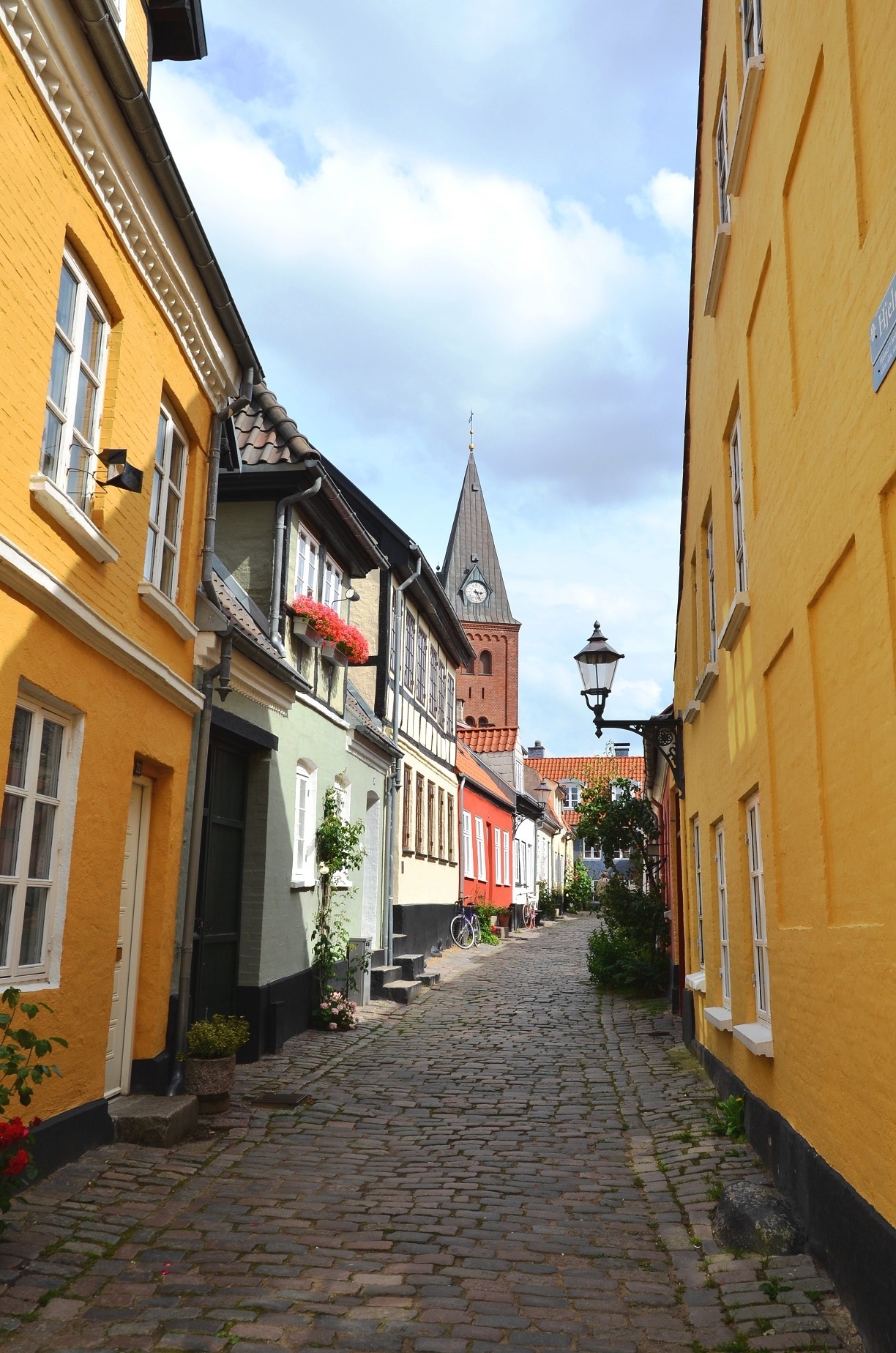
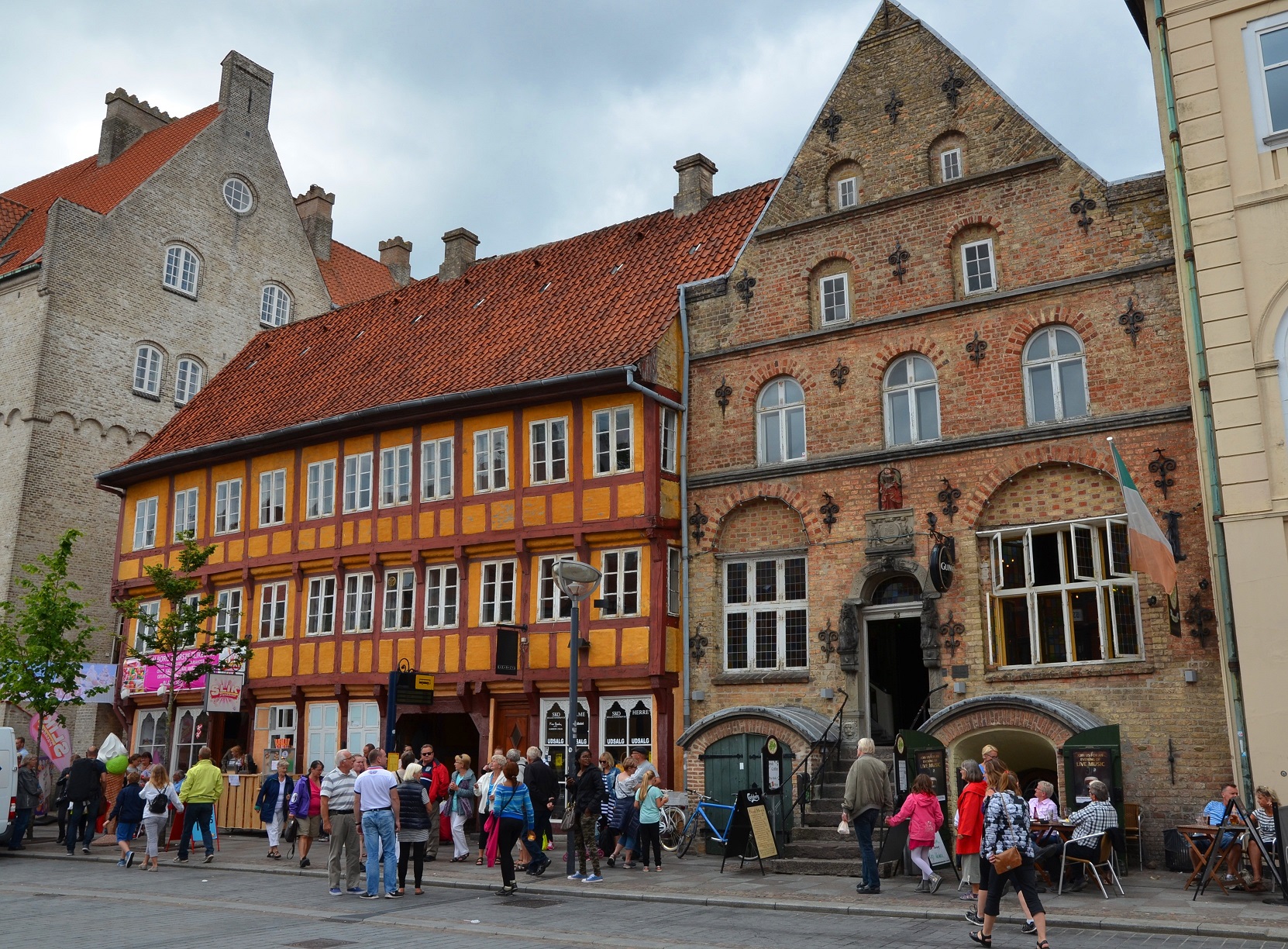
A street in Aalborg

A street in Aalborg

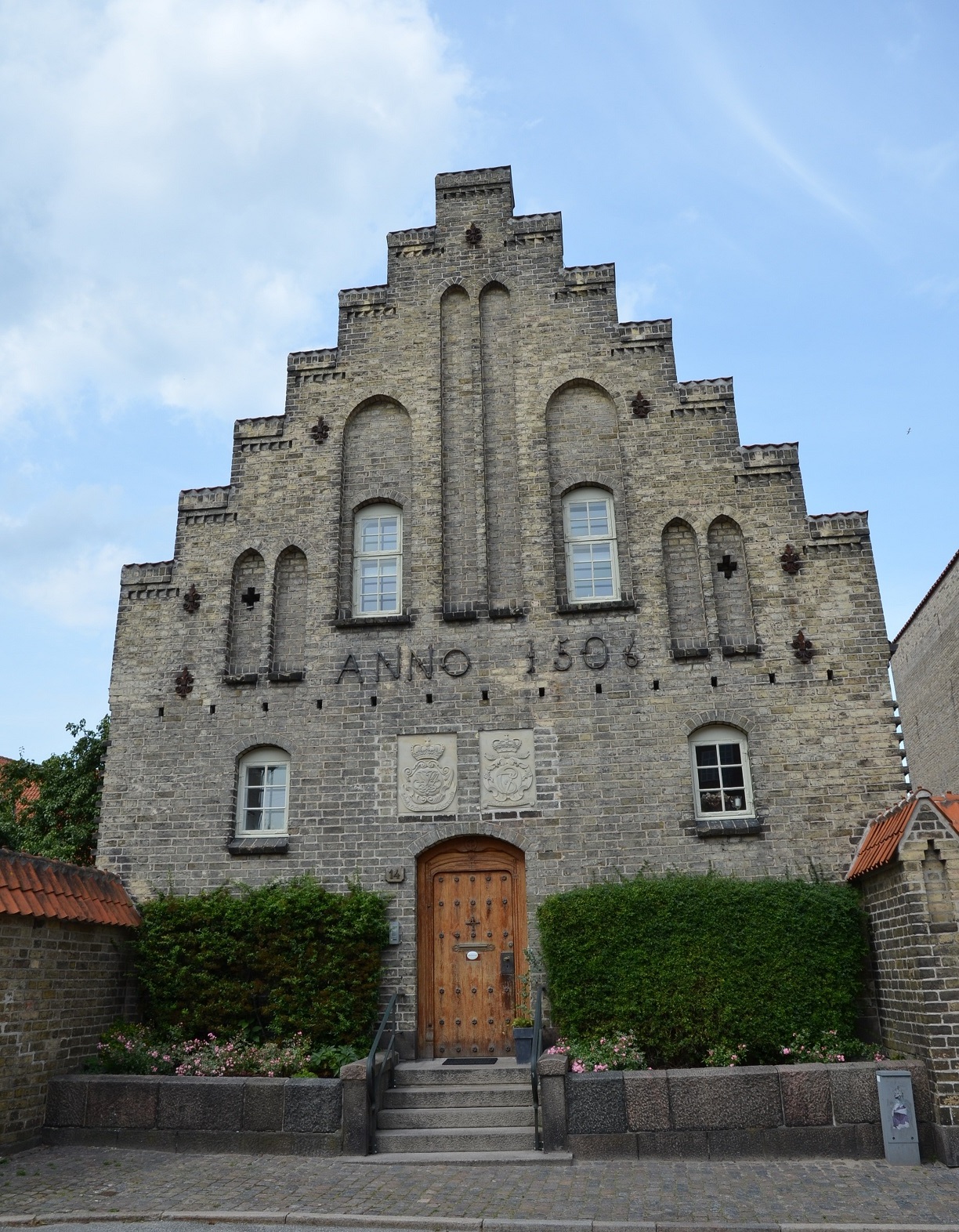
The regatta ended in Aalborg, Denmark, an old port city dating from 700 AD.  It is a picturesque town with many old buildings and pubs, and just like the small towns in Norway, it was clean and orderly.  I can’t say I was unhappy to leave the hammocks, and we settled into a hotel for a few nights.  We explored the waterfront area and the many pedestrian only streets and two museums in the old town area, including the Aalborg Historical Museum.  Saturday we were left to our own devices with plans to return to the ship at 3 pm on Sunday for the crew parade and award ceremony.

DSC_1259

DSC_1228

DSC_1273

The Aalborg room in the Aalborg Historical Museum. Room 602 is the most well-preserved civil Renaissance interior in the country.

The Aalborg room in the Aalborg Historical Museum. The room, dating from 1602, is the most well-preserved civil Renaissance interior in the country.

The room from 1602 in the Aalborg Historical Museum

The room from 1602 in the Aalborg Historical Museum

The two highlights of our stay in Aalborg were dinner at Morten’s Kro Saturday night, and a visit to the Lindholm Høje Museet on Sunday prior to the parade.

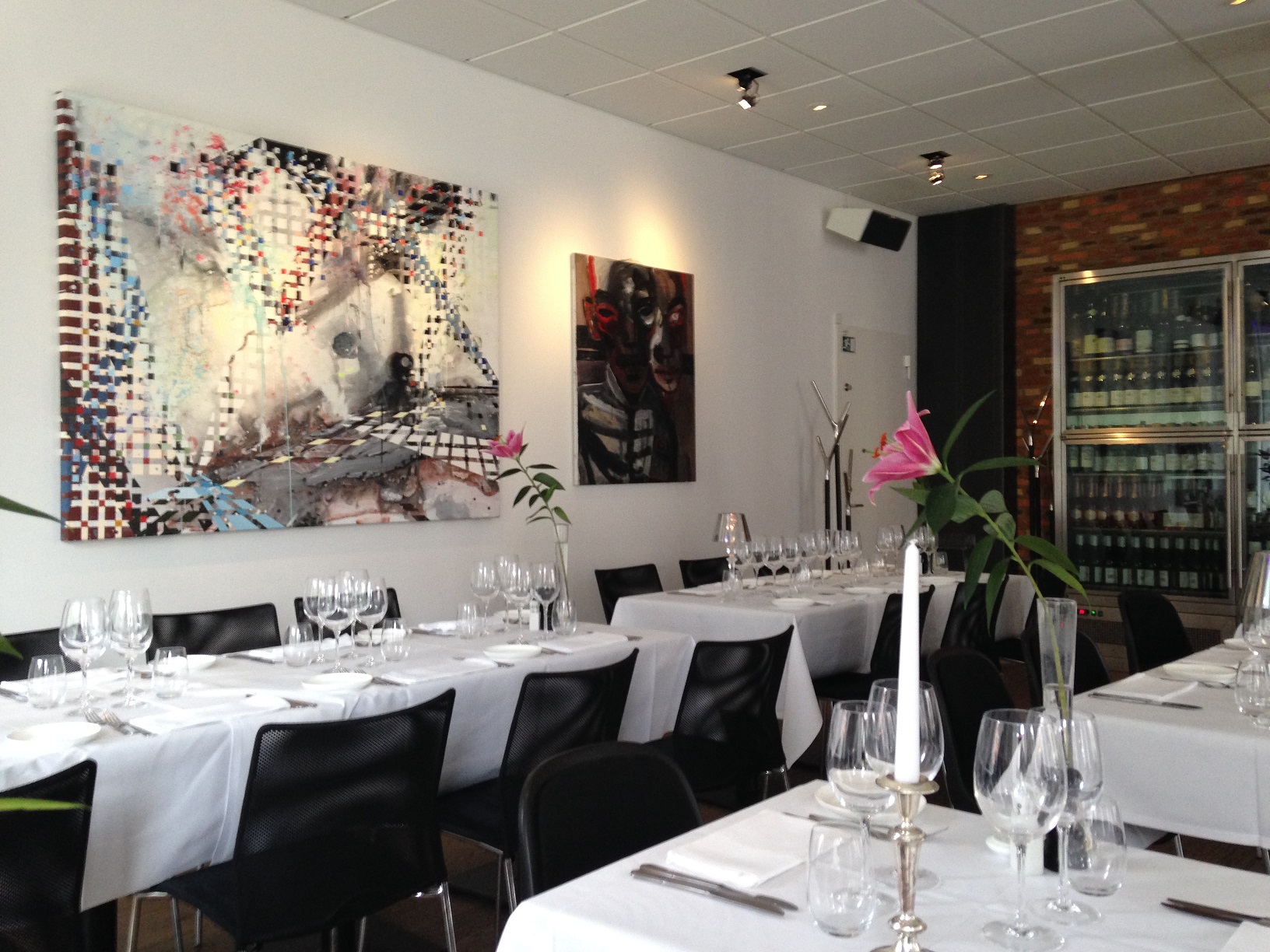
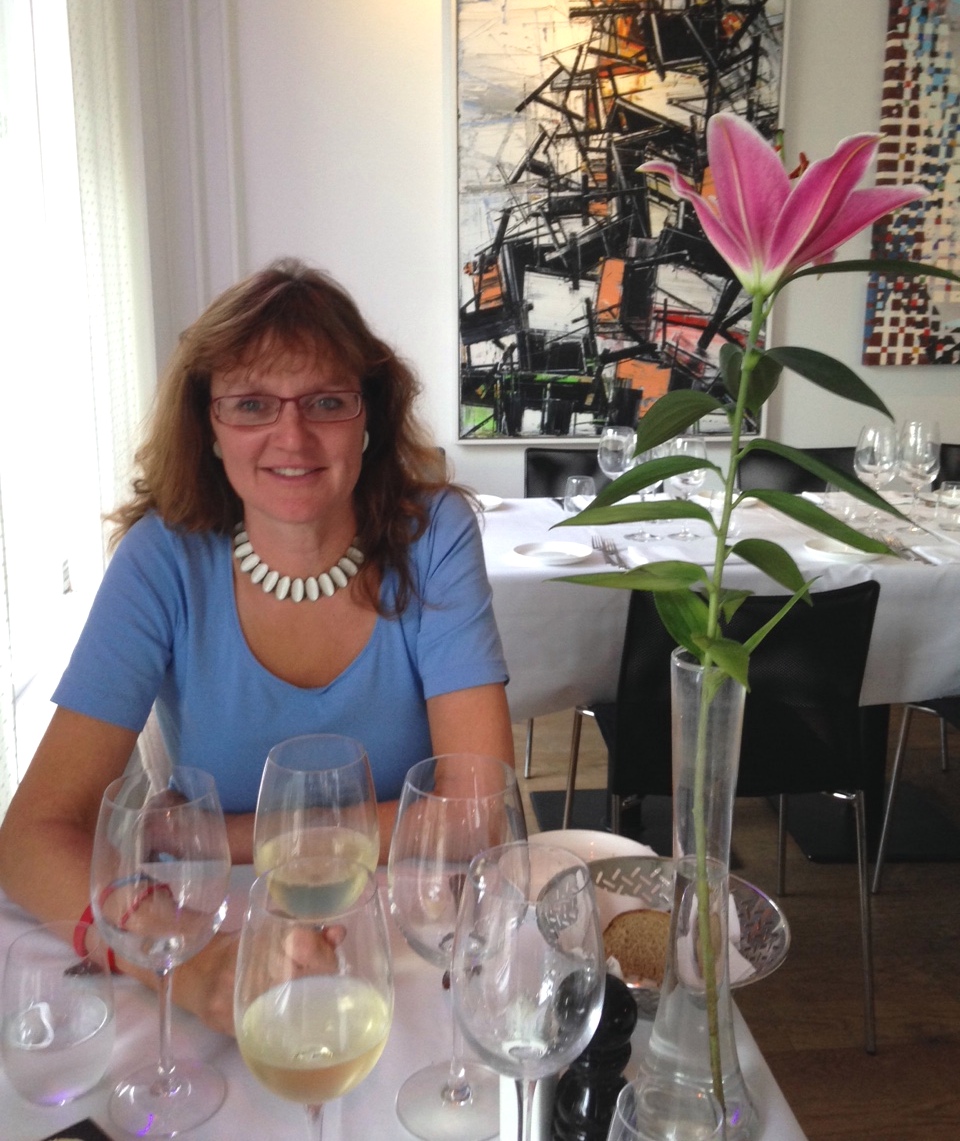
We celebrated my sister’s birthday at Morten’s Kro with a five course summer dinner menu and wine pairing.  It was outstanding food and I also enjoyed the pairings.  We had some unusual combinations all artfully prepared.  Altogether a stellar night, and a dinner destination I can highly recommend.

http://mortenskro.dk/frontpage.aspx

Morten's Kro restaurant in Aalborg, Denmark

Morten’s Kro restaurant in Aalborg, Denmark

Happy Birthday to my sister

Happy Birthday to my sister

Champagne birthday toast

Champagne birthday toast

On Sunday we took the short bus ride out to Lindholm Høje Museet.  It is one of the most notable ancient monuments in Denmark and well worth the trip.

http://www.nordmus.dk/lindholm-gb

Part of the Lindholm Hoje Museum

Part of the Lindholm Hoje Museum

DSC_1337

From the Lindholm Hoje brochure:

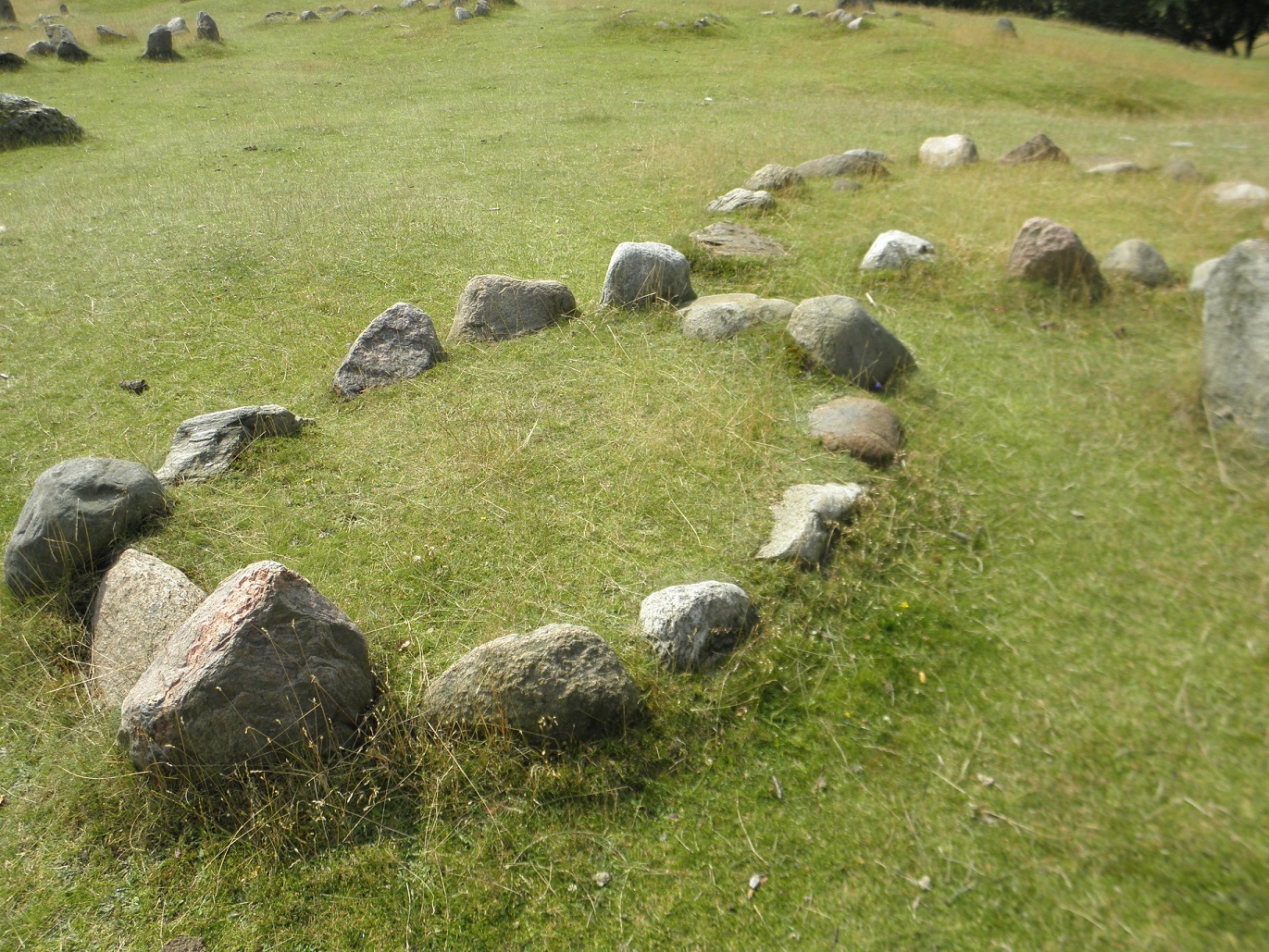
Since 1889, it has been known that on the southfacing slope of Voerbjerg – as the hill was then called – there lay a burial ground with cremation graves bordered by stones.  Between 1952 and 1958, the site was excavated.  A newly ploughed field from the Viking era was also uncovered, as well as a large part of the settlement associated with the burial site…The burial site was in use from about AD 400 until shortly before AD 1000 in all about 600 years.

Viking burial site at Lindholm Hoje, dating from AD 400

Viking burial site at Lindholm Hoje, dating from AD 400

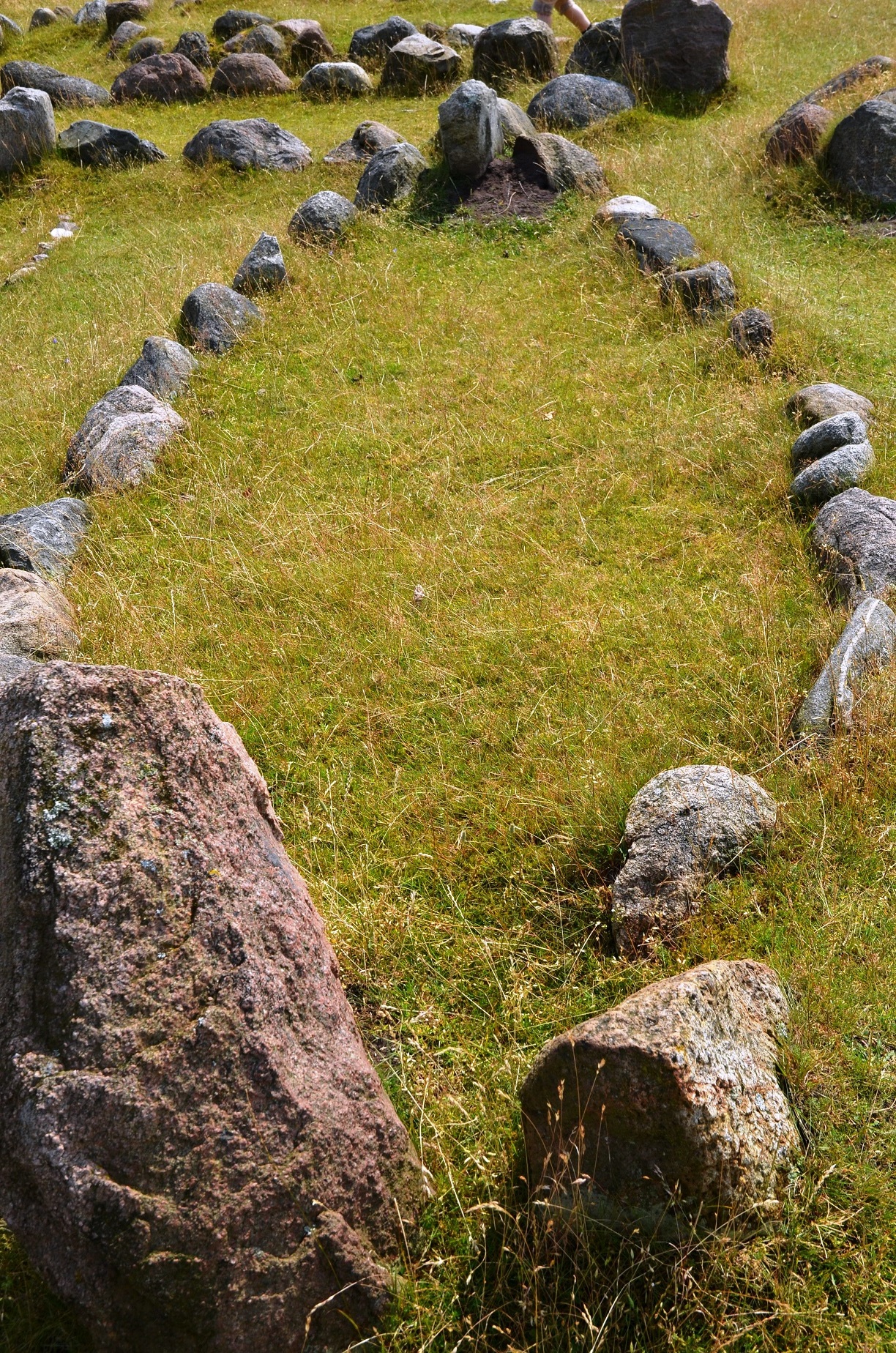
A boat shaped Viking grave

A boat shaped Viking grave

DSC_1339

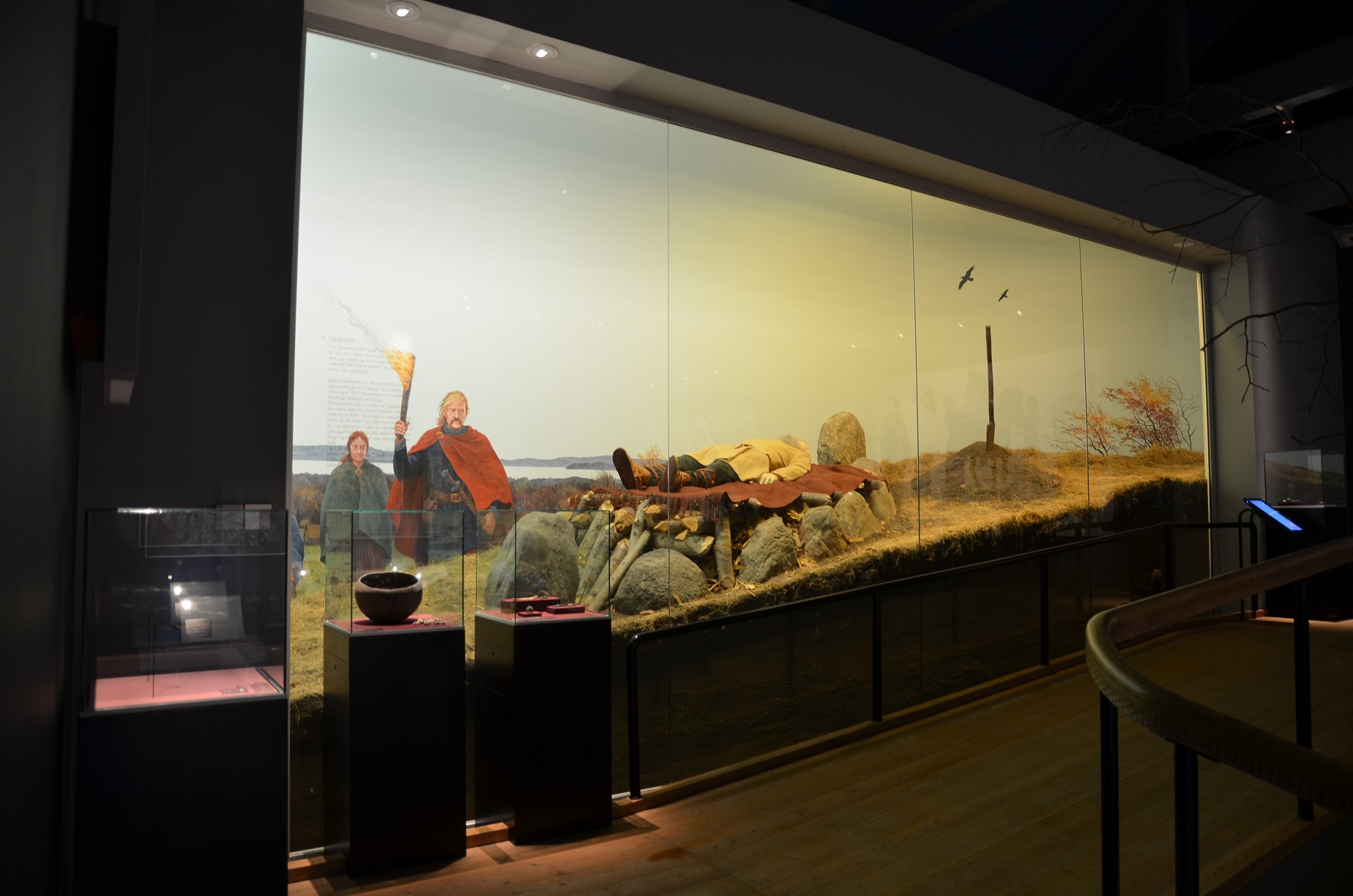
The sign reads:

A warrior’s grave. The oldest graves with non-cremated bodies rarely have stone settings but this is an exception. The grave is accentuated by a circular mound of earth, a circle of large stones and a surface covered by flint blocks.

The dead warrior had a single edged sword called a “long sax.” The sword dates the grave to the 600s. He also took a dog with him to his grave. This was not unusual at Lindholm Hoje. Dogs have been found in 223 men’s and women’s graves. The bodies of the dead were dressed in their everyday clothes and useful and personal gifts such as spindle whorls, knives, and jewelry accompanied them to the grave.

During the cremation, the dead were placed on a large bonfire, and after the cremation, earth was thrown on the remains. In several cases, the families placed vessels of food for their loved ones’ last journey.

The museum houses artifacts from the area, including jewelry and human remains.  It is a well designed museum with interactive displays, dioramas, a 3-D film you watch from a rowboat after punching in a secret Rune Stone code, and interesting facts.  The largest area of the museum is the burial site hill but the many displays in the interior were very well done.

Lindholm Hoje museum interior

Lindholm Hoje museum interior

DSC_1321

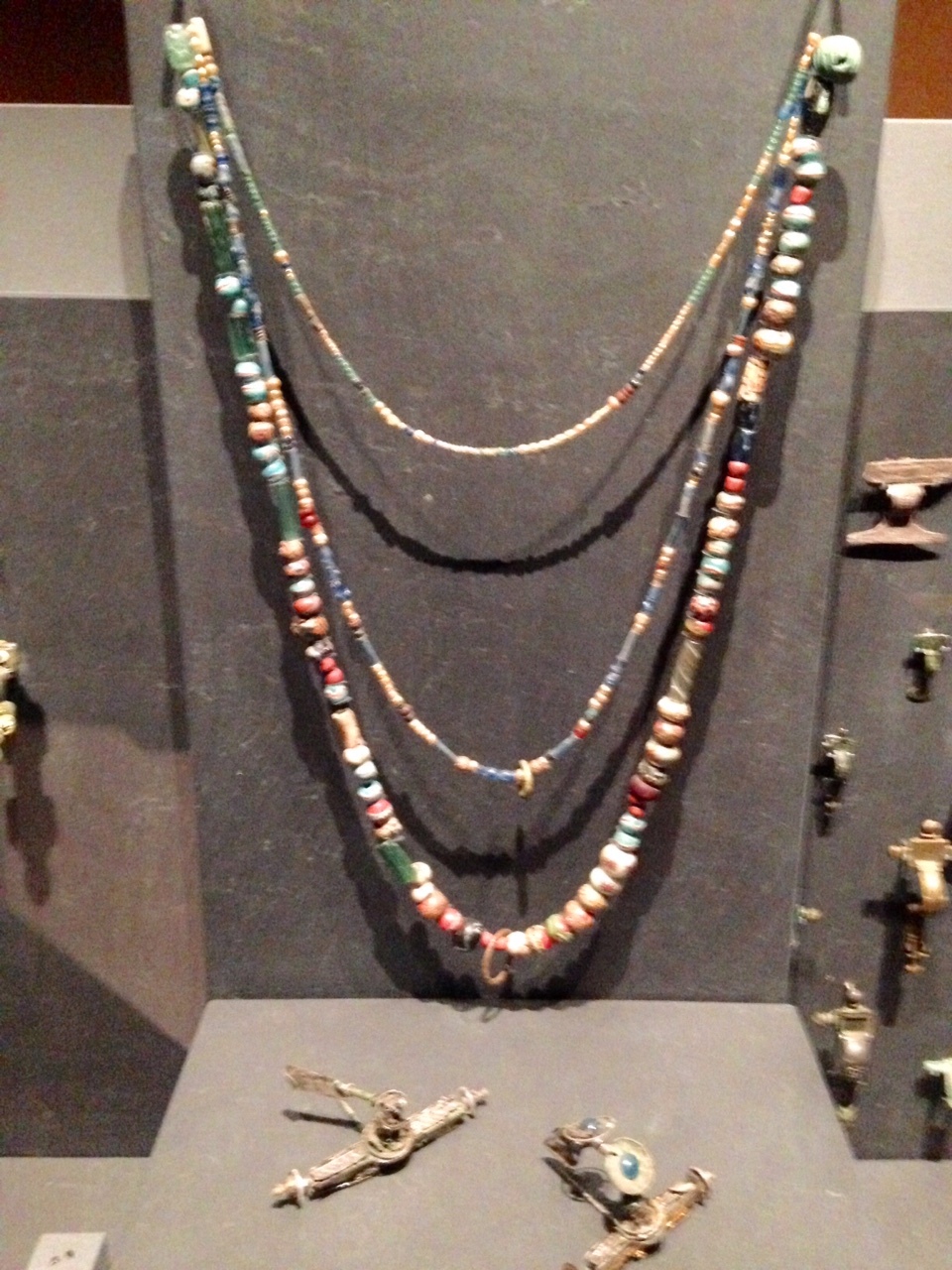
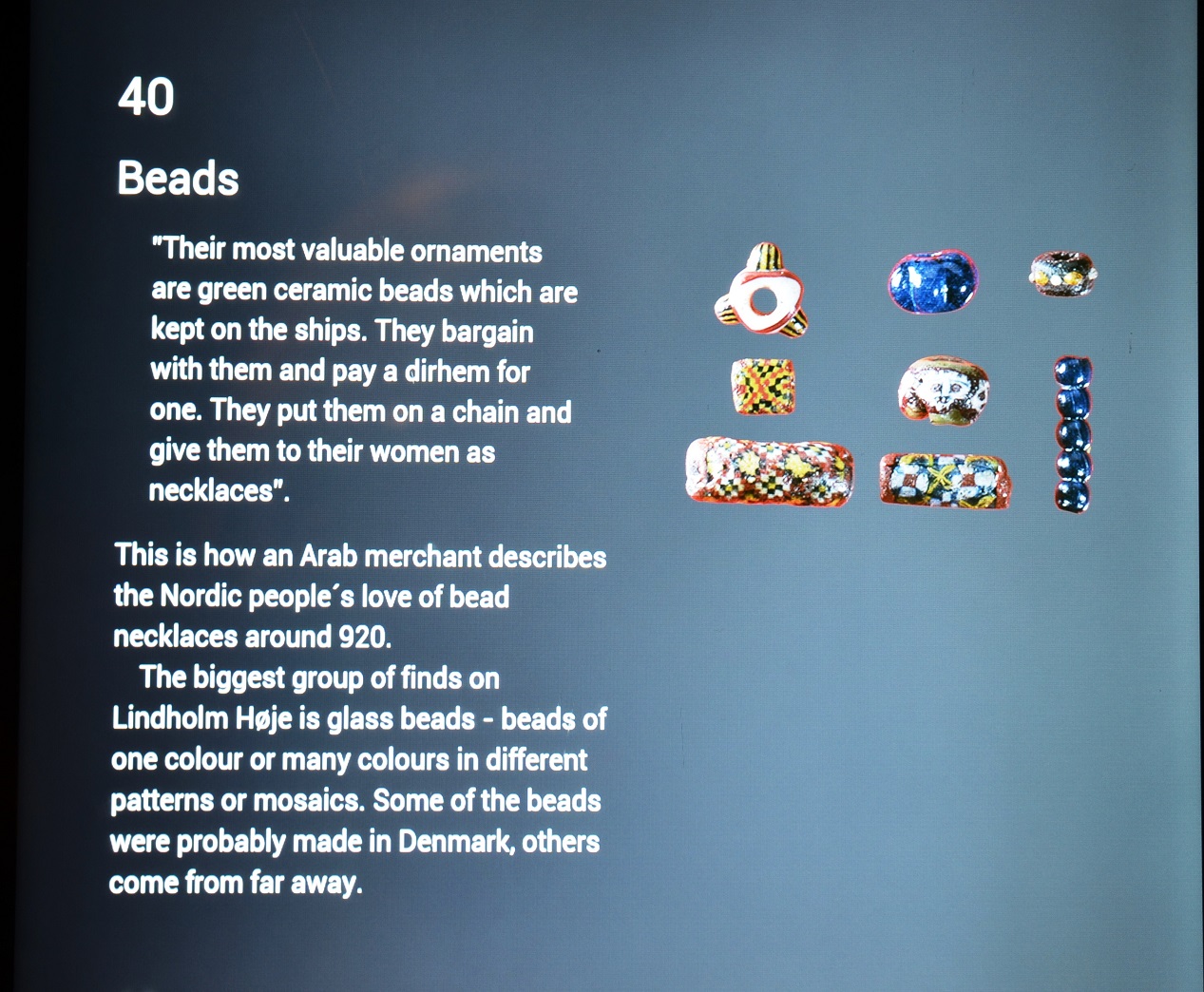
Viking bead necklace excavated from a woman's grave at the site

Viking bead necklace excavated from a woman’s grave at the site

DSC_1314

clothing

musuem combs

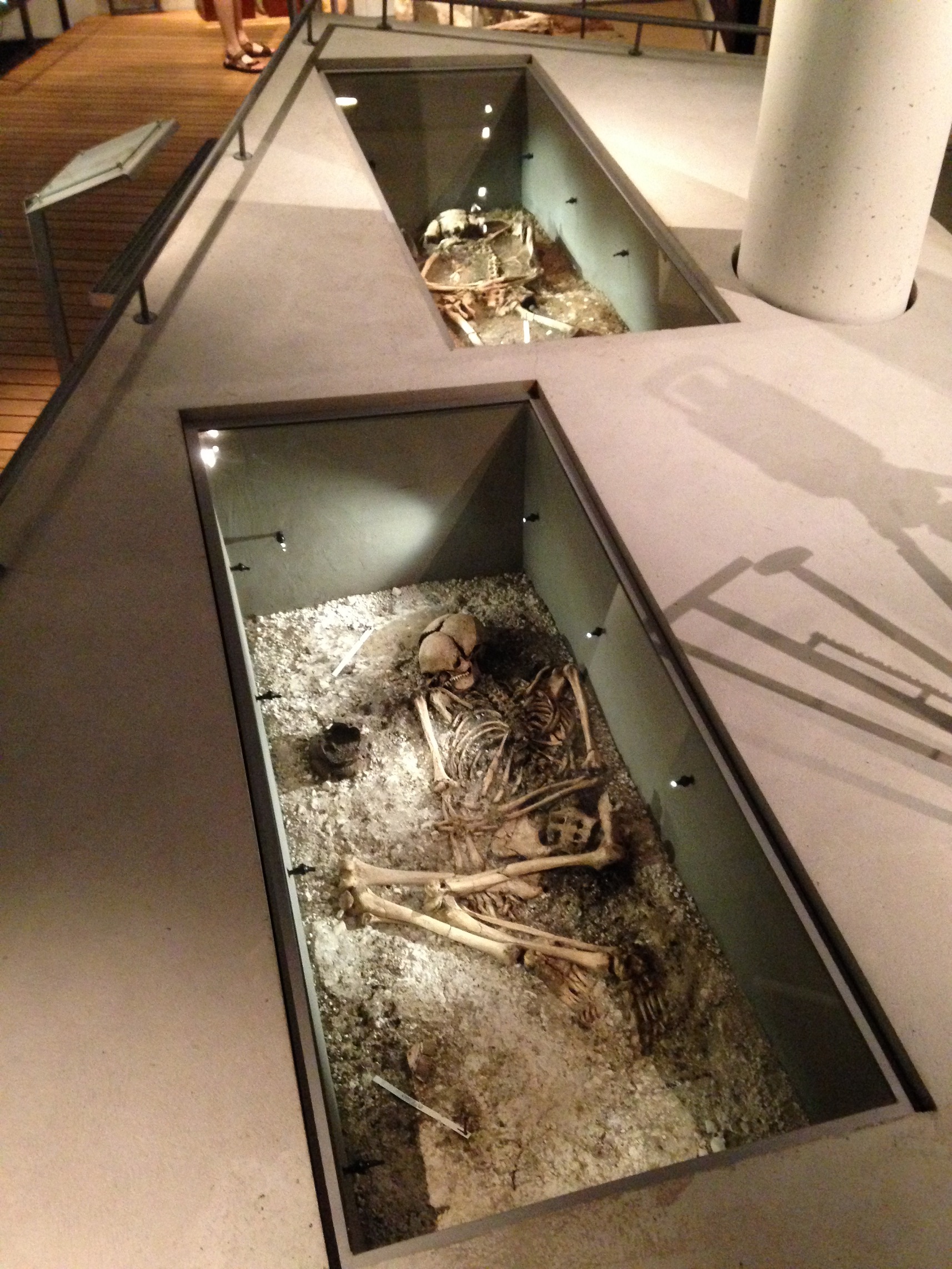
Human remains excavated from the site.

Human remains excavated from the site.

From the museum we made our way back to Aalborg for the crew parade and final prize ceremony for the regatta.

DSC_1399

I think this town deserves another look, and hope to accomplish that some day.

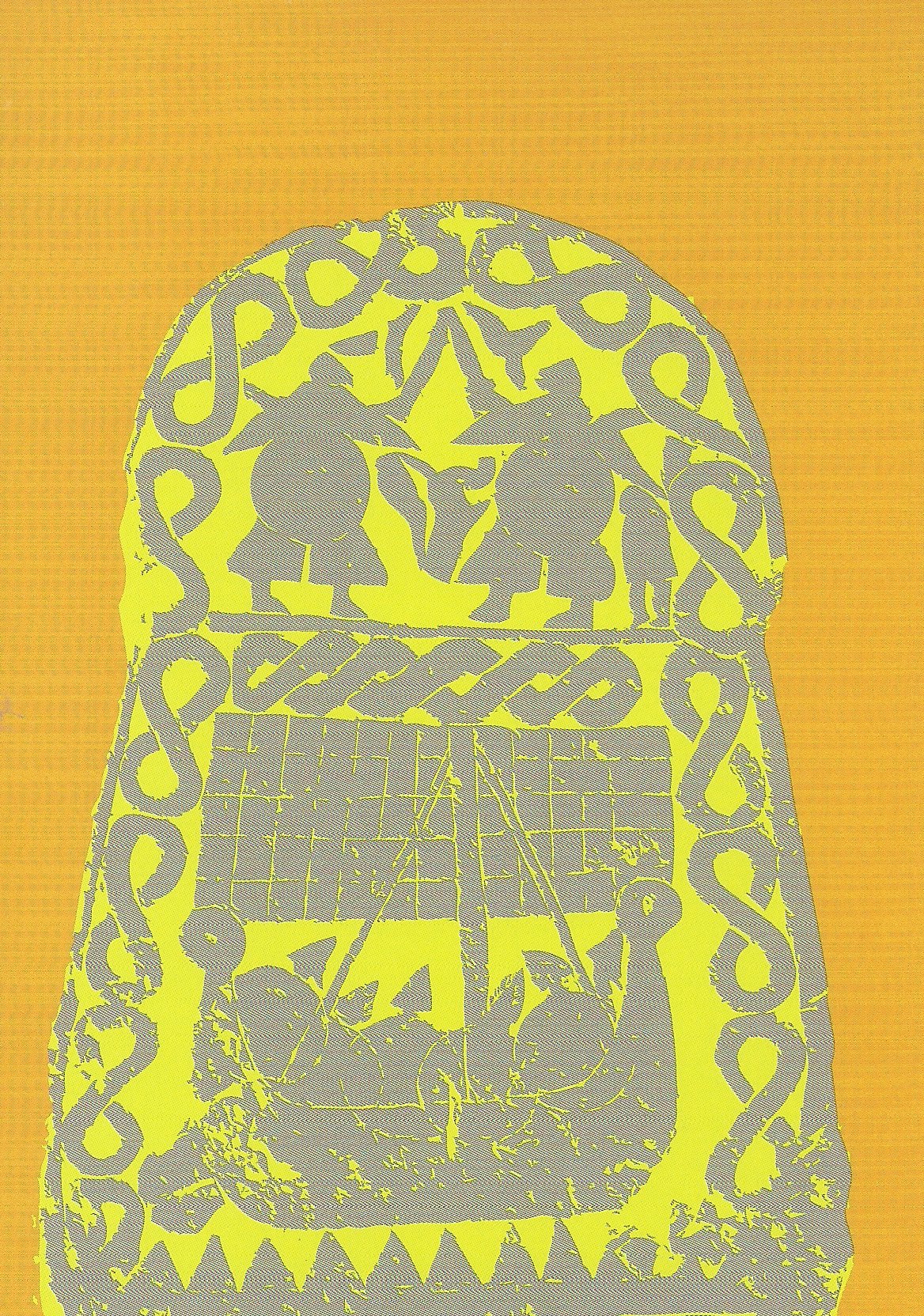
Danish artwork depicting a picture stone, or figure stone from the Scandinavian Viking Age.

Danish artwork depicting a picture stone, or figure stone from the Scandinavian Viking Age.

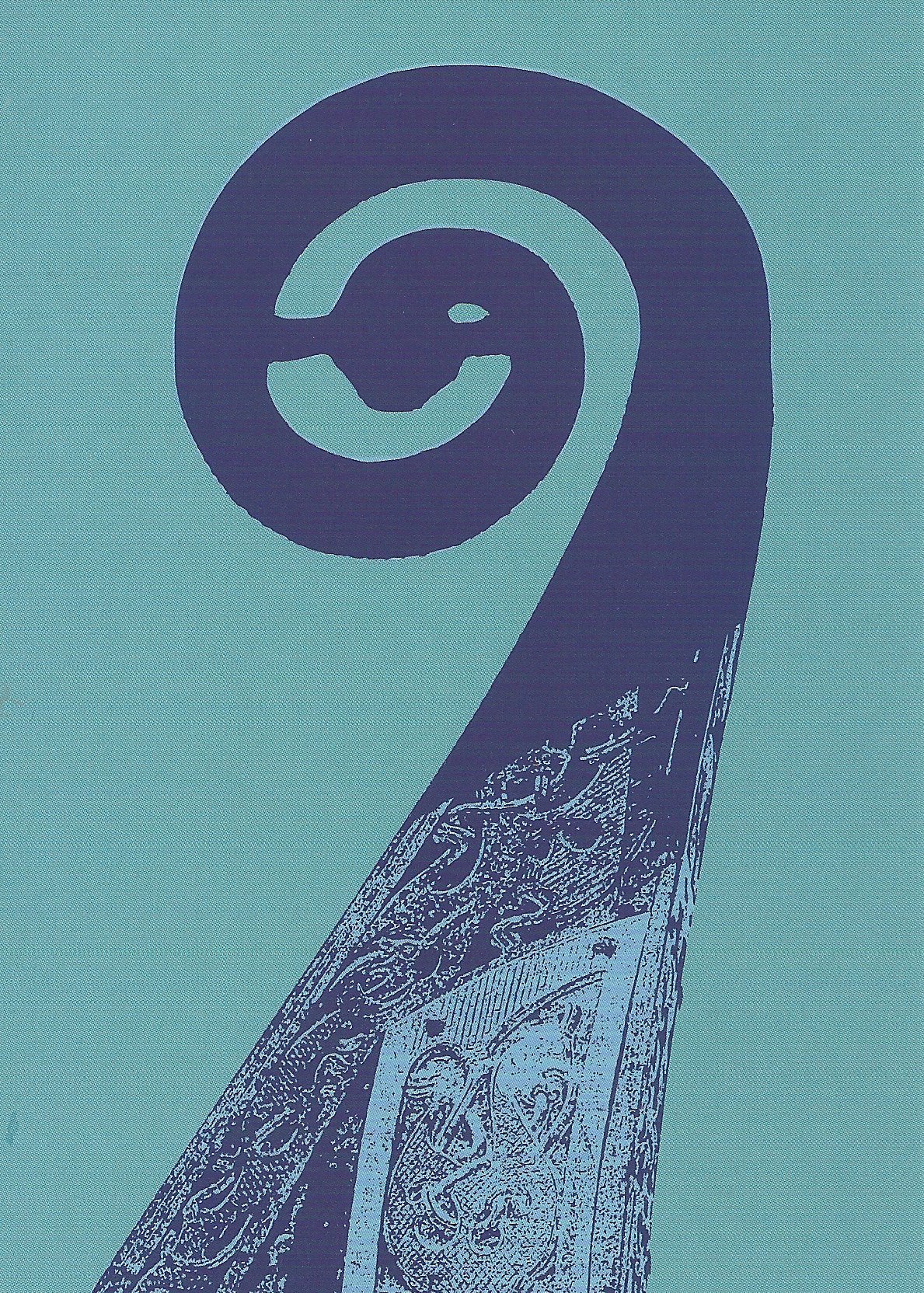
Artwork from a weathervane from Heggen, Norway. The vikings are credited with using a form of weathervane to predict the weather in the 9th century AD. These simple designs were made of bronze and other metals and replaced traditional cloth flags on Viking ships.

Artwork from a weathervane from Heggen, Norway. The vikings are credited with using a form of weathervane to predict the weather in the 9th century AD. These simple designs were made of bronze and other metals and replaced traditional cloth flags on Viking ships.

The Mammen style is a phase of Scandinavian animal art during the late 10th century and the early 11th century. The style is named after finds from a chamber tomb in Mammen on Jutland, Denmark.

The Mammen style is a phase of Scandinavian animal art during the late 10th century and the early 11th century. The style is named after finds from a chamber tomb in Mammen on Jutland, Denmark.

The Oseberg Longship in Norway is a clinker built 'karv' ship built almost entirely of oak.

The Oseberg Longship in Norway is a clinker built ‘karv’ ship built almost entirely of oak.

This artwork is from the Urnes stave church in Norway. The Urnes-style was the latest of the seven Viking-styles.

This artwork is from the Urnes stave church in Norway. The Urnes-style was the latest of the seven Viking-styles.

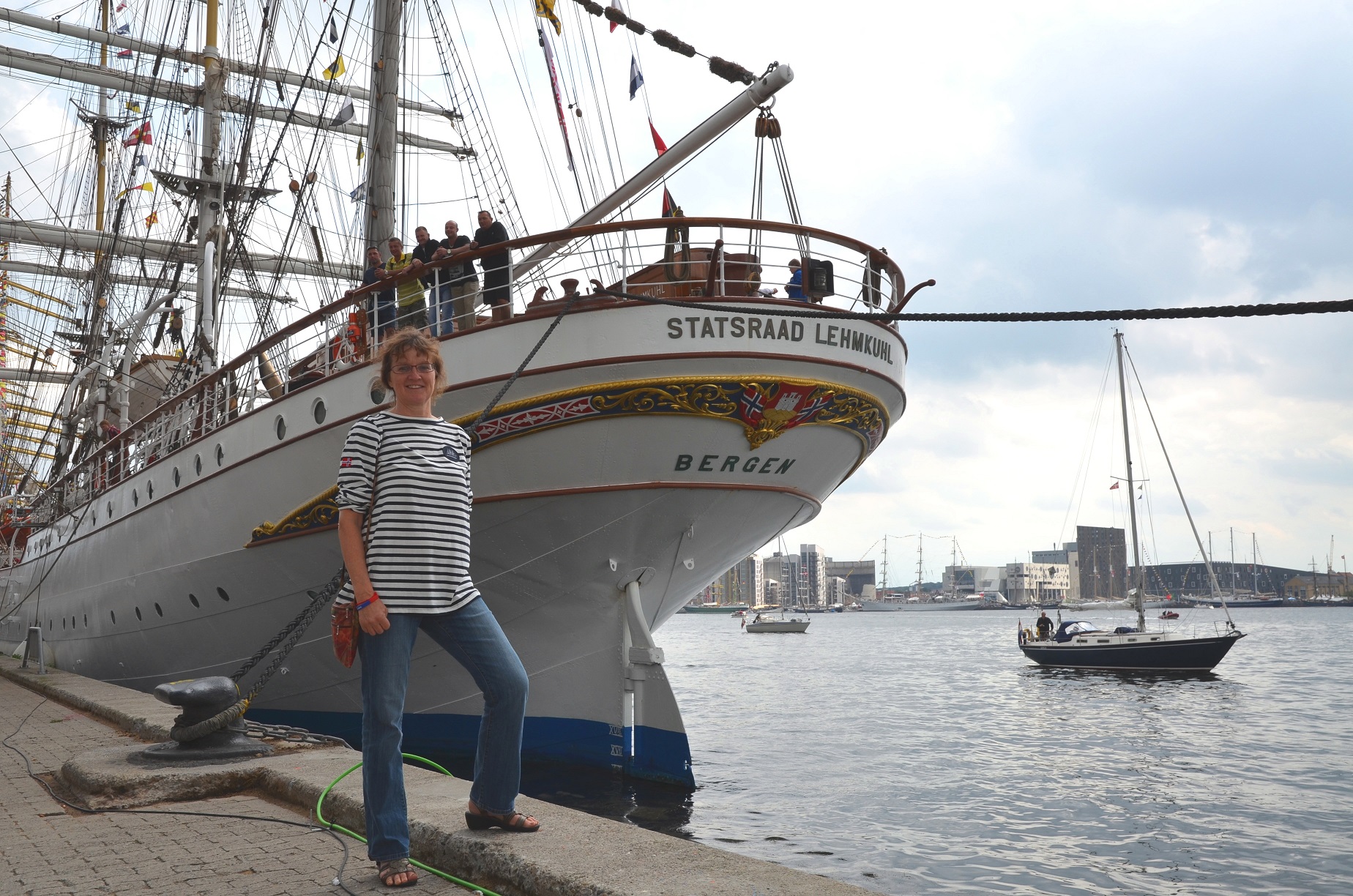
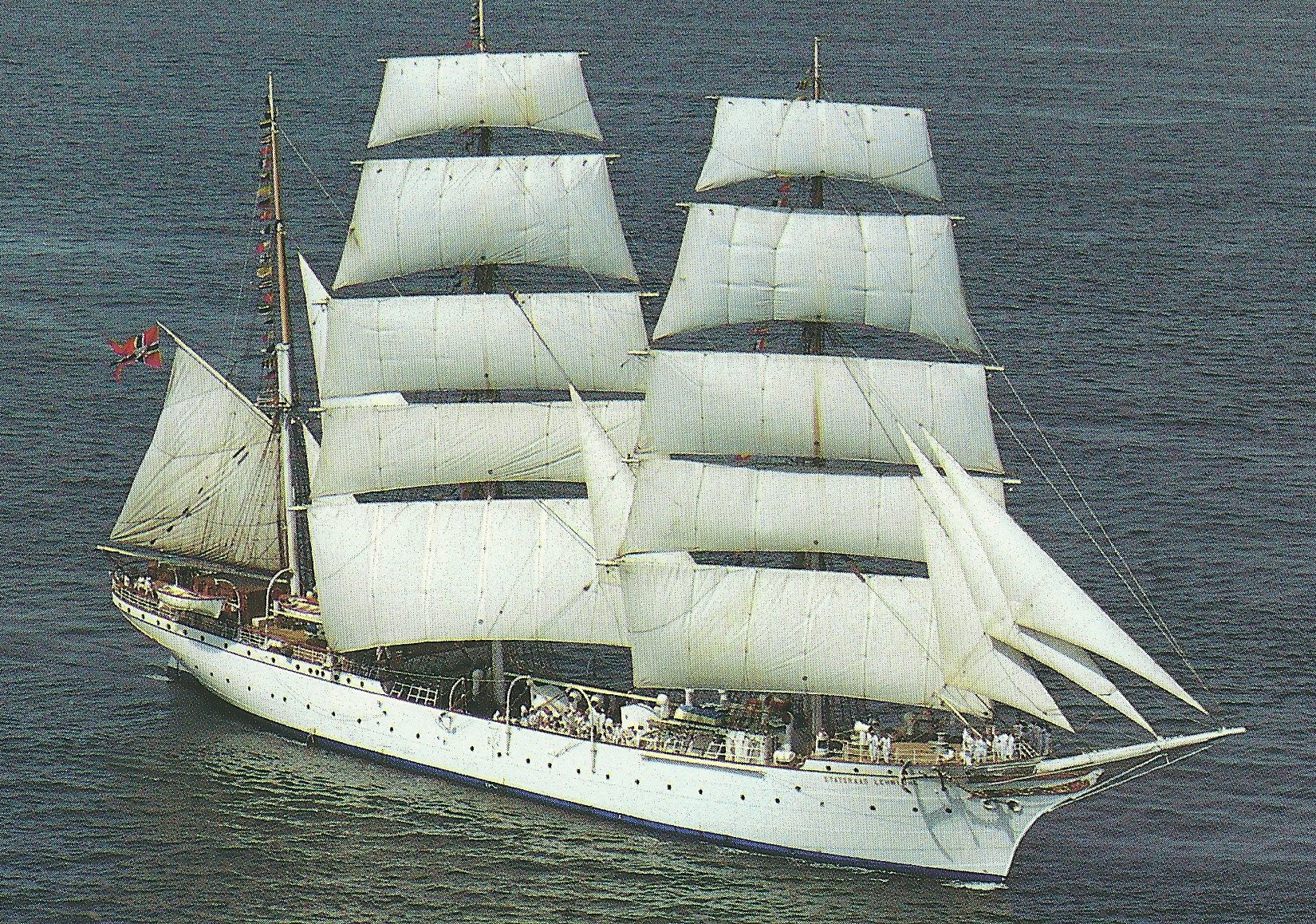
The Statsraad Lehmkuhl, from a postcard purchased from the ship's souvenir shop

The Statsraad Lehmkuhl, from a postcard purchased from the ship’s souvenir shop

Statsraad Lehmkuhl 2

Posted in Denmark, Food and Wine | 2 Comments

2015 Tall Ships Regatta

The Statsraad Lehmkuhl under sail

The Statsraad Lehmkuhl under sail

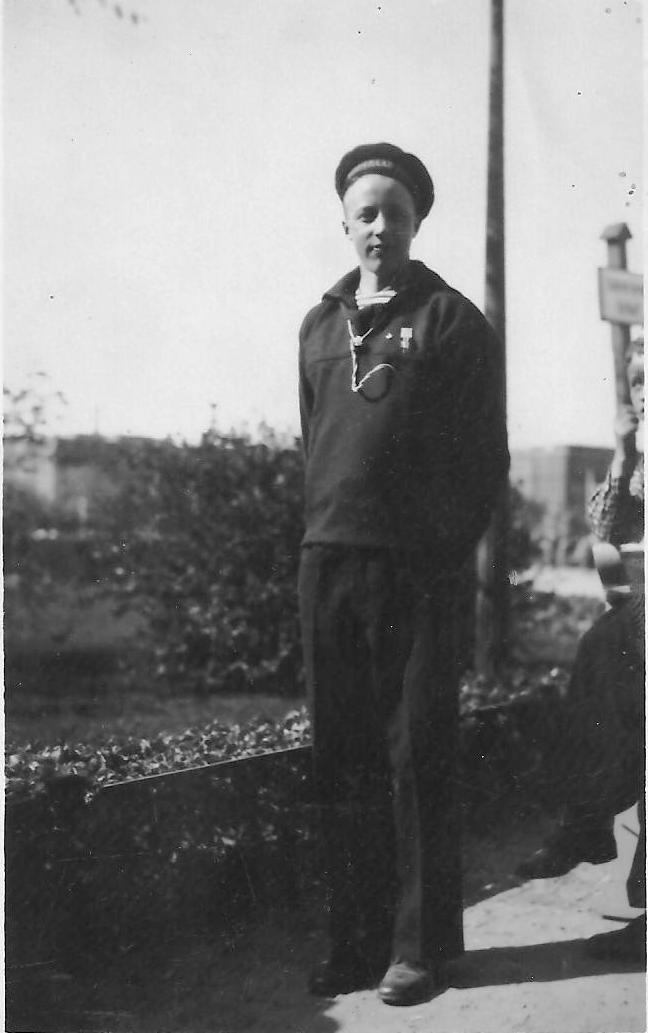
We are here in Norway for two reasons:  to pack up some things from the house, and sail the Statsraad Lemhkuhl in the Tall Ships Regatta from Kristiansand to Aalborg, Denmark.  Our father was a cadet on this same ship in the late 1930s.  When we discovered we could sign on as crew members, it didn’t take long to pick a few dates and make a deposit.

A postcard my dad had of the Statraad Lehmkuhl from his days as a cadet in 1939

A postcard my dad had of the Statraad Lehmkuhl from his days as a cadet in 1939

My dad as a cadet

My dad as a cadet

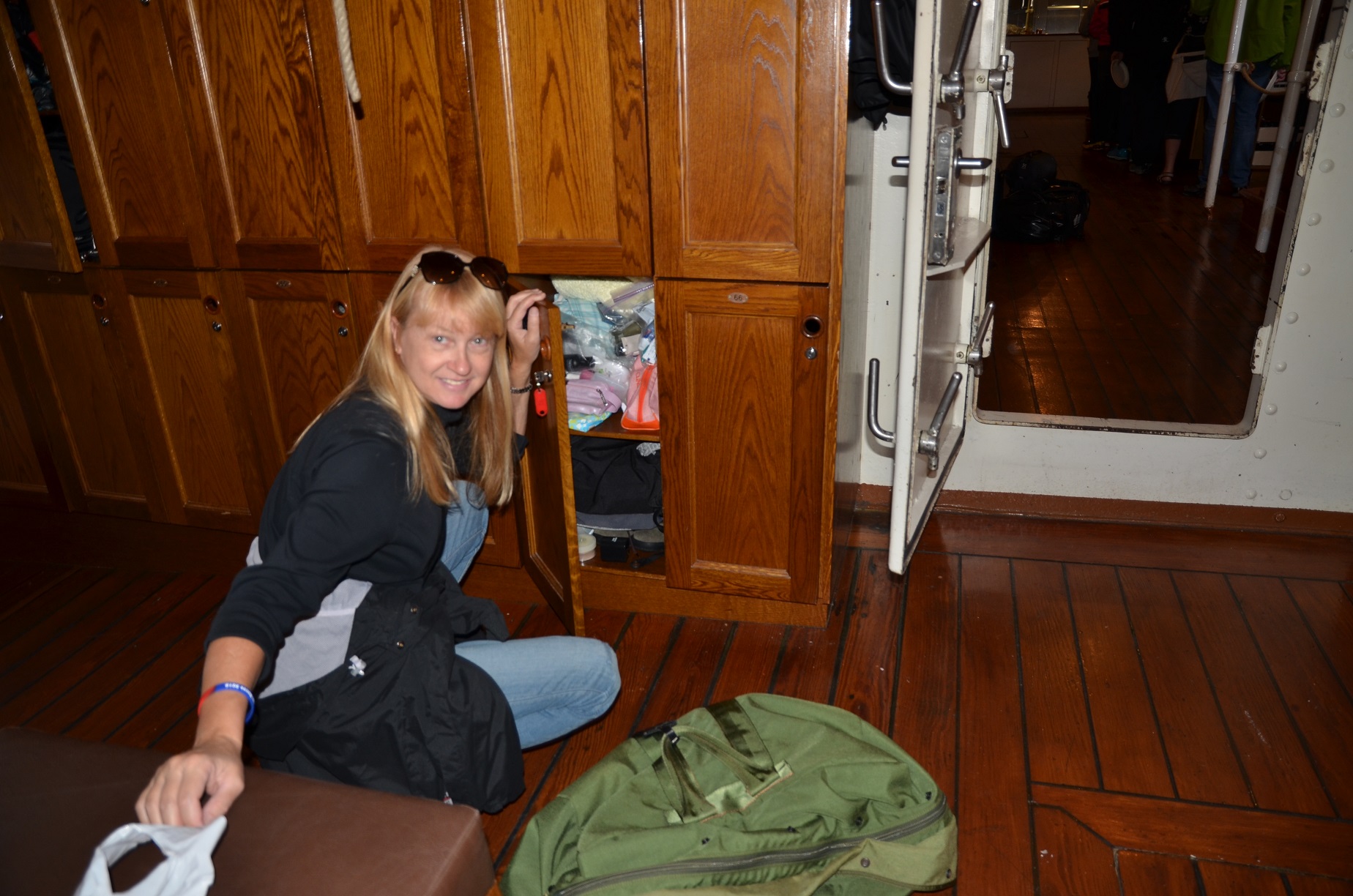
We met up with the crew at 10 am on Tues July 28th in the Kristiansand harbor.  After swapping our passports for locker keys, we were assigned hammocks and watch duties.

Captain Marcus addresses the trainees

Captain Marcus Seidl addresses the trainees

Becky with bell

Our sleeping quarters

Our sleeping quarters

Our lockers

Our lockers

Race route

Race route.  From Kristiansand we had three waypoints we had to round before heading south to Aalborg.   They are marked on the chart above as WP1, WP2 and WP3.

On this leg there were 93 “trainees”, as we are called, split evenly between men and women.  (During the regatta at least 50% of the crew must be between the ages of 15 and 25.  They are trying to promote maritime careers with young people).  We got the Red Watch (also called the “dog watch”), noon to 1600 and again midnight to 0400.  Surprisingly it turned out to be a very nice time to be on deck.  Most everyone else is sleeping and it is quiet.  The last of the sunset is just visible when we go on duty at midnight, and at 0230 the first of the sunrise starts to lighten the skies to the east.  Watch duties include; lookout (on the bow) buoy watch (aft deck), helm, and fire watch.  But mostly during watch we are manual labor for pulling on lines to either furl or unfurl the sails or trim the sails.  That part of the watch was a lot more work than I anticipated.

sails

duties

Our first four hour watch began at midnight Tues.  It was the most difficult watch period of the entire sail due to continual rain and windy conditions.  For the first two hours of the watch we trimmed sails continually.  That meant two hours of racing between lines in rain and total darkness on an unfamiliar deck, as the crew yelled instructions in a mixture of Norwegian and Danish.  It was a bit confusing to say the least.  We were told that the regatta legs are more intense than a regular cruise, but there is a reason.  The continual trimming of the sails is to gain the maximum speed possible.  After two hours of trimming sails, my sister and I took the lookout watch on the prow.  In that hour up front we learned it is the coldest and windiest spot on the ship.  At the end of our four hour watch the hammocks were starting to look pretty good, but the night wasn’t over.  Soaked and shivering at 0400 our watch leader told us that we had to stay on duty because we were approaching a waypoint and they needed at least two full watches (62 people) on deck to complete the coming about maneuver.  So in the wind and rain we hauled on the lines as instructed and at 0600 we fell into our hammocks, sleeping right through breakfast.  It was the most challenging watch of the sail, but also the most memorable.

From the Captain’s log the night of our first watch:

We rounded the first waypoint during an exciting night in variable winds and rain and are now on an easterly in light following winds. Most of the vessels in our class are still tightly grouped and it is a wonderful sight with all the sails around us here in the Skagerak. The wind is expected to increase and we are all looking forward to that.

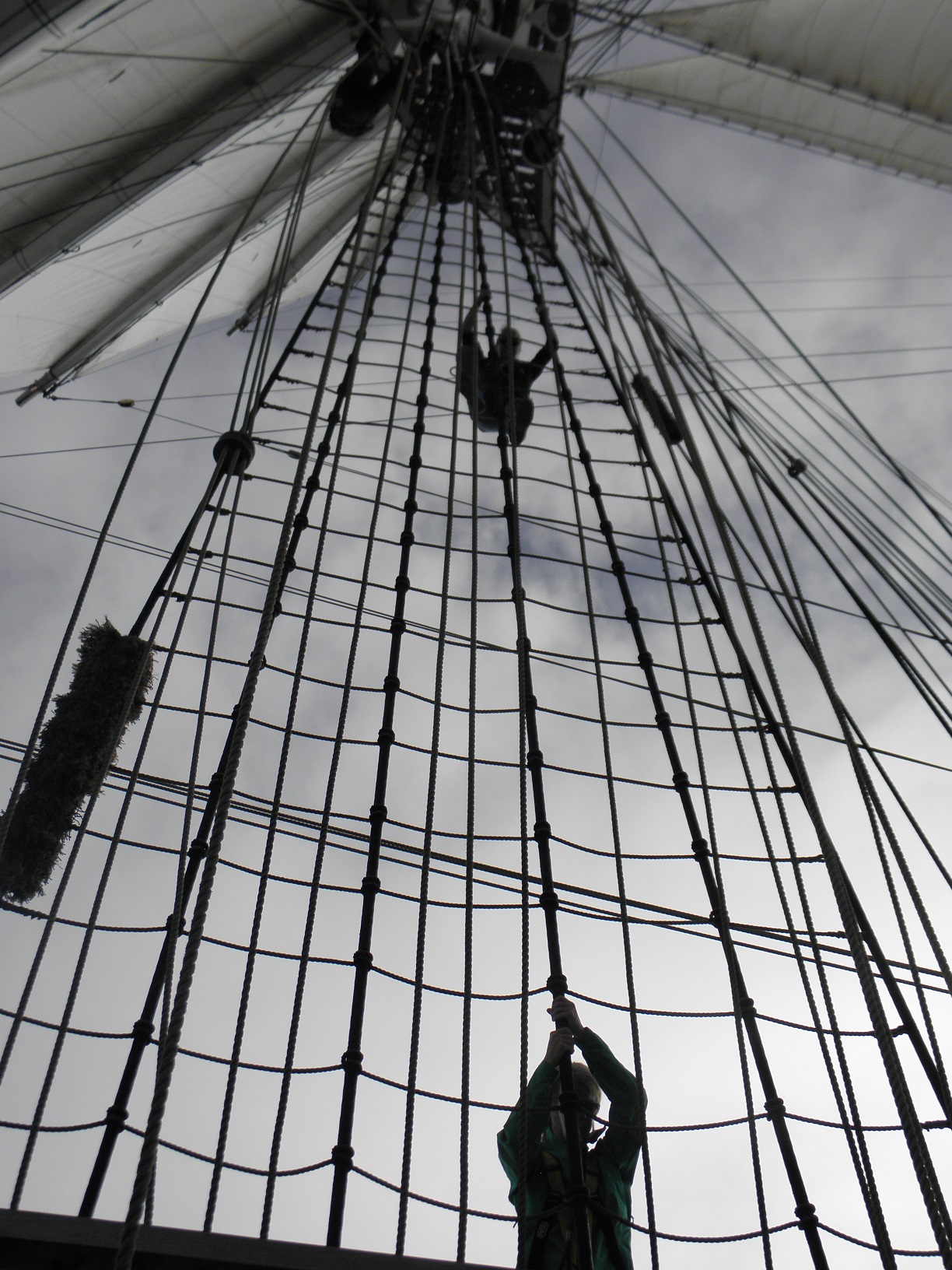
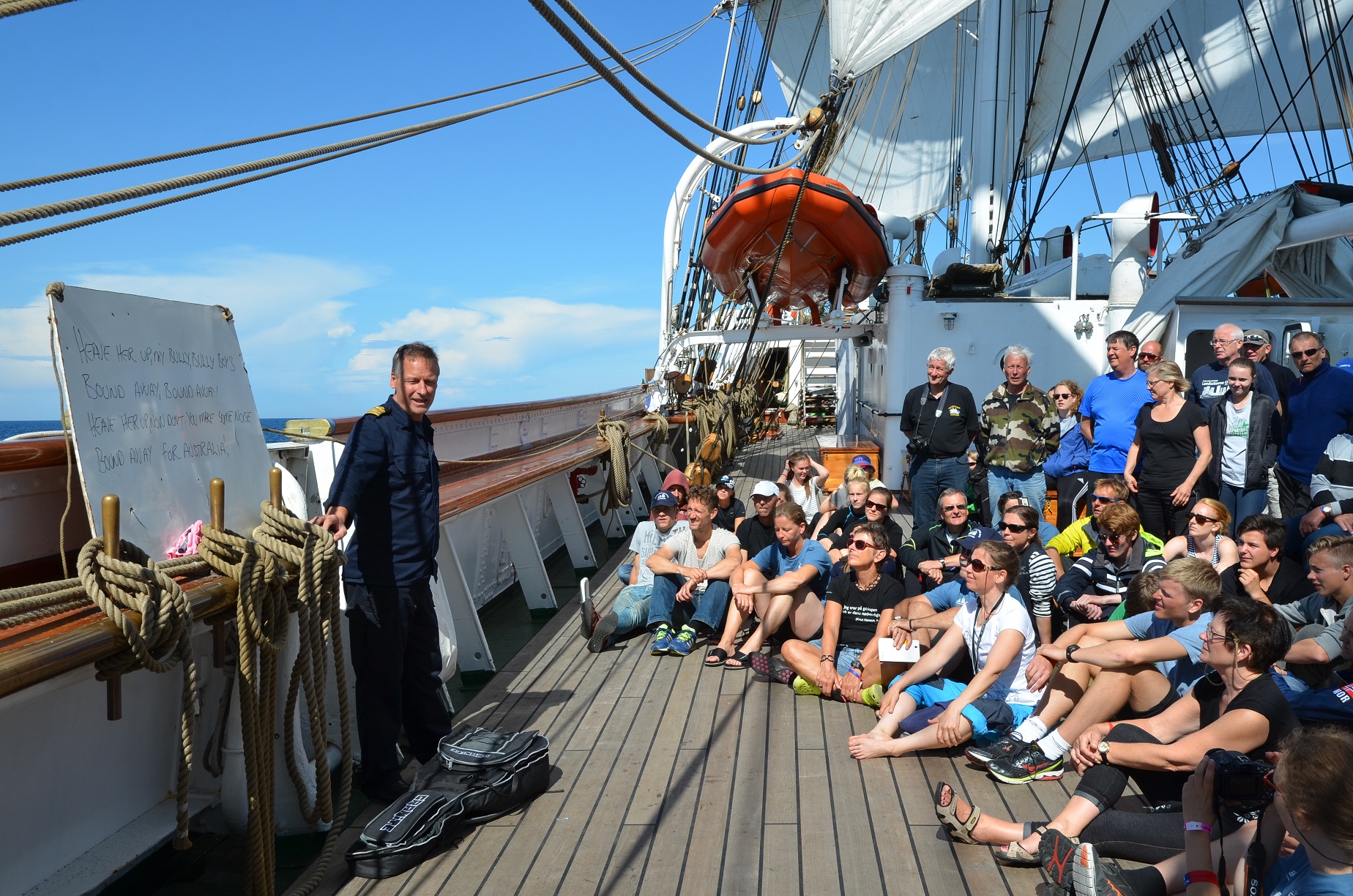
The afternoon shift was much calmer, and afterwards the entire group of trainees gathered on the main deck to learn sailing shanties from the ship’s “shanty man” Haakon Vatle from Storm Weather Shanty Choir.  After our watch we also got to climb into the rigging.

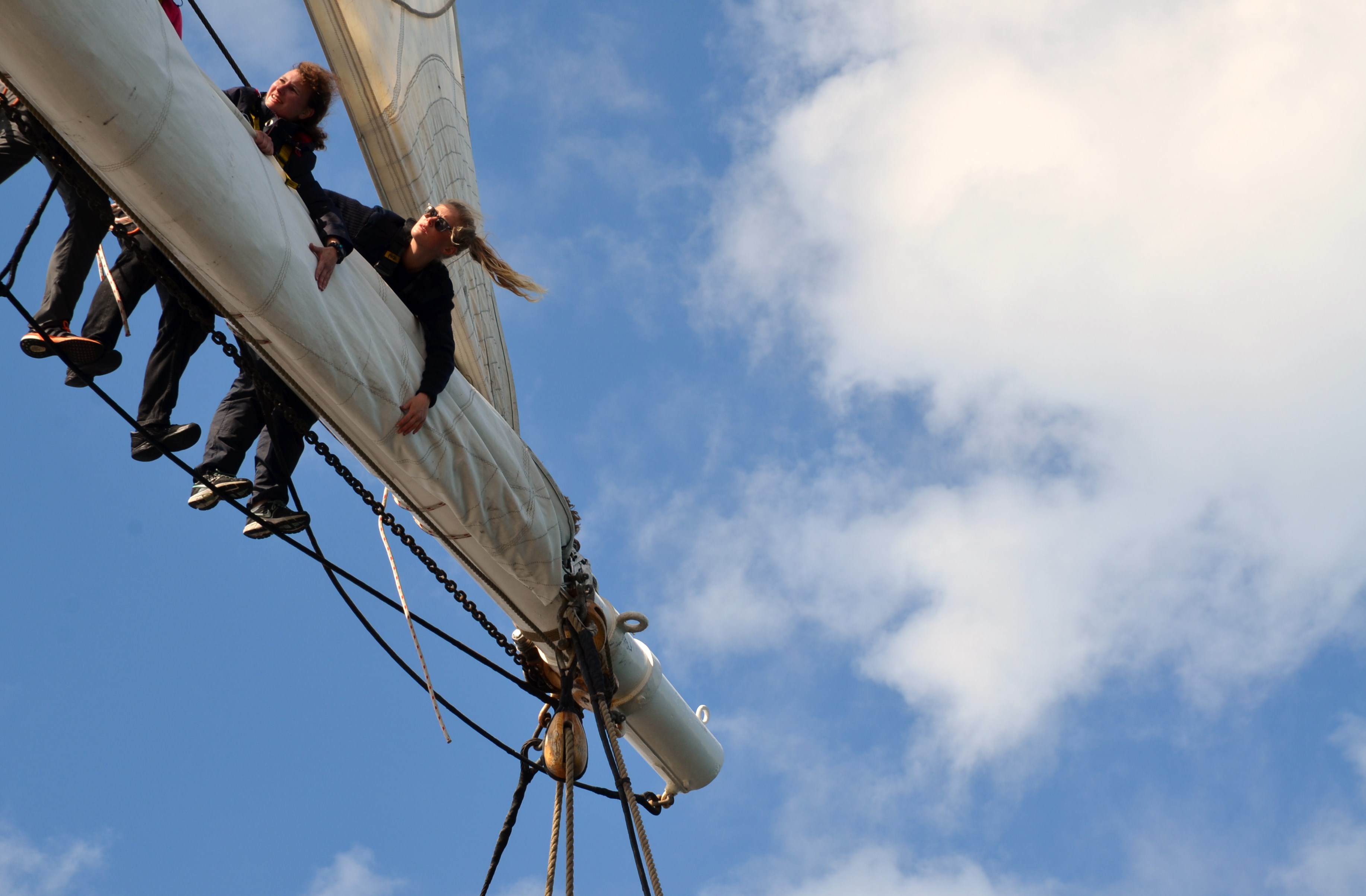
Me climbing the rigging

Me climbing the rigging

OLYMPUS DIGITAL CAMERA

Kristian. One of the Statsraad Lehmkuhl crew members

Kristian. One of the Statsraad Lehmkuhl crew members

Our second dog watch was heaven compared to the night before.  We enjoyed calm winds and a moon so full it cast shadows on the deck.  It was peaceful up on the bow where we started our shift; not good for sailing, but very good for contemplation.

compass

IMG_5361 (2)

Sails

Sails

From the second day we had much calmer winds and no more rain.  Due to the calm winds, the race ended early, at 1400 on Thursday, with the results to be determined from the ships’ positions that day.  All the ships needed time to reach Aalborg by Saturday.

From the Captain’s log:

After the official termination of the race was announced at 2 pm yesterday, we decided to continue sailing along the race route and are now on the last leg southwards towards the finishing line off Skagen. We have a nice sailing wind and as the pictures from our visiting photographer from the Danish Fyns Amts newspaper illustrate, the trainees are kept busy on their watch posts and learning seamanship while they enjoy life at sea. Yesterday we were visited by the commander of the Norwegian Coastguard vessel SVALBARD and the Race Director for the Tall Ships Races, who we had invited over for coffee at sea and a shanty session on deck under full sails and sunny skies. We will continue to sail towards The Tall Ships Races Aalborg as long as the wind allows and plan to arrive at 10:00 tomorrow morning.

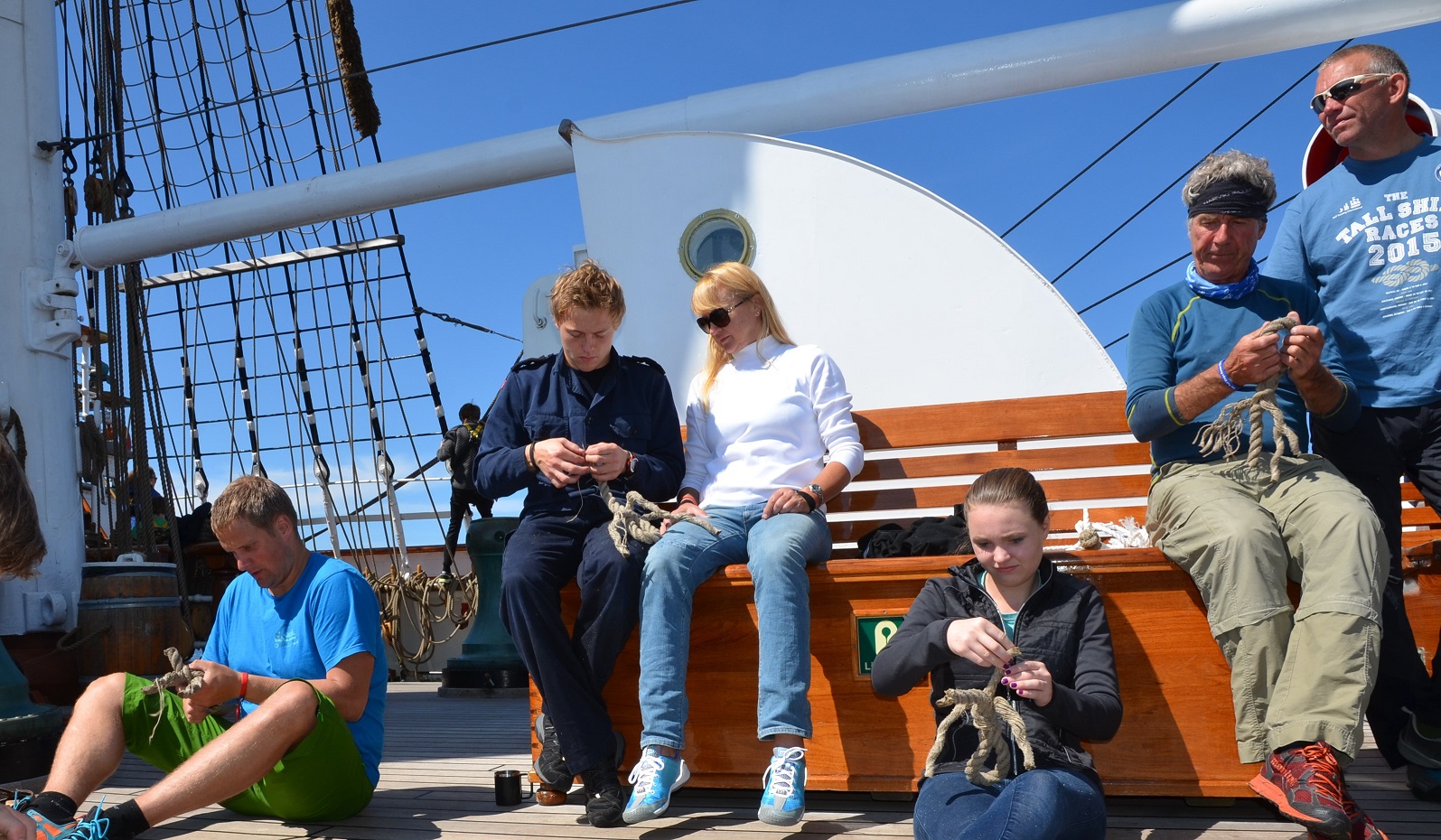
The stress level diminished and the shanty singing enthusiastically increased with the termination of the race.  Our duties were much easier and we indulged in some lolling on deck in the sun.  We had lessons in knot tying, rope splicing, rope coiling, and sailing techniques.

Learning to splice rope

Learning to splice rope

The captain sang a shanty too

The captain sang a shanty too

Shanty singer Haakon from Storm Weather Shanty Choir

Shanty singer Haakon from Storm Weather Shanty Choir

Me taking a break on the deck

Me taking a break on the deck

Becky on ship

On Thursday at about 3 pm, a Norwegian Coast Guard ship came close and launched a runabout.  Three of the officers, friends of the captain, came aboard for a visit with coffee and sweet rolls.  They stayed for some shanty singing and then we sang them off.

Norwegian coast guard

Norwegian coast guard

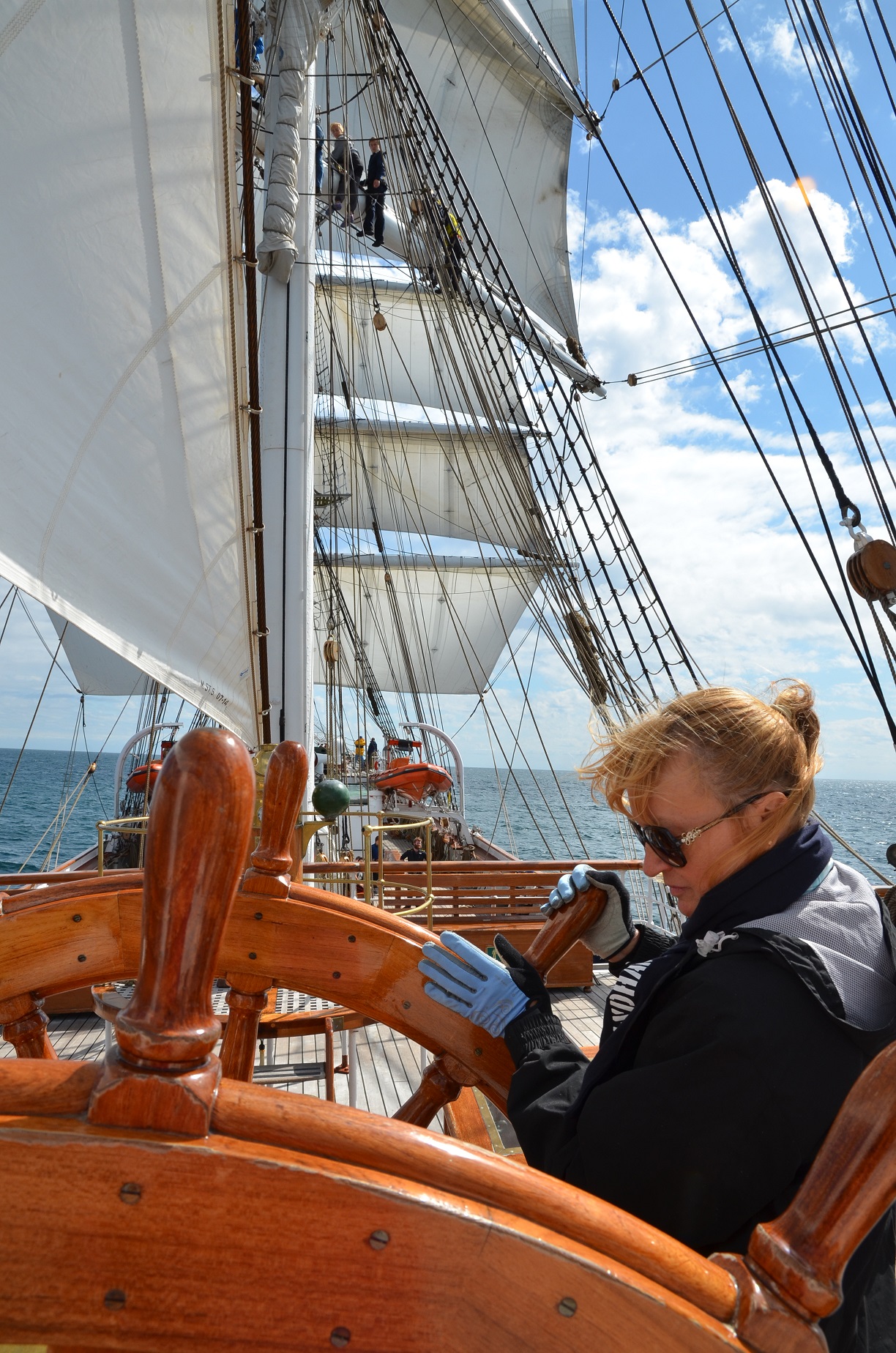
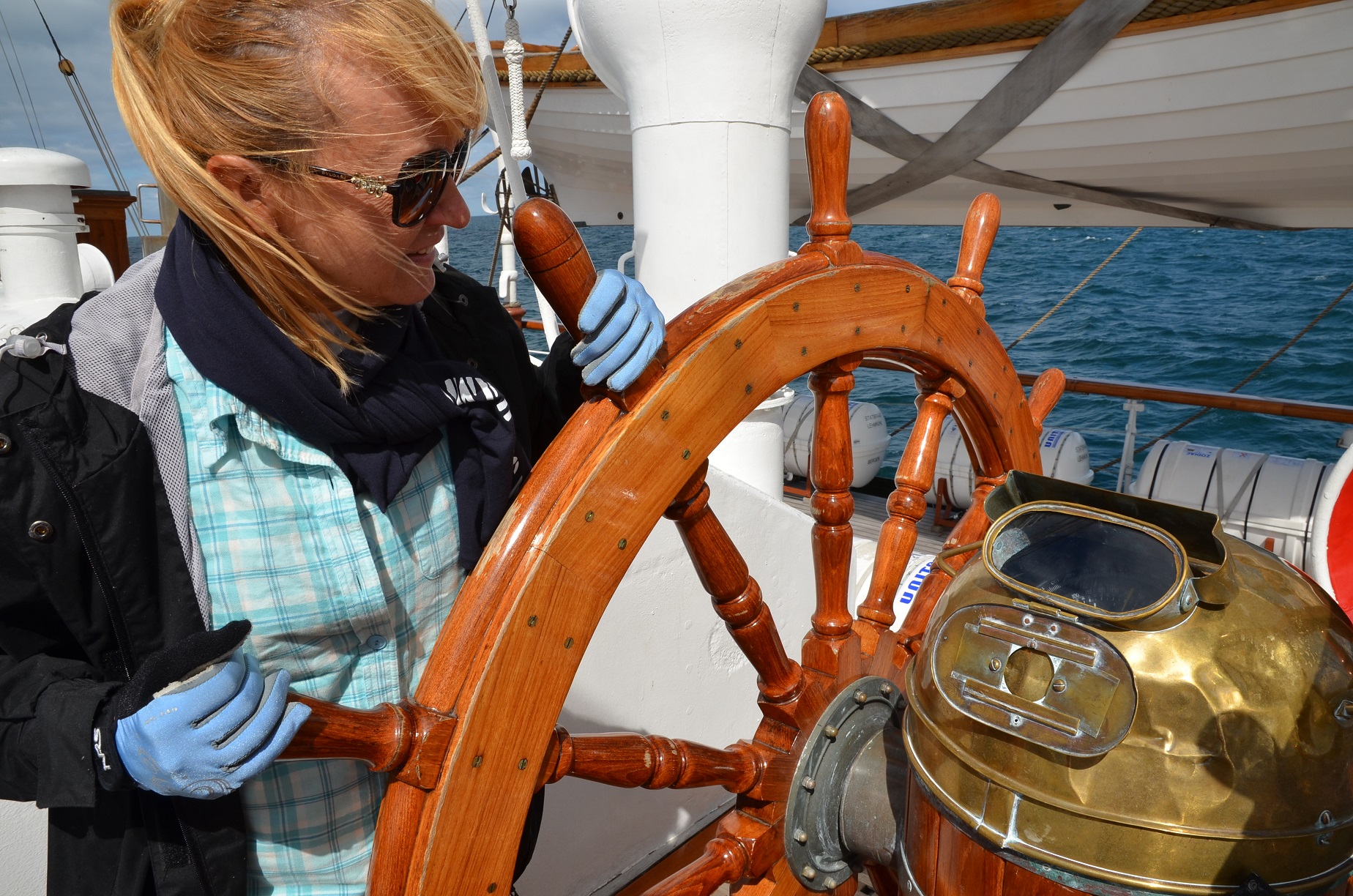
Although the race was over, the captain decided to sail the route, so we continued with our sail training, all the watches, and our duties.  My favorite duty was the helm.

Me on Helm duty

Me on Helm duty

L at helm

My sister at helm duty

My sister at helm duty

We also continued to learn more shanties.  The plan was to load up the yard arms with the cadets and sing our way into port in Aalborg.  The sails came down around midnight Friday night and between 8 am and 10 am on Saturday all the trainees were put to work polishing brass and perfectly coiling all ropes.

Vanessa instructing trainees in the rigging

Vanessa instructing trainees in the rigging

The Christian Radich behind us. There is a long standing friendly competition between the crews. They passed us near the end and came in 8th

The Christian Radich behind us. There is a long standing friendly competition between the crews. They passed us near the end and came in 8th

Kids in the rigging as we came into port

Kids in the rigging as we came into port

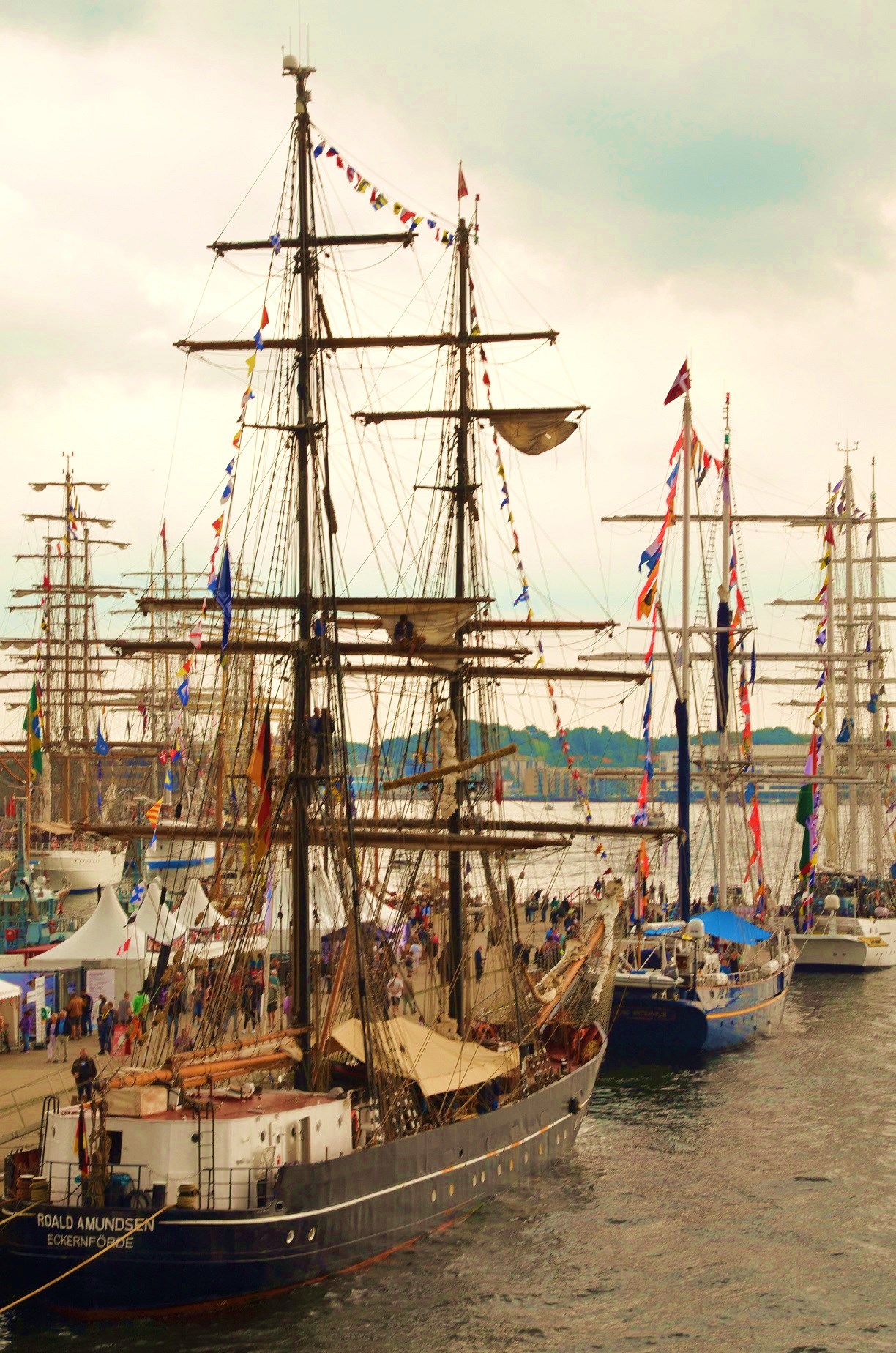
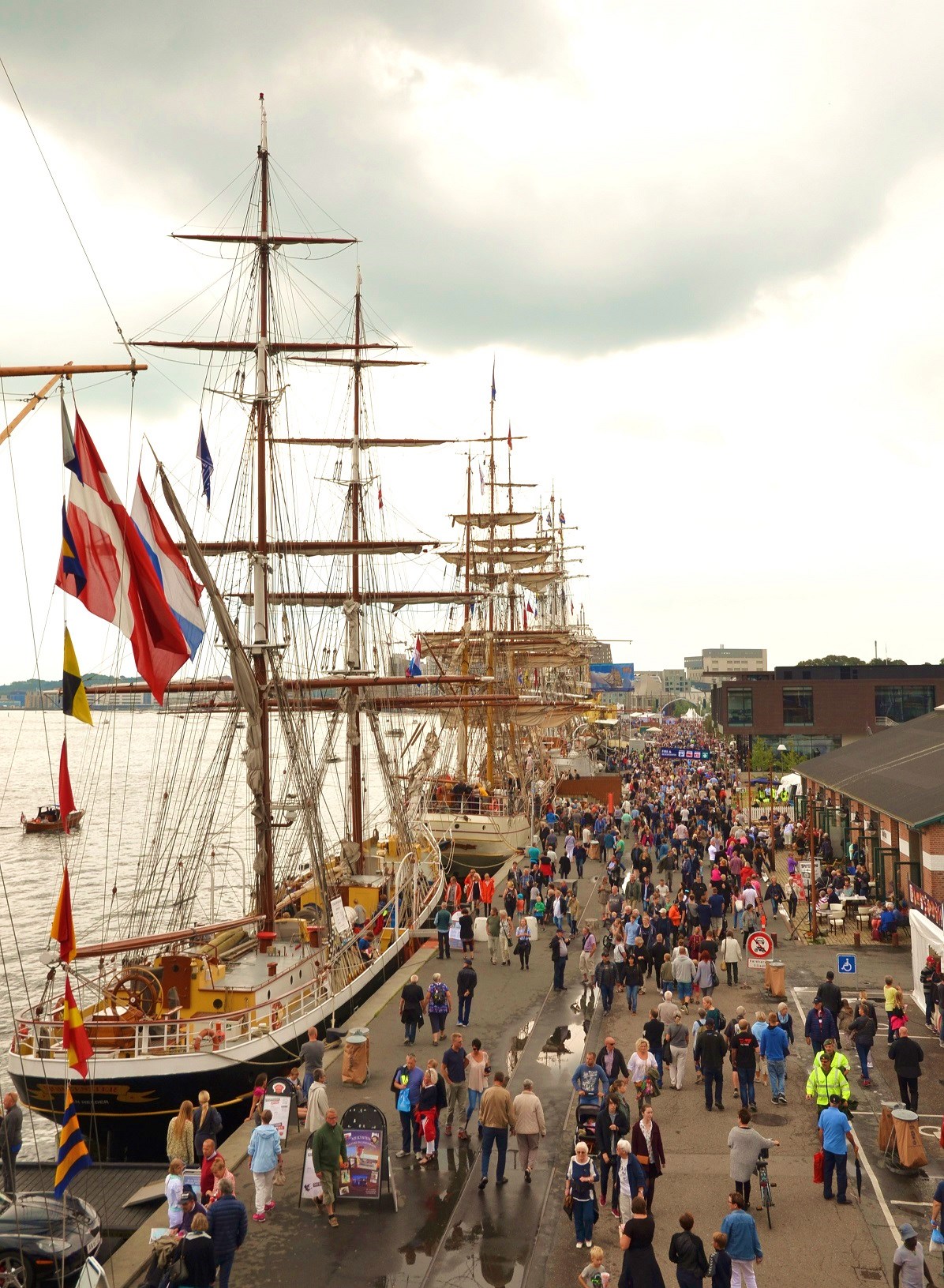
Saturday morning we motored into Aalborg with the yardarms lined with kids.  We all sang shanties as we found our moorage.  The harbor was full of Tall Ships and the party was already under way.  It was a great sail and quite an experience.  We marched in the crew parade on Sunday and cheered the crews who won awards at the ending ceremony.  Unfortunately our ship the Statsraad Lehmkuhl did not win any prizes.  We came in 9th in the Class A ranking.

B and L

Ship;s in port

Ship;s in port

Ships and people crowd the port in Aalborg

Ships and people crowd the port in Aalborg

The Statsraad Lehmkuhl's banner in the parade

The Statsraad Lehmkuhl’s banner in the parade

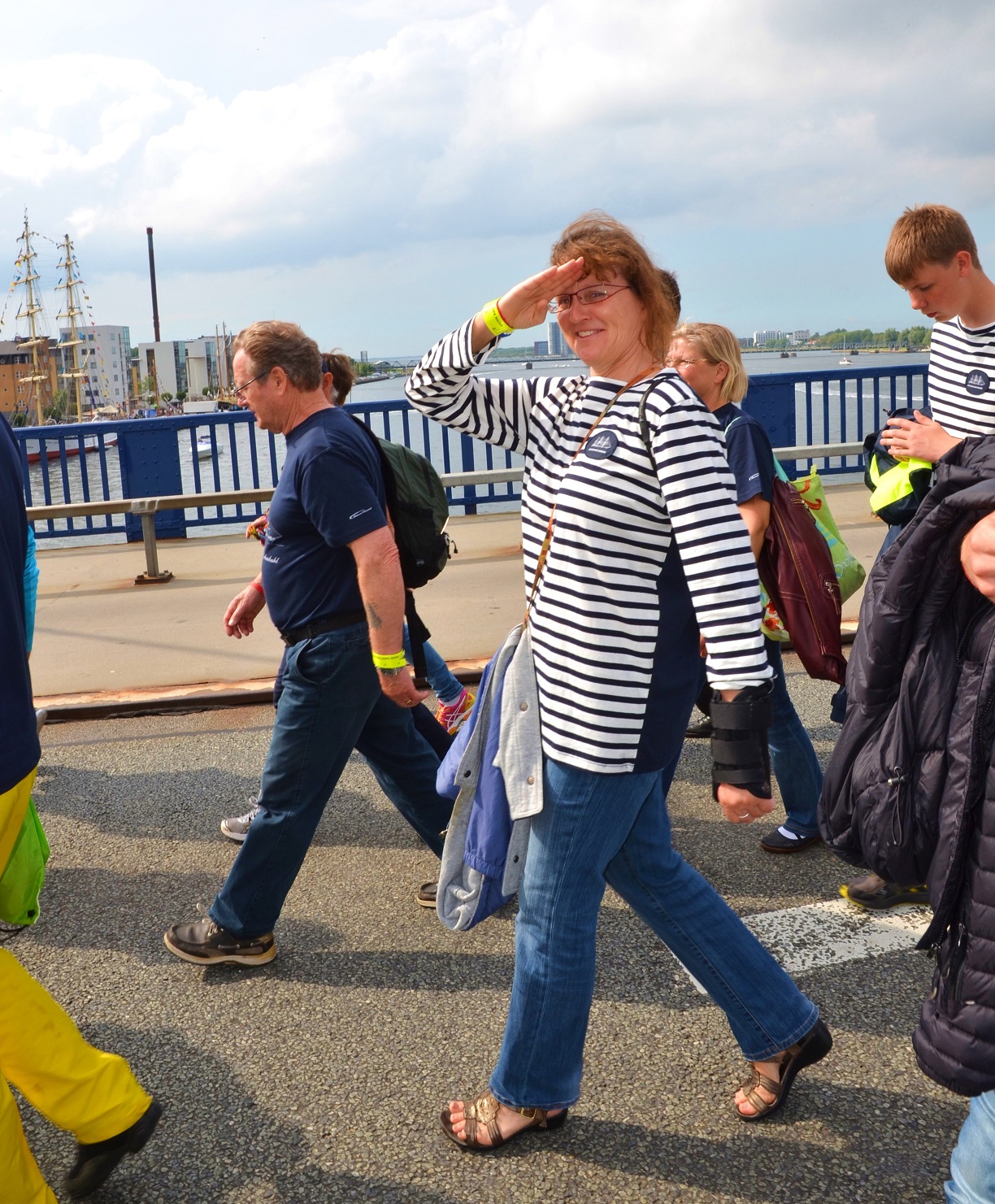
My sister marches in the crew parade

My sister marches in the crew parade

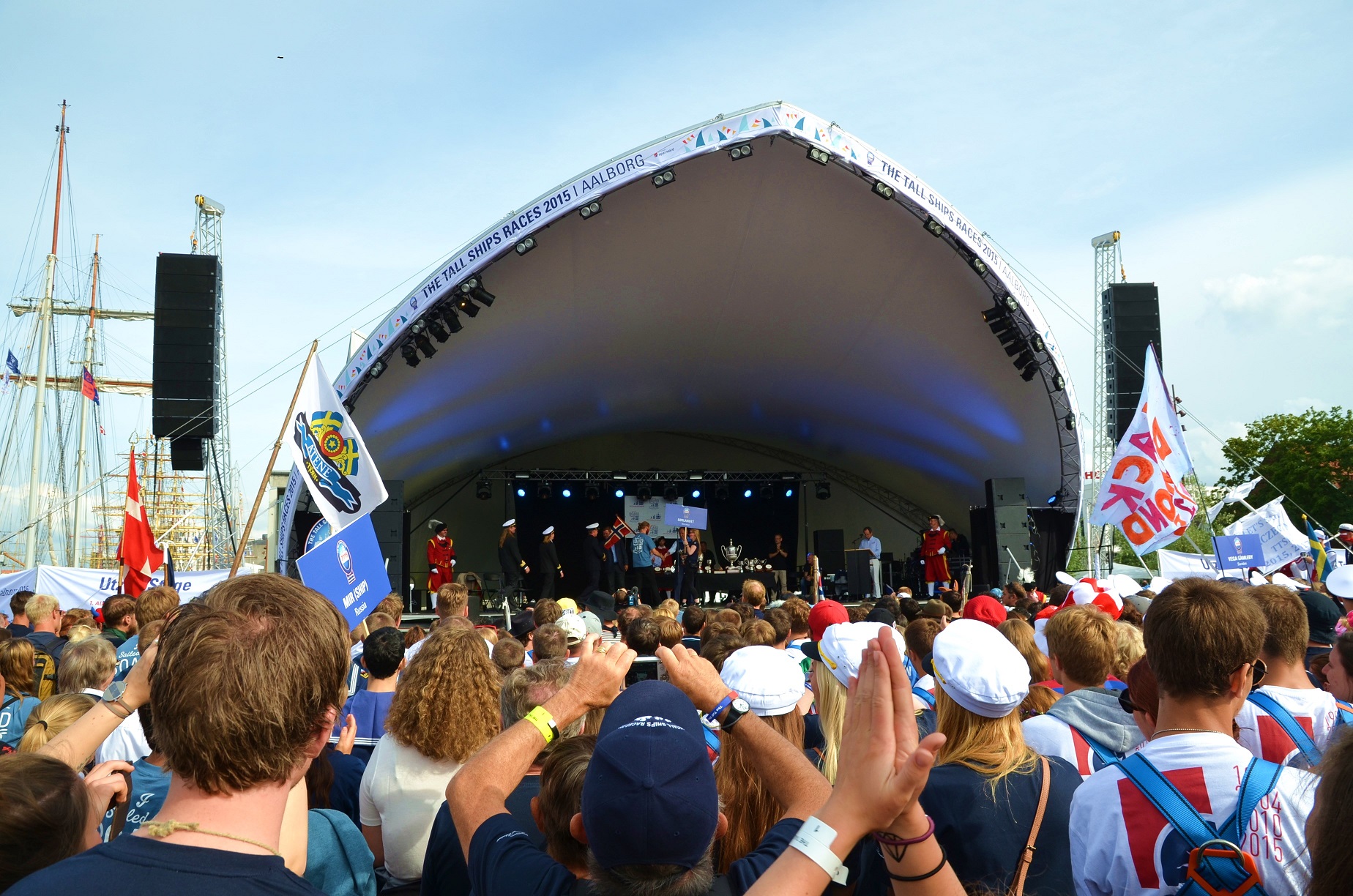
The prize ceremony

The prize ceremony

The crew of the Norwegian ship Sorlandet accepts the first place prize for the Class A ships

The crew of the Norwegian ship Sorlandet accepts the first place prize for the Class A ships

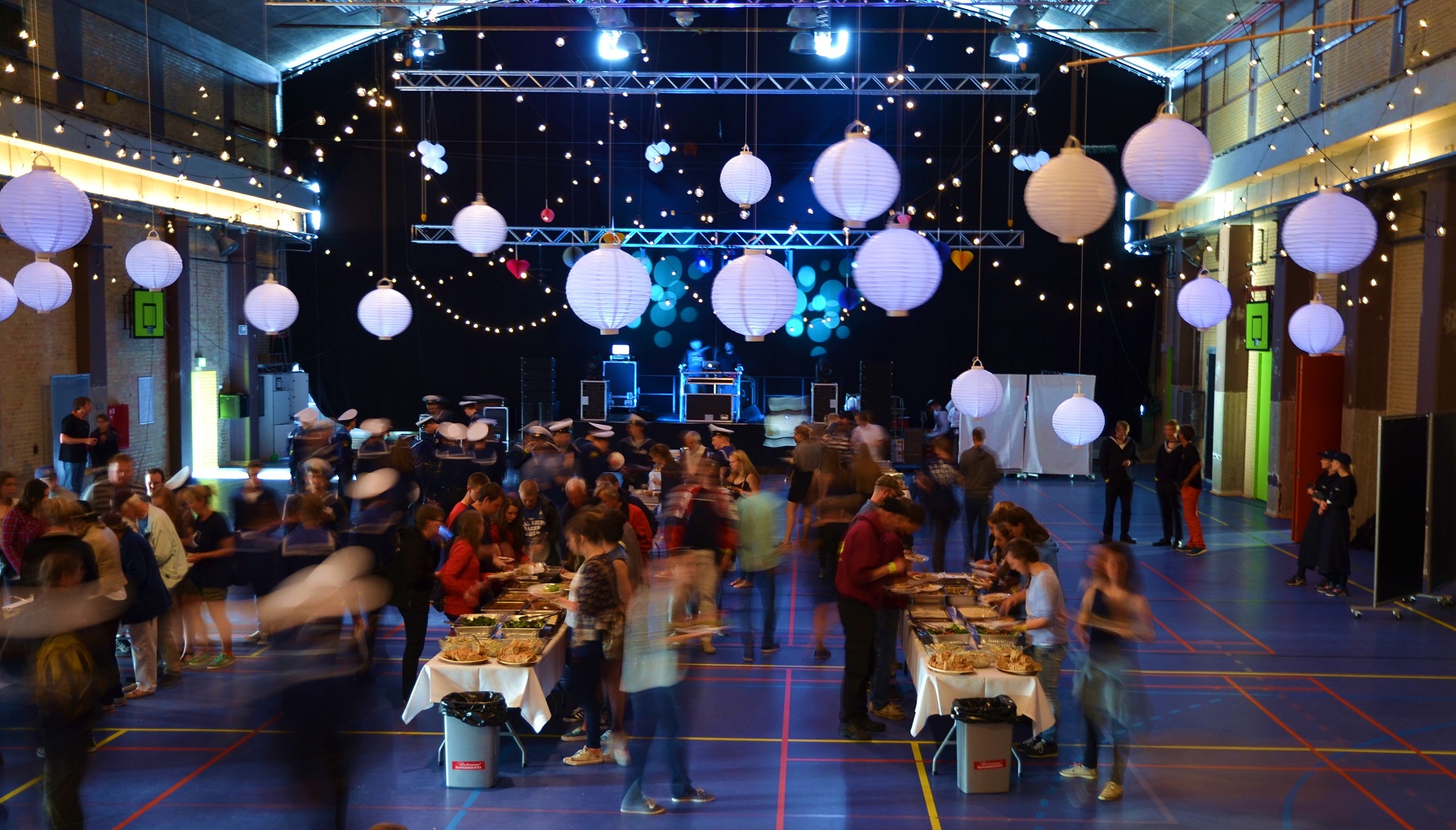
The after party for the crews

The after party for the crews

Posted in Denmark, Norway | 4 Comments

Sand to Kristiansand

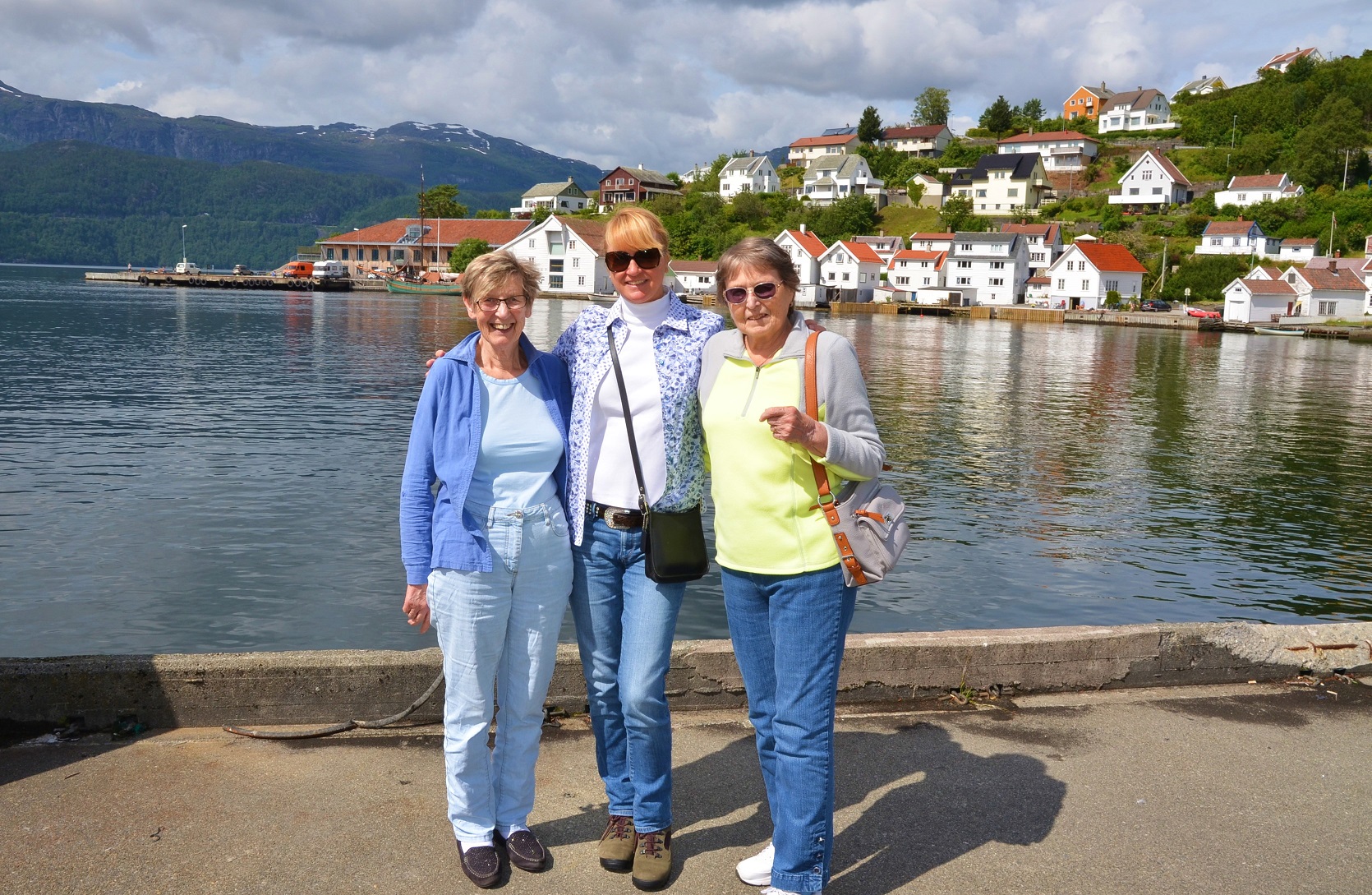
L, Maalfried and Solveig

After receiving yet more gifts and the last hugs, we boarded the ferry and waved goodbye to the aunties and cousins.  It was sad to leave, but it also was the prettiest day yet with sunshine and no wind.  The ferry ride from Sand to Stavanger was just two hours, and it was a good day to be on the water.  In Stavanger we walked the short distance through the picturesque old town area to the train station.

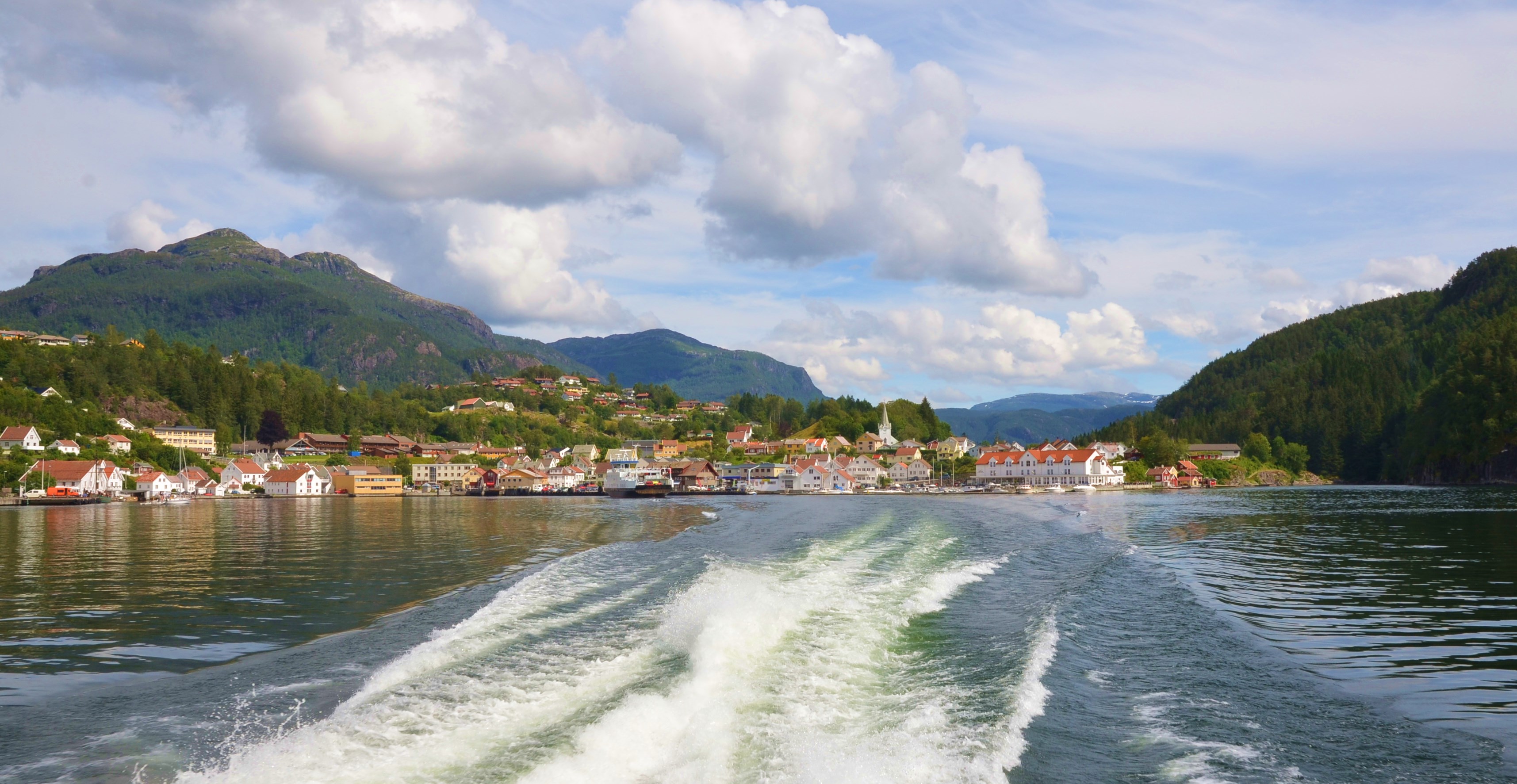
Leaving Sand on the ferry

Leaving Sand on the ferry

flag

The nearly empty train from Stavanger to Kristiansand took three hours and wound its way through some very scenic areas, sometimes following the coast and sometimes inland.

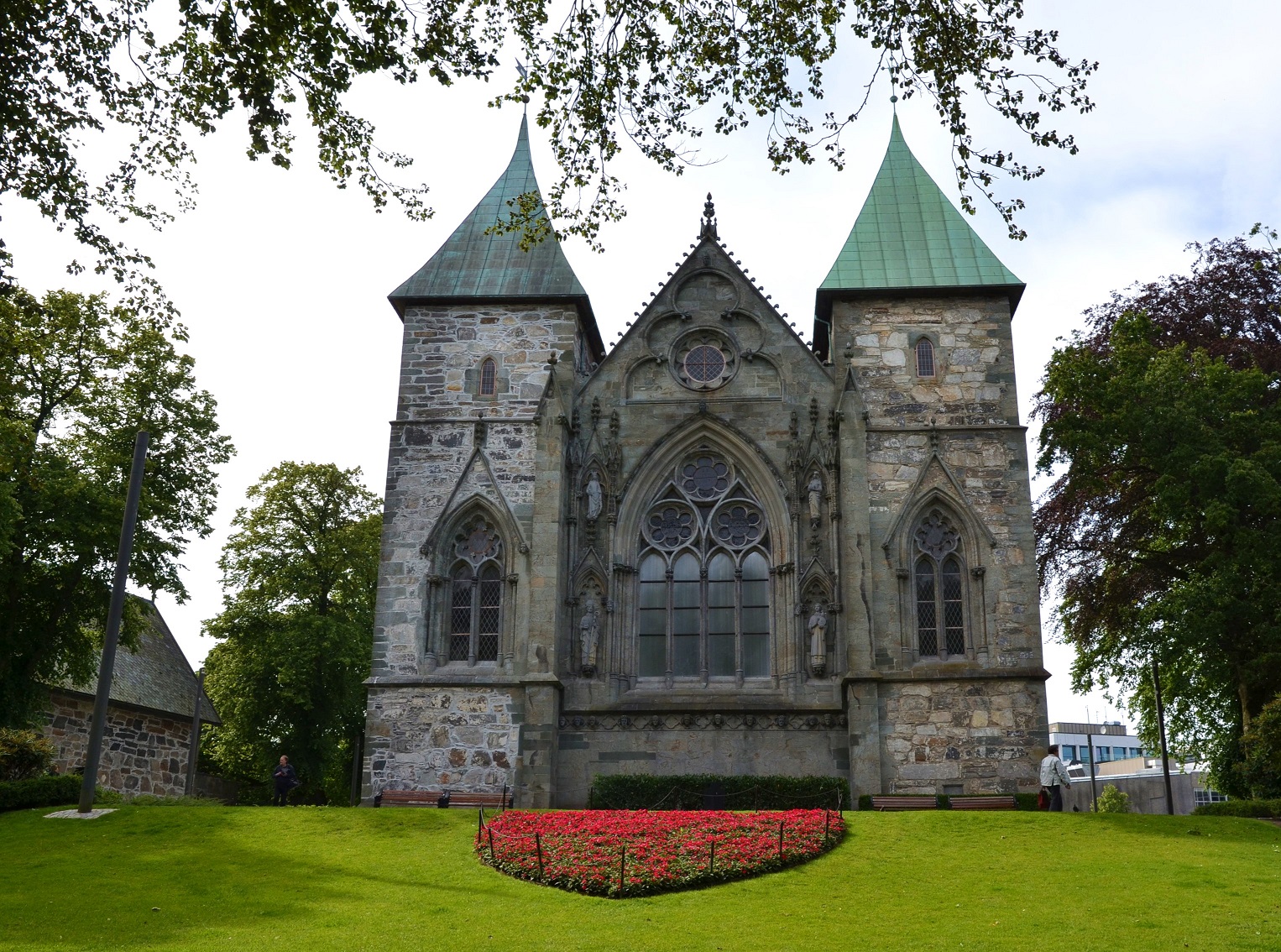
Stavanger

Stavanger

Stavanger

Stavanger

stavanger (2)

Stavanger

On the train to Kristiansand

On the train to Kristiansand

The many masts of the Tall Ships greeted us upon disembarking from the train in the Kristiansand station.  The harbor was full and the party had been going on for three days.  There was an outdoor stage with a band, food and souvenir kiosks, and a colorful and enthusiastic crowd.  Each ship seemed to be hosting a party with the crew in full dress uniform.  It was quite a festive scene.

Tall Ships in Kristiansand harobr

Tall Ships in Kristiansand harobr

Kristiansand

Kristiansand

OLYMPUS DIGITAL CAMERA

Kristiansand harbor near the fish market

Becky in Kristiansand

At the Kristiansand fish market

At the Kristiansand fish market

The fish market in old town Kristansand

The fish market in old town Kristansand

The Tall Ships Regatta has been a bi-annual event, the ports competing for the honor and the tourist dollars that it brings in.  This year there are a record 28 ships in our Class A category.  Due to the popularity of the race, it has been set in the Mediterranean for next year.  We located the Statsraad Limhkuhl, a repeat winner of the regatta, but it was too late to take a tour of the ship.  The Kristiansand harbor seemed a perfect setting for the regatta.

Photo credit:   R. Nielsen

Photo credit: R. Nielsen

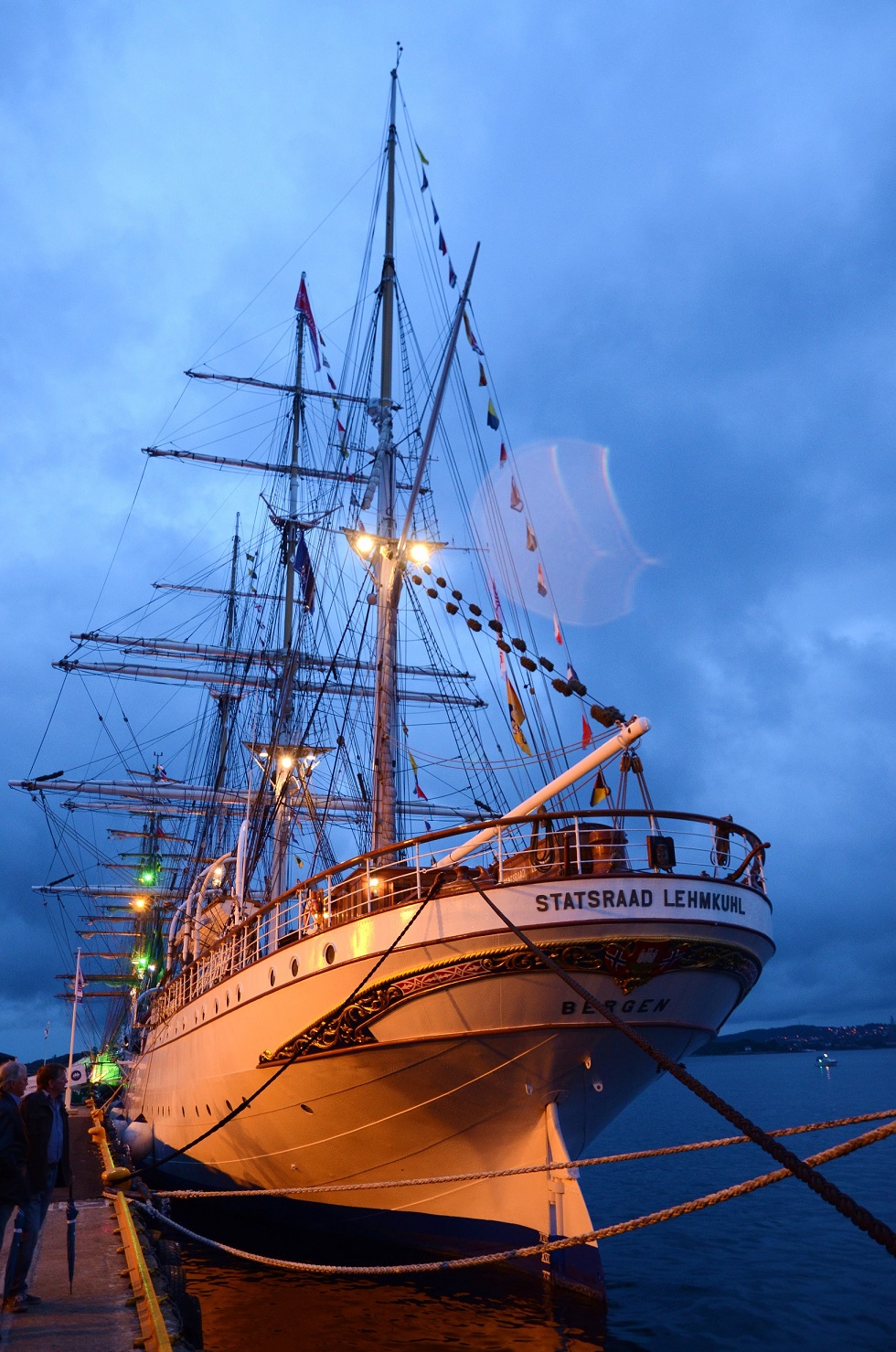
Our ship, the Statsraad Lehmkuhl

Our ship, the Statsraad Lehmkuhl

Posted in Norway | 1 Comment