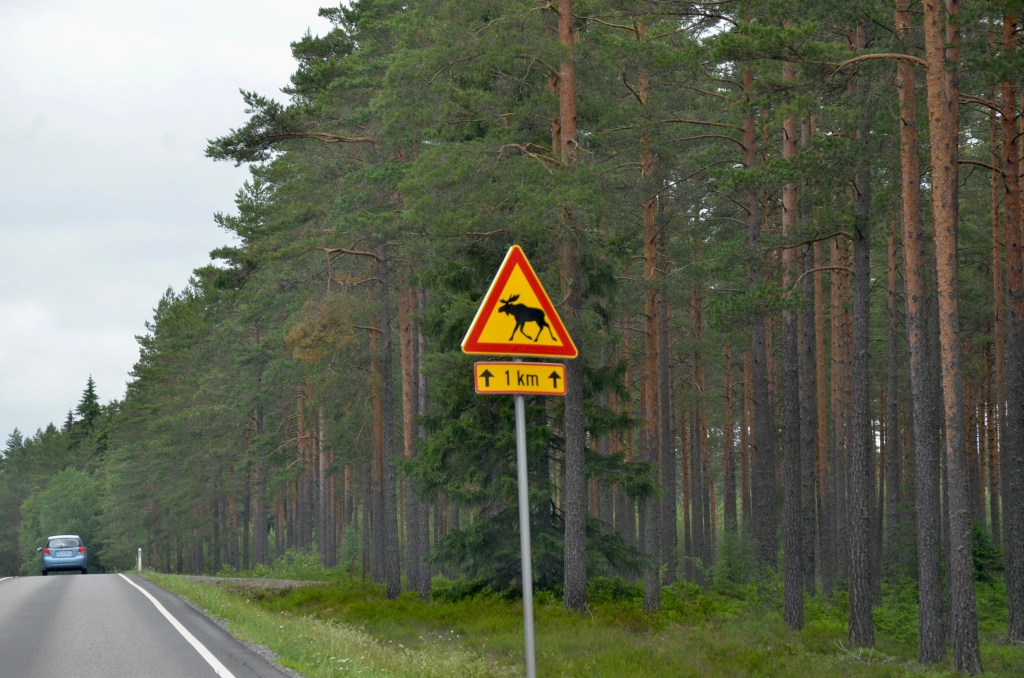
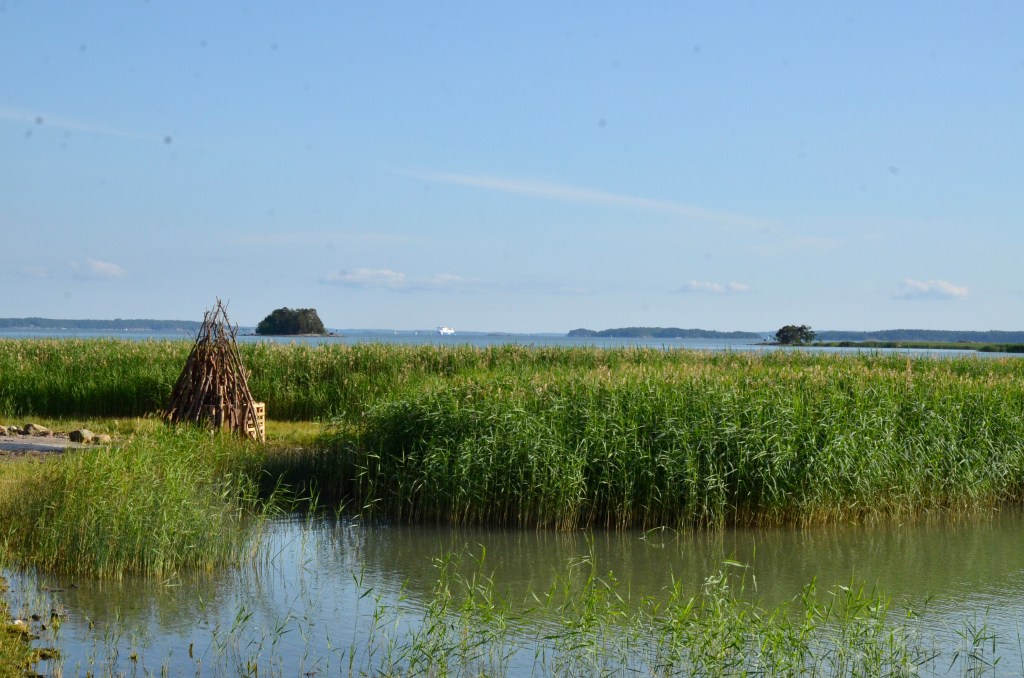
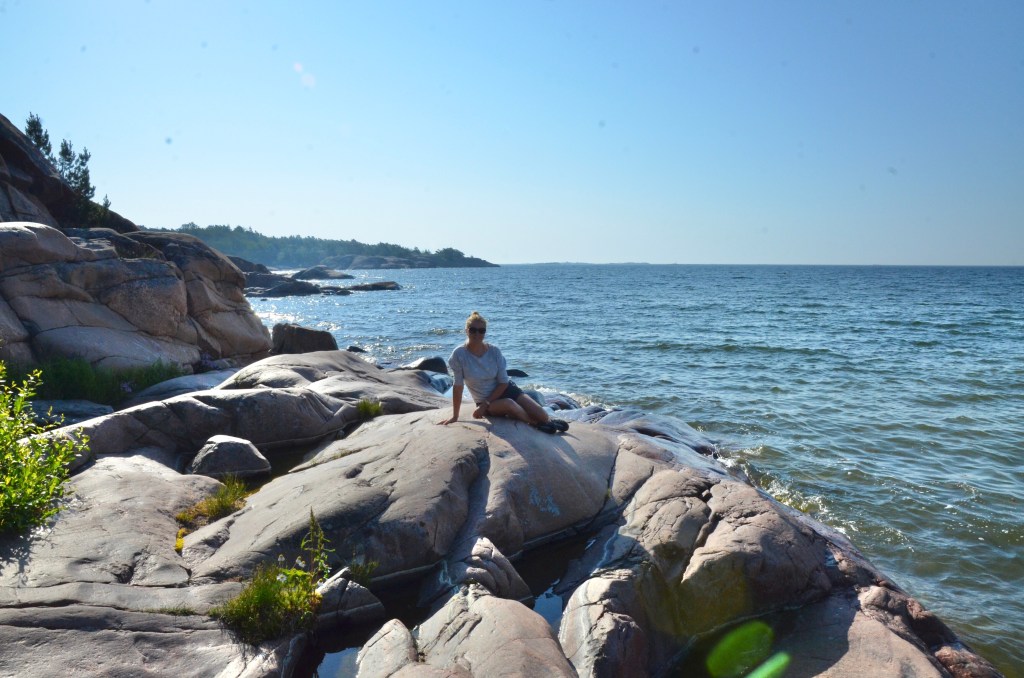
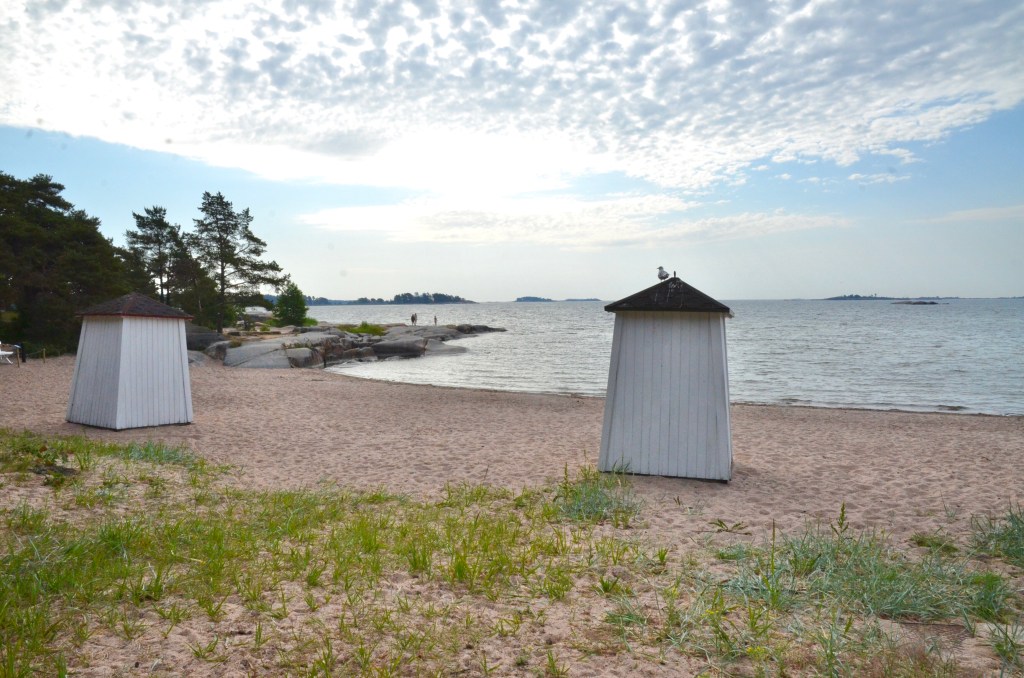
Reluctantly we left our friends in Hanko and drove to Turku. We will be spending Midsummer in the Finnish archipelago. True to the road signs, we did see a moose. It crossed the road just outside of Hanko. So far that is the only moose we have seen.
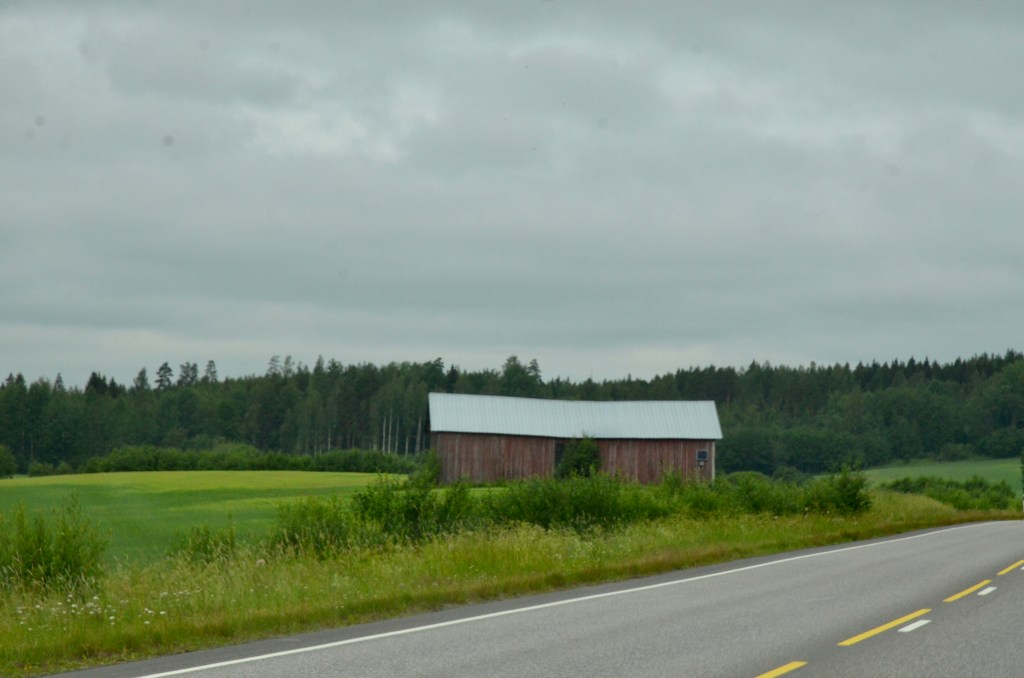
The drive was scenic, through mostly farm country.
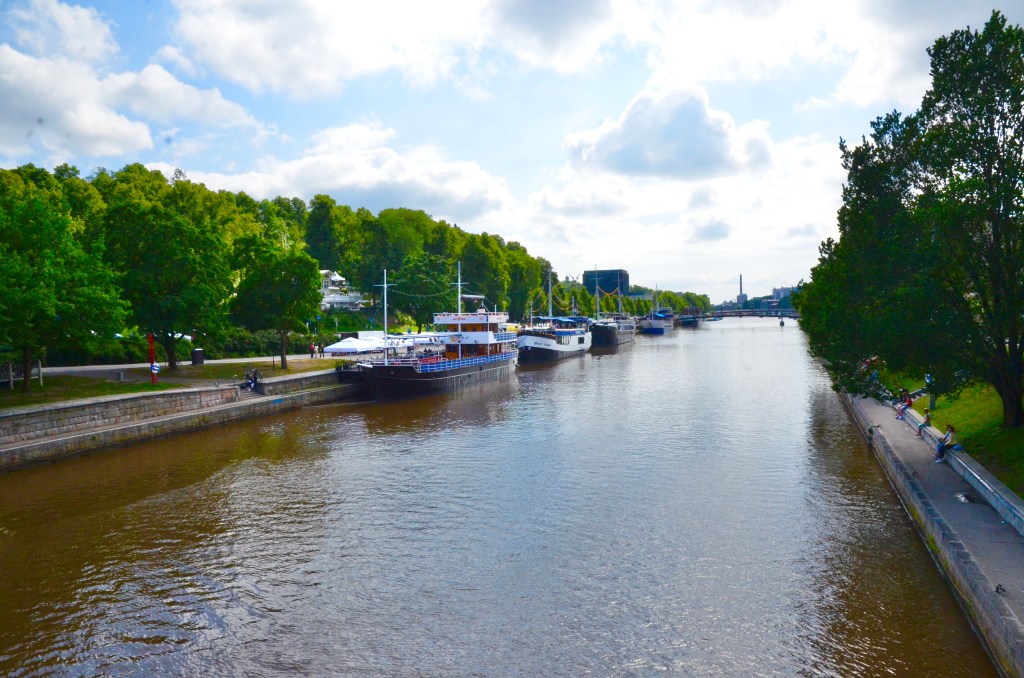
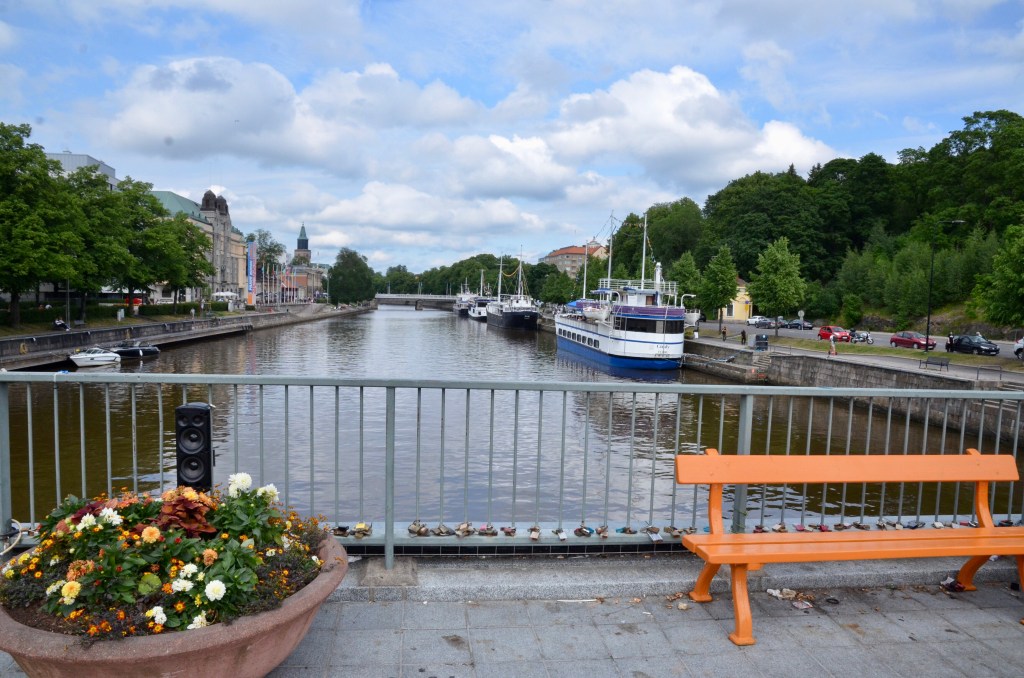
In Turku we stopped for lunch and a walk along the river.
The Turku Cathedral
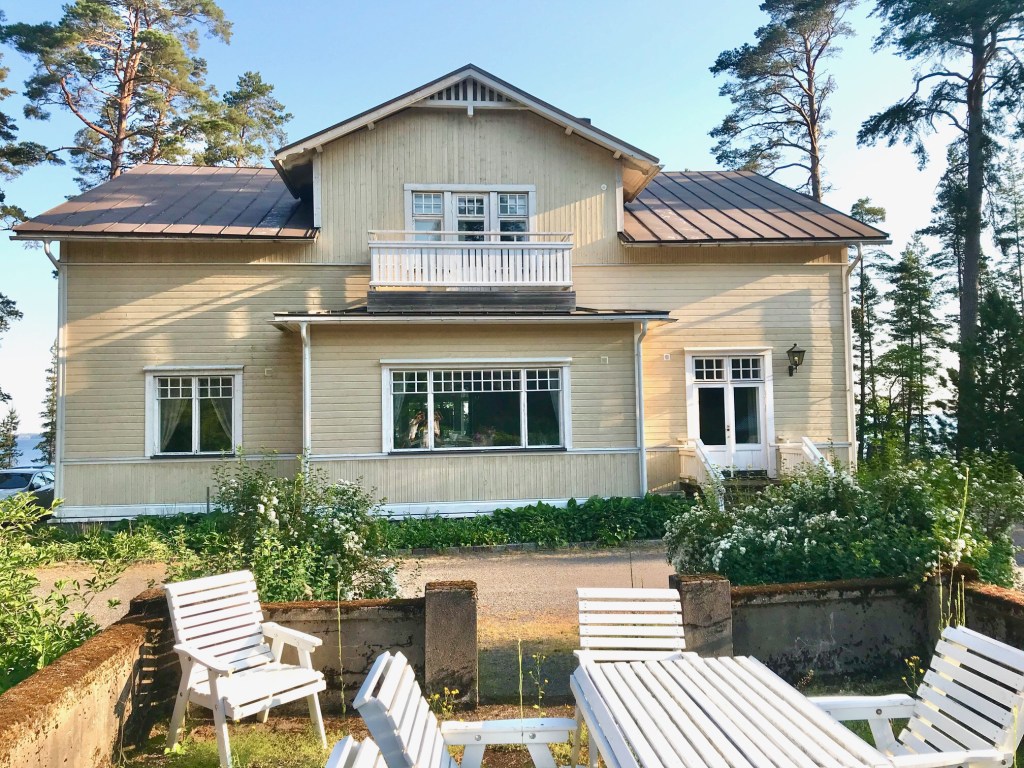
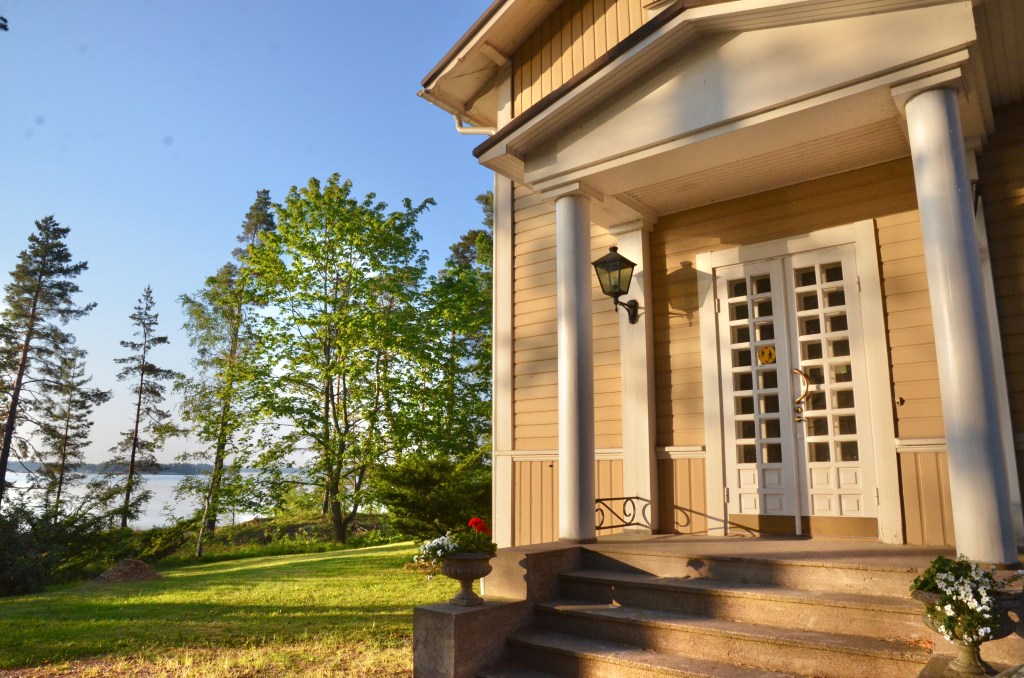
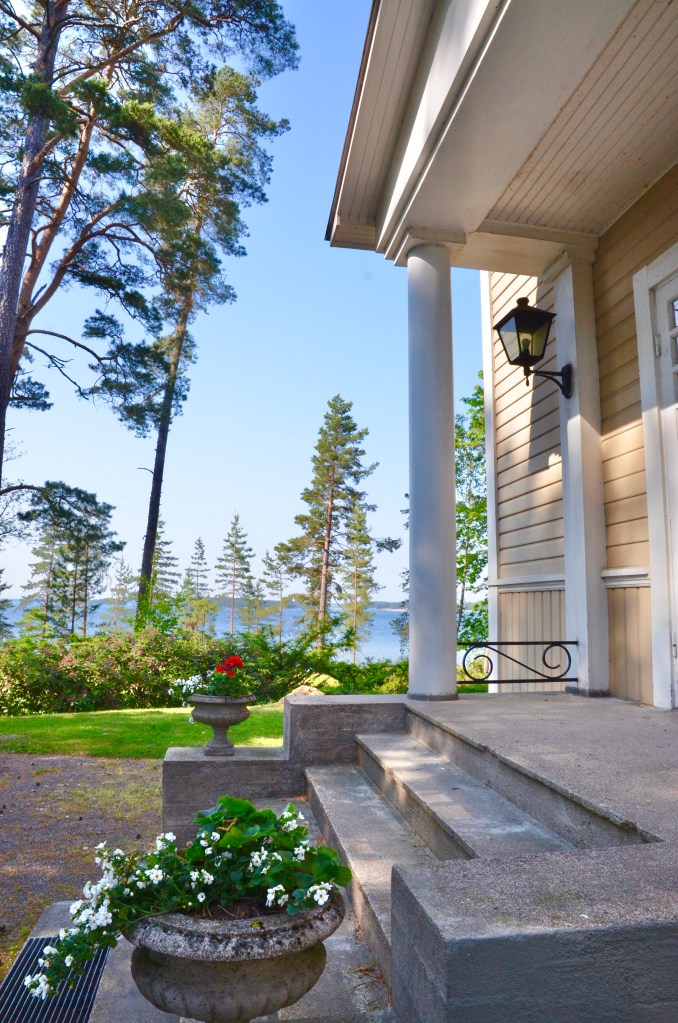
From Turku we drove the short distance to the island of Ruissalo. We will have two nights here at the Ruissalo Spa and Hotel, located in the middle of a natural park.
From the website:
Once the hunting island for the court of Turku Castle, the island is easily accessible by land or by sea. Scenic and well-maintained bike paths offer comfortable distances for the whole family. The rocky outcrops, beautiful sandy beaches, distinctive nature, rolling fields and pretty gardens will lead to love at first sight for all who visit the island.
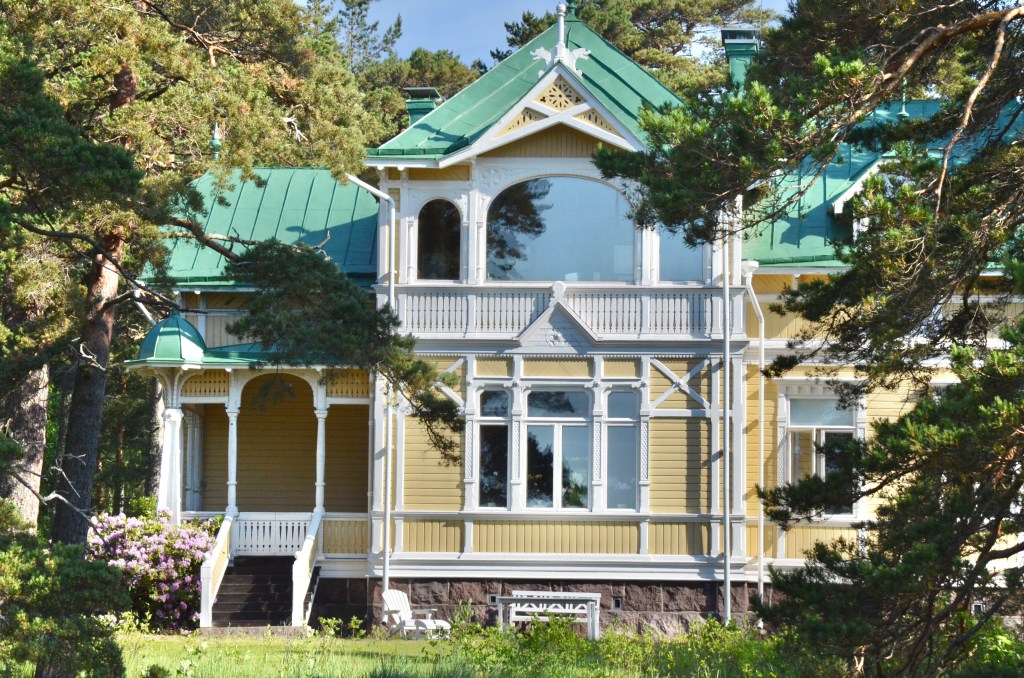
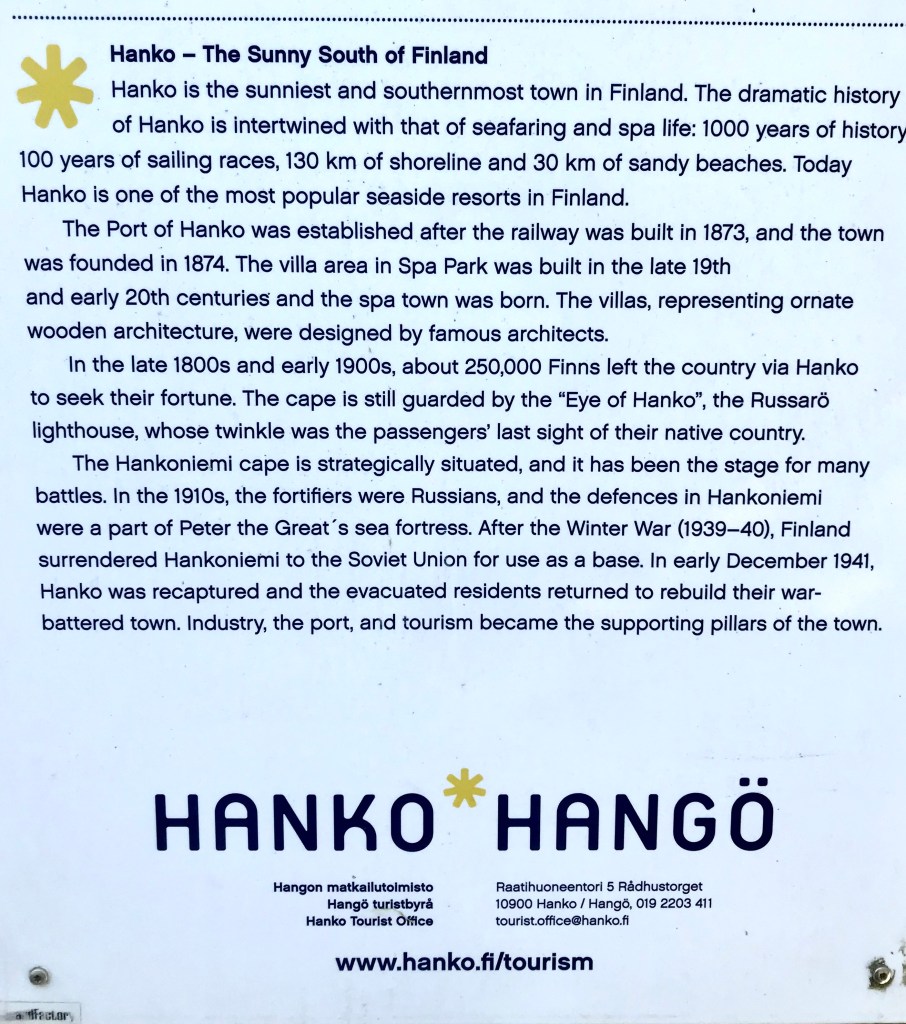
Hanko is a beautiful coastal town in southern Finland. There is a walking path along the water that leads out of town and takes you past villas, many with names and dates painted on the side.
Villa Mejia
Villa Margita 1890 along Appelgrenintie
Villa d’Angleterre 1881
The view of Italahti Ostra viken from the trail.
The House Of Four Winds.
I’ve tried salmon soup all over Sweden. This soup at Club Origo in Hanko is the best yet. It is the closest I’ve ever had to my mother’s own soup.
There is no better place than Finland and no better time than Midsummer to break a 15 month involuntary hiatus from travel. So here I am, in Hanko, Finland, as the “plus one” on another working holiday. It was not easy to travel in this barely post pandemic time. Armed with a CDC Covid vaccine card, a negative Covid test less than 48 hours old, and the appropriate Finnish government forms, it was still a tedious and exhausting experience. Our documents had to be verified for each leg of our journey. Still, when you are relaxing near the Baltic with nothing but the sound of the birds and the wind in the trees, it was worth the effort.
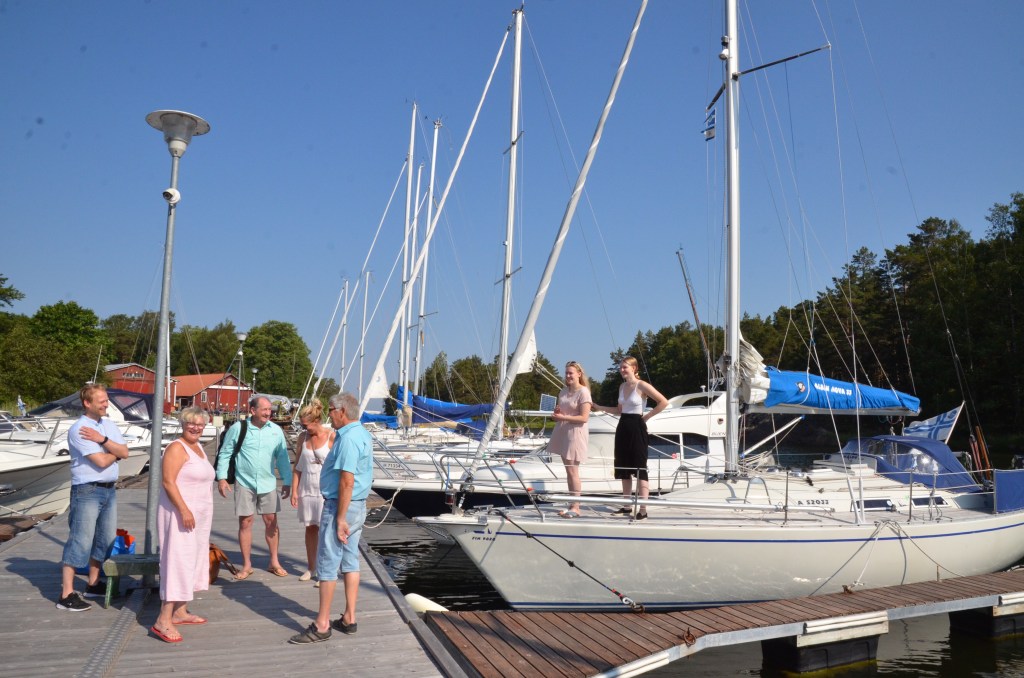
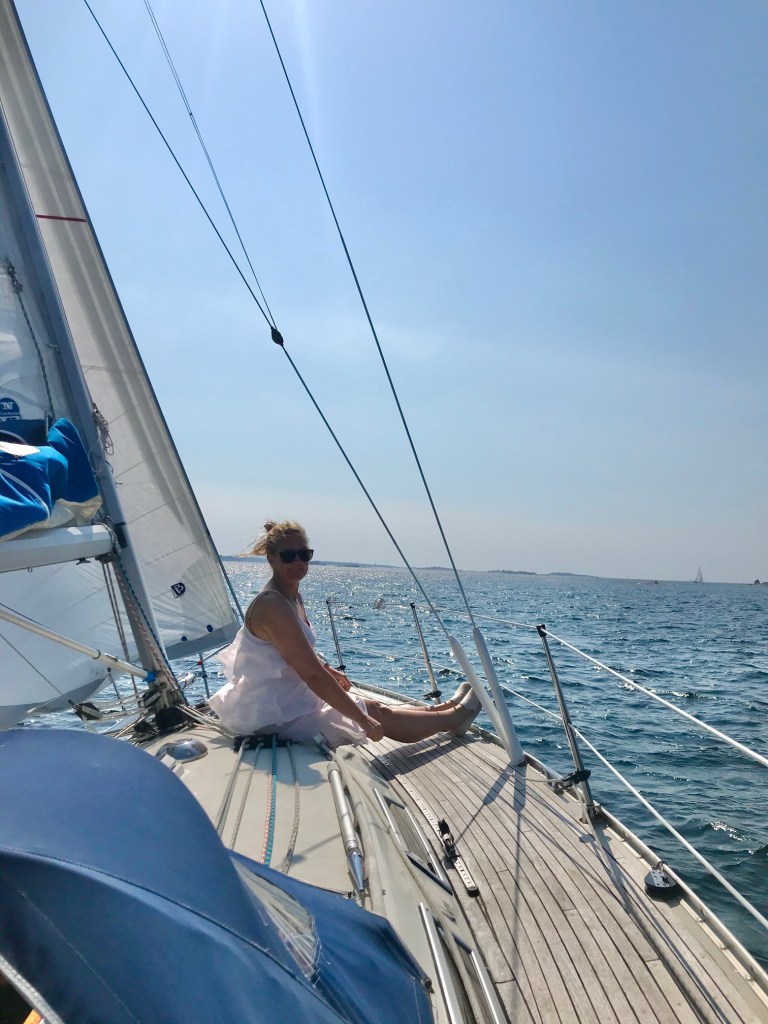
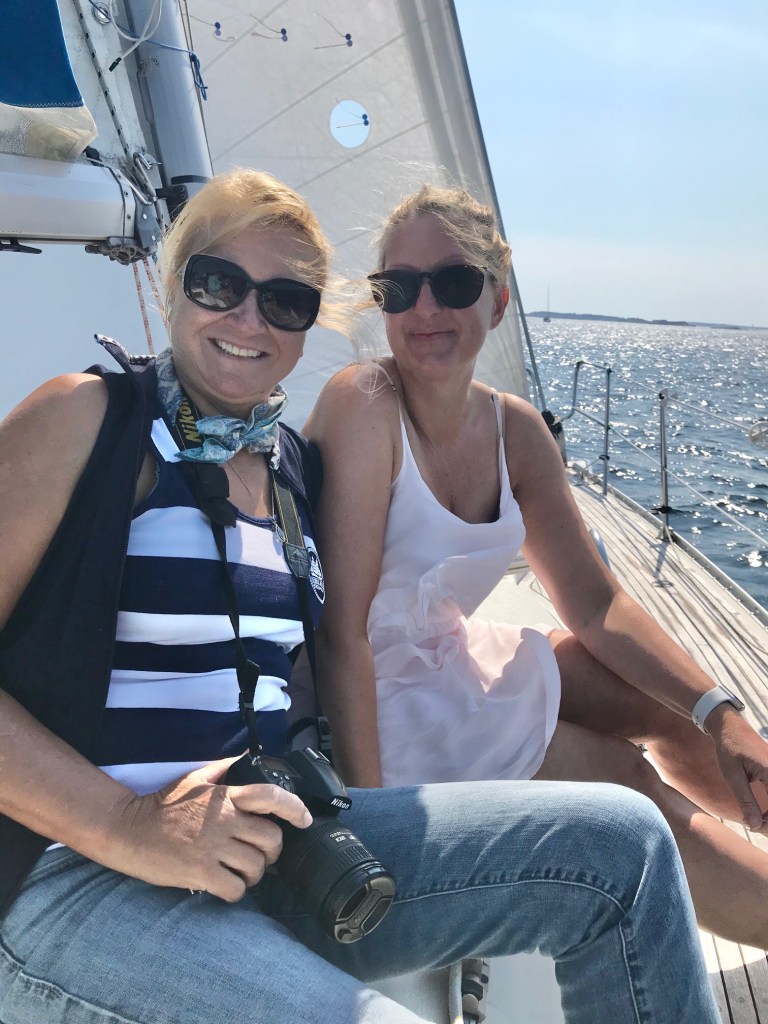
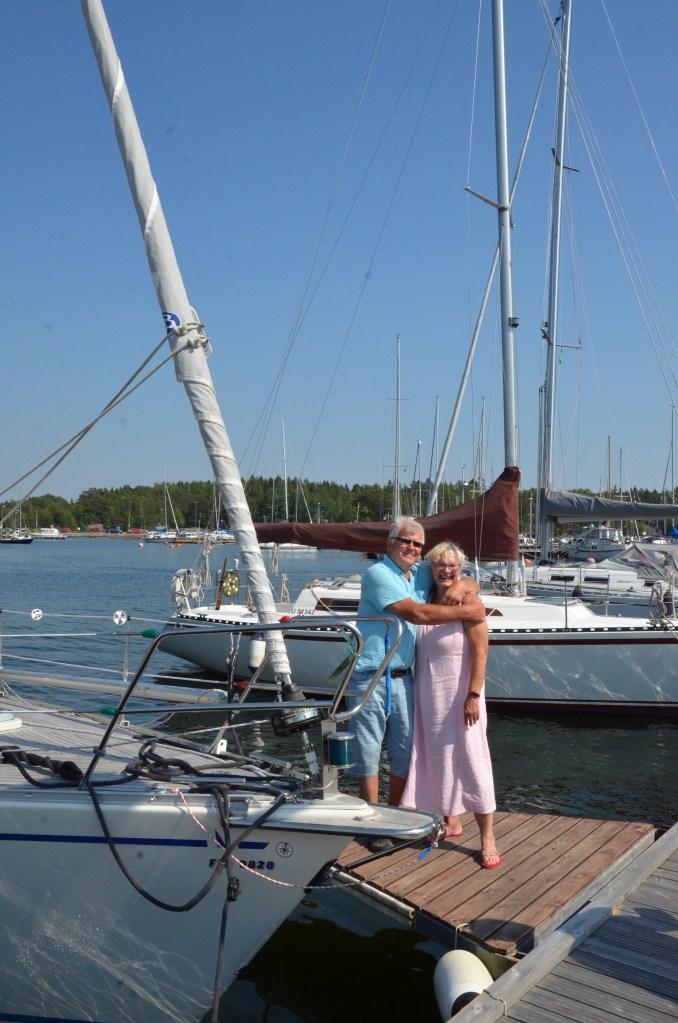
To make things even better, my dear cousins Pamela and Jani invited us for a sail on Pamela’s parent’s sailboat .
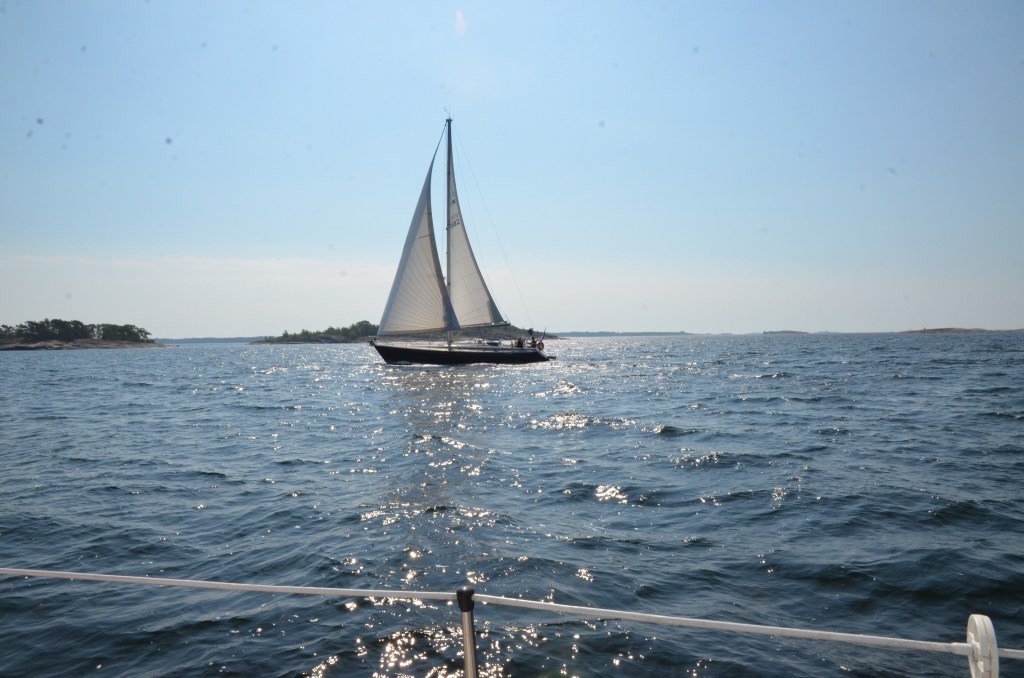
Marianne and Bengt are an experienced crew, so it made for a fun and relaxing day on the water. It was perfect weather as well.
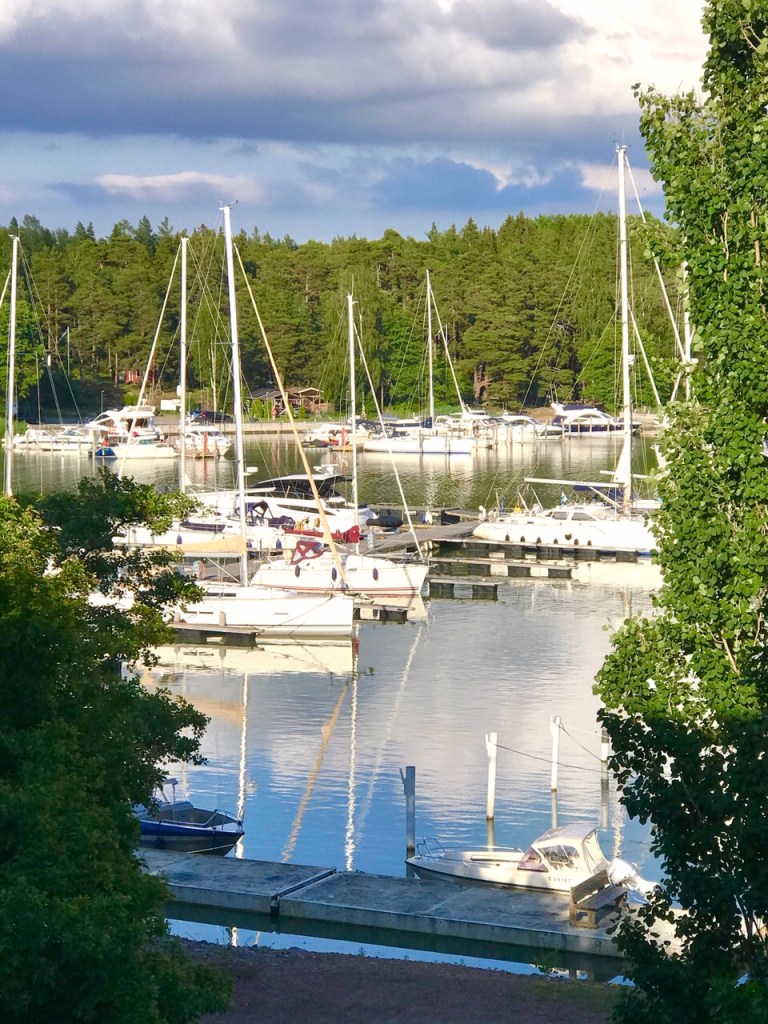
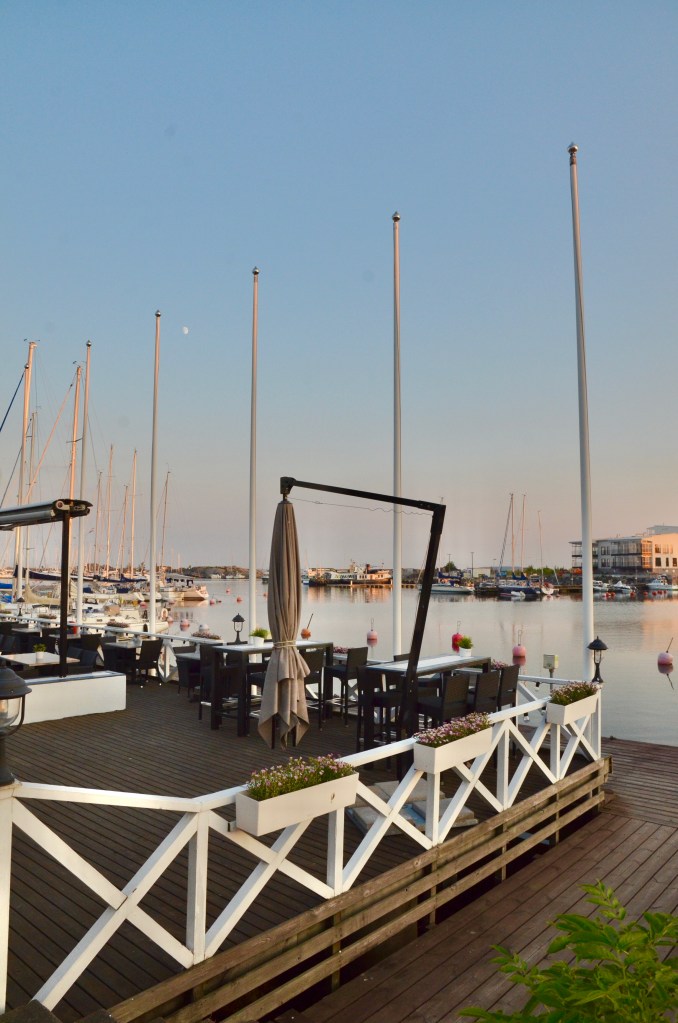
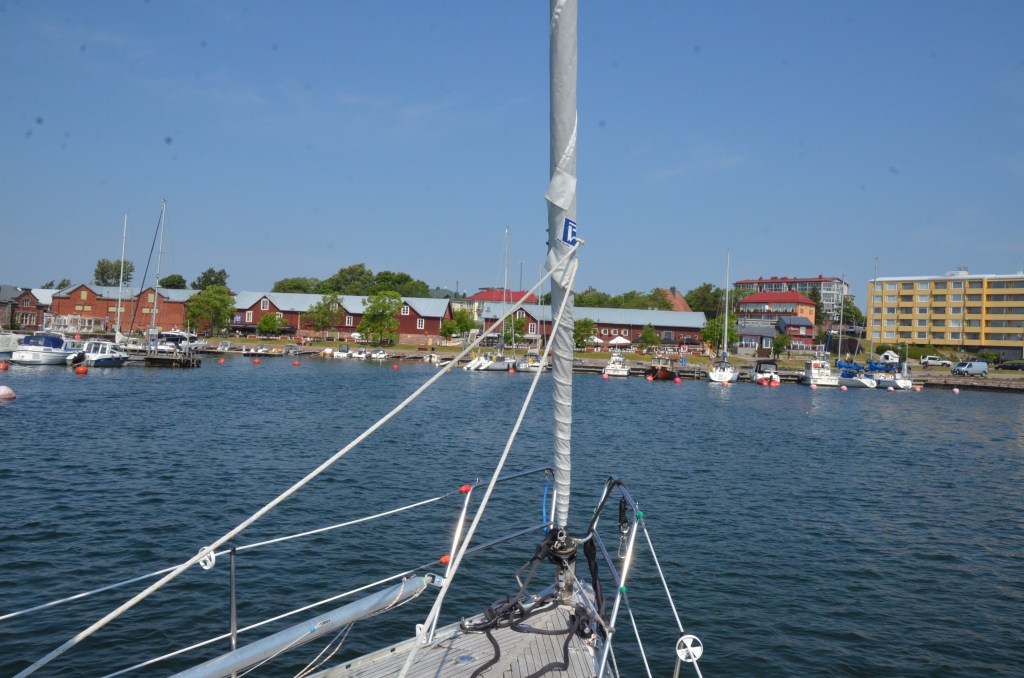
We sailed into the Hanko harbor for lunch.
It is a busy waterfront at this time of year. Jani called Hanko “the Monaco of Finland.” We enjoyed a very nice lunch on the water. I was surprised by the intense sun and the warm temperatures.
After lunch we made our way back through the islands to Malou’s home port. It was a very special day and we can’t thank Bangt and Marianne enough for their gracious hospitality.
Sailing crew Bangt and Marianne.
The whole crew.
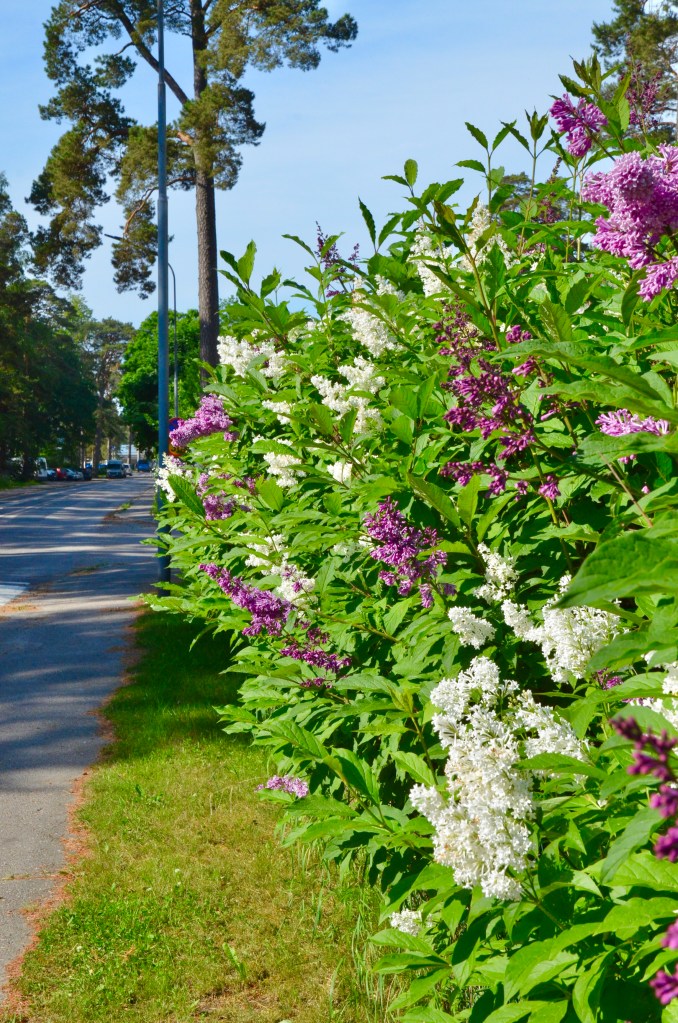
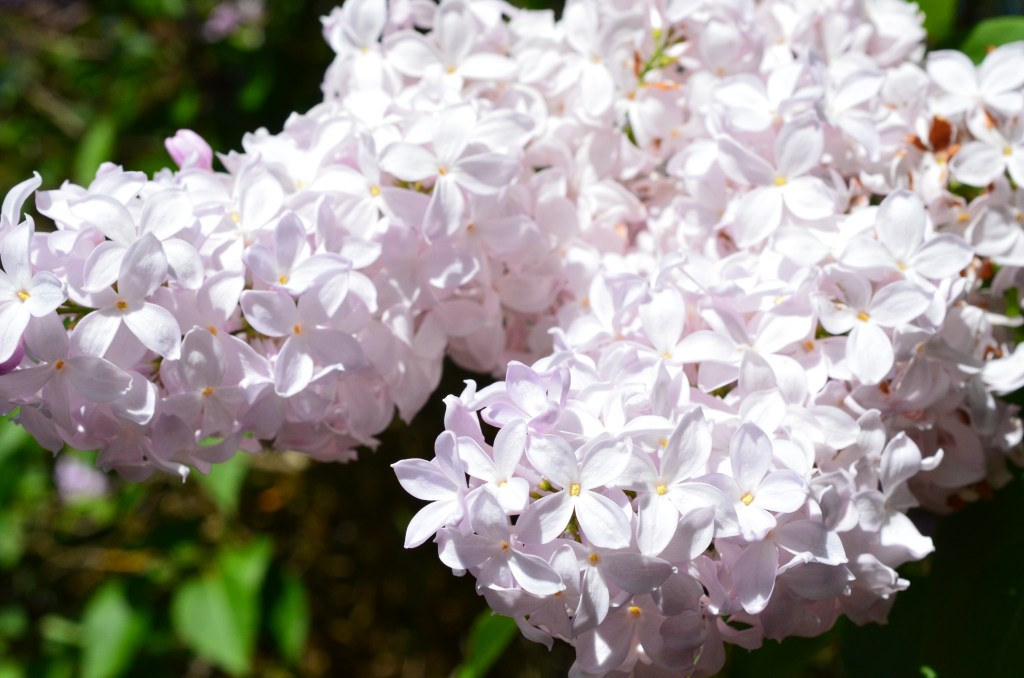
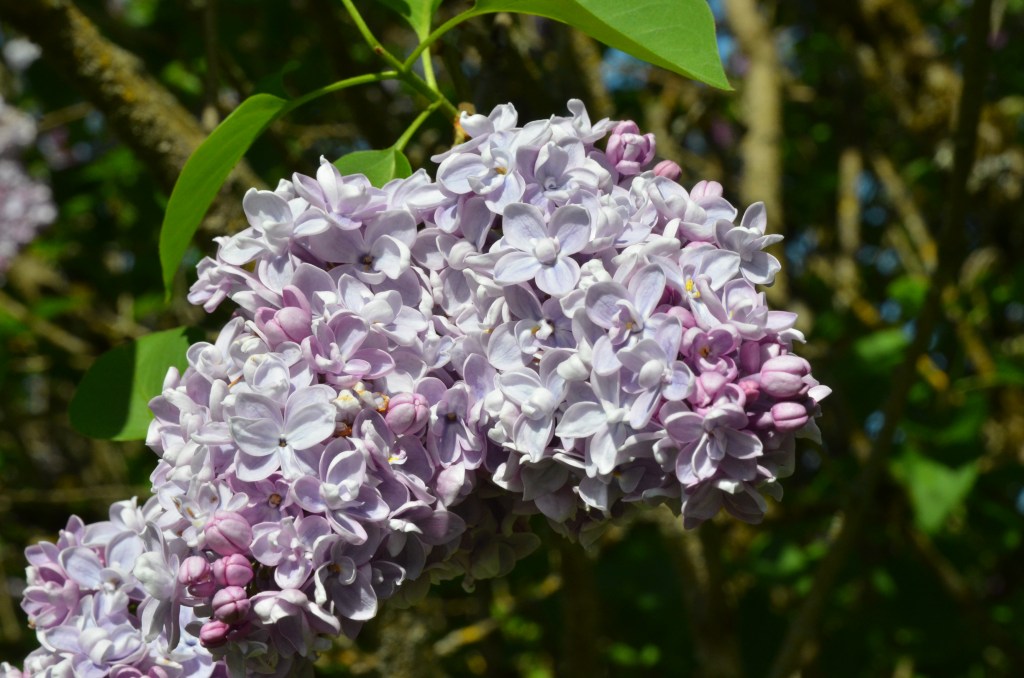
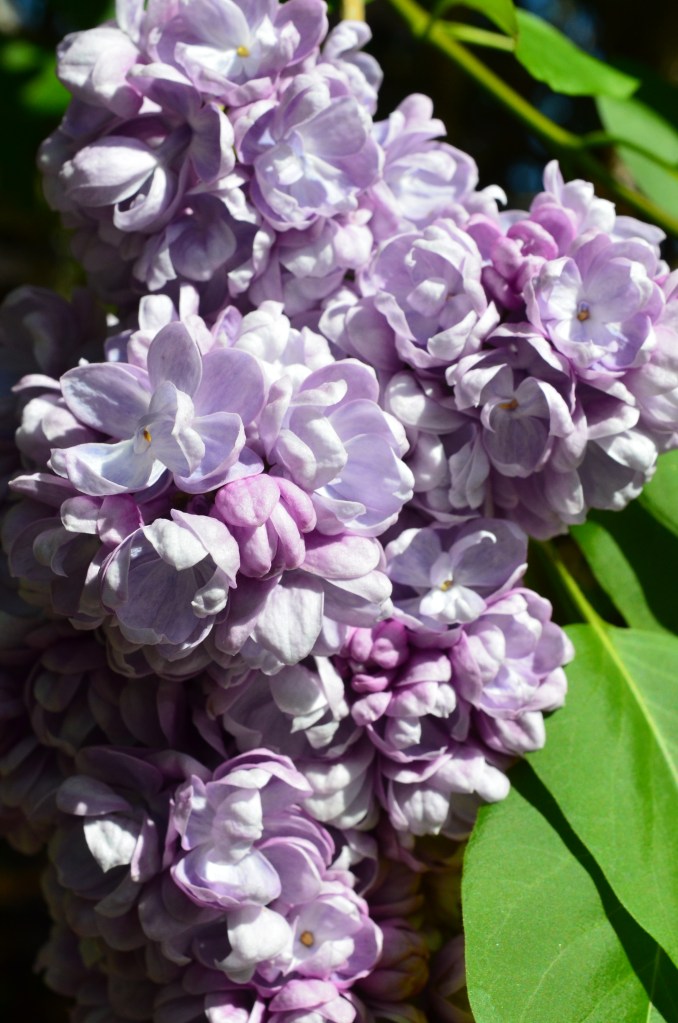
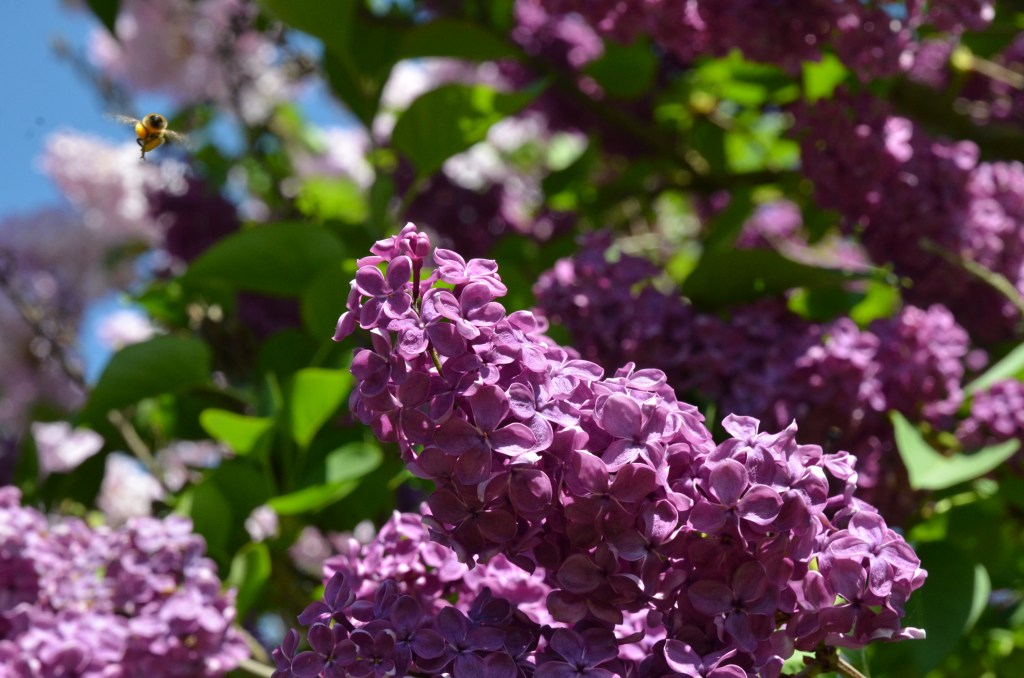
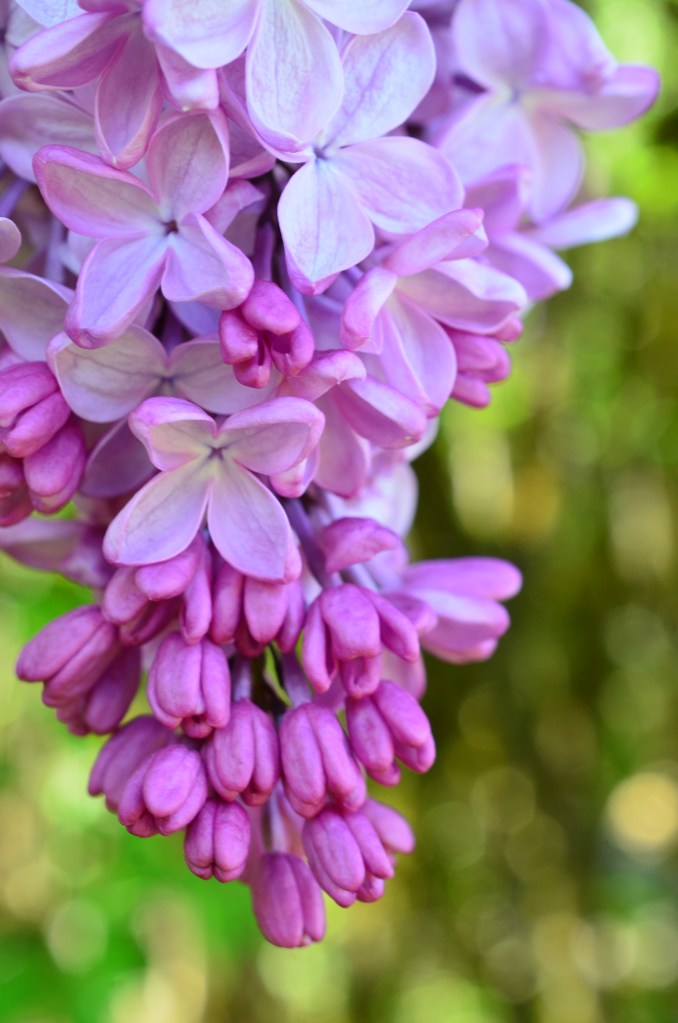
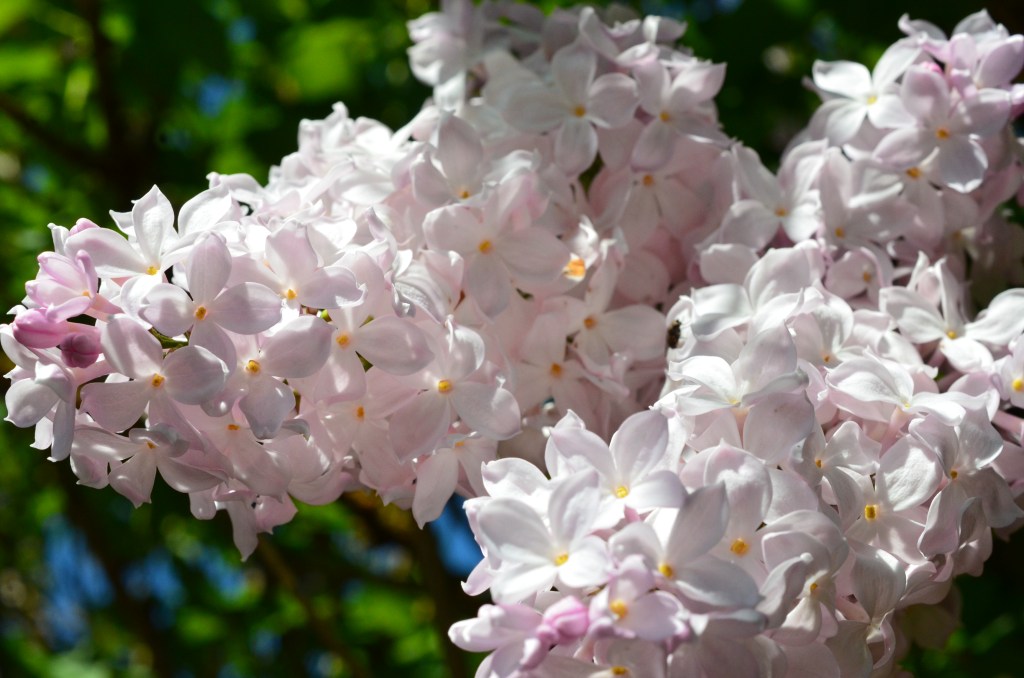
In the evening we checked into the Hotel Regatta, where we are staying until Thursday. My travel companion is here on business, while I am enjoying a break from work. We walked around Hanko in the evening. It is lilac season now in Finland, and we saw many beautiful bushes.
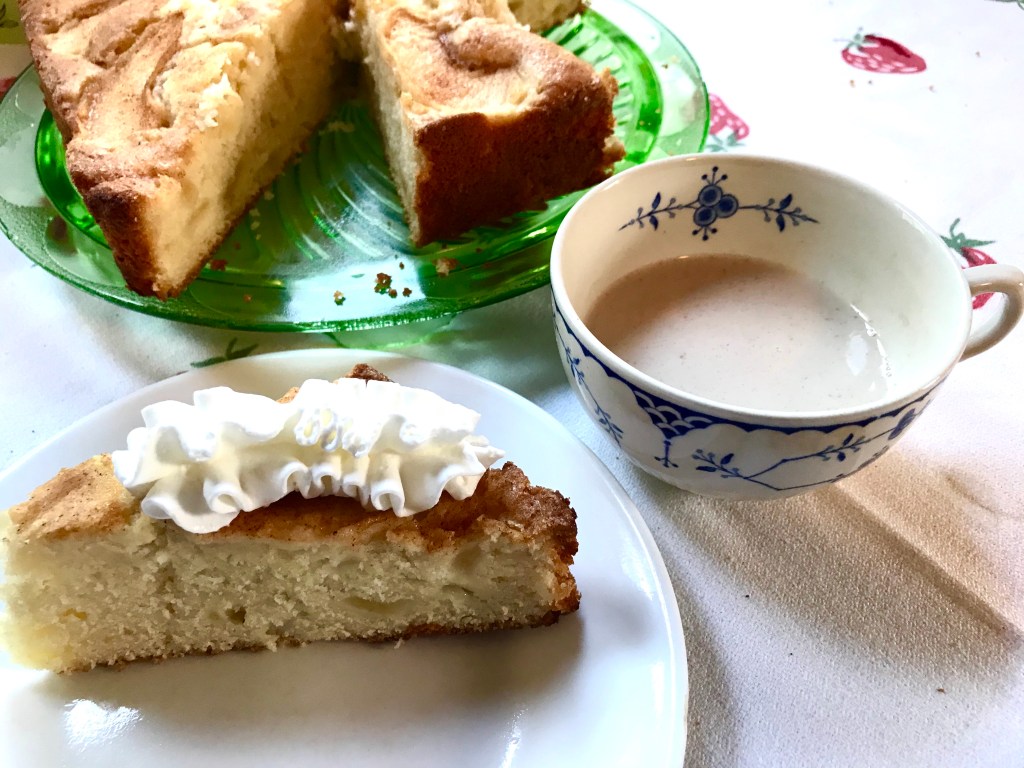
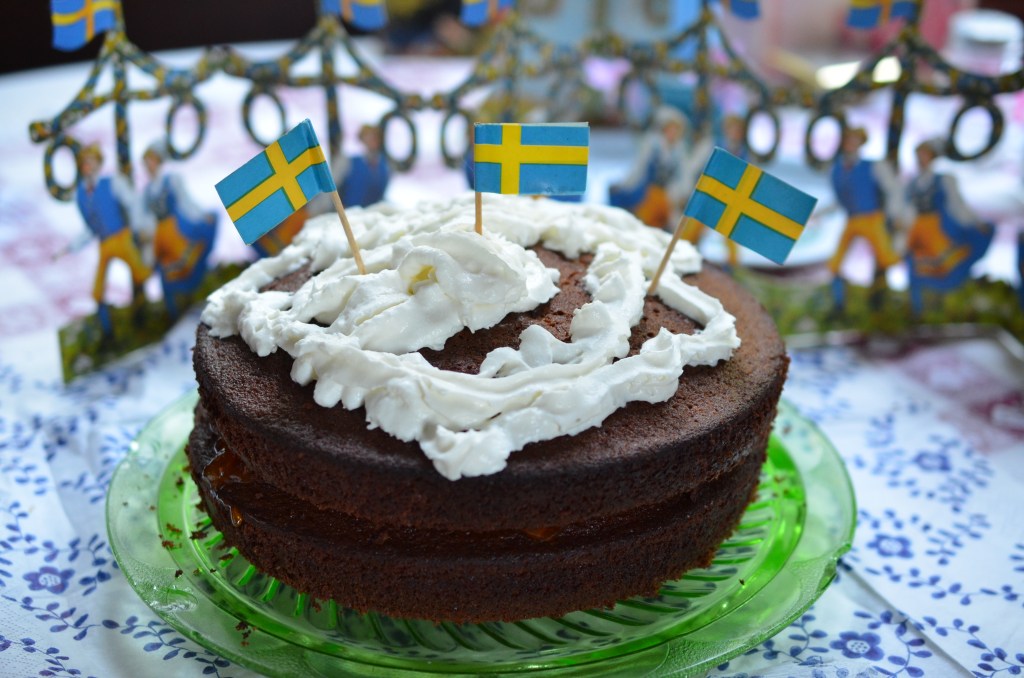
Fika, is a lovely Swedish tradition that my family has adopted with gusto. Here at home, my parents and grandparents used to have coffee and a little something in the afternoon. As kids, we called it “3 o’clock nourishment.” We wouldn’t have the coffee part until later in life.
When visiting Sweden, my sister and I noticed the increased level of energy and excitement in some very aged Swedes as Fika was announced. We made sure to step aside as the Swedish octogenarians rushed to the Fika tables.
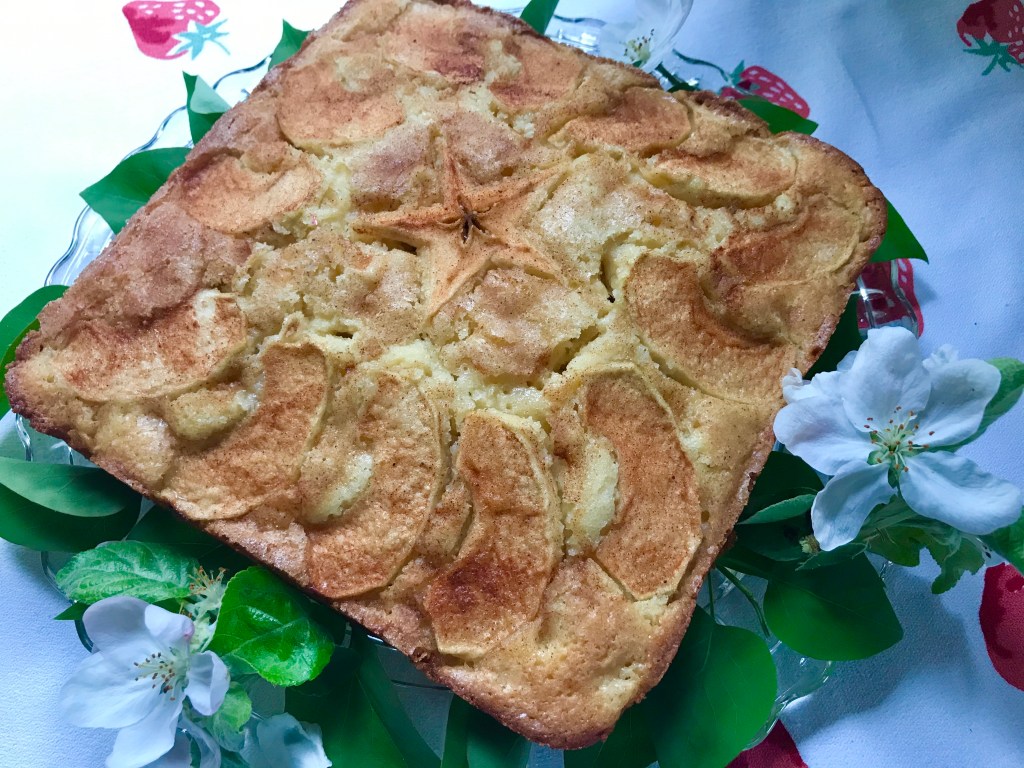
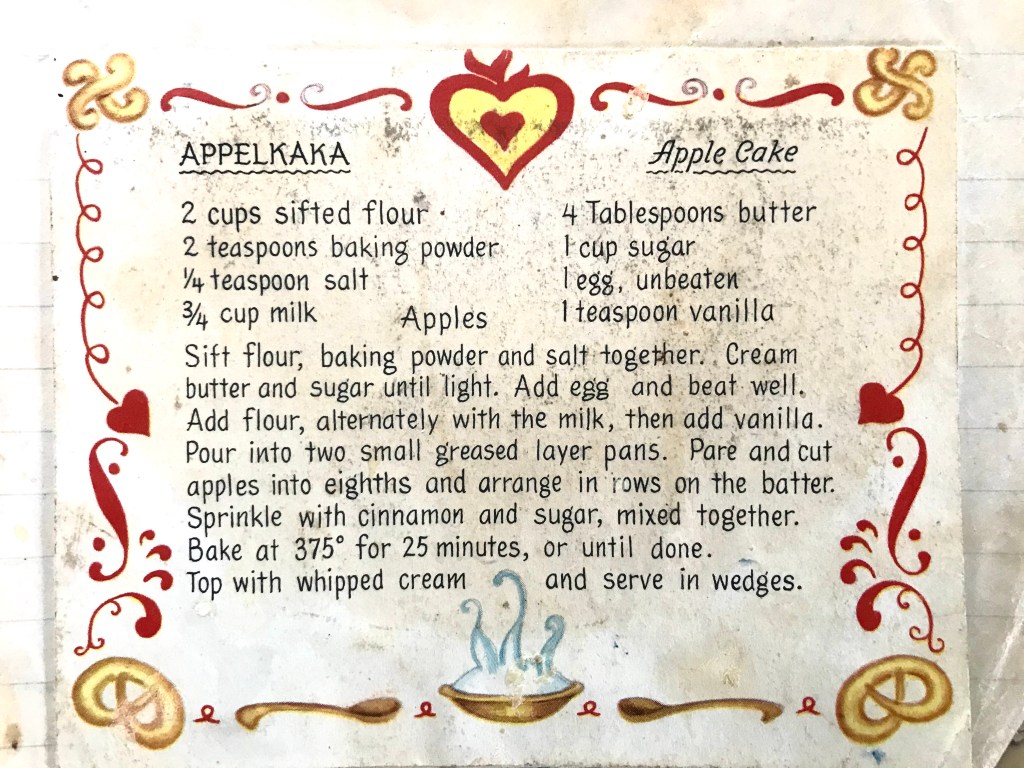
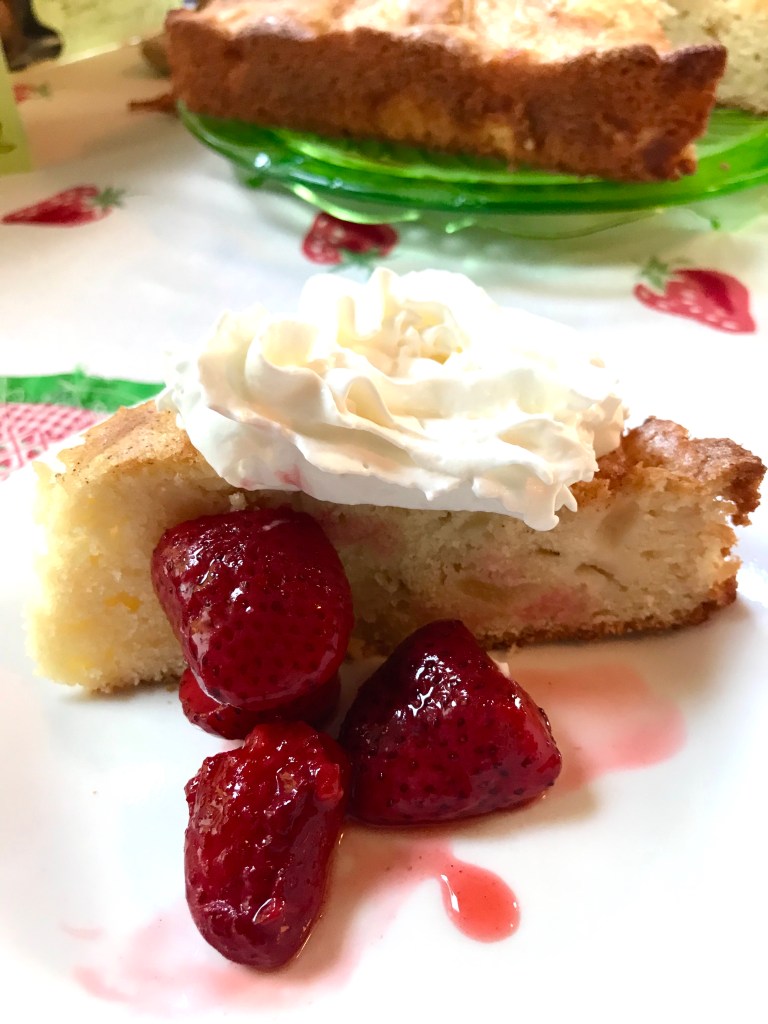
I read through many of my mother’s recipe books and decided to bake this Swedish Apple Cake.
I modified the recipe slightly, adding an additional chopped apple into the batter, and using only one 9 inch square pan. It had to bake 45 minutes instead of 25 minutes.
The apple cake prior to going into the oven.
There is even a book on Fika, written by Anna Brones & Johanna Kindvall.
This is part of the introduction to the book:
Functioning as both a verb and a noun, the concept of fika is simple. It is the moment that you take a break, often with a cup of coffee, but alternatively with tea, and find a baked good to pair with it. You can do it alone, you can do it with friends. You can do it at home, in a park, or at work. But the essential thing is that you do it, that you make time to take a break: that’s what fika is all about. At its core, fika means “to drink coffee.” But the meaning goes much deeper. Fika represents an entire culture; it carries as much meaning for Swedish social engagements as it does for food customs.
Brones, Anna. Fika: The Art of the Swedish Coffee Break. New York, Ten Speed Press, 2015.
I was quite pleased with the cake, and made it again. Here in the Northwest, Spring is still showery and coolish, so fika is a welcome afternoon treat.
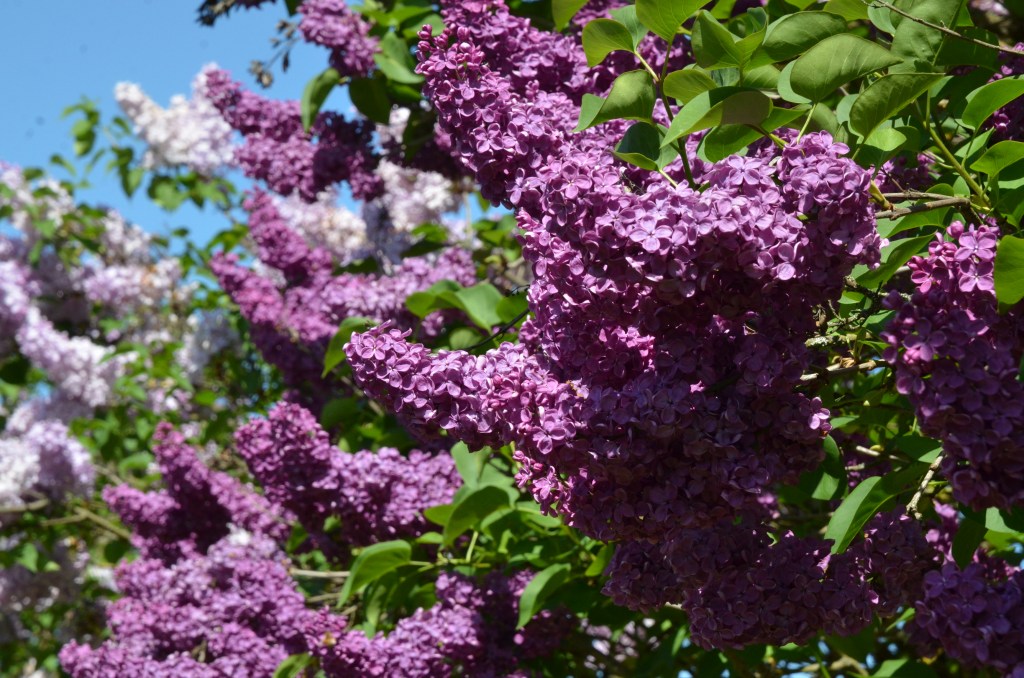
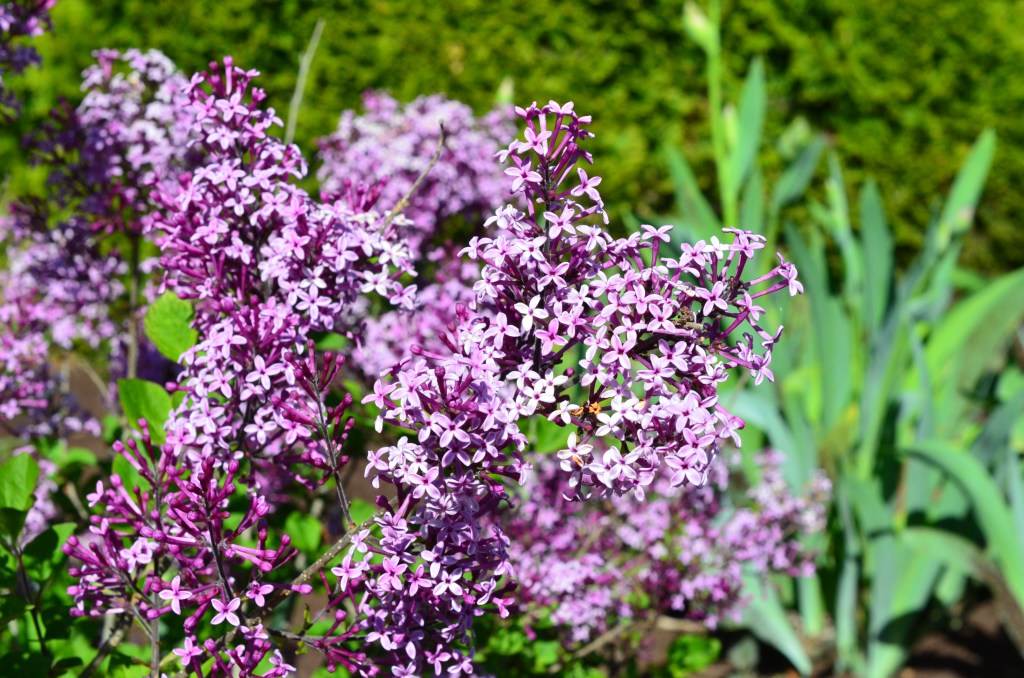
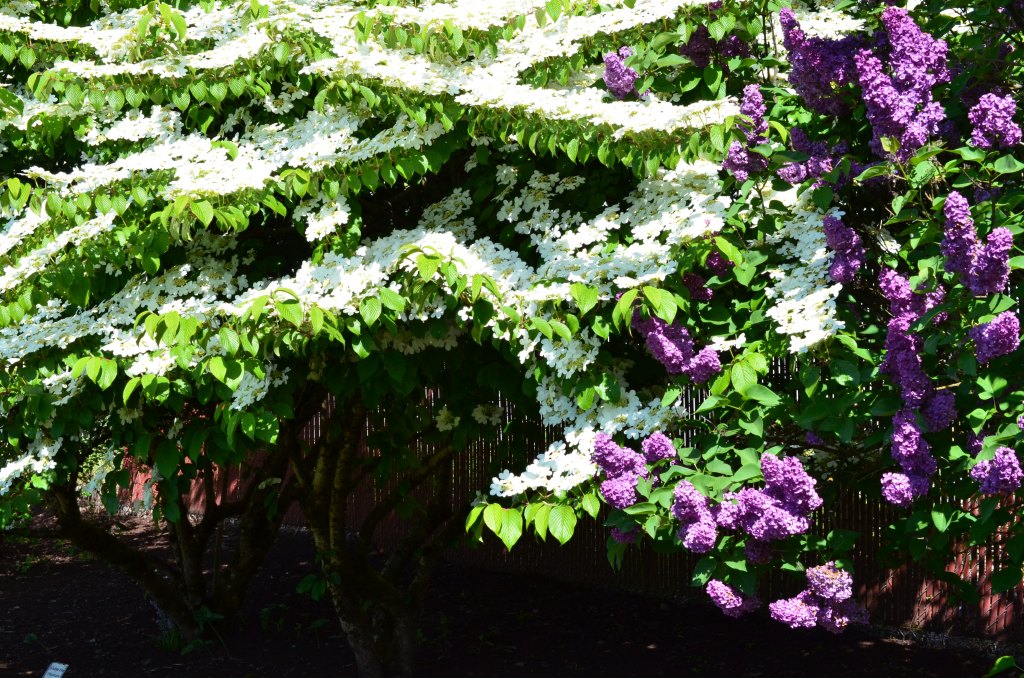
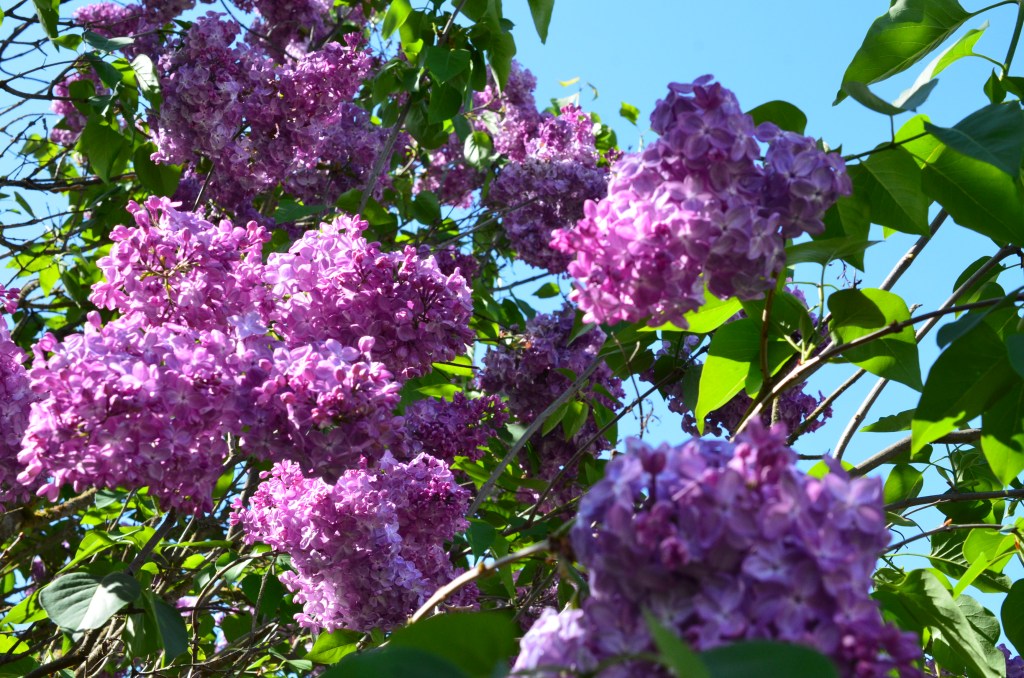
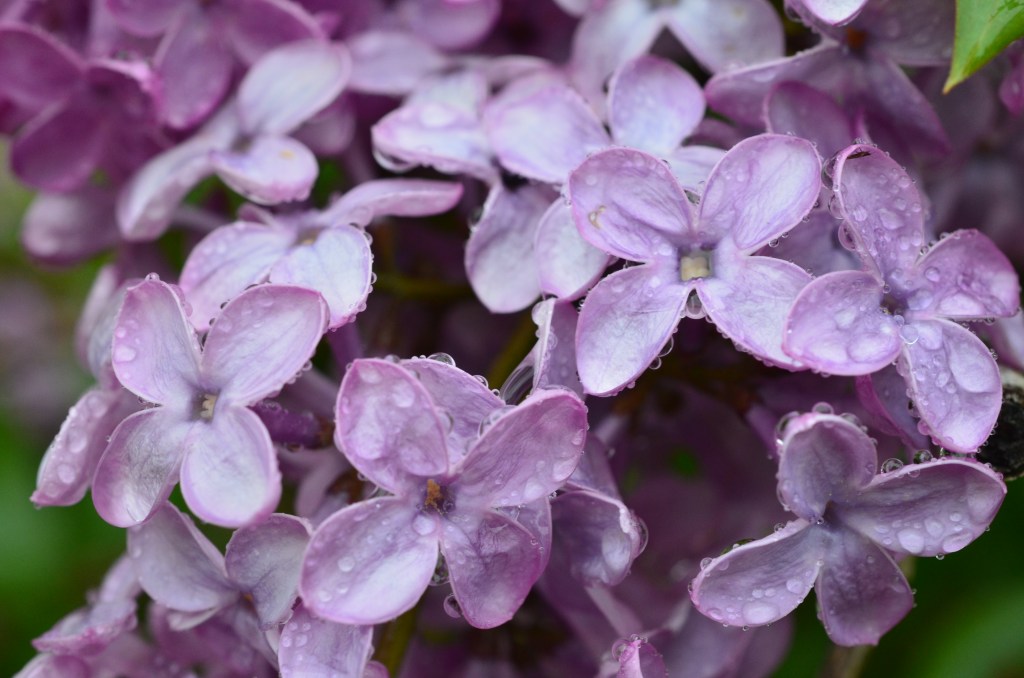
Lilacs being my favorite flower, every Spring I hope to be able to make a trip home to Oregon in time to enjoy my mother’s lilacs in bloom. Luckily, this year my Spring trip coincided with the Lilac Days festival in Woodland, Washington. The early blooming lilacs were passed their prime, the mid blooming lilacs were perfect, and the late bloomers were yet to bloom.
The 1880s farm house at the Hulda Klager Lilac Gardens.
Hulda Klager began hybridizing lilacs in 1905 and was known as “The Lilac Lady.” This year the 1880s farm house was closed to guests, but the gardens were open. There are many varieties of lilacs. Thank goodness for the name plates, because without them it would be hard to remember all the names.
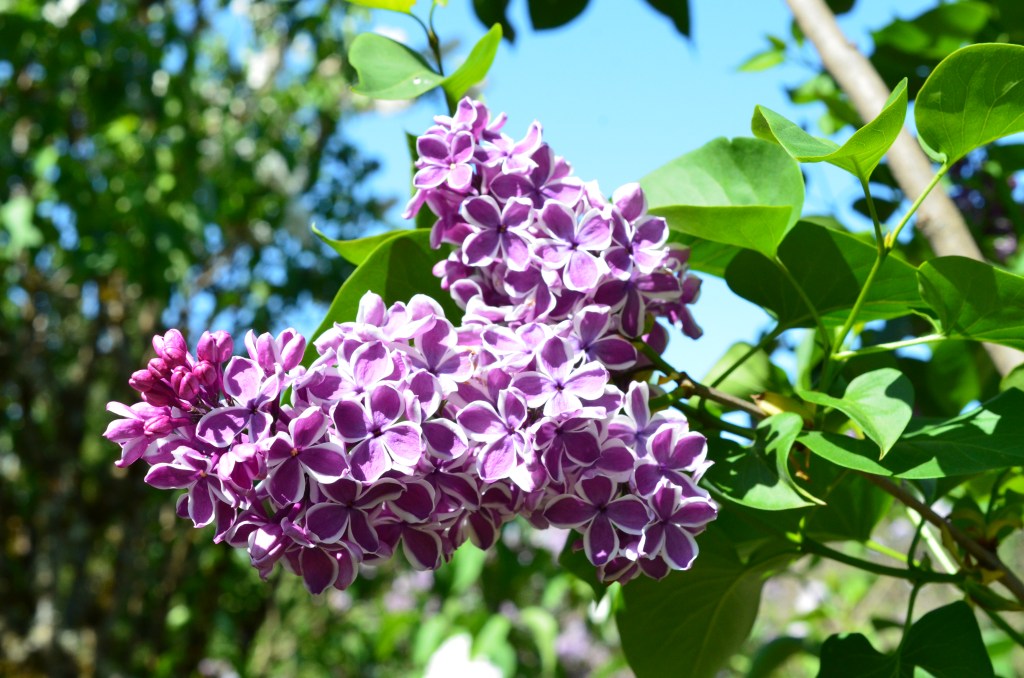
The Sensation Lilac with its name plate.
Sensation Lilac
I wandered the gardens and enjoyed the many varieties of lilacs and their beautiful fragrance.
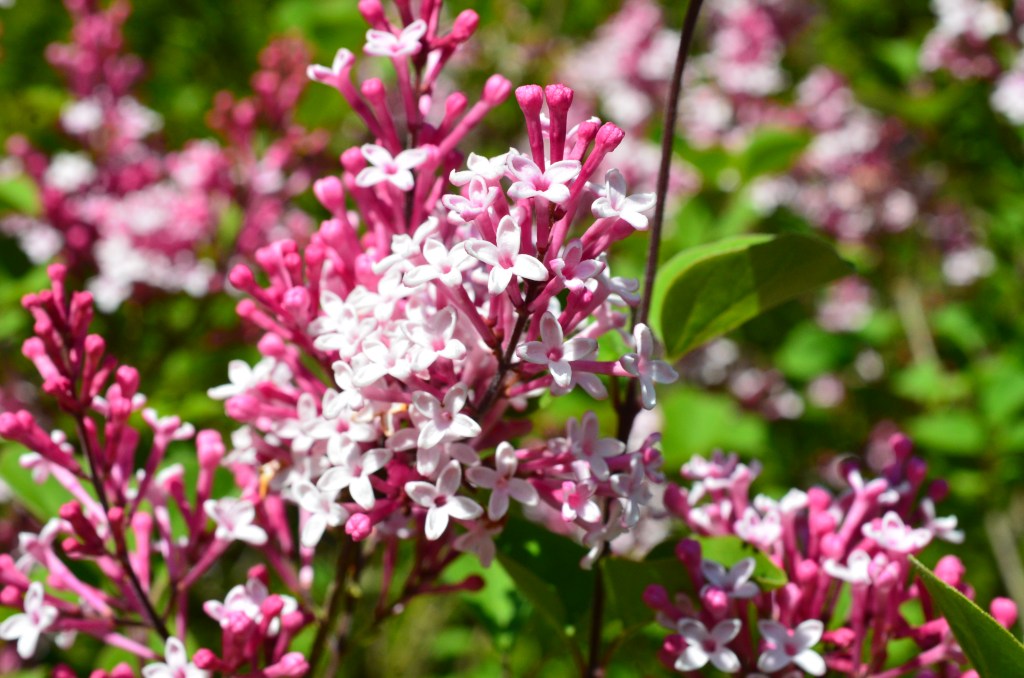
Pink Elizabeth Lilacs
Glory Lilac
Maiden’s Blush Lilac
Carley Lilac
Tinkerbelle Lilac
Wolfii Lilac
President Grevy Lilac
Interlude Lilac
Donald Wyman Lilac
Moskvy Lilac
From the website lilacgardens.com:
The members of the Lilac Society put in many hours of hard work hoeing, spraying, weeding and pruning in order to restore the gardens to the condition they enjoyed under Hulda Klager’s care. The house was also restored and turned into a museum to honor The Lilac Lady. Much of Hulda Klager’s own furniture has been returned, along with other pioneer-era treasures from the Woodland area.
The woodshed, water tower, and carriage house have also been restored through another grant-in-aid from Washington State. The carriage barn houses a gift shop that offers souvenirs and craft items from local artists. The Lilac Society also revived her annual “Lilac Days” each spring when the lilacs come into bloom, selling lilac plants to visitors just as when Hulda Klager was there.
Frank Klager Lilacs
Sweetheart LilacsA very busy and happy bee leaves a lilac blossom.Agincourt Beauty Lilac
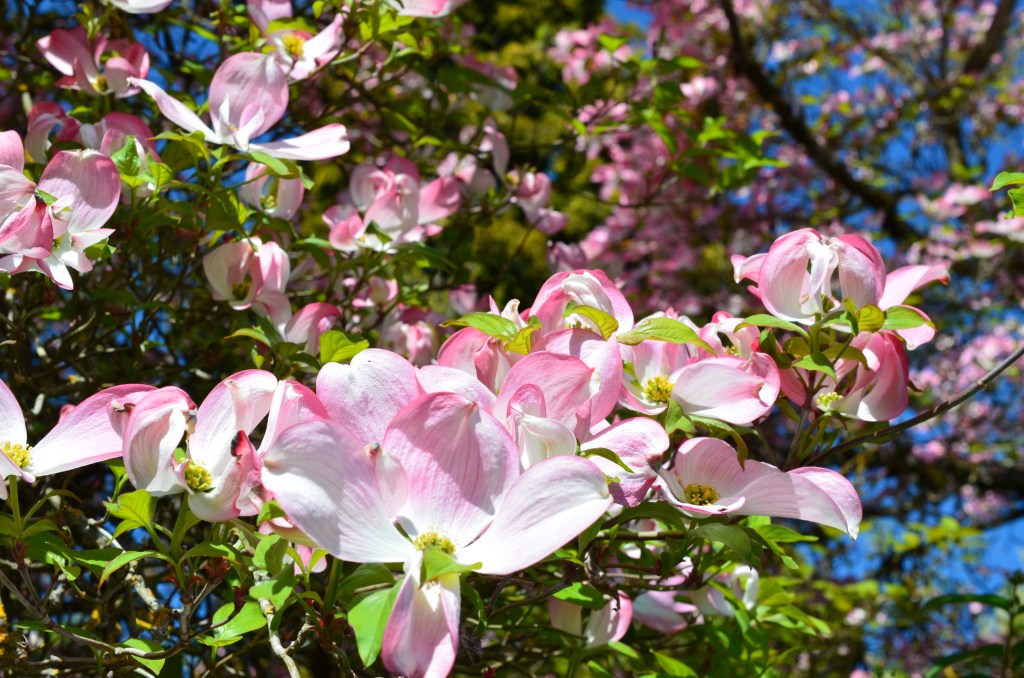
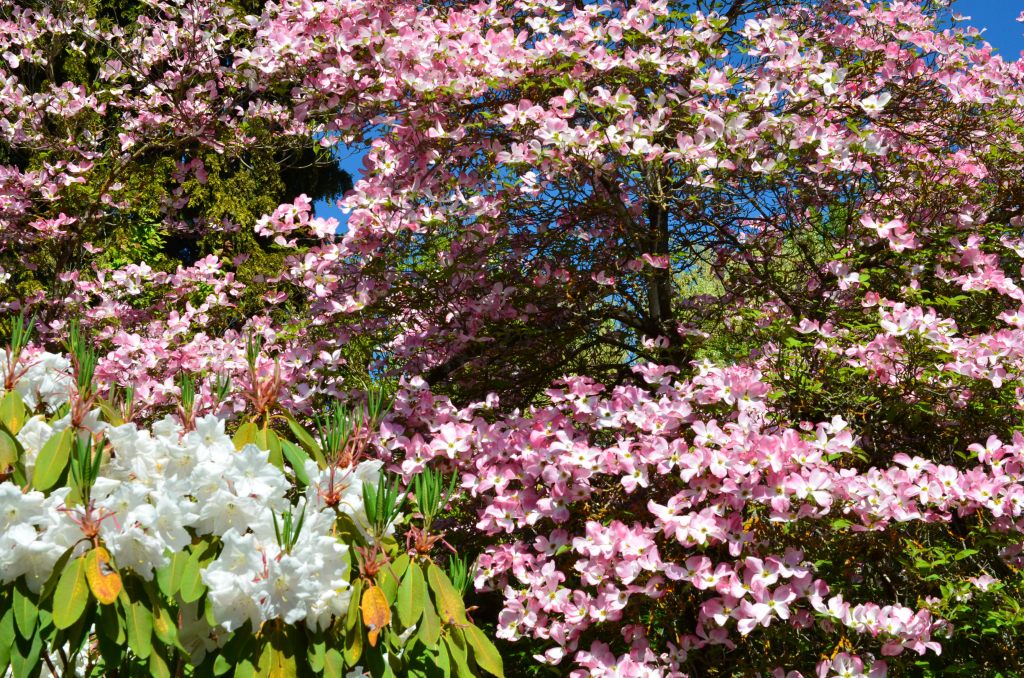
The gardens include more than just lilacs. These pink dogwood trees were also in bloom.
Superba Lilacs
Bloomerang Purple Lilacs
Spokane Lilacs
Pink Ruth Lilac
White lilacs from my mothers own garden.
I got very lucky with the sunny weather at the Hulda Klager Lilac Gardens. Springtime in Oregon is predominantly rain showers.
My mother’s purple lilacs in the more typical rain.
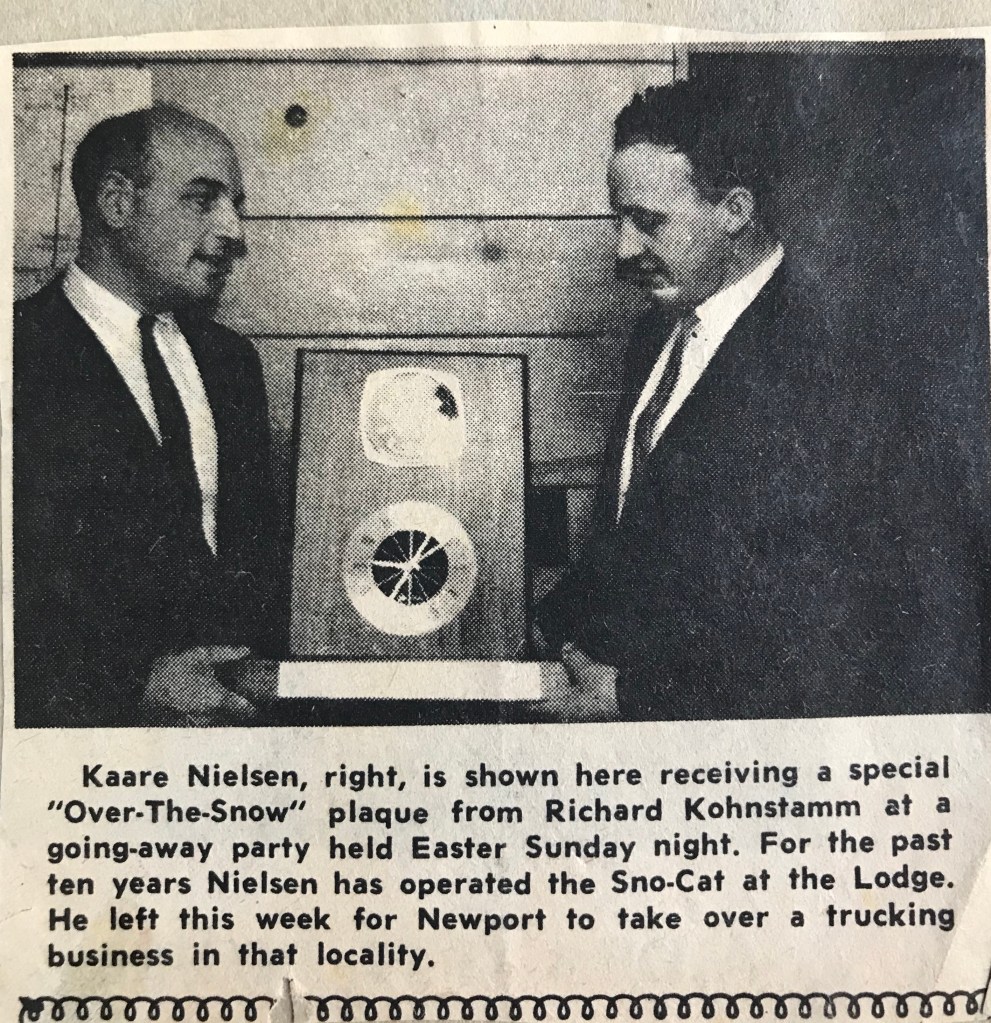
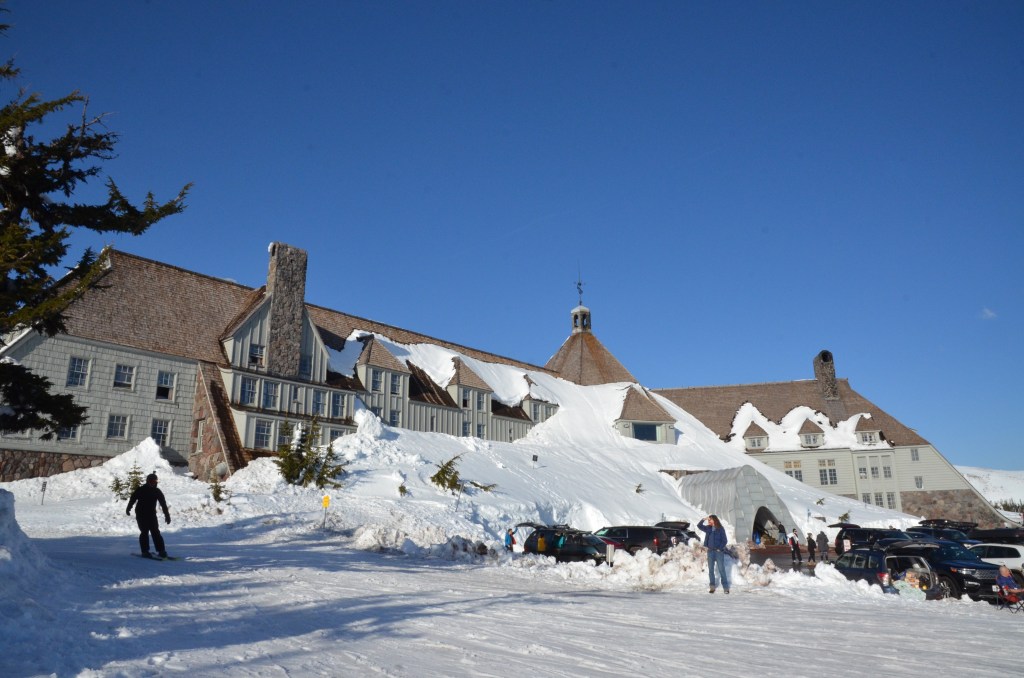
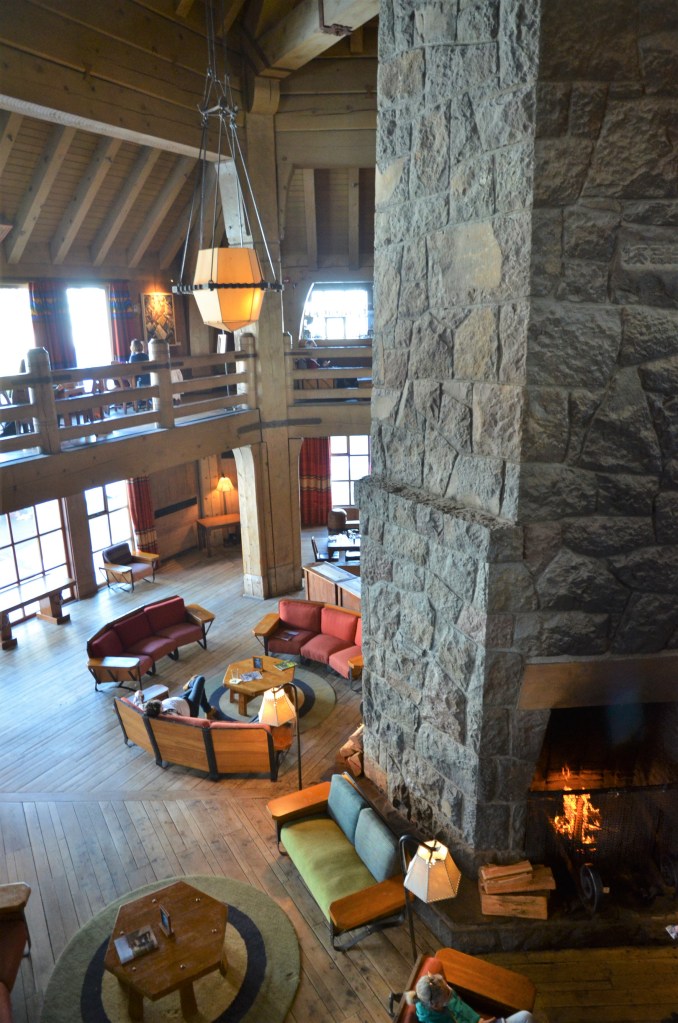
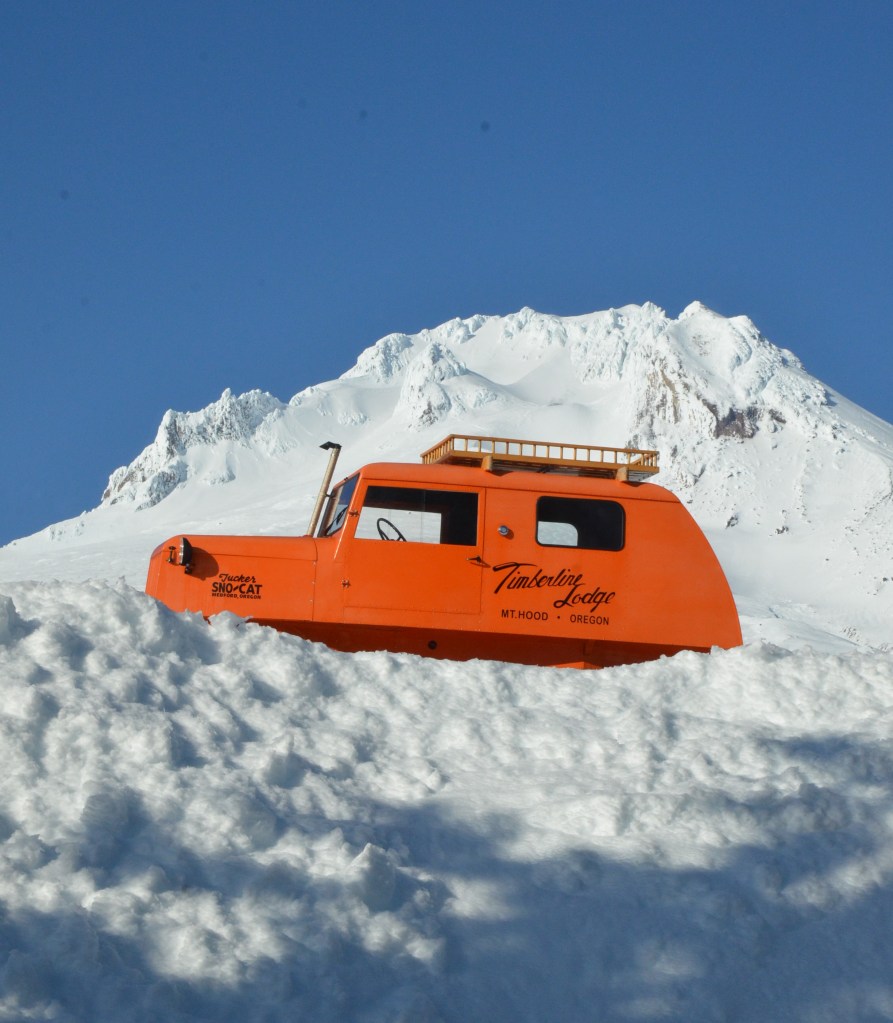
Built in 1937 and declared a National Historic Landmark in 1977, Timberline Lodge is also where my parents met in 1955. My mother worked as a waitress in the Cascade Dining Room and my father drove a snow-cat. He received an “Over-The Snow” plaque when he left the mountain, in honor of all the snow miles he’d driven.
The inside of the main wooden door to the lodge.
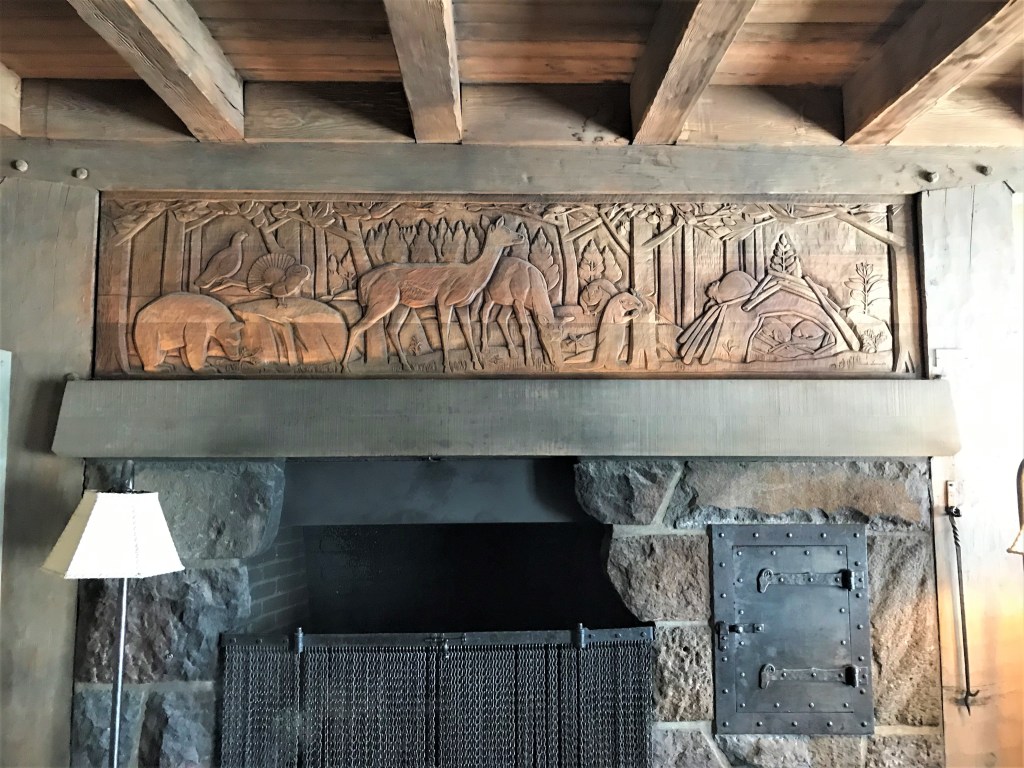
A wood carving above the fireplace in the Cascade Dining Room.
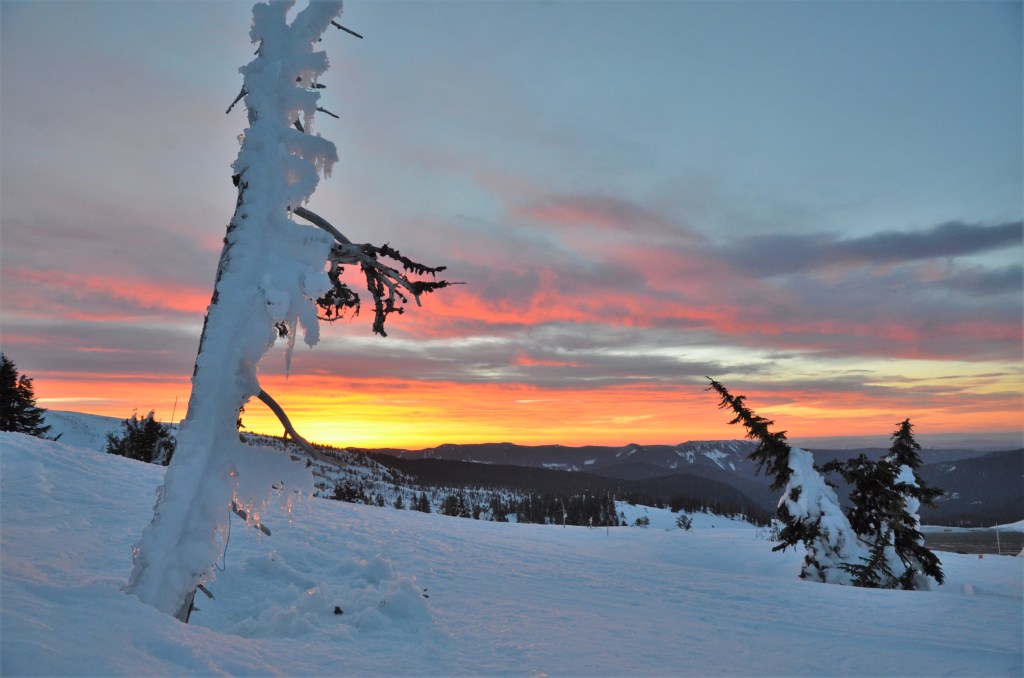
The Lodge, just before sunset.
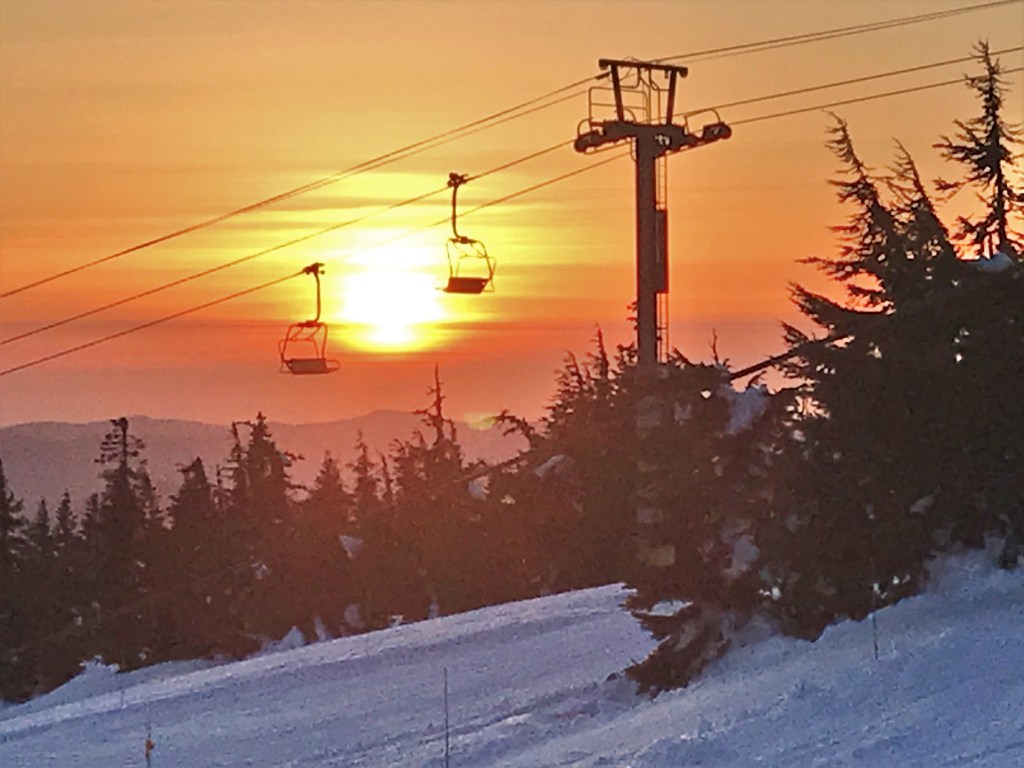
The chair lifts at sunset.
Mt. Jefferson in the background.
The Ram’s Head bar.
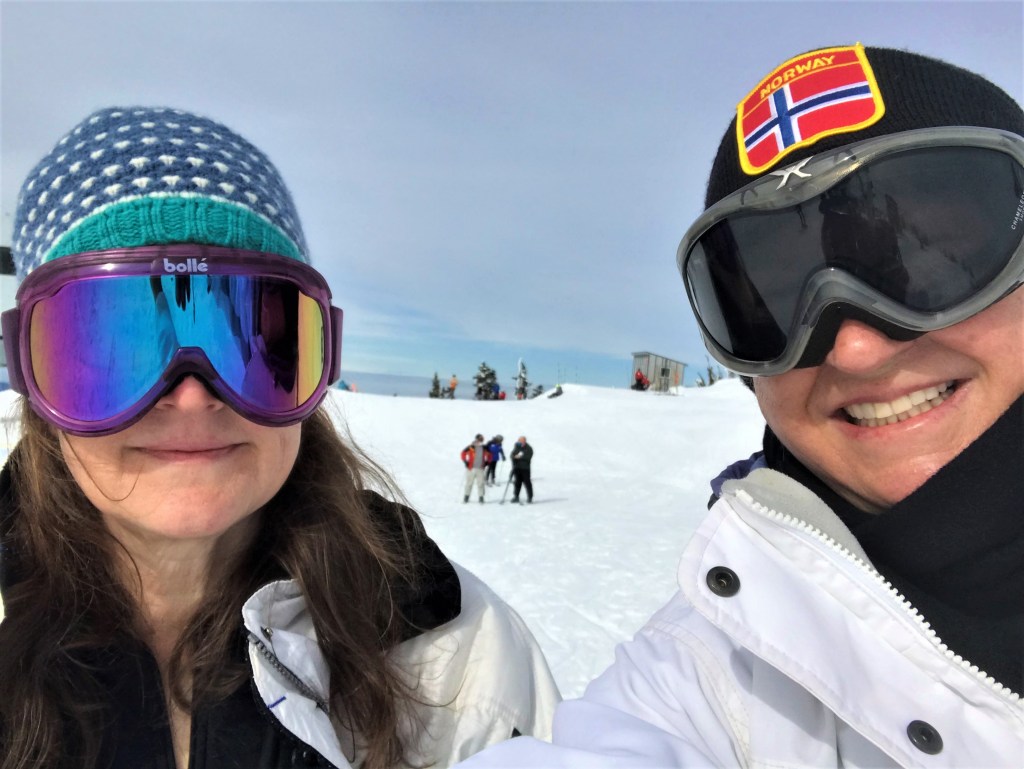
My sister and I spent a few nights at the lodge, which is now open only to overnight guests, due to the Covid virus.
Mt. Hood at sunrise. The groomers are out early.
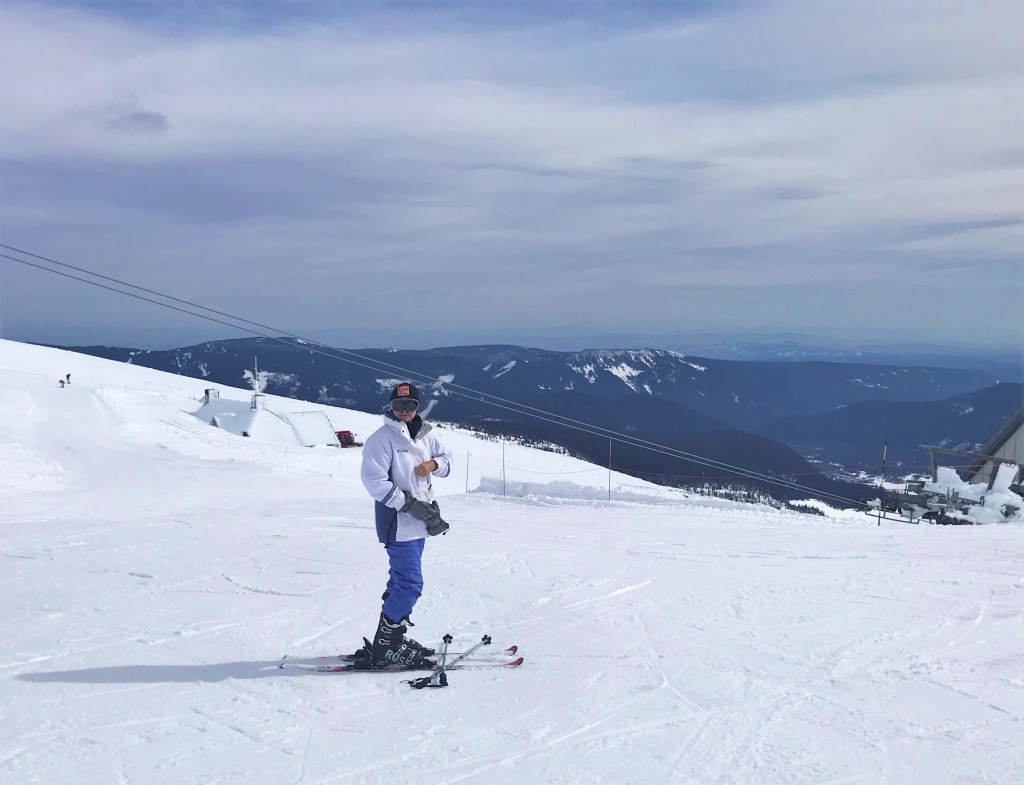
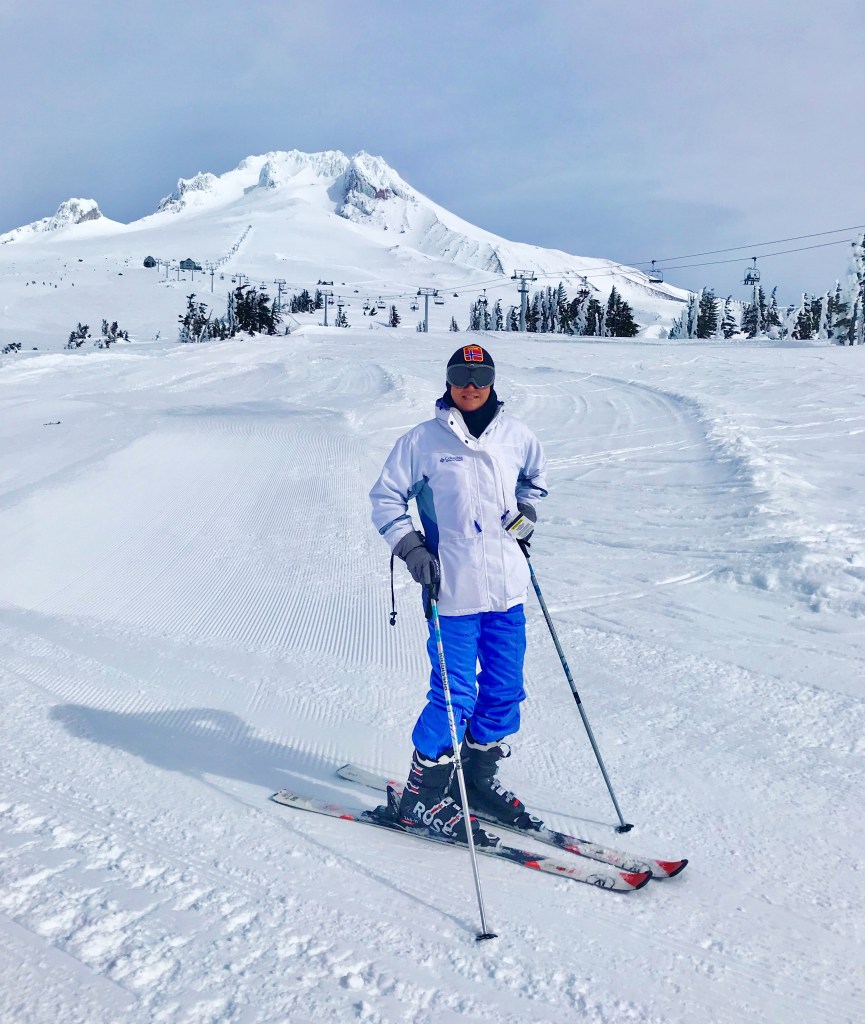
We were very lucky with the weather, getting clear, sunny days. The Magic Mile lift was open, so we got to ski that famously scenic run under almost clear skies.
At the top of the Magic Mile chair lift, Silcox Hut is in the background.
It was a very nice feeling to travel again. Like everyone else, my international trips were all canceled last year. Hopefully, soon we’ll all be vaccinated and our travels will return to normal.
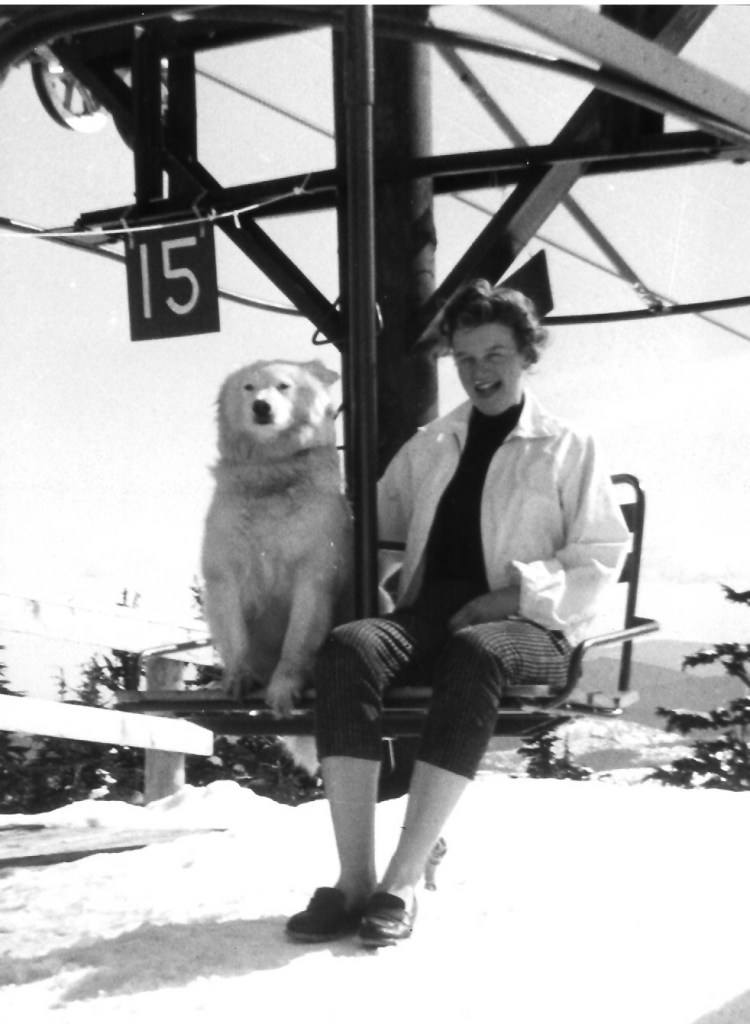
In this photo from 1956, my mother shares a chairlift with her dog Kushkie.
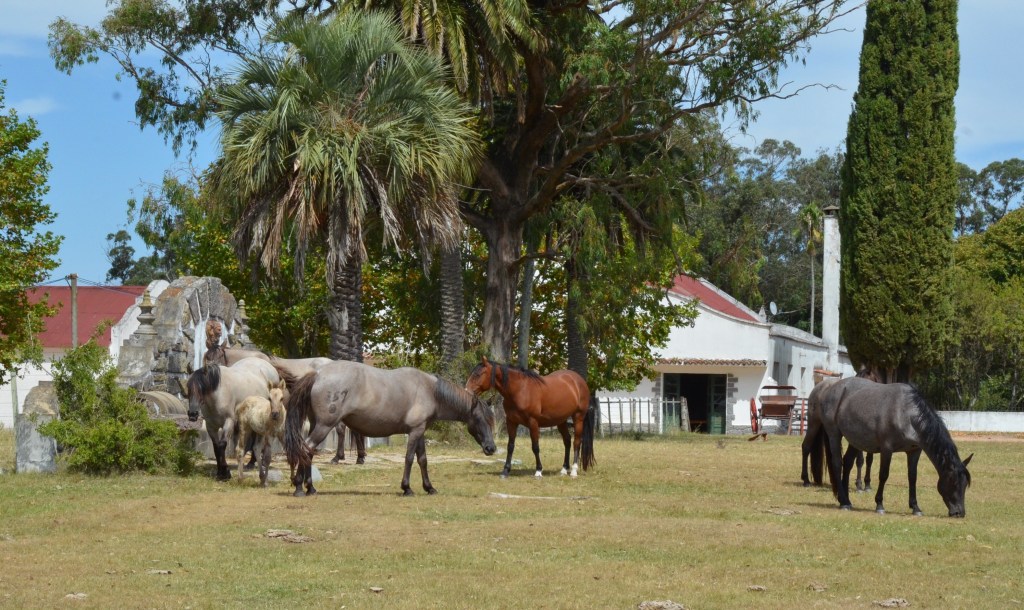
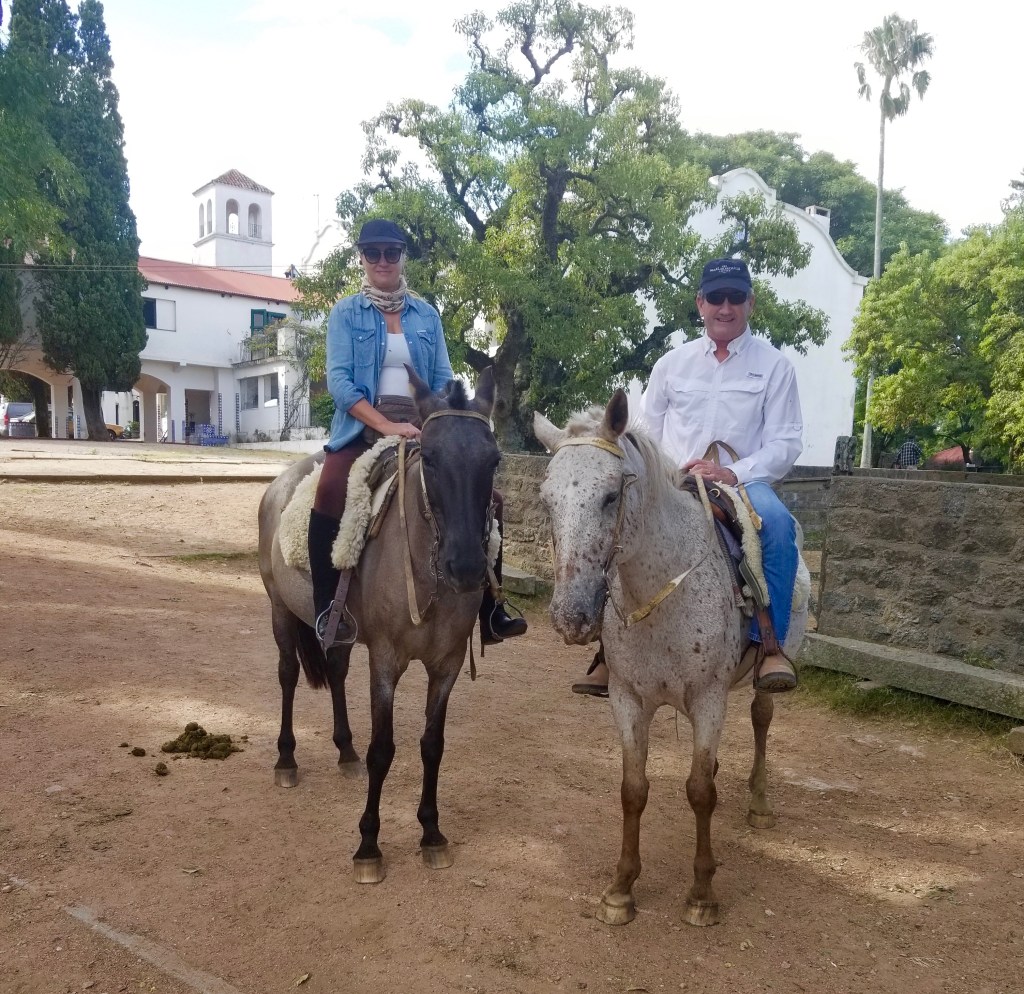
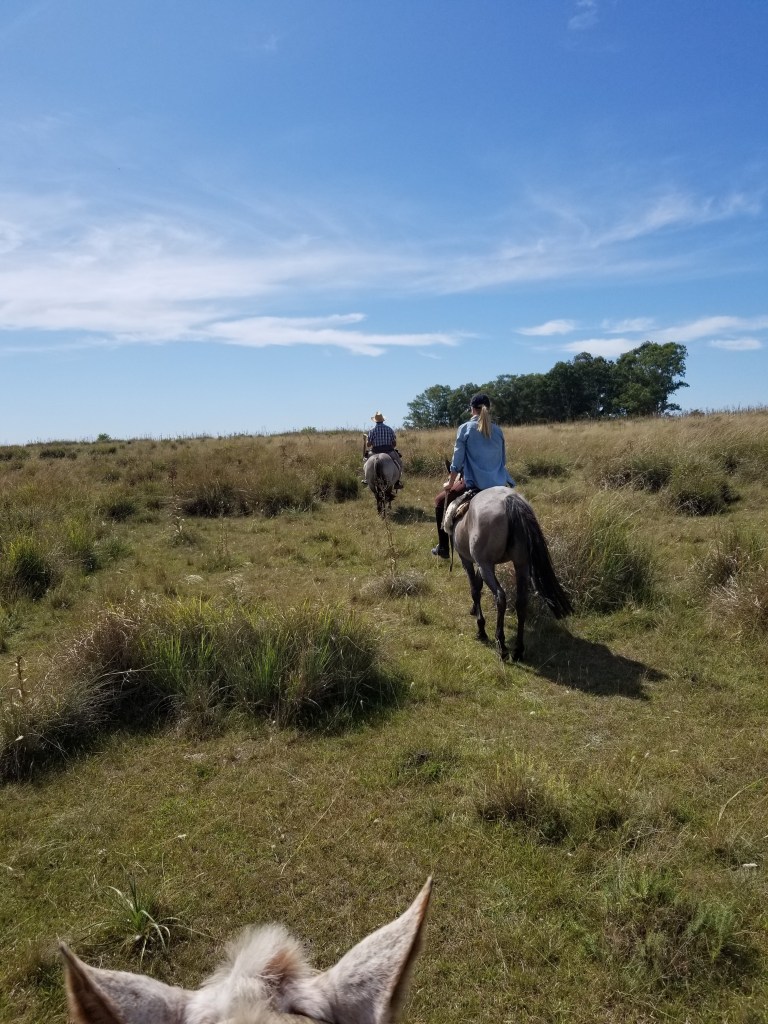
We came to San Pedro for horseback riding and relaxation. We found both. Beto took us and one other guest on a very nice ride in the surrounding area. We saw several herds of horses and some cattle.
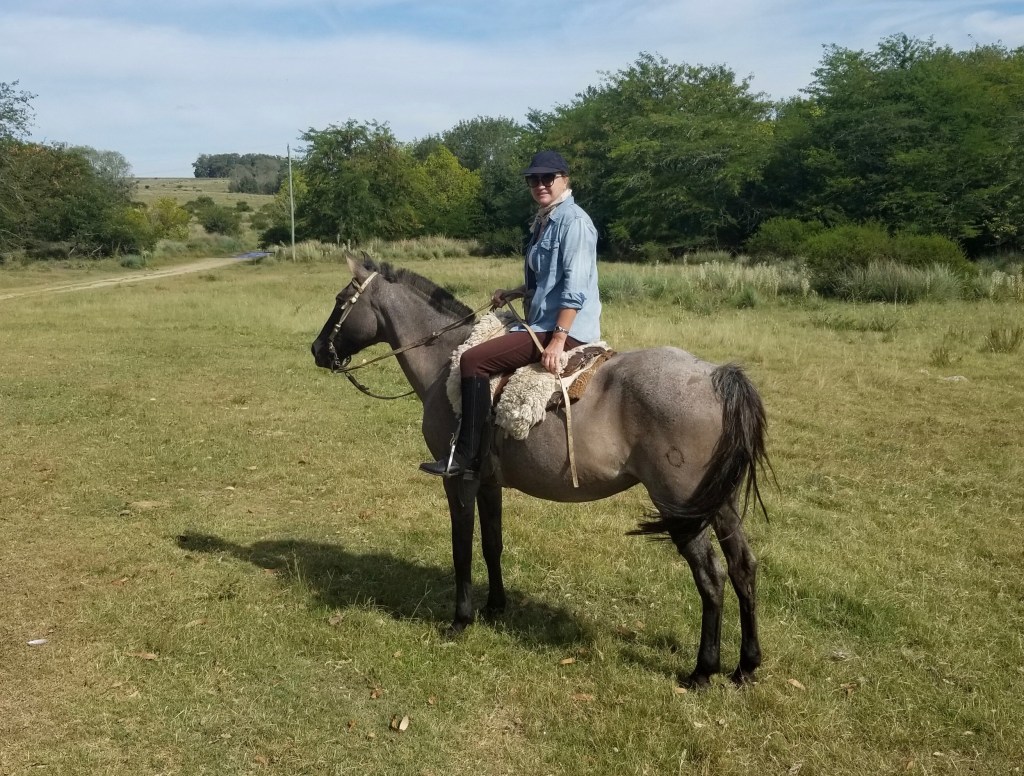
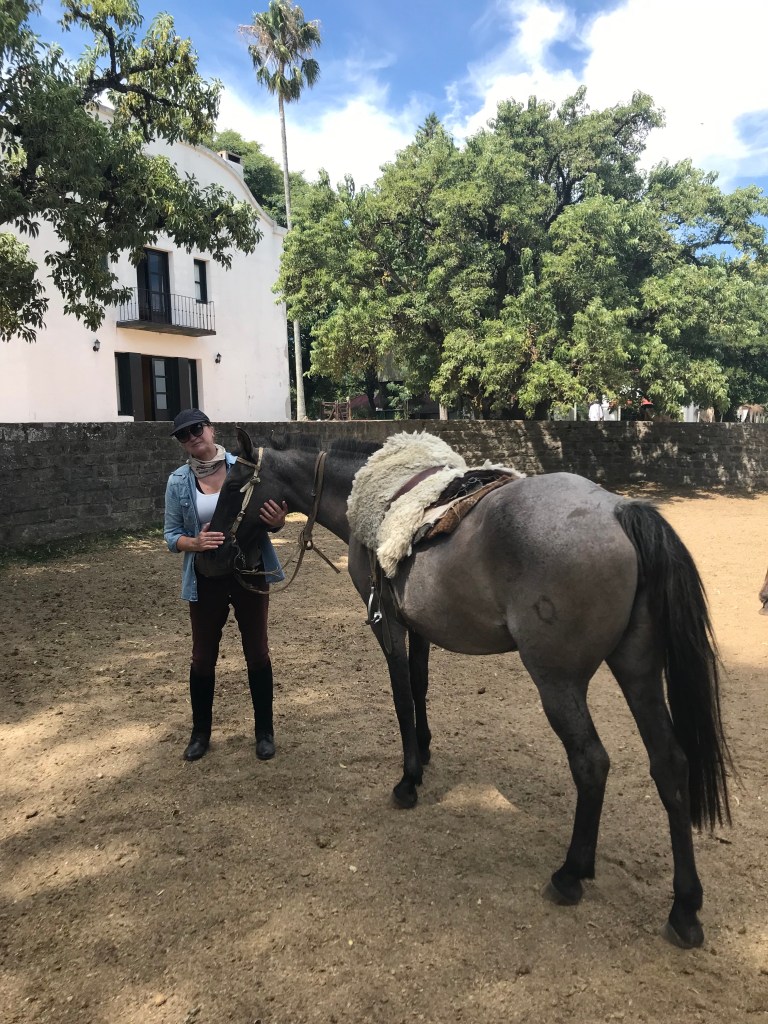
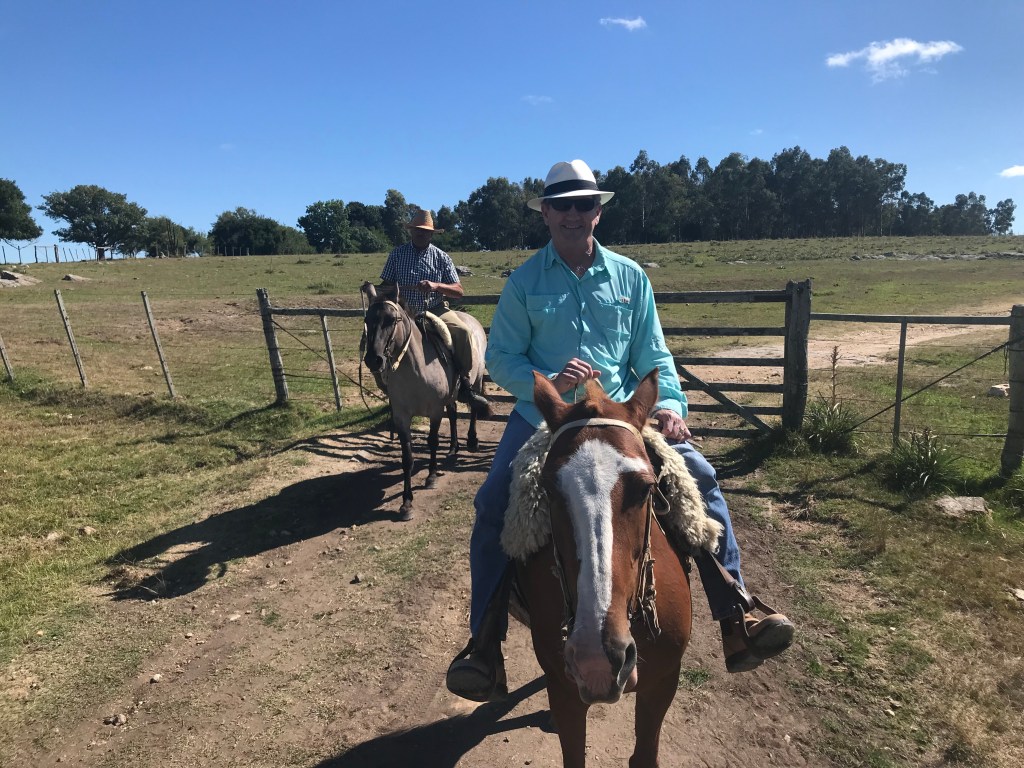
Me on Enfermera.
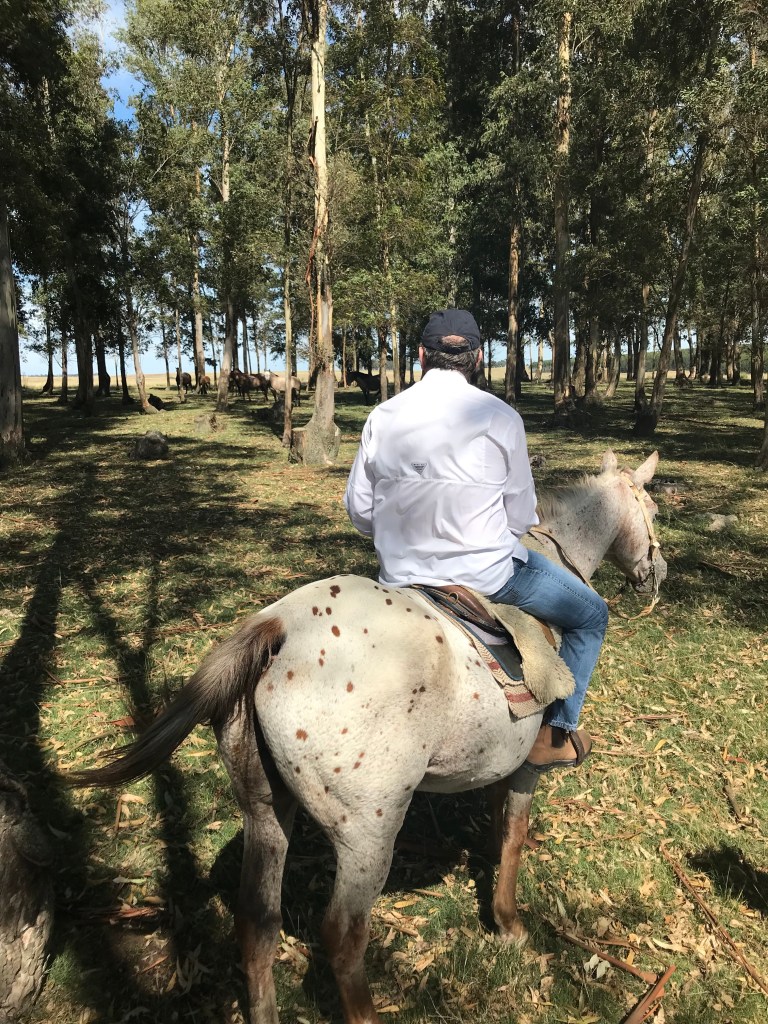
Beto leading the way.
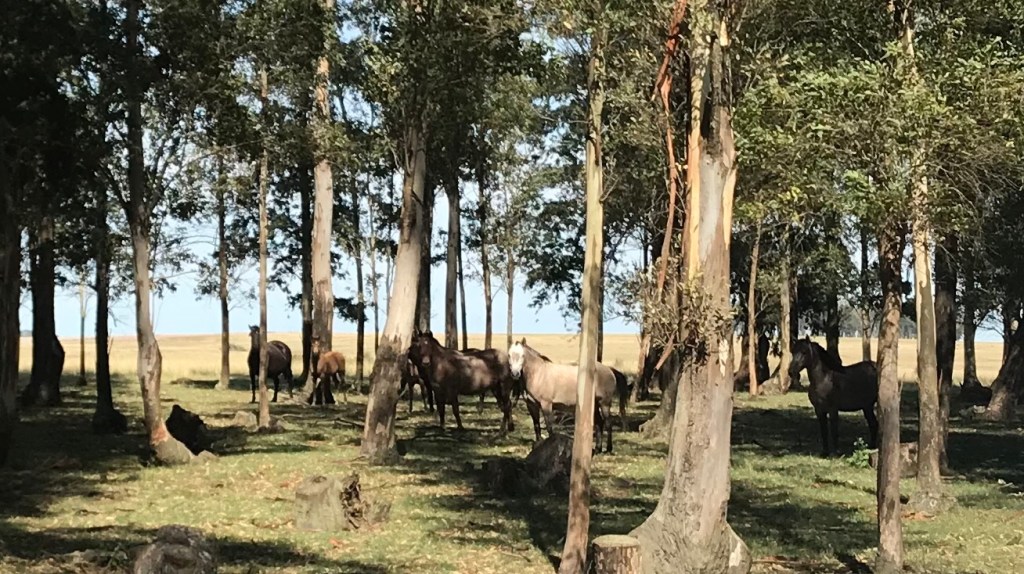
We spot a herd of horses in the stand of trees.
Tucker on Cortico watch the horses.
I’m a convert to these saddles. They are the most comfortable saddles I’ve ever tried. I’m done with western saddles for good.
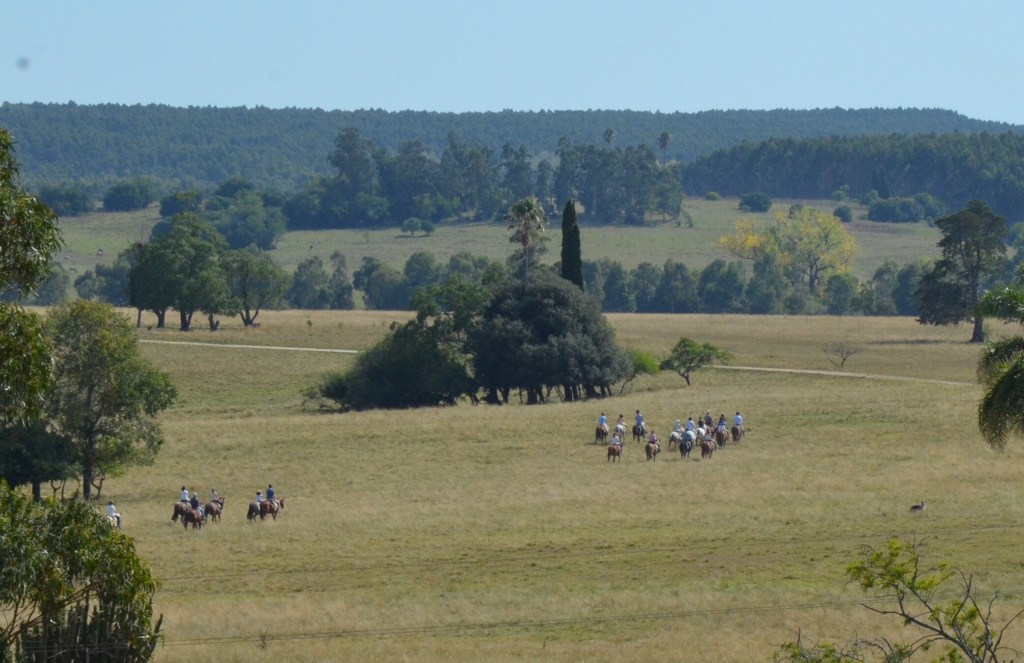
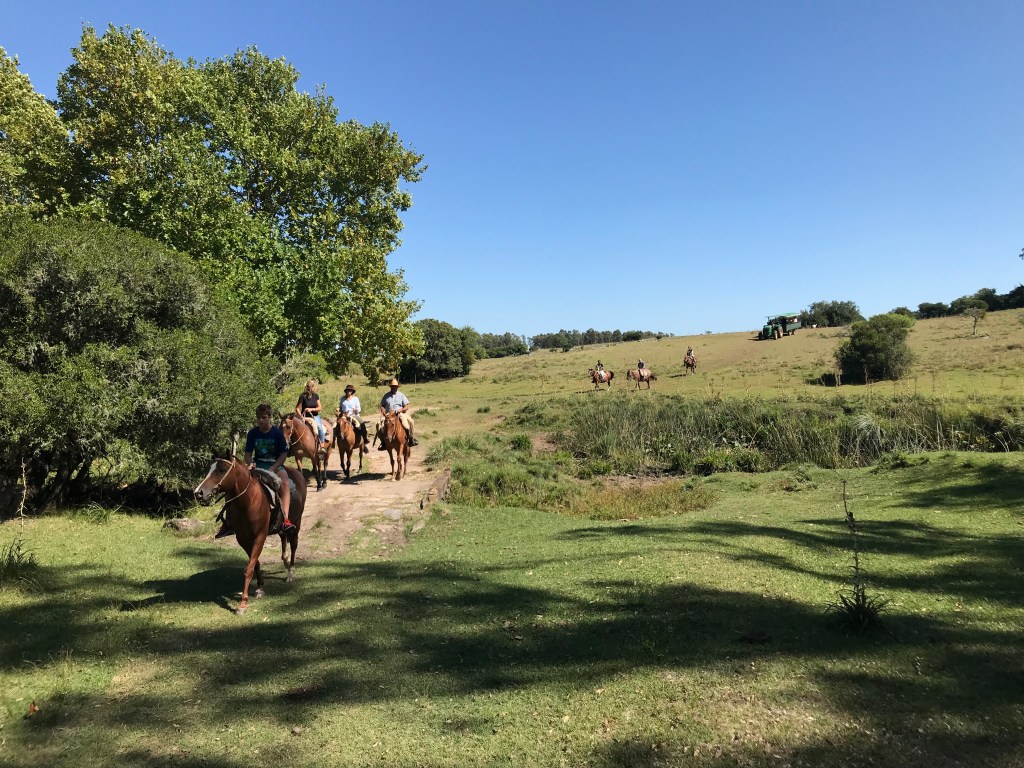
On another morning we rode with a large group. An Uruguayan family was visiting the ranch and everyone rode.
A barn.
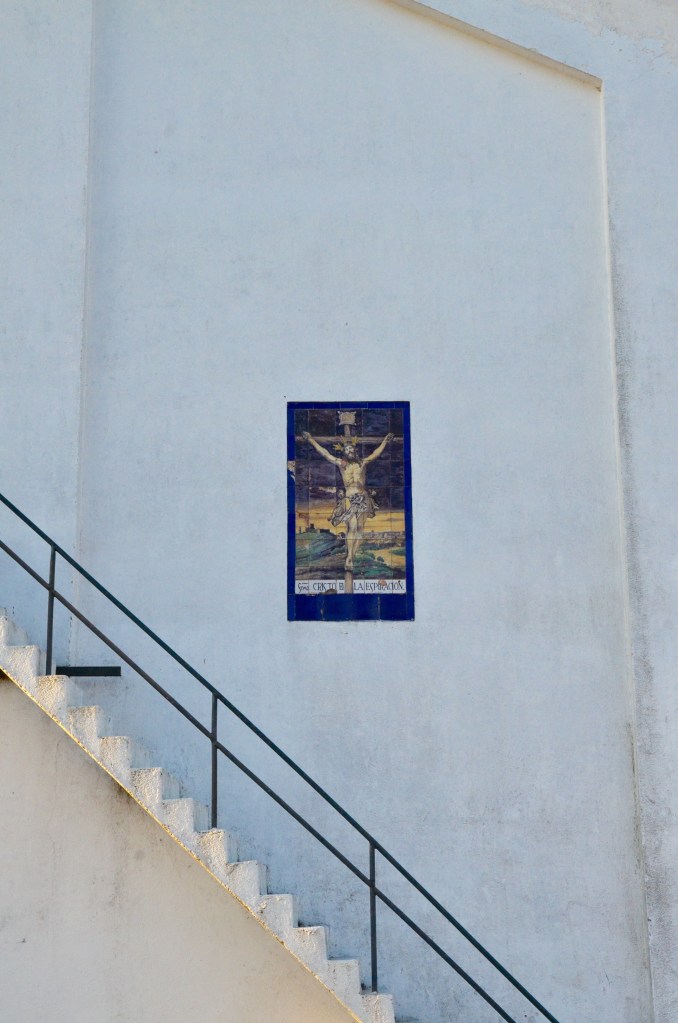
A barn with crucified Jesus.
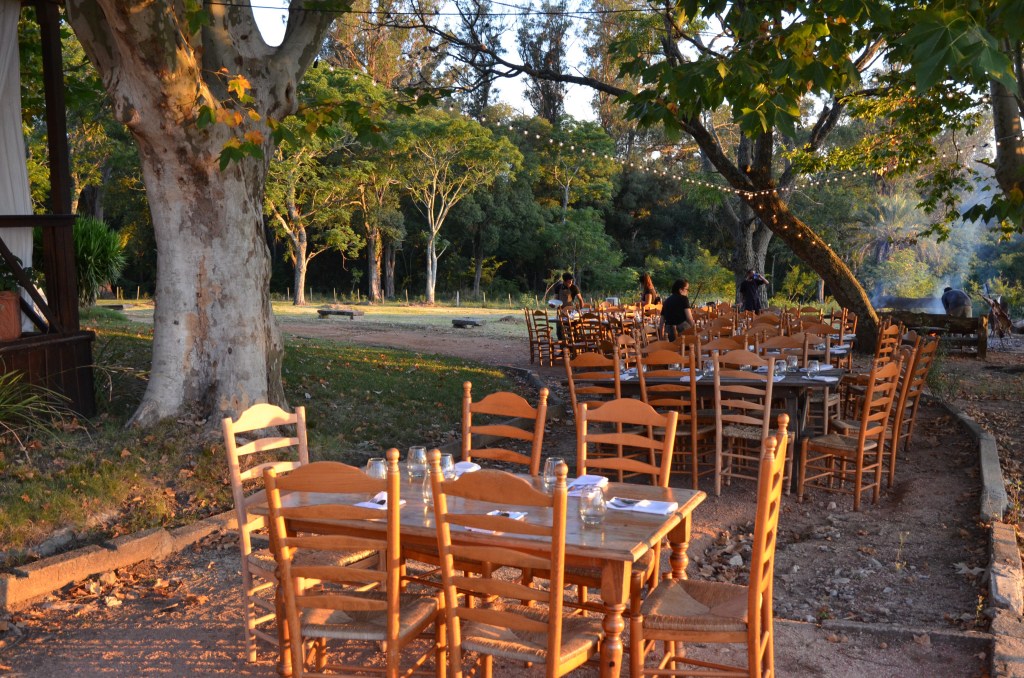
Here at San Pedro de Timote they really know how to throw an outdoor dinner party. There was a large corporate conference staying at the estancia when we first arrived. It was an agricultural group of some sort. We were lucky to be here during their last evening. The estancia put on an outdoor barbecue for about 100 people. They had two guitar players. It was wonderful to experience, although we do not eat meat.
Prepping for the big party.
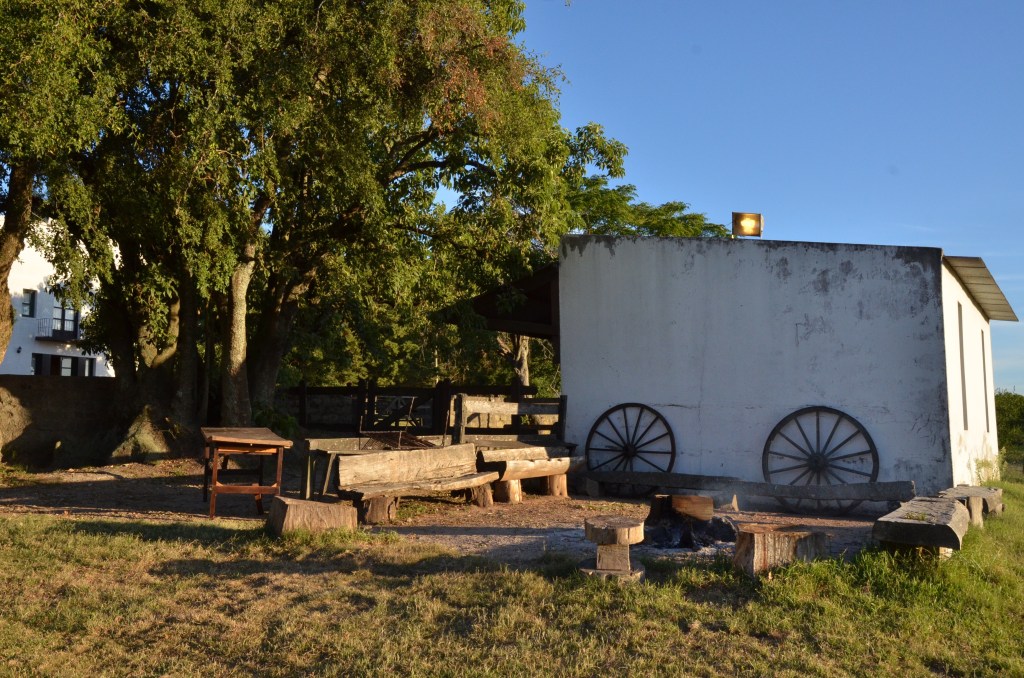
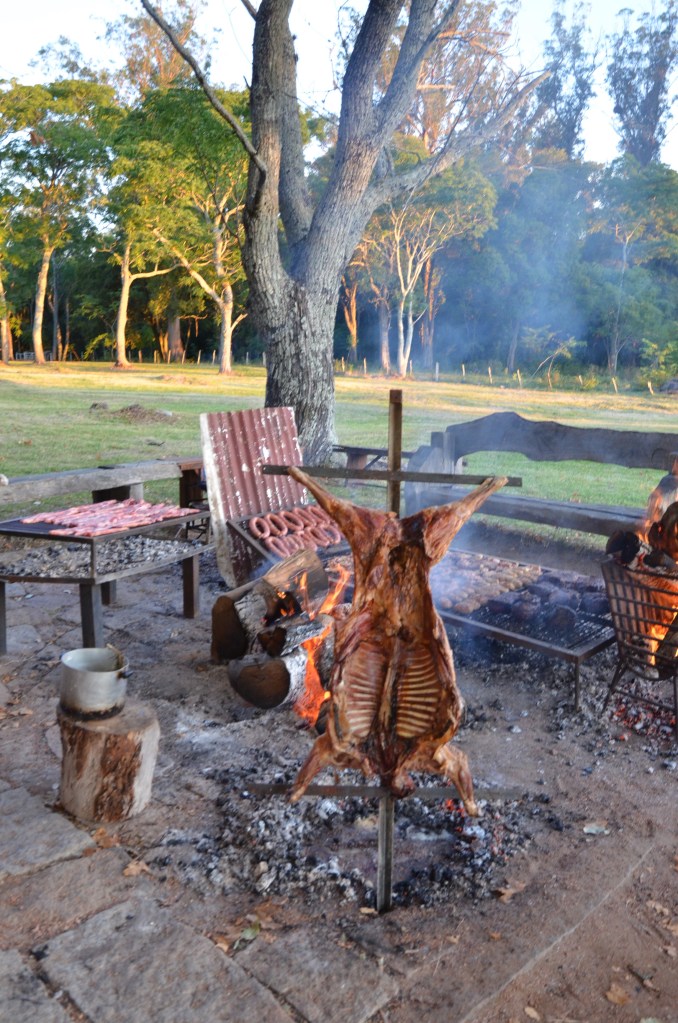
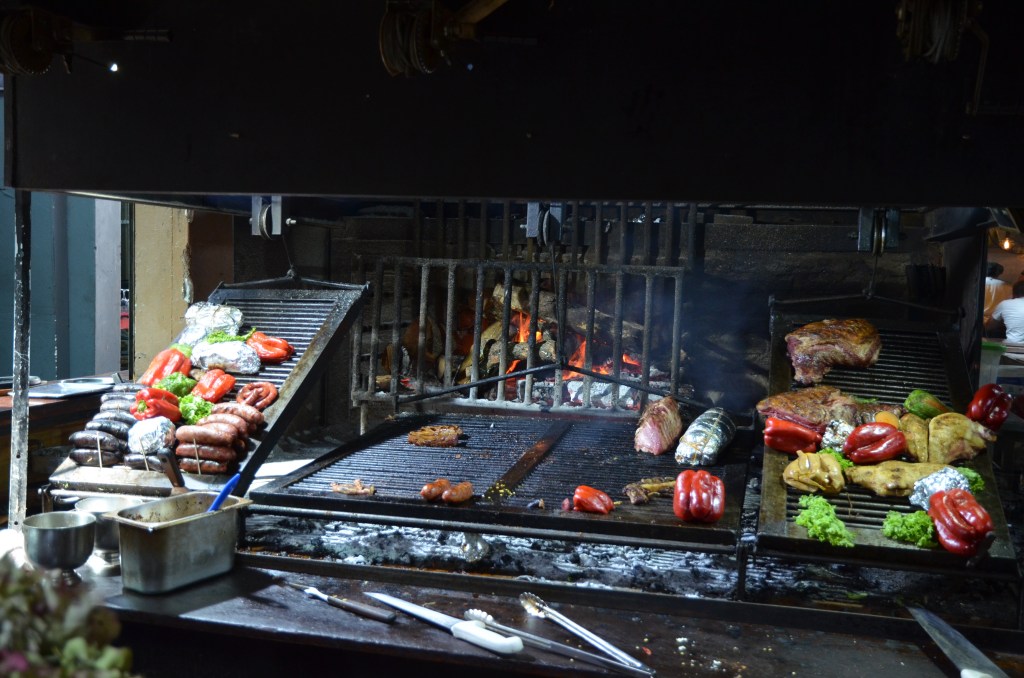
On another evening they cooked out in front of the estancia. They build a large fire, and as the red hot coals fall, the coals are spread under the food for cooking. The food is not cooked over the flame.
The fire on the side drops coals, which are then shoveled under the meat.
We drove 2 1/2 hours north of Montevideo into the Florida region of Uruguay.
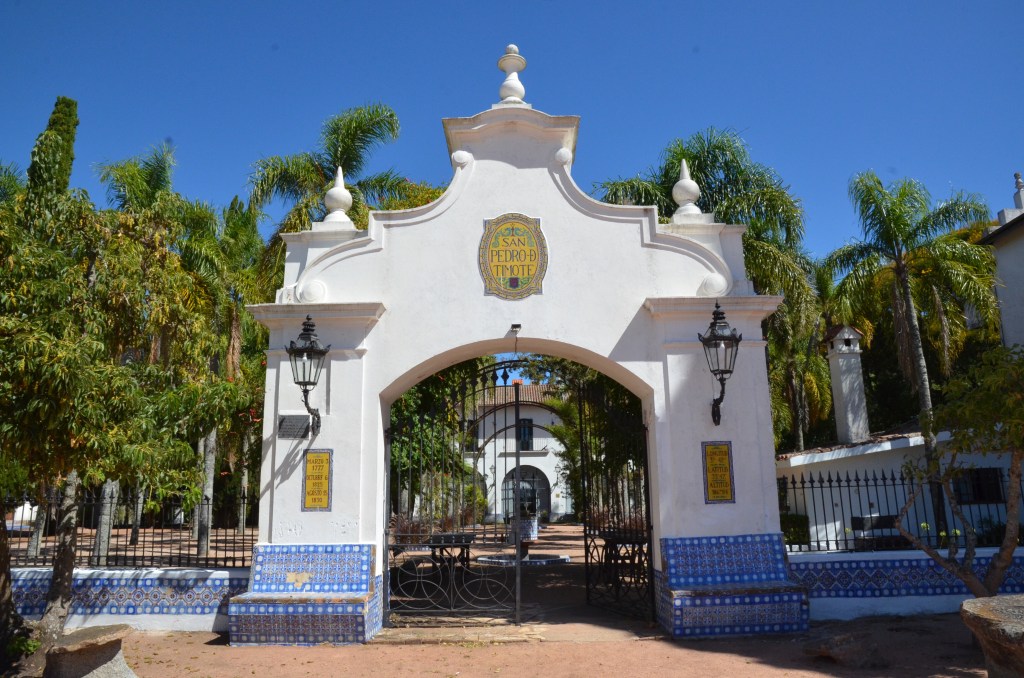
When it looked like we were in the middle of nowhere, we a saw sign with an arrow, and drove another 14 km on dirt roads to find the historic estancia.
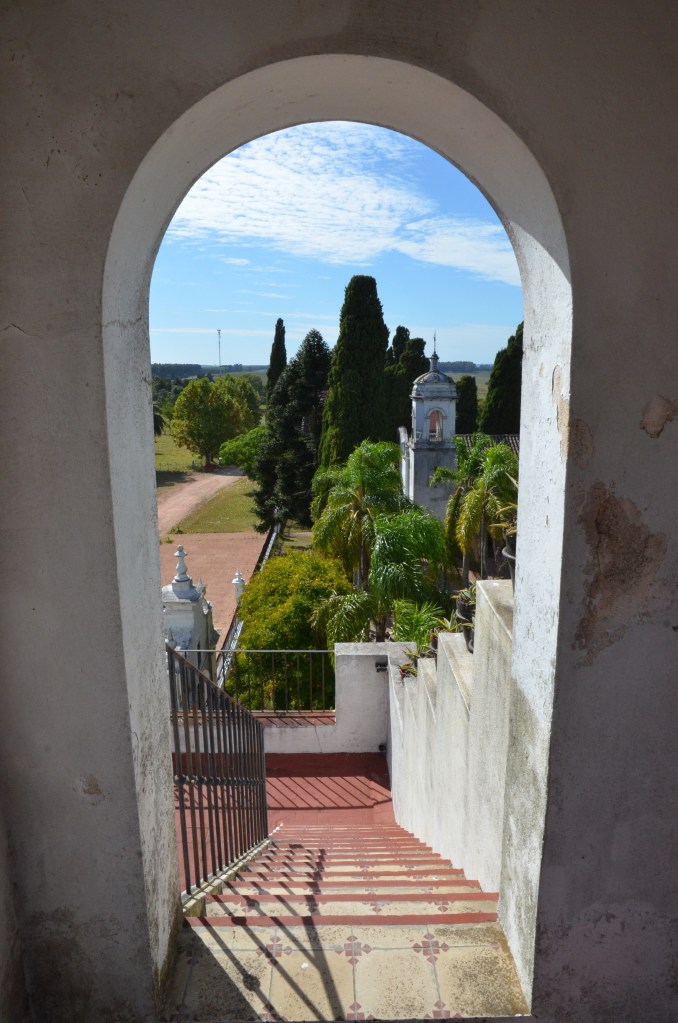
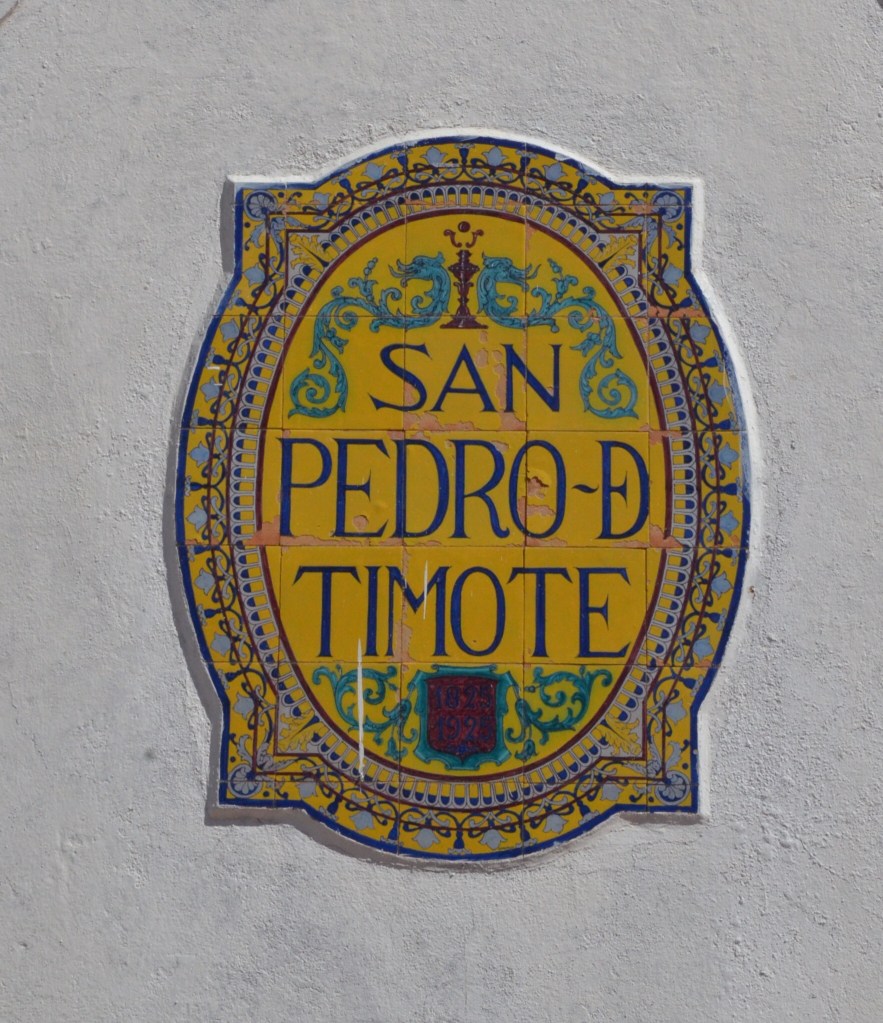
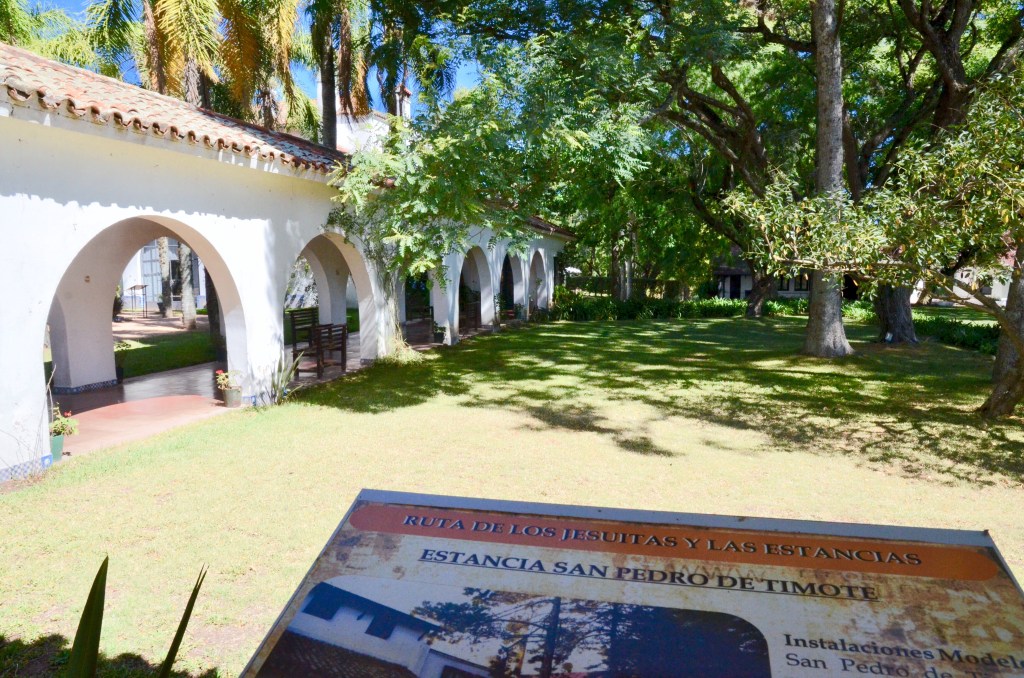
As an estancia, it was founded in 1854 by Pedro Jose Jackson. But the land’s history as an agricultural venture goes back to the Jesuits and 1740. It was roughly 250,000 acres then.
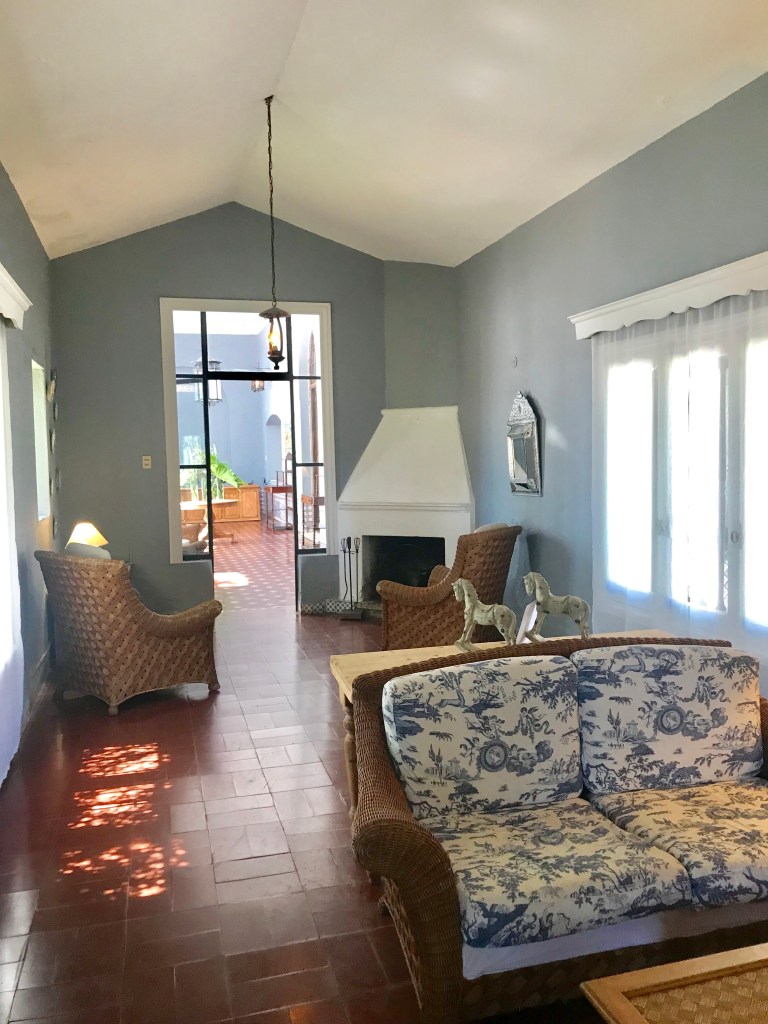
It is now mostly a tourist Estancia. There are 1200 acres and the beautiful house.
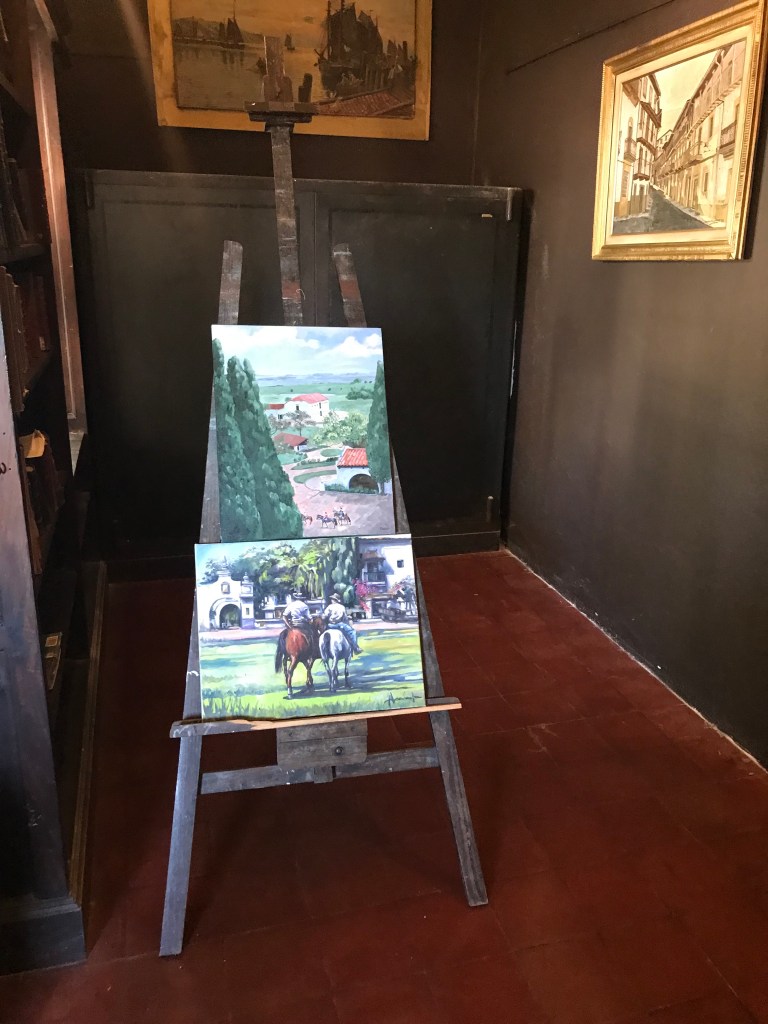
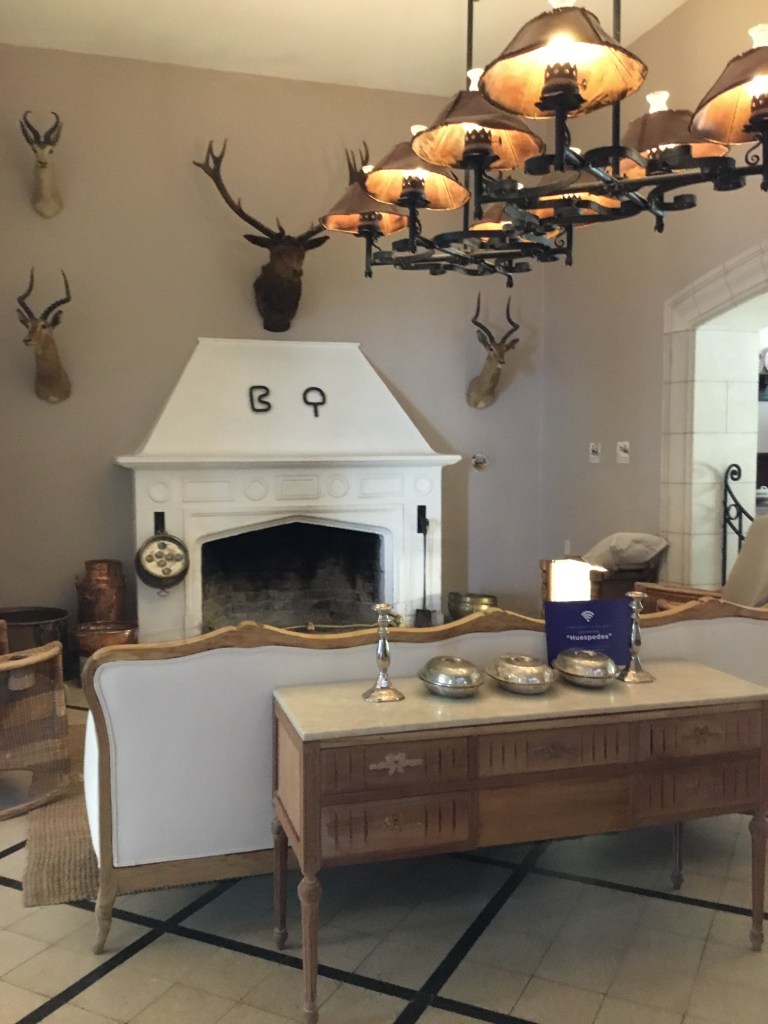
The library at San Pedro de Timote.
The meals are good, the people friendly and the horses well fed.
Reception.
“We still have much to do”
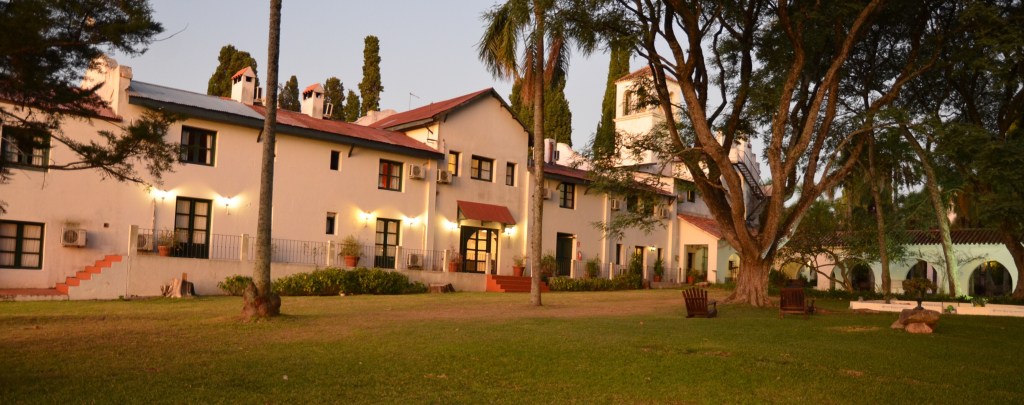
The estancia at dusk.
We went for a mid morning ride with Beto.
Beto explaining the property to me in Spanish. I understood very little, but he tried.
The nonstop flight from Miami to Montevideo landed around 0945 am. It was nearly a nine hour flight.
On the drive from the airport to the old town district, we followed the coastline south. Most of the waterfront appeared to be public green spaces. We saw many people walking dogs on leashes and jogging.
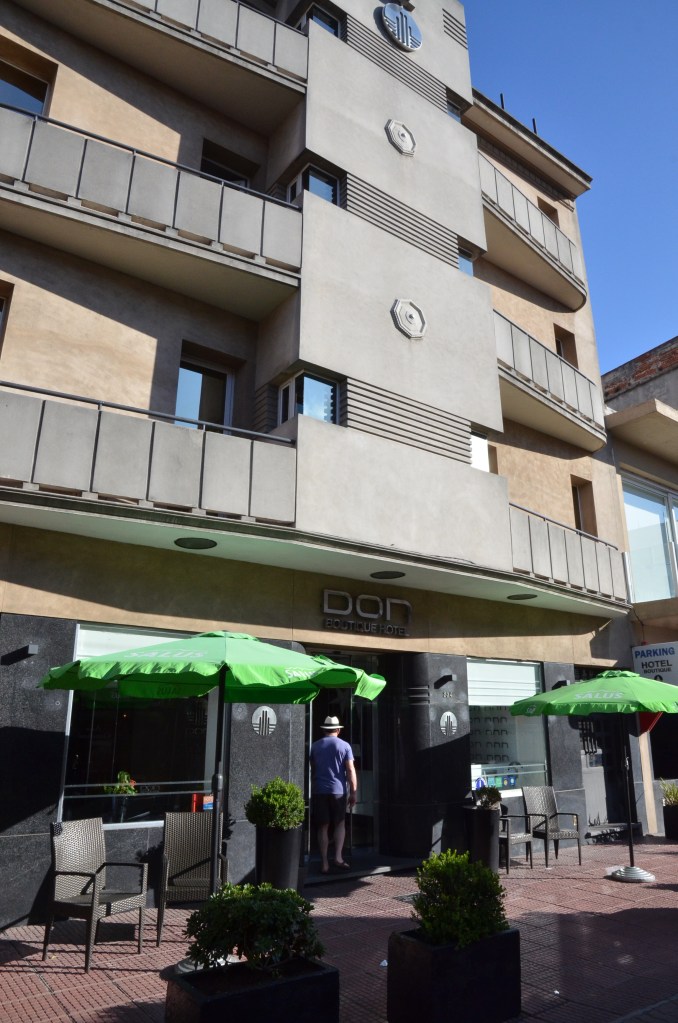
We are staying near the port, in The Don Hotel. It’s a good location for walking the old town district.
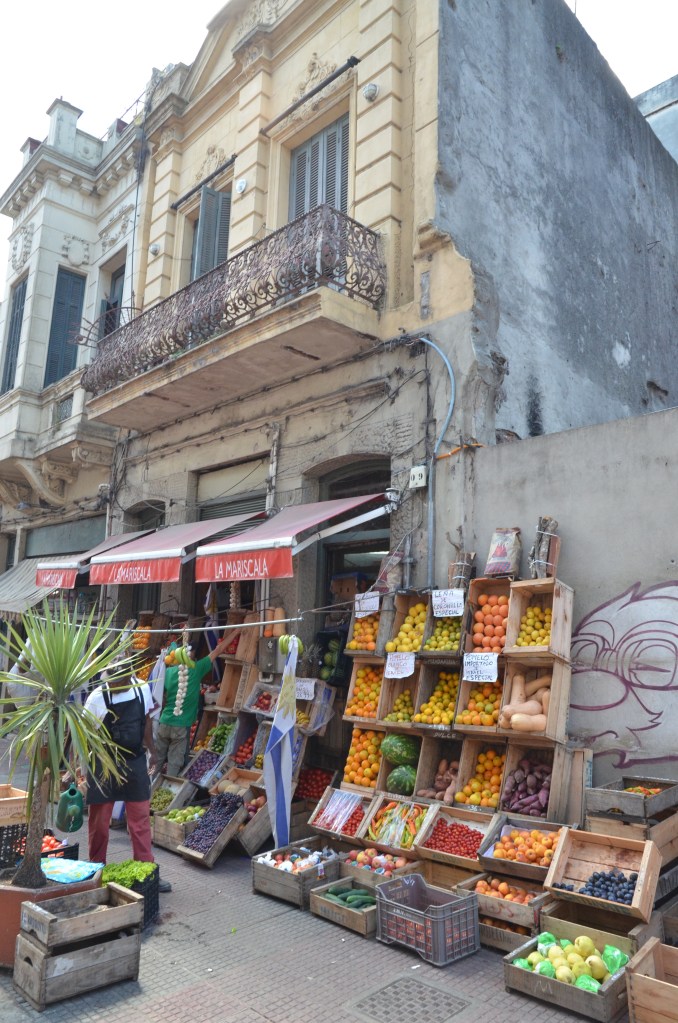
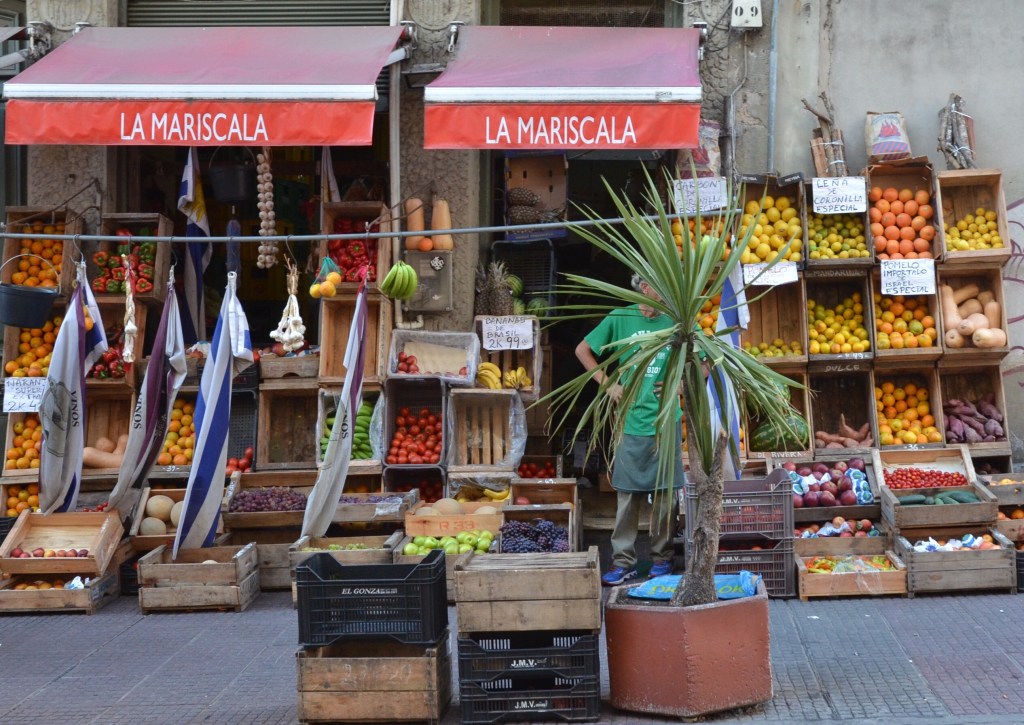
The city streets are clean, and the people friendly. Most restaurant and shop workers speak a little English. Sometimes just a little.
Upon arrival we crashed for a few hours, then walked around in the afternoon. Midday temperatures are mid 80s.
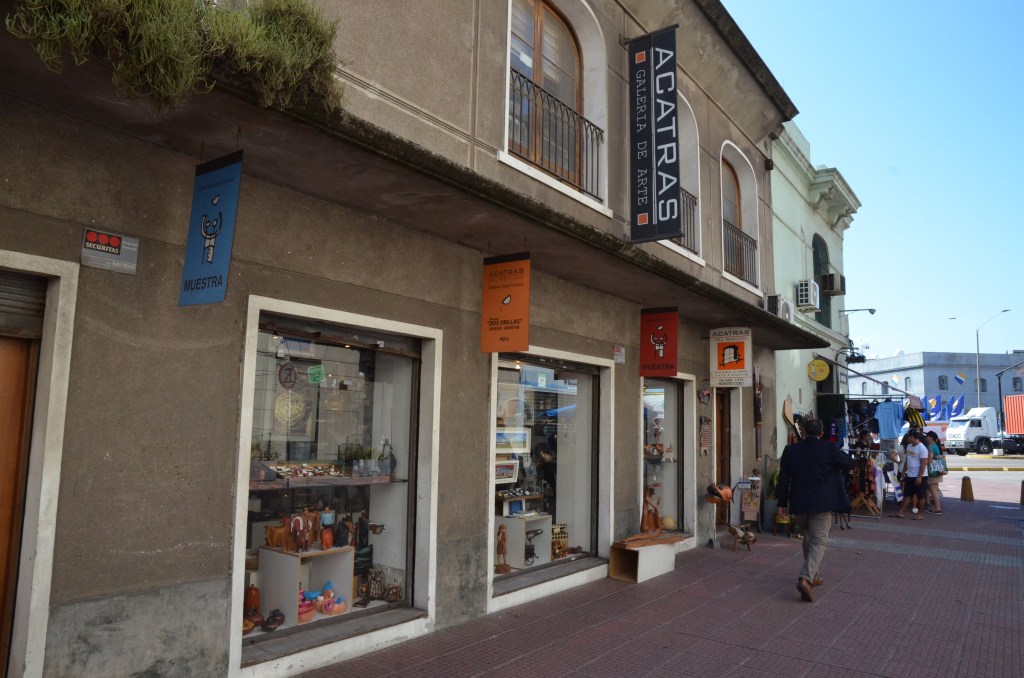
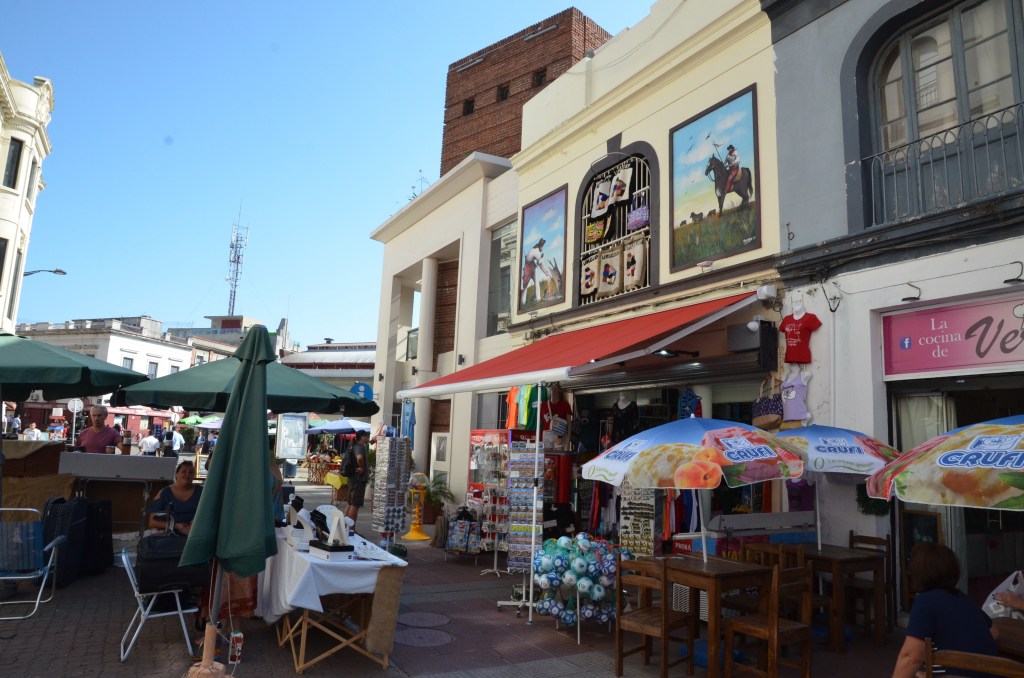
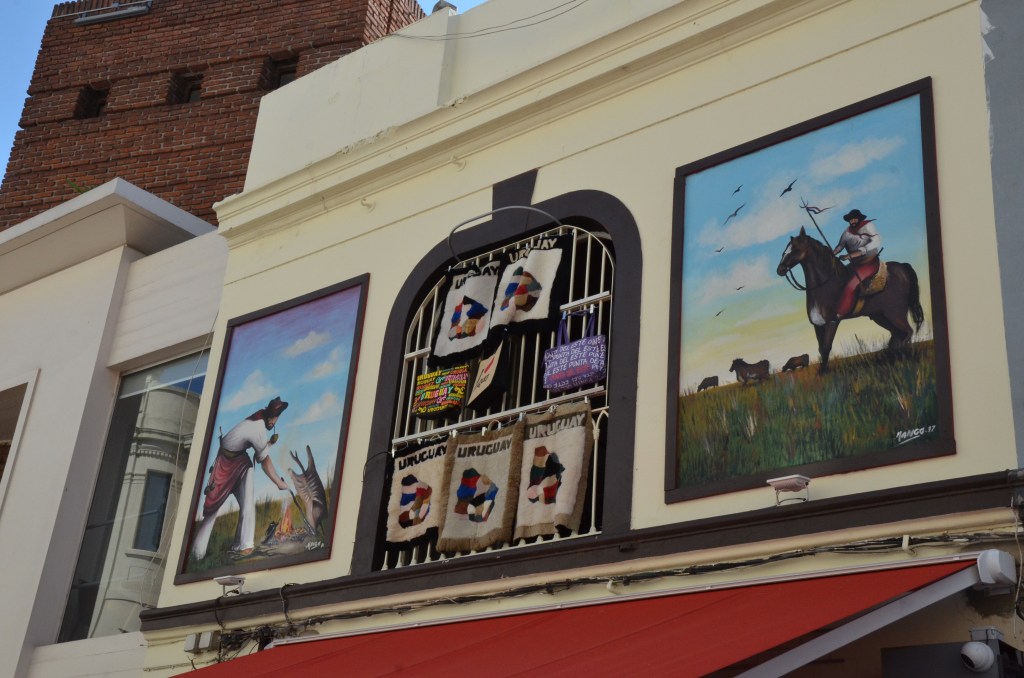
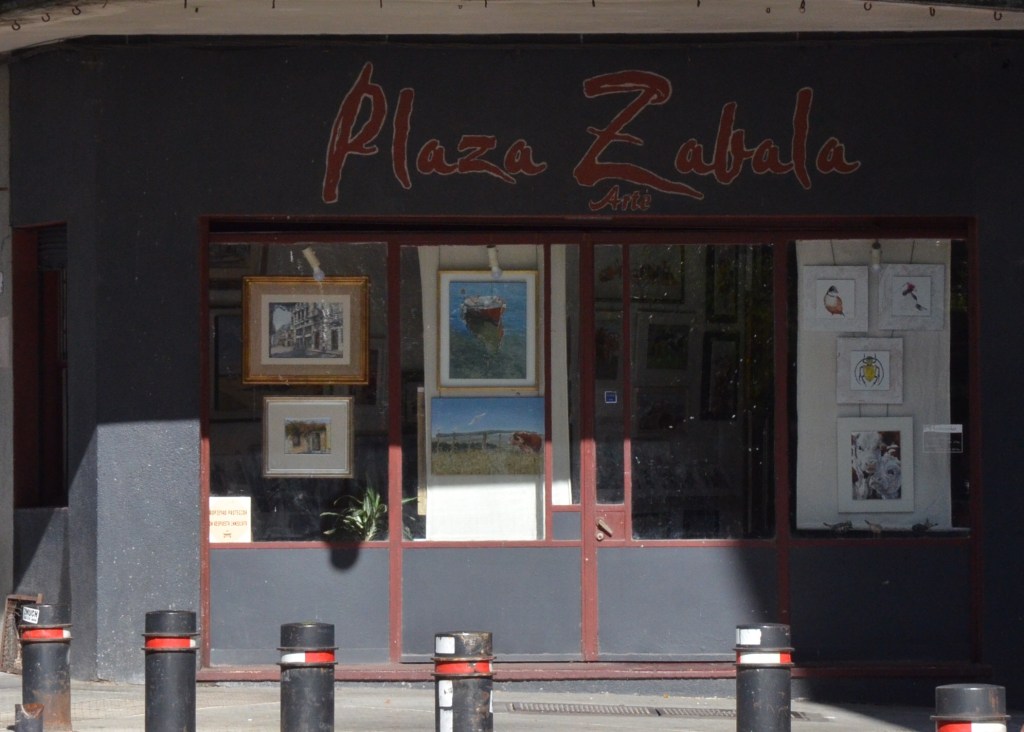
An art shop featuring local artists near the port.
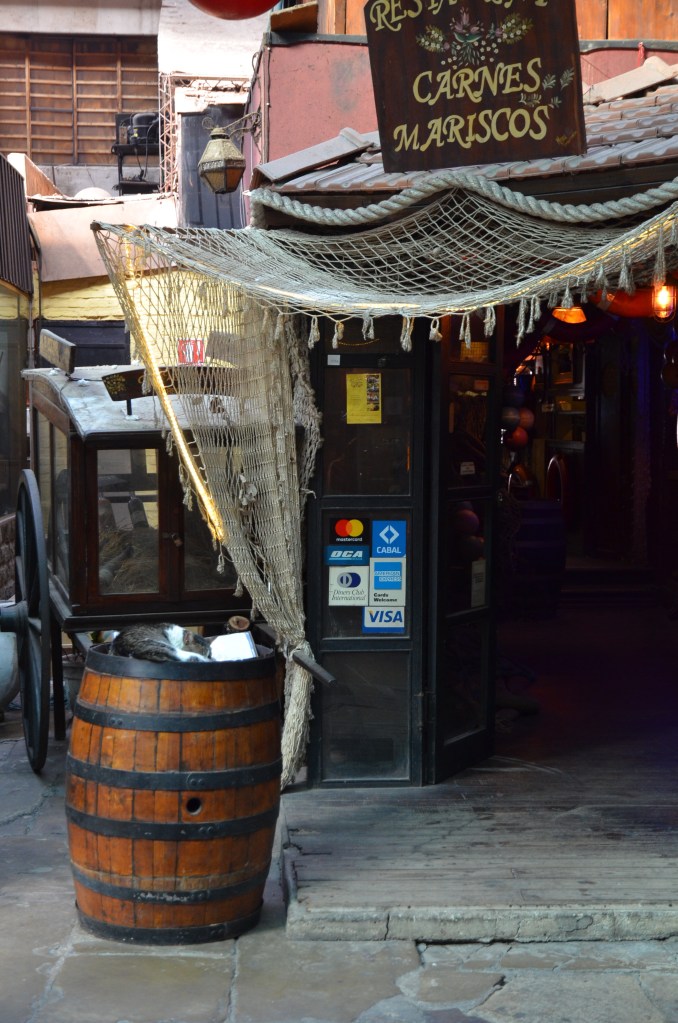
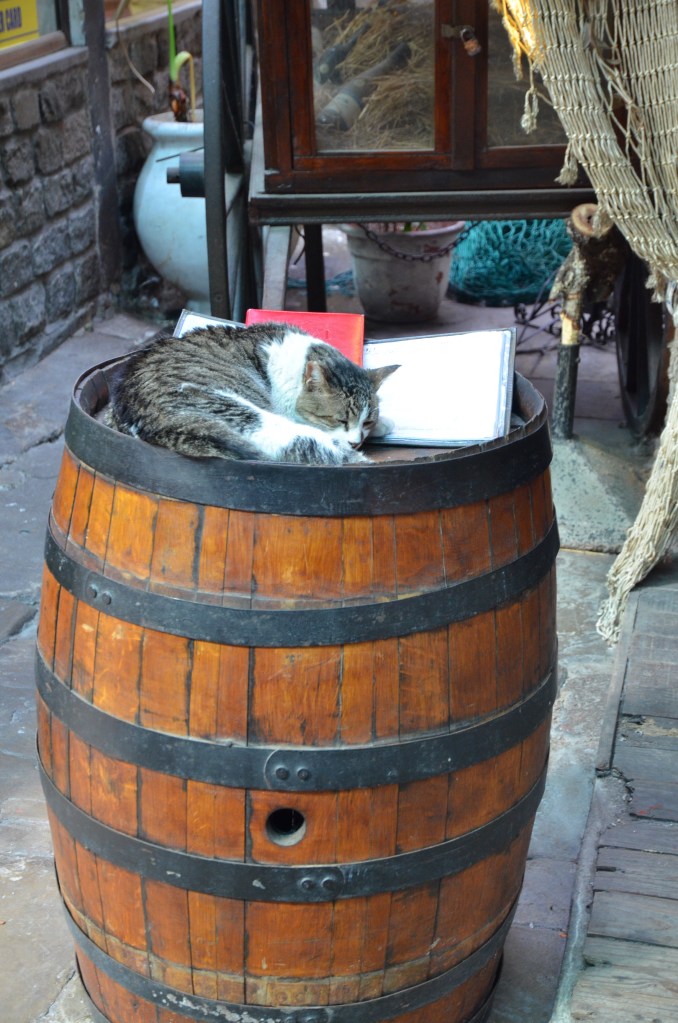
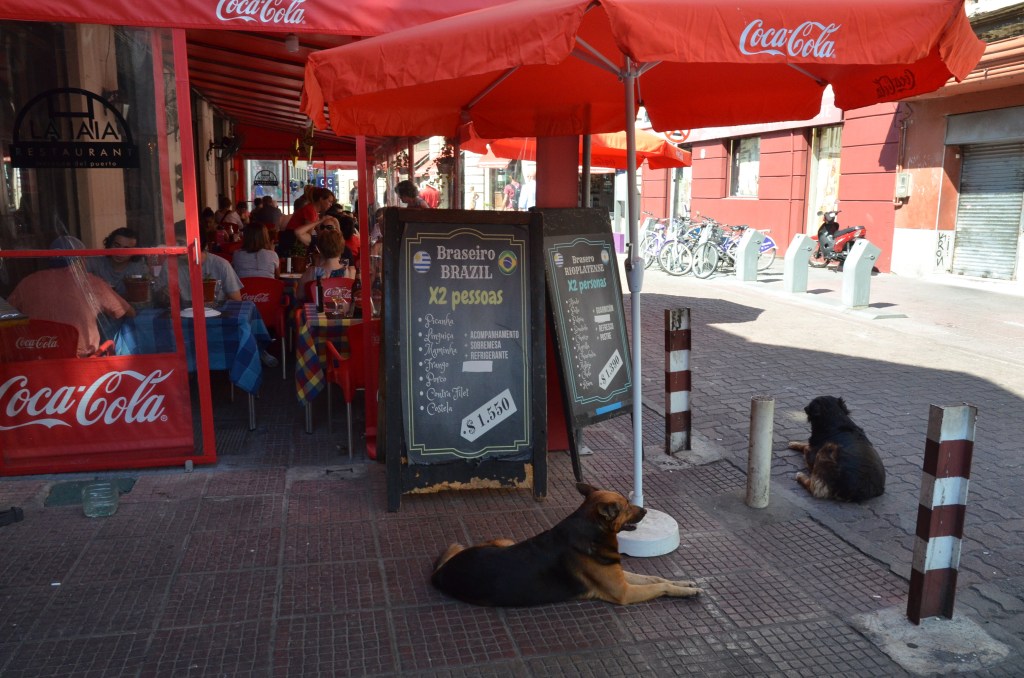
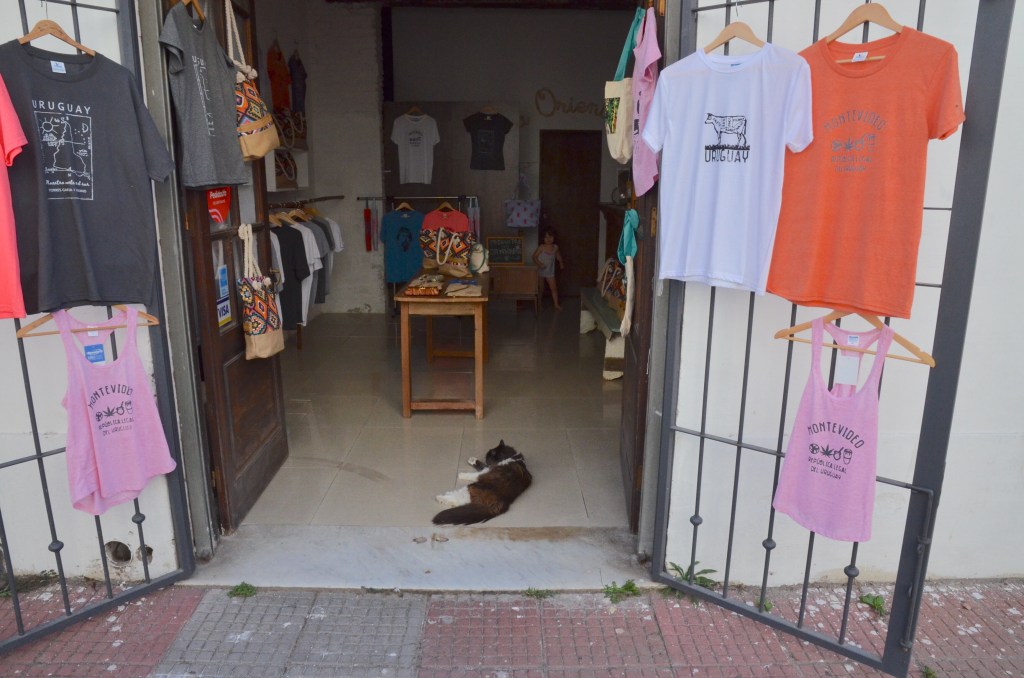
We saw many dogs and a few cats. They all seemed in good physical condition and none acted scared or aggressive. There were shop cats, and dogs hanging out near the restaurants.
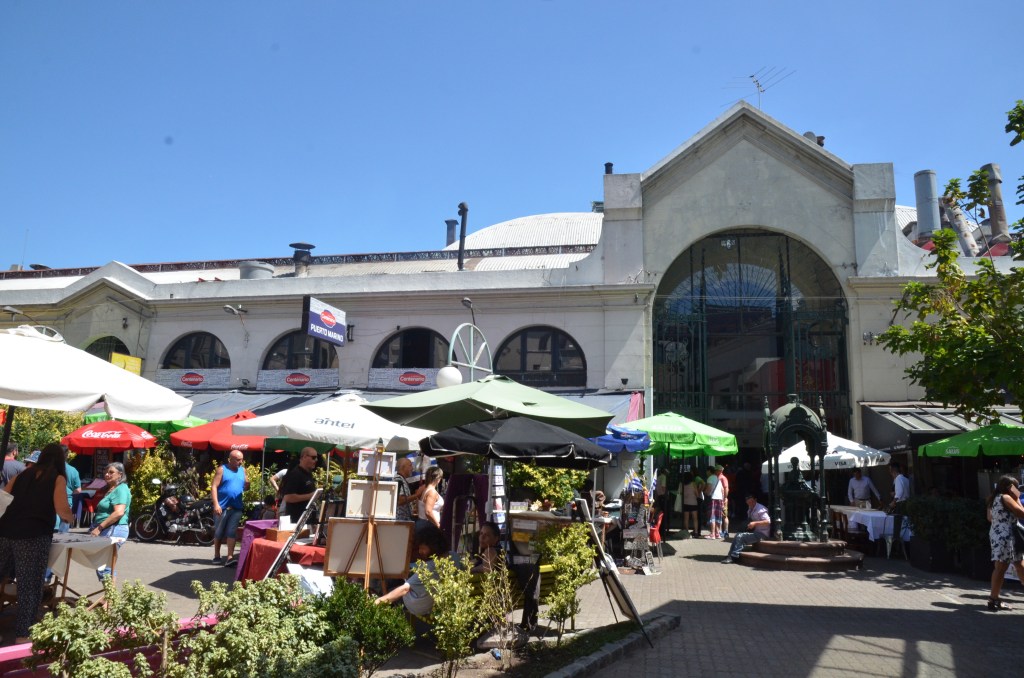
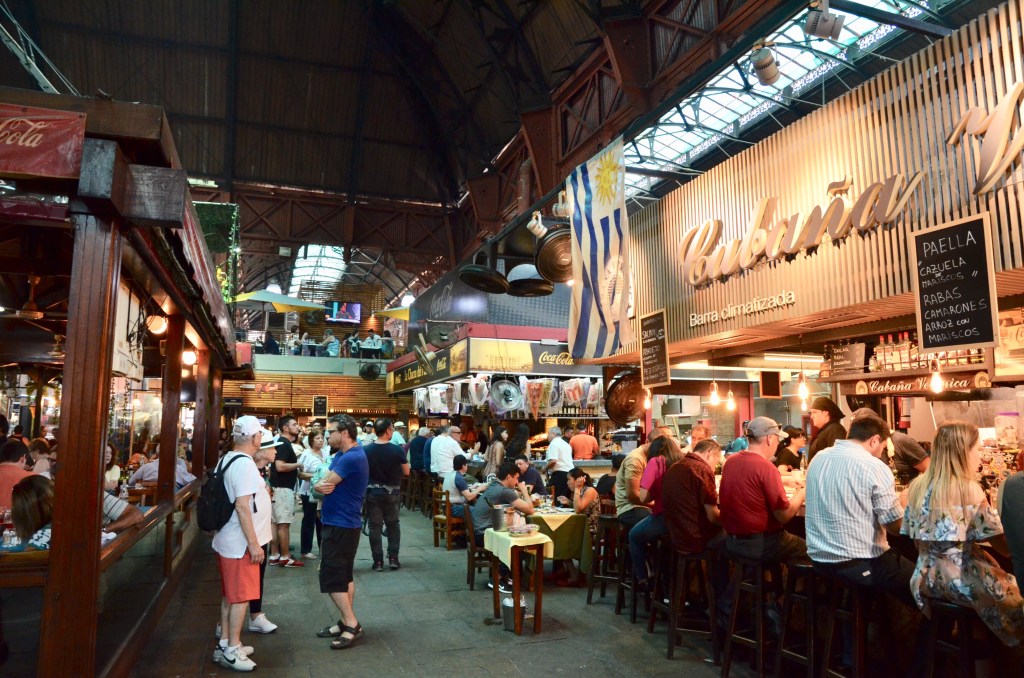
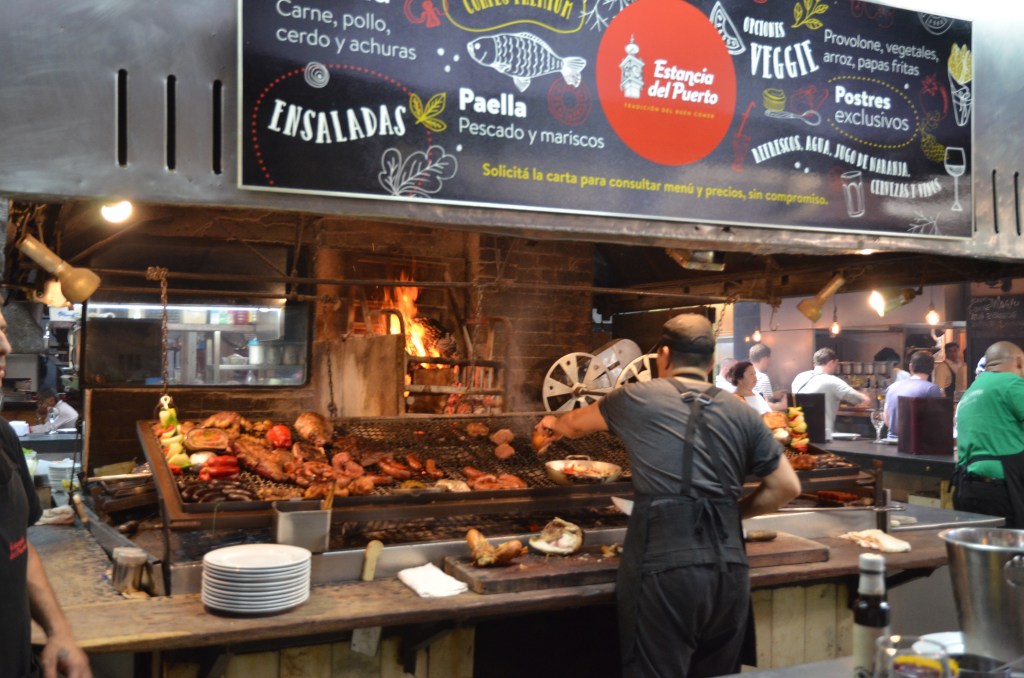
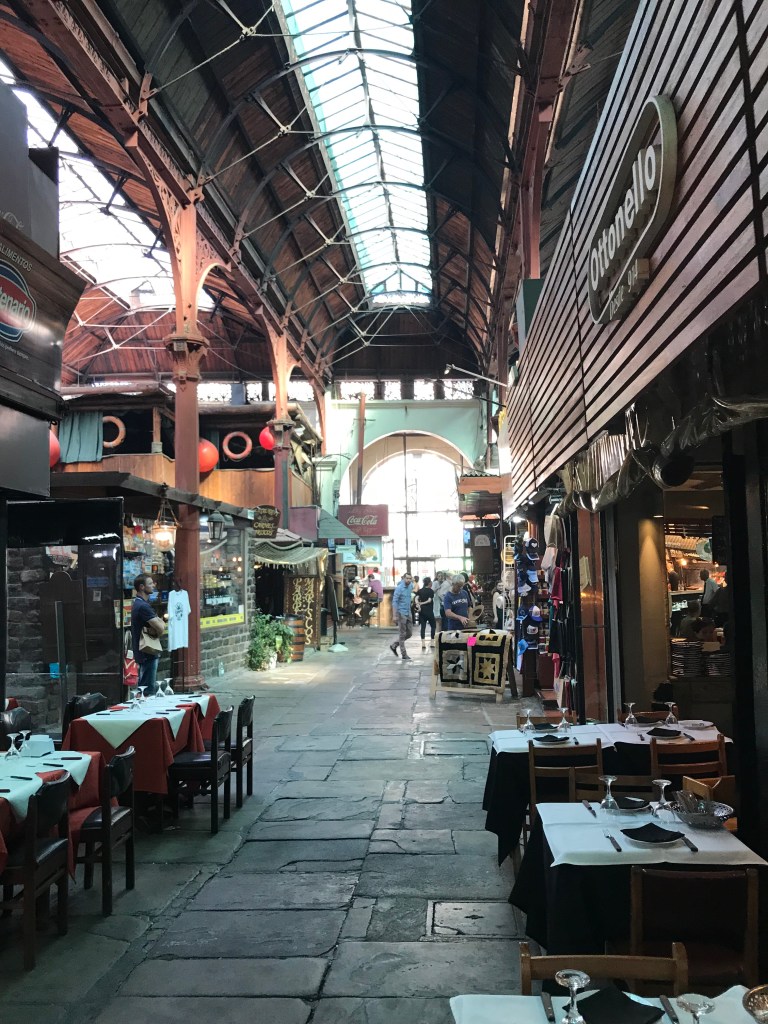
Our hotel is right across from the Mercado del Puerto. It is just like what I saw in Spain, a large open building with mostly restaurants and food shops inside.
The Mercado del Puerto
Inside the Mercado del Puerto
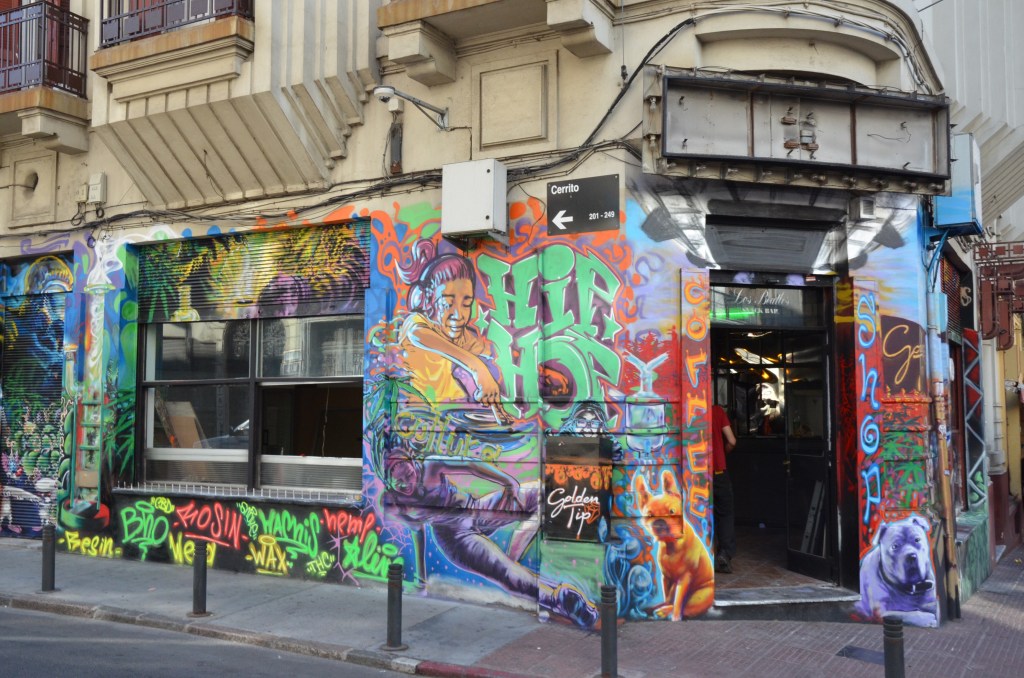
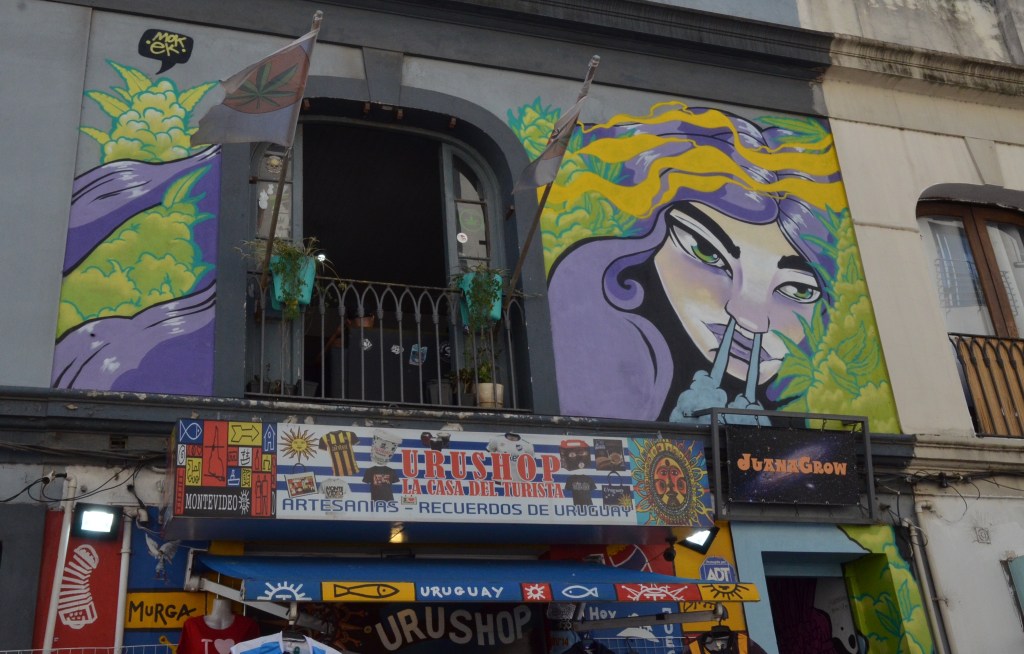
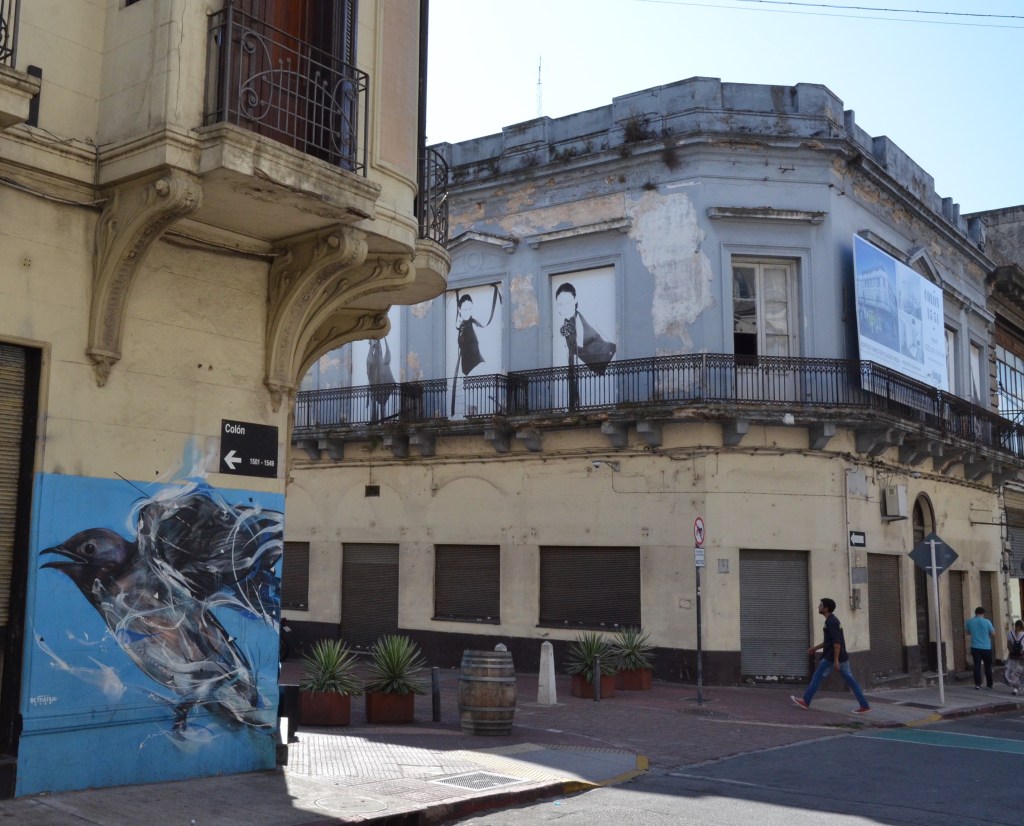
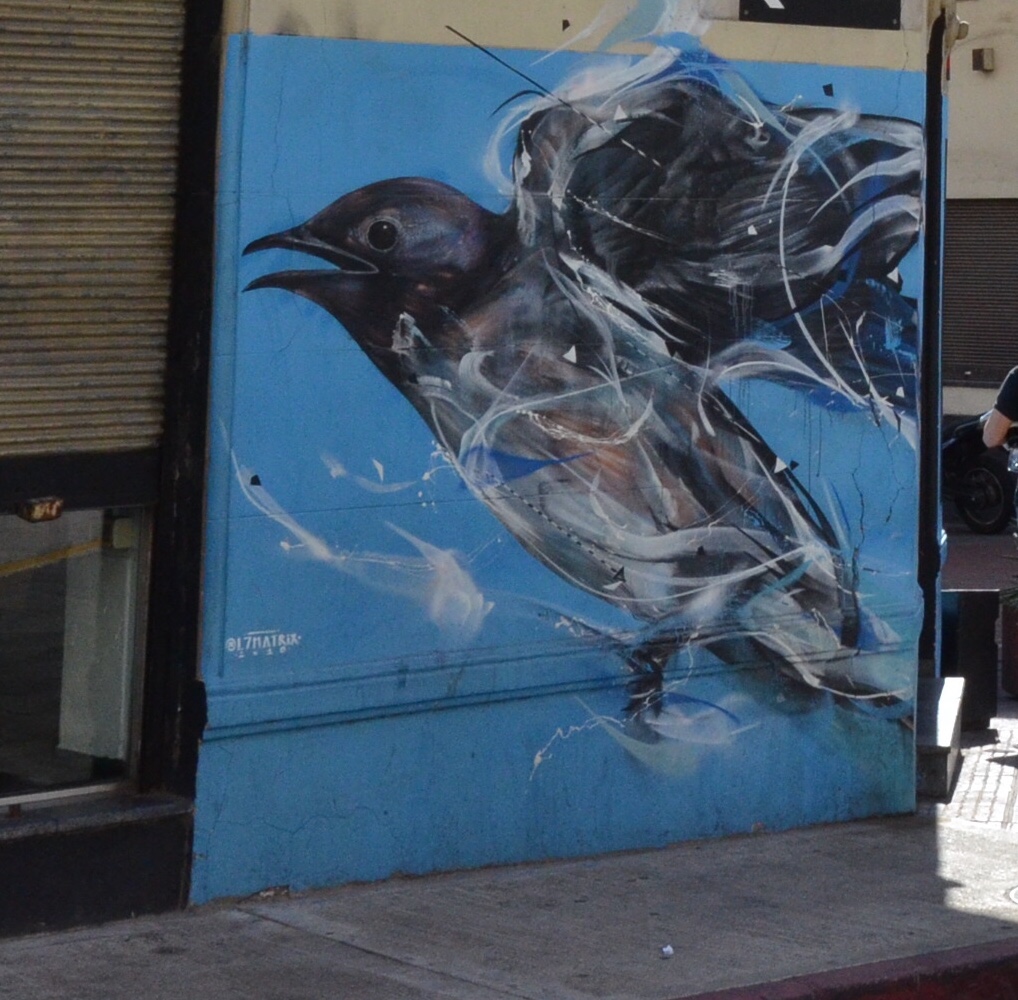
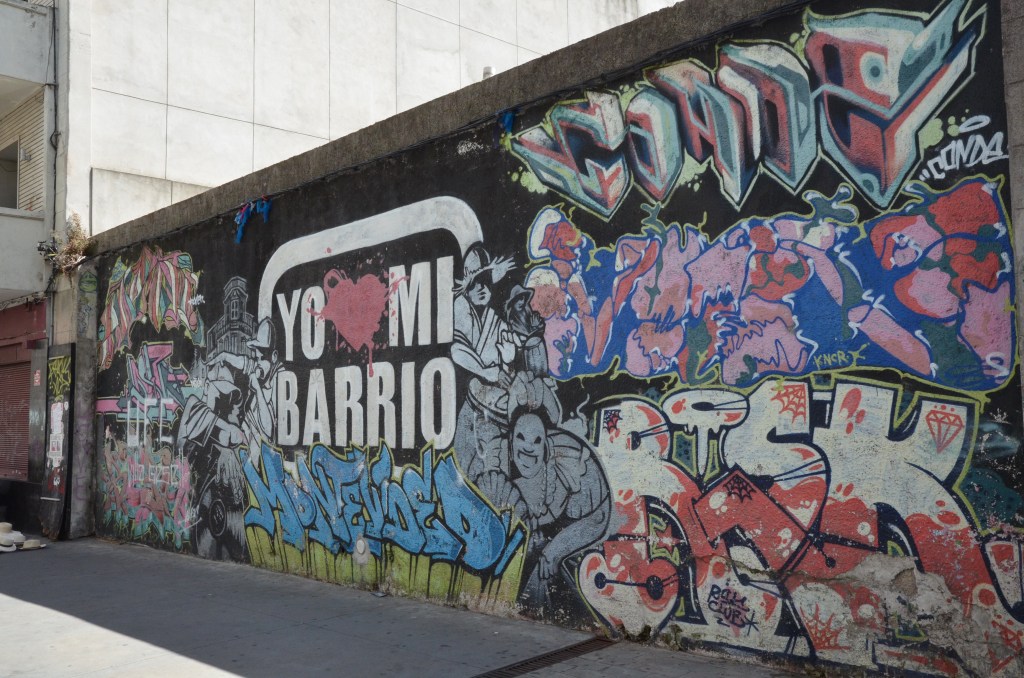
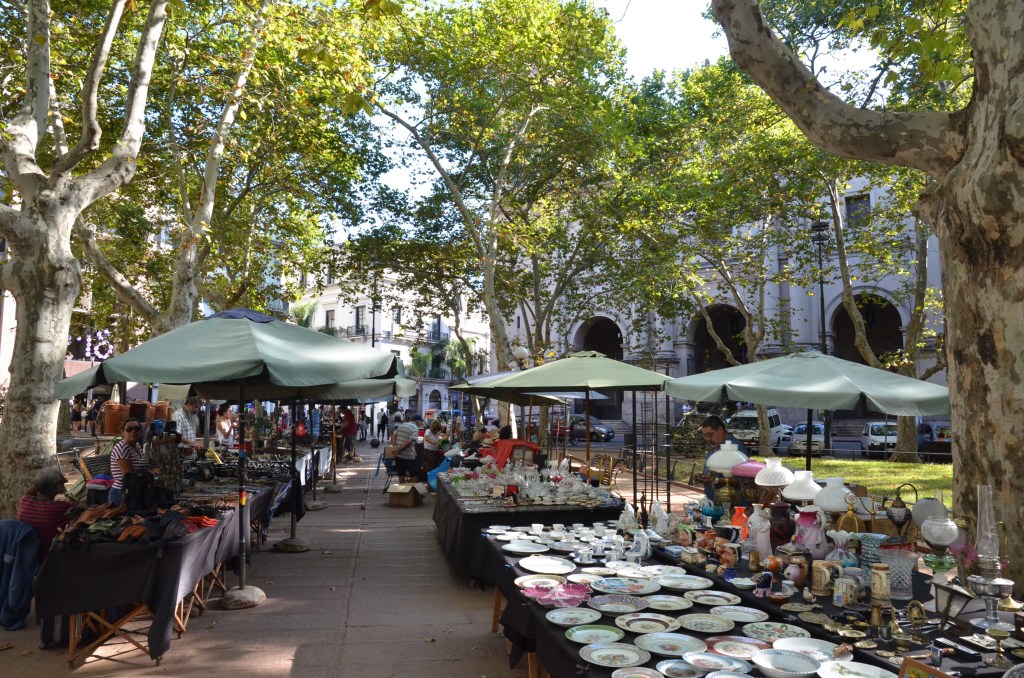
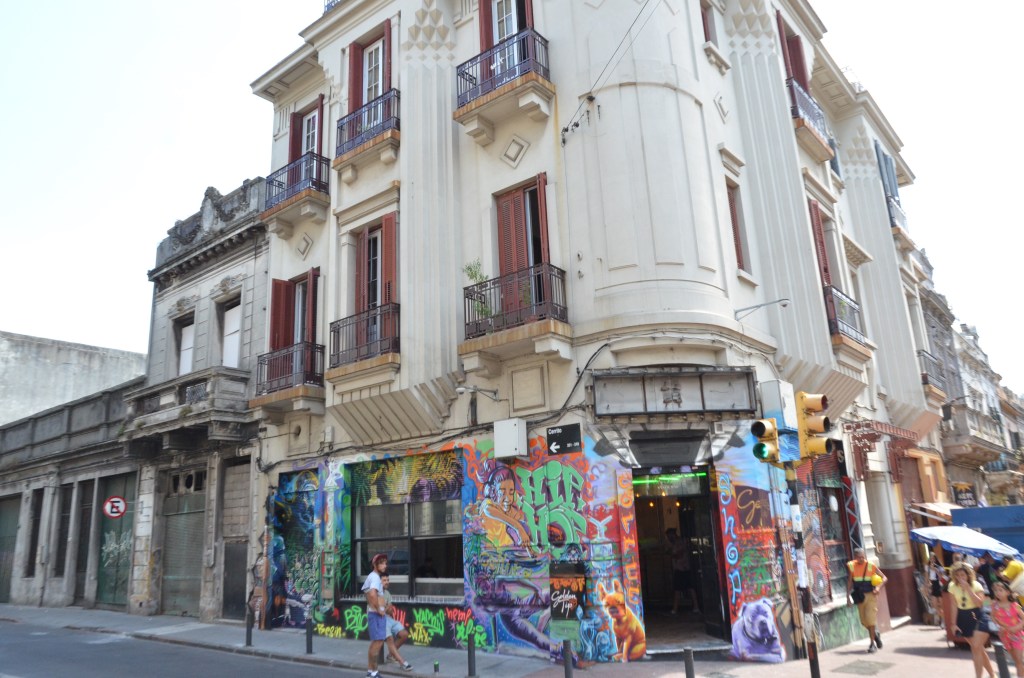
Walking the streets we saw some interesting street art and graffiti.
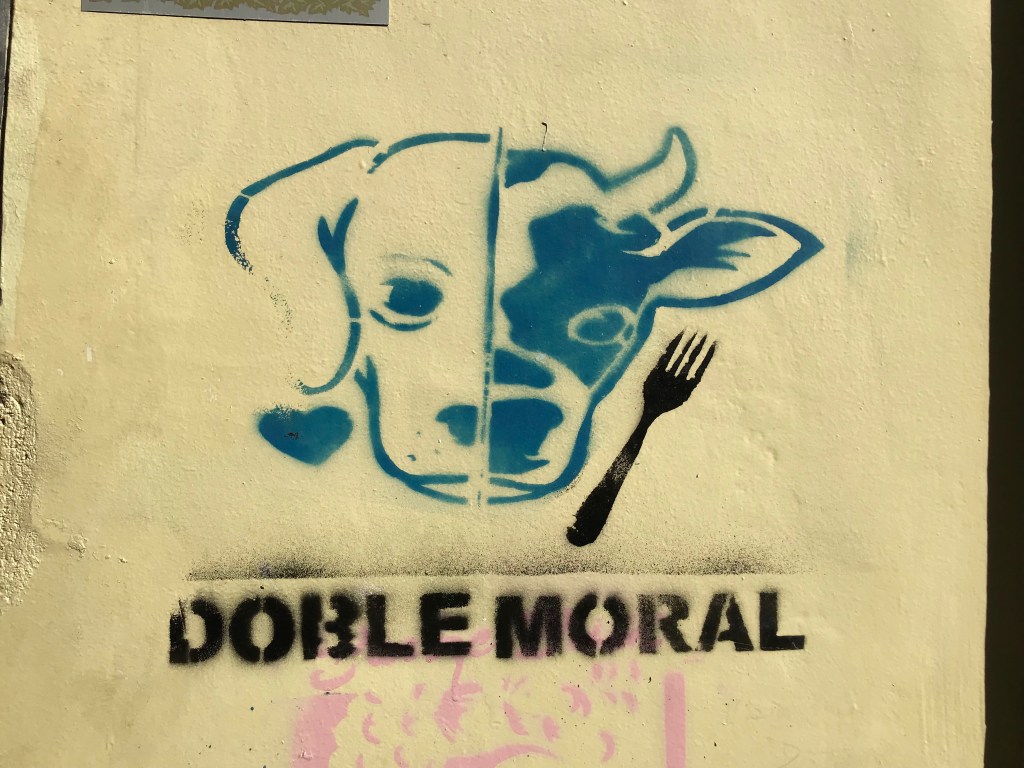
A few of the graffiti had a common theme. Someone here in Montevideo has a conscience.
If it’s love and peace…why do you eat me?
If it’s not your mother it’s not your milk.
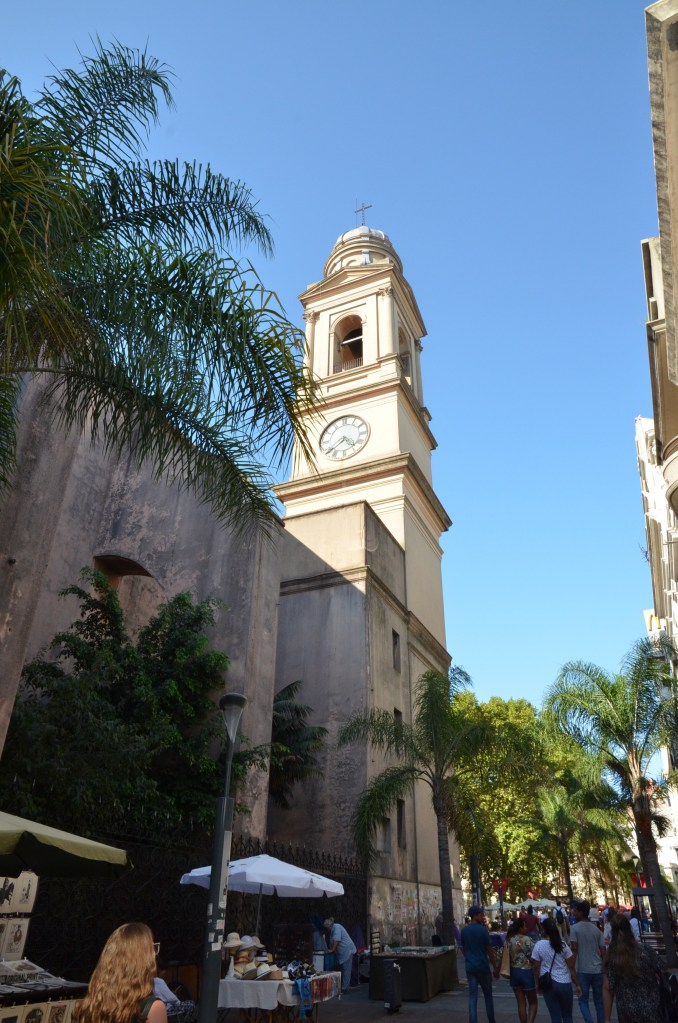
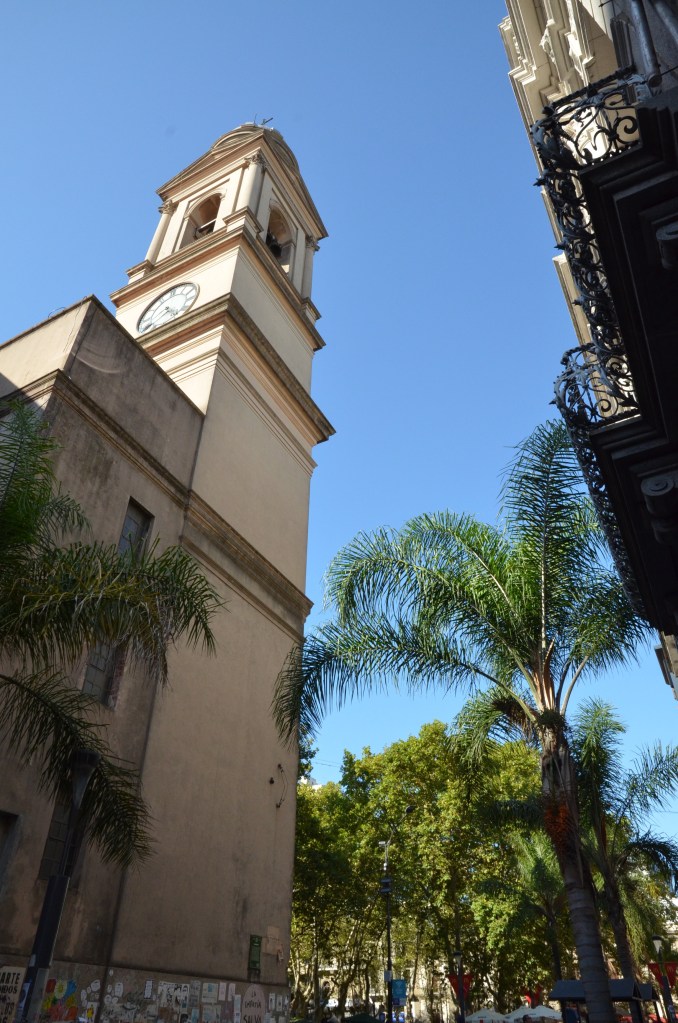
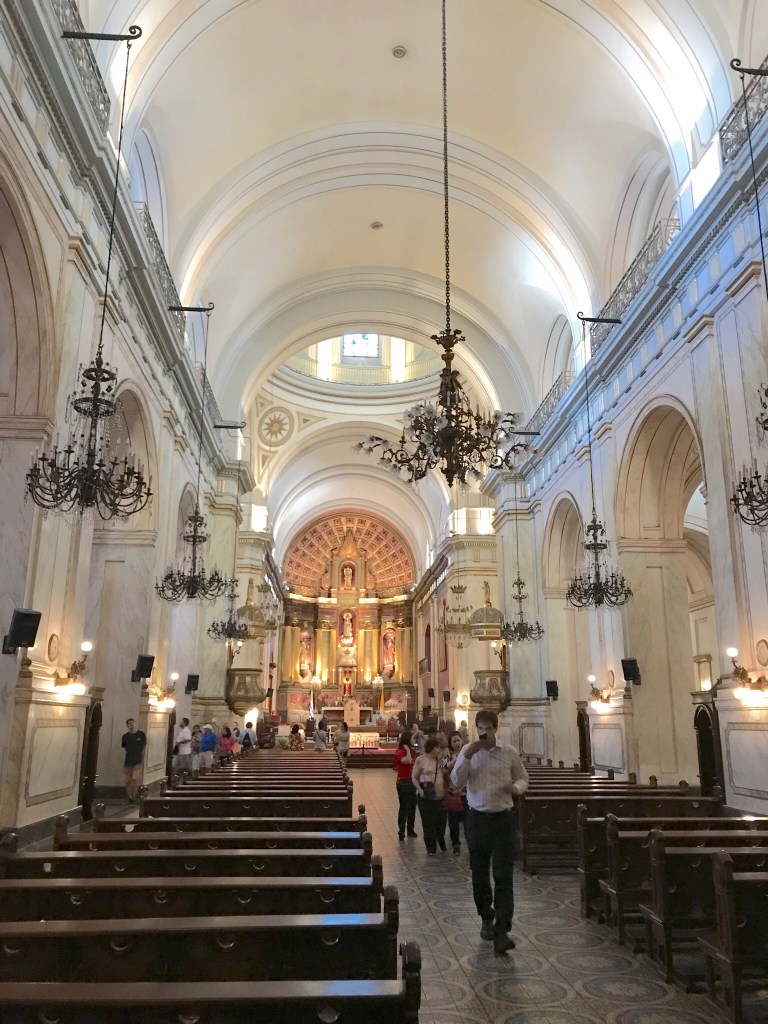
We toured the Cathedral Metropolitana.
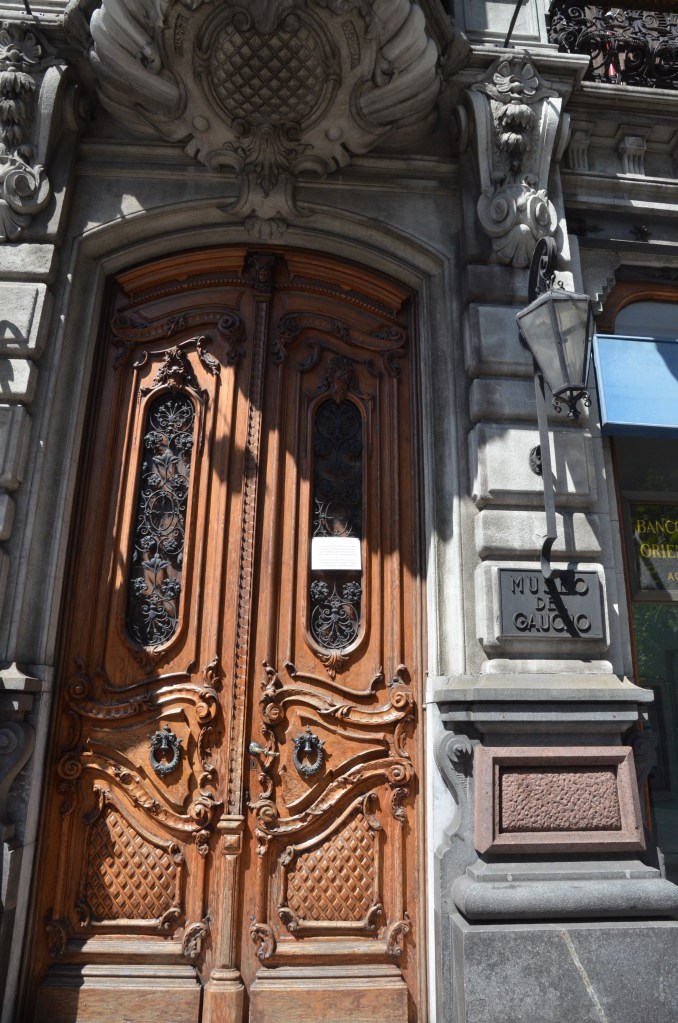
We walked what seemed to be about two miles to find the Museo del Gaucho, just to find it closed for renovation.
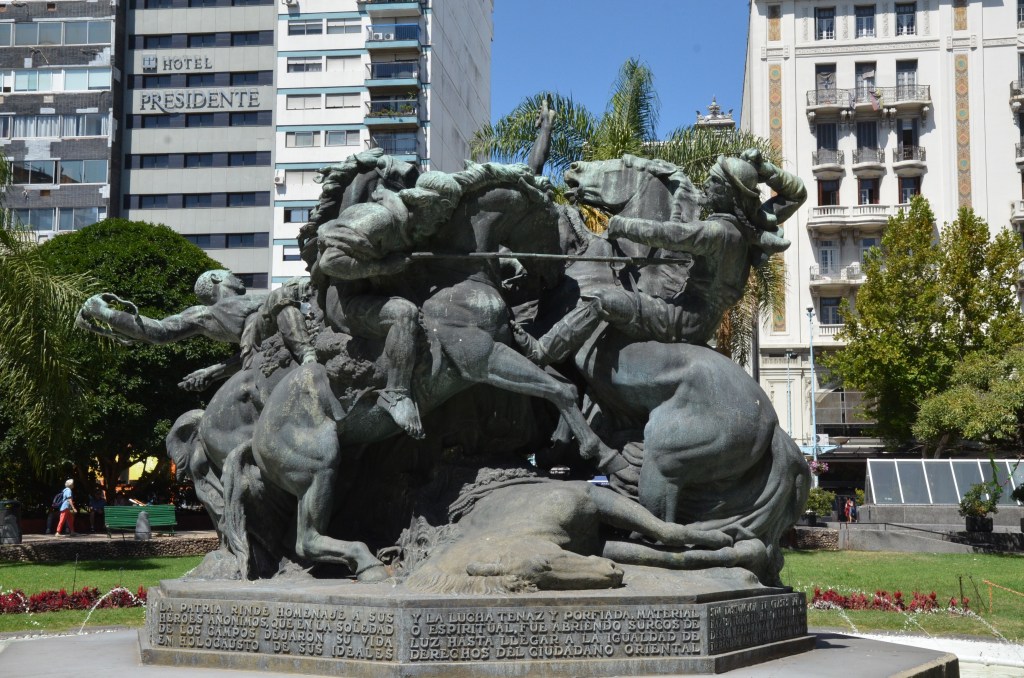
One block from the Gaucho Museum we found a spot to sit and relax with a lemonade. The fountain in the square celebrated the anonymous heroes who in the Soledad de los Campos lost their lives in the holocaust of their ideals.
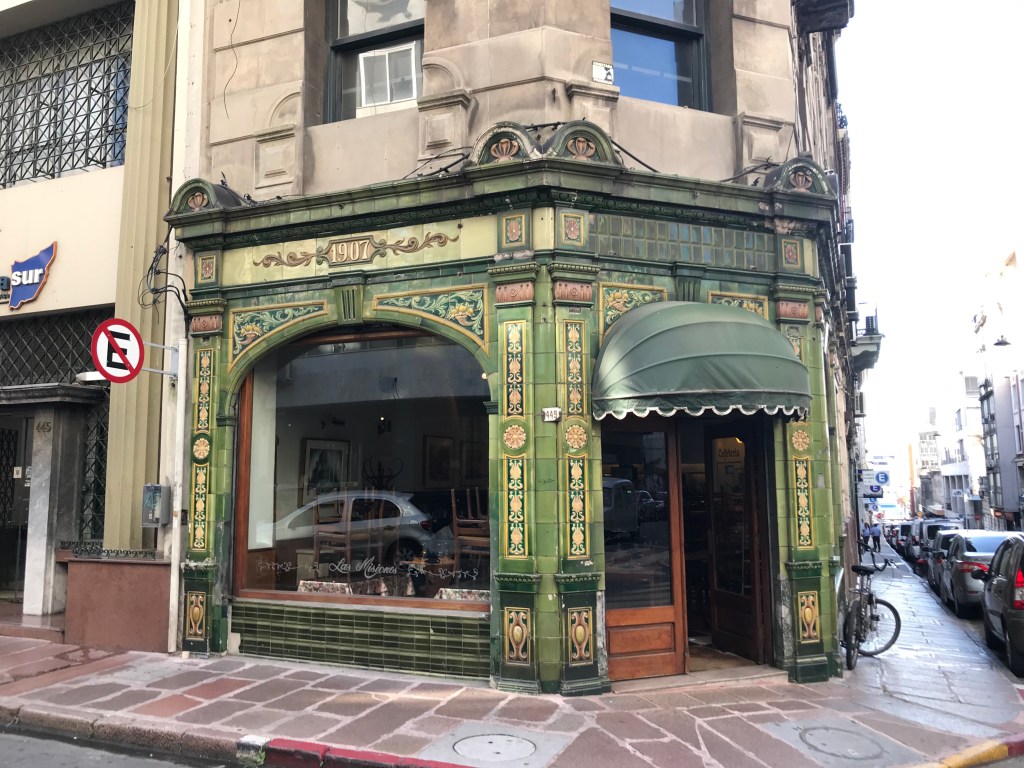
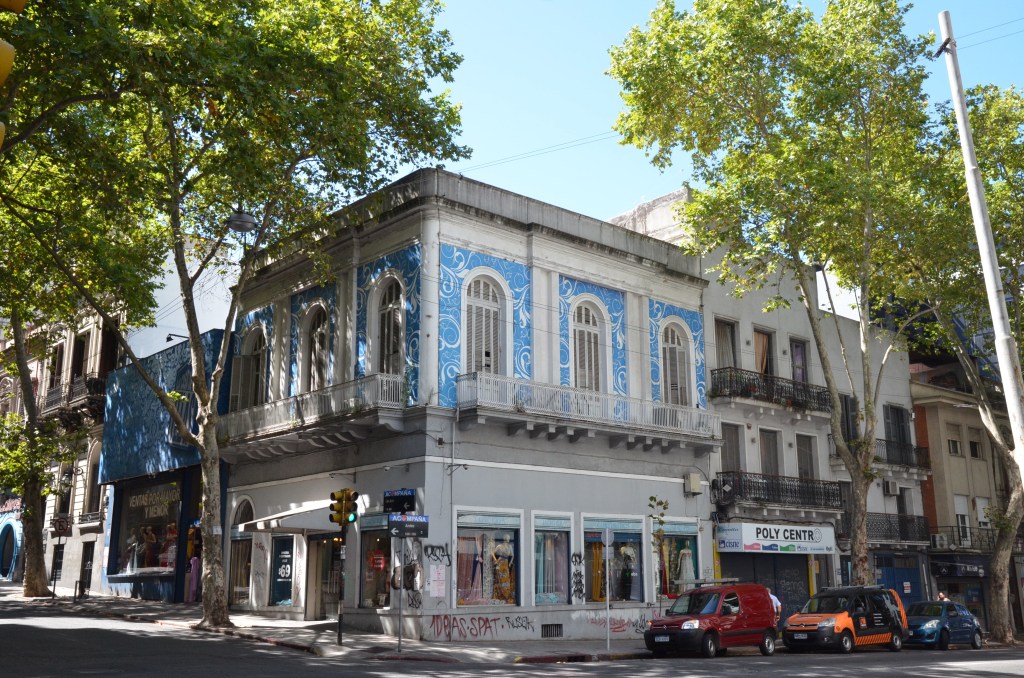
An interesting building in Montevideo.
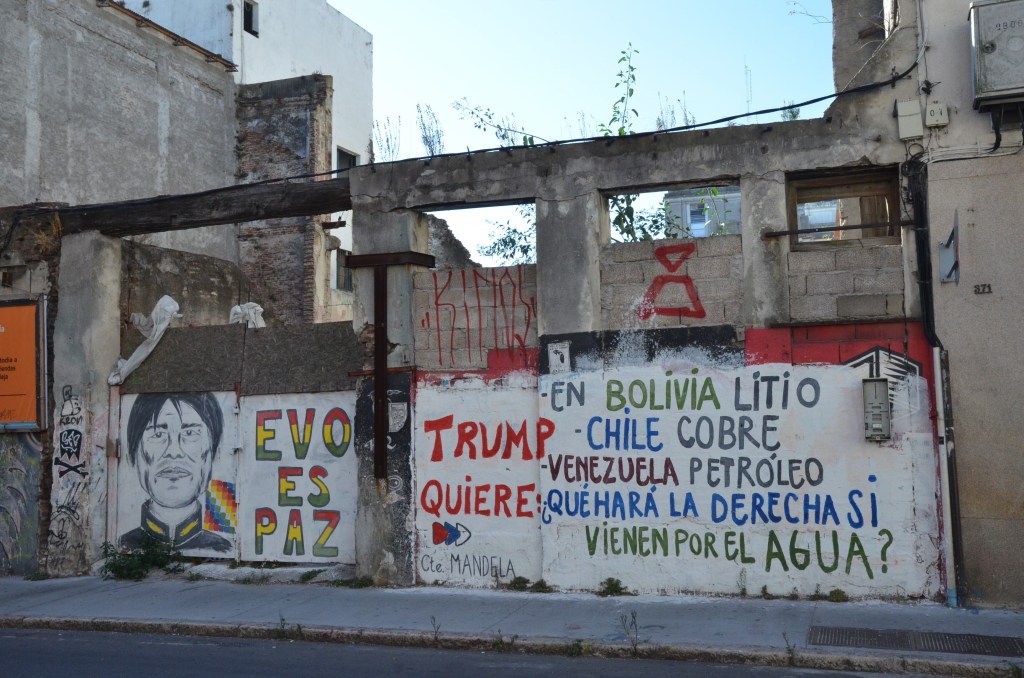
Anti Trump sentiment.
We had lunch in the Mercado del Puerto, at Roldos, famous since 1886 for its “Medio y Medio”, a drink made from white wine and champagne.
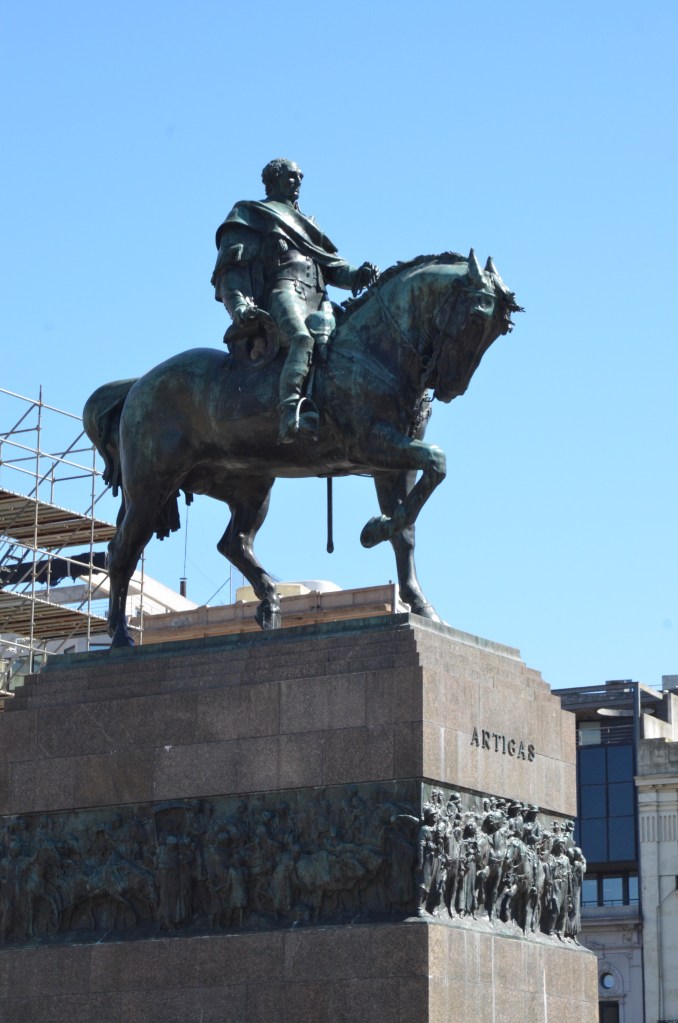
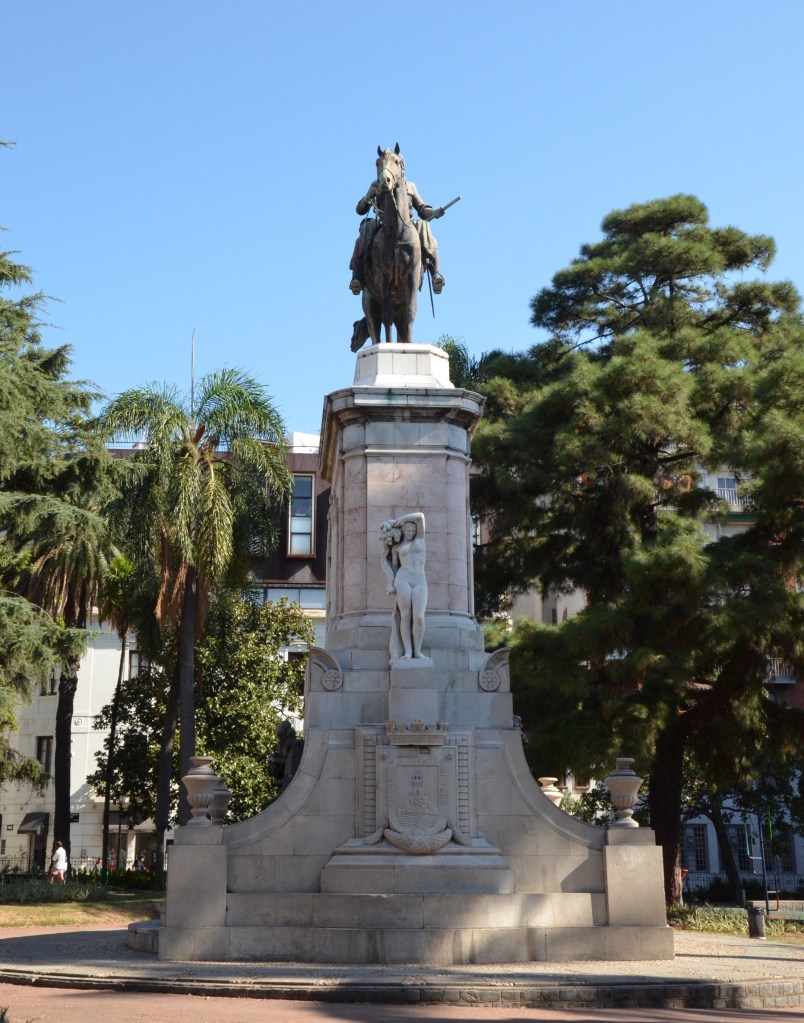
In Independence Square, a statue honors Jose Gervasio Artigas, who first liberated Montevideo from Spanish rule in 1811.
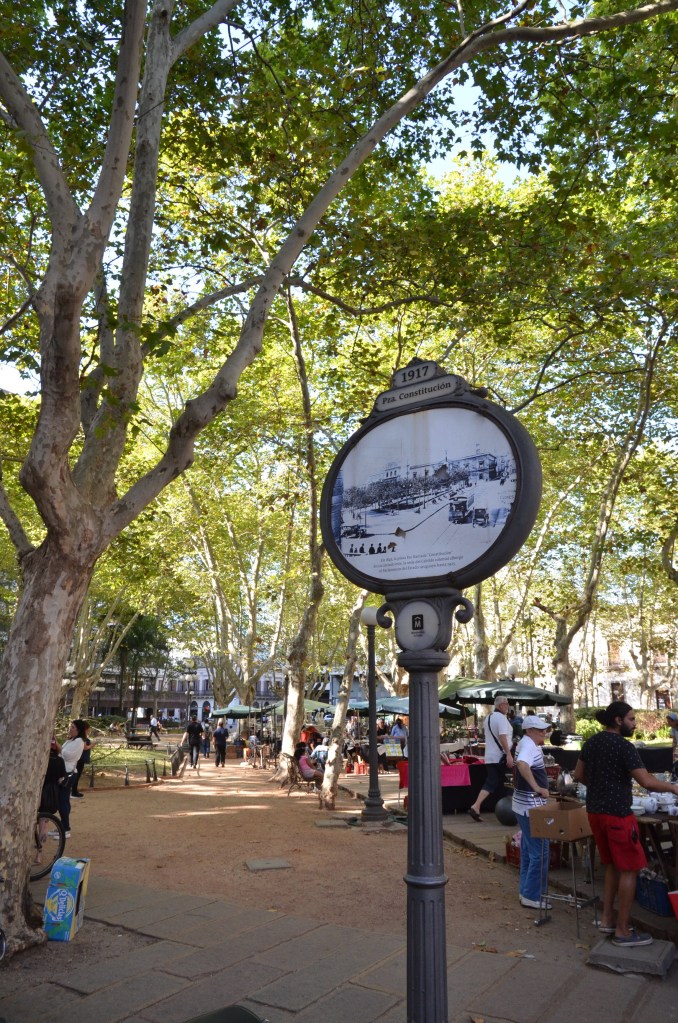
Constitution Square
A shop cat.
In Zabala Square, a statue of Bruno Mauricio de Zabala. He founded Montevideo in 1726.
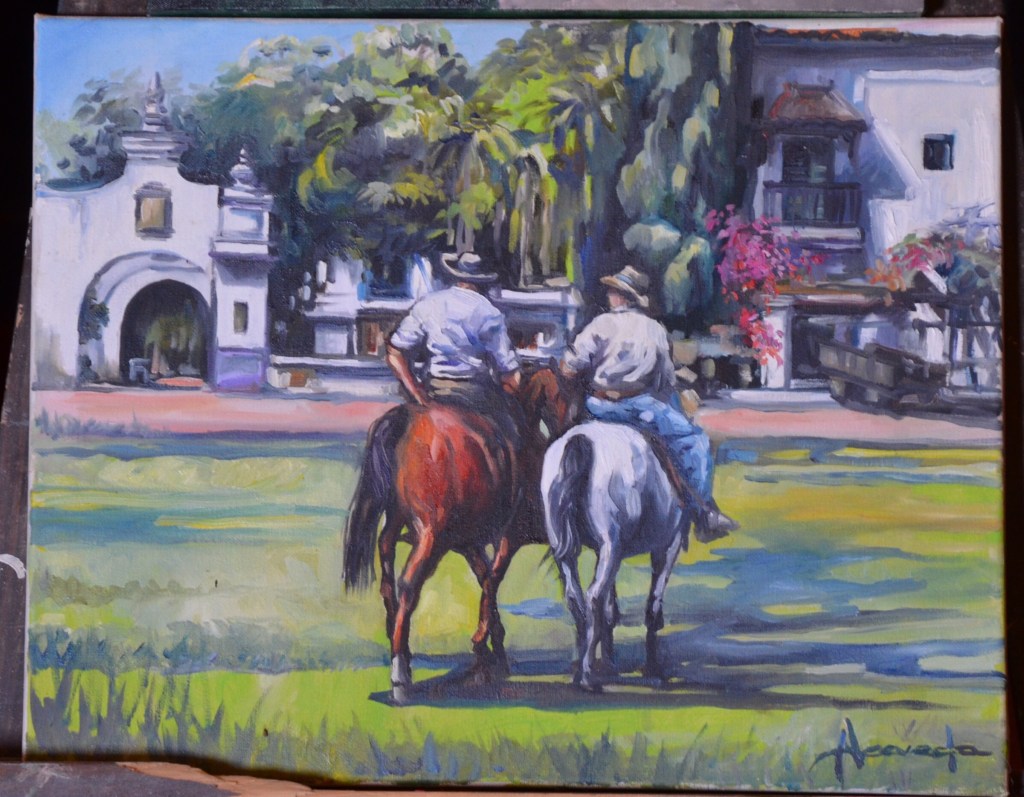
An art shop where I found a painting I liked. It was too expensive to bring home
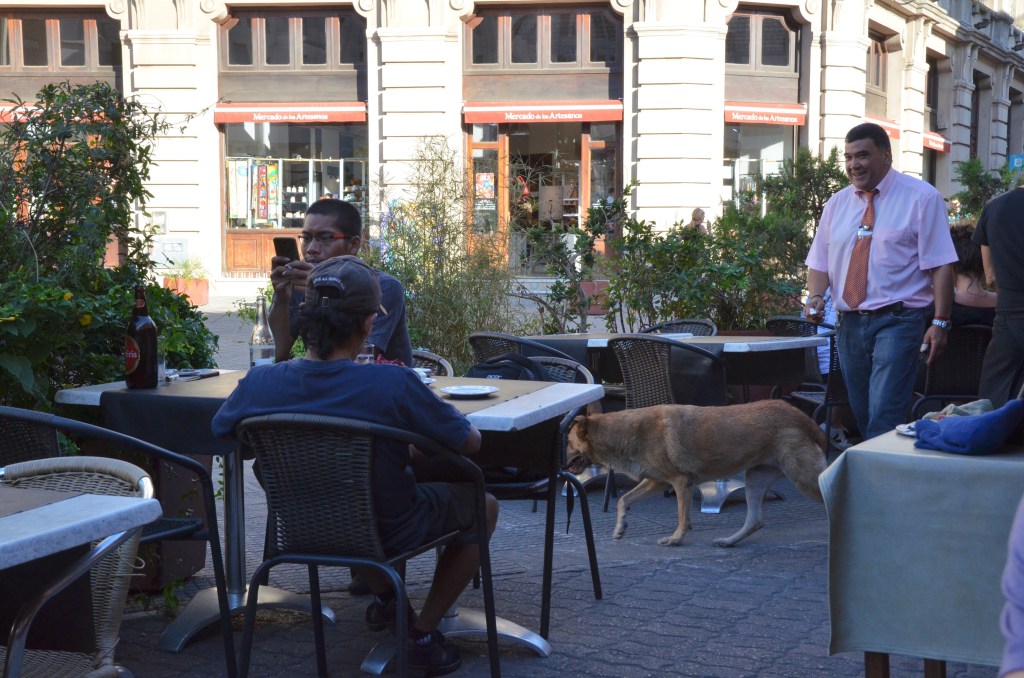
We had dinner near the port. We watched as the manager gently guided a dog out of the restaurant. He was smiling as he did it. The dog didn’t stay away. We saw several patrons feed the dogs, all of whom were friendly and looked in good shape.
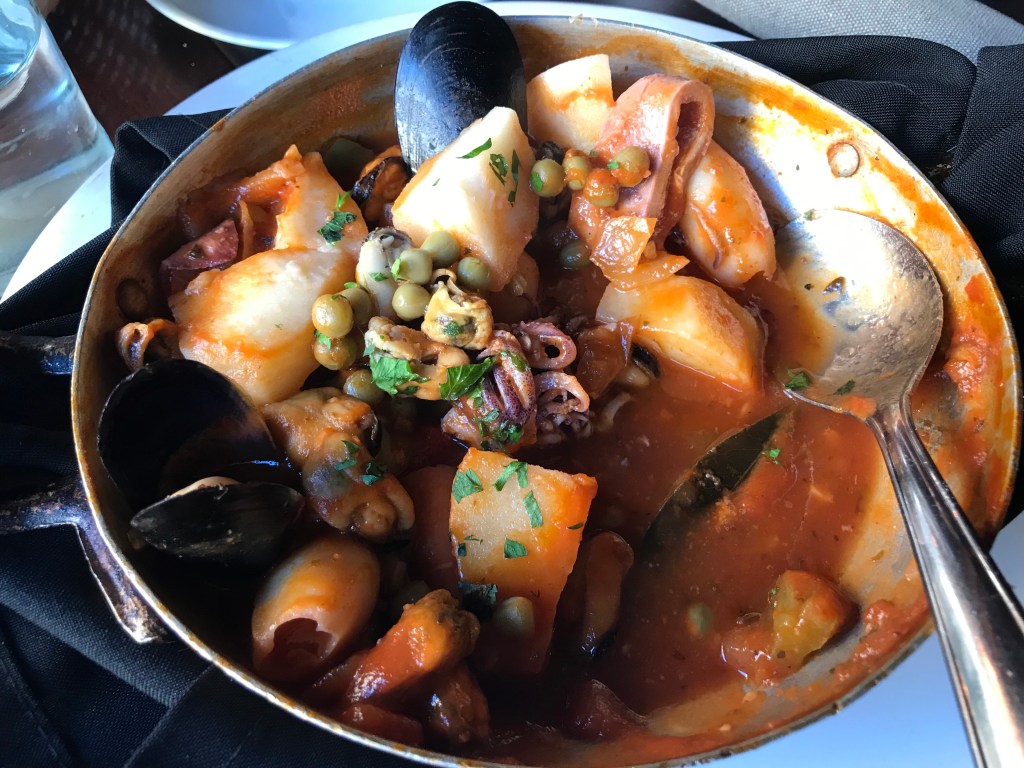
Seafood casserole.
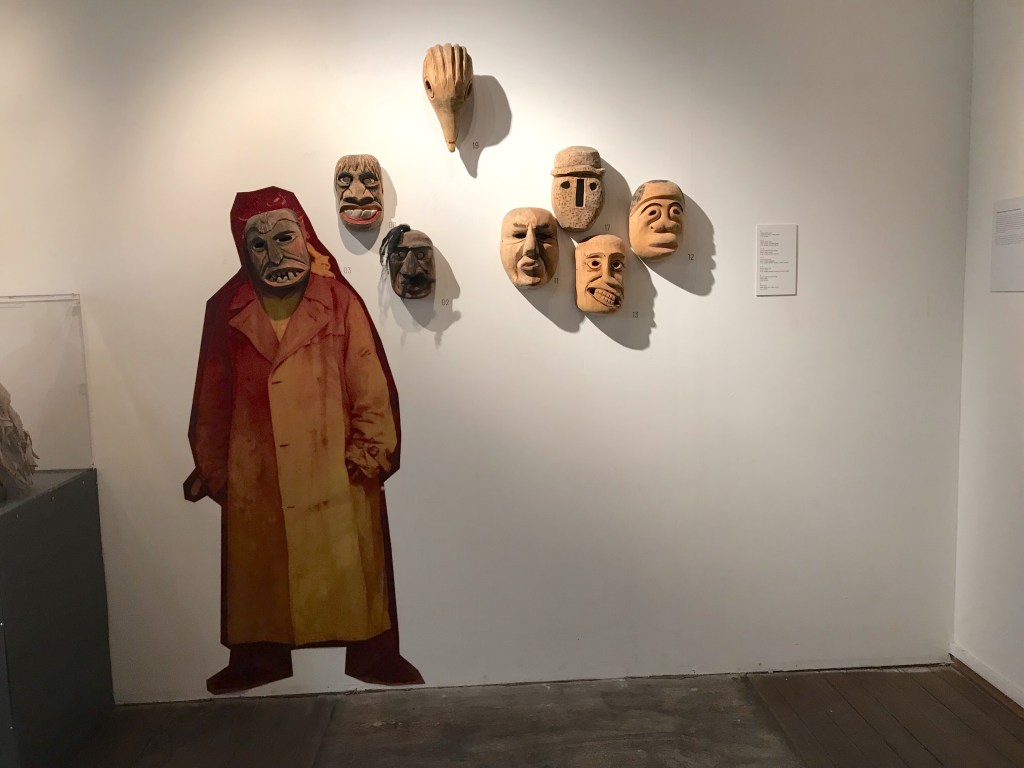
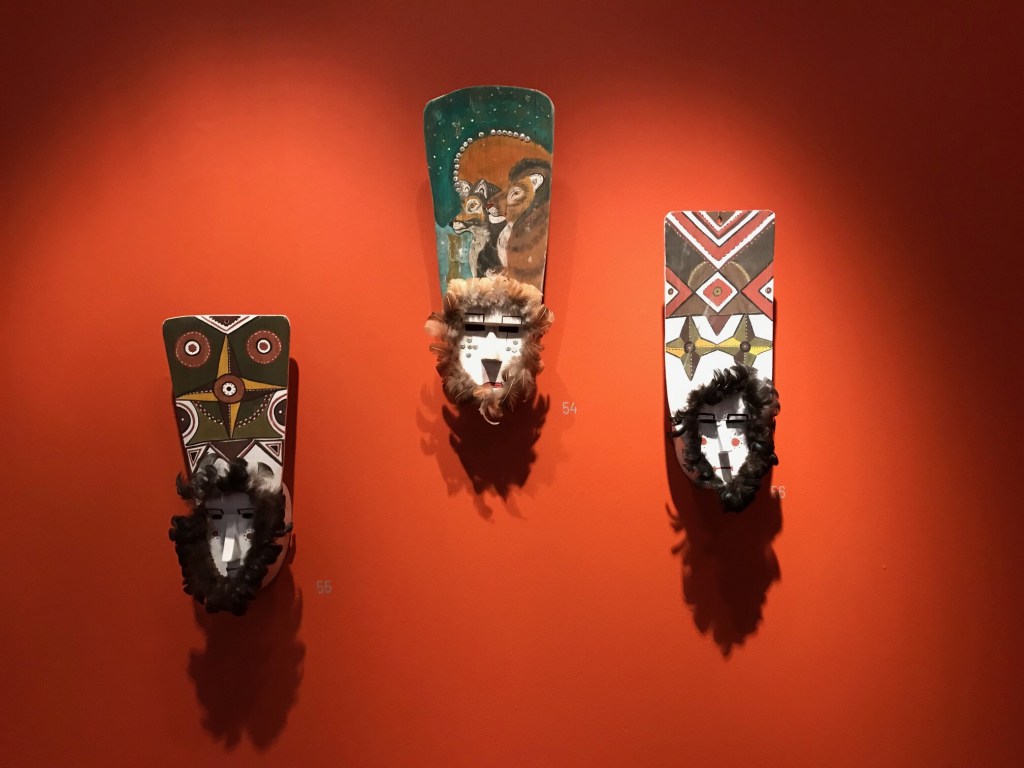
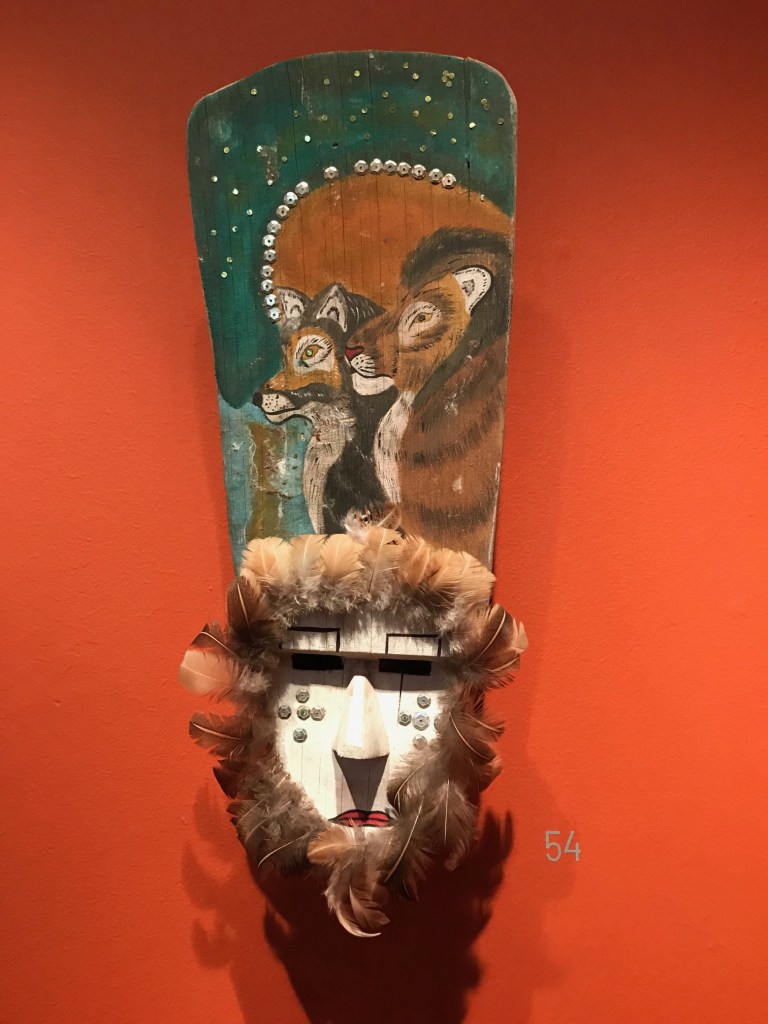
We also toured the Pre-Columbian and Indian Art Museum
The people here seem very pro cat and dog. The city is clean and mostly friendly. From Montevideo we will be traveling north into the center of the country.